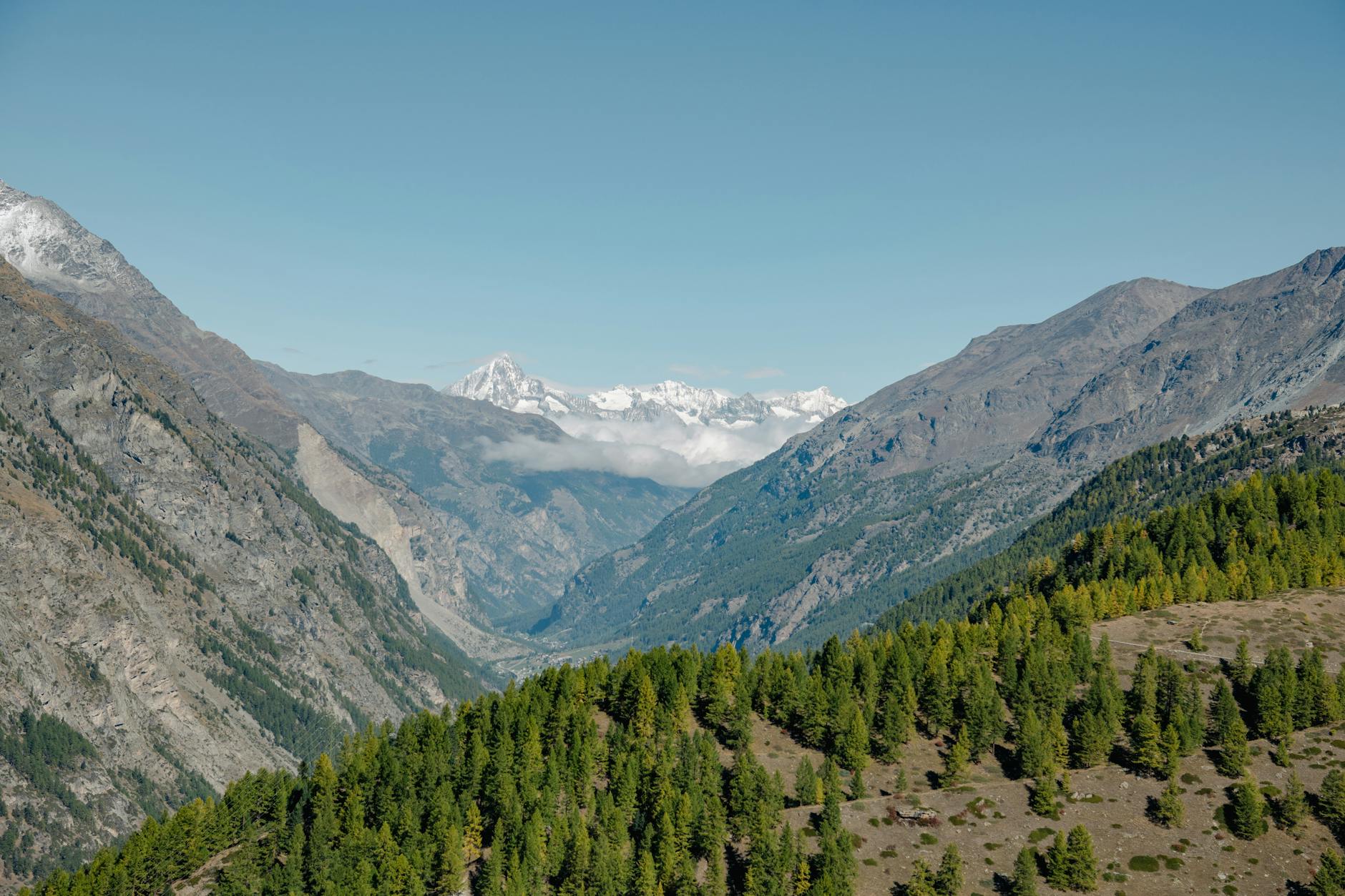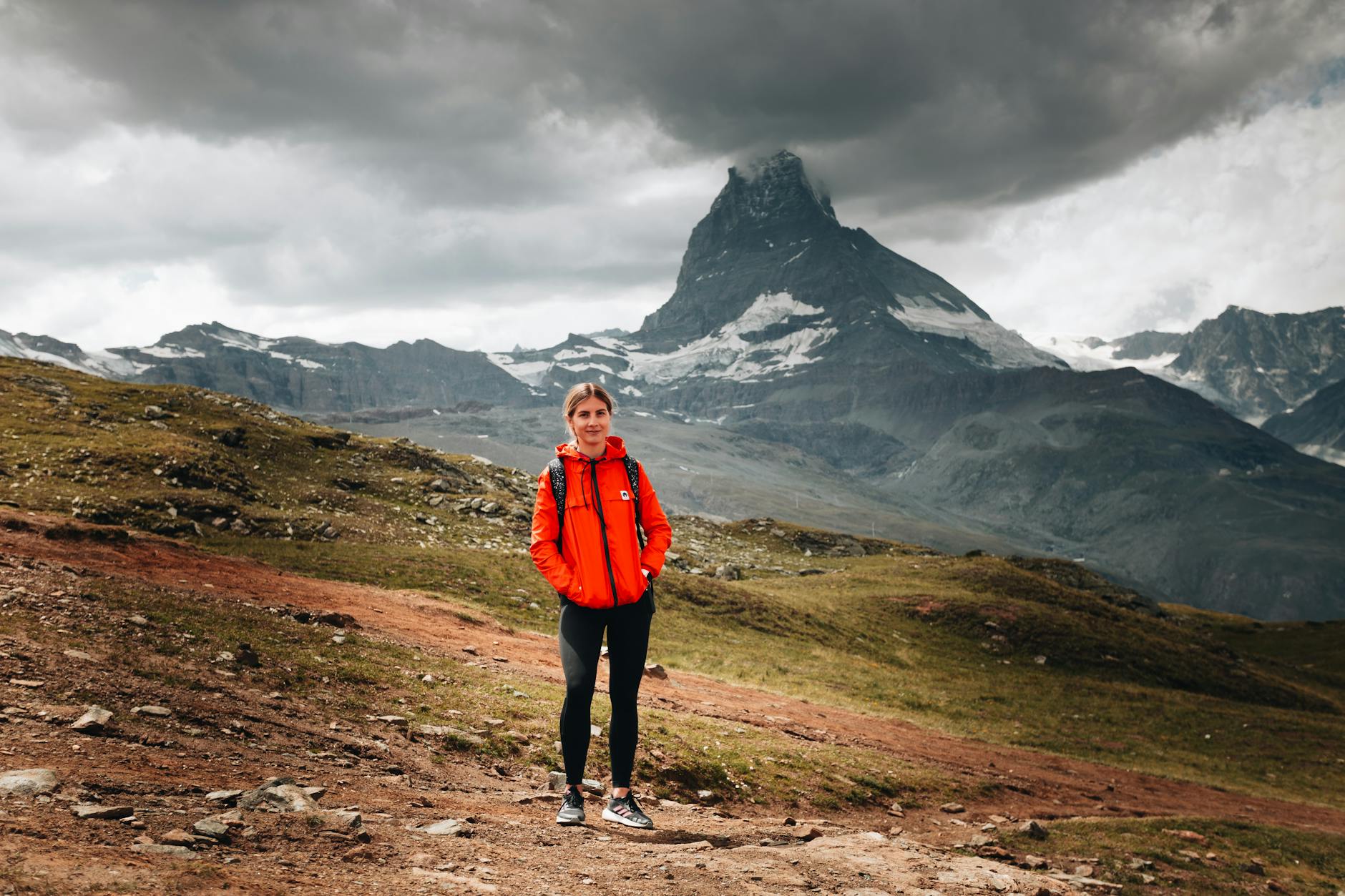
Zermatt can be a rewarding destination for a woman traveler because the village is compact, visually clear, and well suited to independent movement. It still deserves practical planning. The car-free arrival, mountain routes, weather, altitude, evening choices, hotel location, and communication plan all matter more when the traveler is moving alone or making decisions without a larger group.
Choose a base that makes movement easy
For a woman traveler, Zermatt hotel choice should start with practical confidence: station pickup, a manageable walking route, good lighting, staff responsiveness, quiet rooms, and easy access to restaurants or lifts. A remote or steep property can be beautiful, but it may add unnecessary friction after dark, in snow, or when carrying bags.
A good base makes the village feel easier from the first hour.
- Check station distance, hotel pickup, luggage help, route grade, lighting, lift access, and evening return options.
- Read recent reviews for staff support, room quiet, location clarity, and how arrivals are handled.
- Favor convenience when arriving late, traveling solo, or staying only a short time.
Make the car-free arrival predictable
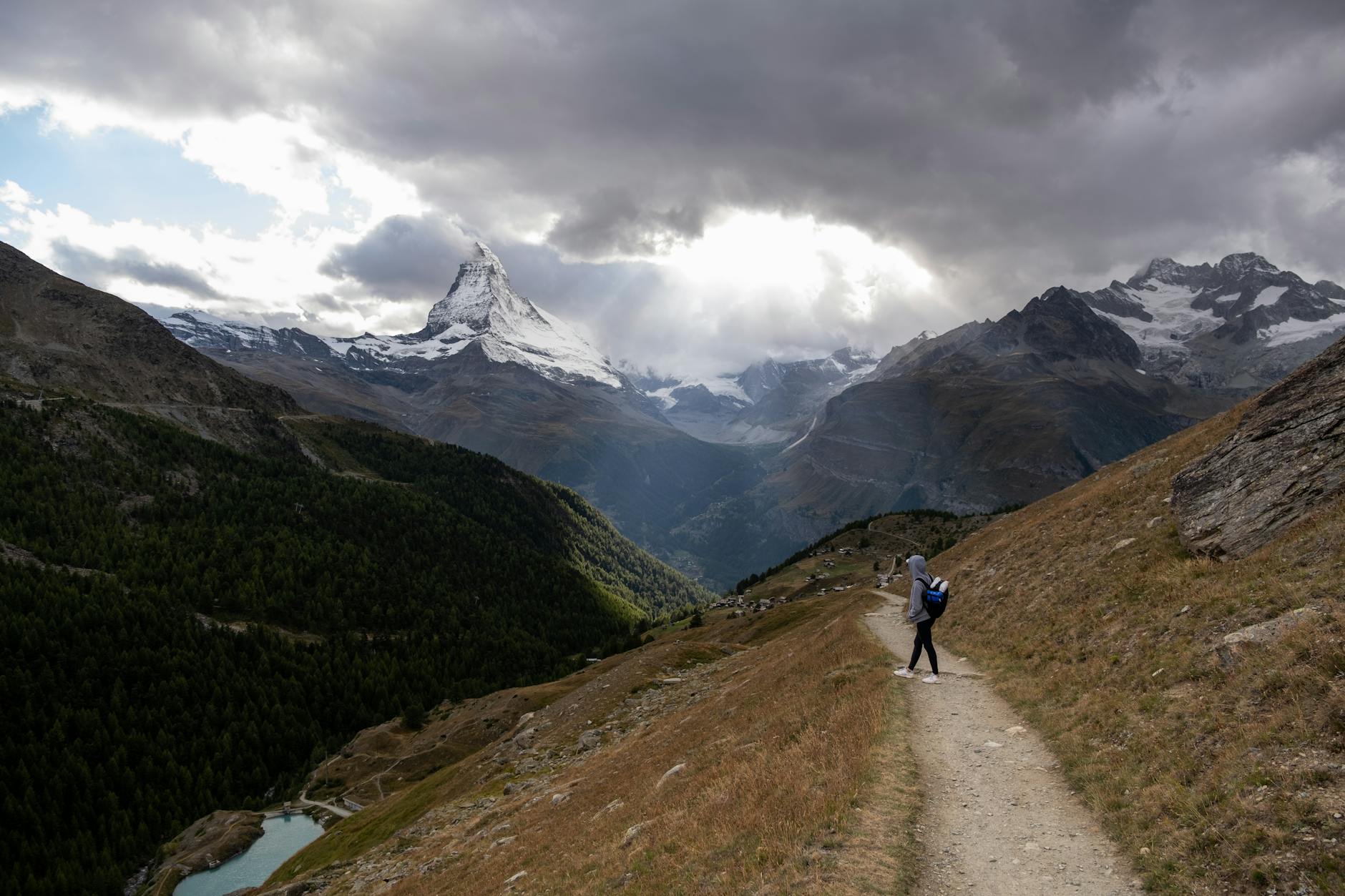
Zermatt is car-free, so the arrival usually means rail through Visp or the shuttle from Tasch. That system can be smooth, but a traveler should know the exact sequence before reaching the final transfer. Luggage, late trains, winter weather, and hotel pickup should be planned rather than solved at the platform.
Predictability is part of feeling secure.
- Confirm rail routing, transfer times, hotel pickup instructions, and what to do if arrival is delayed.
- Keep passport, phone, charger, medicine, money, and a warm layer in a small personal bag.
- Avoid scheduling dinner, spa, or lift plans too close to the inbound rail sequence.
Plan mountain activity with clear margins
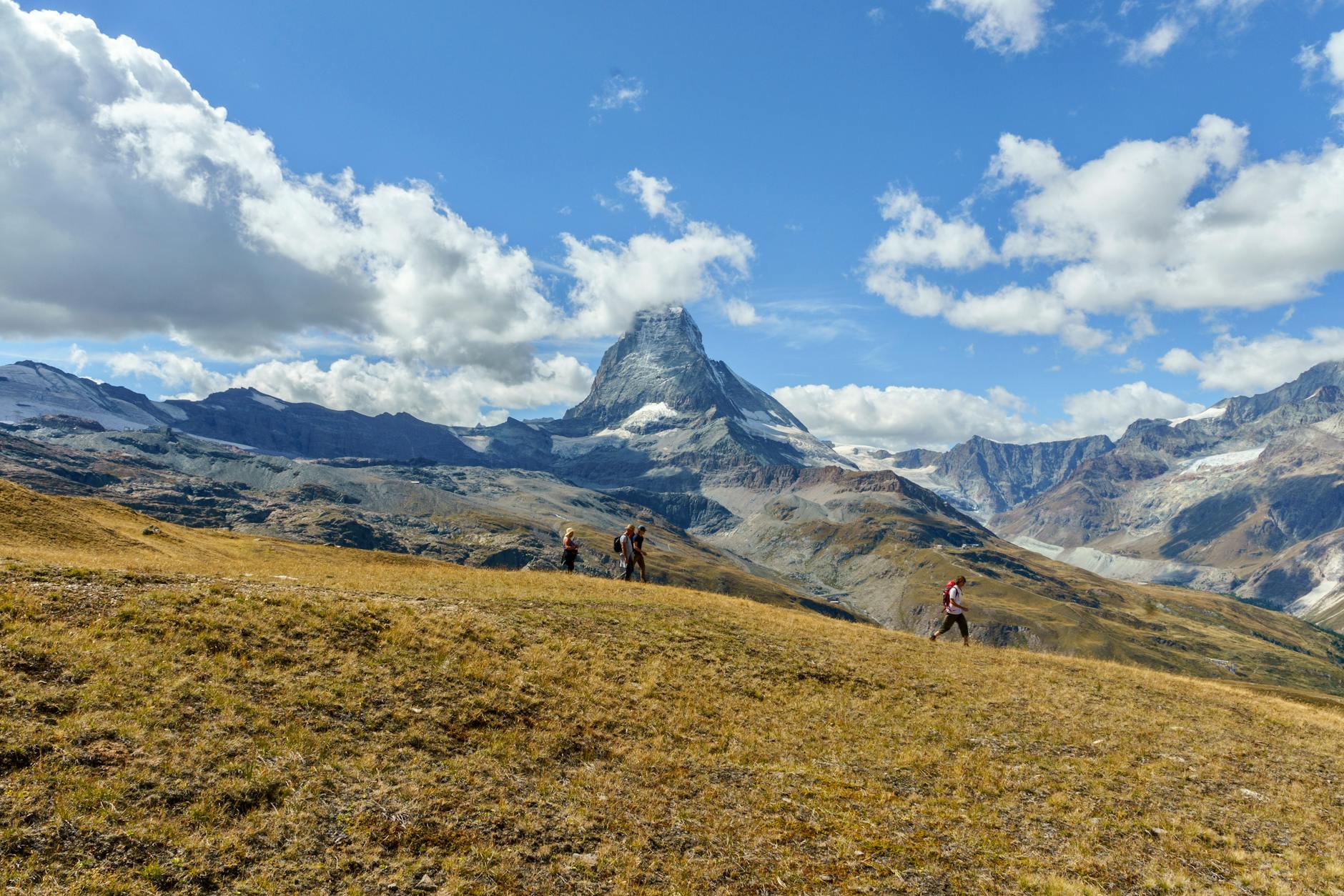
Zermatt invites spontaneous mountain plans, but a woman traveler should be deliberate about routes, weather, footwear, phone battery, daylight, and return times. Solo or small-group hikes, ski days, viewpoints, and scenic rail outings can be excellent when the plan has an obvious exit.
The mountain should feel expansive, not uncertain.
- Check lift status, trail or ski conditions, weather, visibility, altitude, and last return times before leaving.
- Tell the hotel or a trusted contact the general plan for longer or more exposed outings.
- Turn back early if weather, energy, footing, or timing becomes less comfortable than expected.
Use clothing and gear as safety tools
In Zermatt, clothing is more than style. Layers, traction, gloves, sun protection, and a bag that keeps essentials accessible can change how confident the day feels. A woman traveler should plan for cold, sun, altitude, indoor warmth, and the difference between village walking and high-mountain conditions.
Comfort supports better decisions.
- Pack shoes with real grip, layers, gloves, sunglasses, sunscreen, and weather protection even for short outings.
- Keep a power bank, water, snack, medication, and hotel details accessible during mountain or rail days.
- Avoid relying on fashion shoes for snow, ice, cobbles, or steep village routes.
Think through dining and evenings
Zermatt evenings can be calm and enjoyable, but a short-stay traveler should not leave every meal and return route to chance. Restaurant reservations, hotel distance, snow, lighting, and whether the traveler wants a lively or quiet setting all matter. A simple evening plan can make the trip feel more relaxed.
The return route is part of the restaurant choice.
- Reserve restaurants during peak seasons or when a specific meal matters.
- Choose evening venues with an easy return to the hotel in cold, snow, or low visibility.
- Keep a hotel dining, lounge, takeaway, or early-dinner fallback for tired nights.
Keep communication and documents redundant
A woman traveler should not depend on one phone, one card, one route, or one memory of the hotel address. Zermatt is organized, but rail delays, weather, and mountain movement can make small failures feel large. Offline details and backup payment keep the trip steady.
Redundancy is quiet confidence.
- Save offline maps, hotel details, rail tickets, reservations, emergency contacts, and insurance information.
- Carry a power bank, adapter, backup payment, and copies of key documents.
- Know the nearest pharmacy, clinic, police point, station, and hotel contact method before needing them.
When to order a short-term travel report
A woman traveler with a trusted hotel, flexible timing, and simple village plans may not need a custom report. A report becomes useful when the traveler is arriving late, traveling solo, comparing hotels, planning mountain activities, managing health needs, coordinating dining, or connecting onward by rail on a tight schedule.
The report should test rail access, hotel location, evening routes, mountain safety, weather, clothing, communication, dining, costs, and departure buffers. The value is a Zermatt stay that feels independent without leaving preventable uncertainty in the plan.
- Order when arrival timing, hotel route, mountain activities, evening plans, health needs, or onward travel need exact planning.
- Provide dates, rail route, hotel candidates, activity interests, health notes, budget, and comfort with solo movement.
- Use the report to make the trip practical, flexible, and still personal.