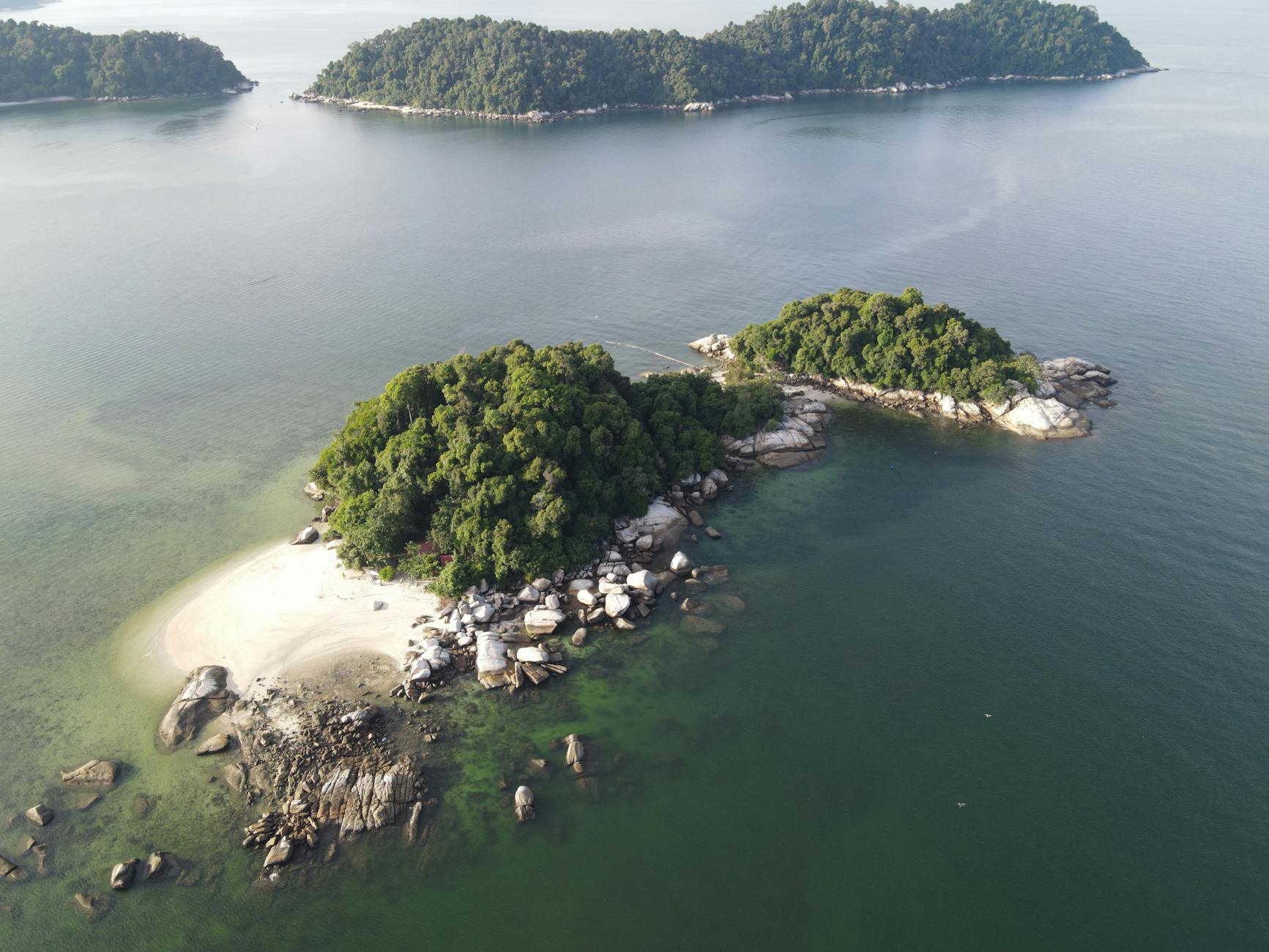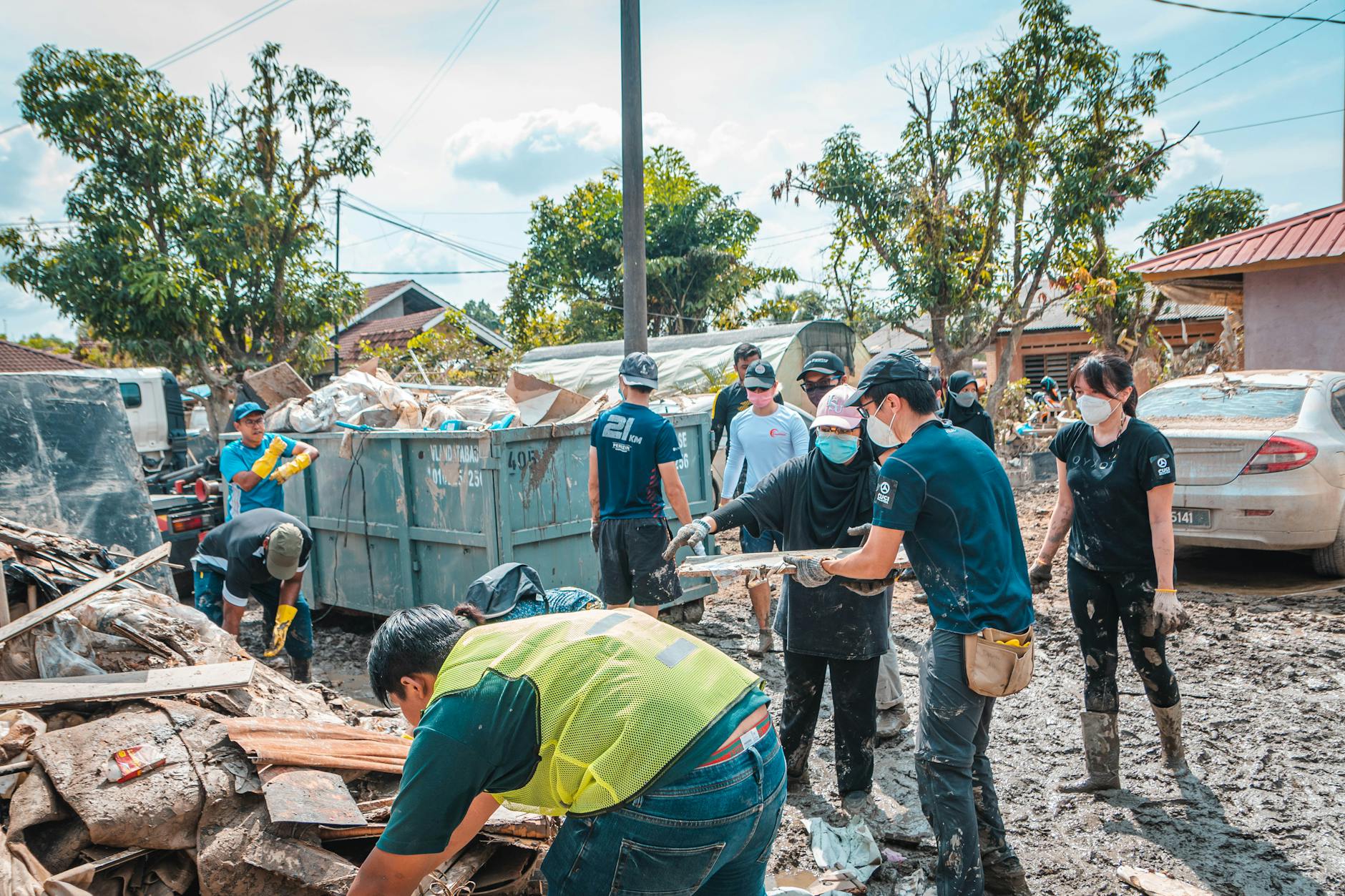
A short volunteer or NGO trip to Langkawi can involve conservation, community outreach, education, marine or mangrove projects, animal welfare, local enterprise support, disaster-preparedness work, youth programming, or meetings with local partners. The island setting can make the trip feel simple, but useful service travel depends on host capacity, realistic movement, cultural respect, and operational clarity. The traveler should not treat Langkawi as a place where goodwill alone solves logistics. A strong short visit asks what the host actually needs, where the work happens, who supervises the traveler, how transport and meals are handled, what documentation is appropriate, and whether the visit helps the project after the traveler leaves.
Confirm the project location and host capacity
Langkawi volunteer work may be based at a community site, school, conservation project, beach cleanup area, mangrove location, animal-care setting, village partner, resort-linked social project, or NGO office. The traveler should know where the actual work happens before choosing lodging or transport.
Host capacity matters as much as the project purpose. A short-term visitor can help when tasks are defined, supervision is ready, supplies are available, and the local partner has a plan for what happens after the visit. If those pieces are vague, the traveler risks becoming extra work for the host.
- Confirm the project site, daily meeting point, host contact, supervision, supplies, and task list.
- Ask what work is useful for a short visitor and what should be left to local staff or longer-term teams.
- Choose lodging by project access and host capacity, not only by beach or price.
Build transport around the work, not the scenery
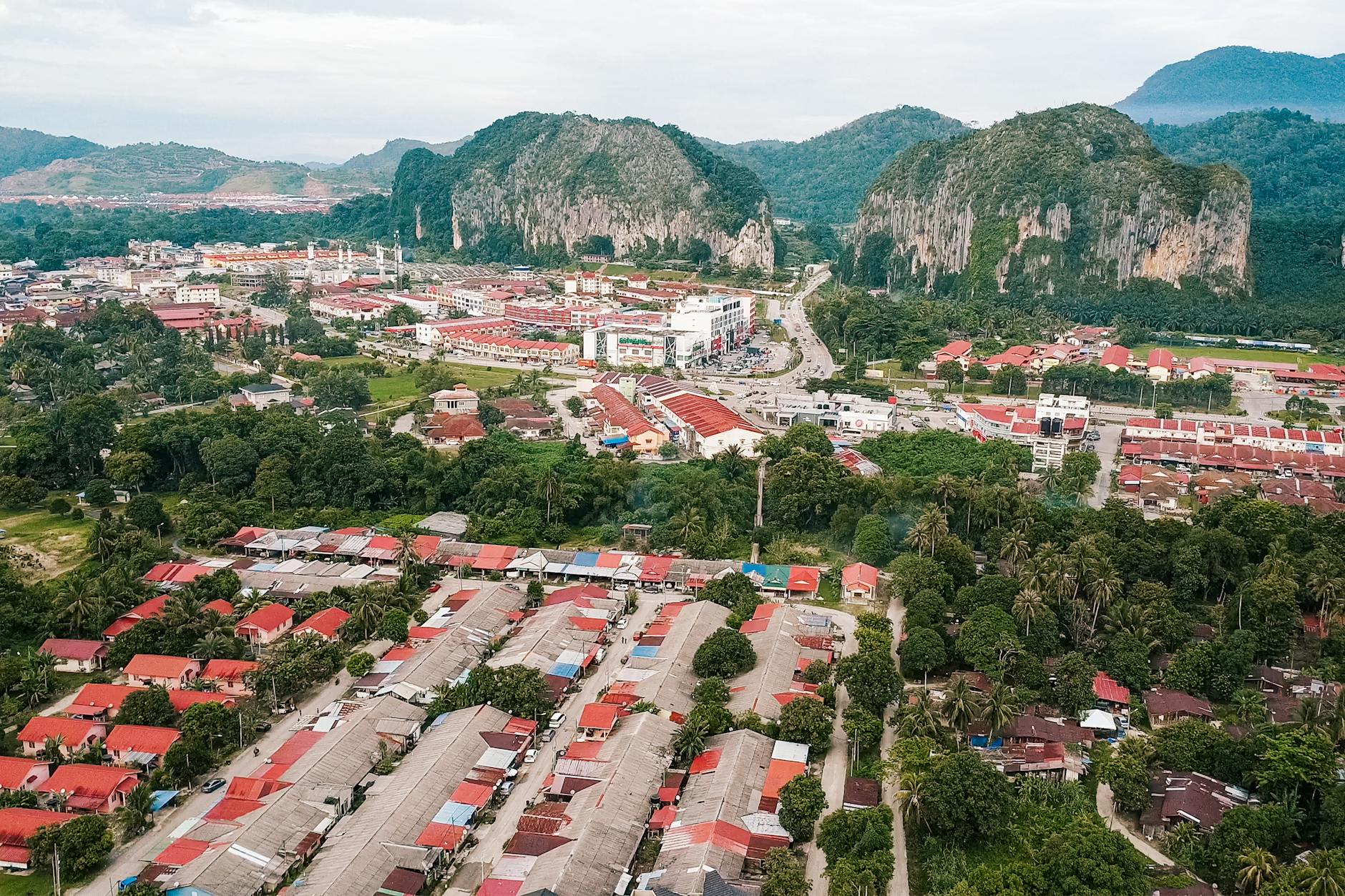
Volunteer travelers often underestimate how much movement a small island can require. A project may start early, end after dark, sit away from resort areas, depend on group pickups, or require movement between lodging, markets, supply stops, community sites, and field locations. The transport plan should be settled before arrival.
The traveler should know whether to use host vehicles, vans, taxis, ride-hailing, rental cars, boats, or walking routes. If supplies, equipment, trash bags, teaching materials, medical items, or field gear are involved, vehicle size and pickup reliability matter.
- Plan transport for project starts, supply runs, field sites, meals, lodging returns, and emergency movement.
- Clarify host vehicles, vans, taxis, ride-hailing, boats, rental cars, and walking permissions.
- Match vehicle size and timing to supplies, teaching materials, field gear, and group needs.
Prepare for conservation and field conditions
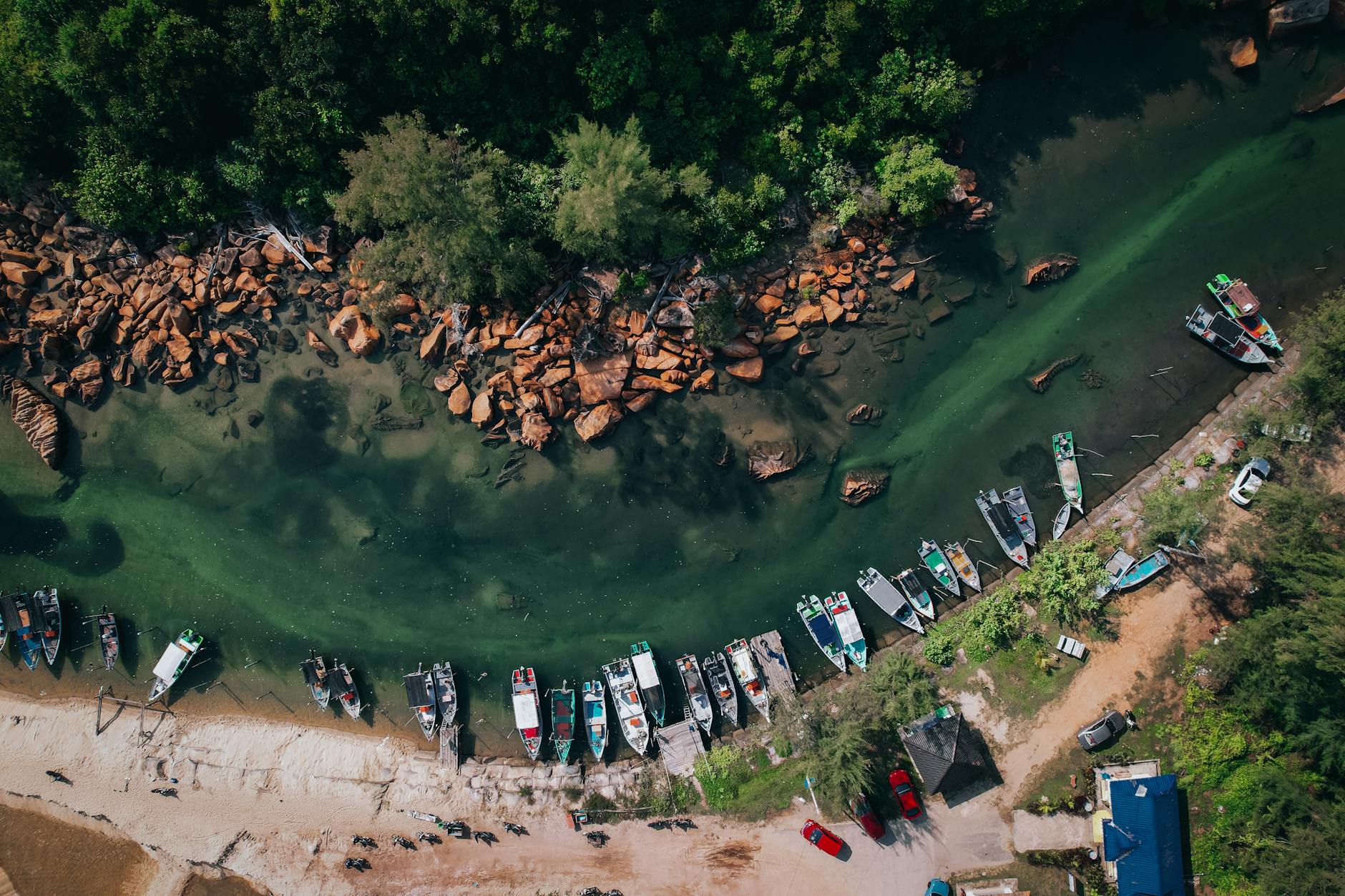
Many Langkawi service trips include outdoor or environmental work: beach cleanups, mangrove visits, wildlife observation, marine education, conservation support, or community work in humid conditions. The traveler should prepare for heat, rain, insects, mud, sun exposure, uneven surfaces, water-adjacent activity, and limited shade.
Field readiness also includes knowing what is not appropriate. Volunteers should understand environmental rules, wildlife distance, photography limits, waste handling, safety briefings, and whether work requires gloves, closed shoes, sun protection, modest clothing, or waterproof bags.
- Prepare for heat, rain, insects, mud, sun, water-adjacent work, uneven ground, and limited shade.
- Bring project-appropriate shoes, gloves, water, sun protection, modest clothing, and waterproof storage.
- Follow rules for wildlife, waste handling, photos, environmental conduct, and safety briefings.

Handle community expectations with care
A short NGO visit can affect local trust. The traveler should know the host's expectations around dress, greetings, language, religious context, gender dynamics, gifts, donations, photography, social media, and how visitors are introduced. A well-meaning visitor can cause friction by documenting too much, promising too much, or treating community time as a personal story.
The traveler should ask what can be photographed, what names or locations should be withheld, and whether any beneficiaries, children, families, staff, or community leaders require consent. Service travel should protect dignity as carefully as it protects logistics.
- Ask about dress, greetings, language, religious context, gender dynamics, gifts, and donation rules.
- Clarify photo, video, name, location, and social-media permissions before documenting people or sites.
- Avoid promises, public claims, or personal storytelling that the host cannot support after departure.
Plan lodging, food, and health around service days
Volunteer lodging should support early starts, laundry, secure storage, rest, simple meals, hydration, and reliable transport. A resort may be comfortable but too far from the project. A cheaper guesthouse may be practical but weaker for sleep, safety, or workspace. The traveler should choose based on the workday.
Food and health planning should include halal context, allergies, vegetarian needs, heat, dehydration, stomach illness, prescription storage, insect bites, motion sickness, minor injuries, and medical access. Service travelers often push through fatigue; a short trip still needs recovery time.
- Choose lodging for project access, sleep, laundry, secure storage, transport, food, hydration, and rest.
- Plan for halal context, allergies, vegetarian needs, heat, stomach illness, prescriptions, insects, and injuries.
- Build recovery time into the itinerary so the volunteer remains useful and safe.
Keep documentation useful and modest
NGO travelers may need photos, notes, receipts, project summaries, monitoring details, donor updates, or handover notes. The traveler should know what the host needs and what should remain private. Documentation should support the project rather than turn the trip into content extraction.
Connectivity and device planning matter. The traveler may need mobile data, offline maps, battery packs, secure file storage, waterproof protection, consent records, and a way to send notes or photos to the host. If data collection is part of the trip, the traveler should know who owns it and how it will be stored.
- Confirm what notes, photos, receipts, summaries, monitoring details, or donor updates the host needs.
- Use mobile data, offline maps, battery packs, secure storage, consent records, and waterproof protection.
- Clarify data ownership, file sharing, privacy, and handover expectations before collecting information.
When to order a short-term travel report
A volunteer joining a fully managed program with clear pickup, lodging, meals, supervision, safety rules, and emergency contacts may not need a custom Langkawi report. A report becomes useful when the project is independent, field-based, medically sensitive, budget-constrained, donation-linked, community-facing, or unclear about transport and host capacity.
The report should test project geography, lodging, host readiness, transport, field safety, community protocol, food, medical access, communications, documentation, weather, budget, schedule buffers, and what to cut. The value is a short service trip that respects the host while keeping the traveler practical and accountable.
- Order when project access, host readiness, field safety, transport, health, documentation, or community protocol need testing.
- Provide dates, host details, project site, lodging options, flights, tasks, health constraints, donations, and budget.
- Use the report to make the Langkawi service trip responsible, useful, and operationally realistic.