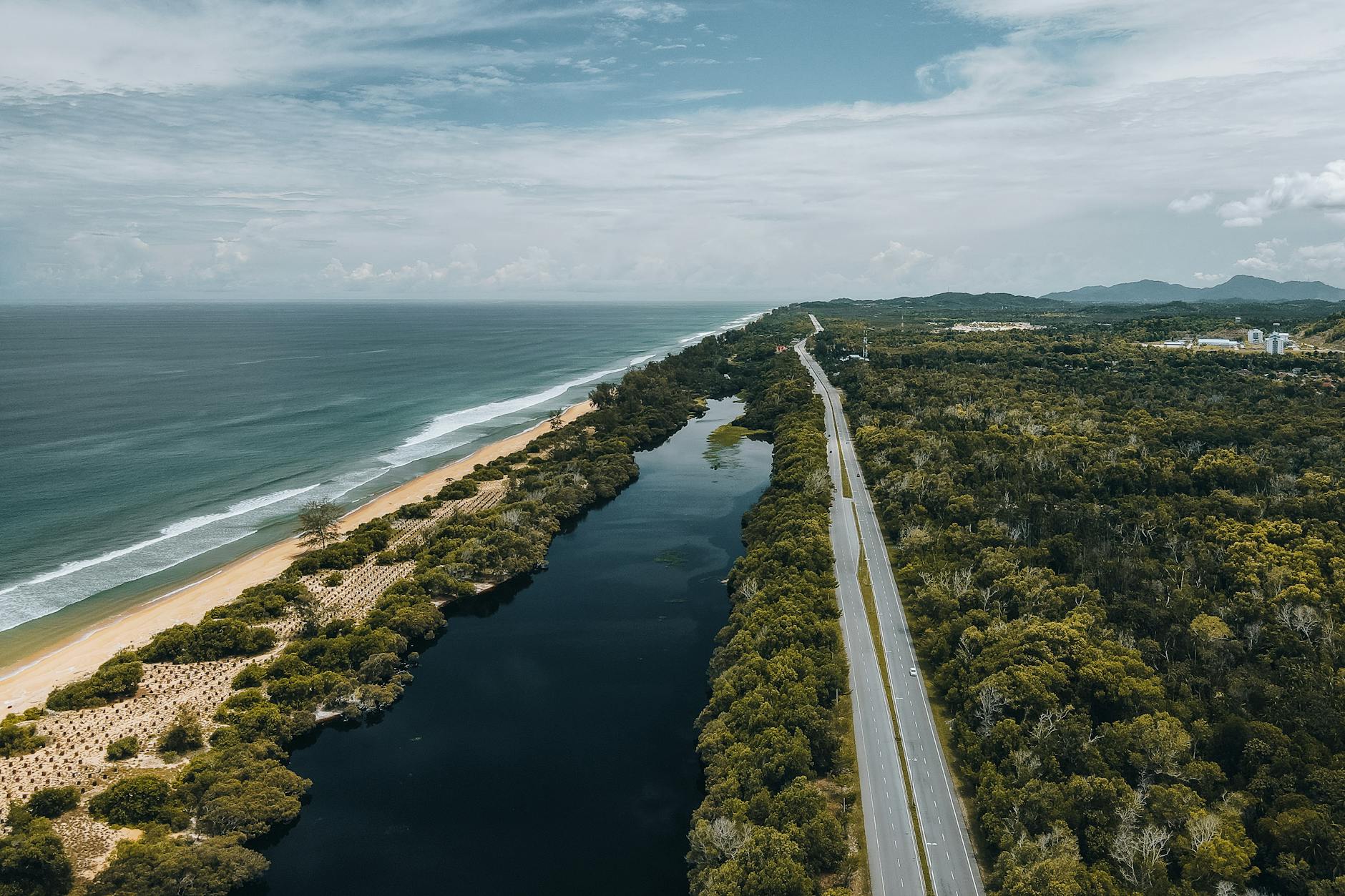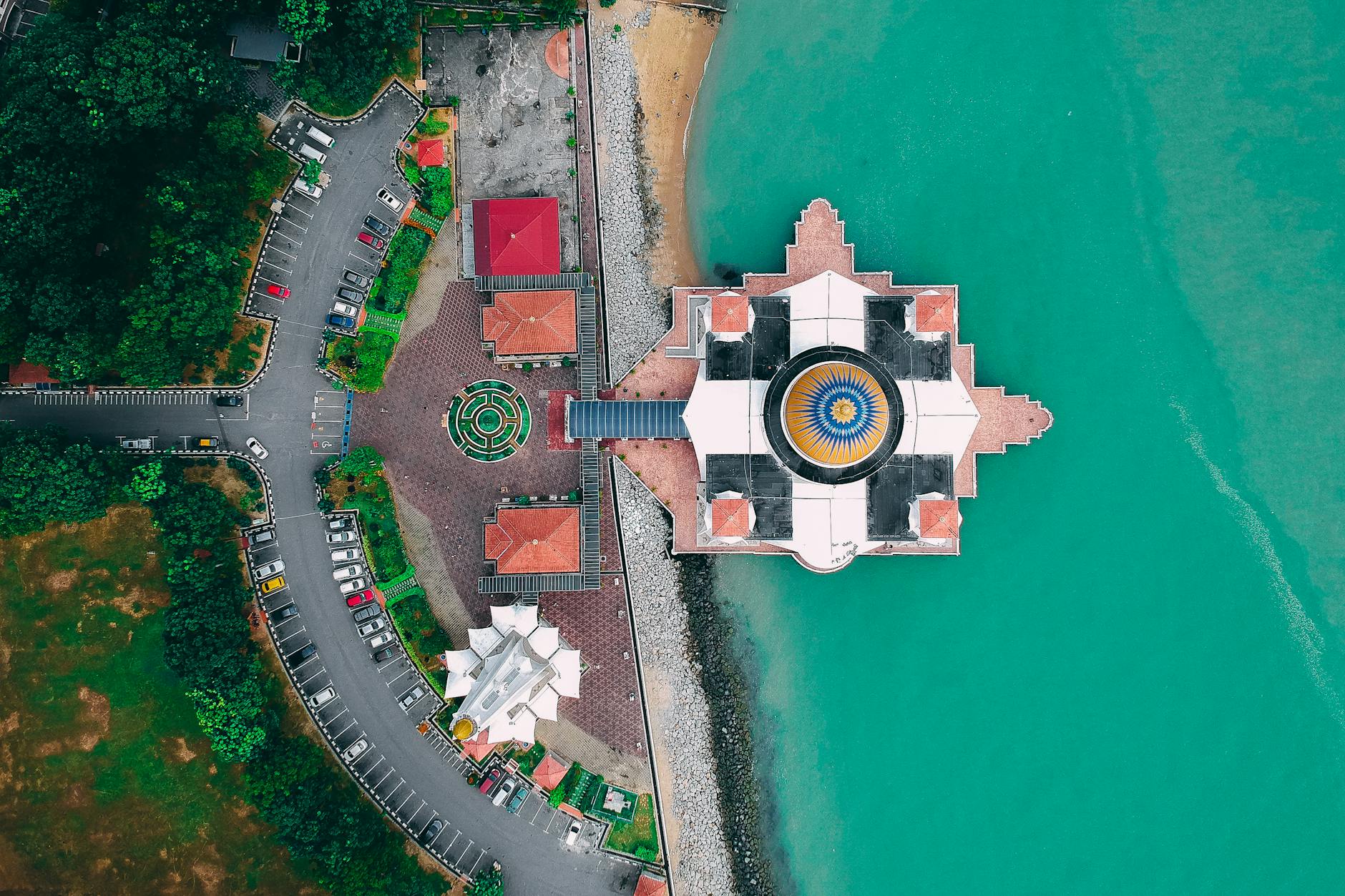
Langkawi can be a rewarding island destination for travelers with mobility limitations, but it should not be planned as if every beach, resort path, boat, viewpoint, and restaurant is equally easy. The island experience depends heavily on the selected property, room location, transport plan, weather, activity choices, and whether the traveler has enough control over timing and exits. A short Langkawi visit with mobility constraints should be built around reducing avoidable transfers. A good plan protects arrival, chooses a base that works physically, limits awkward boarding and long walks, checks medical and food access, and leaves room for weather. The goal is not to remove every activity; it is to choose the activities that fit the traveler instead of forcing the traveler to fit the island.
Choose the resort by physical layout first
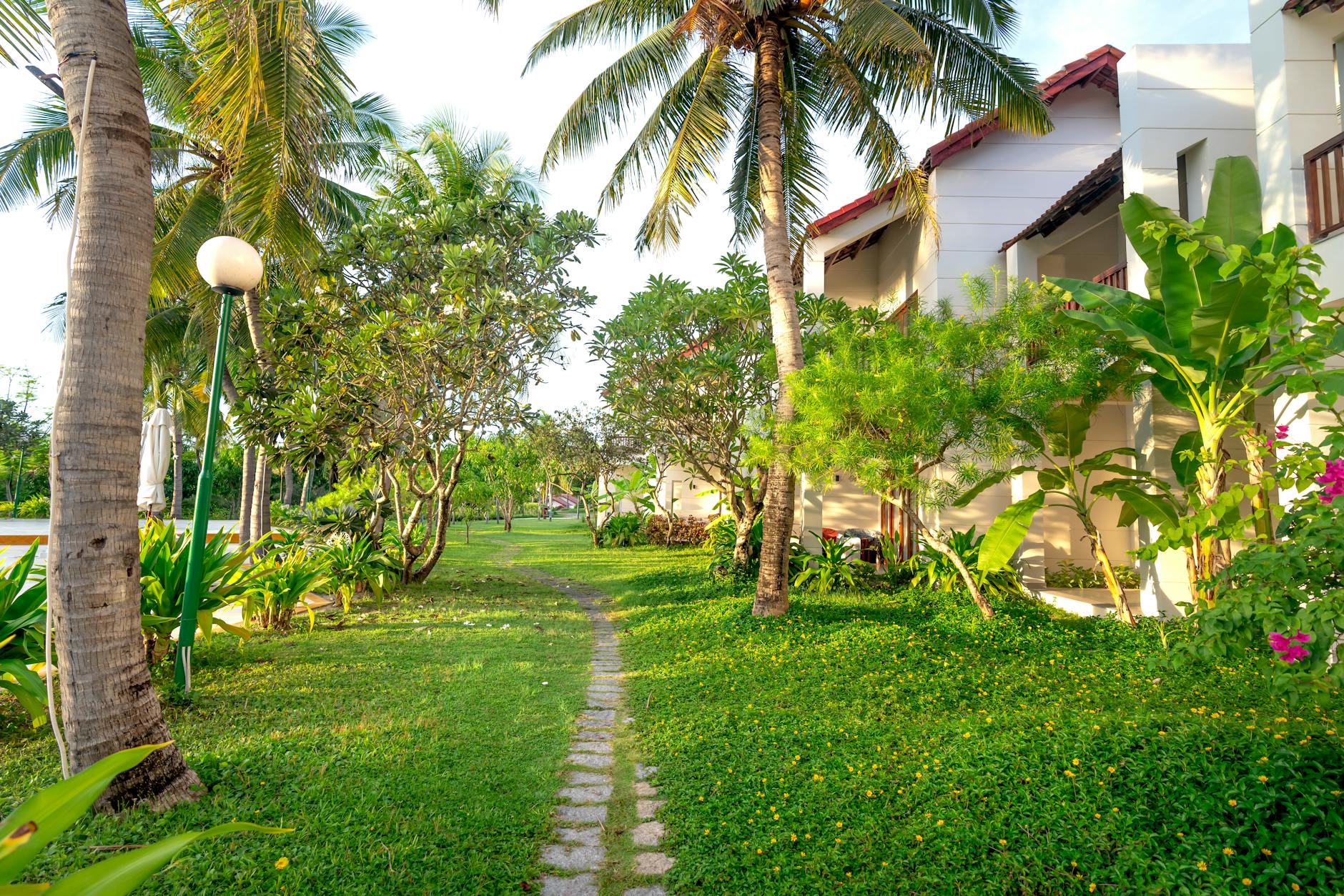
Langkawi resort marketing often emphasizes beach, pool, views, and villas, but a traveler with mobility limitations needs to start with layout. Room distance from reception, slopes, stairs, lifts, buggy service, path surfaces, bathroom setup, restaurant access, beach access, pool entry, parking, and whether the property is spread across a hillside or large grounds can all shape the stay.
A beautiful resort can become exhausting if every meal requires a long walk or a buggy request. The traveler should ask for a specific room location, not just an accessible label, and should confirm what happens when rain, staff availability, or late returns affect movement around the property.
- Check slopes, stairs, lifts, buggy service, path surfaces, room location, restaurants, and pool access.
- Confirm bathroom setup, shower entry, grab bars if needed, and distance from reception.
- Ask how movement works during rain, late returns, and busy resort periods.
Make arrival and departure low-friction
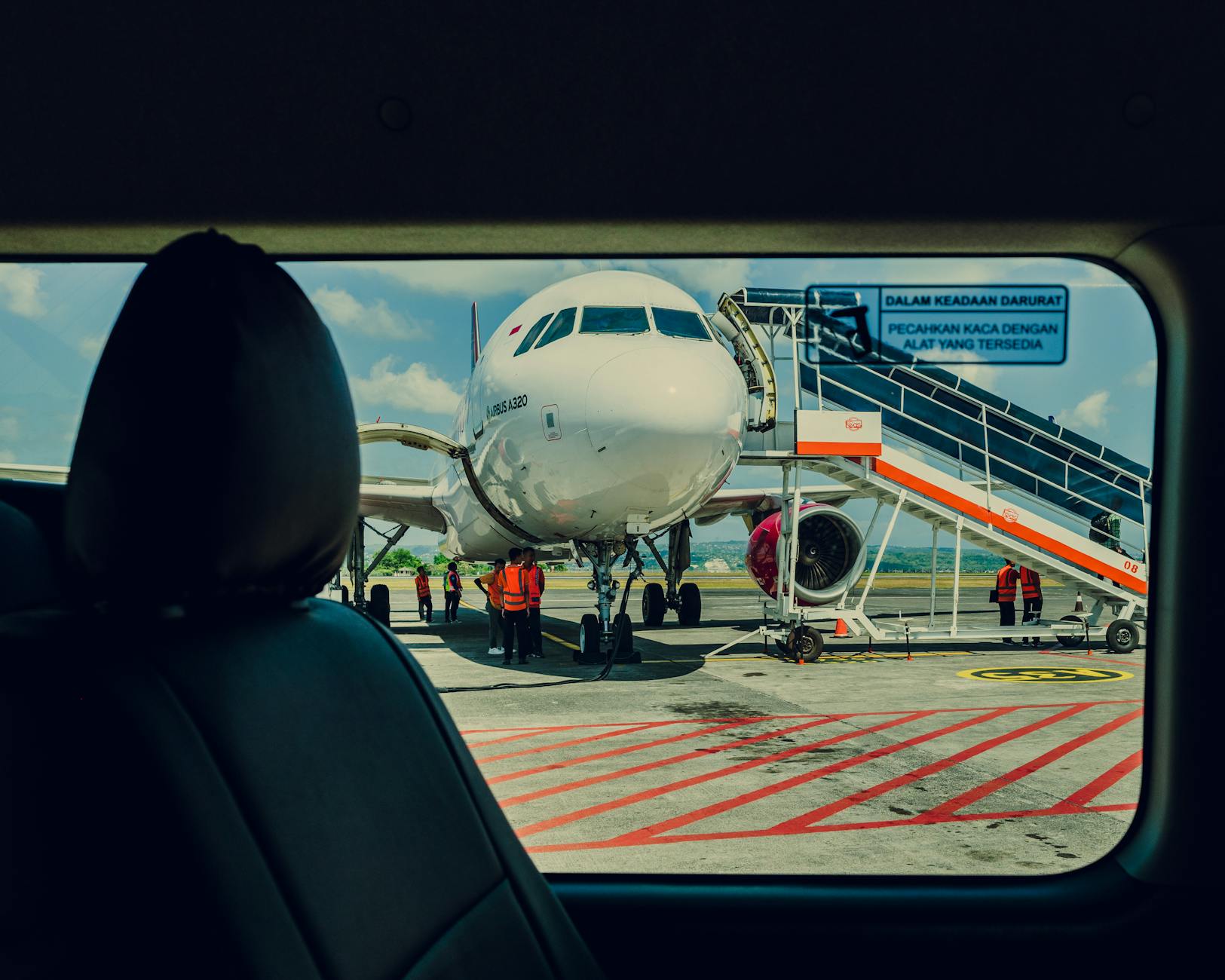
Airport or ferry arrival should be designed around the traveler's actual energy and equipment needs. Wheelchair assistance, luggage handling, pickup location, vehicle height, transfer duration, late check-in, room readiness, medication, and first meal should be confirmed before travel. A small delay can become a large problem if the traveler is standing in heat or waiting without seating.
Departure should be protected the same way. The last day should not include a remote tour, long beach walk, or uncertain ferry plan if the traveler needs predictable timing, luggage help, or enough recovery before an onward flight.
- Confirm airport or ferry assistance, pickup point, vehicle type, luggage help, and transfer timing.
- Carry medication, documents, mobility aids, chargers, and essentials in an accessible way.
- Keep the final day simple if onward travel requires predictable energy and timing.
Treat ferries, boats, and tour boarding as decision points
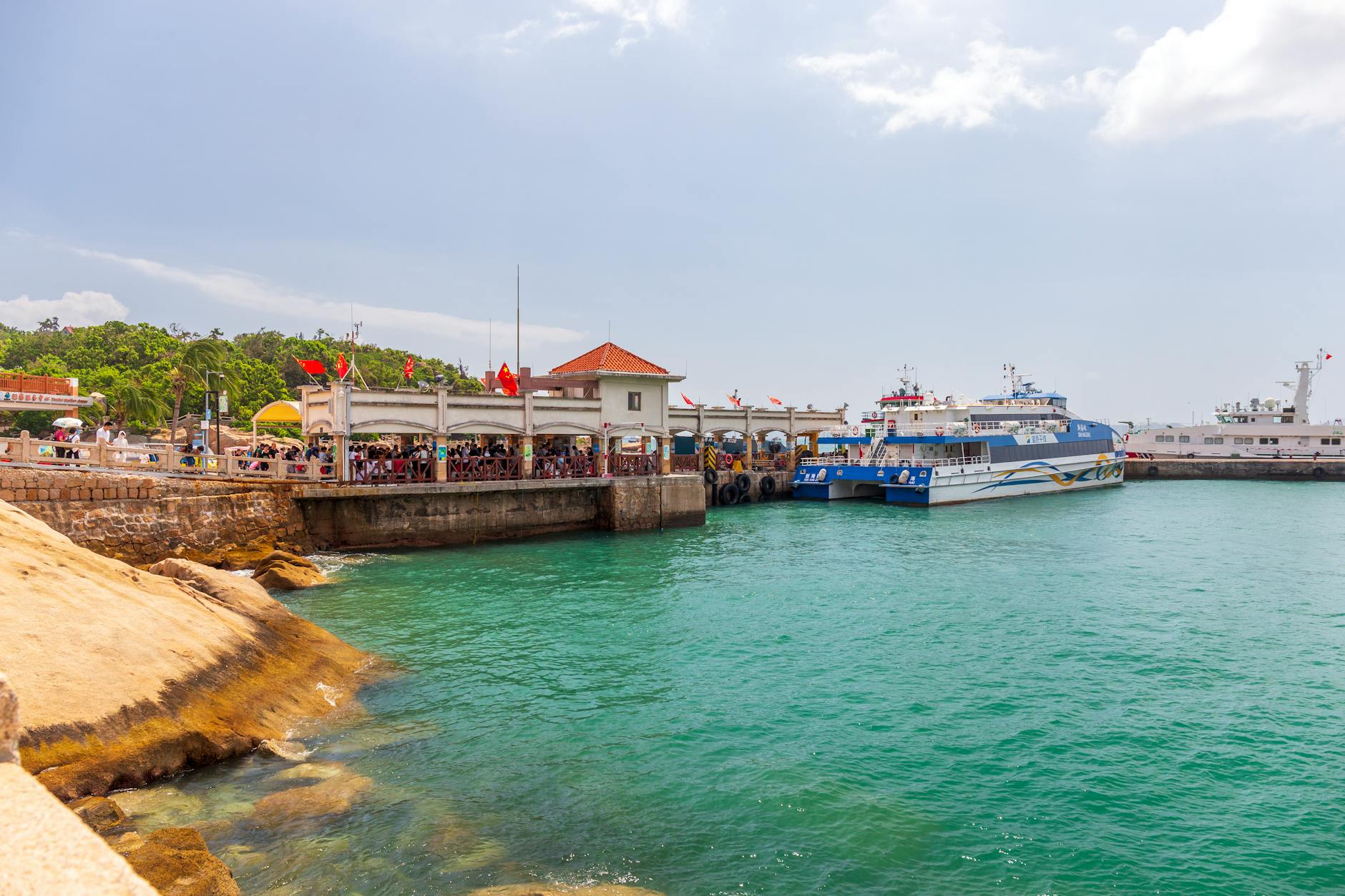
Langkawi boat tours can be wonderful, but boarding conditions vary. Steps, docks, beaches, wet surfaces, boat height, crew assistance, life jackets, seating, shade, restroom availability, water conditions, and the ability to skip a stop should all be checked before booking. A tour that is easy for a mobile traveler may be unsuitable for someone who needs stable surfaces and predictable support.
The same applies to ferry-linked plans. A traveler should know where ramps, seating, luggage handling, and waiting areas are located before relying on a ferry transfer. If the boarding process is uncertain, an air arrival or resort-contained plan may be the better choice.
- Ask about docks, steps, wet landings, crew assistance, seating, shade, restrooms, and water conditions.
- Avoid tours where the traveler cannot skip a stop or return early if needed.
- Treat ferry boarding and luggage handling as part of the accessibility decision.
Evaluate beach and pool access realistically
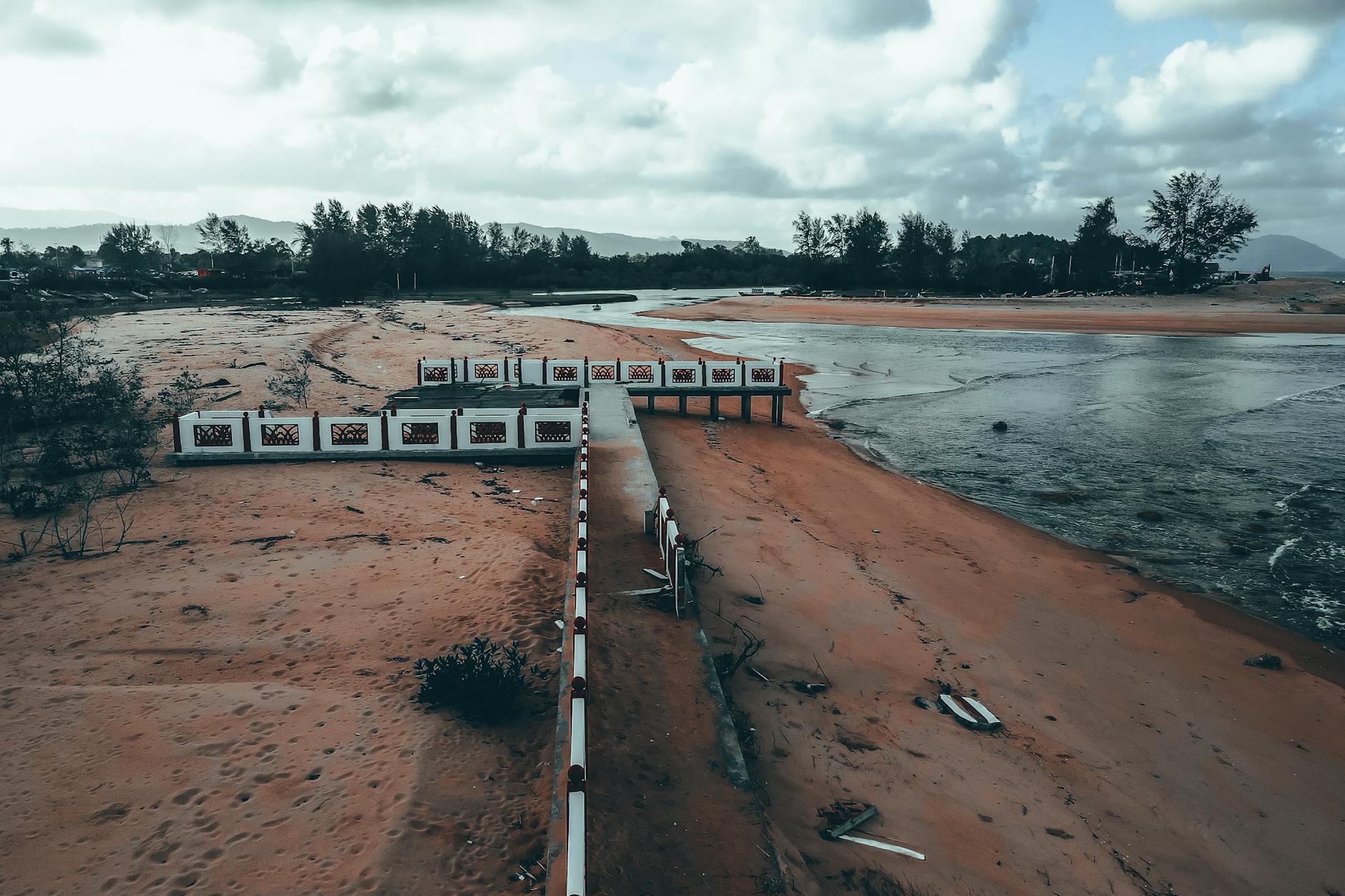
Beach access is not just distance from the room. Sand texture, slope, shade, seating, bathrooms, shower access, lifeguard presence, swim conditions, steps, boardwalks, and the distance from the drop-off point to the water all matter. A resort may advertise a beach while still making the actual beach difficult to use.
Pool access can be more reliable if the pool has manageable steps, handrails, shade, nearby seating, and restrooms. For some travelers, a strong pool and view may be better than pushing for difficult beach access every day.
- Check sand, slope, shade, seating, bathrooms, showers, boardwalks, and drop-off distance.
- Ask whether the resort beach is practical, not only whether it exists.
- Use pool access as a valid substitute when the beach is physically difficult.
Be selective with cable car, viewpoints, and nature stops
The Langkawi Cable Car, Sky Bridge, viewpoints, waterfalls, mangroves, and nature stops should be assessed by surfaces, queues, ramps, steps, waiting areas, weather, heat, toilets, and whether the traveler can turn back without wasting the day. The question is not only whether an attraction is possible; it is whether the effort is worth the tradeoff on a short trip.
A traveler with limited stamina may prefer one strong accessible outing over several marginal ones. Long heat exposure, crowded queues, slippery paths, and uncertain assistance can drain energy that would otherwise make the resort stay enjoyable.
- Check queues, ramps, steps, toilets, surfaces, heat, rain, and return options before visiting.
- Prioritize one high-value outing over several physically marginal stops.
- Avoid attractions where the traveler cannot simplify or exit if conditions change.

Plan food, medical access, and rest near the base
A mobility-aware Langkawi plan should keep daily basics close. Breakfast, simple meals, pharmacy access, clinic distance, bottled water, dietary needs, medication, laundry, and a backup dinner should be workable without repeated long rides. The traveler should not need to solve essential errands across the island after a tiring activity.
Rest blocks should be treated as itinerary structure, not empty space. Heat, humidity, rain, and uneven surfaces can increase fatigue quickly. A good day may include one outing, a nearby meal, and a protected recovery window rather than multiple transfers.
- Keep breakfast, simple meals, pharmacy options, clinic awareness, water, and backup dinner near the base.
- Plan medication, dietary needs, laundry, and recovery time before arrival.
- Limit transfers so the traveler has energy for the parts that matter.
When to order a short-term travel report
A traveler with mild mobility limitations and a resort-contained stay may be able to manage Langkawi with direct hotel questions. A report becomes useful when the traveler is choosing between resorts, needs room-location analysis, wants boat or cable car activities, has uncertain transfer needs, requires medical or food backups, or is traveling with companions whose plans may exceed the traveler's stamina.
The report should test resort layout, room access, airport or ferry arrival, transport, beach and pool fit, tour boarding, cable car practicality, weather, food, medical access, rest blocks, budget, and what to cut. The value is a Langkawi plan that respects physical reality before arrival.
- Order when resort layout, transfers, beach access, tours, food, medical backup, or stamina need testing.
- Provide dates, mobility details, lodging options, arrival plans, activities, equipment needs, and budget.
- Use the report to make the short Langkawi stay physically workable and less improvised.