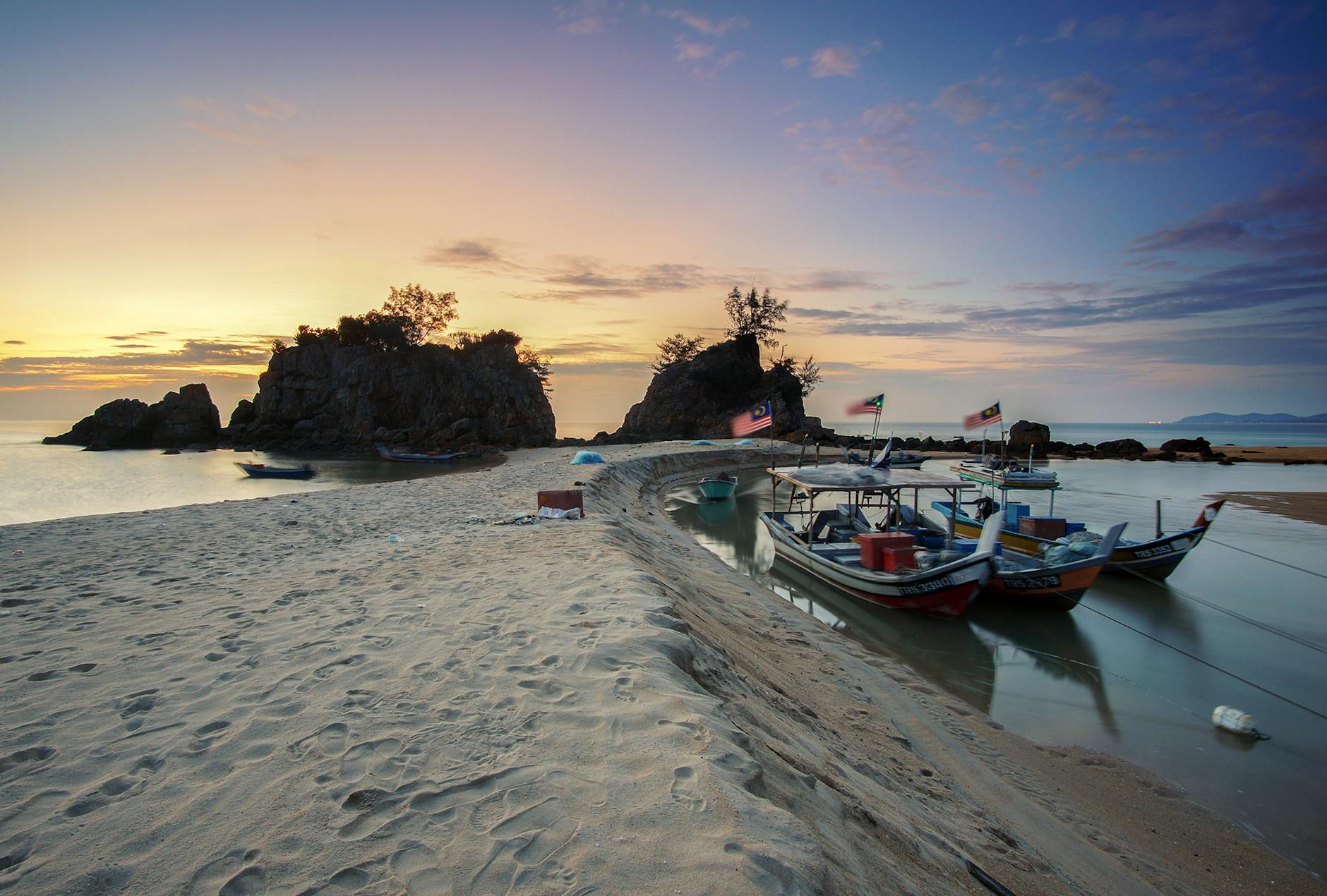
Langkawi can be a manageable short-trip destination for travelers with medical constraints when the visit is designed around the constraint rather than around a generic island itinerary. The island has airport access, resorts, beaches, tours, and clinics, but it is still an island environment where weather, distance, ferry plans, specialist access, and activity choices can matter more than they would in a large mainland city. A traveler with asthma, cardiac concerns, diabetes, mobility limits, pregnancy considerations, medication needs, allergies, immune concerns, recent surgery, chronic pain, or another medical constraint should plan the trip around medical access, resort layout, transport, heat, food, water activities, insurance, and decision points for simplifying the itinerary.
Map medical access before choosing the itinerary
A traveler with medical constraints should know where practical medical help is located relative to the hotel, airport, ferry point, planned beaches, and activities. Langkawi is not remote in the casual sense, but it does not offer the same depth of nearby specialist options as Kuala Lumpur, Penang, or other larger Malaysian centers. That difference matters for travelers whose condition can worsen quickly or require specific equipment, medication, or language support.
The plan should identify nearby clinics, hospital access, pharmacy options, ambulance or hotel emergency procedure, travel-insurance contacts, and what event would trigger leaving the island or skipping an activity. This work is not pessimistic. It keeps a small problem from becoming a rushed decision.
- Check clinic, hospital, pharmacy, hotel emergency, ambulance, and insurance-contact options.
- Understand what care is realistic on the island versus what requires mainland escalation.
- Define the symptoms or situations that mean canceling an activity or changing plans.

Make arrival and exit resilient
The arrival plan should protect the traveler's condition. Airport timing, ferry dependencies, late flights, luggage delays, medication in carry-on, wheelchair or assistance requests, heat during transfers, and hotel check-in timing all matter. A fragile plan that lands late, waits for luggage, and then improvises transport can put unnecessary strain on the first day.
Exit timing deserves the same care. If the traveler needs a certain medication window, onward flight, ferry, or mainland medical fallback, the last day should not be packed with a long tour or remote beach plan. The easiest trip is often the one with a protected first and last day.
- Carry medication, documentation, devices, and essentials in hand luggage.
- Confirm assistance, transfer timing, hotel check-in, luggage handling, and first-day food.
- Protect the final day from remote tours if onward timing or medical fallback matters.
Choose a resort by layout and support
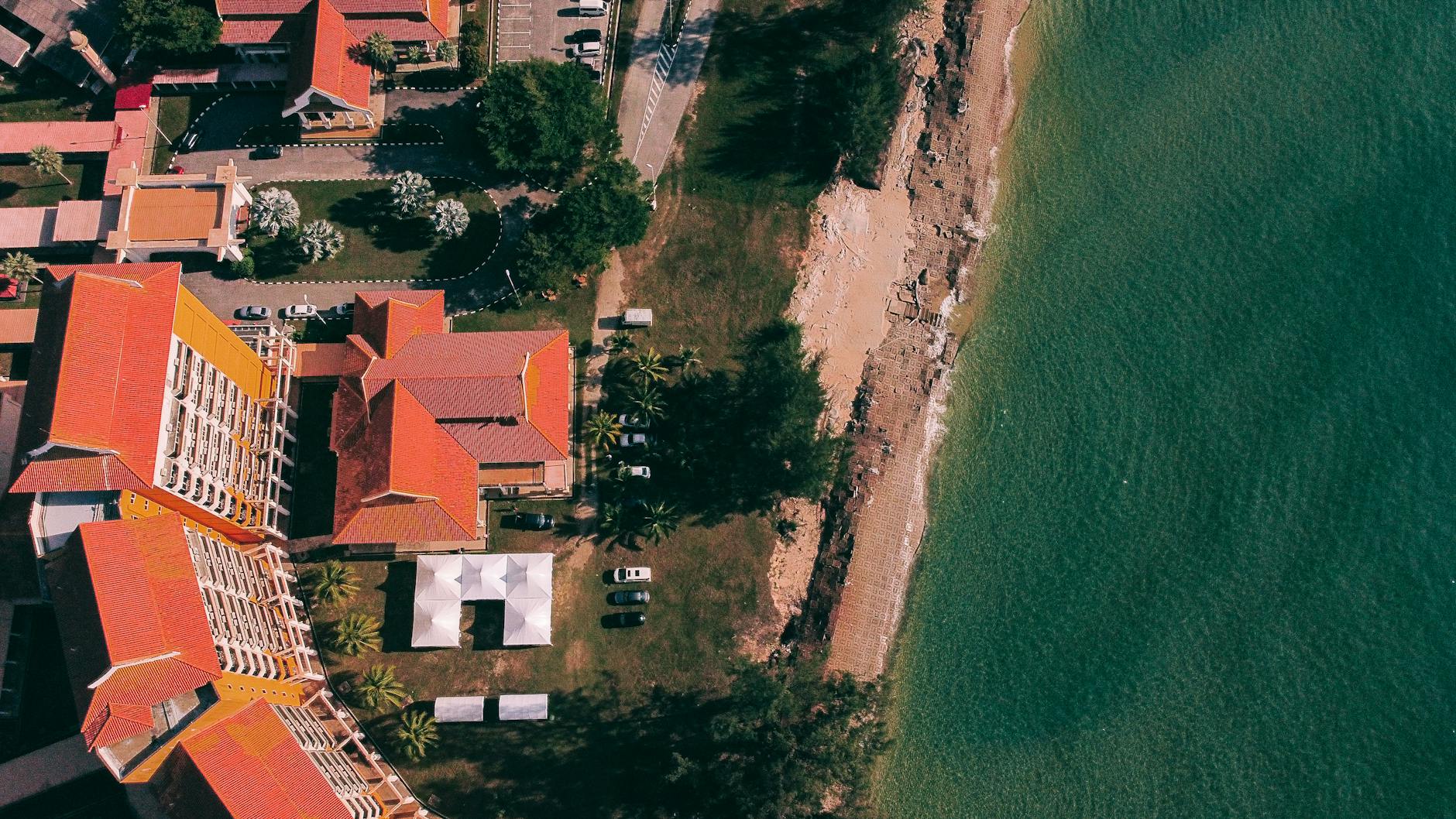
A beautiful Langkawi resort can still be a poor fit if the room is far from reception, paths are steep, lifts are limited, stairs are common, buggy service is inconsistent, meals require long walks, or the property is isolated from pharmacies and alternative restaurants. Travelers with medical constraints should ask practical questions before being impressed by views.
Room category, floor, bathroom layout, air-conditioning reliability, fridge access for medication, quiet, shade, elevator access, buggy service, onsite food, and staff responsiveness should shape the decision. The right resort reduces energy expenditure and makes bad days manageable.
- Check room location, floors, lifts, stairs, buggy service, bathroom setup, air-conditioning, and shade.
- Confirm medication refrigeration, quiet, onsite meals, and staff support before arrival.
- Avoid isolated properties unless the traveler intends to stay mostly onsite.
Treat heat, humidity, rain, and water as medical variables
Langkawi's climate can affect asthma, migraines, cardiac stamina, fatigue, skin conditions, medication storage, hydration, blood sugar, mobility, and recovery from illness or surgery. Heat and humidity should shape the schedule, not sit in the background. Early starts, shaded breaks, air-conditioned returns, and lighter activity blocks may be more important than seeing one more viewpoint.
Water-based activities also need careful selection. Boat boarding, rougher water, sun exposure, snorkeling, swimming, slippery steps, wet landings, and motion sensitivity can all be manageable for some travelers and inappropriate for others. The traveler should choose activities by medical fit, not by standard tourist ranking.
- Plan heat, humidity, hydration, rain, air-conditioning, medication storage, and rest breaks.
- Assess boat boarding, rough water, sun exposure, swimming, slippery surfaces, and motion sensitivity.
- Use shorter activities or resort-based days when the condition requires recovery time.

Plan meals around the constraint
Food planning is not just preference for medically constrained travelers. Diabetes, allergies, gastrointestinal concerns, pregnancy, immune issues, medication timing, spice tolerance, hydration, halal needs, vegetarian needs, seafood comfort, and alcohol interactions can all affect the day. The traveler should know where reliable breakfast, simple meals, snacks, bottled water, and late food are available near the hotel.
If the resort is isolated, the plan should include an emergency meal option and enough supplies to avoid unnecessary rides. Tours should be checked for meal timing, included food, refrigeration, restroom access, and whether the traveler can opt out without being stranded.
- Check breakfast, simple meals, snacks, water, allergies, diabetes needs, medication timing, and spice tolerance.
- Ask tour operators about meals, refrigeration, restroom access, and opt-out options.
- Keep basic food and hydration near the room if the property is isolated.
Keep transport simple and medically appropriate
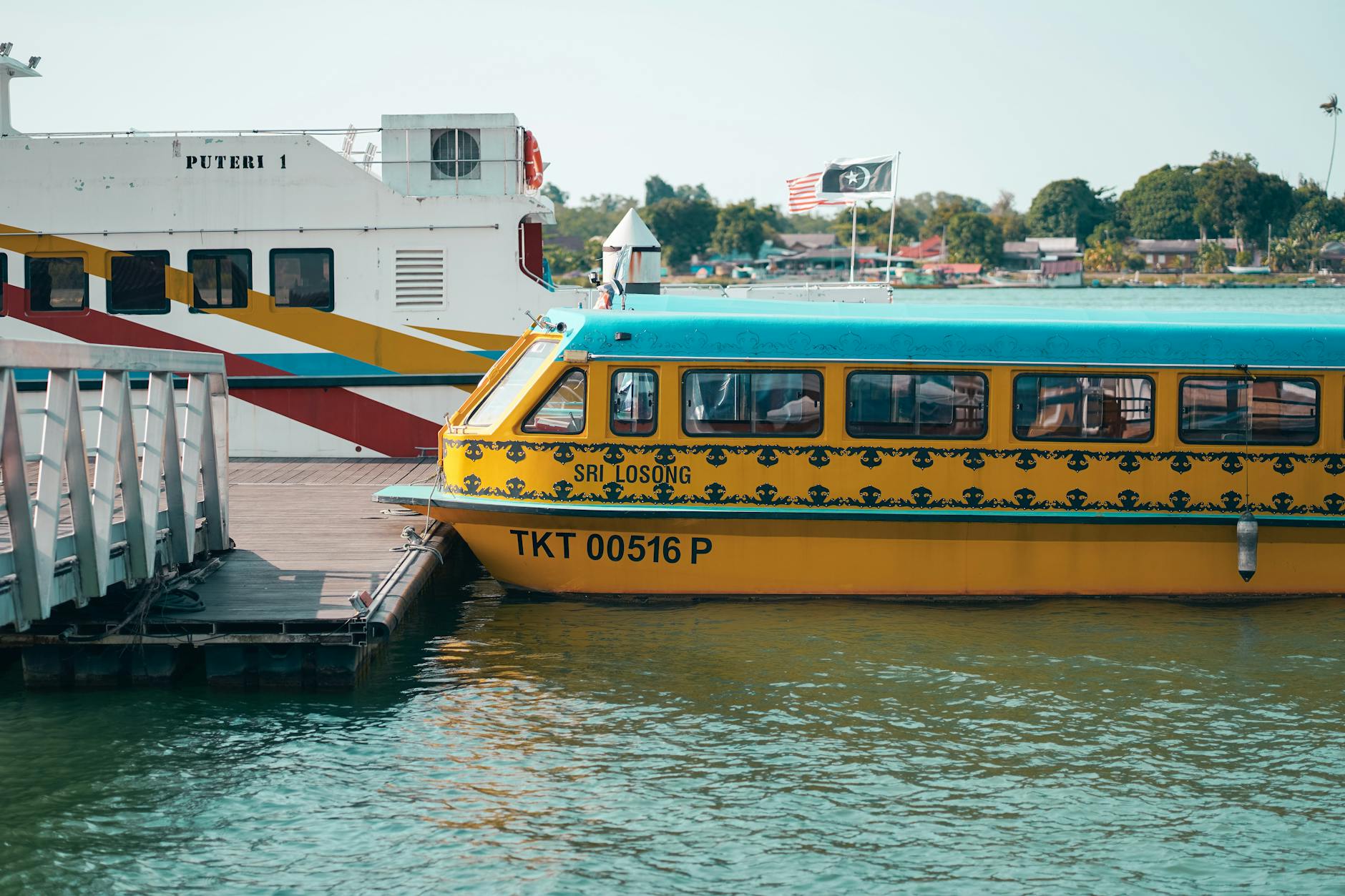
Transport should match the traveler's condition, not just the island's available options. Ride-hailing, taxis, hotel cars, private drivers, rental cars, ferries, boats, and tour vans each introduce different stresses. Waiting in heat, climbing into boats, sitting in cramped vehicles, walking across parking areas, or managing luggage can be meaningful medical burdens.
A private transfer or driver may be worth the cost when timing, shade, luggage help, flexible returns, or reduced walking matter. The traveler should also decide whether any activity requires a companion, hotel coordination, or a conservative exit plan.
- Choose transport by heat exposure, walking distance, luggage help, waiting time, and return flexibility.
- Use private transfers or drivers when the condition makes ad hoc rides too fragile.
- Check boat, van, ferry, and tour boarding before committing to an activity.
When to order a short-term travel report
A traveler with a stable condition, resort-contained plan, and flexible itinerary may be able to manage Langkawi with basic preparation. A report becomes useful when the traveler needs medication refrigeration, careful arrival timing, medical-access mapping, food screening, mobility support, boat-tour assessment, insurance contingency planning, or a decision between quieter and more convenient resort areas.
The report should test lodging layout, medical access, transport, meals, activity fit, weather, arrival and exit buffers, insurance contacts, recovery time, budget, and what to cut. The value is not a medical opinion. It is a trip plan that respects the constraint instead of pretending it will not affect the island stay.
- Order when medical access, medication, resort layout, transport, food, tours, or contingency planning need testing.
- Provide dates, condition-related constraints, lodging options, arrival details, activity goals, medications, and budget.
- Use the report to make the Langkawi stay realistic, buffered, and easier to manage.