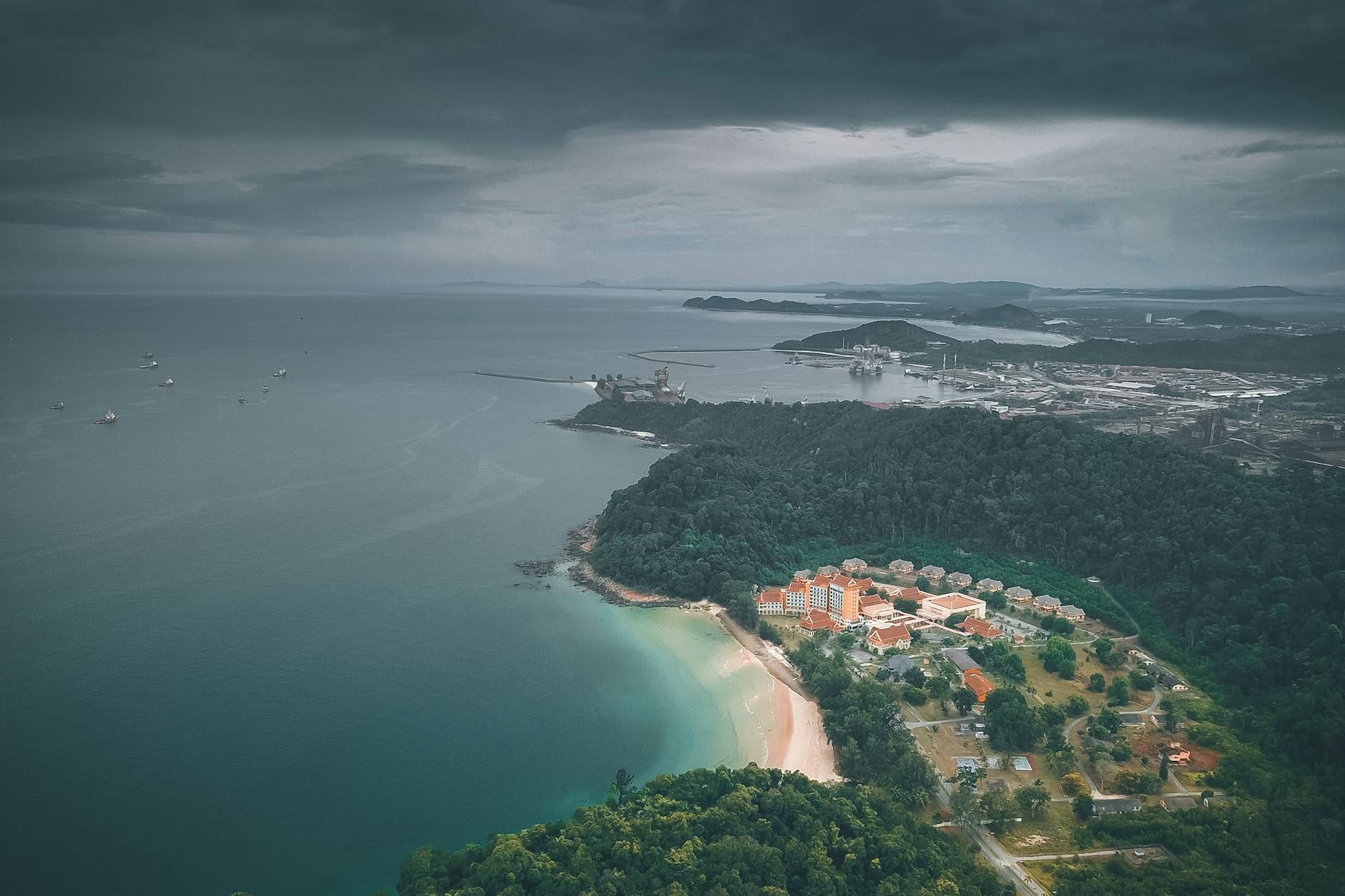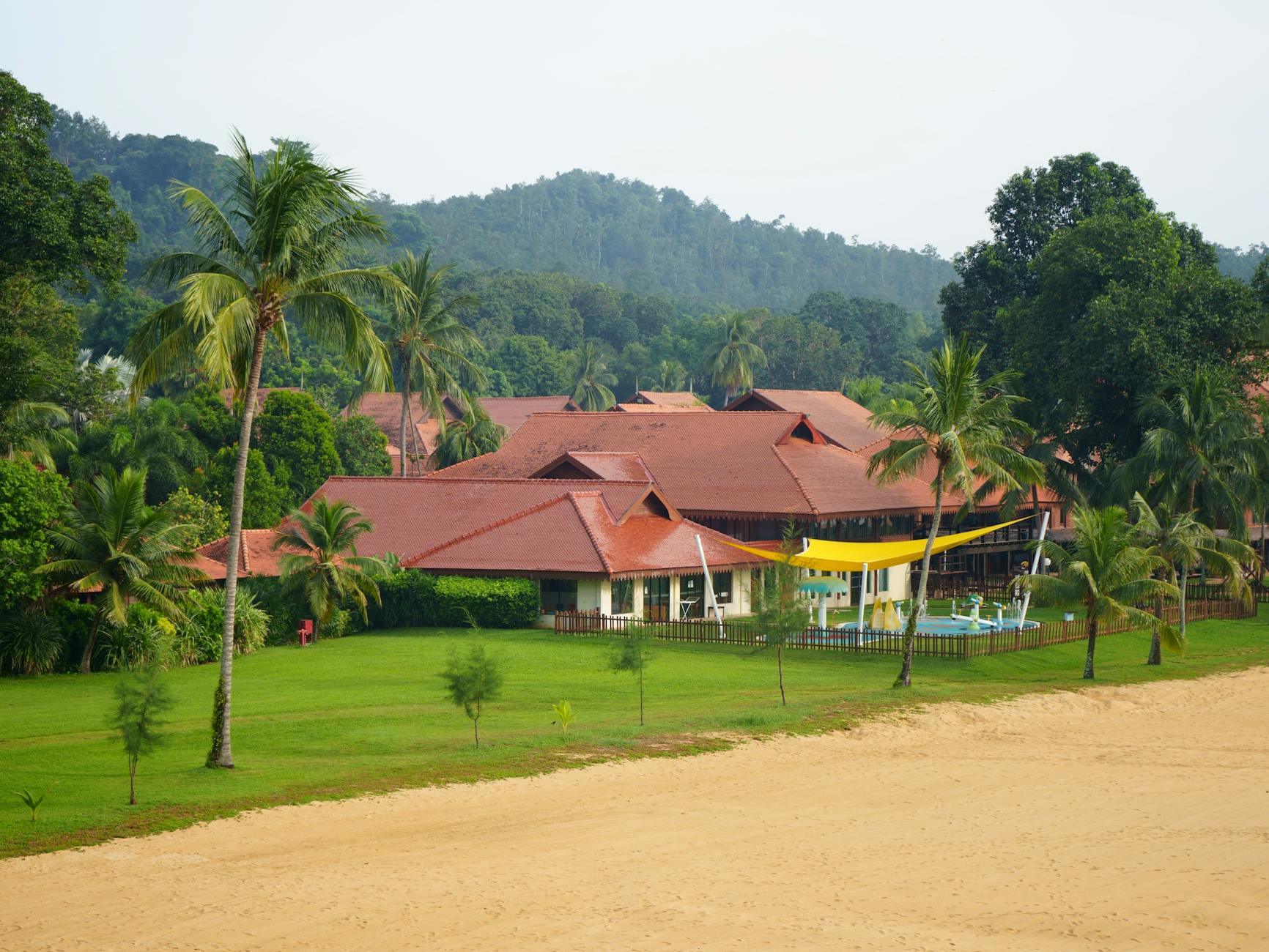
Langkawi is not a conventional dense trade-show city, which is exactly why trade-show travel there needs discipline. Events may be tied to resorts, hospitality programs, industry retreats, tourism or marine sectors, incentive formats, government or development meetings, or smaller exhibitions rather than a large urban convention-center rhythm. That can make the trip appealing, but it also means the logistics are less forgiving. A trade-show attendee should plan Langkawi around the event venue, materials, booth or meeting obligations, arrival timing, transport, connectivity, hosting expectations, and whether leisure add-ons weaken the purpose of the trip. The island setting can relax the tone, but it should not relax the planning.
Confirm the event format and venue geography
A Langkawi trade show or business event may be resort-contained, spread across hotel meeting rooms, linked to a marina or hospitality site, or paired with offsite dinners and tours. The attendee should confirm whether registration, booth setup, meetings, sponsor events, storage, receptions, and client meals are all in one place or require movement across the island.
Staying at the event property may be worth more than it looks on paper. Offsite savings can disappear if they cost early access, quick room returns, material storage, evening networking, or reliable transport after receptions.
- Map registration, exhibition space, meeting rooms, storage, receptions, dinners, and sponsor events.
- Choose lodging by event access and material handling, not only by room rate.
- Ask whether the show is resort-contained or spread across multiple island sites.
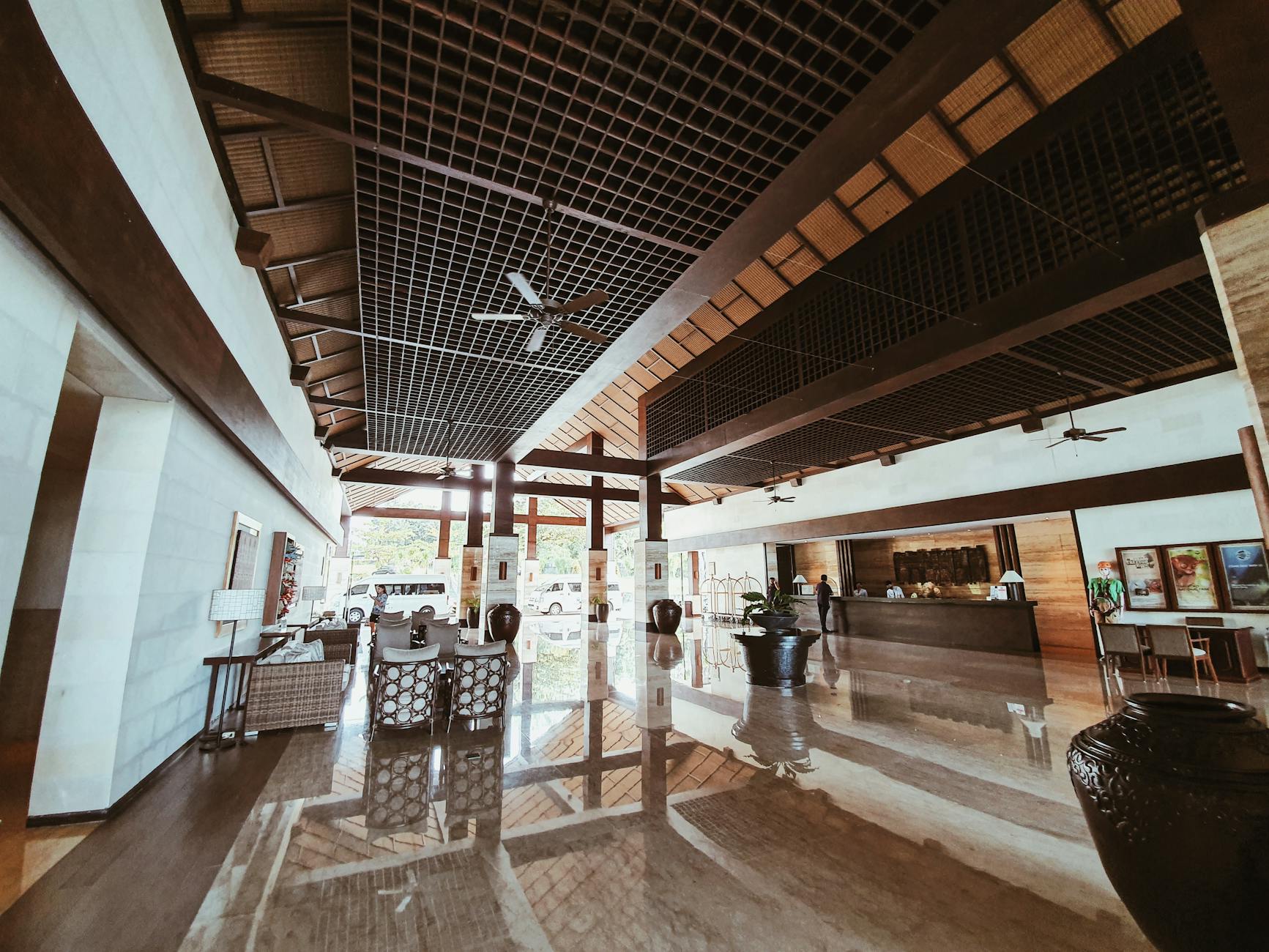
Protect booth, samples, and materials from arrival risk
Trade-show travel depends on objects: banners, samples, catalogs, badges, business cards, devices, adapters, demo materials, scanners, and sometimes shipped freight. In Langkawi, late bags, ferry delays, customs or courier assumptions, hotel storage limits, and setup timing should be tested before arrival.
The attendee should know what travels in hand luggage, what is shipped, who receives it, where it is stored, and what the backup is if materials arrive late. A small event can still suffer a large failure if the visible materials are not there when buyers or partners arrive.
- Plan banners, samples, devices, badges, business cards, adapters, and demo materials before travel.
- Confirm shipping, receiving, storage, courier access, and setup timing with the venue.
- Carry critical small items and files in hand luggage where possible.
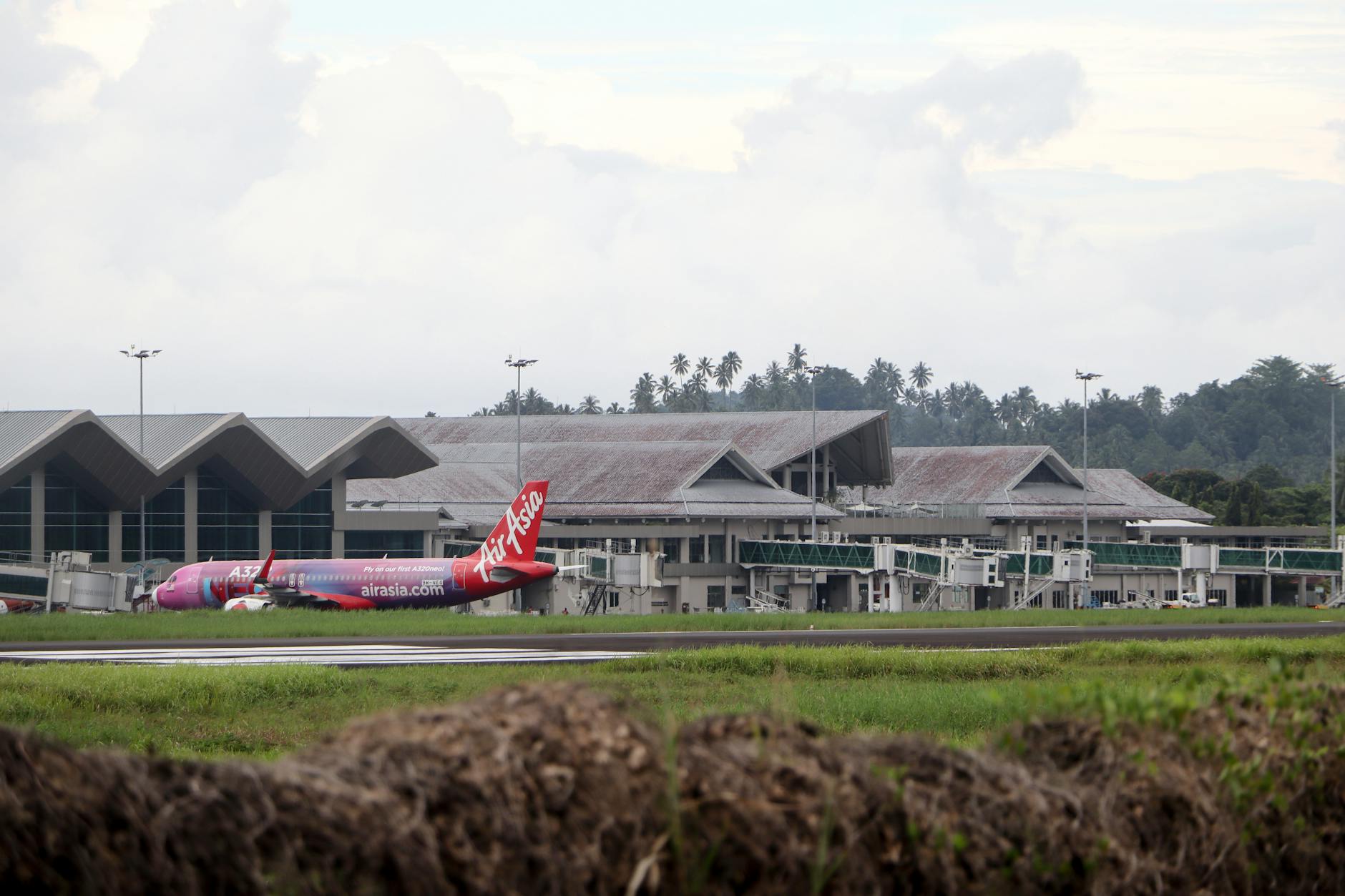
Check work infrastructure before assuming resort readiness
A resort can host a polished event and still create operational gaps for exhibitors. Wi-Fi, mobile data, power drops, extension leads, screens, printing, badge changes, freight access, booth lighting, storage, private call space, payment processing, and quiet follow-up areas should be confirmed. Trade-show attendees should not assume a beach resort has the same infrastructure as a city convention hall.
If the attendee needs remote colleagues, live demos, file uploads, lead capture, or confidential follow-up, the room, booth, and hotel workspace become business infrastructure. The trip plan should treat them that way.
- Confirm Wi-Fi, power, screens, printing, freight access, booth lighting, and storage.
- Check private call space, lead capture, payment processing, and remote-demo needs.
- Choose lodging that supports evening follow-up and not only event attendance.
Control transport for setup, meetings, and dinners
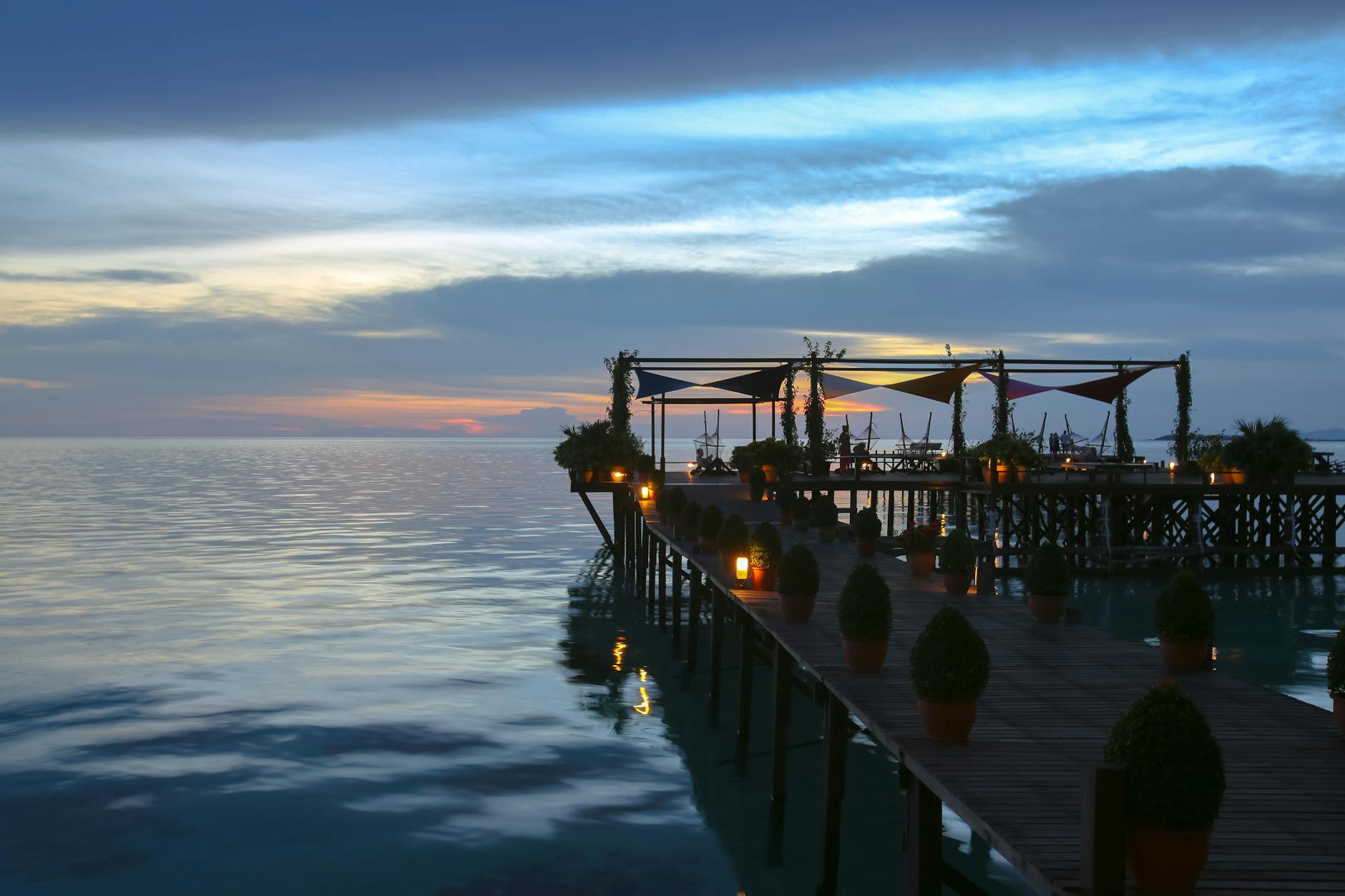
Trade-show days are often less flexible than leisure days. Setup windows, buyer meetings, supplier dinners, sponsor events, and airport departures require reliable movement. A trade-show attendee should decide when to use hotel cars, private drivers, taxis, ride-hailing, event shuttles, or host pickup rather than making each ride a fresh decision.
If materials, samples, formal clothes, or multiple colleagues are involved, transport should be arranged with luggage and waiting time in mind. The wrong vehicle or pickup point can make the team look disorganized before the meeting begins.
- Plan transport for setup, show hours, buyer meetings, offsite dinners, and departure separately.
- Use prearranged cars when materials, luggage, samples, formal clothing, or teams are involved.
- Confirm pickup points, waiting rules, vehicle size, and return timing before each event block.
Dress for the business context and the island
Langkawi trade-show dress can shift quickly between booth floor, resort meeting room, humid outdoor path, client lunch, beach-adjacent reception, and informal dinner. The attendee should know whether the event tone is corporate, tourism-facing, technical, government-facing, or incentive-oriented.
Shoes, layers, rain protection, and backup shirts matter in heat and humidity. A polished island event look is not the same as a downtown convention suit, but the attendee still needs to look intentional when clients, hosts, or partners are present.
- Clarify whether the event tone is corporate, technical, tourism-facing, government-facing, or informal.
- Pack for humidity, rain, air-conditioned rooms, resort paths, receptions, and dinners.
- Bring backups that keep the attendee presentable after setup, transport, or weather.
Handle hosting and leisure add-ons with discipline
Trade-show trips to Langkawi can easily blur into hospitality: beach receptions, boat dinners, golf, resort tours, client meals, or optional excursions. These can be commercially useful if they support relationships. They become a problem when they consume the time needed for lead follow-up, booth notes, proposal updates, rest, or departure buffers.
The attendee should plan which hosting moments are strategic and which are optional. Food preferences, halal context, alcohol expectations, payment protocol, guest lists, transport, and return timing should be understood before the evening begins.
- Use hospitality moments for relationship value rather than uncontrolled schedule drift.
- Clarify halal context, alcohol, food restrictions, payment protocol, guest lists, and return transport.
- Protect time for notes, lead follow-up, proposals, sleep, and departure buffers.
When to order a short-term travel report
A trade-show attendee with a simple resort-contained event and no materials may not need a custom Langkawi report. A report becomes useful when the traveler has booth materials, shipped items, client meetings, offsite dinners, multiple colleagues, tight flight or ferry timing, or the need to blend event work with leisure or hosting.
The report should test venue geography, lodging, setup timing, material logistics, airport or ferry arrival, transport, infrastructure, dress, hosting, weather, food, schedule buffers, budget, and what to cut. The value is a trade-show trip that performs like a business trip even in an island setting.
- Order when booth materials, event geography, hosting, transport, infrastructure, or tight timing need testing.
- Provide dates, venue, lodging options, material needs, flight or ferry details, meetings, constraints, and budget.
- Use the report to keep the Langkawi trade-show visit credible and operationally controlled.