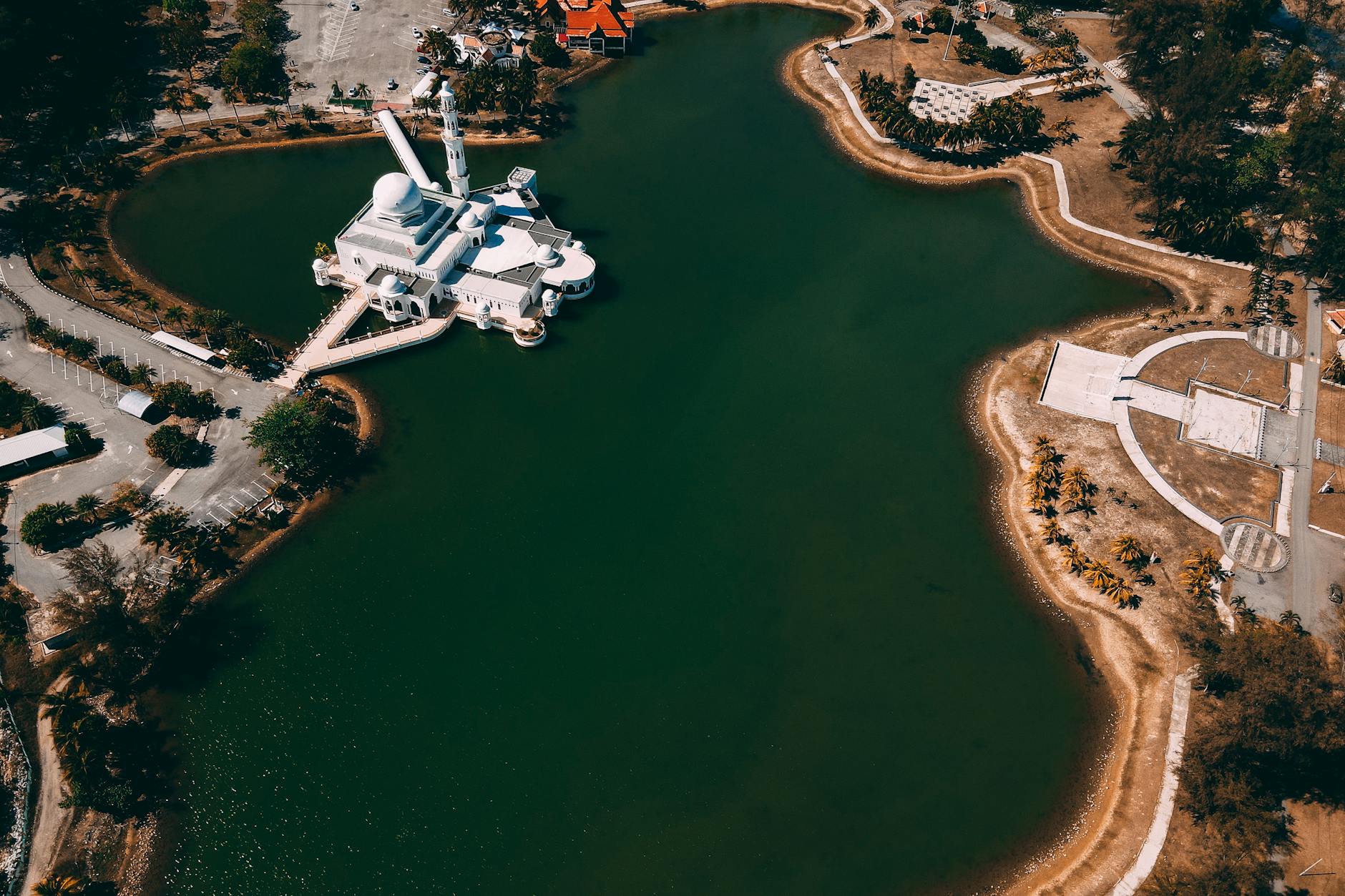
A short student program in Langkawi can combine study, culture, ecology, tourism, hospitality, fieldwork, language practice, marine or mangrove activities, and group travel. The island setting can make the program feel straightforward, but students still need a realistic plan for arrival, supervision, lodging, transport, health, water safety, food, and staying connected. The most useful Langkawi student plan starts with the program format. A resort-based course, university-linked module, conservation activity, field study, volunteer block, language program, or mixed tour needs different logistics. The student should understand who is responsible for each day and what happens if weather, illness, transport, or group behavior changes the schedule.
Understand whether the program is campus, resort, field, or tour based
Langkawi short programs can be built around classrooms, resorts, hotels, ecology sites, beaches, mangroves, boats, cultural visits, hospitality training, or general study travel. The student should know whether the program is mostly structured in one place or constantly moving between activities.
This shapes almost every practical decision. A field-heavy program needs different shoes, bags, water planning, device protection, and supervision expectations than a resort-based seminar. A mixed itinerary needs clear rules for transitions and free time.
- Clarify whether the program is classroom, resort, ecology, beach, boat, cultural, volunteer, or tour based.
- Ask which activities are mandatory, optional, weather-dependent, or physically demanding.
- Pack and budget around the real program pattern, not a generic island itinerary.
Make arrival and supervision practical
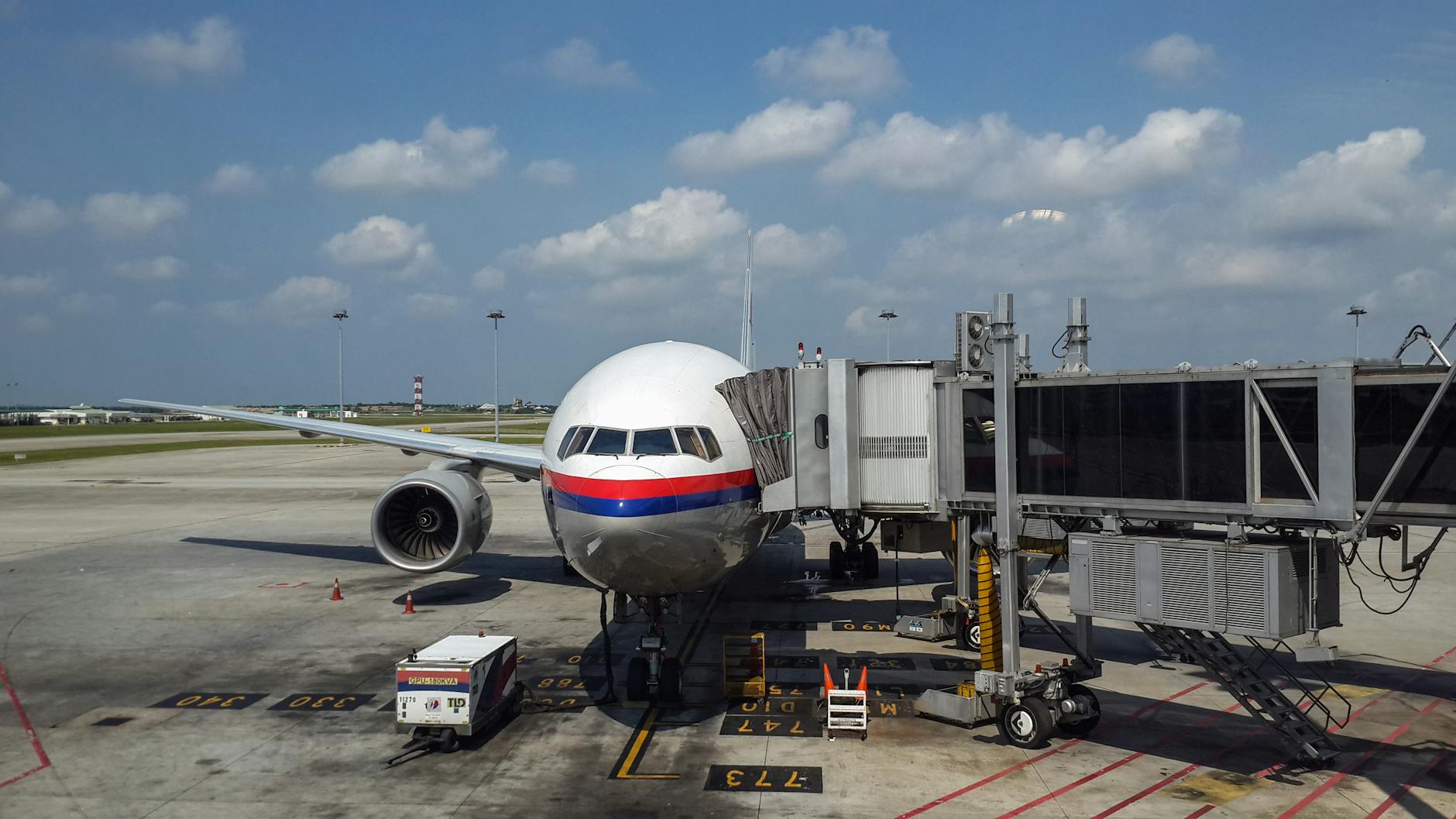
Students should not treat arrival as a casual detail. Flight timing, airport pickup, group meeting point, late arrivals, missed connections, phone service, emergency contacts, passport checks, and who is responsible before official check-in all need to be clear. Parents, organizers, and students should share the same arrival assumptions.
Supervision also needs definition. A short program should explain curfews, attendance, free-time boundaries, buddy systems, transport permissions, water activity rules, medical reporting, and who has authority if a student wants to separate from the group.
- Confirm flight timing, pickup, meeting point, late-arrival procedure, phone service, and emergency contacts.
- Know who is responsible before check-in, during activities, during free time, and after evening plans.
- Clarify curfews, buddy rules, transport permissions, water rules, attendance, and medical reporting.
Choose lodging and transport by group control
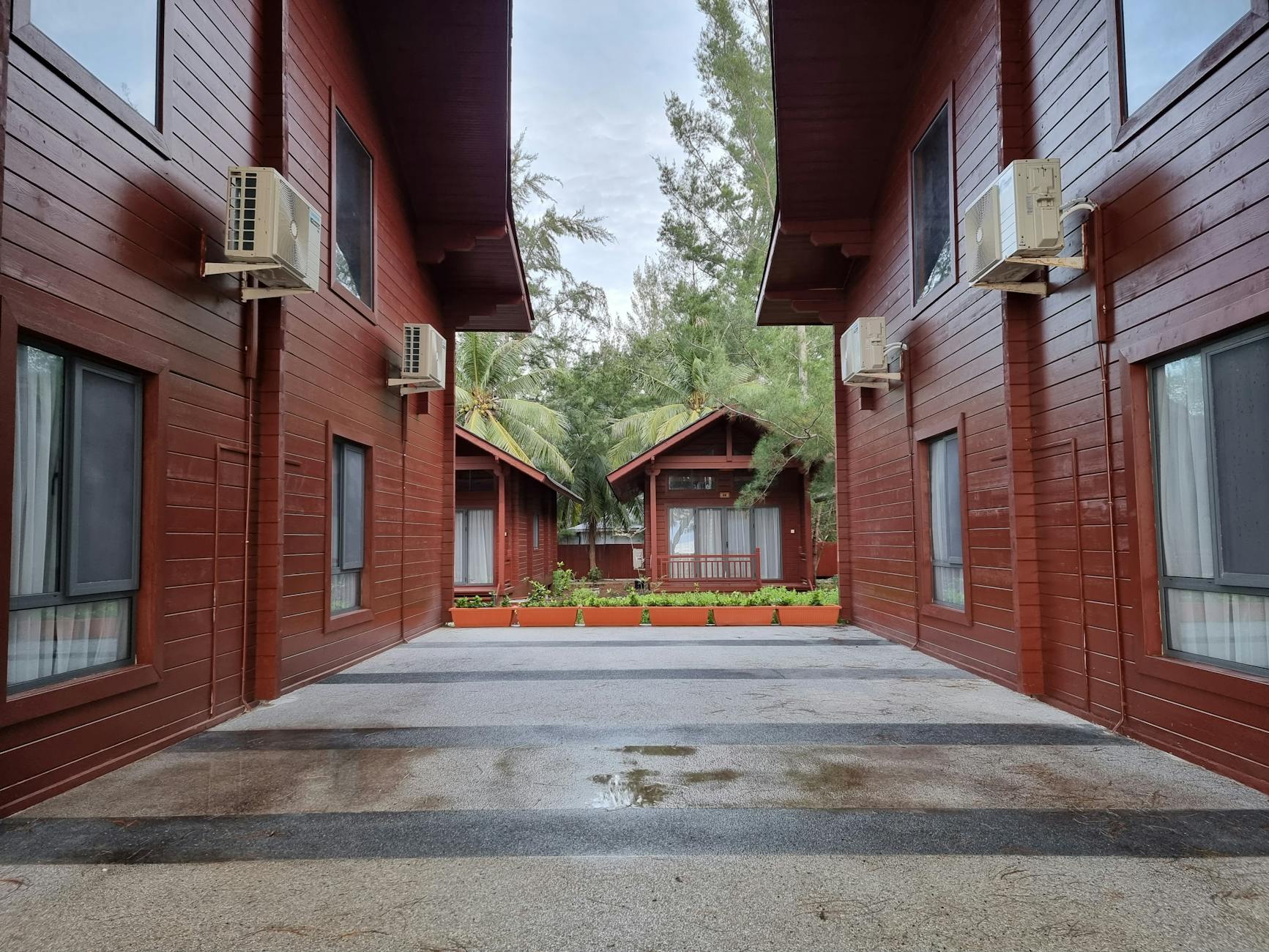
Student lodging should be judged by supervision, access, cost, safety, food, laundry, quiet study time, and transport, not only by beach appeal. A cheaper room far from program activities can create daily movement problems, while a resort setting can create distraction if rules are unclear.
Transport should also be planned by group control. Organizers should define when students use charter buses, vans, taxis, ride-hailing, walking routes, boats, or host vehicles. Students should know whether independent movement is allowed and what to do if a vehicle, driver, or pickup point does not match the plan.
- Assess lodging by supervision, safety, food, laundry, study space, access, transport, and cost.
- Confirm whether transport uses vans, buses, ride-hailing, taxis, walking routes, boats, or host vehicles.
- Set rules for independent movement, pickup points, driver verification, and late returns.
Prepare for field, beach, and water activities
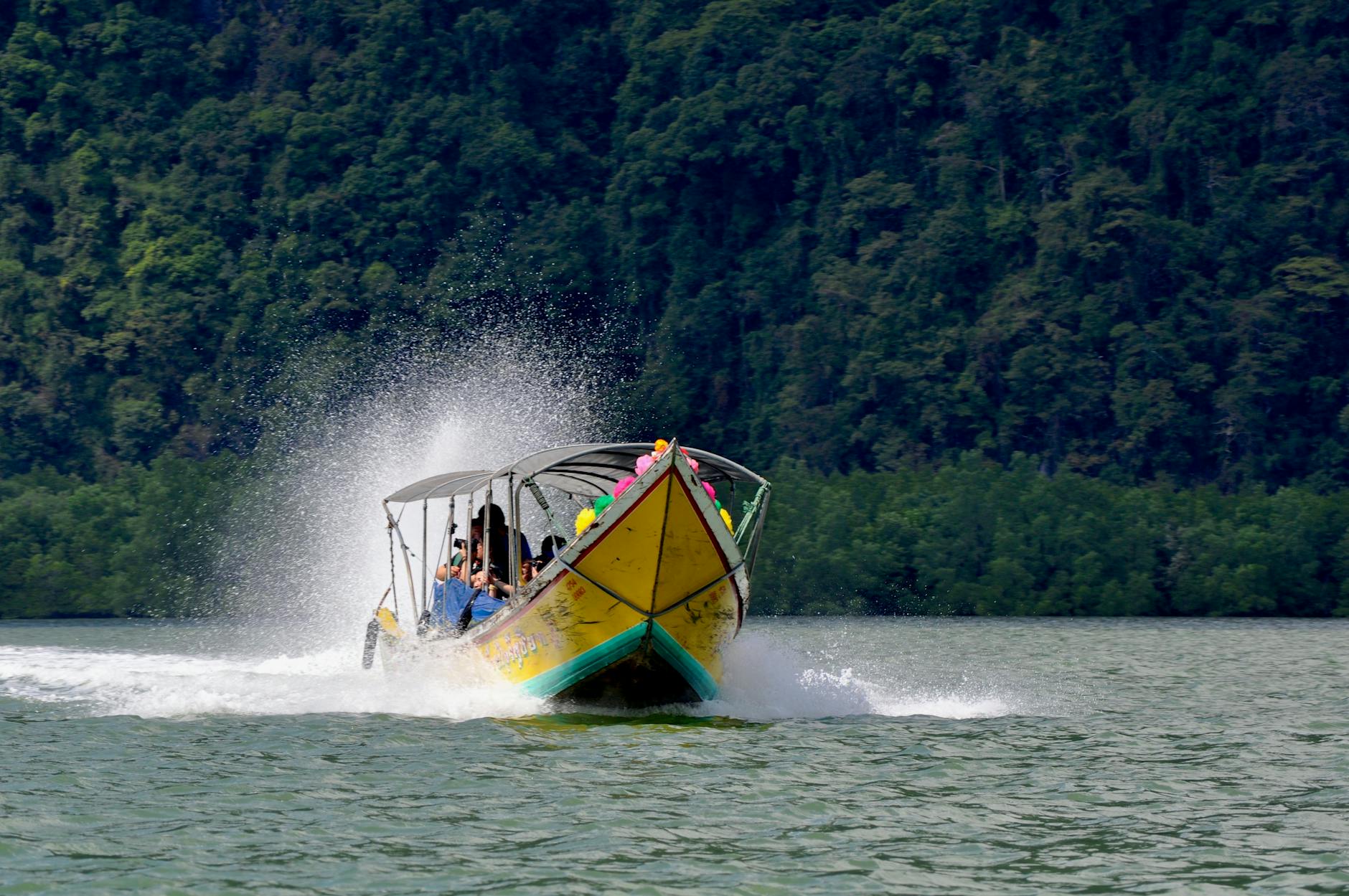
Langkawi programs may include beaches, boats, mangroves, conservation visits, island tours, snorkeling, kayaking, nature walks, or outdoor observation. Students should know what is academic, recreational, optional, and risk-bearing. Water comfort, swimming ability, life jackets, sun exposure, footwear, insect protection, and weather alternatives all matter.
The program should not rely on students improvising safety decisions at the edge of an activity. Rules for swimming, boats, alcohol, free time near water, photography, environmental conduct, and what to do during storms should be explicit before the group arrives.
- Confirm which beach, boat, mangrove, snorkeling, kayak, field, or nature activities are required or optional.
- Prepare for life jackets, swimming ability, sun, insects, footwear, rain, device protection, and water comfort.
- Set clear rules for swimming, storms, alcohol, free time near water, photos, and environmental conduct.
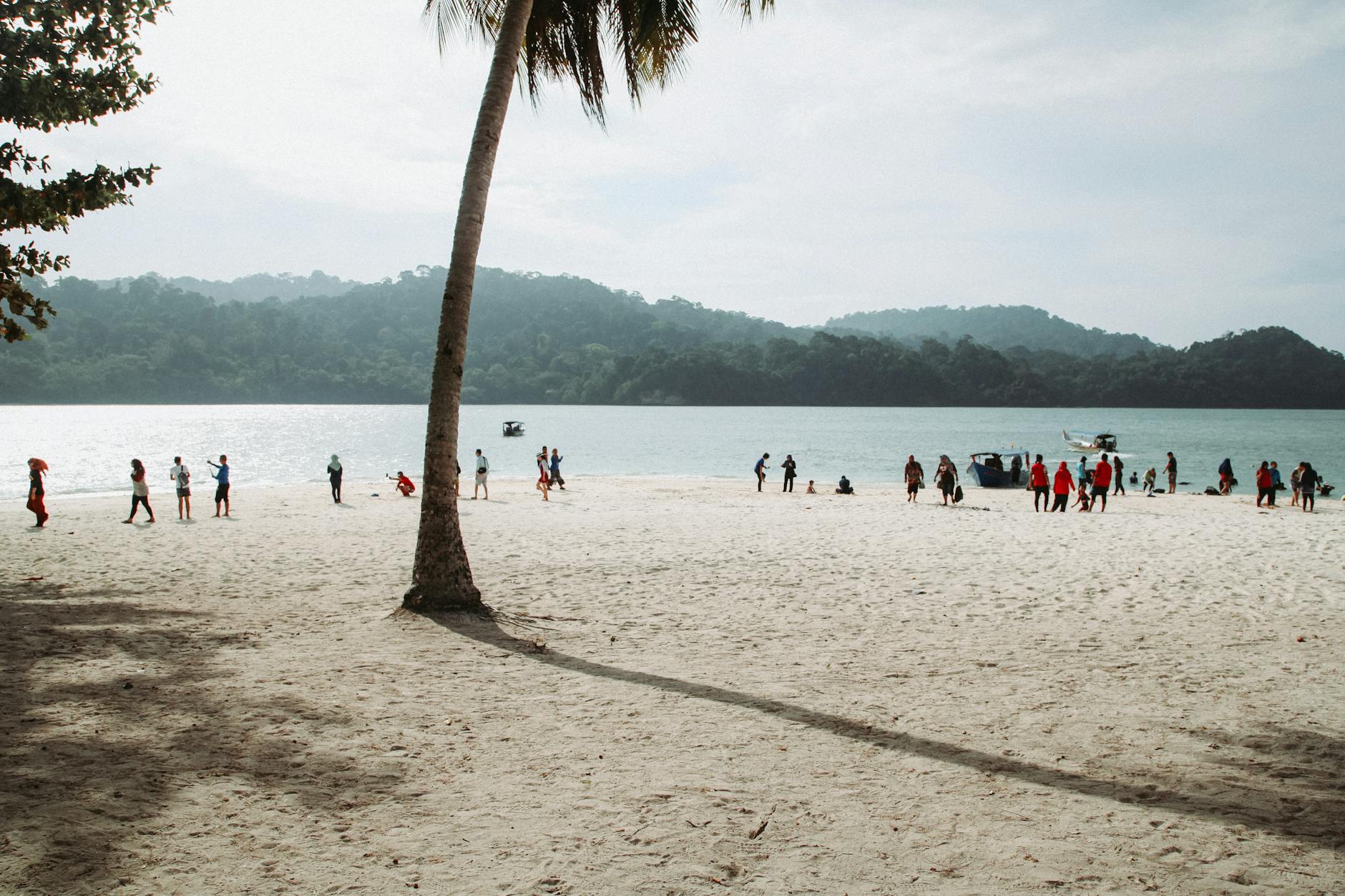
Plan food, health, and communication basics
Students should know how meals work before they arrive. Program-provided meals, halal context, vegetarian needs, allergies, seafood exposure, street food, late-night snacks, hydration, and budget for extra food should be addressed. A student who cannot eat reliably will not perform well in class or fieldwork.
Health planning should include prescriptions, travel insurance, heat, dehydration, stomach illness, insect bites, motion sickness, allergies, mental health support, and medical access. Communication basics include SIM or roaming plans, group chat rules, emergency contacts, charger access, and expectations for checking in.
- Clarify included meals, halal context, allergies, vegetarian needs, seafood, street food, hydration, and snack budget.
- Plan for prescriptions, insurance, heat, dehydration, stomach illness, insects, motion sickness, and medical access.
- Set communication rules for SIMs or roaming, group chats, emergency contacts, charging, and check-ins.

Protect study goals from island distraction
A short program has limited time to produce academic or professional value. Langkawi's beaches, tours, resorts, shopping, cafes, and nightlife can easily compete with readings, reflections, field notes, language practice, group work, and final presentations. Students should know what work is due during the trip and what can wait until after.
The itinerary should include quiet blocks for notes, assignments, journaling, group preparation, and rest. Free time is useful, but it should not erase the reason the program exists. A student should leave with usable learning, not only photos.
- Identify required readings, notes, reflections, field records, group work, presentations, and post-trip tasks.
- Protect quiet time for assignments, journaling, language practice, rest, and program debriefs.
- Treat optional tours and nightlife as additions after academic and safety obligations are covered.

When to order a short-term travel report
A student joining a fully managed program with clear transport, lodging, meals, supervision, and emergency rules may not need a custom Langkawi report. A report becomes useful when the program is partly independent, field-heavy, budget-sensitive, medically complex, water-based, parent-reviewed, or unclear about who controls the details.
The report should test program format, arrival, lodging, supervision, transport, water and field activities, health, food, communication, budget, weather, study blocks, free-time rules, medical access, and what to cut. The value is a short program that gives the student room to learn without leaving basic safety and logistics vague.
- Order when supervision, arrivals, fieldwork, water activities, medical needs, budget, or free time need testing.
- Provide dates, program details, lodging, flights, activities, supervision rules, health constraints, and budget.
- Use the report to make the Langkawi short program practical, safe, and academically useful.