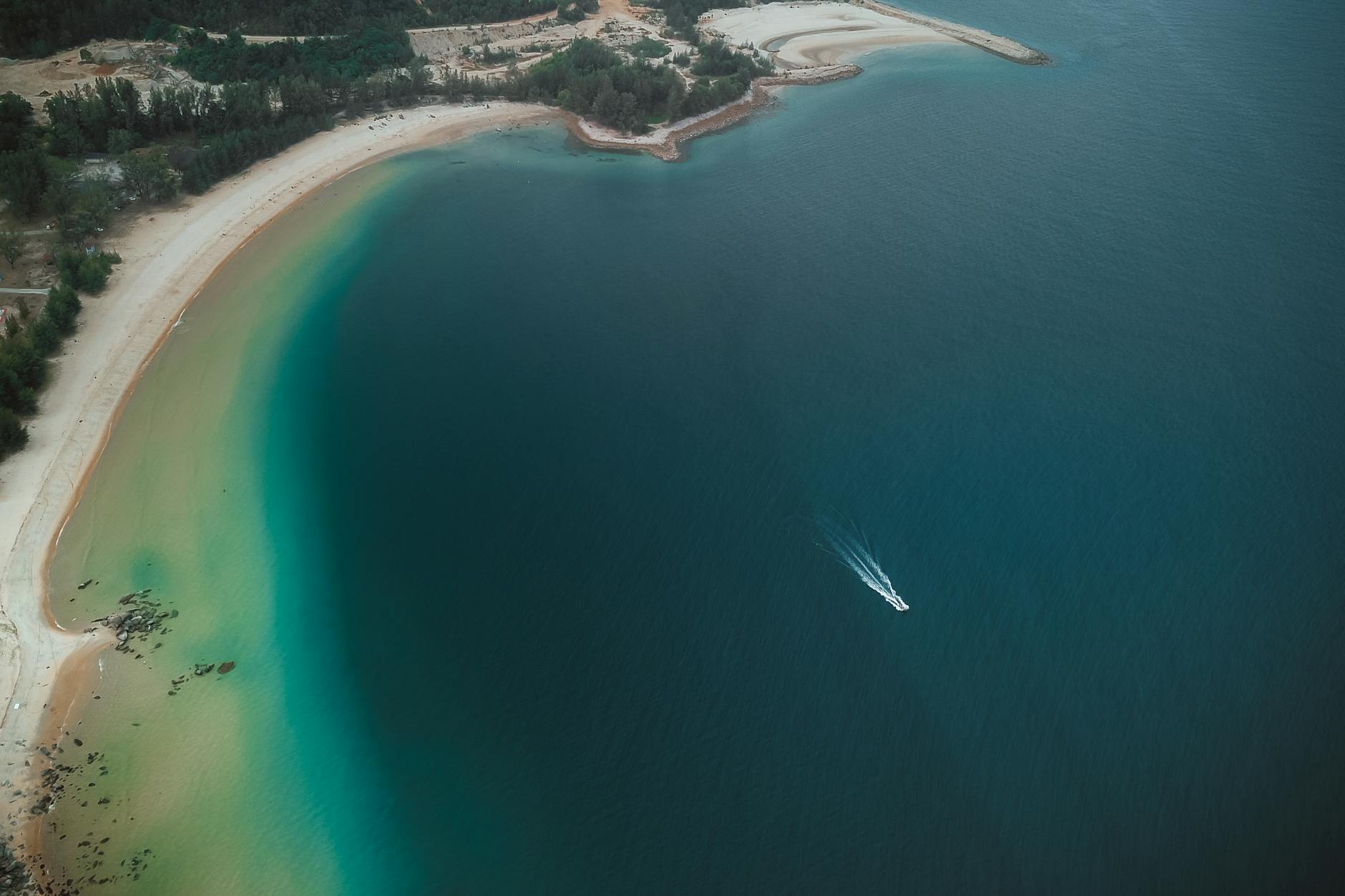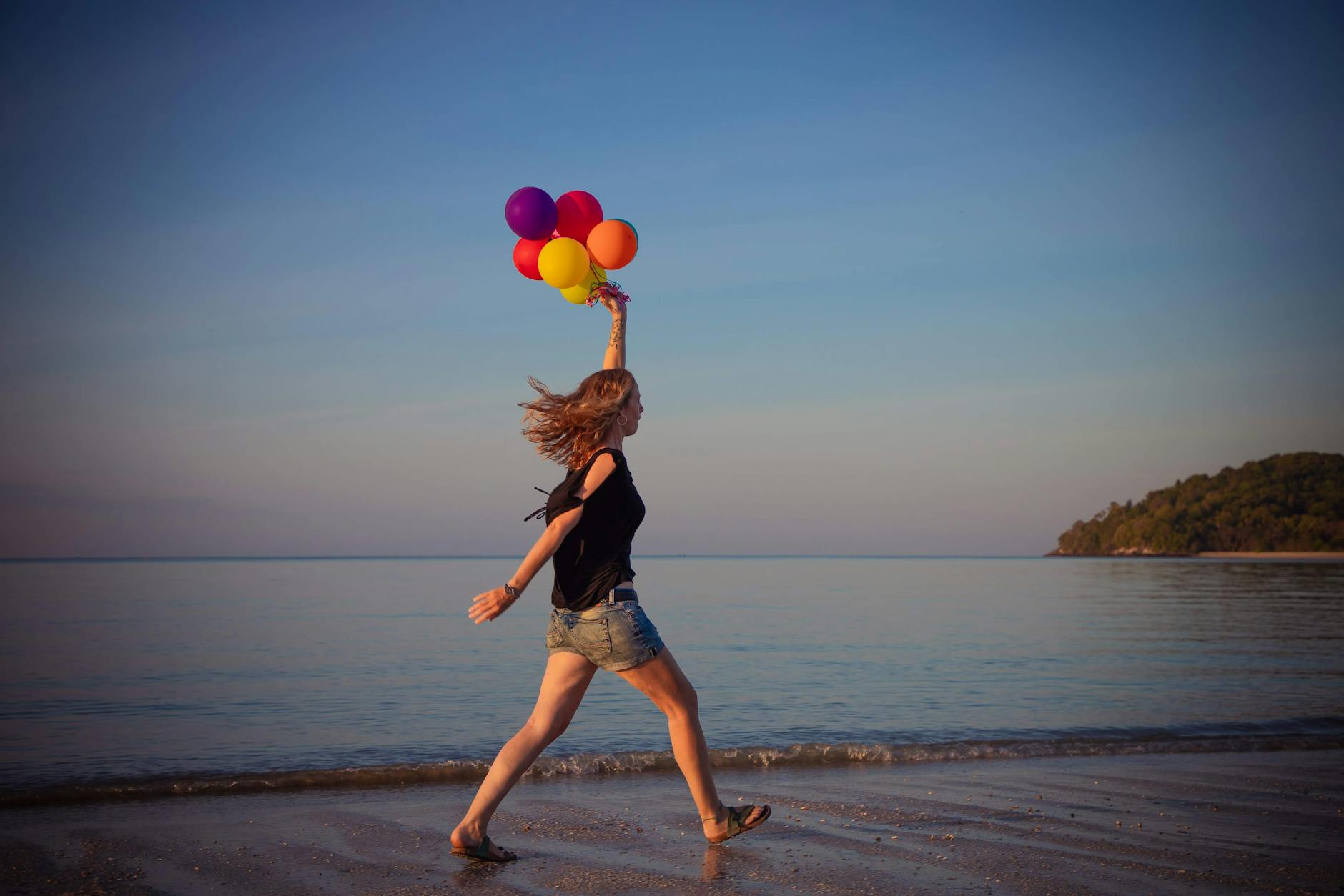
Langkawi can be a rewarding solo destination because it offers beaches, nature, resort comfort, cafes, boat tours, cable car views, quiet time, and enough visitor infrastructure to make a short independent stay manageable. It still requires more planning than a dense city where a solo traveler can walk between almost everything. A solo Langkawi trip should be built around confidence: a sensible base, reliable transport, safe evenings, tour choices that do not feel isolating, weather backups, and clear limits on how much independence is useful. The goal is to feel free without making each day logistically fragile.
Choose a base that supports solo movement
A solo traveler should choose Langkawi lodging by movement and comfort, not only by price or view. A lively beach area may make food, tours, casual evenings, and ride pickup easier. A quieter resort may be better for rest, but it can require more planning for meals, evening movement, and independent exploration.
The traveler should check reception hours, security, lighting, nearby food, ride access, beach access, room location, and whether the property feels comfortable for a solo guest at night. A great solo base reduces decisions rather than adding them.
- Choose between lively convenience and quiet retreat before booking.
- Check security, lighting, reception hours, nearby meals, ride pickup, and beach access.
- Avoid lodging that makes every meal or evening movement feel complicated.
Plan independent transport honestly
Langkawi can involve meaningful distance between beaches, resorts, restaurants, cable car, airport, ferry points, and nature activities. A solo traveler should decide whether to rely on ride-hailing, taxis, hotel transfers, tours, a private driver, rental car, or scooter. Each option changes cost, safety, flexibility, and fatigue.
Scooters or rental vehicles can seem freeing, but they should be judged by road confidence, weather, insurance, parking, alcohol plans, and local driving comfort. A short solo trip is not the time to prove independence through risky transport.
- Match ride-hailing, taxis, hotel transfers, tours, drivers, cars, or scooters to comfort and safety.
- Check insurance, road confidence, weather, parking, and alcohol plans before renting.
- Keep backup transport options for rain, late returns, or fatigue.
Pick tours that fit solo comfort
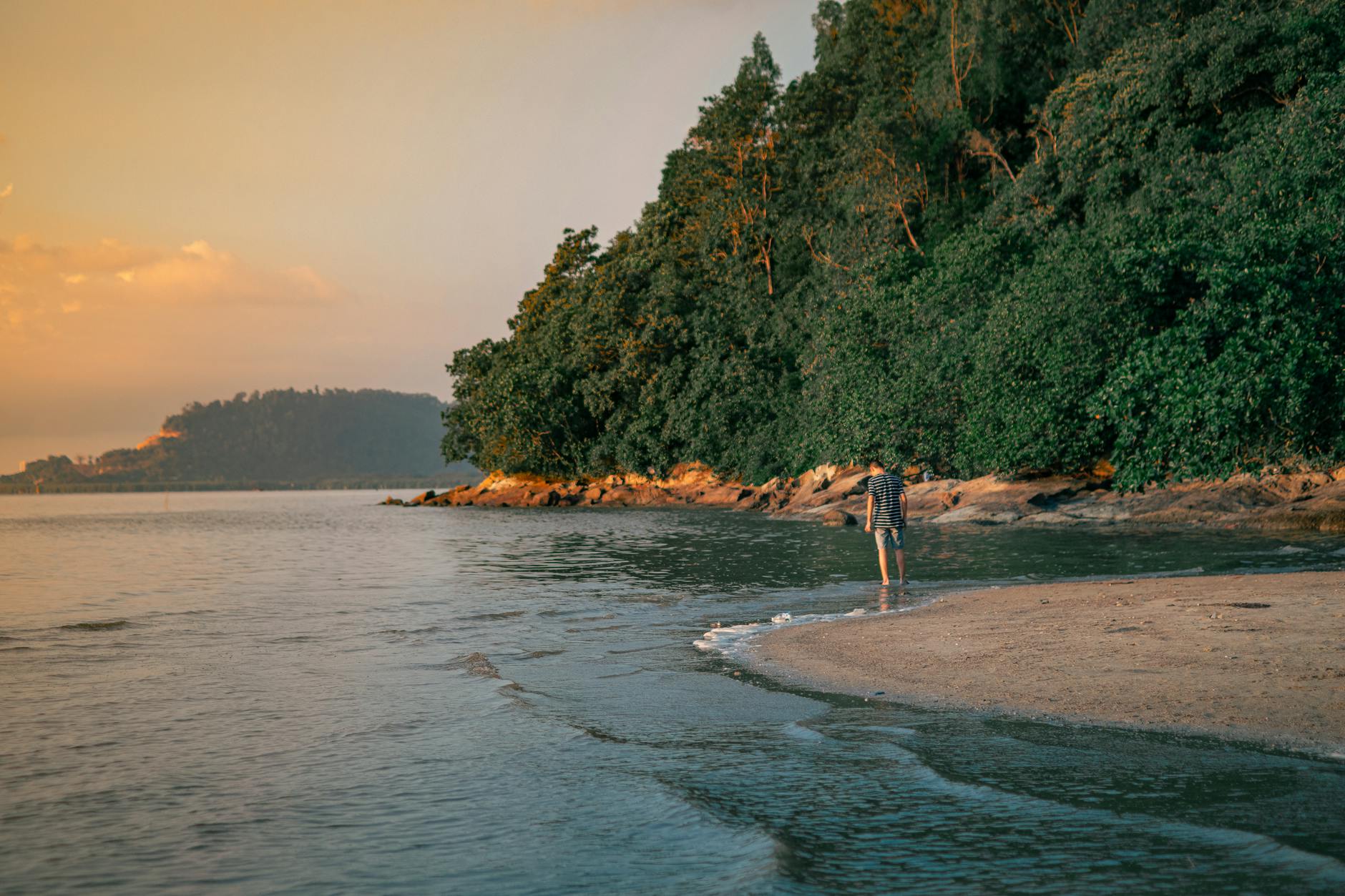
Boat tours, mangrove trips, island-hopping, cable car visits, food outings, and nature activities can all work for solo travelers, but the experience depends on group size, pickup reliability, safety standards, language, timing, and whether the tour feels welcoming rather than awkward.
The traveler should ask what is included, how long the day runs, whether there are restroom stops, how boarding works, and what happens in bad weather. Joining the right tour can provide structure and social contact; joining the wrong one can make the day feel trapped.
- Check group size, pickup, safety, language, itinerary, restroom stops, and weather policy.
- Use tours for structure and social contact when independent logistics would be awkward.
- Avoid full-day commitments unless the operator and activity fit the solo travel style.
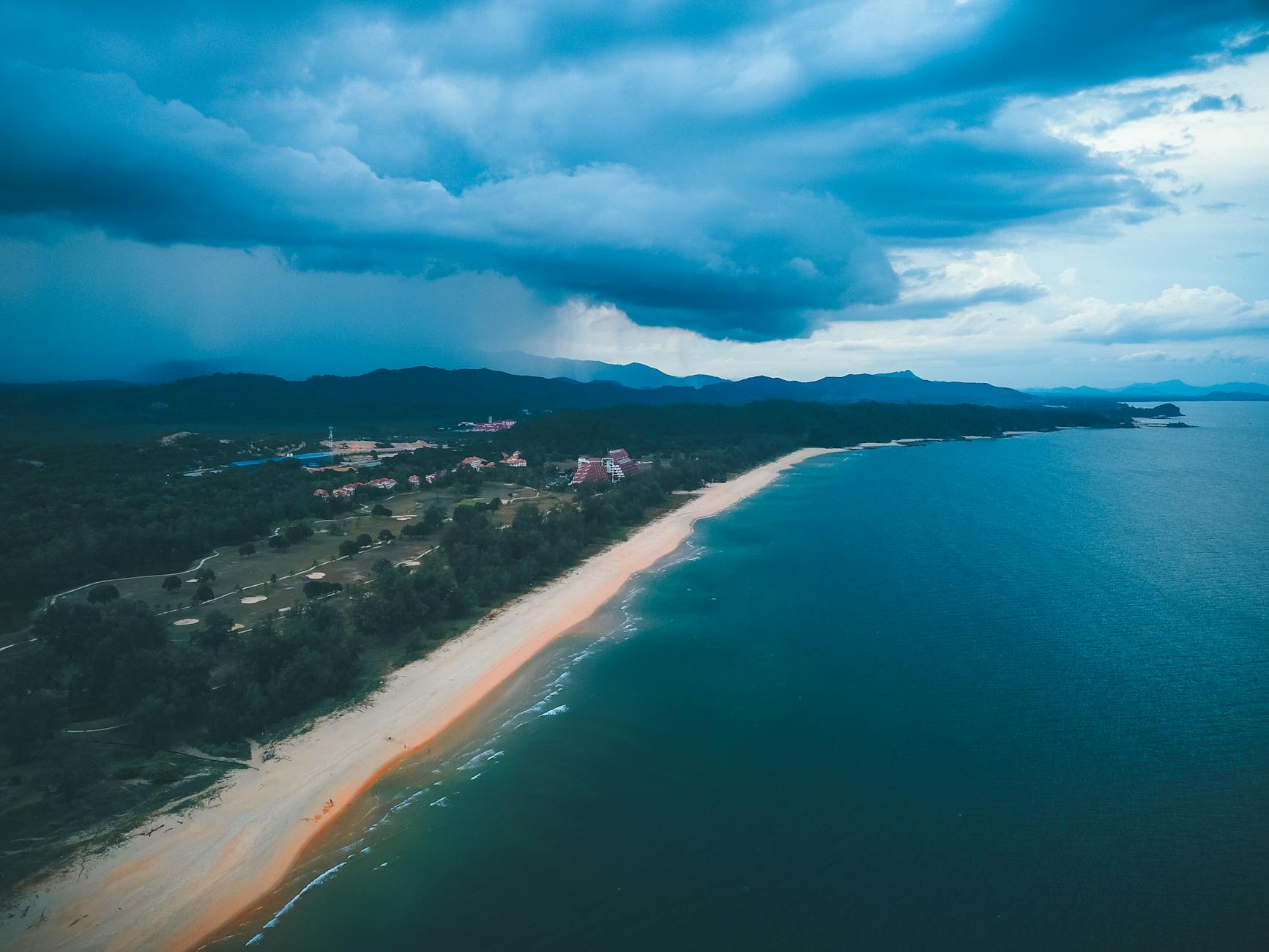
Handle beach time and evenings with care
Solo beach time should be planned with belongings, swimming conditions, sun exposure, hydration, and exit options in mind. A traveler alone cannot rely on someone else watching a bag or noticing fatigue. The best beach may be the one that balances atmosphere with practical safety.
Evenings should be chosen deliberately. Some areas make solo dining, sunset walks, cafes, and casual drinks easier; quieter areas may feel peaceful but require return transport. The traveler should protect phone battery, backup cash, hotel address, and ride options before going out.
- Plan belongings, swimming, shade, hydration, and exit options for solo beach time.
- Choose evening areas that make solo dining and return transport straightforward.
- Carry phone power, hotel address, backup cash, and a clear return plan.
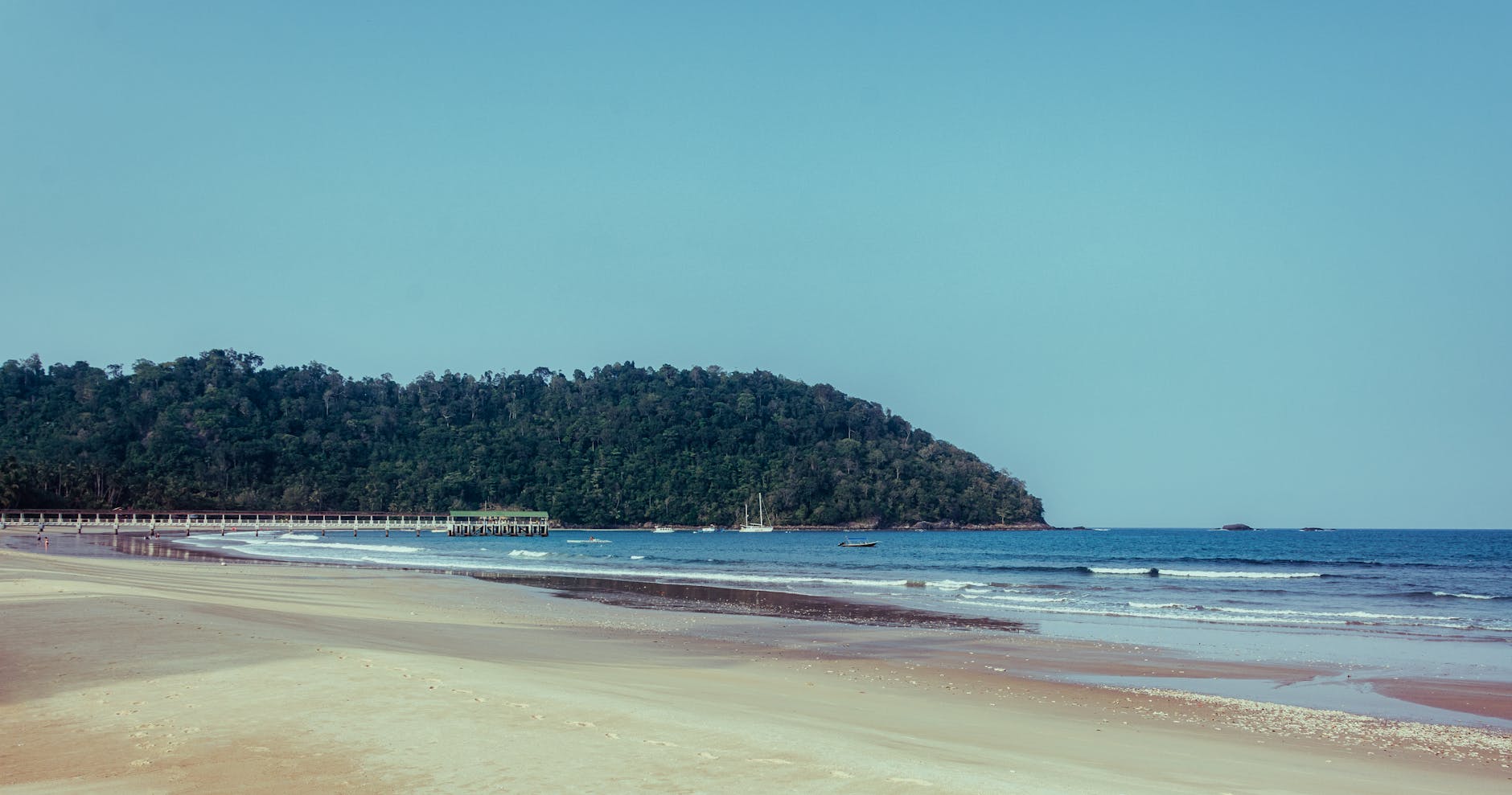
Balance solitude with social contact
A solo traveler may come to Langkawi for quiet, but too much isolation can make a short trip feel flat or create practical risk. The plan should include a few points of light social structure: a tour, cooking or food experience, guided nature activity, casual cafe routine, resort class, or check-in with someone back home.
At the same time, the traveler should not overbook social activity if the purpose is rest. The useful balance is enough structure to avoid loneliness and enough empty time to enjoy being alone on an island.
- Add light structure through a tour, class, guided activity, cafe routine, or scheduled check-in.
- Leave enough empty time for rest, reading, walking, or beach recovery.
- Avoid both over-isolation and an itinerary that removes the benefit of traveling alone.
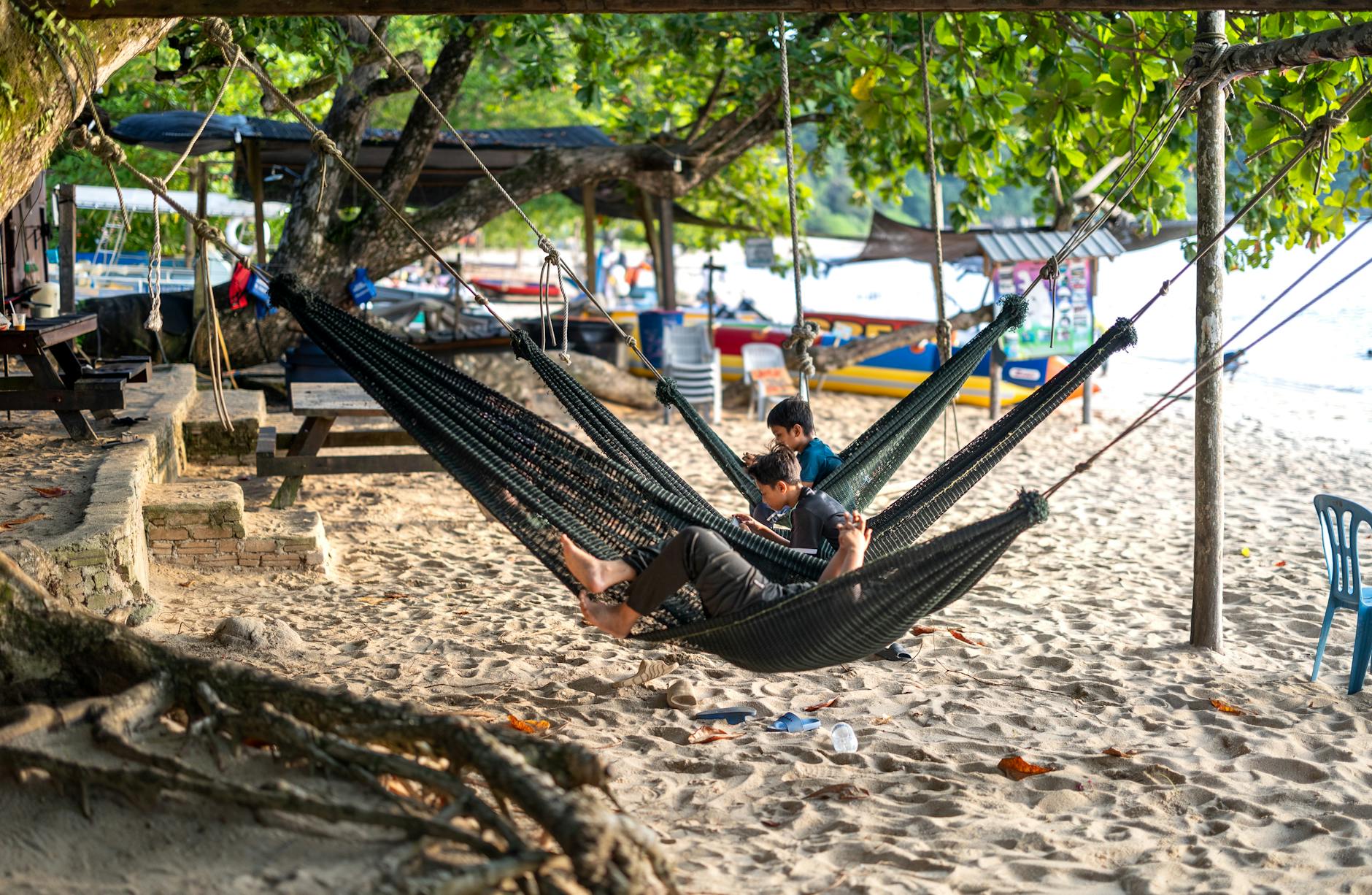
Prepare for weather, food, and health basics
Solo travelers need practical backups because no companion is available to split errands or decisions. Rain, heat, boat cancellations, food limits, allergies, medication needs, data problems, and minor illness can take more energy alone. The traveler should know where basic medical help is and how to simplify the day if something changes.
Food planning should include nearby breakfast and dinner options, halal needs, vegetarian needs, seafood comfort, spice tolerance, and late meals. A solo traveler should avoid making every meal dependent on a ride across the island.
- Plan weather backups, medical access, medication, data, hydration, and simplified bad-day options.
- Check nearby meals, halal needs, vegetarian needs, seafood, spice tolerance, and late food.
- Avoid lodging or plans that make every basic errand a transport problem.
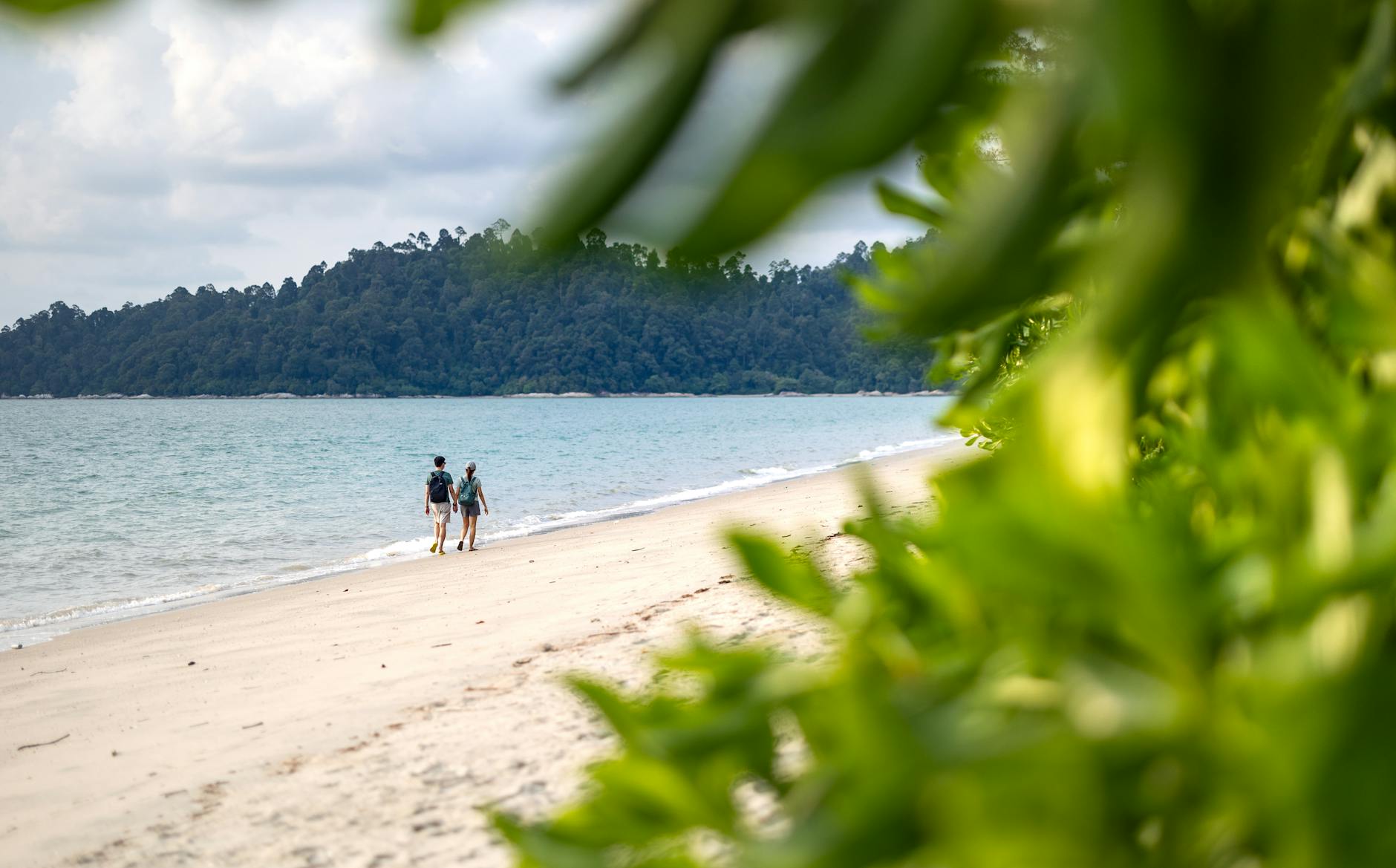
When to order a short-term travel report
A confident solo traveler with a simple resort stay may not need a custom Langkawi report. A report becomes useful when the traveler is choosing between areas, wants tours or independent transport, is concerned about evening safety, has dietary or medical needs, needs a quiet but not isolating base, or has tight flight or ferry timing.
The report should test lodging area, arrival, transport, tours, beach fit, evening plans, weather backups, food, medical access, social balance, budget, and what to cut. The value is a solo trip that feels independent without being improvised from scratch.
- Order when area choice, transport, tours, safety, food, health, or timing need testing.
- Provide dates, flight or ferry plans, lodging options, activity goals, safety concerns, constraints, and budget.
- Use the report to make the solo Langkawi stay confident, balanced, and realistic.