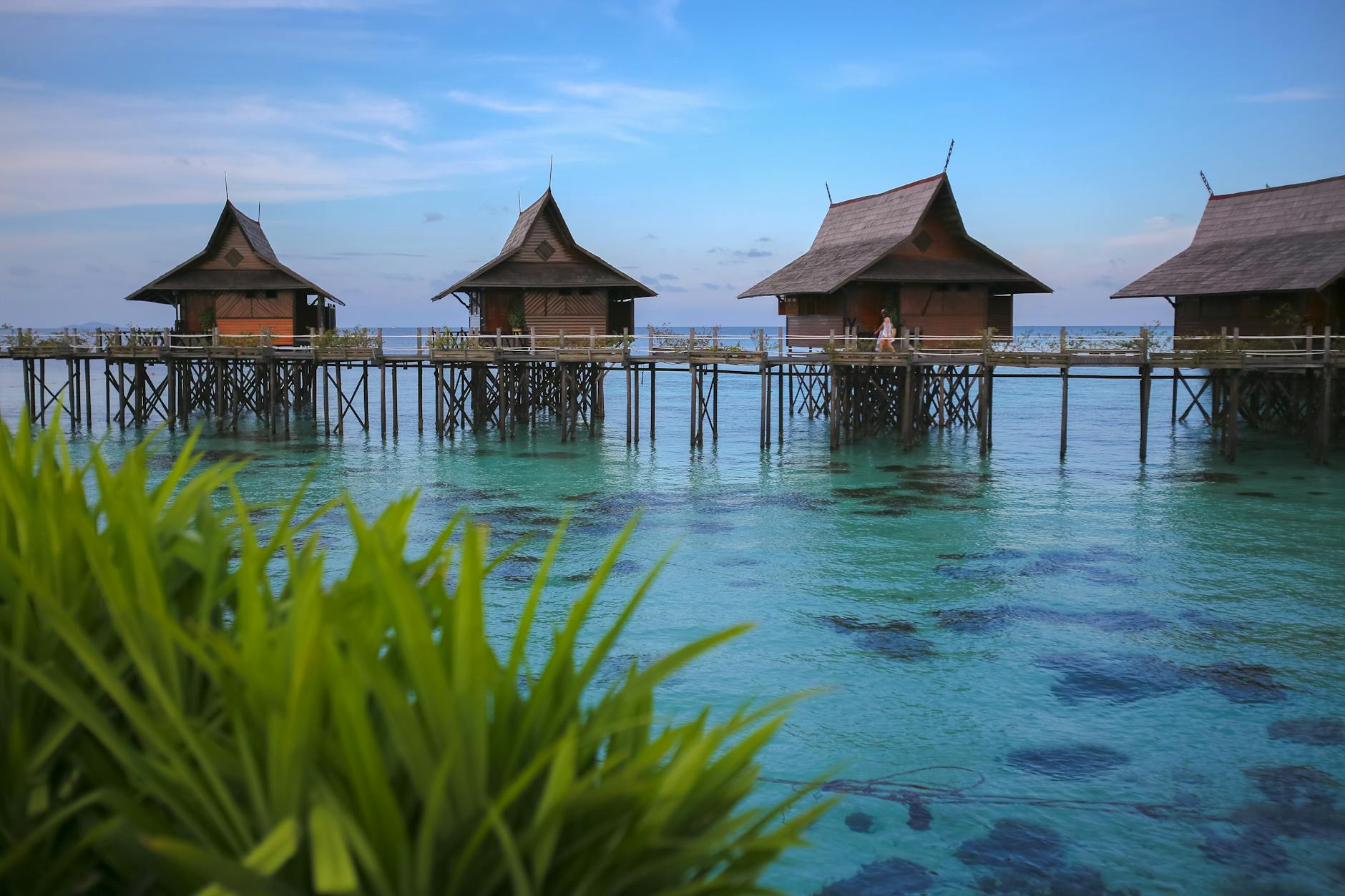
A sales trip to Langkawi can look deceptively relaxed. The destination is resort-heavy and visually easy to enjoy, but the business calendar may involve hospitality operators, marine services, tourism partners, property owners, event teams, government-linked stakeholders, airport-side meetings, or buyers who expect a polished visit despite the island setting. The sales traveler should separate the appeal of Langkawi from the mechanics of closing business there. A good short trip accounts for where buyers are, how long transfers really take, what the traveler must carry, which client moments deserve hospitality, and how quickly notes, quotes, samples, and next steps can be sent after each meeting.
Confirm where the buyer meetings actually are
Langkawi sales calls may not cluster in one convenient district. A buyer could be at a beach resort, marina, ferry-linked property, tour operator office, hotel back office, airport-adjacent location, government-linked venue, or restaurant chosen for convenience rather than proximity. The sales traveler should map every meeting before choosing lodging or promising a tight day.
This matters because a sales trip depends on energy and timing. Arriving flustered, late, overdressed for the setting, or underprepared for a site walk can weaken trust before the pitch begins. The traveler should know whether each meeting is formal, operational, buyer-led, resort-based, or relationship-building.
- Map resorts, offices, marinas, restaurants, airport stops, ferry links, and buyer locations before booking.
- Ask whether each meeting is a formal pitch, site visit, operational walk-through, or relationship conversation.
- Choose lodging by buyer geography and sales rhythm, not only by beach or room quality.
Protect arrival and first impressions
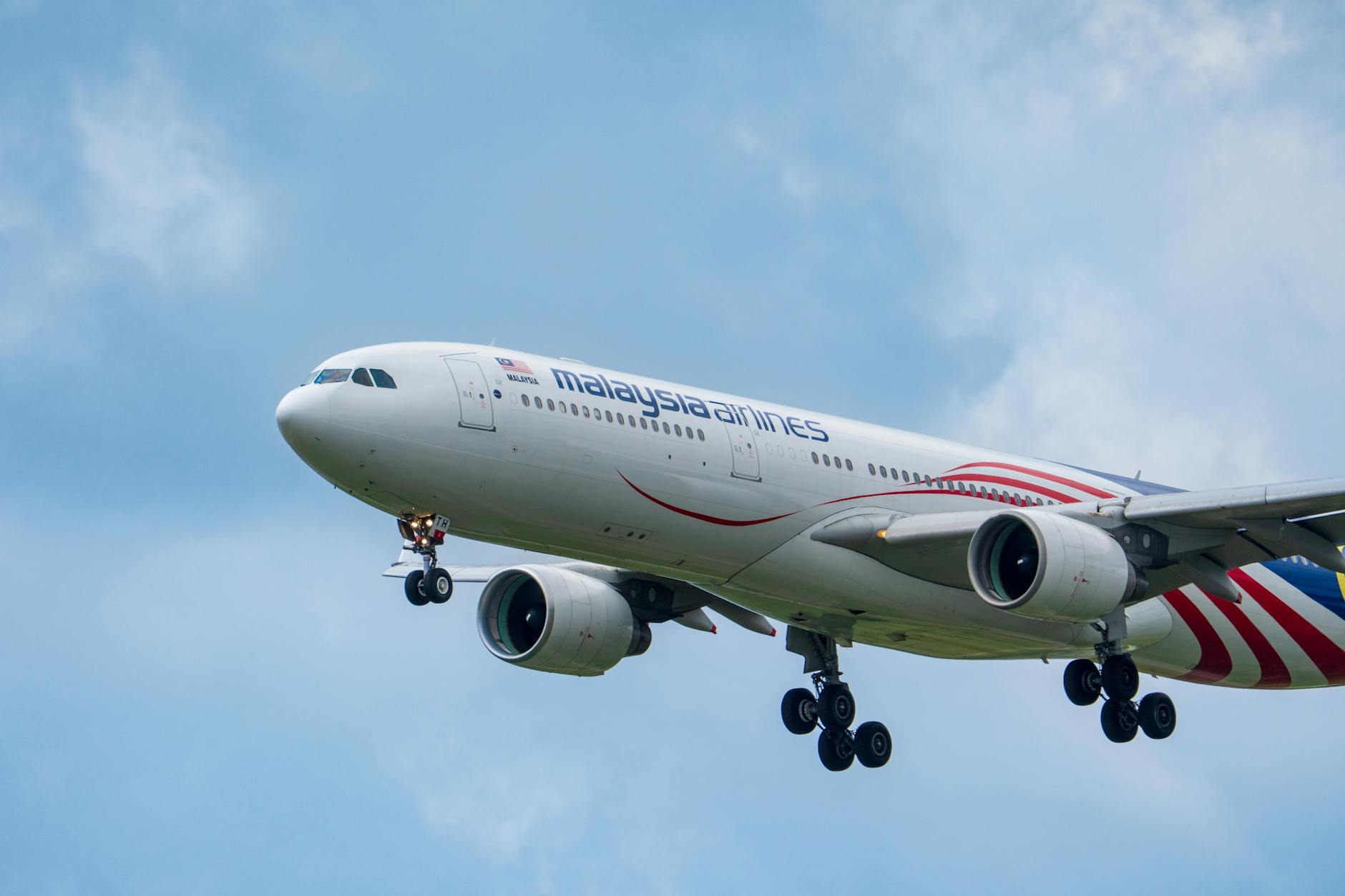
The first selling moment often starts before the first handshake. Langkawi arrival should account for flight timing, baggage, immigration or domestic transfer friction, taxi or driver pickup, hotel check-in, clothing change, sample condition, device charging, and the traveler's ability to review the account before facing the buyer.
A same-day sales call may be workable, but only if the arrival chain is honest. If the traveler is carrying product samples, presentation equipment, printed materials, or formal clothes, the plan should include enough margin to arrive clean, calm, and organized.
- Buffer flights, baggage, transfer time, check-in, clothing changes, and first-meeting preparation.
- Keep samples, devices, chargers, and critical sales materials in hand luggage where possible.
- Avoid making the most important buyer meeting depend on a fragile same-day arrival.
Choose transport that lets you arrive composed
Langkawi transport can be simple for leisure visitors and still too loose for a sales schedule. Ride-hailing may work for light days, while multiple buyer calls, samples, formal arrivals, late dinners, rural sites, marinas, or resort appointments may require a prearranged driver, hotel car, host pickup, or rental car.
The traveler should not let transport become part of the buyer experience. Pickup points, waiting time, vehicle size, luggage space, return timing, and payment method should be clear before the day starts, especially if the traveler has to move between meetings without a long reset.
- Match ride-hailing, drivers, host pickup, hotel cars, or rental cars to the actual sales day.
- Use prearranged transport when samples, formal arrivals, multiple sites, or late dinners are involved.
- Confirm pickup points, vehicle size, waiting rules, return timing, and payment method in advance.
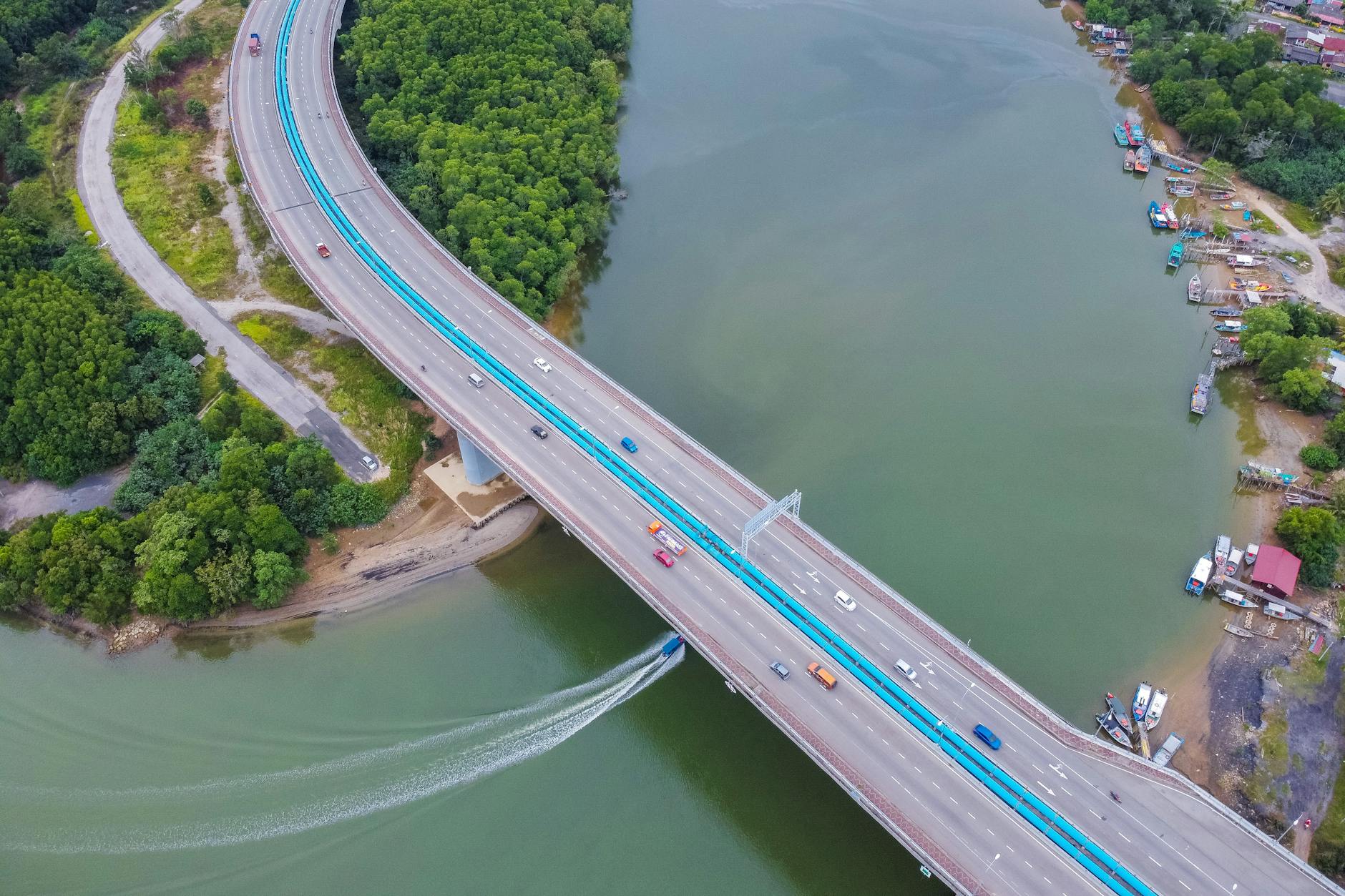
Bring sales materials that survive island logistics
A Langkawi sales visit can expose materials to humidity, rain, boat transfers, outdoor walking, resort paths, vehicle storage, and informal meeting spaces. The traveler should plan how samples, brochures, contracts, devices, card readers, chargers, adapters, price lists, and presentation files will stay usable.
Digital backups matter, but they do not remove the need for physical control. Connectivity may vary by venue, and a buyer may prefer a printed rate sheet, signed form, or sample in hand. The sales kit should be redundant without becoming so bulky that it slows the traveler down.
- Protect samples, printouts, contracts, devices, adapters, chargers, and demo materials from humidity and rain.
- Keep offline copies of slides, pricing, forms, buyer notes, product sheets, and proposal drafts.
- Bring enough redundancy for buyer confidence without carrying materials that make movement clumsy.
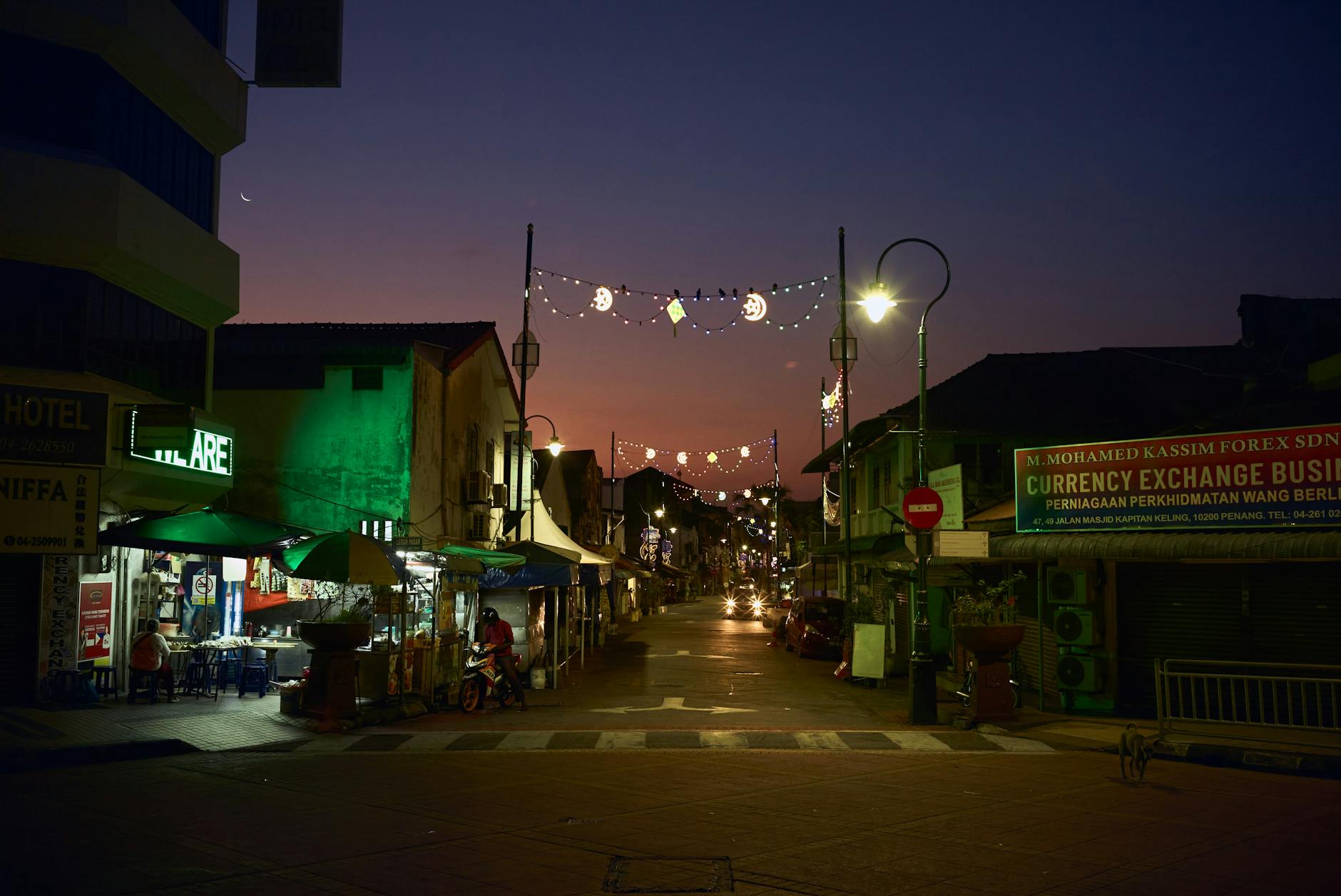
Handle client meals and hospitality without losing follow-up
Langkawi sales relationships may develop over resort lunches, seafood dinners, marina meetings, hotel bars, beach-adjacent receptions, or activity-linked hospitality. These moments can be valuable when they clarify the buyer's priorities and build trust. They become costly when they erase the time needed for notes and next steps.
The sales traveler should know who is hosting, who is attending, whether alcohol is expected, how halal context applies, what dietary constraints exist, and how everyone gets back afterward. The commercial value of the meal depends on disciplined follow-up after it ends.
- Use hospitality for buyer insight and relationship value rather than uncontrolled schedule drift.
- Clarify hosting, guest list, halal context, alcohol, dietary needs, payment protocol, and return transport.
- Reserve time after meals to capture notes, update CRM records, and send concrete next steps.
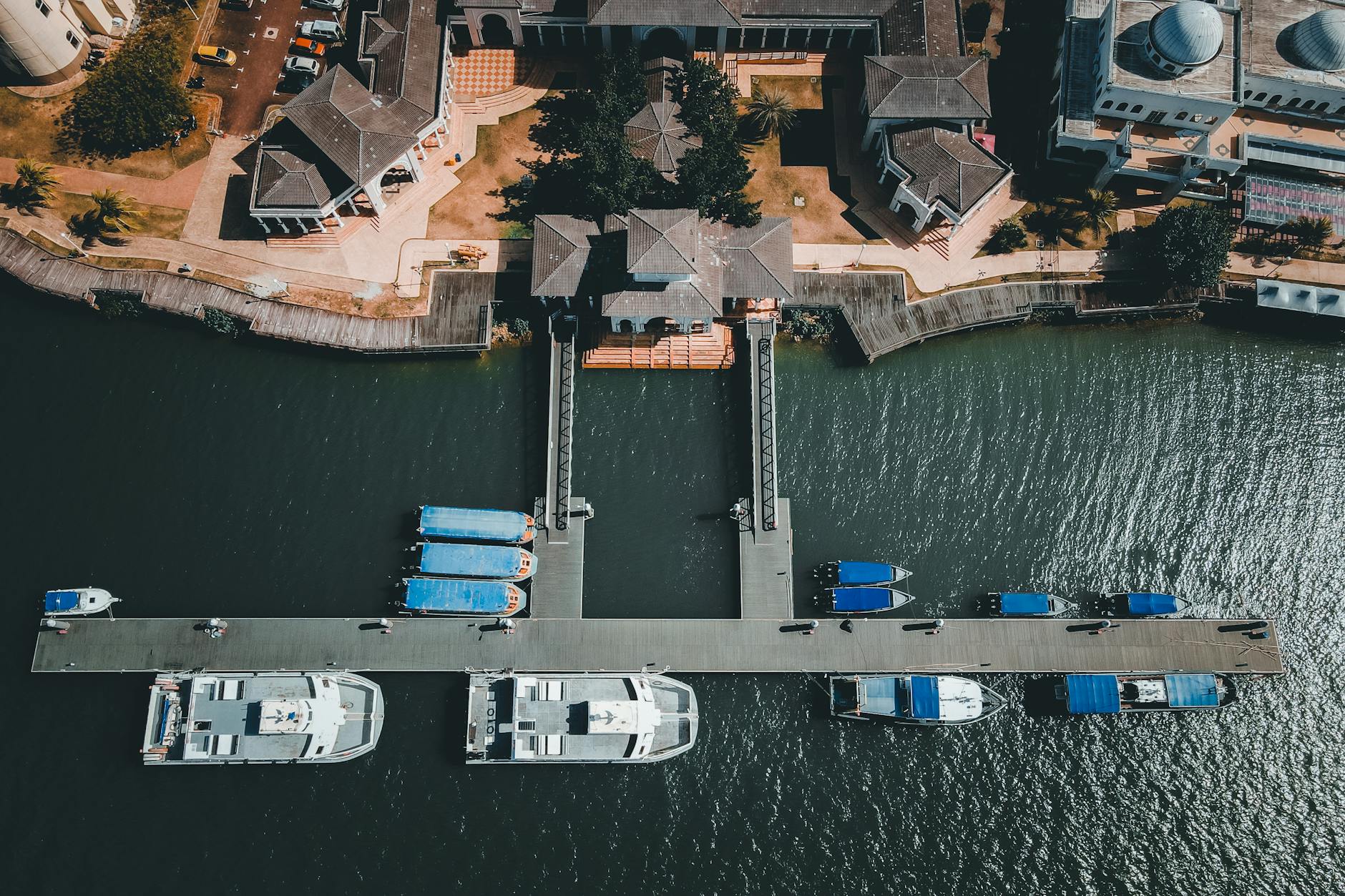
Build quiet work time into the visit
A short sales trip can fail after strong meetings if the traveler has no quiet time for proposals, quotes, internal approvals, CRM updates, partner calls, sample requests, or expense capture. Langkawi's leisure environment can make every open hour feel available for hosting or sightseeing, but sales trips need conversion time.
The hotel should support evening work with reliable Wi-Fi, mobile data, a desk, power, quiet space, and enough privacy for buyer calls. If the traveler needs same-day commercial output, the itinerary should protect that work block before optional activities are added.
- Reserve blocks for proposals, quotes, CRM notes, approvals, sample requests, and partner calls.
- Check Wi-Fi, mobile data, desk space, power, privacy, and printing before relying on the hotel.
- Add optional leisure only after the follow-up work needed to convert the trip is protected.
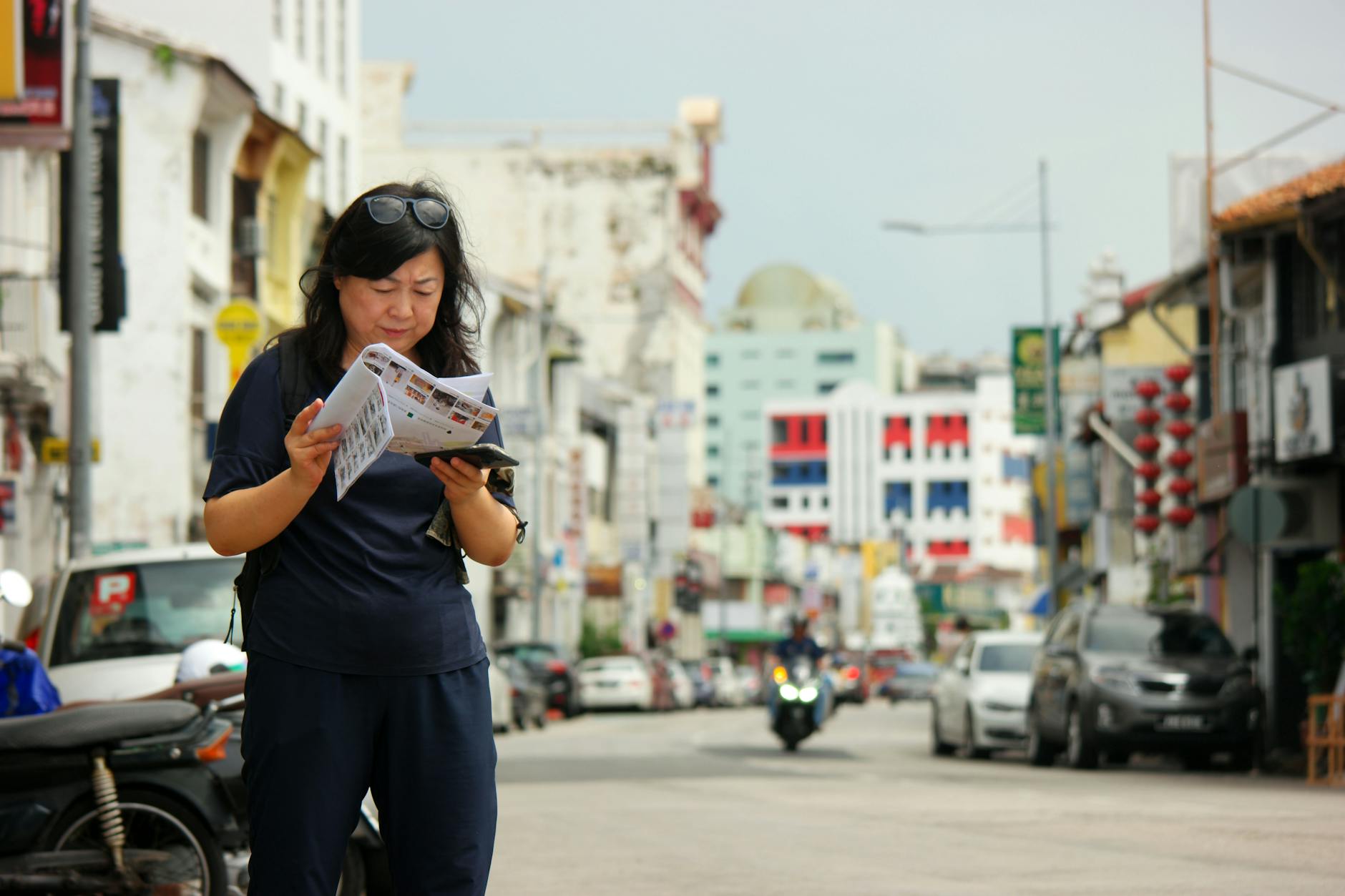
When to order a short-term travel report
A sales traveler with one flexible resort meeting may not need a custom Langkawi report. A report becomes useful when the trip includes multiple buyers, samples, tight flight timing, offsite dinners, airport or ferry transfers, formal presentation needs, weather exposure, or the need to blend client hospitality with disciplined follow-up.
The report should test buyer geography, lodging, arrival timing, transport, material handling, meeting sequence, dress, work infrastructure, food, hospitality, medical access, weather, schedule buffers, budget, and what to cut. The value is a sales trip that keeps commercial intent ahead of island drift.
- Order when buyer geography, transport, samples, hosting, timing, or follow-up discipline need testing.
- Provide dates, flight or ferry details, buyer locations, lodging options, materials, meetings, constraints, and budget.
- Use the report to keep the Langkawi sales visit commercially focused and realistic.