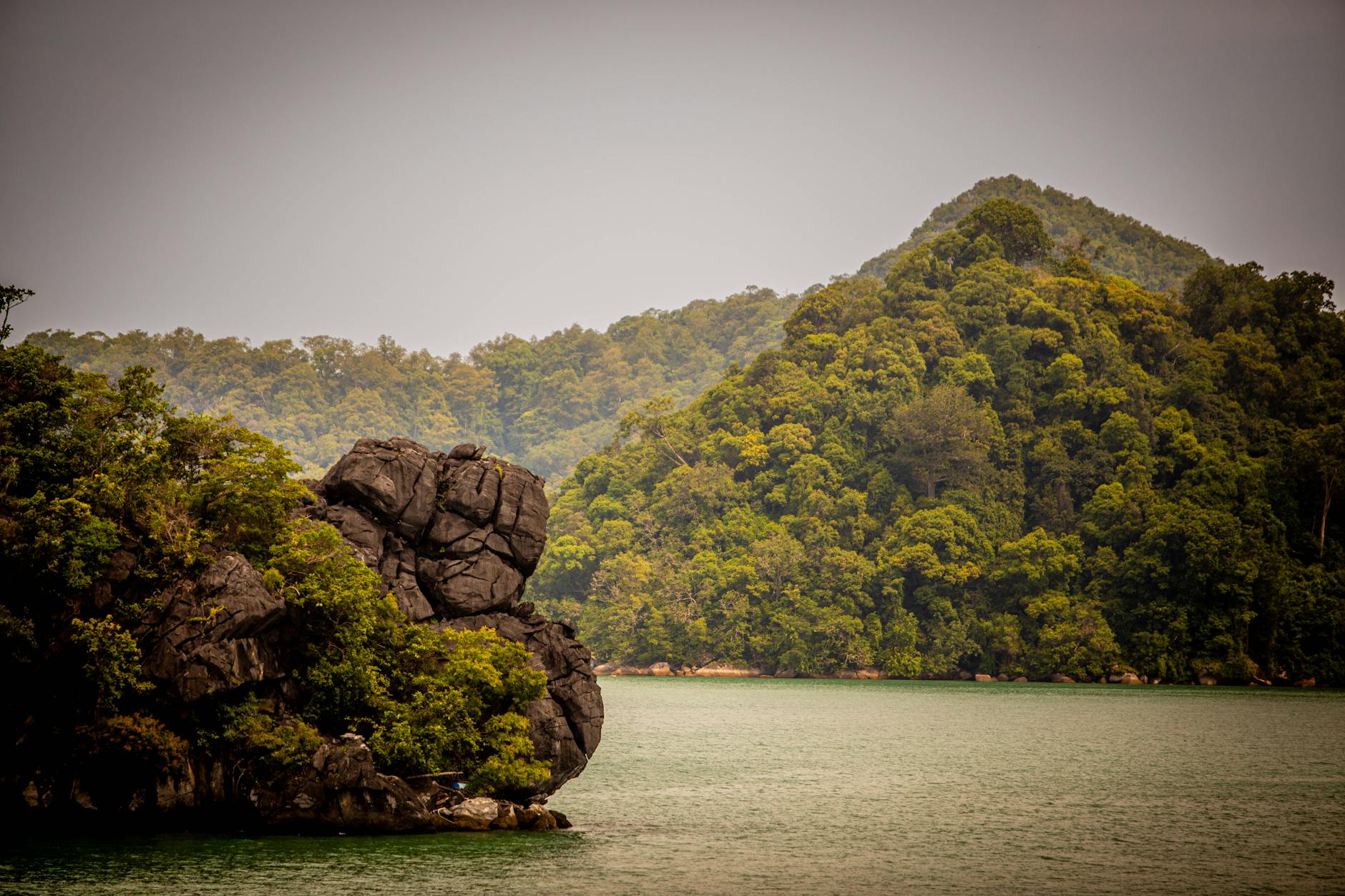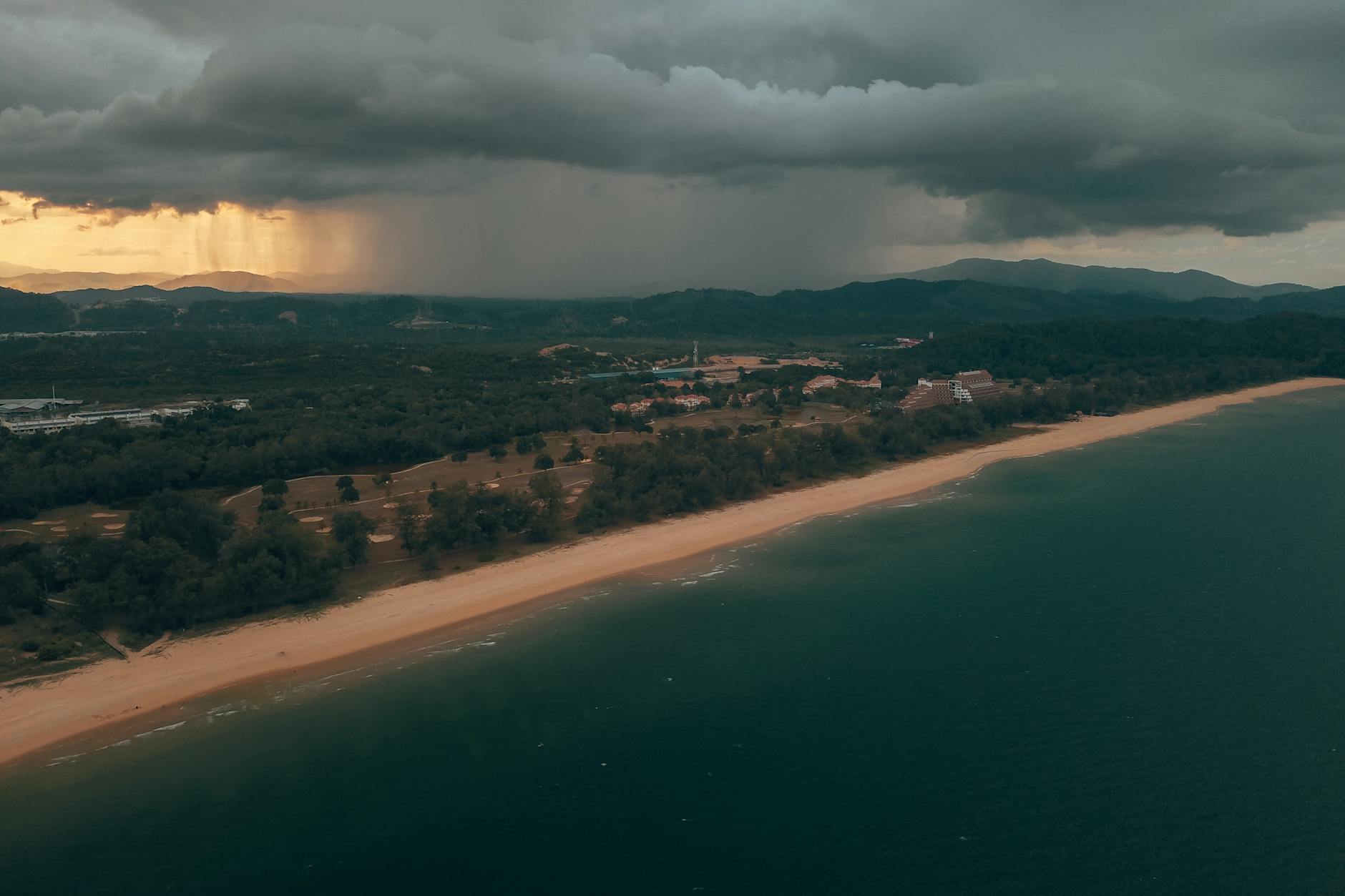
A repeat Langkawi visitor has a different problem from a first-time tourist. The island is no longer completely unknown, so the trip should not simply repeat the same beach, same restaurant pattern, same rushed cable car attempt, or same tour pickup. The second or third visit is a chance to use familiarity better. That does not mean making the trip complicated. It means deciding what deserves to change: base area, resort style, pace, food, boat trips, nature time, downtime, or how much of the island is intentionally left alone. A repeat leisure visit works best when the traveler uses previous experience as evidence rather than nostalgia.
Decide what the repeat trip is meant to improve
A returning Langkawi visitor should be honest about the first trip. Was the base too busy, too remote, too expensive, or too inconvenient? Was the schedule too full? Did boat tours take too much energy? Did rain expose a weak plan? Did the traveler leave wishing for quieter beaches, better food, more nature, or more time doing nothing?
The repeat trip should answer those questions before bookings begin. Otherwise the traveler may pay to reproduce the same friction with nicer expectations.
- List what worked and what created friction on the previous Langkawi stay.
- Choose one or two improvements instead of trying to redesign the whole island experience.
- Avoid repeating the same base and itinerary out of habit if they did not fit well.
Consider changing the base instead of changing every day
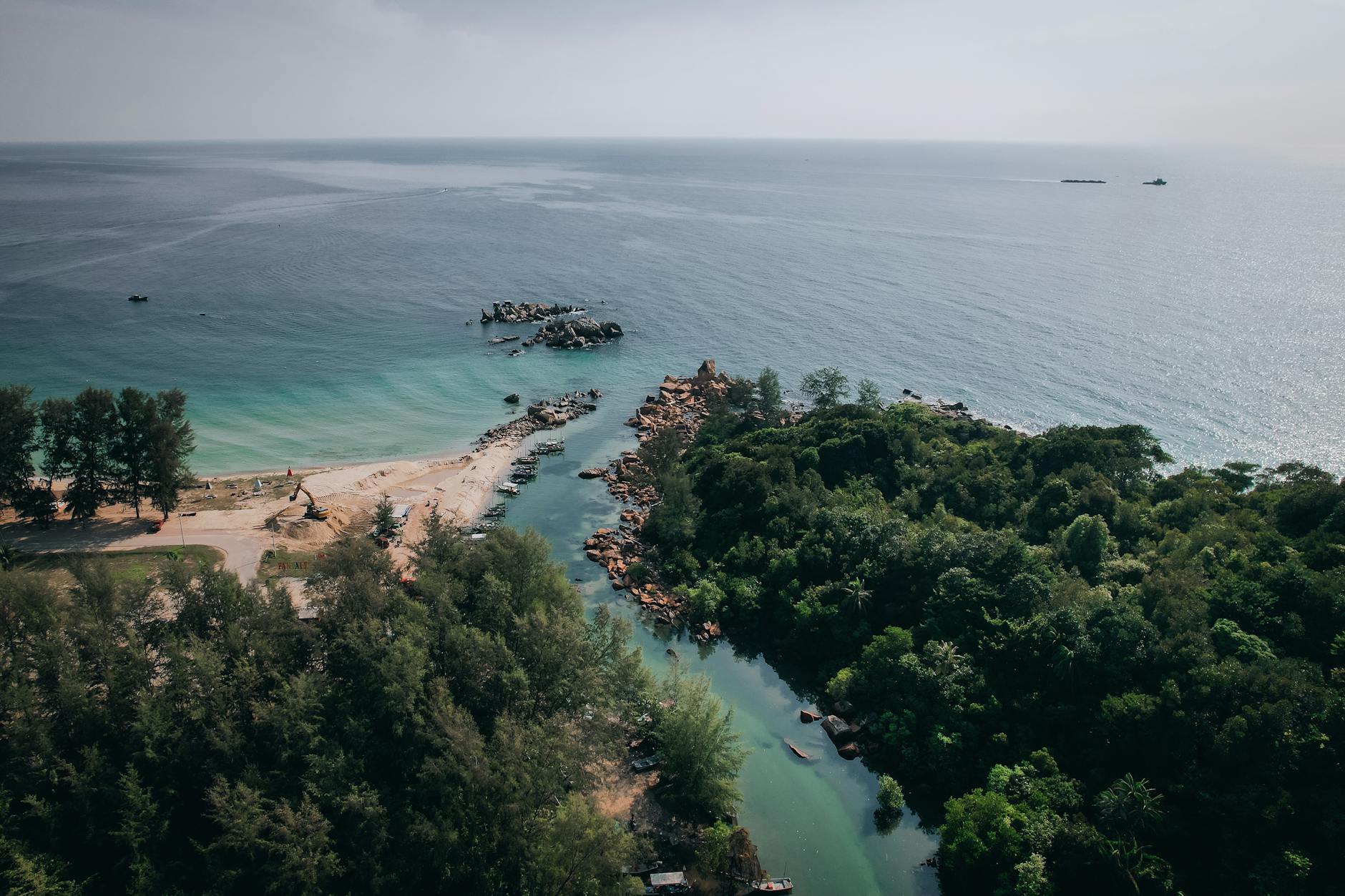
Repeat visitors often get more value from changing the base than from adding more activities. A traveler who stayed around Pantai Cenang may want a quieter resort, Pantai Tengah, Tanjung Rhu, or a more retreat-oriented property. A traveler who stayed secluded may want easier food, shops, tour pickup, and evening movement.
The base change should match the reason for returning. If the goal is rest, the traveler should not choose an area that creates constant movement. If the goal is food and casual evenings, a beautiful remote setting may again become a transport problem.
- Switch base only if the previous area failed the new purpose of the trip.
- Compare convenience, quiet, food, beach quality, resort seclusion, and pickup logistics.
- Let the base solve the main problem rather than adding daily travel across the island.
Go deeper on nature only if the logistics fit
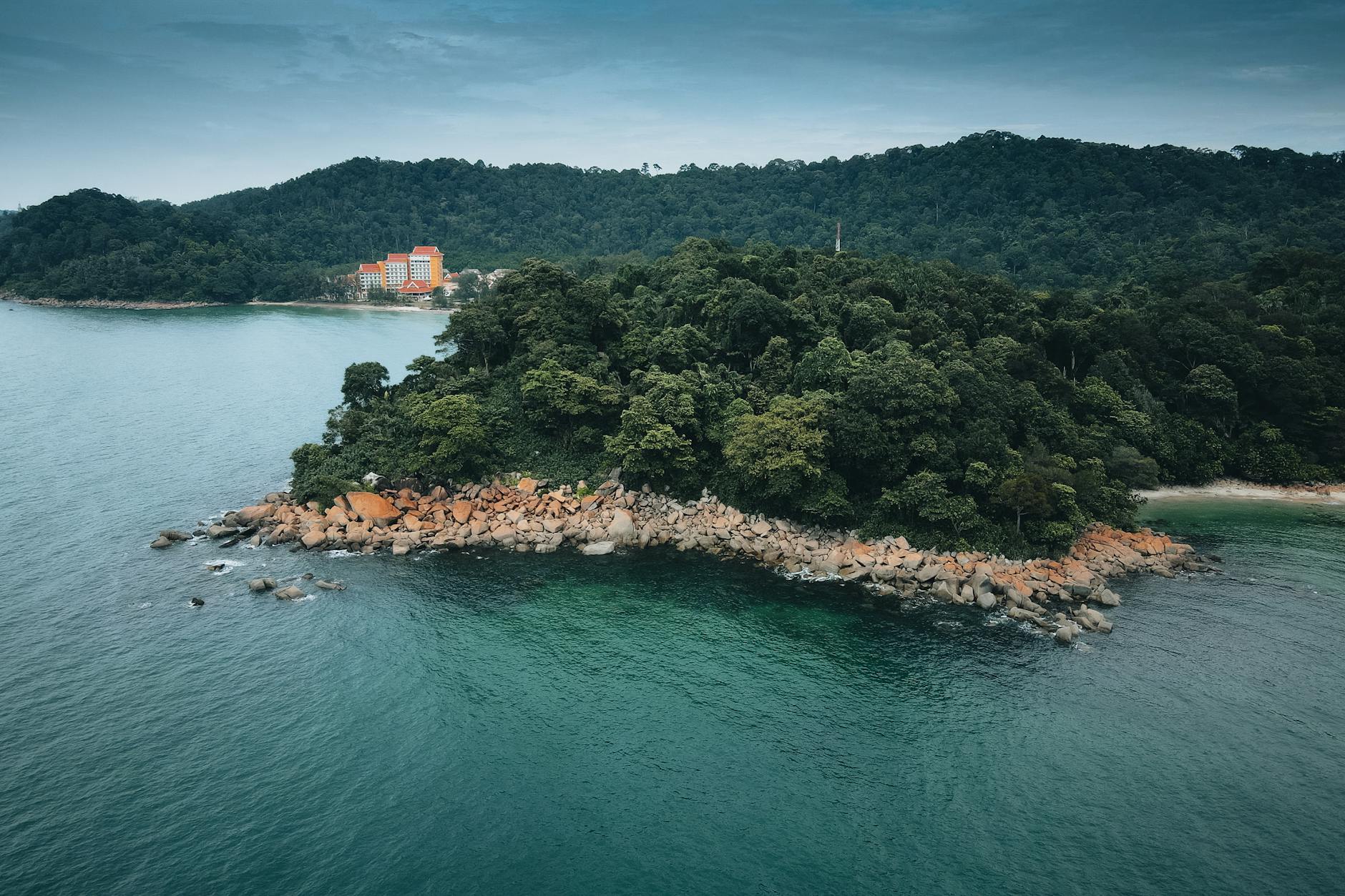
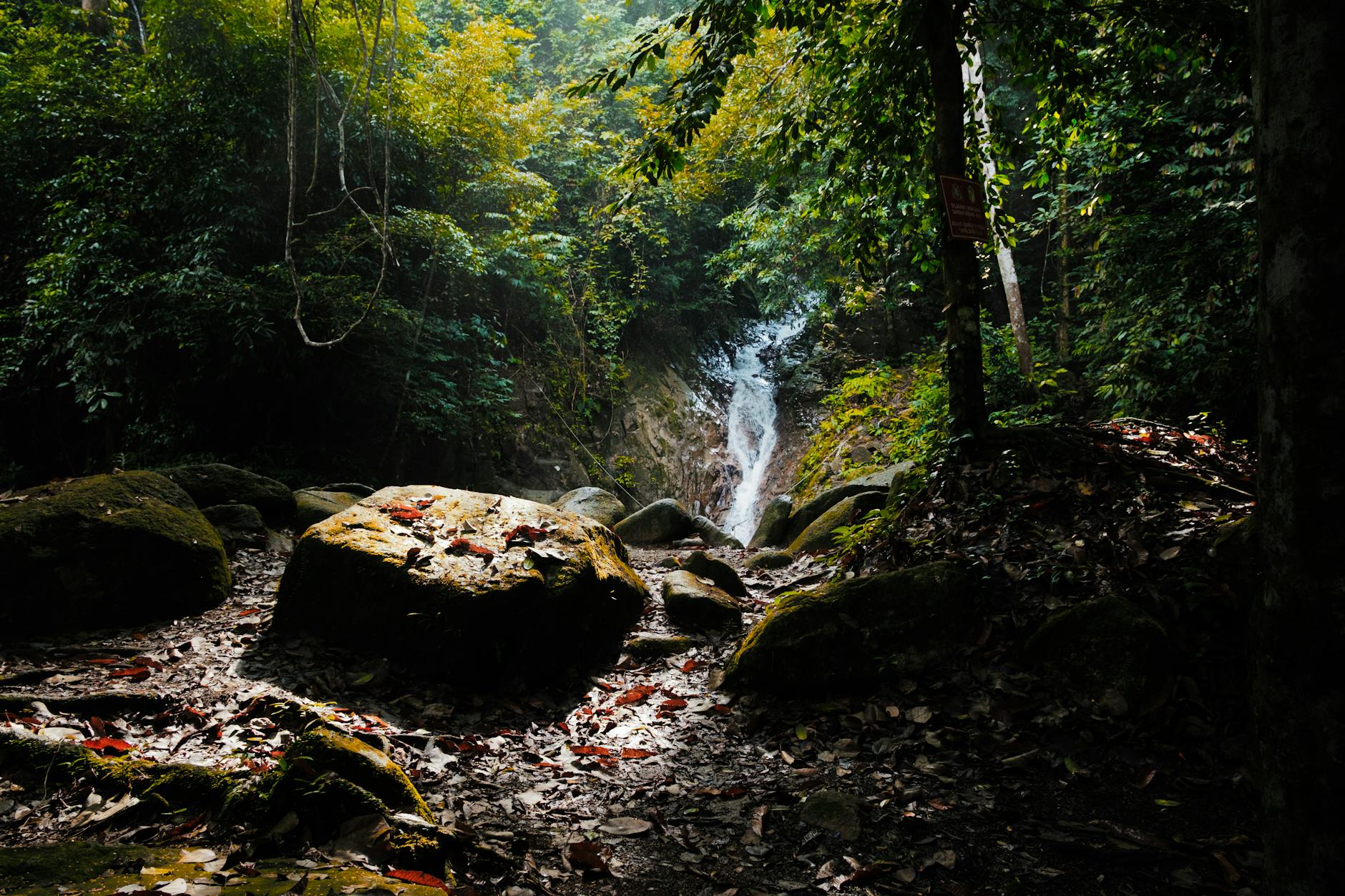
A repeat visitor may want more than the standard island-hopping or cable car day: mangroves, Tanjung Rhu, rainforest edges, waterfalls, quieter beaches, birdlife, kayaking, sailing, or a slower nature-oriented tour. These can make the second visit feel more specific, but only if timing, operator quality, weather, and physical demands fit the traveler.
The visitor should avoid adding deeper nature plans simply because the obvious attractions are already checked off. A good repeat trip may include one strong nature day and several quiet blocks rather than a more aggressive checklist.
- Use repeat familiarity to choose better nature, boat, beach, or rainforest experiences.
- Check operator quality, pickup, weather, physical demands, and return timing before booking.
- Prefer one strong nature day over several activities that compete with rest.
Let food and routine carry more of the trip
Repeat leisure travel does not need constant novelty. A returning Langkawi visitor may get more value from a better breakfast rhythm, a favorite beach window, one or two food areas, a night market, resort downtime, spa time, or a cafe routine than from another full-day tour. The trip should leave room for the feeling of knowing the island better.
Food planning should still be practical. Halal context, seafood comfort, vegetarian needs, allergies, spice tolerance, late meals, and whether the chosen base has easy fallback options all matter, especially if the traveler is staying somewhere quieter than before.
- Use routines, meals, beach windows, and downtime as part of the repeat-trip value.
- Plan favorite food areas and backup meals before choosing a quiet base.
- Avoid overbooking novelty if the purpose of returning is ease.

Use weather knowledge more intelligently
A repeat visitor may already know that Langkawi weather can shift the value of beaches, boat trips, viewpoints, and outdoor meals. The second trip should use that knowledge. Weather-sensitive plans should be placed where they can move, while resort time, food, spa, cafes, and low-effort activities should be available when rain or poor visibility changes the day.
This is especially important for travelers who felt disappointed the first time because they treated every activity as fixed. A better repeat visit is often more flexible, not more ambitious.
- Place boat, cable car, beach, and viewpoint plans where they can move if weather changes.
- Keep resort, food, spa, cafe, and quiet-day options ready for rain or low visibility.
- Use previous weather friction to build a calmer second itinerary.
Do not let familiarity weaken transport planning
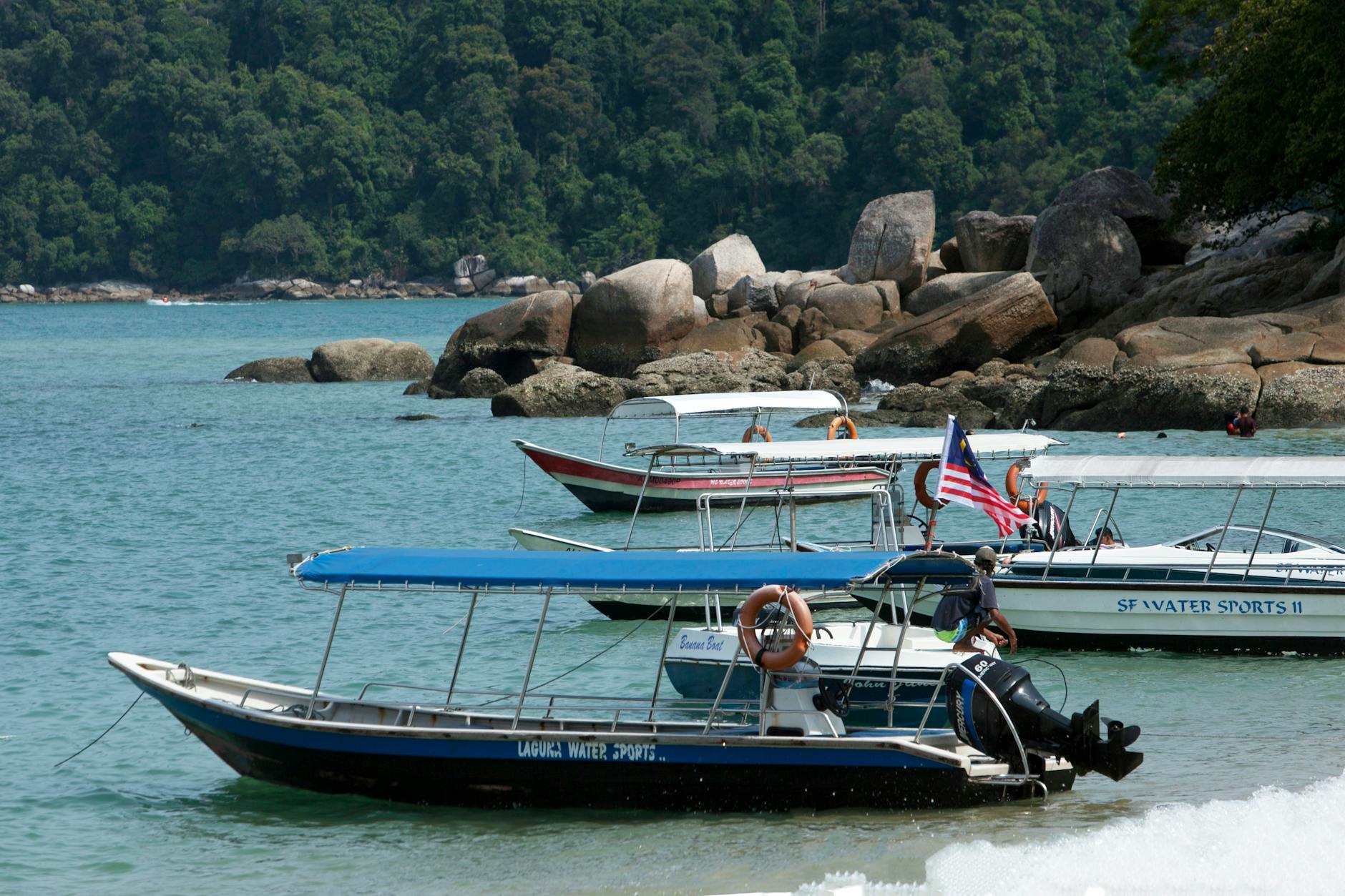
Repeat visitors can become careless because the island feels familiar. That is when airport timing, ferry links, rental choices, dinner returns, tour pickups, and remote resort logistics get underestimated. A returning traveler should still plan who controls the ride, how late returns work, and whether a rental car, scooter, driver, hotel car, or ride-hailing approach actually fits the new base.
If the repeat trip includes a quieter area or a more remote property, transport may matter more than it did the first time. Familiarity with Langkawi does not make distance disappear.
- Recheck airport, ferry, dinner, tour, and remote-resort transport instead of relying on memory.
- Match rental car, scooter, driver, hotel car, or ride-hailing plans to the new base.
- Protect late returns and rainy-day movement even on a familiar island.
When to order a short-term travel report
A repeat leisure visitor who knows exactly where to stay and wants a simple return may not need a custom Langkawi report. A report becomes useful when the traveler wants a different base, a more restful stay, better food planning, deeper nature or boat choices, a quieter resort, a split stay, or a short itinerary that improves on the first trip rather than repeating it.
The report should test the previous trip's friction, base area, lodging, arrival, transport, weather placement, food, nature plans, downtime, medical or dietary constraints, budget, and what to cut. The value is a return to Langkawi that feels more intentional because the traveler is not starting from zero or from habit.
- Order when base changes, deeper activities, food, weather, transport, or downtime need better decisions.
- Provide previous-trip notes, dates, lodging options, arrival details, goals, constraints, and budget.
- Use the report to make the repeat Langkawi stay more deliberate and less repetitive.