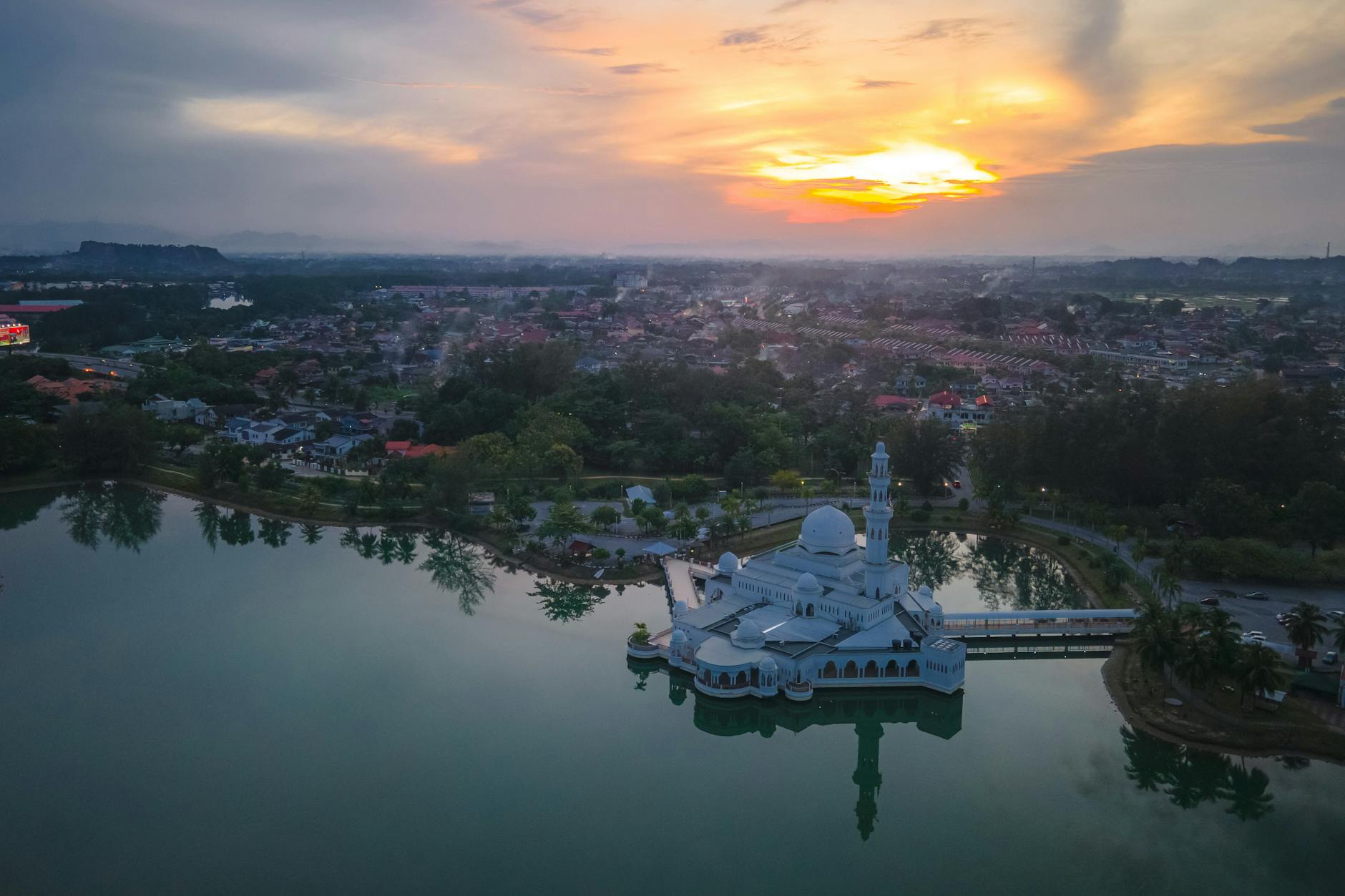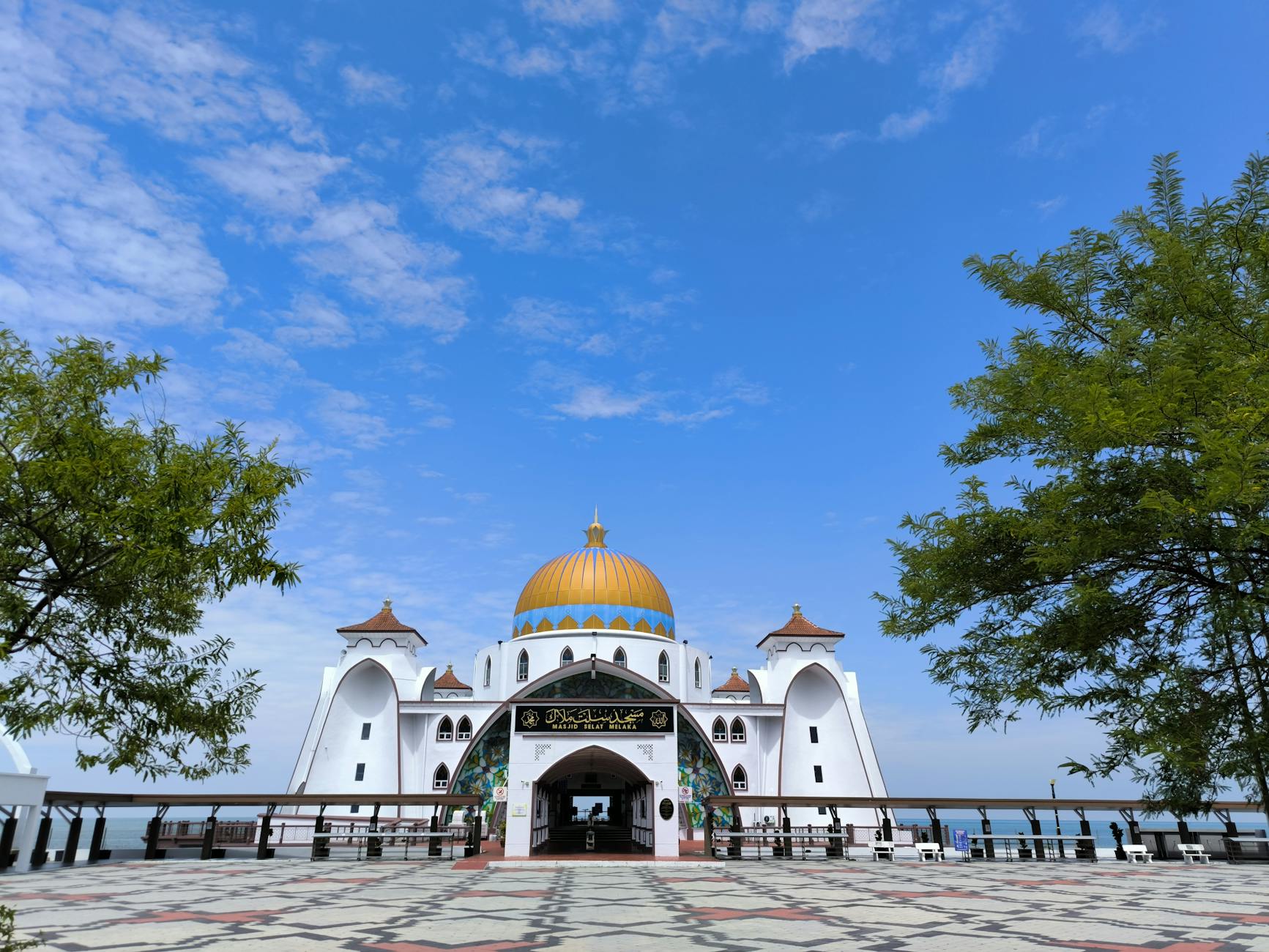
Langkawi is not usually planned like a major pilgrimage city, but religious travelers may still visit for mosques, local Muslim practice, Hindu or Buddhist sites, family observance, retreats, halal-focused travel, spiritual rest, or a faith-centered stop during a wider Malaysia itinerary. The island setting can support reflection, but the traveler still needs a practical plan for worship, meals, dress, transport, and respectful conduct. A short faith-centered visit works best when the traveler knows which obligations are fixed and which are optional. Prayer times, Friday worship, dietary rules, modest dress, temple etiquette, alcohol avoidance, quiet time, and transport all shape the itinerary. The goal is a trip that preserves religious priorities without making ordinary island logistics harder than they need to be.
Identify the fixed religious obligations first
A religious traveler should start with obligations that cannot move: daily prayer, Friday worship, dietary rules, Sabbath or rest practices, temple visits, retreat sessions, family observance, or a specific faith community connection. Langkawi's relaxed pace can make the trip feel open, but fixed obligations should anchor the schedule before beaches, tours, or resort meals are added.
The traveler should confirm whether worship access is near the hotel, whether transport is reliable at the needed times, and whether the site welcomes visitors or requires local guidance. A faith-centered trip should not depend on last-minute searches for prayer space, appropriate food, or respectful clothing.
- List fixed prayer, worship, dietary, rest, family, retreat, and community obligations before planning leisure.
- Confirm worship locations, visitor access, opening times, local guidance, and transport reliability.
- Keep optional activities from crowding out the religious purpose of the trip.
Plan modesty and site etiquette before arrival
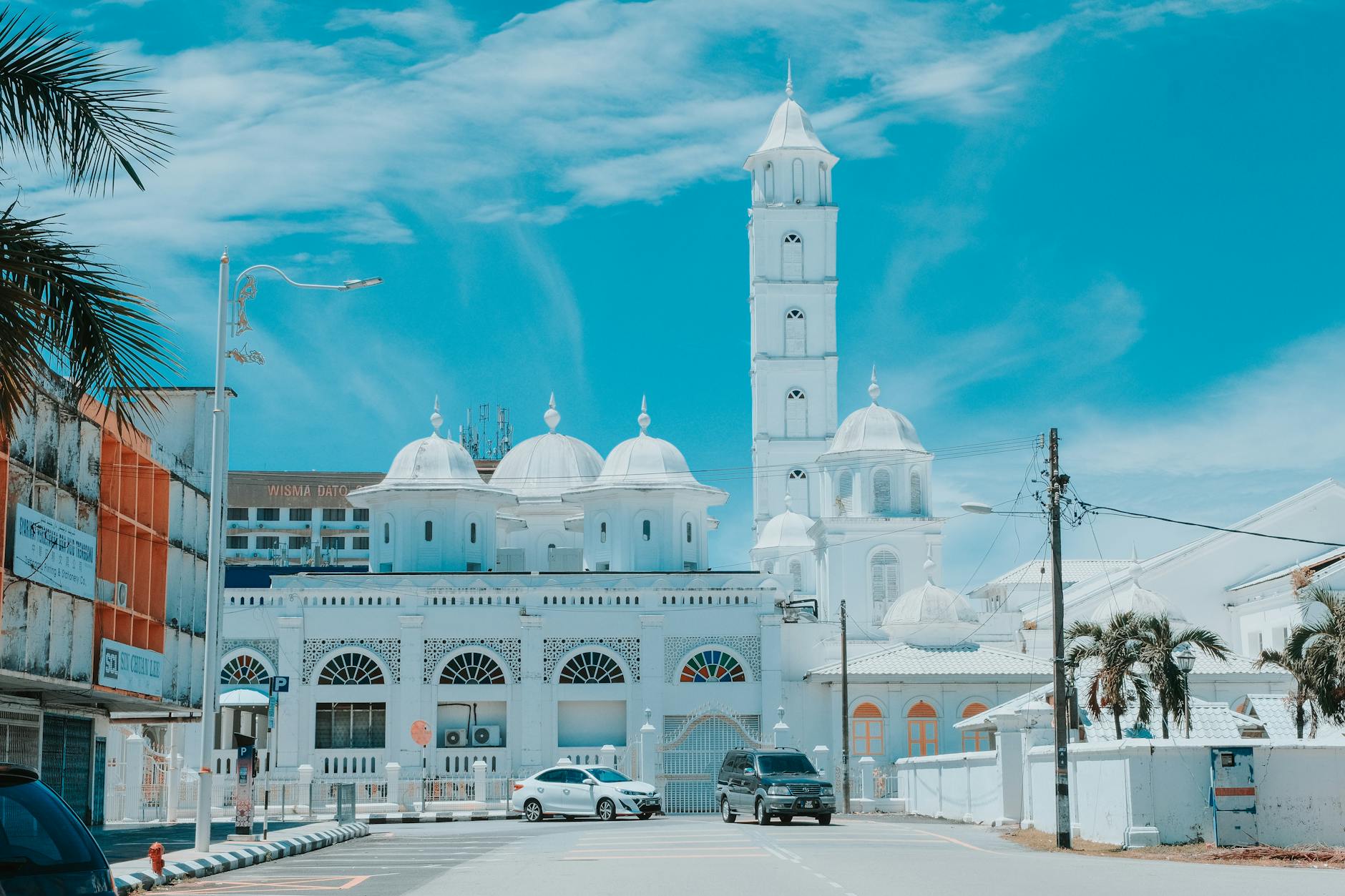
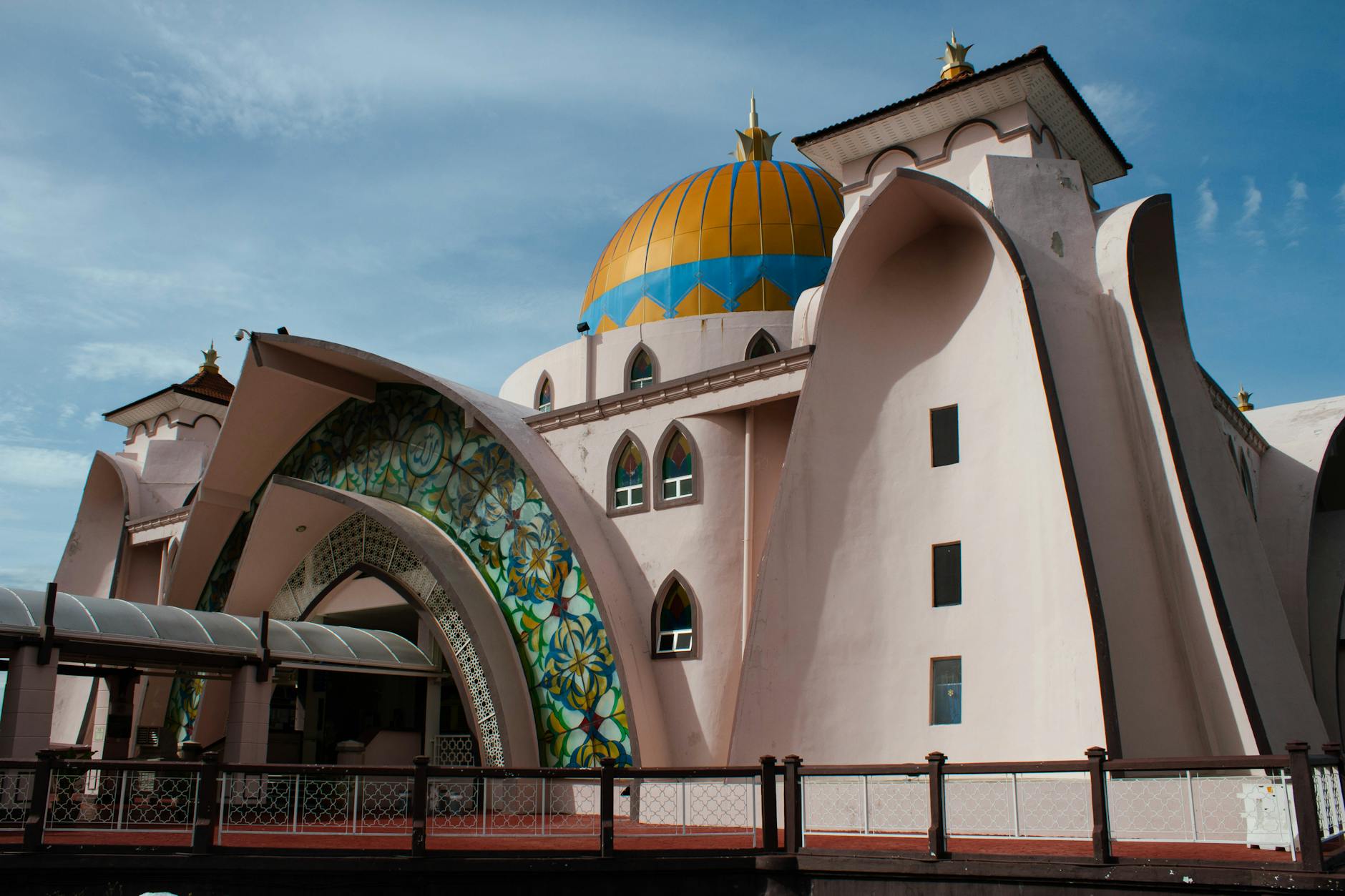
Langkawi is a beach destination, but religious travel still requires attention to modest dress and site conduct. Mosques, temples, cemeteries, community areas, family homes, and religious events may call for covered shoulders, longer clothing, head coverings, shoe removal, quiet behavior, gender-aware spaces, or limits on photography.
The traveler should pack clothing that works for both humid weather and respectful visits. A plan that includes only resort clothing can create unnecessary stress when the traveler wants to enter a mosque, temple, or family setting.
- Pack modest options for mosques, temples, cemeteries, family homes, and community visits.
- Check rules for head coverings, shoe removal, gender-aware areas, quiet conduct, and photography.
- Balance beach comfort with clothing that supports religious and cultural respect.
Choose lodging for quiet, access, and food
The best hotel for a religious traveler may not be the liveliest beach resort. Quiet rooms, prayer space, halal food, alcohol environment, family suitability, access to worship sites, transport pickup, and the ability to rest between obligations may matter more than nightlife or resort programming.
If the traveler needs early prayer, private reflection, study, a religious diet, or separation from party-heavy areas, the lodging choice should reflect that. A resort can still work, but only if the traveler understands its atmosphere and meal options.
- Assess lodging by quiet, prayer space, halal food, alcohol environment, family suitability, and access.
- Check whether the hotel supports early starts, private reflection, religious diet, and restful evenings.
- Avoid nightlife-heavy zones if they undermine the purpose of the trip.
Treat halal food and fasting needs as logistics
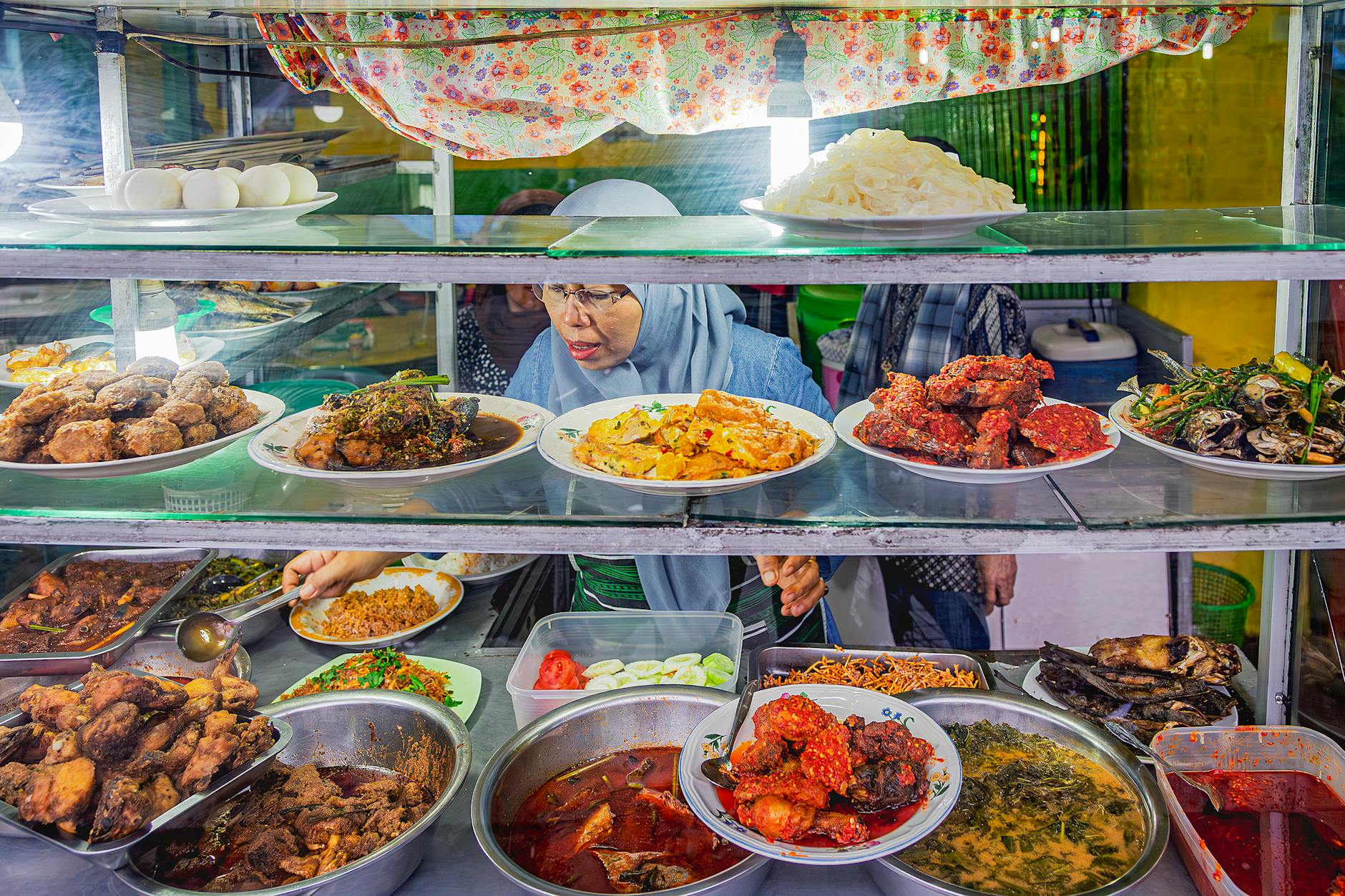
Malaysia makes halal travel easier than many destinations, but Langkawi still requires practical planning. A traveler may need halal-certified meals, vegetarian options, no-alcohol dining spaces, early breakfast, late dinner, fasting support, medication timing, or food that works near a specific worship schedule.
If the traveler is fasting, traveling with children, managing medical needs, or staying far from town, meal timing should be planned before arrival. Hydration and heat also matter, especially when religious observance overlaps with outdoor sightseeing.
- Confirm halal-certified food, vegetarian needs, no-alcohol settings, breakfast timing, and late meals.
- Plan fasting, medication timing, hydration, children's meals, and travel between worship and dining.
- Keep simple backup food and water available during field trips, boat rides, or long transfers.
Build transport around worship and family commitments
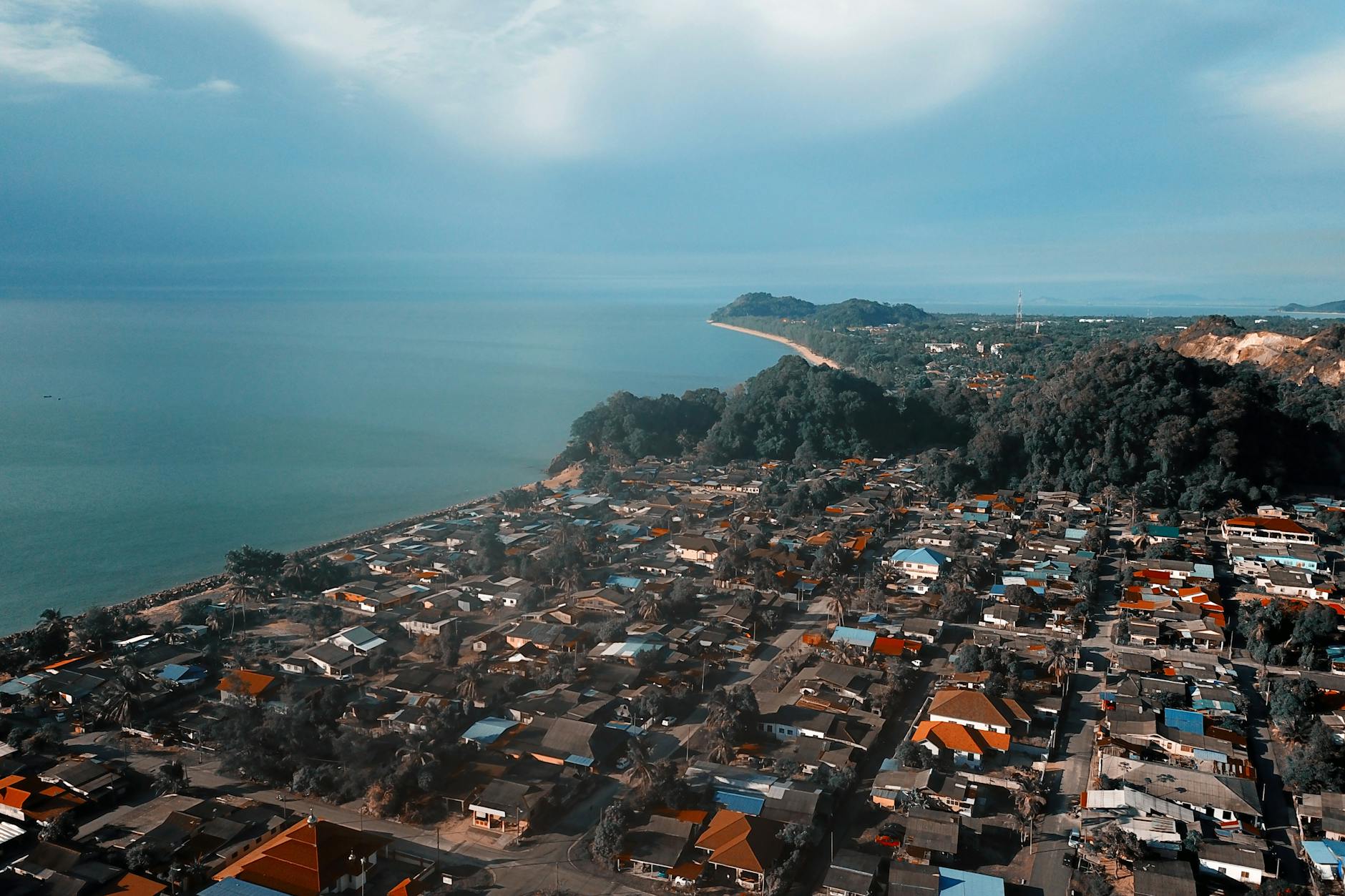
Religious travel can require punctual movement at times when ordinary sightseeing does not. Friday prayer, evening gatherings, family visits, temple hours, ferry connections, airport transfers, and sunset or dawn obligations may all depend on reliable transport. The traveler should decide when ride-hailing is enough and when a driver, hotel car, host pickup, or rental car is more appropriate.
Transport should also account for clothing, heat, rain, elderly relatives, children, mobility needs, and the possibility of returning after dark. A trip centered on worship should not become stressful because every ride is improvised.
- Plan rides for worship times, Friday prayer, temple visits, family calls, airport transfers, and evening returns.
- Use drivers, hotel cars, host pickup, rental cars, or ride-hailing based on timing and group needs.
- Account for heat, rain, modest clothing, older travelers, children, and after-dark returns.
Protect quiet time from over-scheduling
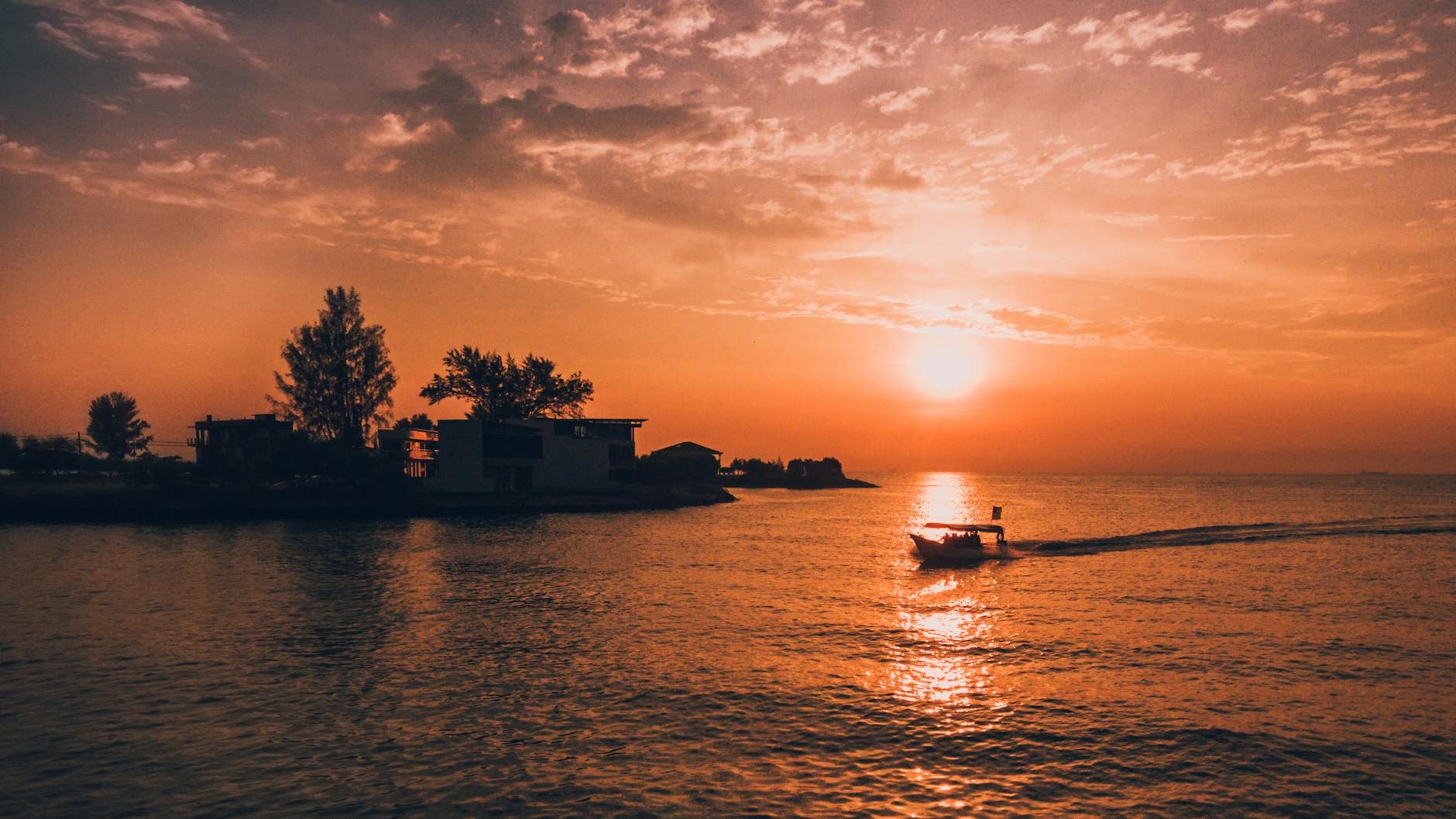
Faith-centered travel often needs more margin than a sightseeing itinerary. Prayer, reflection, study, family conversation, retreat sessions, or rest after worship can be crowded out by island-hopping, cable cars, shopping, beach time, and resort activities. The traveler should decide what kind of quiet the trip requires.
Weather and heat reinforce this need. Outdoor activities can drain energy quickly, and a traveler with religious or health obligations may need midday rest, shade, or a slower pace. The itinerary should support devotion rather than simply squeeze it between attractions.
- Reserve time for prayer, study, reflection, family conversation, retreat sessions, and rest.
- Limit tours, shopping, and beach blocks when they compete with the religious purpose.
- Use midday heat, rain, and fatigue as reasons to slow the plan rather than force it.
When to order a short-term travel report
A religious traveler with flexible obligations and simple resort plans may not need a custom Langkawi report. A report becomes useful when the trip includes fixed worship timing, older relatives, dietary rules, fasting, medical needs, modesty concerns, family visits, specific mosque or temple access, or a desire to avoid nightlife-heavy areas.
The report should test worship access, lodging atmosphere, halal food, transport, modest dress, site etiquette, prayer timing, family commitments, heat, medical access, weather, budget, and what to cut. The value is a short Langkawi trip that protects faith practice while keeping the practical details calm.
- Order when worship access, food rules, modesty, family visits, transport, fasting, or medical needs require testing.
- Provide dates, religious obligations, lodging options, worship sites, dietary needs, health constraints, and budget.
- Use the report to make the Langkawi religious visit respectful, practical, and realistically paced.