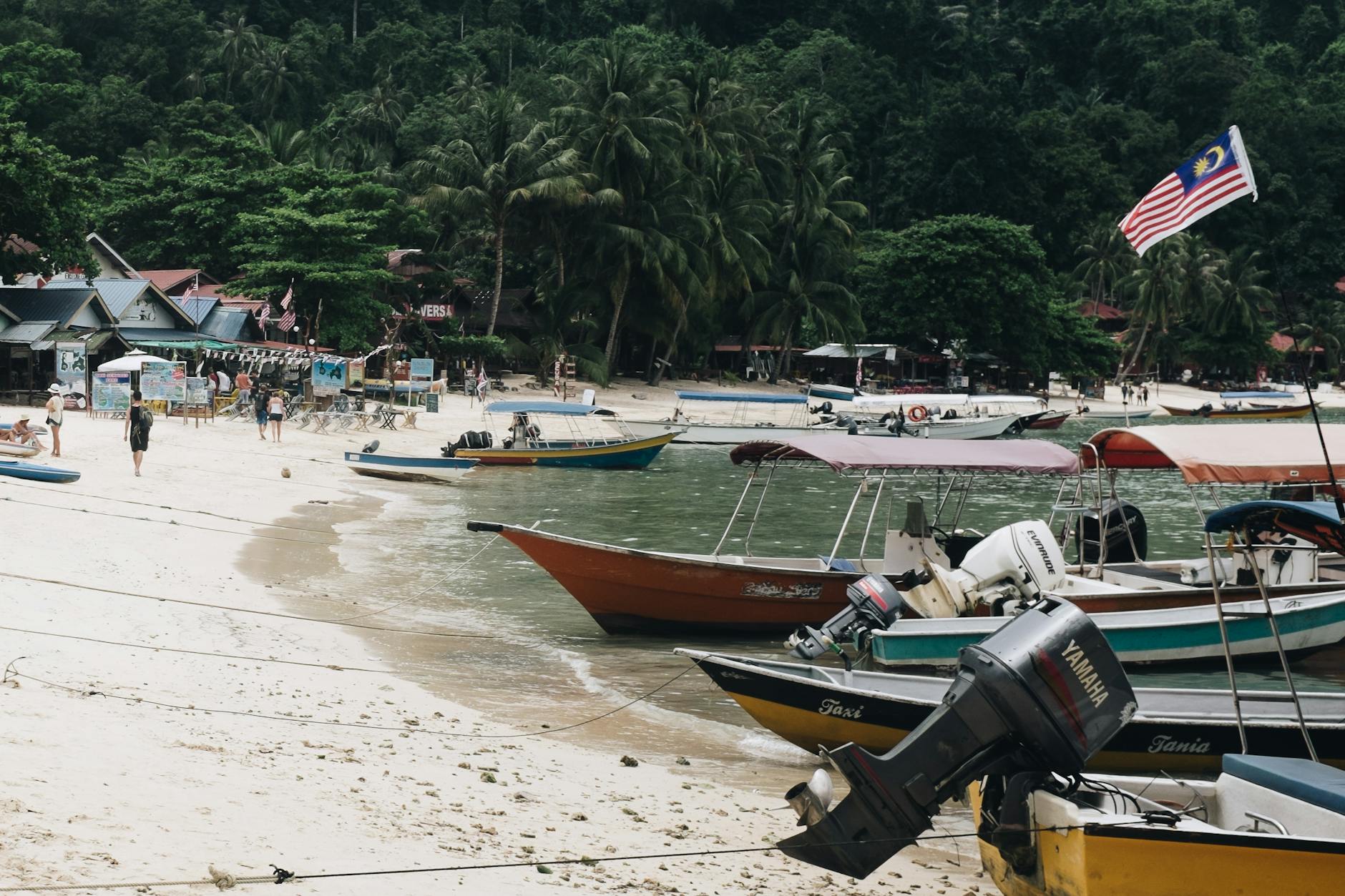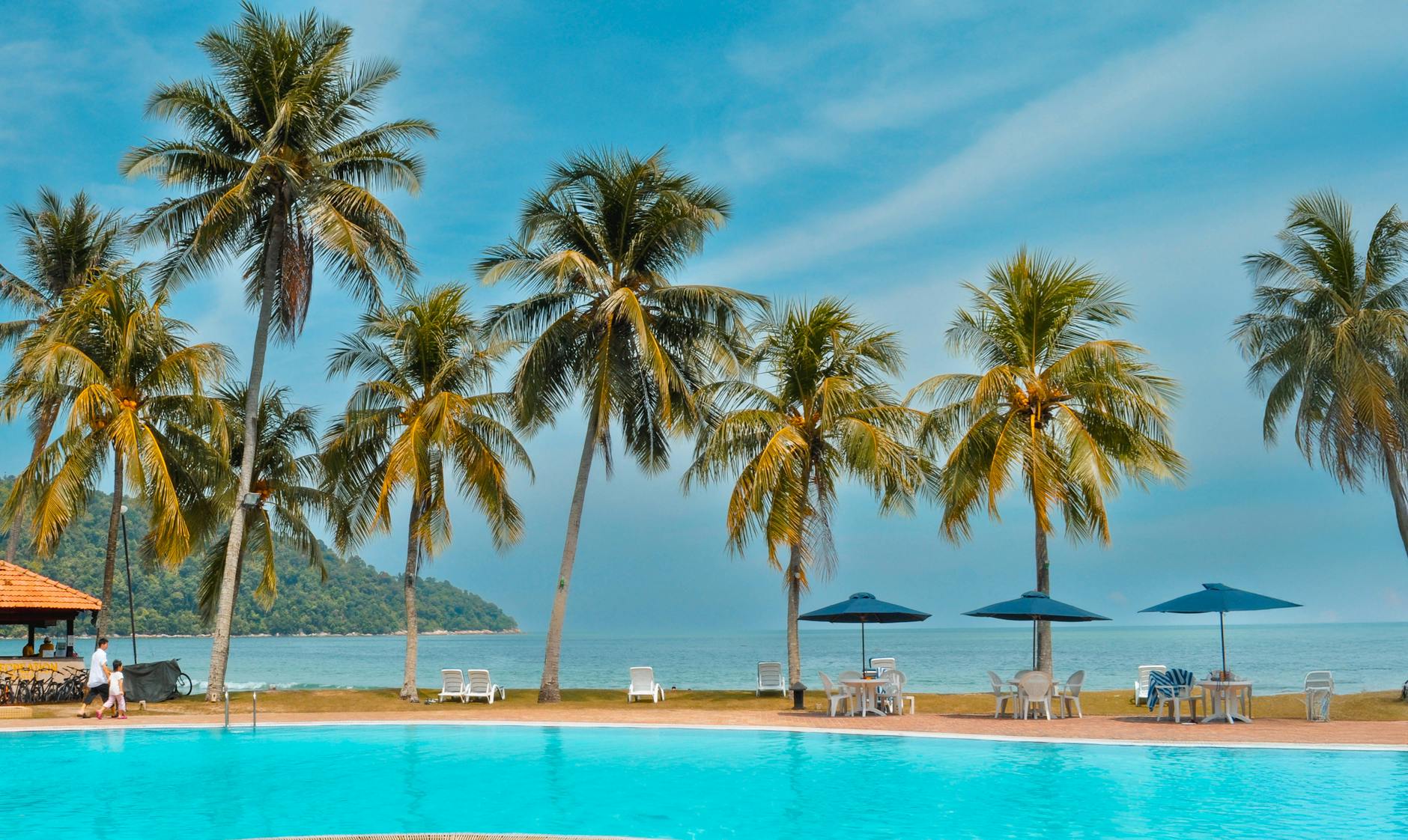
Langkawi can be a strong short-trip choice for older travelers because it offers resort comfort, scenic drives, beaches, nature tours, quiet dining, and airport access. It can also create avoidable strain if the traveler underestimates heat, walking distance inside resorts, boat boarding, stairs, wet surfaces, medical distance, or the effort of moving around an island. An older traveler should plan Langkawi around comfort and control: a suitable base, reliable transport, realistic activities, good rest, medication timing, and an itinerary that values a few well-chosen experiences over constant movement.
Choose a base that reduces daily strain
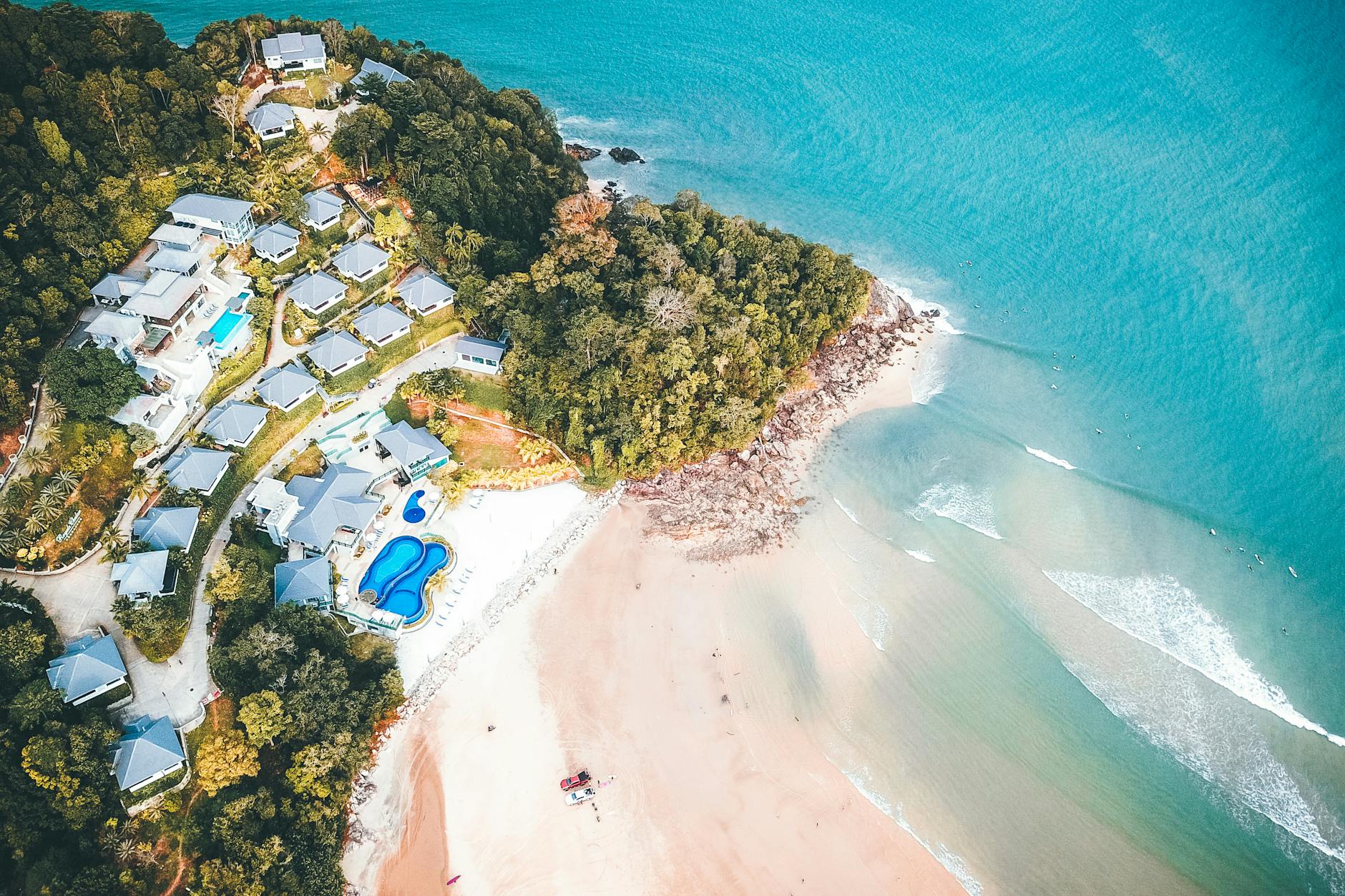
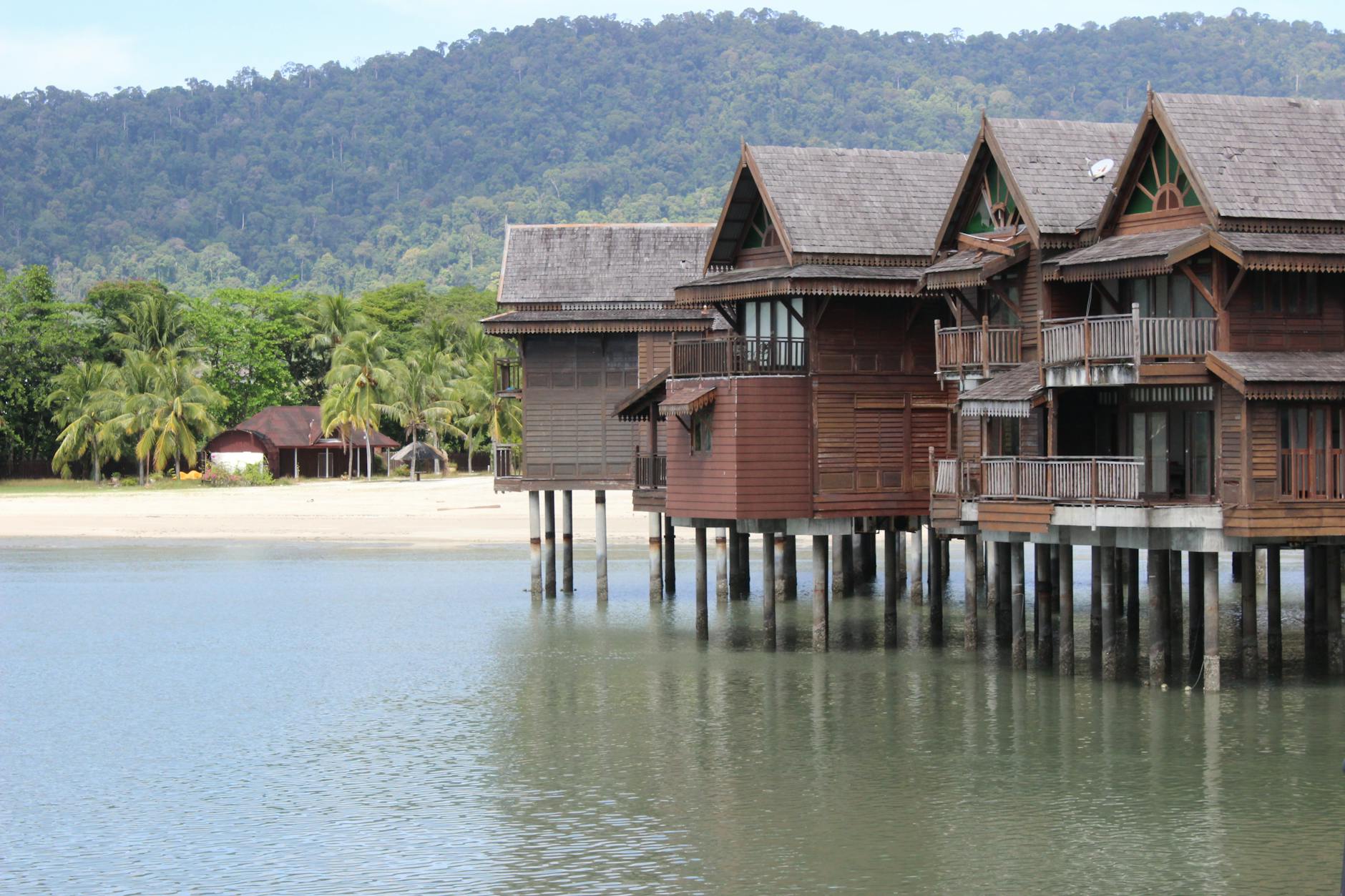
The most important Langkawi decision for many older travelers is the lodging base. A resort may look comfortable but still involve long walks, stairs, slopes, distant rooms, golf-cart waits, uneven paths, poor lighting, or a beach that is difficult to access. The traveler should ask practical questions before booking.
A good base should support rest, meals, medical needs, transport pickup, shade, quiet, and easy return from activities. Staying close to every attraction matters less than staying somewhere that makes each day manageable.
- Check room distance, stairs, slopes, lifts, lighting, resort paths, beach access, and shuttle support.
- Prioritize easy meals, shade, quiet, transport pickup, and recovery space.
- Choose comfort and predictability over the most dramatic property photos.

Plan flights, ferries, and arrival recovery
Older travelers should treat Langkawi arrival as part of the trip, not as an invisible transfer. Flights may be straightforward, but luggage, airport walking, hotel pickup, heat on arrival, ferry steps, motion, and check-in timing can still create fatigue. The first activity should not depend on an effortless arrival.
If the traveler arrives by ferry-linked plan, weather, boarding, luggage handling, seating, and onward road transfer require extra attention. A calm first evening can be more valuable than trying to begin sightseeing immediately.
- Plan airport walking, luggage, hotel pickup, check-in, heat, and first-evening recovery.
- Check ferry boarding, seating, steps, luggage handling, weather, and onward transfer if relevant.
- Avoid scheduling demanding activities directly after arrival.
Use transport that protects energy
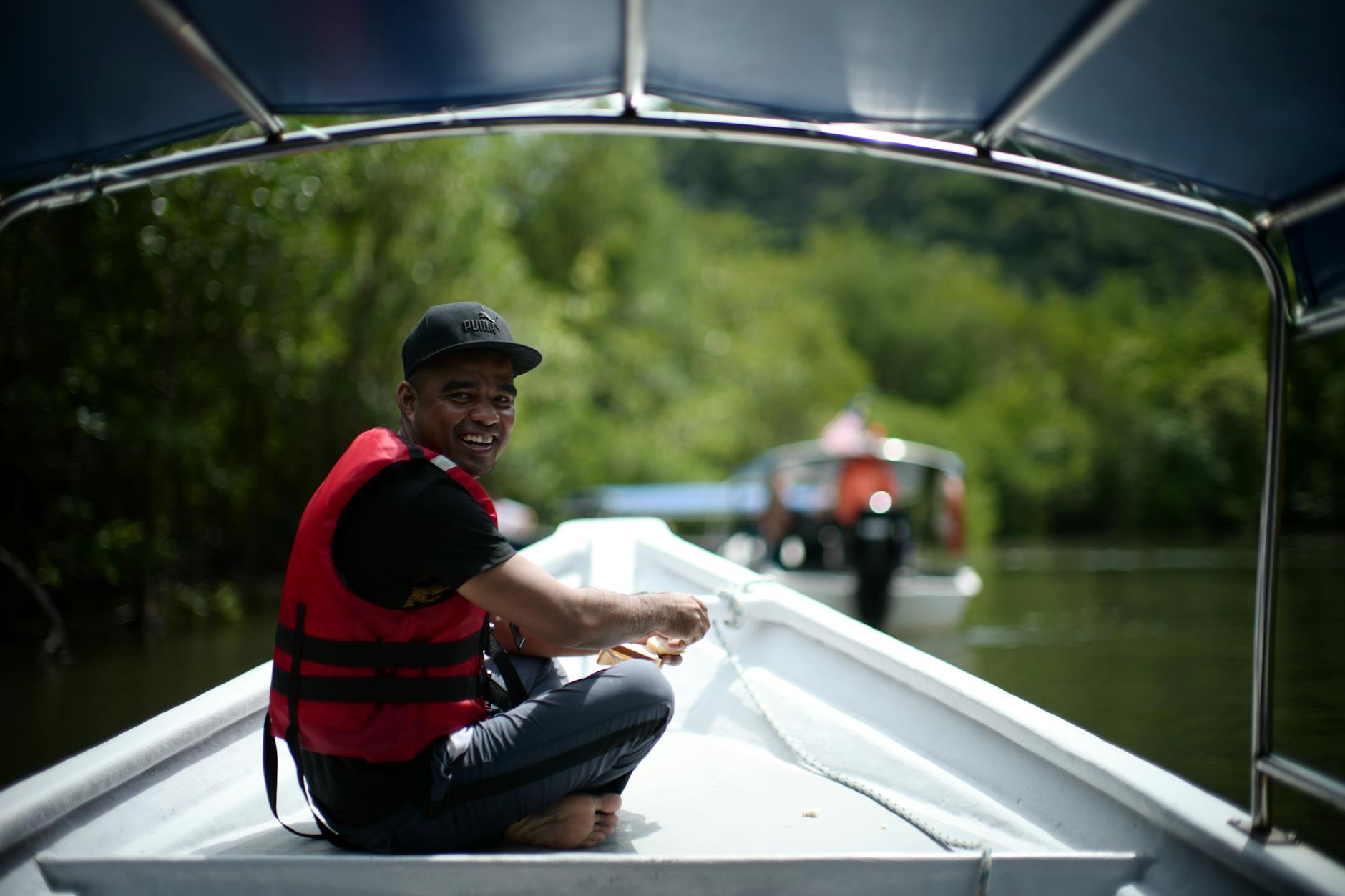
Langkawi is not a walking city in the way some compact destinations are. Older travelers should plan rides, hotel cars, private drivers, or tour transport around comfort, not just cost. Waiting outside in heat, climbing in and out of vehicles repeatedly, or relying on uncertain pickups can drain a short trip.
A private driver or carefully chosen tour can be worth it when the traveler wants several stops, medical predictability, air-conditioning, help with timing, or a route that avoids excessive walking. The plan should also include a simple way to return early if fatigue appears.
- Choose transport by comfort, heat exposure, pickup reliability, vehicle access, and return flexibility.
- Use a driver or structured tour when several stops or medical predictability matter.
- Build an easy early-return option into longer activity days.
Assess beaches, boats, and cable car carefully
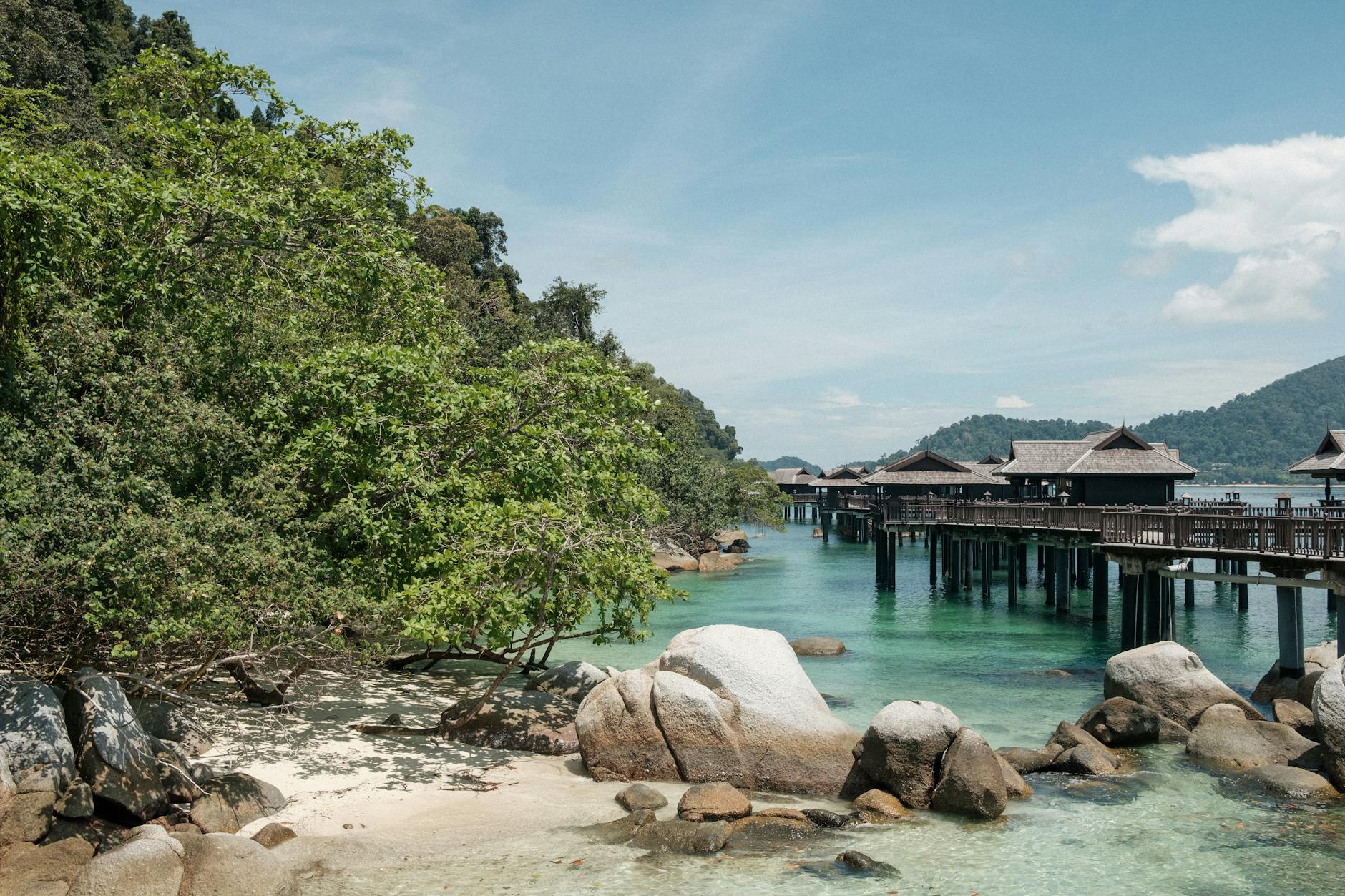
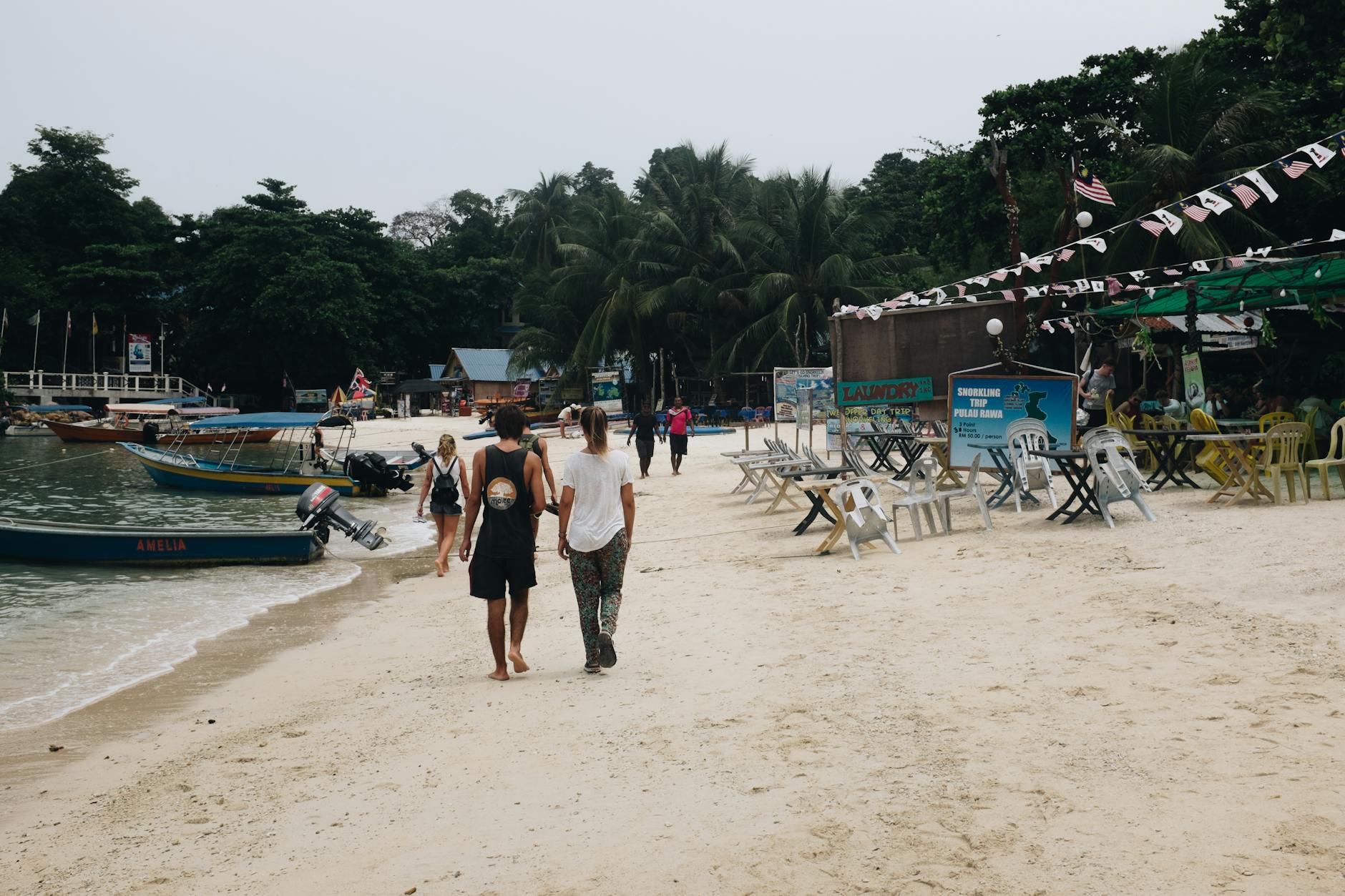
Langkawi's signature experiences can be excellent for older travelers, but each has practical details. Beaches vary in shade, sand firmness, steps, chairs, bathrooms, and swimming conditions. Boat tours may involve boarding steps, wet surfaces, sun, motion sensitivity, life jackets, and limited restroom access. Cable car and viewpoint plans can involve queues, heights, weather, and walking.
The traveler should choose activities by comfort and exit options, not only by popularity. A shorter, gentler version of a famous experience may be better than a full-day plan that leaves the traveler exhausted.
- Check beach shade, sand firmness, steps, bathrooms, seating, and swimming comfort.
- Ask about boat boarding, wet surfaces, motion, sun, life jackets, and restroom access.
- Plan cable car or viewpoint visits around queues, weather, heights, walking, and fatigue.
Protect health, medication, and food routines
Older travelers should plan medication timing, hydration, heat exposure, dietary needs, sleep, walking limits, insurance, and clinic access before arrival. Langkawi can feel relaxed, but the combination of sun, humidity, unfamiliar food, alcohol, boat motion, and schedule changes can affect health quickly.
Food planning should include breakfast reliability, nearby dinner options, halal needs, vegetarian needs, seafood allergies, spice tolerance, and whether late meals are easy near the resort. A gentle food plan helps the traveler enjoy local meals without making the short stay fragile.
- Plan medication, hydration, heat, sleep, insurance, walking limits, and clinic access.
- Check breakfast, nearby dinners, halal needs, vegetarian needs, seafood allergies, and spice tolerance.
- Keep meals and activity timing compatible with health routines.
Pace family or group travel honestly
Older travelers often visit Langkawi with adult children, grandchildren, friends, or a tour group. The group may want island-hopping, nightlife, shopping, beach time, and scenic stops faster than the older traveler can enjoy them. Pacing should be discussed before the itinerary is built.
The best plan may split some activities, use a resort rest block, or make one shared anchor each day rather than forcing everyone through the same pace. Respectful planning protects both independence and family time.
- Discuss walking speed, rest needs, meal timing, beach comfort, and activity limits before arrival.
- Use split plans when younger travelers want more ambitious tours or evenings.
- Choose one shared anchor each day instead of overloading the whole group.
When to order a short-term travel report
An older traveler with a resort-contained Langkawi stay and flexible plans may not need a custom report. A report becomes useful when the traveler is choosing between resort areas, managing mobility limits, coordinating family pacing, planning boat tours or cable car visits, handling medication or dietary needs, or connecting flights and ferries with little margin.
The report should test lodging layout, arrival timing, transport, heat, medical access, beaches, boat tours, cable car timing, food, rest blocks, group pacing, budget, and what to cut. The value is a short island stay that feels calm, capable, and suited to the traveler rather than borrowed from a younger itinerary.
- Order when lodging layout, mobility, family pacing, health, activities, or connections need testing.
- Provide dates, flight or ferry plans, lodging options, mobility needs, medical needs, food needs, budget, and group profile.
- Use the report to make the short Langkawi stay gentler and more reliable.