A journalist visiting Langkawi may be covering tourism, conservation, aviation, development, hospitality, environment, marine activity, community issues, events, travel features, or a story that requires moving between resorts, towns, beaches, mangroves, marinas, and official sources. The destination is photogenic, but reporting value depends on access, timing, verification, and discretion. Short reporting trips need a tighter plan than ordinary leisure travel. The journalist should know what can be confirmed before arrival, which sources must be met in person, how transport supports interviews and filming, where sensitive conversations can happen, and how quickly copy, audio, photos, or video can be filed from the island.
Map the story before mapping the island
Langkawi stories can pull a journalist toward beaches, resorts, ferry areas, airport corridors, marinas, town streets, mangroves, villages, tourism operators, environmental sites, and government or business sources. The itinerary should be built around the story's evidence, not a generic island route.
The journalist should identify essential interviews, locations, visuals, documents, background conversations, and backup sources before arrival. If the story requires both scenic material and hard reporting, the schedule should protect the reporting first.
- List required sources, locations, visuals, documents, background conversations, and backup interviews.
- Map beaches, resorts, marinas, airport areas, towns, villages, and field sites by story relevance.
- Do scenic capture after essential reporting access is protected.
Confirm source access before the reporting clock starts
Short journalism trips leave little room for vague access. Hotel managers, tourism officials, boat operators, conservation staff, residents, business owners, event organizers, academics, and guides may need scheduling, consent, introductions, or translation support. The journalist should confirm what is on record, background, off record, filmed, photographed, or quote-approved according to the outlet's standards.
Access can also change with weather, holidays, staffing, privacy concerns, or local sensitivities. The trip plan should include backup interviews and alternate scenes if a promised source becomes unavailable.
- Confirm source availability, meeting places, consent, attribution level, photo or video permission, and language needs.
- Protect backup sources for weather changes, cancellations, privacy concerns, or access restrictions.
- Avoid relying on arrival-day improvisation for the most important interviews.
Choose transport for interviews, filming, and deadlines
A journalist may need to move from an early interview to a marina, then to a resort, then to a town source, then back to file before an editorial deadline. Ride-hailing may work for flexible movement, but dense reporting, equipment, remote sites, boats, or late returns may require a driver, host pickup, rental car, or arranged transfer.
Transport should also protect equipment and source privacy. Camera bags, microphones, laptops, lighting, notes, and release forms should not be left exposed in hot vehicles or public places. The journalist should confirm pickup points and waiting time before interviews begin.
- Match ride-hailing, drivers, rental cars, host pickup, boats, or hotel cars to the reporting day.
- Protect camera gear, audio equipment, laptops, notes, forms, and source privacy during movement.
- Build filing time and transfer buffers around editorial deadlines.
Prepare equipment for heat, water, and weak infrastructure
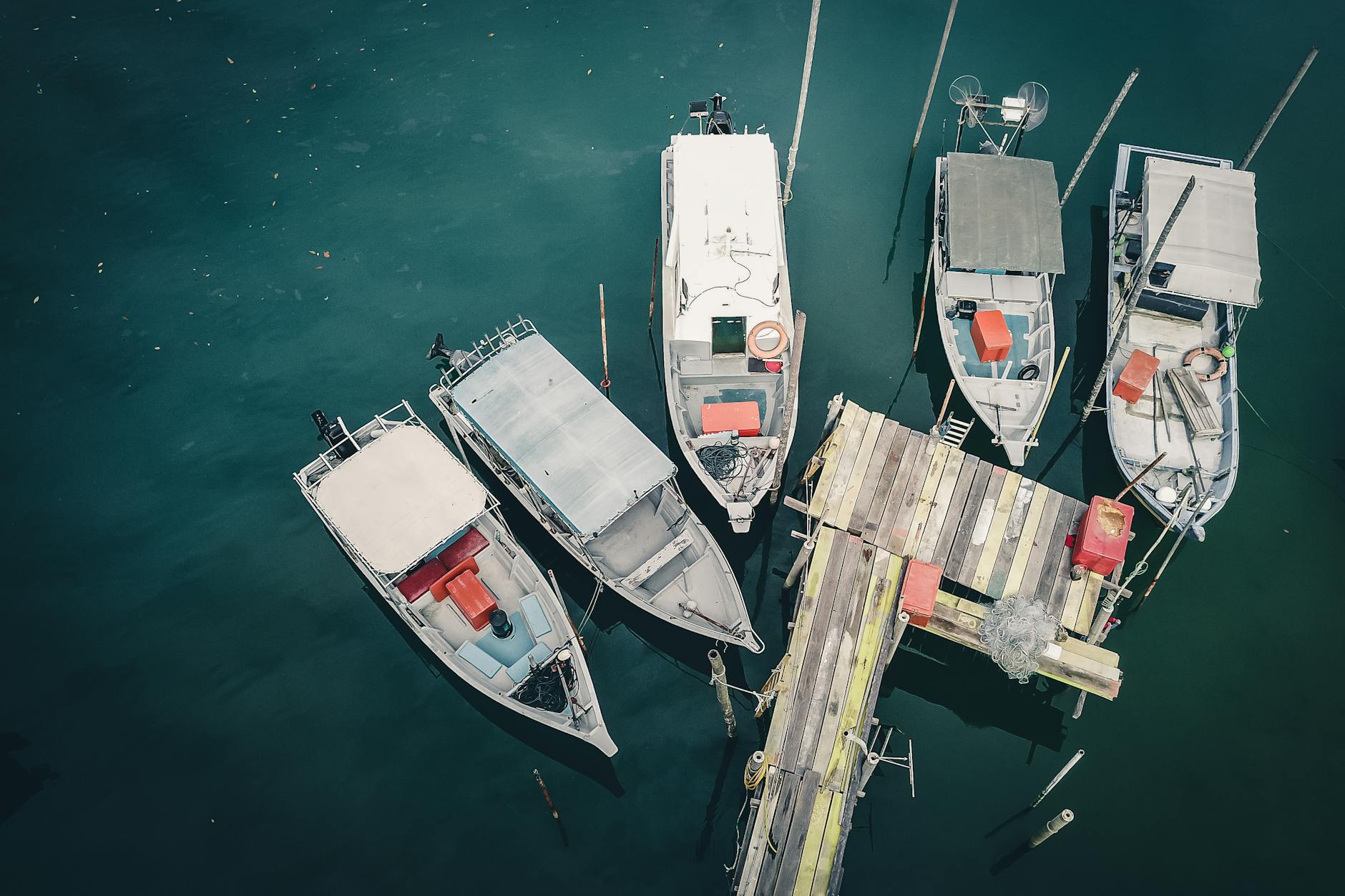
Langkawi reporting can expose equipment to humidity, rain, boat spray, sand, heat, insects, crowded restaurants, and outdoor walks. The journalist should bring protective bags, spare batteries, memory cards, chargers, adapters, microphones, offline notes, waterproof covers, and a realistic plan for backing up files.
Infrastructure should be checked before a deadline depends on it. Hotel Wi-Fi, mobile data, upload speeds, quiet work areas, power, printing, scanning, and secure cloud access can vary. If large photo or video files need to move, the journalist should test the path before the last night.
- Protect gear from humidity, rain, heat, sand, boat spray, insects, and crowded public spaces.
- Carry spare batteries, cards, chargers, adapters, microphones, protective bags, and offline notes.
- Test Wi-Fi, mobile data, upload speed, power, quiet workspace, and backup workflow early.
Handle community and environmental sensitivities
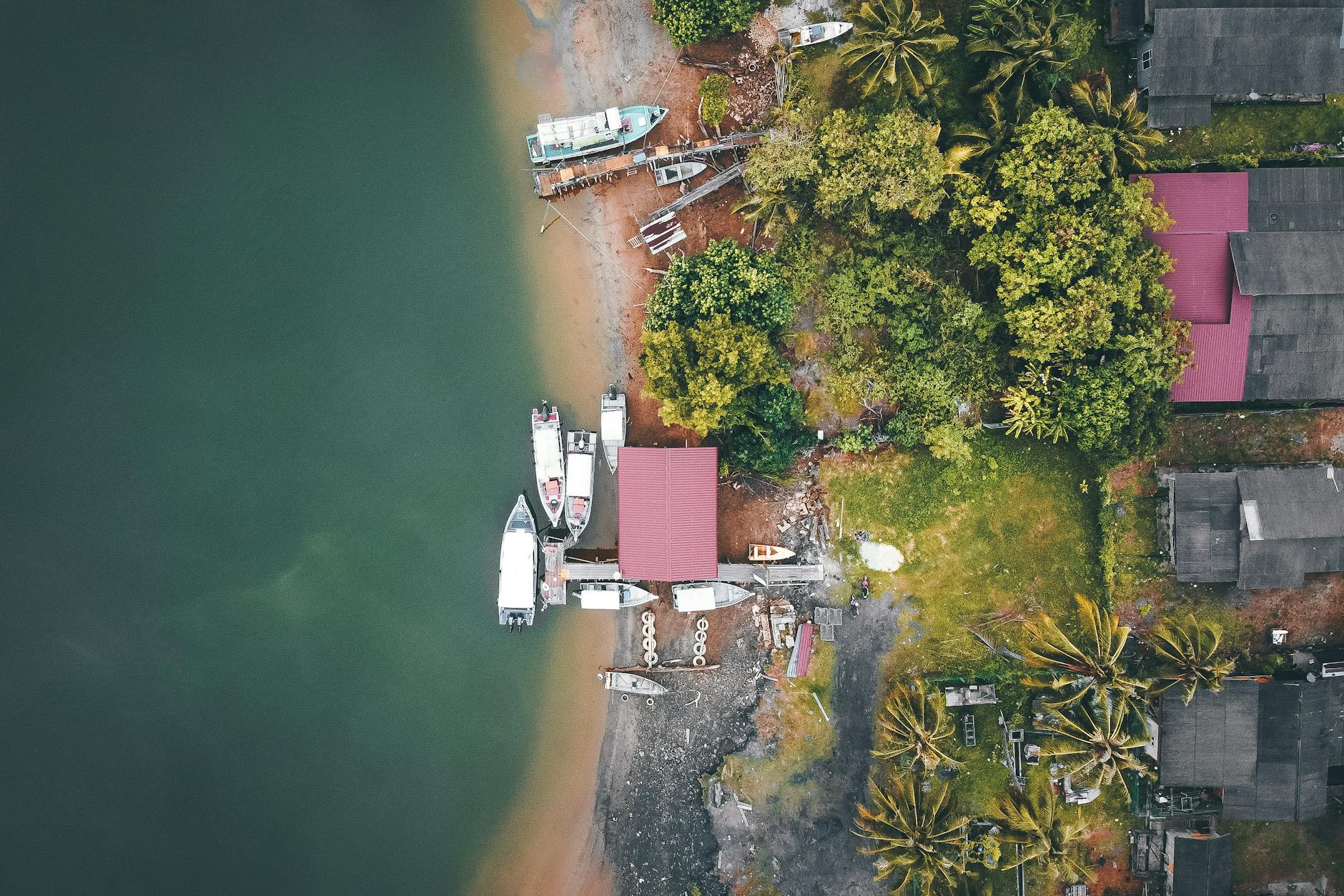
Langkawi reporting may involve conservation claims, development disputes, tourism labor, environmental damage, protected areas, local livelihoods, religious context, or communities that do not want to be reduced to scenic background. The journalist should understand the sensitivities before recording people or places.
Consent and context matter. The journalist should know when names, faces, exact locations, or identifying details could cause harm. A travel feature, business piece, or environmental story still needs careful handling of people who are not media professionals.
- Research sensitivities around conservation, development, tourism labor, religion, local livelihoods, and protected areas.
- Clarify consent for names, faces, locations, workplaces, children, and vulnerable sources.
- Avoid treating communities or workers as scenery for a prewritten island narrative.
Build a filing rhythm that survives island delays
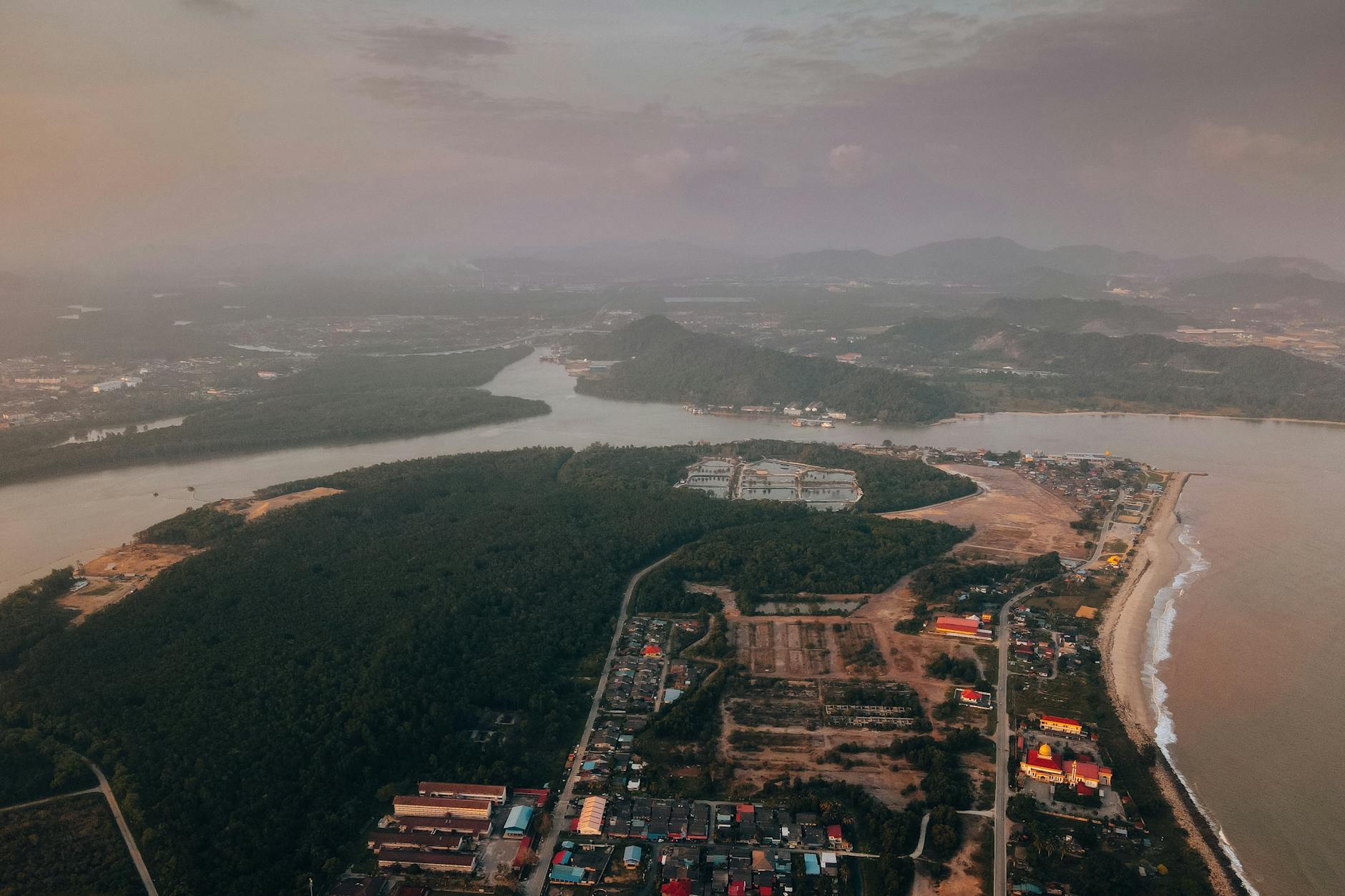
A journalist should decide when to file, transcribe, back up, edit photos, transfer video, check facts, and send questions before the itinerary fills with interviews. Langkawi's beauty can make open time disappear quickly, while rain, transport delays, or source changes can compress deadlines.
The lodging choice should support work as much as access. Quiet space, power, desk height, phone signal, mobile backup, and late-night food options can matter when copy must move after a full day in the field.
- Reserve time for filing, transcription, backups, photo edits, video transfers, fact checks, and follow-up questions.
- Choose lodging with quiet workspace, power, mobile signal, late food, and reliable internet.
- Protect deadlines before adding optional tours, dinners, or scenic capture blocks.
When to order a short-term travel report
A journalist with a fully hosted travel feature and flexible deadline may not need a custom Langkawi report. A report becomes useful when the assignment includes sensitive sources, several locations, environmental claims, equipment-heavy work, tight filing windows, independent transport, health constraints, or limited time to verify a story.
The report should test story geography, source access, lodging, transport, equipment risks, filing infrastructure, weather, safety, food, medical access, communications, sensitivities, backup scenes, budget, and what to cut. The value is a reporting trip that produces usable work without confusing scenery for verification.
- Order when source access, transport, equipment, deadlines, sensitivities, or verification risk need testing.
- Provide dates, assignment type, source list, locations, lodging options, equipment needs, deadlines, constraints, and budget.
- Use the report to keep the Langkawi journalism trip efficient, ethical, and file-ready.