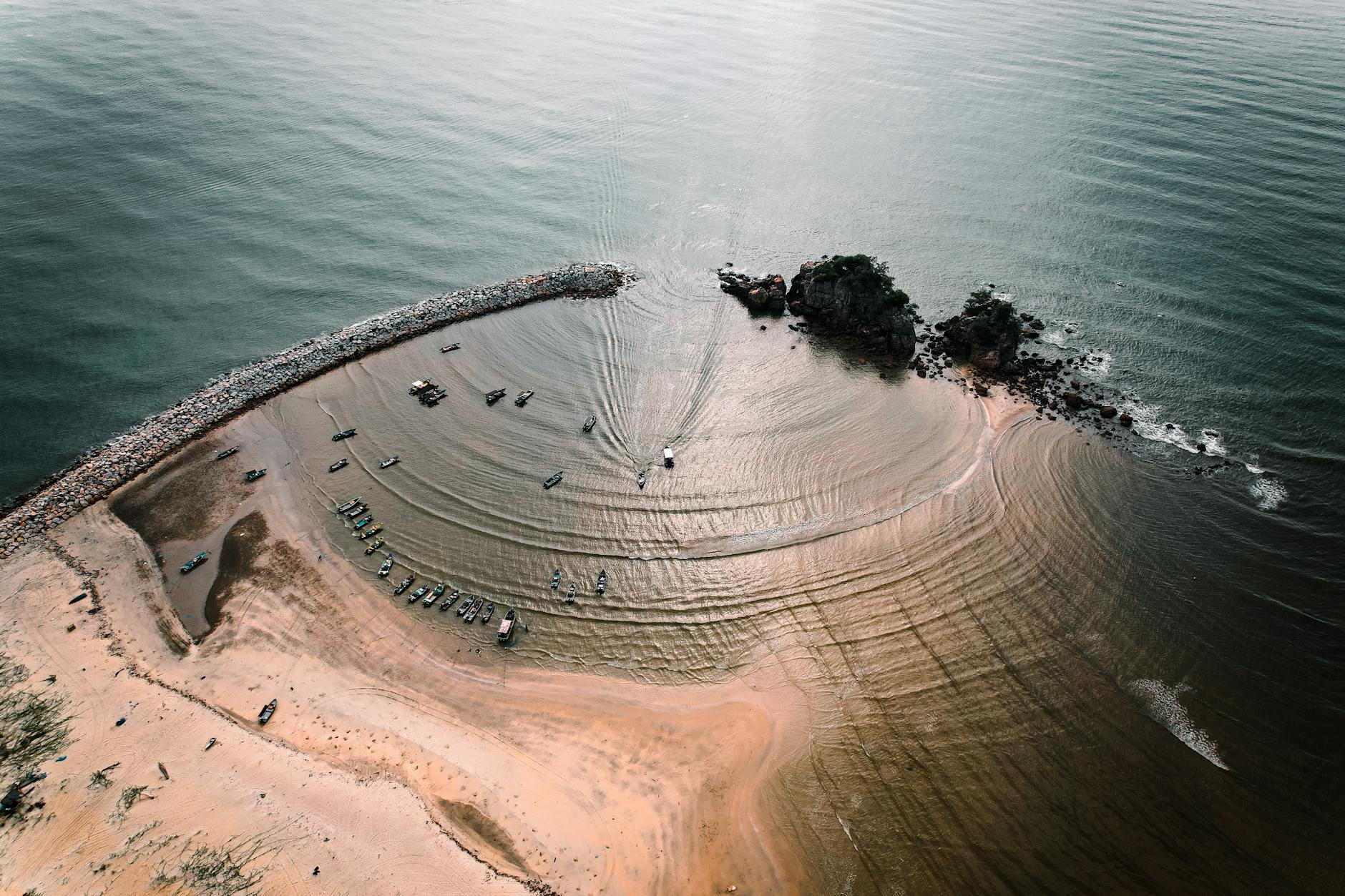
Langkawi can make a deal trip feel more relaxed than it is. Investors, lenders, advisors, and deal teams may be evaluating resorts, marina assets, tourism operators, land, infrastructure, hospitality partnerships, event properties, or operating businesses. The destination's beauty does not reduce the need for hard diligence, controlled movement, and clear meeting design. A short Langkawi deal trip should separate asset appeal from transaction usefulness. The team needs to know which sites matter, who must be met, what can be inspected, what must stay confidential, how quickly documents can be reviewed, and how the team exits without leaving unresolved questions behind.
Separate resort appeal from deal geography
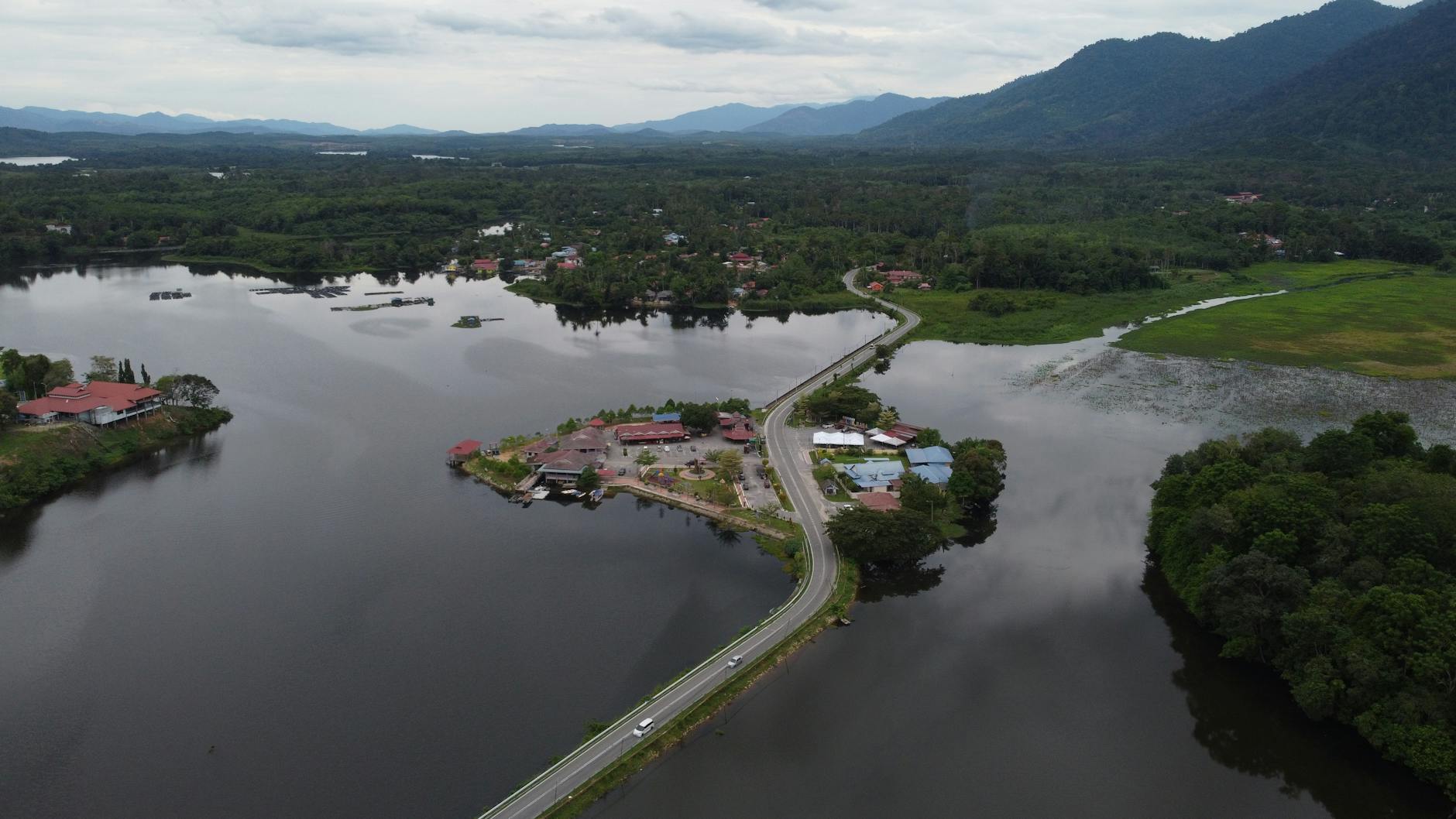
Langkawi assets can be spread across beaches, coves, marinas, hillsides, town areas, airport corridors, ferry-linked zones, and quieter inland roads. A resort that looks compelling in photos may be awkward for staff movement, supplier access, guest transfers, utility questions, site inspections, or future operating control.
The deal team should map the asset, comparator set, stakeholder meetings, lodging, airport, ferry, legal or advisory meetings, and any third-party site visits before assuming that a beautiful setting equals a practical transaction. The itinerary should be built around evidence, not scenery.
- Map assets, comparables, stakeholder meetings, advisors, airport links, ferry links, and inspection sites.
- Assess operating geography, supplier access, staff movement, guest transfers, utilities, and future control.
- Choose lodging and meeting rhythm around diligence needs rather than the most appealing resort.
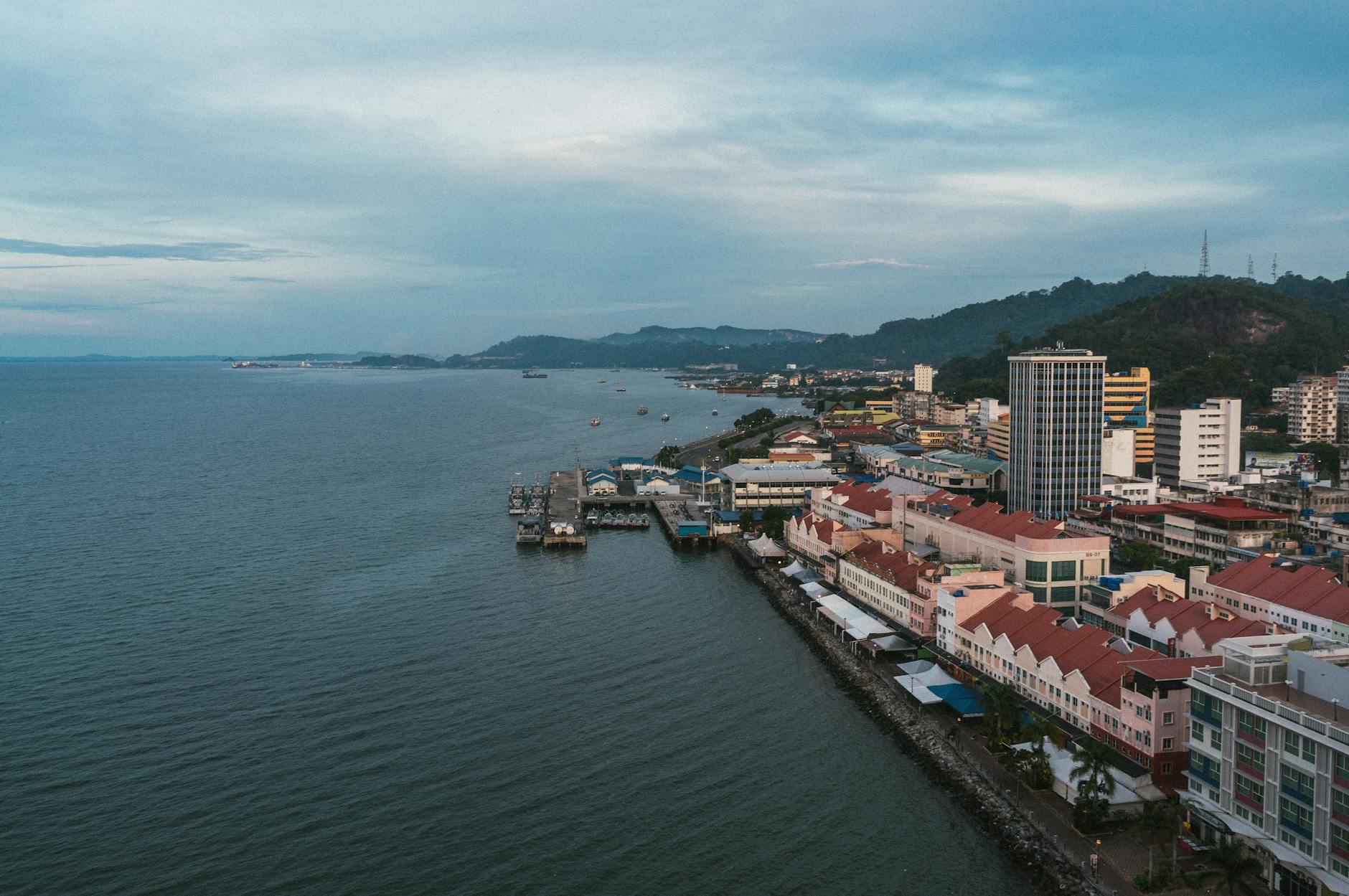
Build diligence days around access and confidentiality
Investor trips often depend on access that is easy to overpromise: owner meetings, manager interviews, back-of-house walks, site plans, occupancy data, permits, vendor conversations, environmental context, local partner discussions, or quiet advisor calls. The team should identify what needs to be seen in person and what can be handled before or after travel.
Confidentiality matters in a smaller island setting. A visible group touring an asset, meeting staff, or asking operational questions can create rumors. The team should decide what story is appropriate, who should attend each meeting, where sensitive calls happen, and how documents are handled.
- Prioritize in-person evidence: management access, site walks, permits, operations, vendors, and local partners.
- Decide which conversations need privacy and which can happen in visible public or hotel spaces.
- Control document handling, attendee lists, call locations, and the explanation for the visit.
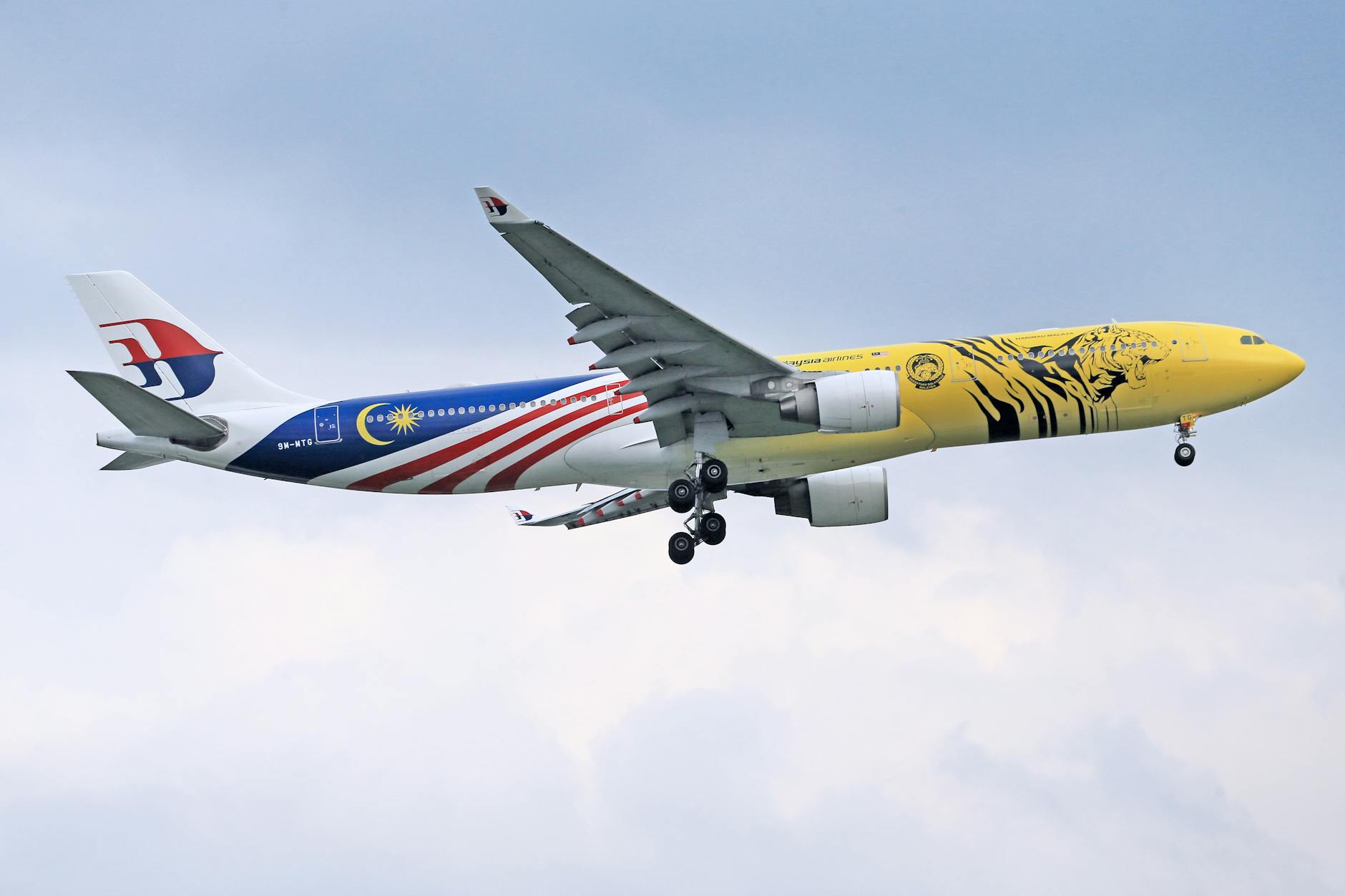
Test airport, ferry, and exit timing before meetings
A short deal visit should not rely on optimistic travel timing. Langkawi may involve domestic flights, regional connections, ferry movements, airport transfers, baggage, driver coordination, and weather-sensitive movement. The team should test the first and last practical windows before loading the itinerary with diligence blocks.
The exit plan is especially important. A final negotiation, management debrief, document review, or investor call should not run directly into the last reasonable connection. The team should reserve time to decide what was learned and what still needs follow-up.
- Check flight, ferry, baggage, transfer, driver, and weather assumptions before fixing the meeting sequence.
- Avoid placing critical diligence immediately after fragile arrivals or before tight departures.
- Reserve an exit block for findings, open questions, document requests, and internal alignment.
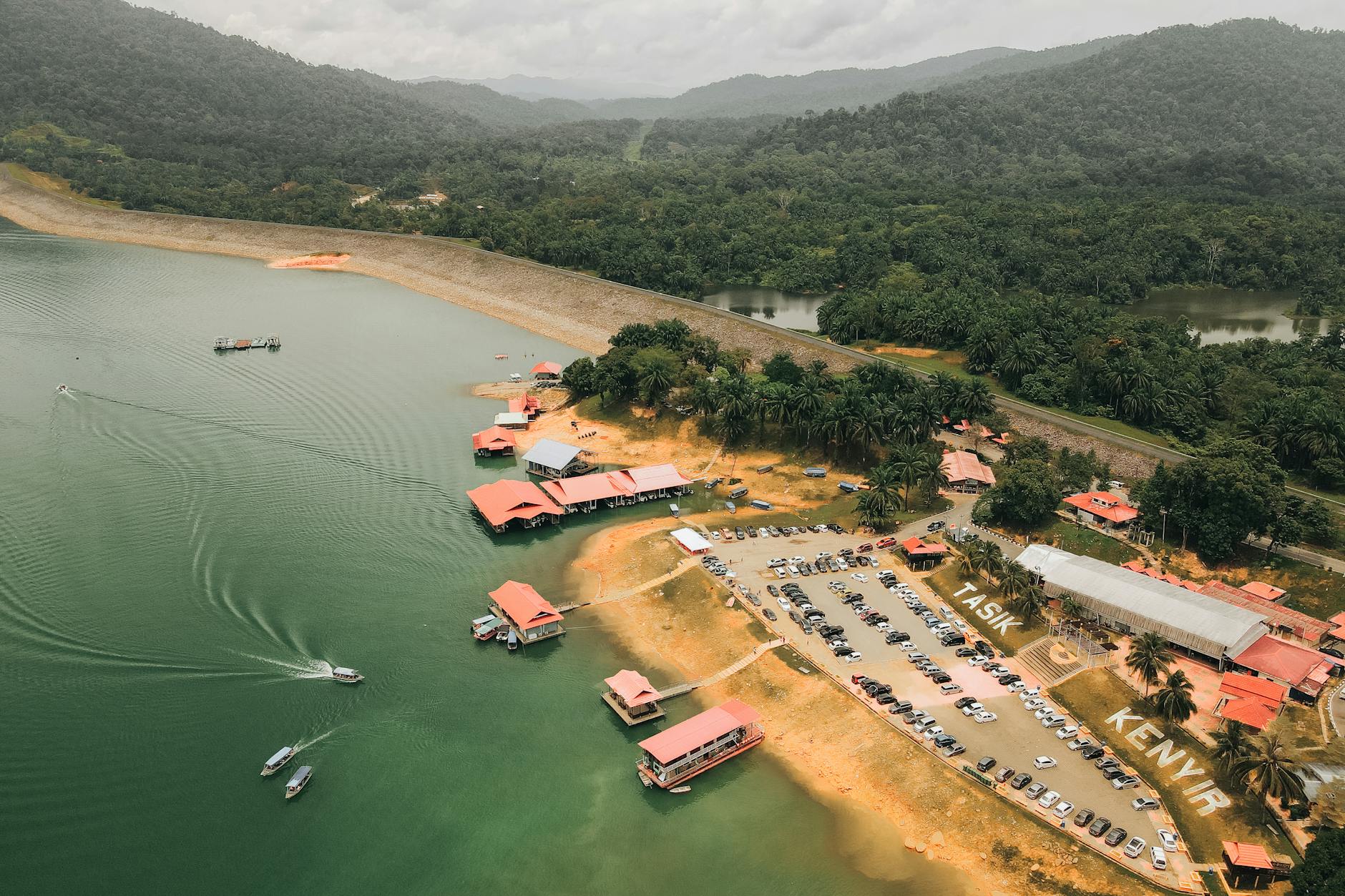
Plan site visits, weather, and document handling
Langkawi site work may involve humid outdoor inspections, resort back-of-house areas, marina edges, roads, beach access points, undeveloped land, boats, or hillside views. The team should be dressed and equipped for operational reality, not only boardroom meetings. Shoes, rain protection, bags, water, sun exposure, and device protection matter.
Documents and electronics need the same discipline. Printed plans, signed forms, photos, notes, laptops, tablets, drives, and confidential folders should be protected from weather and casual exposure. The team should know what can be photographed, shared, or discussed on site.
- Pack for humid inspections, rain, sun, uneven surfaces, back-of-house areas, marinas, and outdoor sites.
- Protect laptops, tablets, notes, plans, drives, signed documents, and confidential folders.
- Clarify photo rules, site access limits, document sharing, and who can receive follow-up materials.
Keep lodging and work infrastructure deal-ready
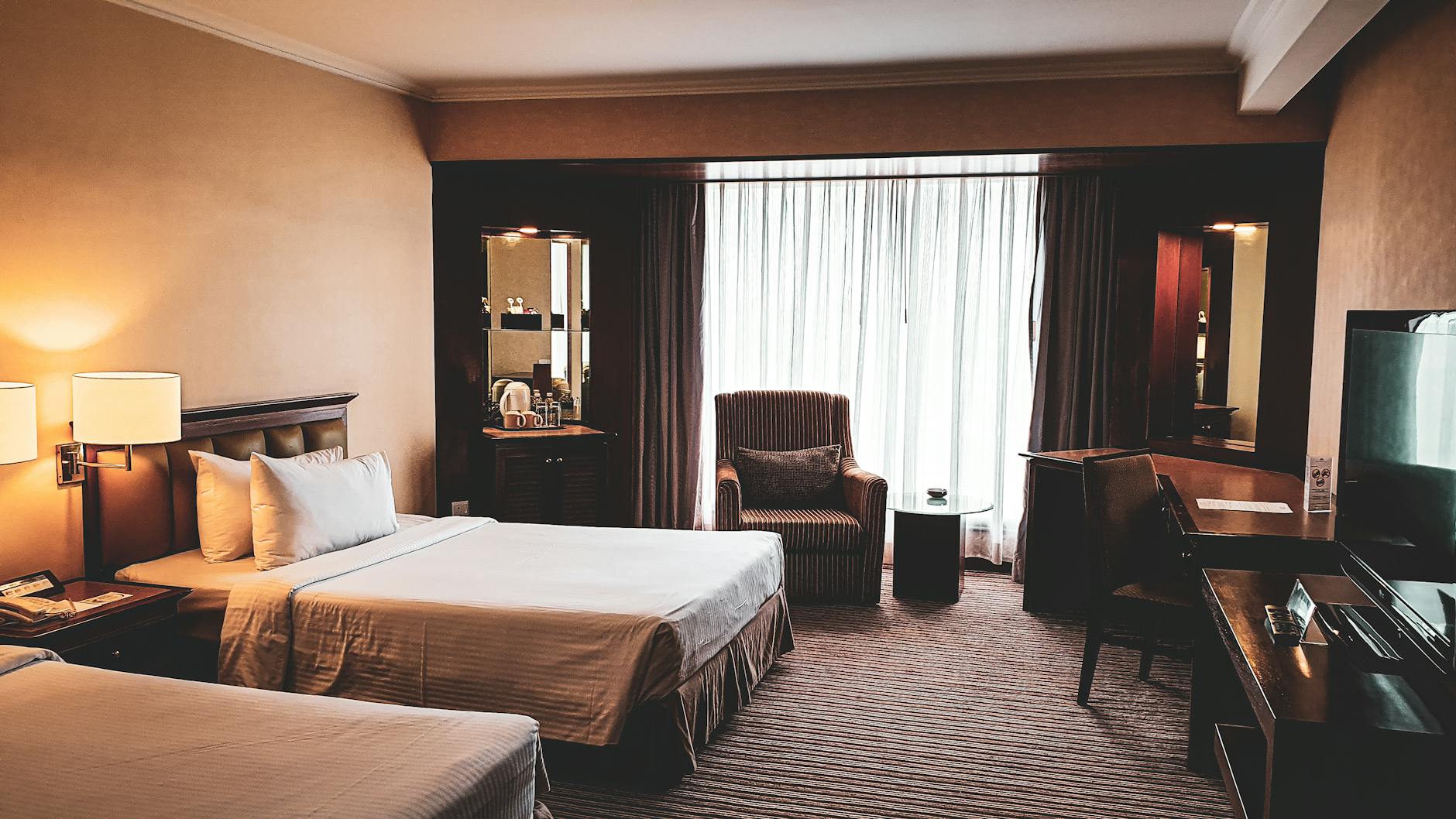
An investor or deal team member may need late-night model reviews, secure calls, document uploads, virtual data room access, printing, scanning, private meetings, or time with remote counsel and advisors. A scenic hotel is not enough if the workspace cannot support transaction work.
The team should confirm Wi-Fi, mobile data, desk space, private meeting rooms, quiet call areas, printing, charging, and backup connectivity. If several people are traveling, the plan should include where they gather without making sensitive work visible in a public lounge.
- Check Wi-Fi, mobile data, desks, private meeting rooms, printing, scanning, charging, and backup access.
- Plan where the team can review models, documents, notes, and advisor input without public exposure.
- Choose lodging that supports transaction work after site visits and stakeholder dinners.
Control dinners, discretion, and stakeholder exposure
Langkawi deal trips often include dinners, resort tours, informal drinks, hosted meals, boat outings, or meetings that blend hospitality with information. These moments can reveal useful operating context, but they can also blur roles, expose the team too broadly, or consume the time needed for internal diligence work.
The team should decide who attends each dinner, who leads the conversation, what topics are appropriate, how halal context and alcohol should be handled, and how the group returns afterward. Discretion is part of the transaction plan, not a social afterthought.
- Treat dinners and tours as diligence moments only when they produce useful relationship or operating insight.
- Clarify attendees, topics, halal context, alcohol, payment protocol, transport, and return timing.
- Protect internal work time after stakeholder exposure so observations become action items.
When to order a short-term travel report
An investor with one flexible introductory meeting may not need a custom Langkawi report. A report becomes useful when the trip includes site inspections, multiple stakeholders, confidential diligence, tight connections, advisors, sensitive documents, hospitality, weather exposure, or a need to decide quickly after a short visit.
The report should test asset geography, lodging, arrival and exit timing, transport, confidentiality, stakeholder sequence, work infrastructure, site-visit practicality, weather, food, medical access, document handling, budget, and what to cut. The value is a deal trip that keeps transaction judgment ahead of destination appeal.
- Order when asset geography, access, confidentiality, advisors, transport, timing, or site visits need testing.
- Provide dates, assets, meeting locations, lodging options, flight or ferry details, diligence needs, constraints, and budget.
- Use the report to keep the Langkawi deal visit disciplined, private, and decision-focused.