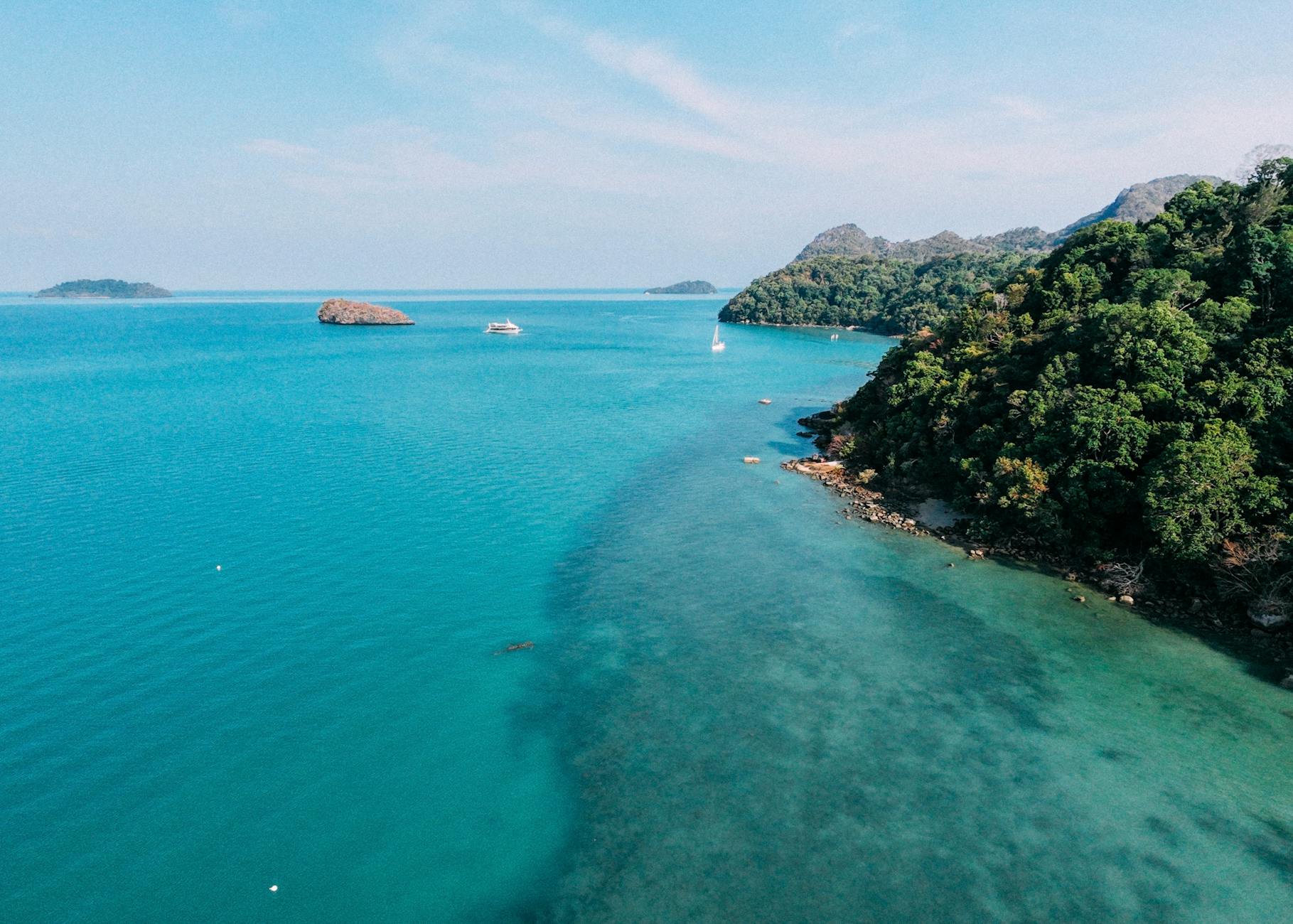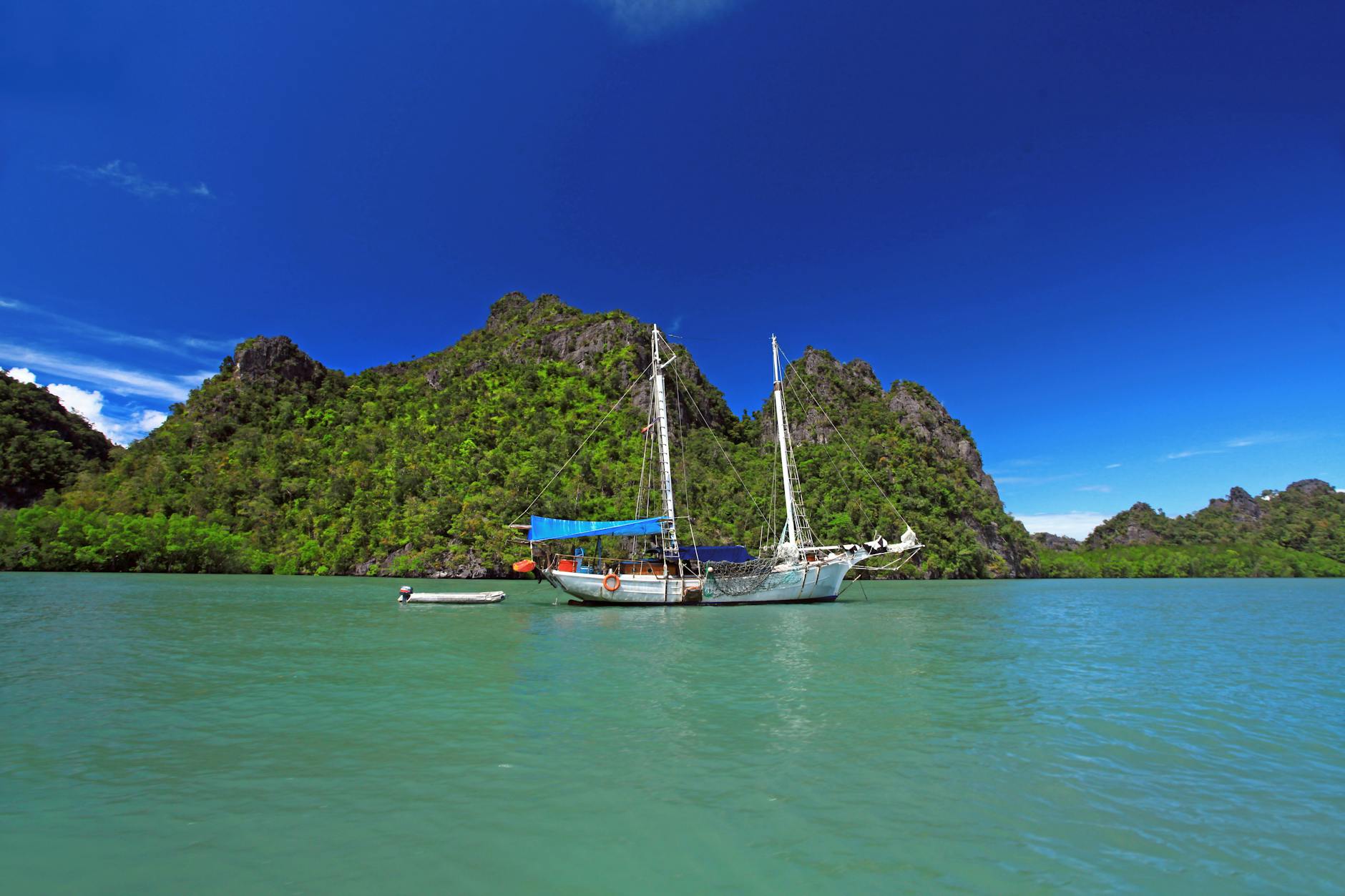
Langkawi can look simple from a distance: beaches, resorts, duty-free shopping, island tours, and dramatic views. A first-time visitor quickly discovers that the island is not one single beach strip. Where the traveler stays affects transport, food, tours, nightlife, quiet, beach access, and how much time is lost between activities. A short first visit should be planned around a small number of priorities. The traveler needs to decide whether the trip is about beach time, nature, resort rest, family activities, island-hopping, food, cable car views, or a gentle introduction to Malaysia. Trying to do everything can make Langkawi feel less relaxing than it should.
Choose the right base before choosing activities
A first-time visitor should decide what kind of Langkawi base they want before booking. Pantai Cenang may suit travelers who want easier food, beach access, casual nightlife, and tour pickups. Quieter resorts may suit rest, families, couples, or older travelers, but they can require more deliberate transport and meal planning.
The traveler should not judge a hotel only by photos. Road access, beach swimmability, restaurant options, room cooling, stairs, breakfast, tour pickup, noise, and distance from the airport or ferry point all shape a short stay.
- Choose between beach activity, resort quiet, family convenience, food access, and tour pickup ease.
- Check beach access, swimmability, road access, breakfast, stairs, cooling, noise, and nearby meals.
- Avoid booking a beautiful property that isolates the first visit from practical basics.
Plan airport, ferry, and island transport early
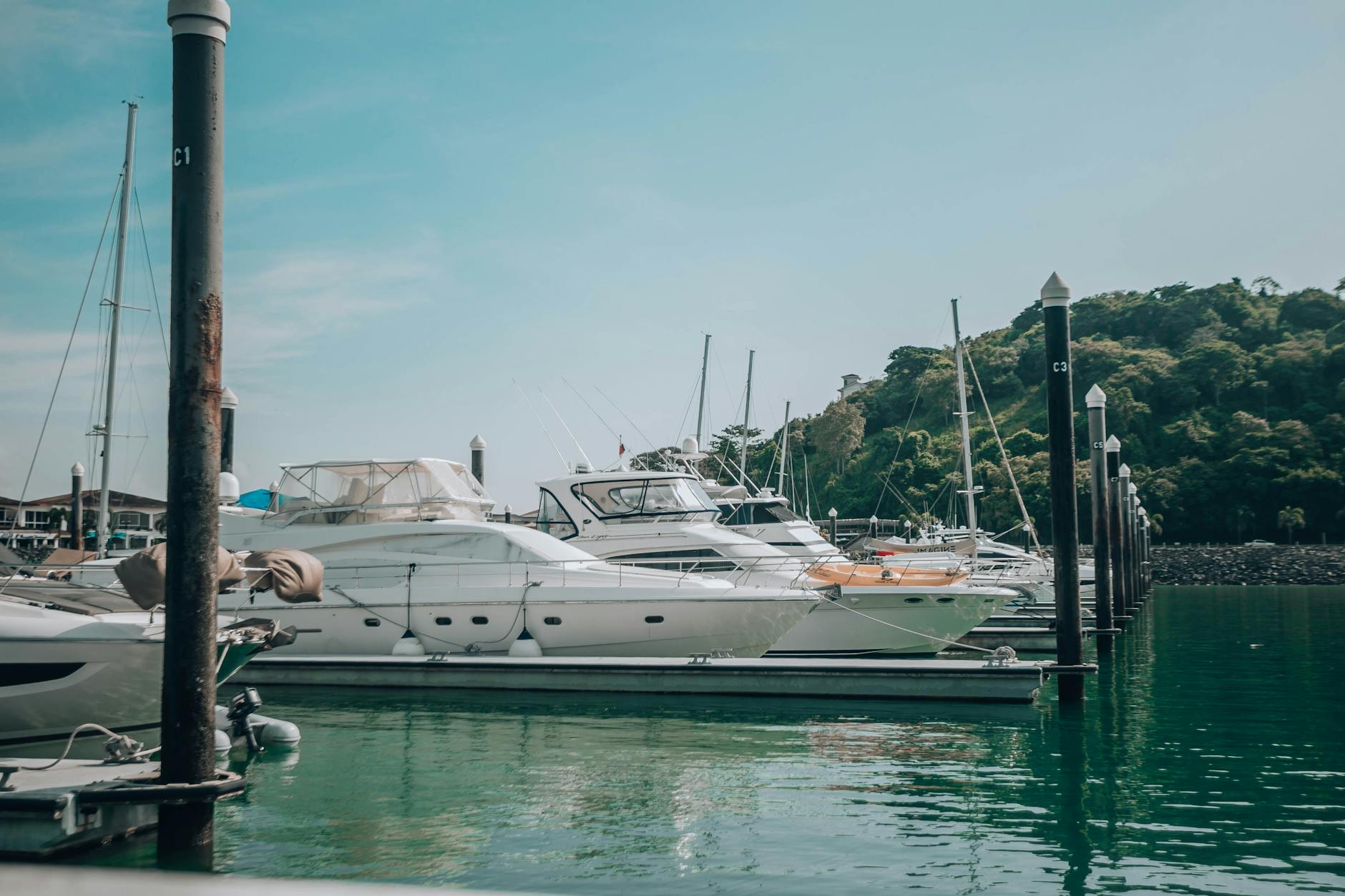
Langkawi travel can begin by air or by ferry-linked plans, and the first-time visitor should know how they will reach the hotel before arrival. Ride-hailing, taxis, hotel transfers, rental cars, scooters, private drivers, and tour pickups all have different comfort levels and risks.
The right transport depends on where the traveler stays, how much luggage they carry, whether they plan to explore independently, and how comfortable they are with island roads. A short trip should not lose its first evening to confusion about pickup points, payment, or onward transport.
- Confirm airport or ferry arrival, hotel transfer, pickup point, payment, and luggage handling.
- Match ride-hailing, taxis, rental cars, scooters, drivers, or hotel transfers to comfort and schedule.
- Do not assume every attraction is easy from every lodging area.
Limit the first itinerary to a few anchors
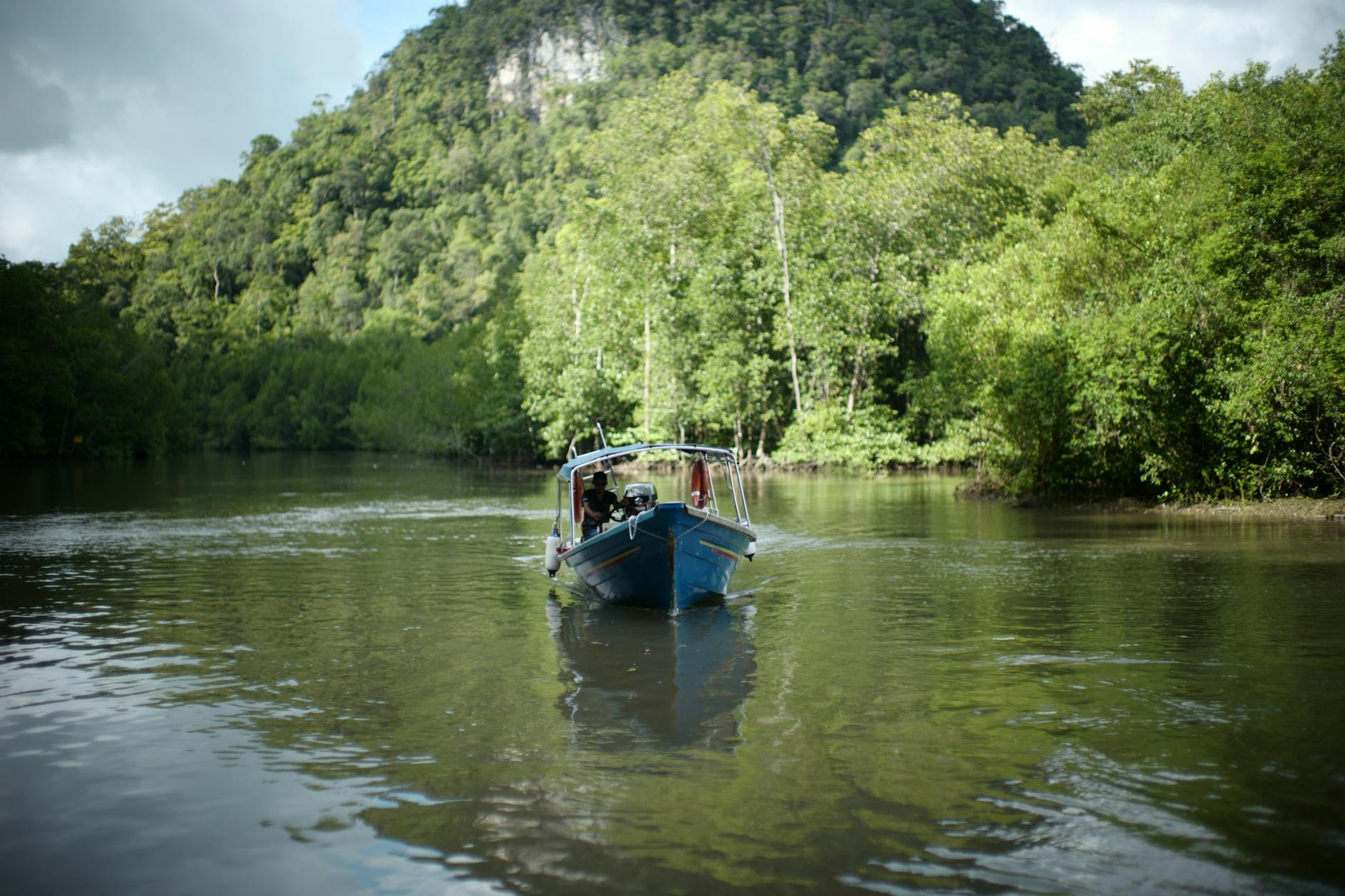
A first Langkawi trip can quickly fill with beaches, cable car and Sky Bridge, mangrove tours, island-hopping, waterfalls, night markets, duty-free shops, resorts, wildlife encounters, boat trips, and sunset plans. Those options are not all equal in weather sensitivity, travel time, physical effort, or cost.
The traveler should pick a few anchors and leave room for rest. One beach-focused day, one nature or boat activity, and one flexible evening can be more satisfying than a list of attractions that turns the island into a schedule.
- Choose a few anchors such as beach time, cable car, mangroves, island-hopping, food, or rest.
- Check each activity for weather sensitivity, transport time, cost, and physical effort.
- Leave unscheduled time so the first trip still feels like an island stay.

Treat weather as a planning variable
Langkawi weather can affect boat tours, cable car views, beach time, road movement, outdoor meals, and sunset plans. A first-time visitor should not build the entire trip around one perfect-weather day. Rain, heat, humidity, rougher water, haze, or cloud cover can change what is worth doing.
The plan should include indoor or lower-risk backups: a relaxed meal, spa time, shopping, a shorter drive, hotel recovery, or a different time window for the same activity. Weather flexibility is especially important when the trip is only two or three nights.
- Check weather risk for boat tours, cable car views, beaches, outdoor meals, and road plans.
- Add backup options for rain, poor visibility, rougher water, heat, or fatigue.
- Avoid making one activity the only reason the entire short trip works.
Use beaches and boat tours with practical caution
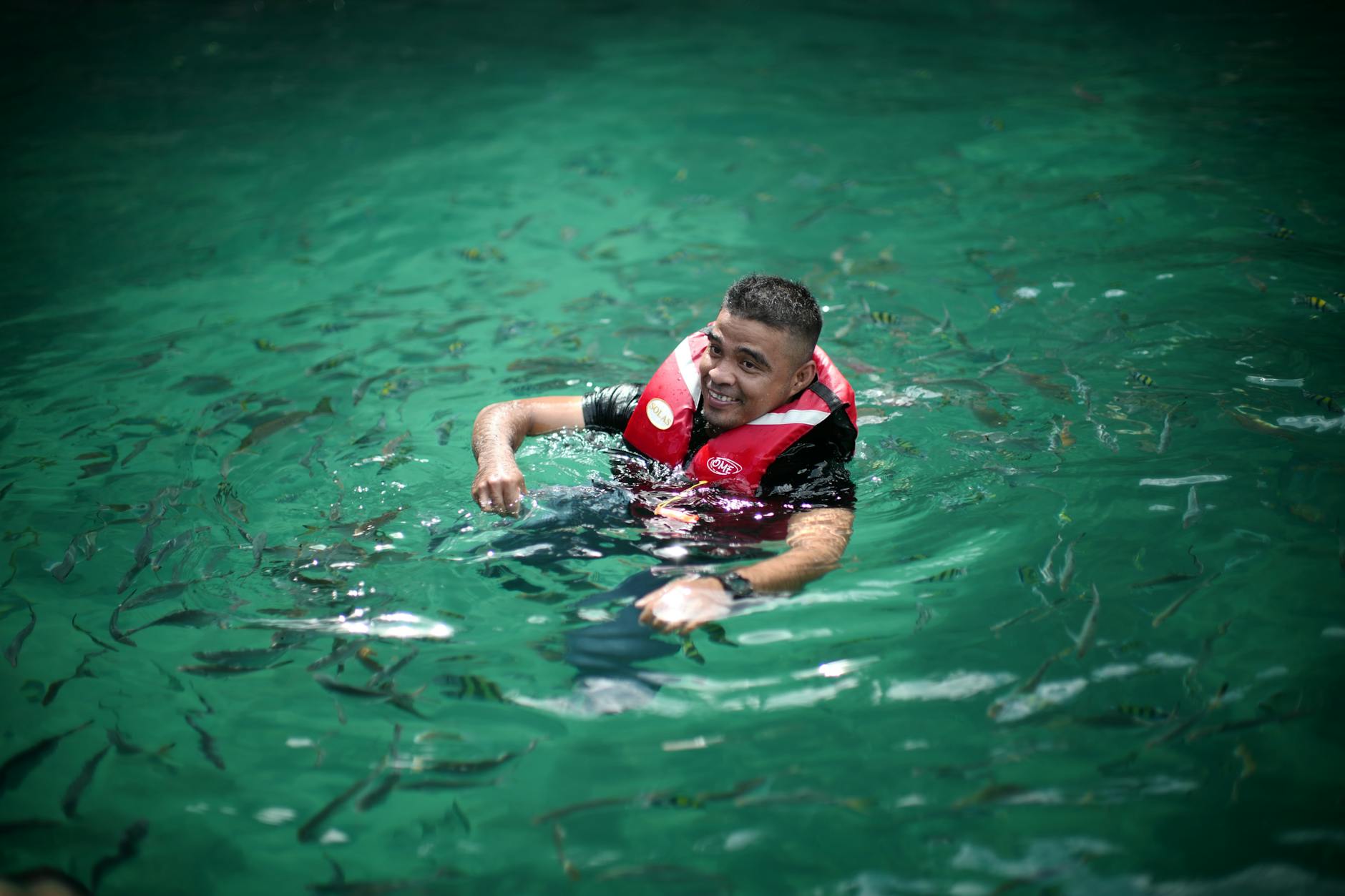
Beach and boat time can be the highlight of Langkawi, but a first-time visitor should check swimming conditions, sun exposure, boat boarding, life jackets, motion sensitivity, accessibility, child safety, restroom access, and what is included in a tour. A cheap tour is not always the right tour if it creates discomfort or wastes the day.
The traveler should also understand that beaches vary by atmosphere. Some are better for convenience and food, others for quiet, views, or resort access. The right beach depends on the traveler's age, mobility, group, swimming comfort, and tolerance for crowds.
- Check swimming conditions, sun, shade, boat boarding, life jackets, restrooms, and included stops.
- Choose tours by comfort, timing, safety, and group fit, not only by price.
- Match beaches to convenience, quiet, food, swimming comfort, views, and crowd tolerance.
Plan food, spending, and health basics
Langkawi can be easy for meals in some areas and more limited in others. A first-time visitor should check breakfast, nearby restaurants, halal needs, vegetarian options, allergies, spice tolerance, seafood comfort, hydration, and whether late meals are available near lodging. Duty-free shopping can also distract from budget discipline if the traveler does not set priorities.
Health basics matter because island trips involve sun, heat, water, insects, motion, unfamiliar food, and outdoor activity. The traveler should know where basic medical help is, carry medication, and avoid letting a simple issue consume a short stay.
- Check breakfast, nearby restaurants, halal needs, vegetarian options, allergies, seafood, and late meals.
- Budget for transport, tours, tips, shopping, snacks, water, and weather-related changes.
- Plan sun, heat, insects, motion sensitivity, medication, hydration, and medical access.
When to order a short-term travel report
A first-time visitor with a flexible resort stay may not need a custom Langkawi report. A report becomes useful when the traveler has limited nights, is choosing between lodging areas, wants boat tours or cable car timing, has older relatives or children, manages dietary or medical constraints, or needs to connect flights, ferries, and mainland plans cleanly.
The report should test lodging area, airport or ferry arrival, transport, weather, beach fit, activity pacing, tour quality, food, medical access, budget, and what to cut. The value is a first Langkawi trip that feels deliberate rather than guessed from attractive photos.
- Order when lodging area, tours, weather, family pacing, health, food, or connections need testing.
- Provide dates, flight or ferry details, lodging options, must-do activities, constraints, budget, and group profile.
- Use the report to make the first Langkawi visit easier to understand and easier to enjoy.