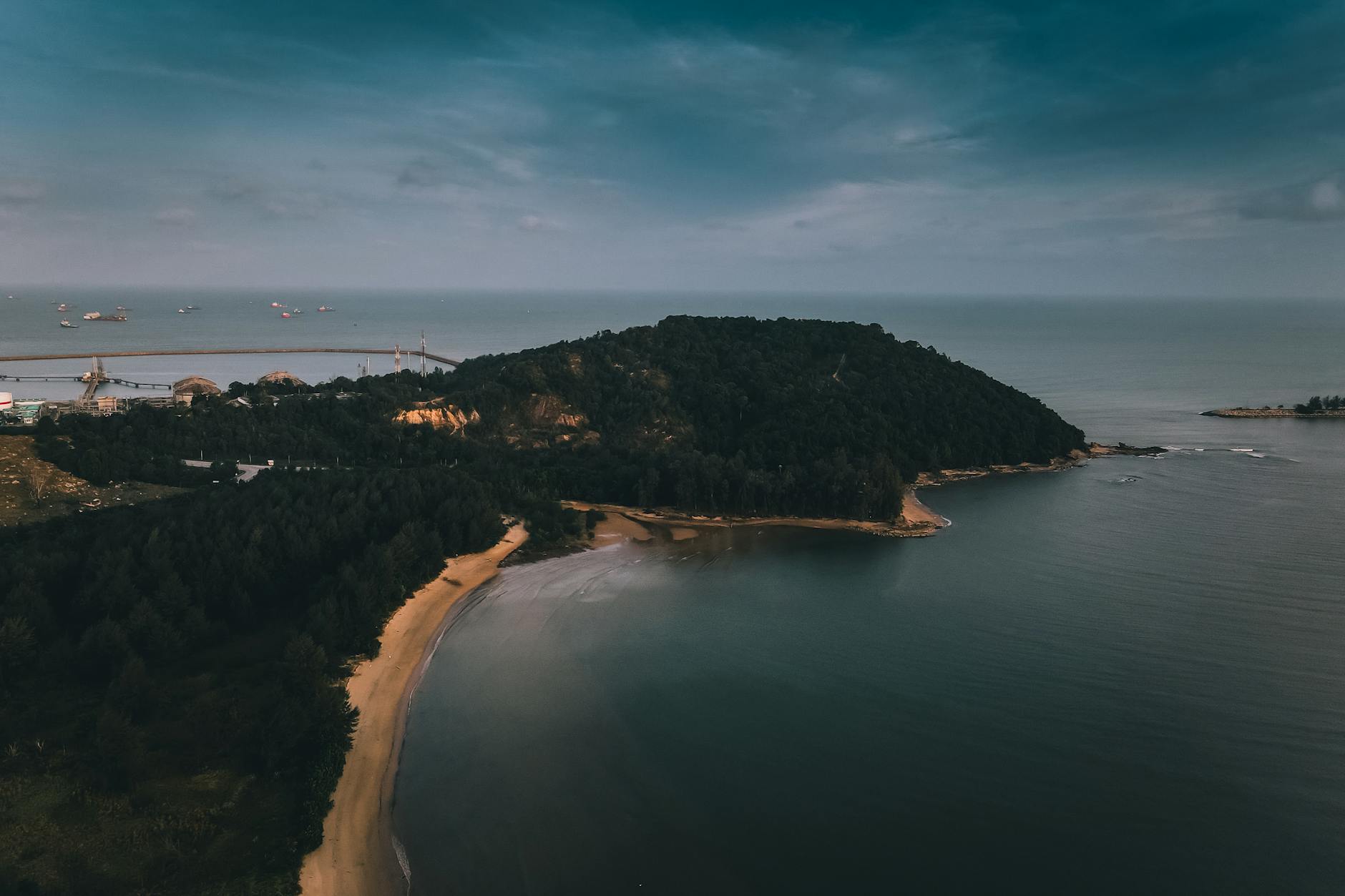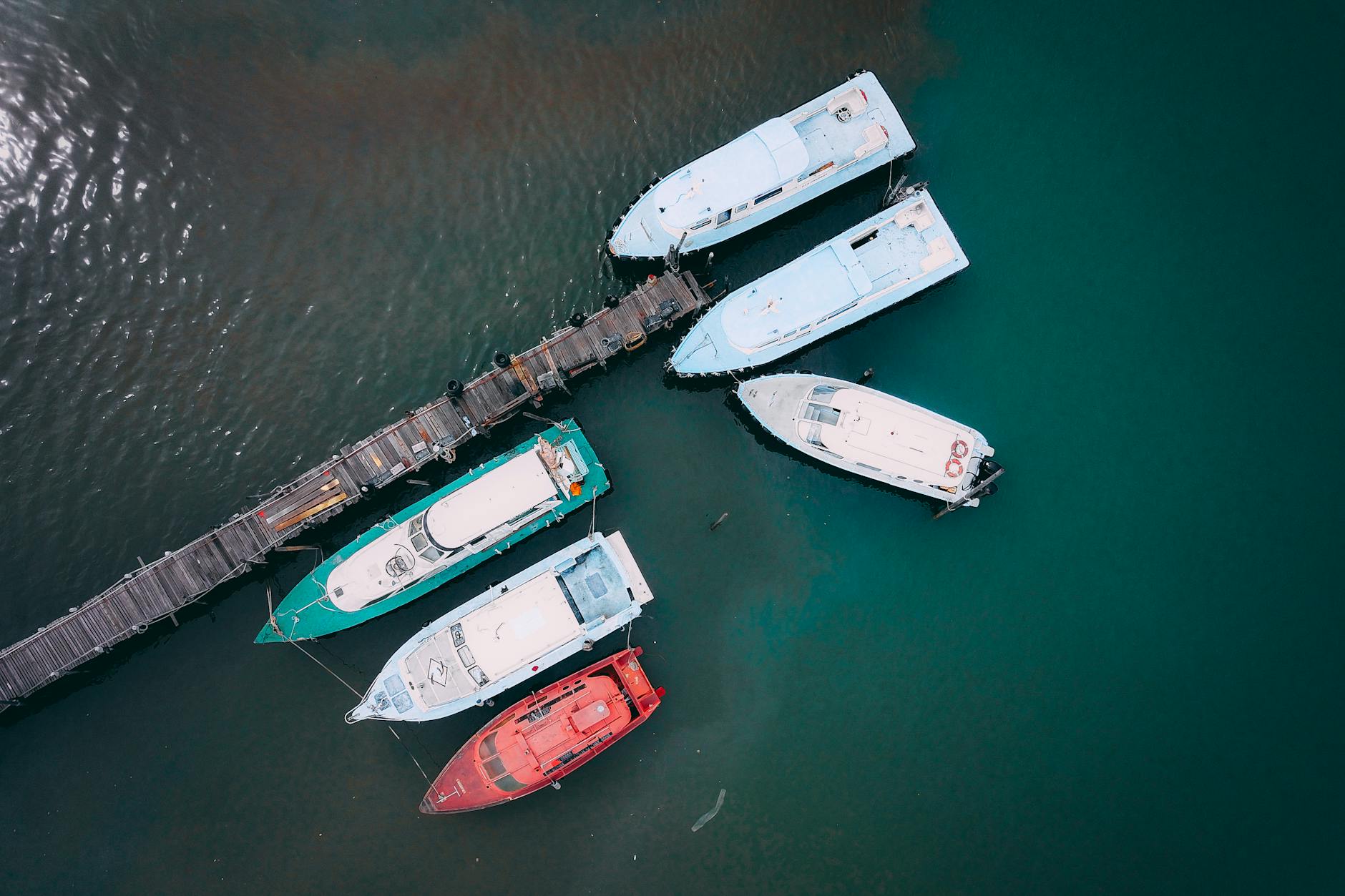
A Langkawi port call can be rewarding, but it has to be planned differently from a hotel-based island stay. The traveler may have only a few hours ashore, and the day can be shaped by docking or tender procedures, cruise line excursion timing, independent transport, weather, immigration checks, and the need to return to the ship with enough margin. The best port-call plan starts with the ship schedule and works outward. Beaches, cable-car views, mangrove boats, duty-free shopping, restaurants, and resort stops all compete for limited time. A cruise traveler should decide what is worth leaving the port area for and what should be skipped because the return risk is too high.
Build the day from the ship schedule
A port-call traveler should not start by listing attractions. The first planning question is how much usable shore time exists after docking, tendering, immigration or security, gangway queues, meeting points, and required return buffers. A nominal eight-hour call can become a much shorter independent day.
The traveler should know the all-aboard time, whether the ship docks or tenders, how far the port is from desired activities, and whether the cruise line or local operator controls the return. The shore day should be designed backward from the latest safe return.
- Confirm docking or tendering, gangway timing, immigration checks, meeting points, and all-aboard time.
- Calculate usable shore time after queues, transfers, activity time, meals, and return buffers.
- Design the day backward from the latest safe return to the ship.
Decide between ship excursions and independent movement
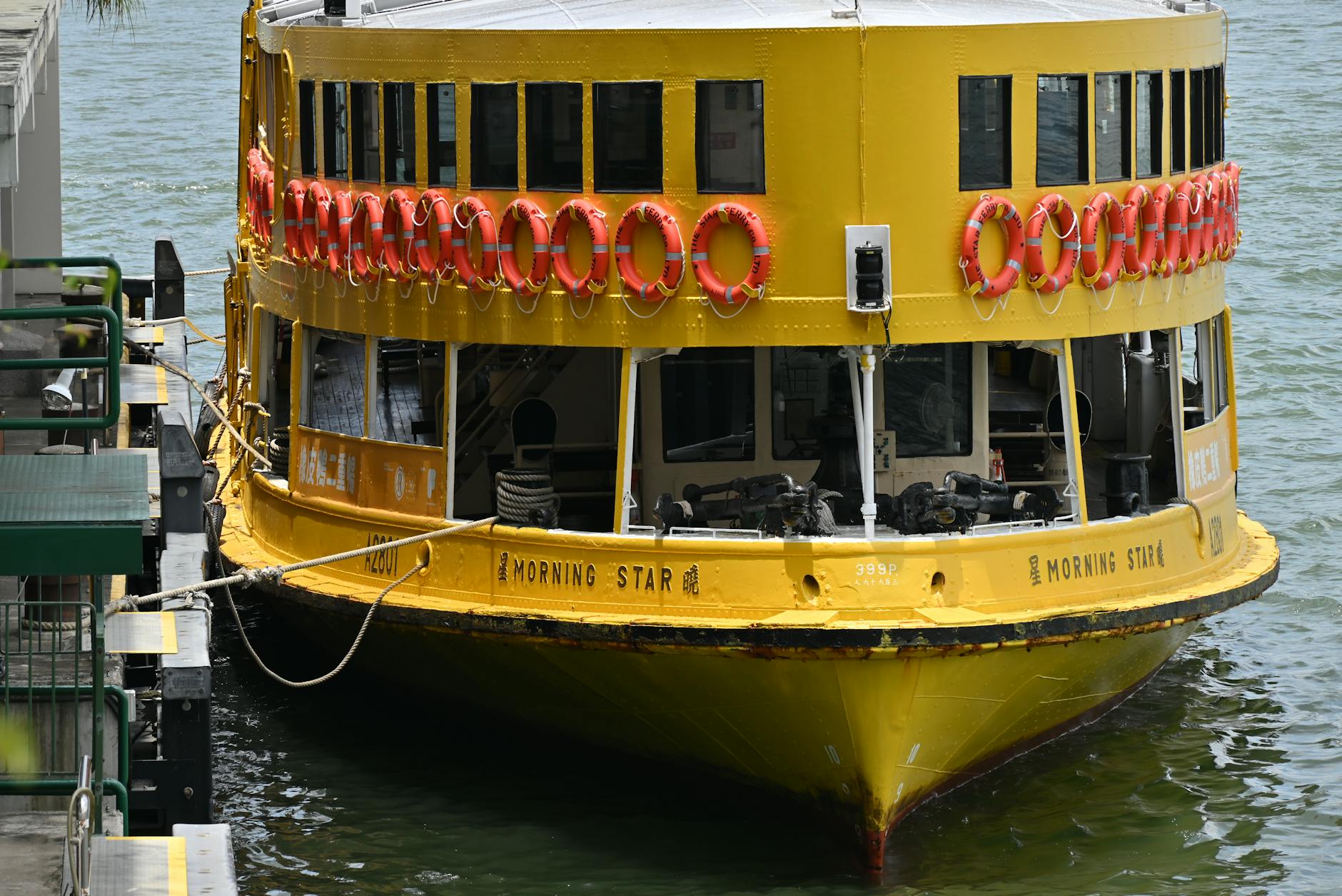
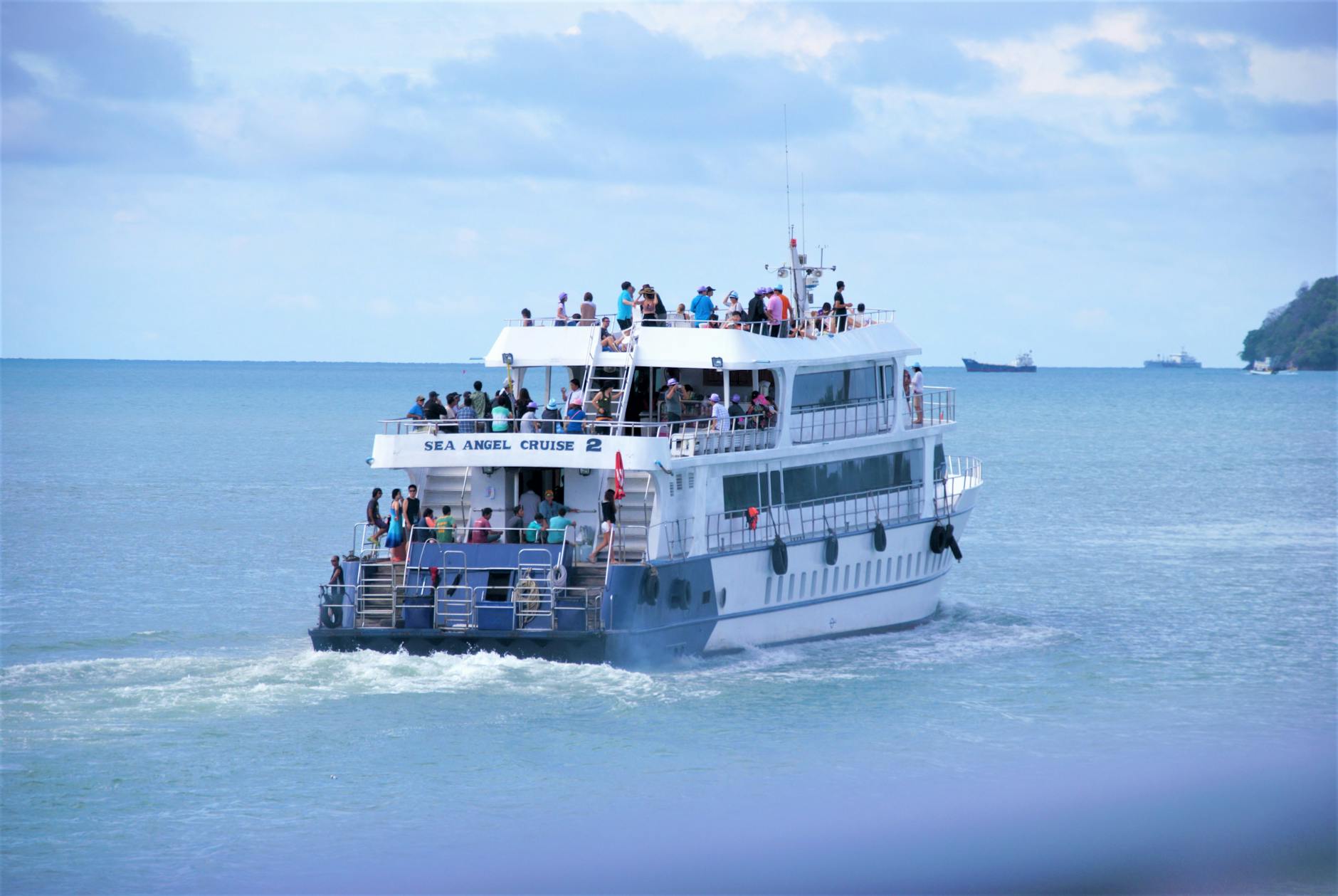
Cruise line excursions reduce return risk but can feel slower, more crowded, and less personal. Independent movement can give the traveler a cleaner beach, better meal, or more relevant activity, but it increases responsibility for timing, transport, weather decisions, and vendor reliability.
The right choice depends on confidence, group needs, mobility, language, risk tolerance, and how far the traveler wants to go. A first-time visitor with a tight call may prefer the cruise line's structure; a flexible traveler may use a private driver or local operator with clear return margins.
- Compare cruise excursions, private drivers, taxis, local tours, and independent beach or town time.
- Use ship excursions when return risk, mobility, language, or timing is the main concern.
- Use independent plans only when transport and return margins are clear.
Choose one primary shore objective
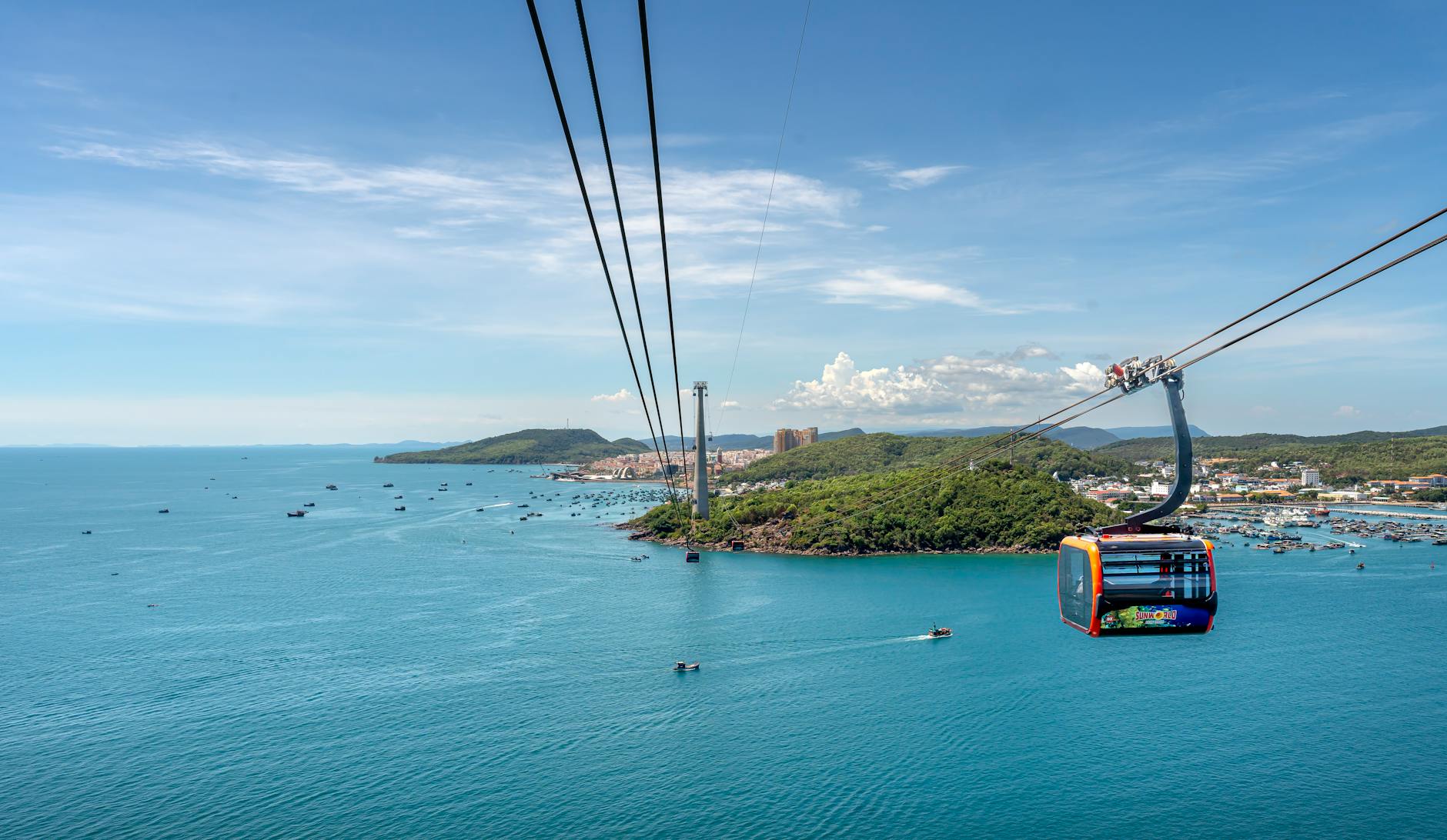
Langkawi tempts port-call travelers with too many options: beach time, cable car, SkyBridge, mangrove boats, duty-free shopping, seafood lunch, resort day passes, island tours, waterfalls, and scenic drives. A short call is usually better with one primary objective and one backup rather than an overstuffed route.
The traveler should decide whether the day is about views, water, rest, shopping, food, or light exploration. The plan becomes much stronger when every stop supports that objective rather than trying to sample the whole island.
- Pick one primary objective: beach, cable car, mangroves, shopping, food, views, or rest.
- Keep one backup option in case weather, crowds, or queues change the day.
- Avoid trying to combine distant highlights unless the port call is long and transport is controlled.
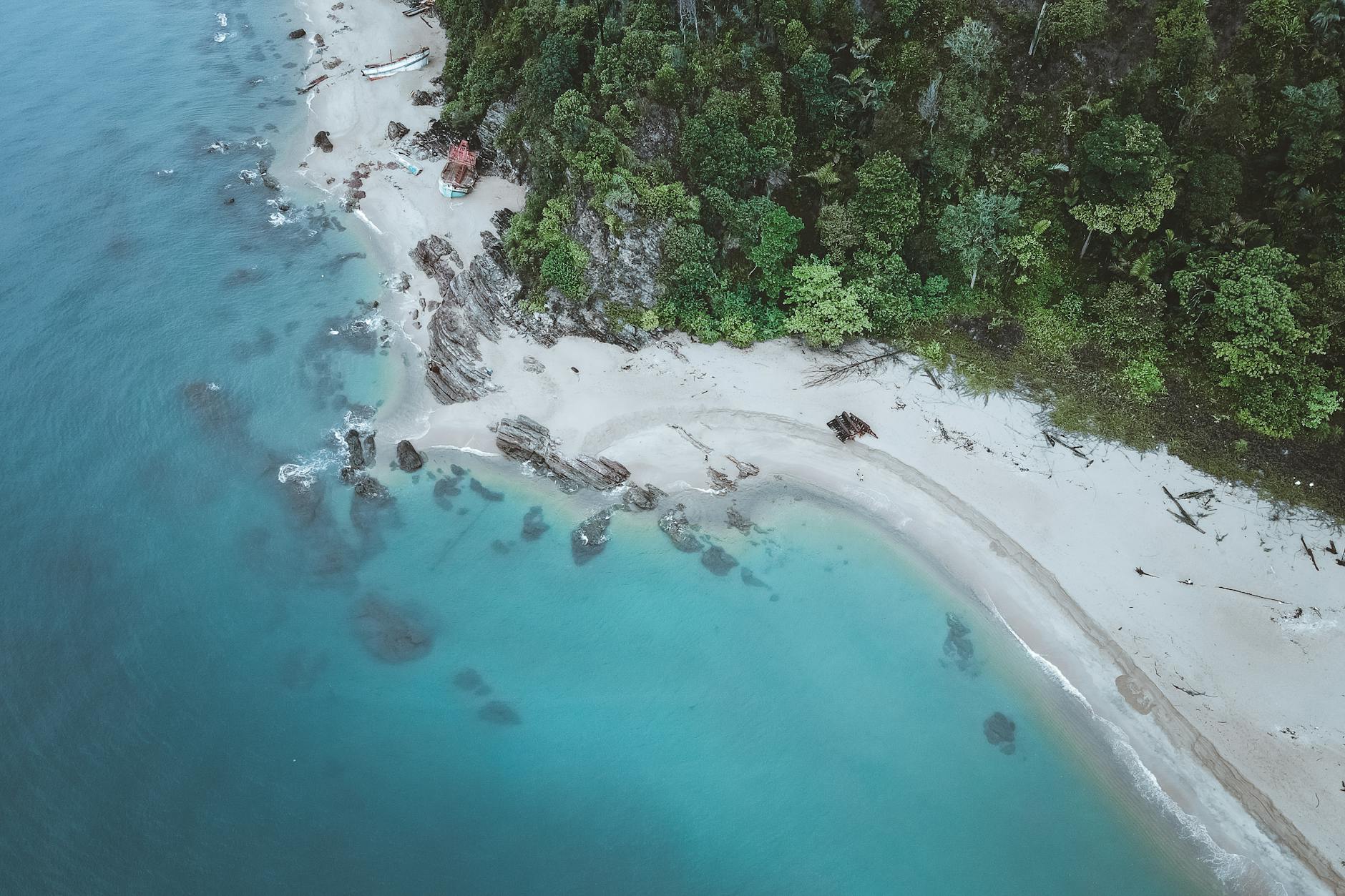
Treat weather as a return-risk issue
Rain, wind, rough water, haze, and lightning can affect Langkawi more seriously during a port call than during a hotel stay. Bad weather can slow transfers, reduce cable-car visibility, cancel boat activities, crowd indoor alternatives, and make return timing less forgiving.
The traveler should avoid plans that depend on perfect conditions and no delays. If a boat, cable car, or far beach is the anchor activity, the itinerary should include a weather-safe alternative that still leaves enough time to return.
- Check rain, wind, water conditions, haze, lightning, and visibility before committing to distant activities.
- Avoid fragile plans that depend on perfect cable-car, boat, or beach conditions.
- Keep a closer backup plan that preserves the return margin.
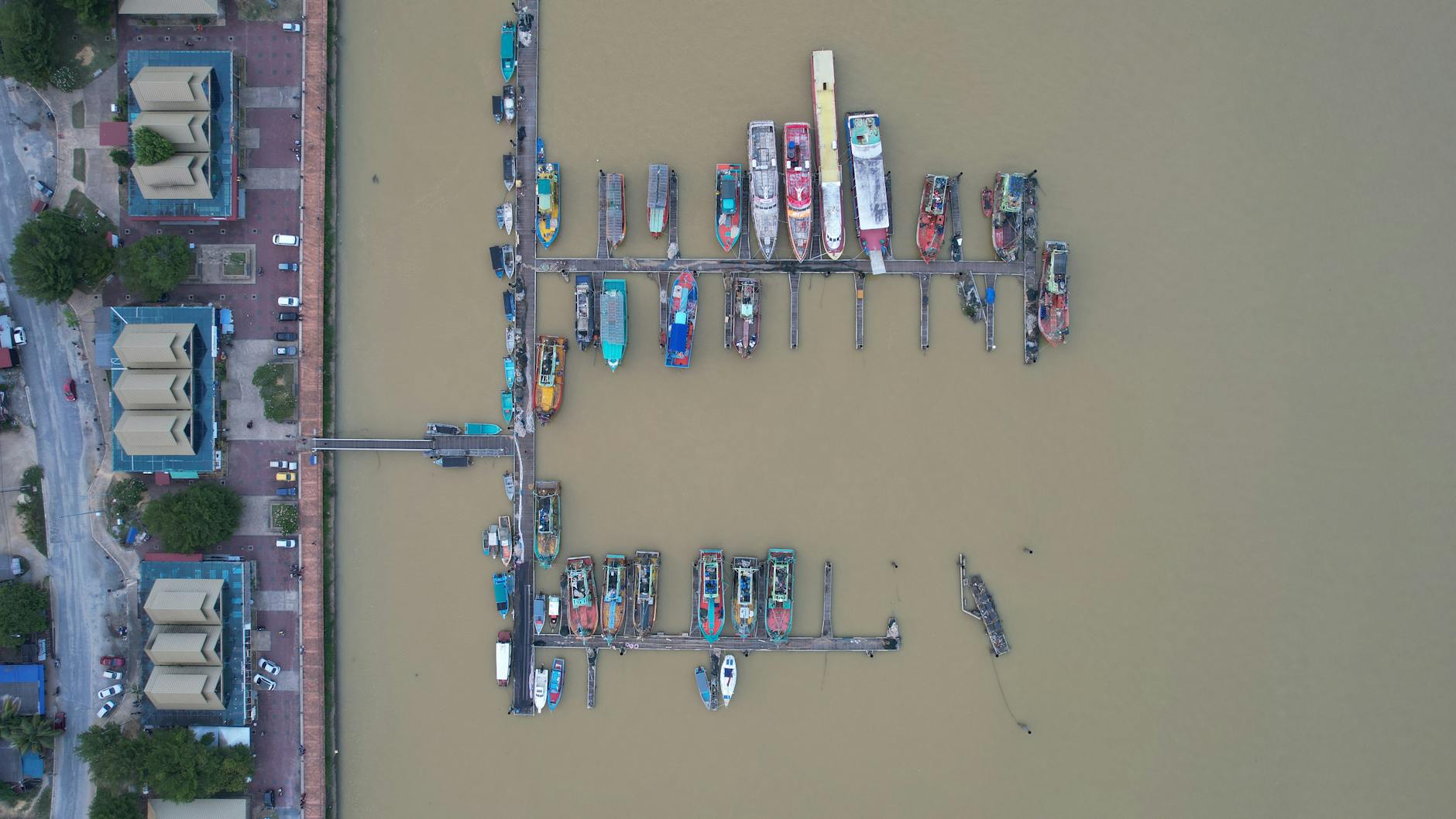
Plan mobility and comfort before leaving the ship
Port-call days can be harder than they look for older travelers, children, people with mobility limitations, or anyone sensitive to heat. Tender steps, gangways, uneven surfaces, sand, stairs, waiting areas, vans, boats, and long sun exposure can all change the day. The traveler should know the physical demands before booking.
Comfort details matter: hats, water, medication, shoes, modest clothing, swimwear, towels, sun protection, cash, cards, identification, and a way to contact the ship or operator. A short shore day leaves little time to recover from forgotten basics.
- Check tender, gangway, stairs, sand, boat, van, and walking demands before booking activities.
- Pack water, hat, shoes, sun protection, medication, ID, cash, cards, swimwear, and towel as needed.
- Choose activities that match the group's heat tolerance, mobility, and attention span.
Keep food, money, and documents simple
A cruise traveler may have limited time to solve small problems ashore. Food timing, halal context, allergies, cash needs, card acceptance, mobile data, local emergency numbers, ship card, passport or ID rules, and duty-free purchases should be understood before leaving the ship.
If the plan includes lunch, shopping, or a private driver, the traveler should know payment expectations and how much time each stop can consume. A good meal is useful only if it does not undermine the return plan.
- Confirm ID requirements, ship card, passport rules, cash, cards, mobile data, and emergency contacts.
- Plan food around halal needs, allergies, lunch timing, port distance, and return buffers.
- Limit shopping and duty-free stops so they do not quietly consume the shore day.
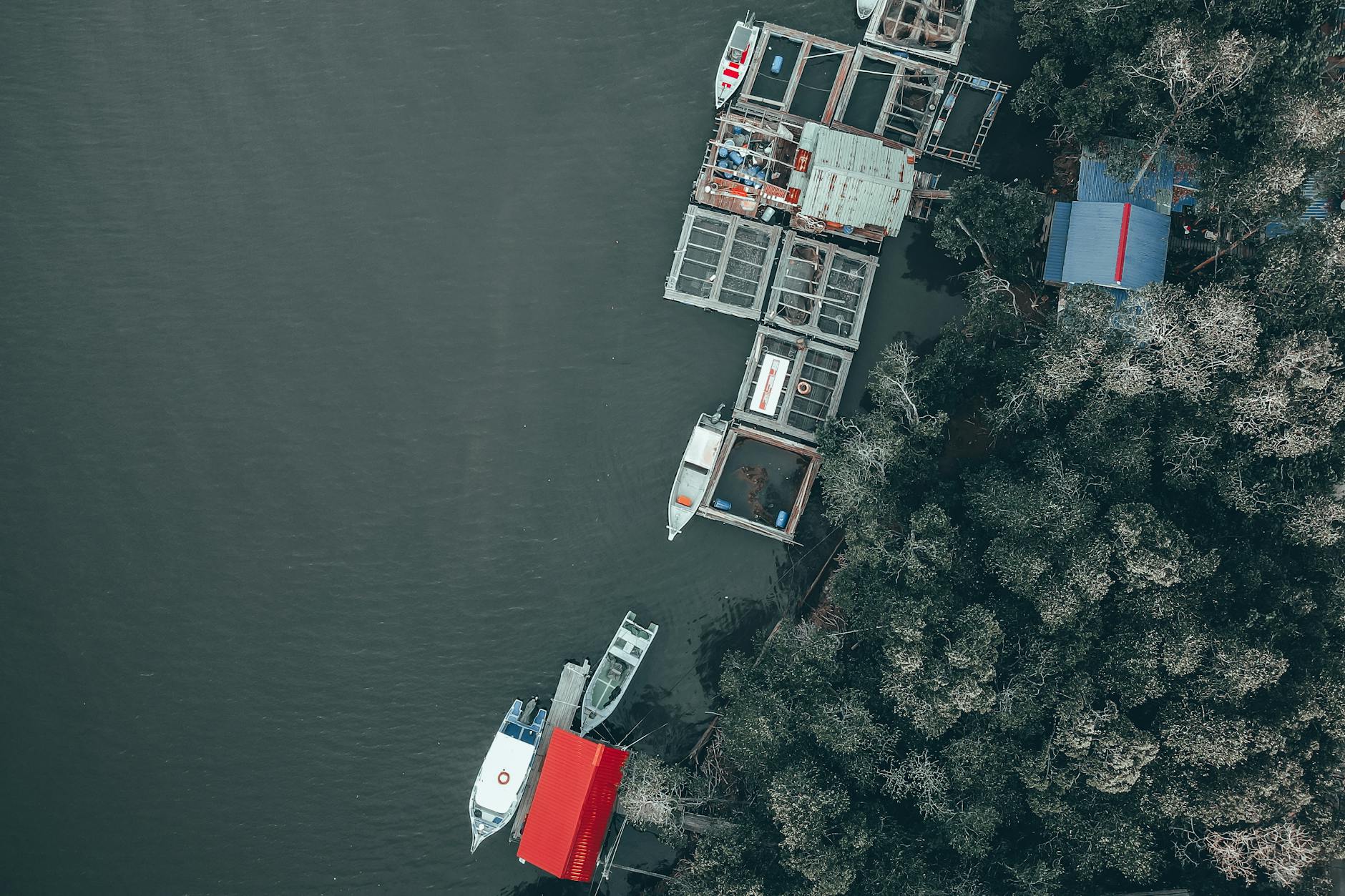
When to order a short-term travel report
A cruise traveler taking a standard ship excursion may not need a custom Langkawi report. A report becomes useful when the traveler wants independent movement, a private driver, a resort day pass, mobility support, a specific beach, cable-car timing, mangrove activity, food planning, or a shore day that must avoid return risk.
The report should test port timing, docking or tendering, shore objective, transport, weather, mobility, documentation, food, money, medical access, return buffers, budget, and what to cut. The value is a port call that feels chosen rather than rushed.
- Order when independent movement, mobility, timing, weather, transport, or return buffers need testing.
- Provide ship schedule, docking details, all-aboard time, preferred activities, mobility needs, constraints, and budget.
- Use the report to keep the Langkawi port call focused, realistic, and safely timed.