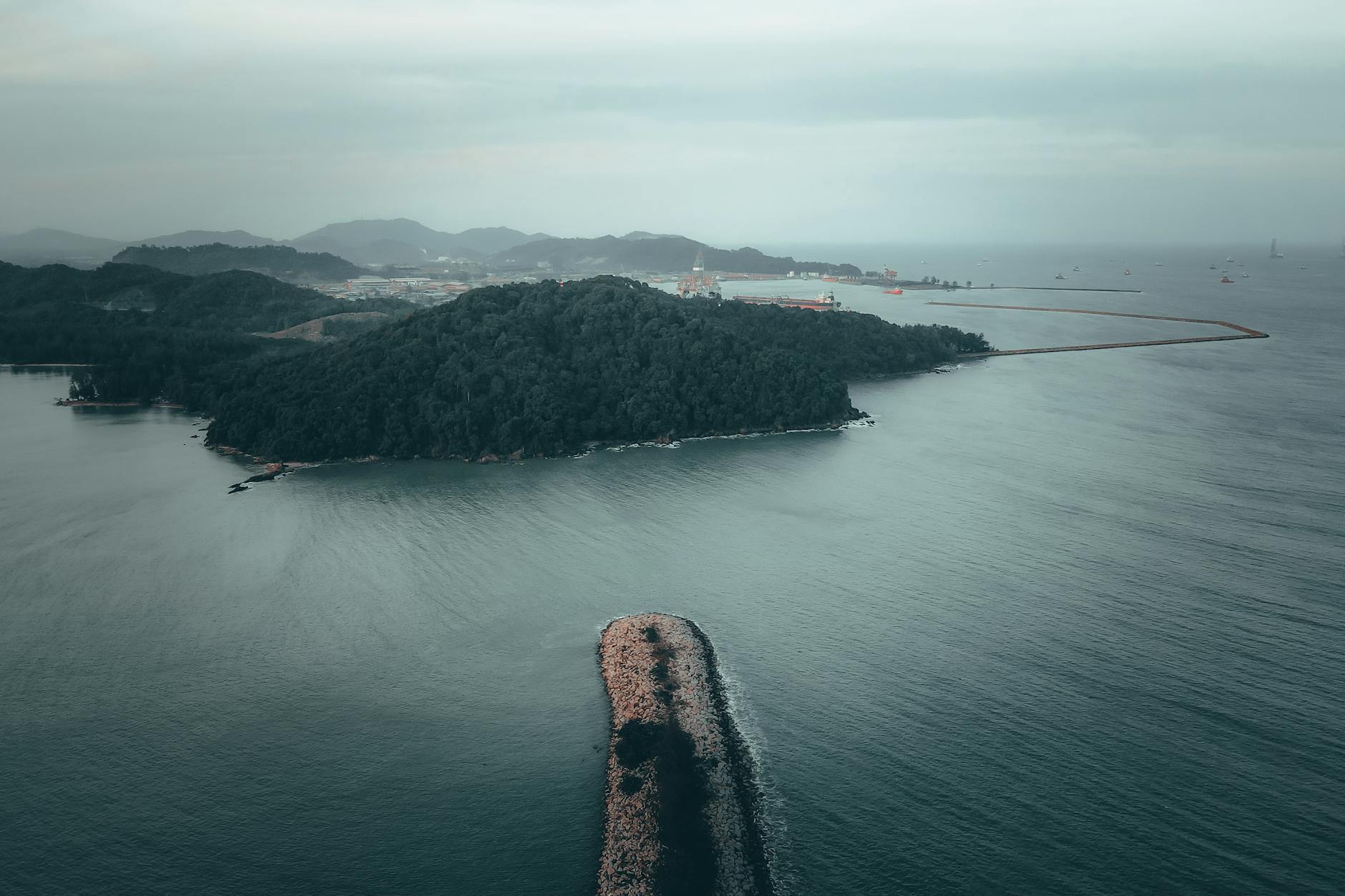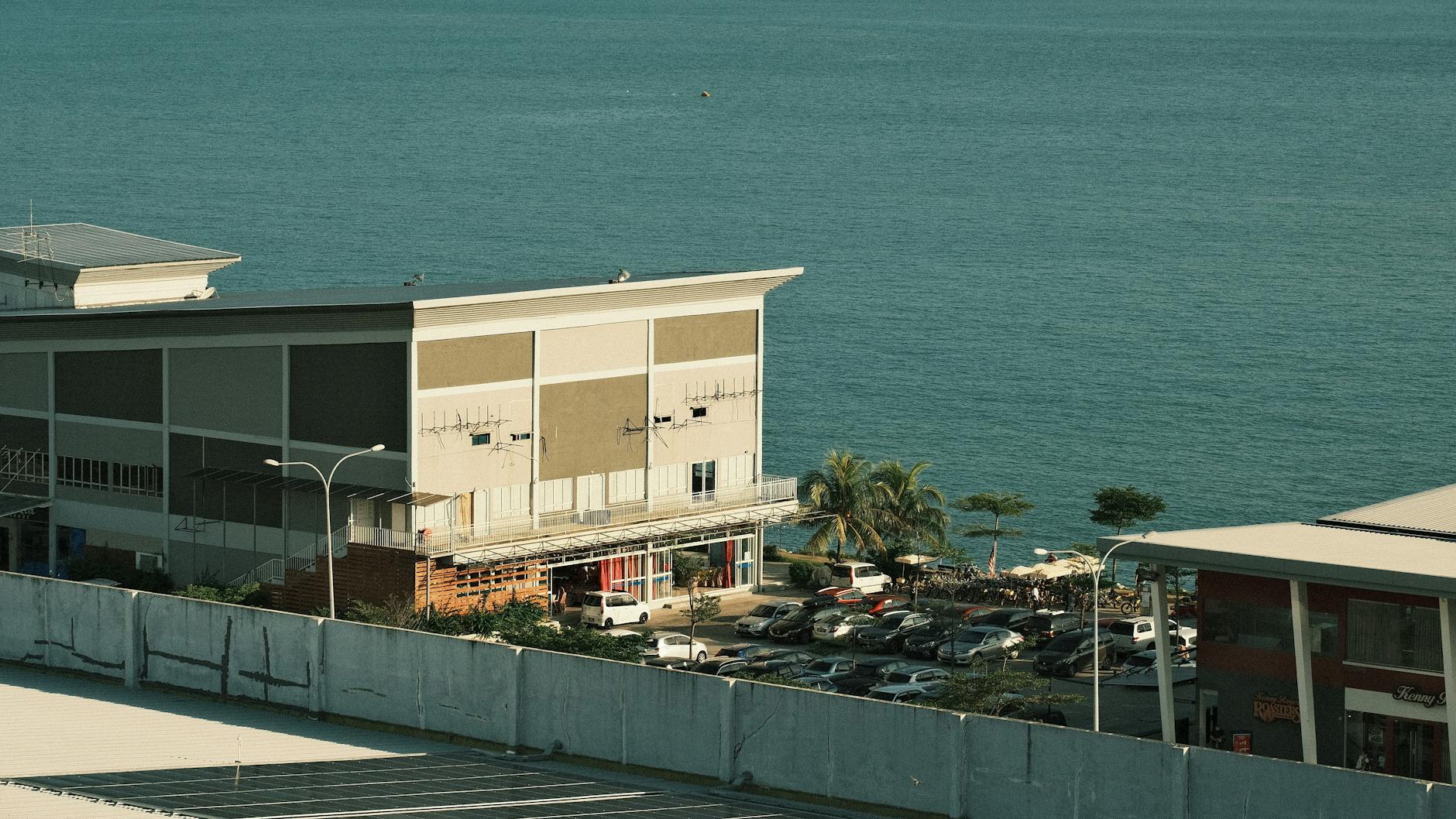
Consulting travel to Langkawi is different from consulting travel to a dense business district. The work may involve hospitality, tourism, marine services, development, events, public-sector discussions, property, operations, inspections, or leadership offsites. The island setting can make the visit feel informal, but the consultant still needs a disciplined plan for meetings, movement, documents, confidentiality, and deliverables. A short Langkawi consulting trip should be built around where the client work actually happens. A resort ballroom, back-office meeting, marina visit, property inspection, airport-side transfer, offsite dinner, and remote follow-up call each create different risks. The consultant's job is to make the trip look easy without letting island logistics make the work loose.
Map the client work before choosing the hotel
A consultant should not choose Langkawi lodging only by resort appeal. The work may sit at a client resort, government office, marina, development site, event venue, ferry-linked location, airport-side meeting, or several properties across the island. The consultant should map the actual work geography before deciding where to sleep.
If the client expects quick movement, confidential work sessions, or early starts, staying near the work may matter more than the best beach. If the engagement is an offsite or retreat, staying at the client property may be essential for access and informal conversation.
- Map client sites, meeting rooms, resorts, marinas, offices, dinners, and inspection locations.
- Choose lodging by work geography, confidentiality, and schedule, not only by scenery.
- Ask whether the engagement is resort-contained or spread across the island.
Protect arrival, first meetings, and exit timing
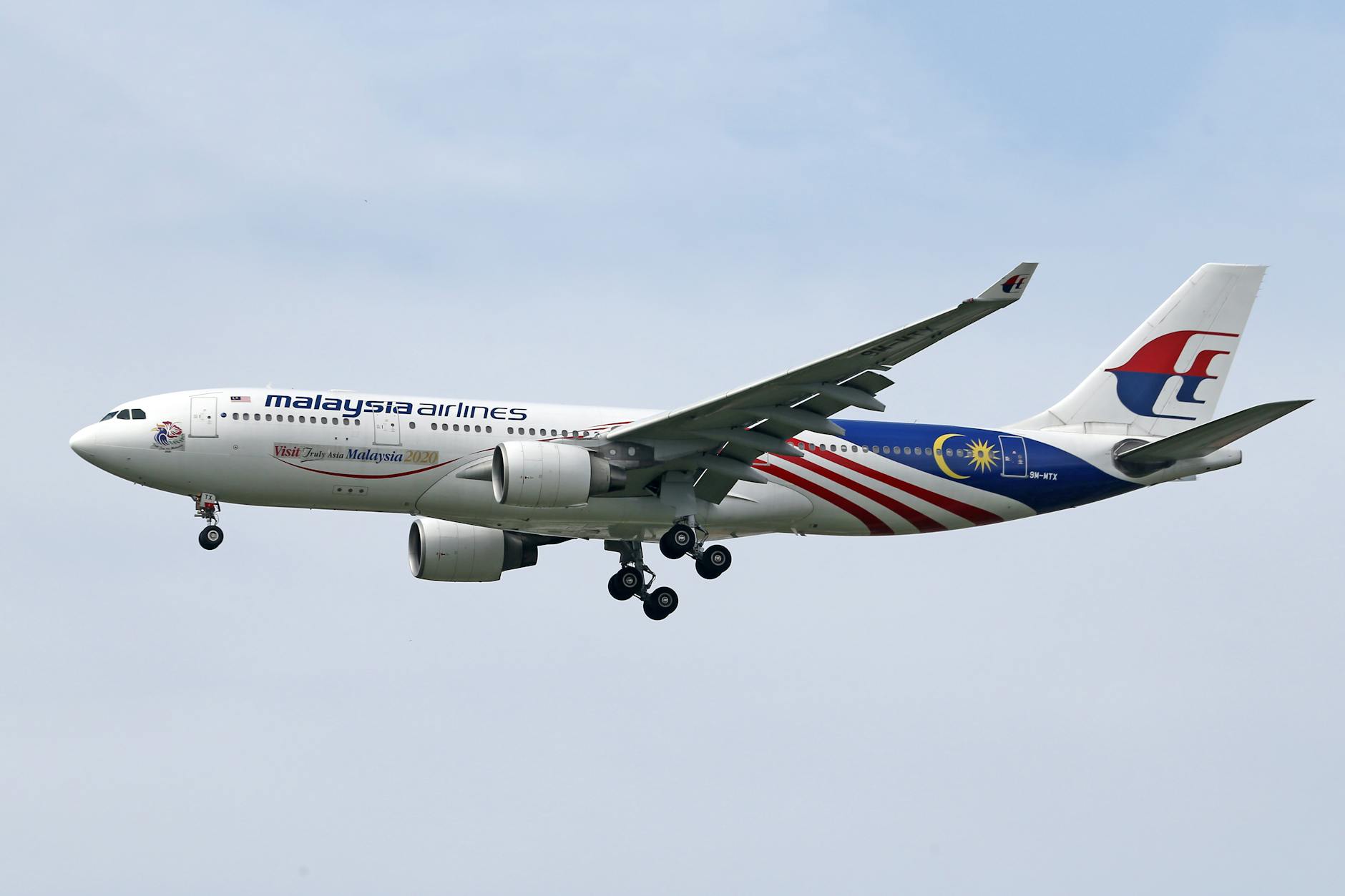
Consulting trips often fail quietly when the first day is too tight. Langkawi arrival should account for flight or ferry timing, baggage, airport transfer, hotel check-in, clothing change, document access, first-meeting location, and whether the consultant needs time to review notes before facing the client.
Departure matters as well. A final workshop, leadership debrief, or site inspection should not run into the last reliable flight or ferry without a buffer. Consultants should protect the exit before agreeing to optional client hospitality or additional meetings.
- Buffer flight or ferry arrival, baggage, transfer, check-in, clothing change, and first-meeting prep.
- Avoid scheduling critical client work immediately after fragile travel connections.
- Protect the last reliable exit before accepting optional meetings or hospitality.
Choose transport that supports professional control
The consultant should decide who controls the clock. Ride-hailing may be fine for light schedules, but dense meeting days, site inspections, sensitive documents, luggage, formal arrivals, or multiple stakeholders may require a hotel car, private driver, host pickup, or rental car. Langkawi distances and weather can make ad hoc movement look casual in the wrong way.
If the consultant is moving between resorts, marinas, offices, and dinners, pickup points and waiting rules should be clear. A client should not be watching the consultant negotiate transport when the consultant is supposed to be providing clarity.
- Match ride-hailing, hotel cars, drivers, host pickup, or rental cars to the consulting day.
- Use prearranged transport for multiple sites, formal arrivals, luggage, or confidential materials.
- Confirm pickup points, waiting rules, and return timing before client-facing movements.
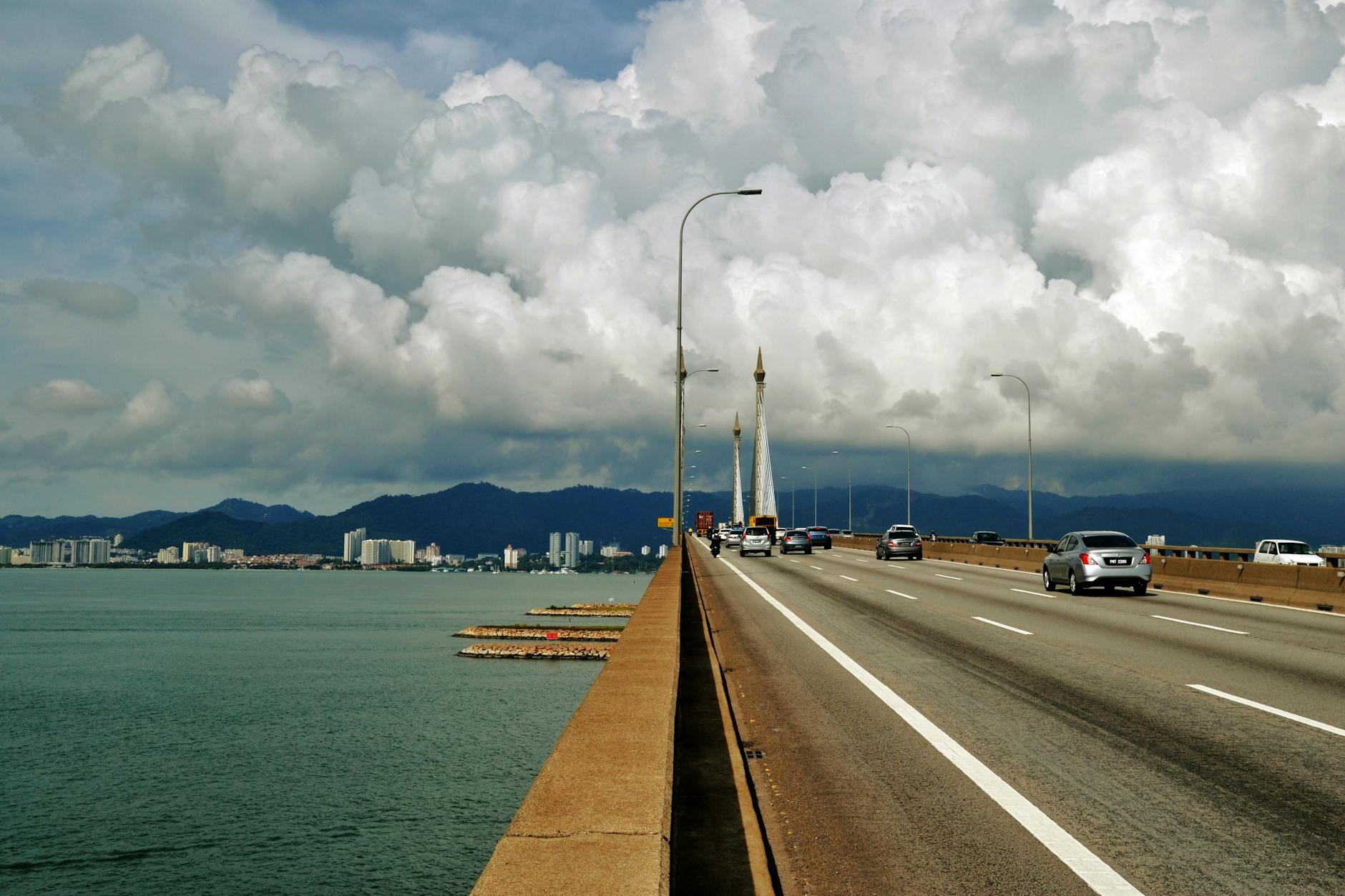
Check confidentiality and work infrastructure
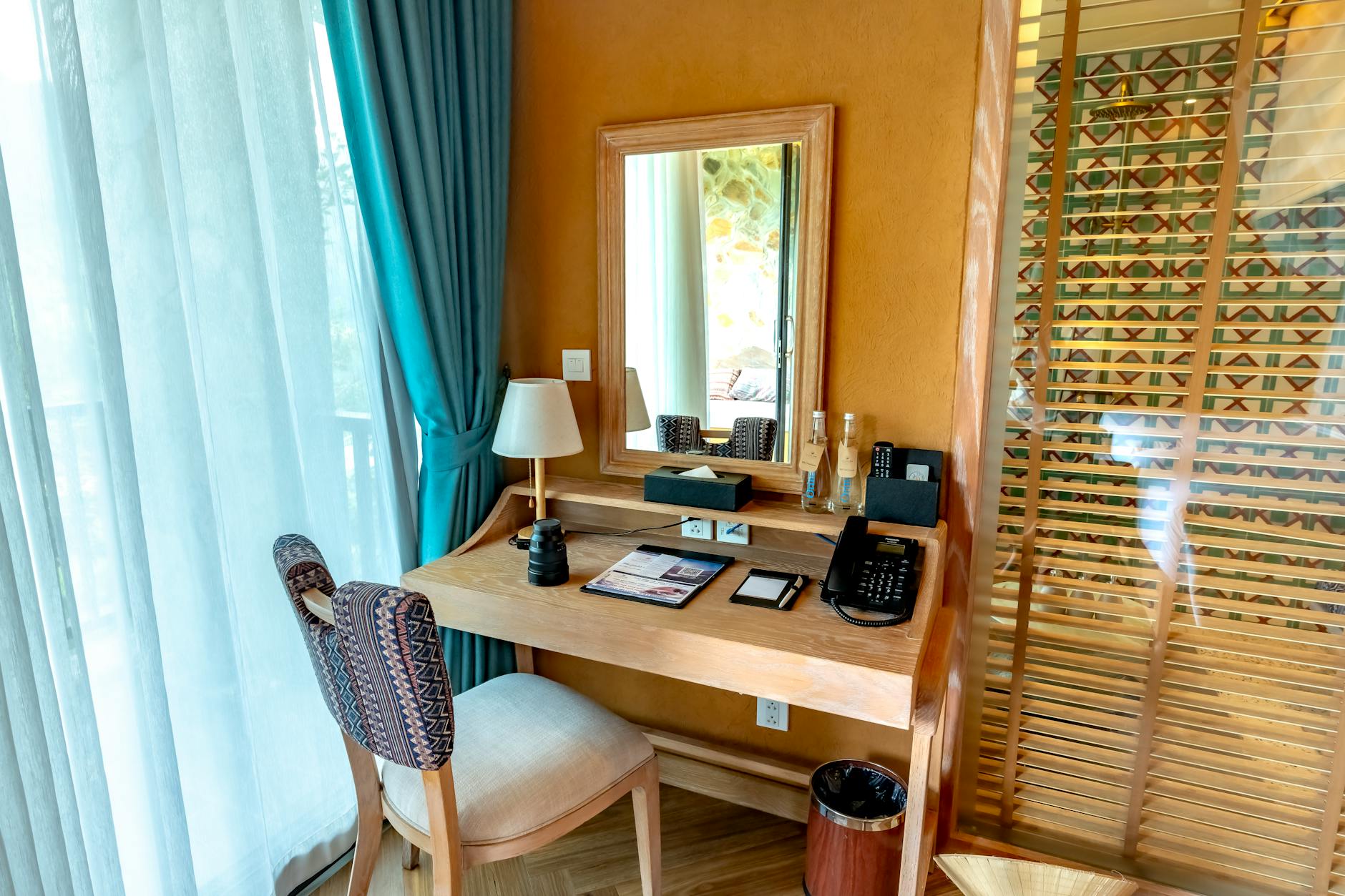
A consultant may need more than a beautiful room. Wi-Fi, mobile data, power, quiet workspace, secure calls, printing, scanning, screen sharing, file uploads, document signing, courier access, and a place to handle confidential conversations should be confirmed. Resort environments can make privacy harder if work happens in lounges, restaurants, or shared spaces.
If the engagement includes remote partners, evening deliverable work, sensitive materials, or live financial or operational data, the hotel room and meeting venue become part of the consulting infrastructure. The consultant should not discover weak connectivity after the client expects same-day output.
- Check Wi-Fi, mobile data, power, quiet workspace, printing, scanning, and screen sharing.
- Protect confidential calls, documents, file uploads, signing needs, and remote stakeholder access.
- Choose lodging that supports evening deliverable work, not only client entertainment.
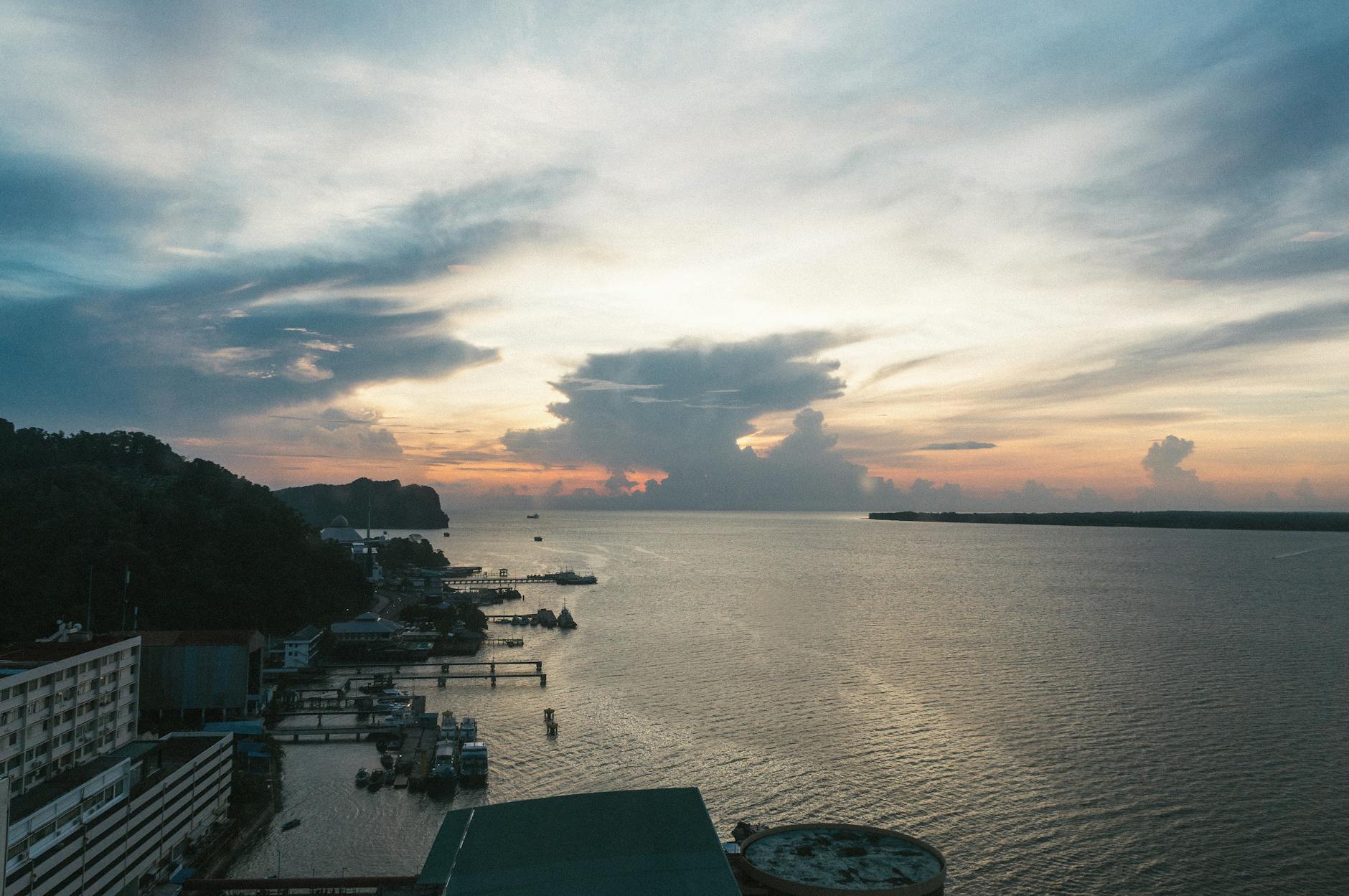
Plan for sites, weather, and dress changes
Langkawi consulting work can move between air-conditioned rooms, humid outdoor inspections, resort paths, marina edges, construction or operations sites, beach-adjacent venues, and client dinners. The consultant should know whether each block is formal, technical, executive-facing, government-facing, operational, or casual.
Weather and surface conditions should shape shoes, bags, documents, electronics, and timing. A consultant who looks polished in the meeting room but unprepared on the site visit weakens the work. The practical kit should match the client day.
- Clarify whether each meeting is formal, technical, executive-facing, government-facing, or operational.
- Pack shoes, layers, rain protection, bags, and document protection for indoor and outdoor work.
- Keep electronics and files resilient during humid transfers and site visits.
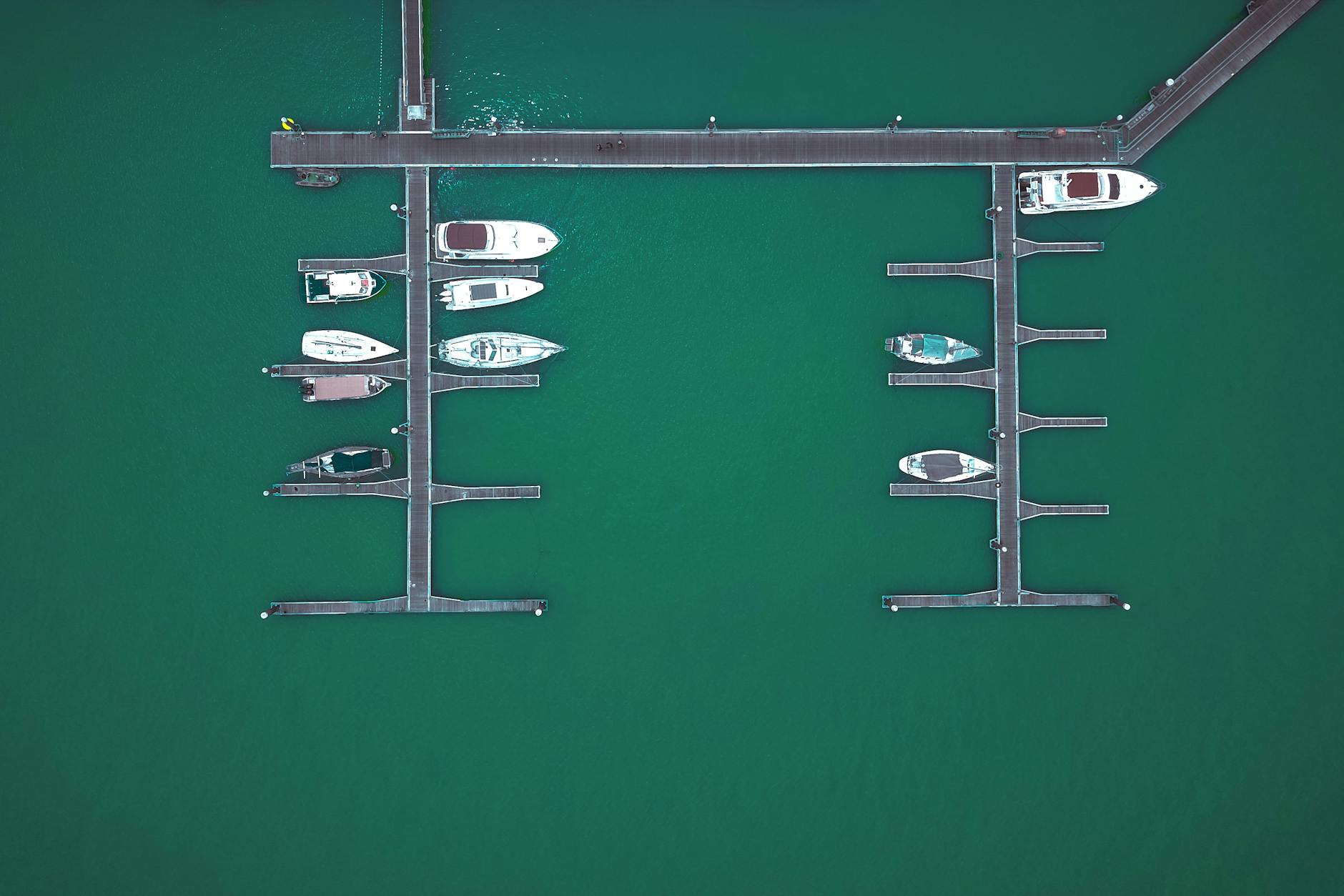
Control client hosting and deliverable rhythm
Langkawi client hosting can be valuable: resort dinners, beach meals, boat outings, property tours, golf, or informal drinks can build trust. They can also consume the time needed to synthesize notes, revise slides, prepare the next workshop, or send a same-day summary. The consultant should decide which hospitality moments support the engagement and which are optional.
Food, alcohol, halal context, dietary needs, payment protocol, guest list, transport, and return timing should be understood before the evening begins. The consultant still needs enough time after hosting to convert conversation into useful work.
- Use client hosting for trust and information, not uncontrolled schedule drift.
- Clarify food, alcohol, halal context, dietary needs, payment protocol, guests, and return transport.
- Protect time for notes, slide revisions, same-day summaries, and next-day preparation.
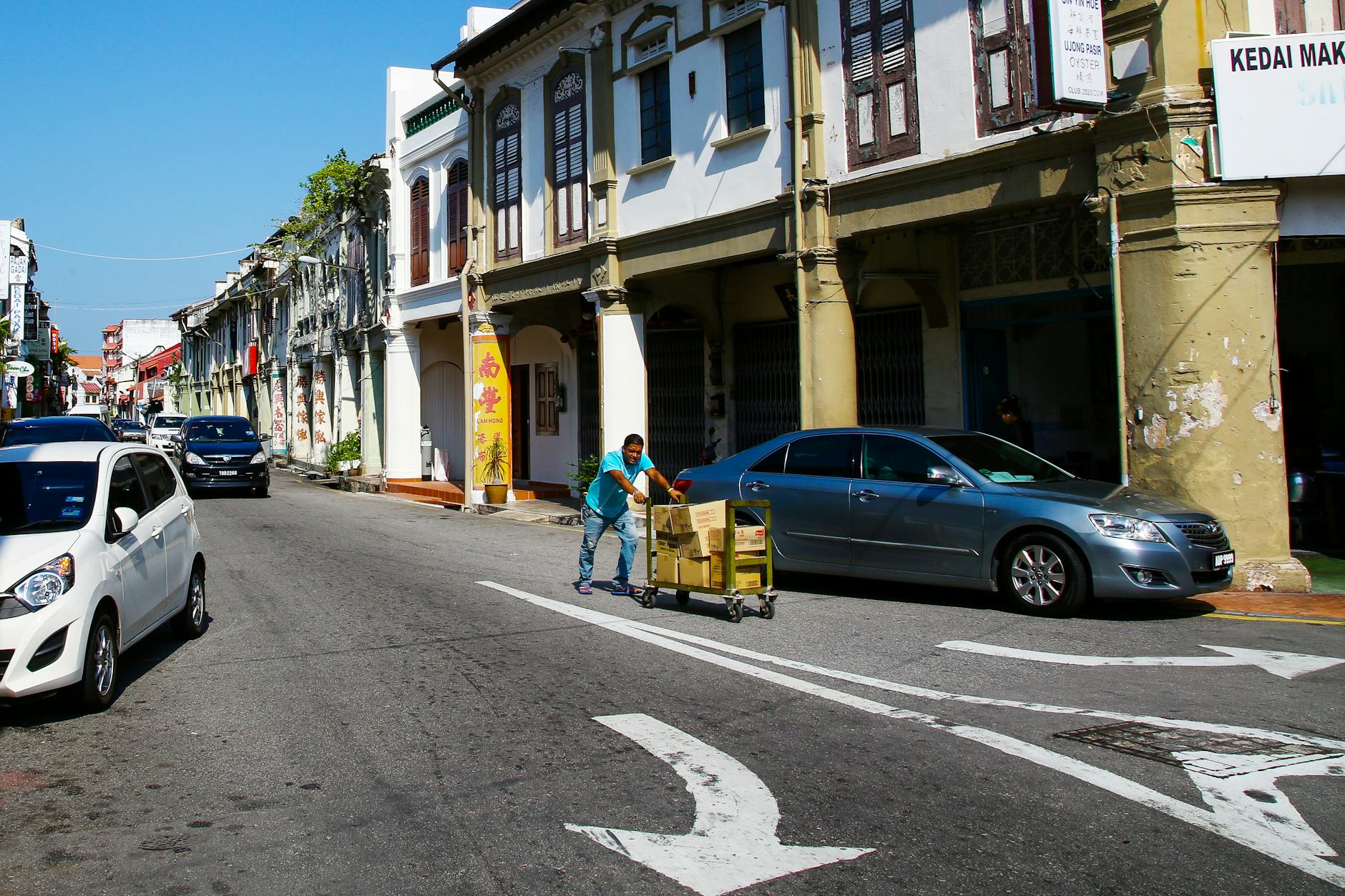
When to order a short-term travel report
A consultant with one resort-contained workshop and flexible timing may not need a custom Langkawi report. A report becomes useful when the engagement includes multiple sites, inspections, senior stakeholders, confidential work, client hosting, tight flight or ferry timing, remote deliverables, or a mix of work and leisure expectations.
The report should test client-site geography, lodging, airport or ferry timing, transport, meeting infrastructure, confidentiality, dress, weather, hosting, food, medical access, deliverable windows, budget, and what to cut. The value is a consulting trip that stays professional even when the setting feels relaxed.
- Order when site geography, transport, confidentiality, hosting, deliverables, or tight exits need testing.
- Provide dates, client locations, lodging options, flight or ferry details, meeting obligations, constraints, and budget.
- Use the report to keep the Langkawi consulting visit polished, credible, and realistic.