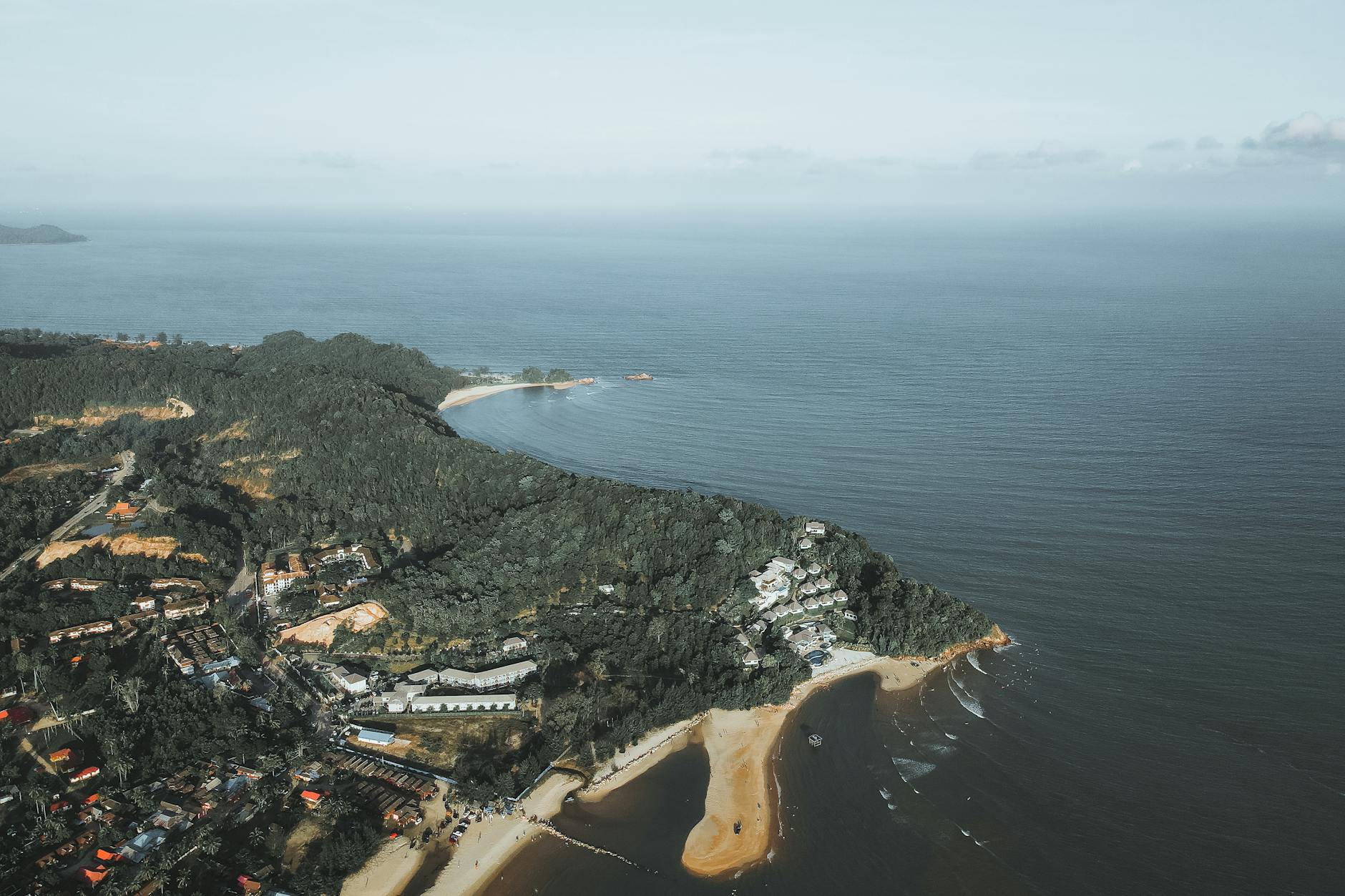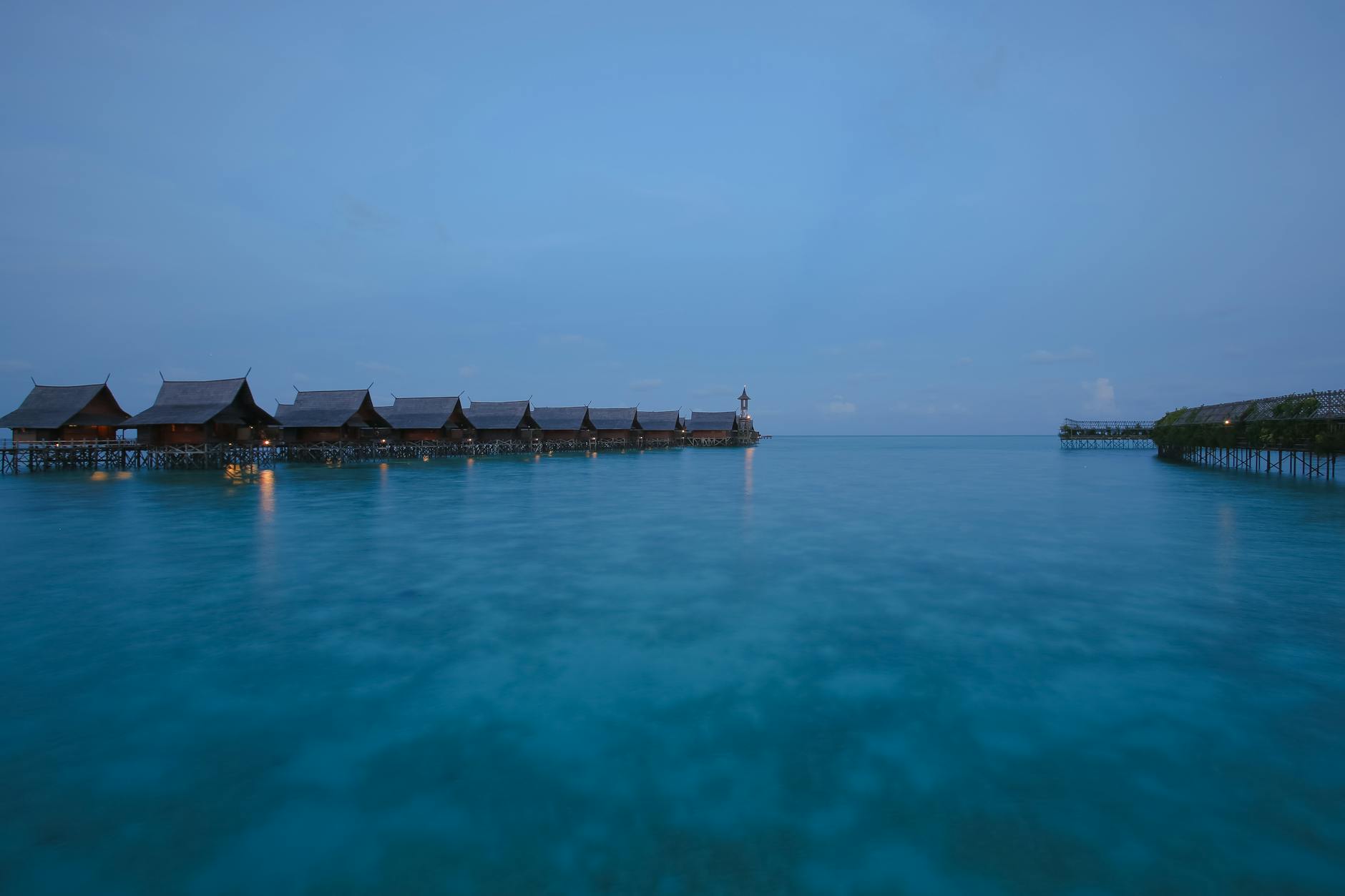
Langkawi conference travel can look easy because many events are hosted in resort or hotel environments. That can be true when the attendee stays at the event property and has a light schedule. It becomes more complicated when the trip includes offsite lodging, tight arrivals, presentation duties, networking dinners, sponsor meetings, excursions, ferry links, or a desire to add leisure time around the event. A short conference trip to Langkawi should be planned like an event trip first and an island trip second. The attendee needs to know where sessions happen, how arrival and departure affect obligations, what the venue can support, how transport works after receptions, and which leisure additions are realistic without weakening the reason for traveling.
Understand whether the event is resort-contained
A Langkawi conference may be held in a resort ballroom, conference hotel, beach-adjacent event space, marina-linked venue, or program that spreads sessions, receptions, and excursions across several sites. The attendee should not assume that an island venue means everything is close. A ten-minute shuttle, a twenty-five-minute ride, and an evening return from a remote dinner each feel different during a dense conference day.
The first decision is whether to stay at the event venue. Offsite lodging may be cheaper or more appealing, but it can reduce access to early breakfasts, hallway conversations, evening receptions, and quick room breaks between sessions.
- Map sessions, registration, receptions, sponsor events, meals, excursions, and offsite dinners.
- Decide whether offsite lodging is worth the transport time and networking loss.
- Ask if the event is truly contained at one resort or distributed across the island.
Protect registration and first obligations from arrival risk
Langkawi arrivals can be straightforward by air, but conference travelers should still plan around flight timing, ferry dependencies, luggage, hotel transfer, check-in, badge pickup, and first-session obligations. A delayed bag or late room can matter when the traveler needs formal clothing, slides, samples, business cards, or a calm start.
If the attendee is speaking, moderating, exhibiting, chairing, or meeting clients, arrival should include more buffer than a leisure trip. The weakest plan is arriving just before the obligation that justifies the trip.
- Buffer flights, ferries, luggage, transfer, hotel check-in, badge pickup, and first-session timing.
- Avoid landing just before a talk, panel, exhibition setup, client meeting, or sponsor event.
- Carry critical clothing, devices, files, and materials in hand luggage where possible.
Check the venue's work infrastructure
A resort setting can conceal weak conference infrastructure until the attendee needs it. Wi-Fi, mobile data, power, printing, badge changes, translation, microphones, screens, adapters, hybrid meeting support, quiet call space, courier access, and staff responsiveness all matter. The attendee should confirm what the venue supplies and what must be carried.
Exhibitors, speakers, sales teams, researchers, and association staff should be especially cautious. A beautiful event venue is not enough if it cannot support file uploads, last-minute slide changes, booth materials, remote calls, or confidential follow-up work.
- Check Wi-Fi, mobile data, power, printing, screens, adapters, microphones, and call space.
- Confirm booth, speaker, sponsor, or hybrid-meeting requirements before travel.
- Carry backups for slides, files, chargers, adapters, badges, and contact lists.
Plan clothing for event rooms and island conditions
Langkawi conference clothing often has to handle air-conditioned meeting rooms, humid outdoor paths, resort receptions, beach-adjacent dinners, boats, excursions, rain, and long walks between event spaces. The attendee should know whether the event tone is academic, corporate, association, incentive, government-facing, technical, or informal.
Shoes matter as much as jackets. Wet surfaces, resort paths, stairs, grass, docks, and shuttle boarding can all become part of the conference day. A traveler who packs only for the ballroom may be uncomfortable as soon as the program moves outside.
- Pack for meeting rooms, humidity, rain, outdoor paths, receptions, and excursions.
- Clarify whether the event tone is corporate, academic, technical, government-facing, or casual.
- Choose shoes and layers that work across resort, shuttle, dinner, and boat settings.
Use leisure add-ons without damaging the event
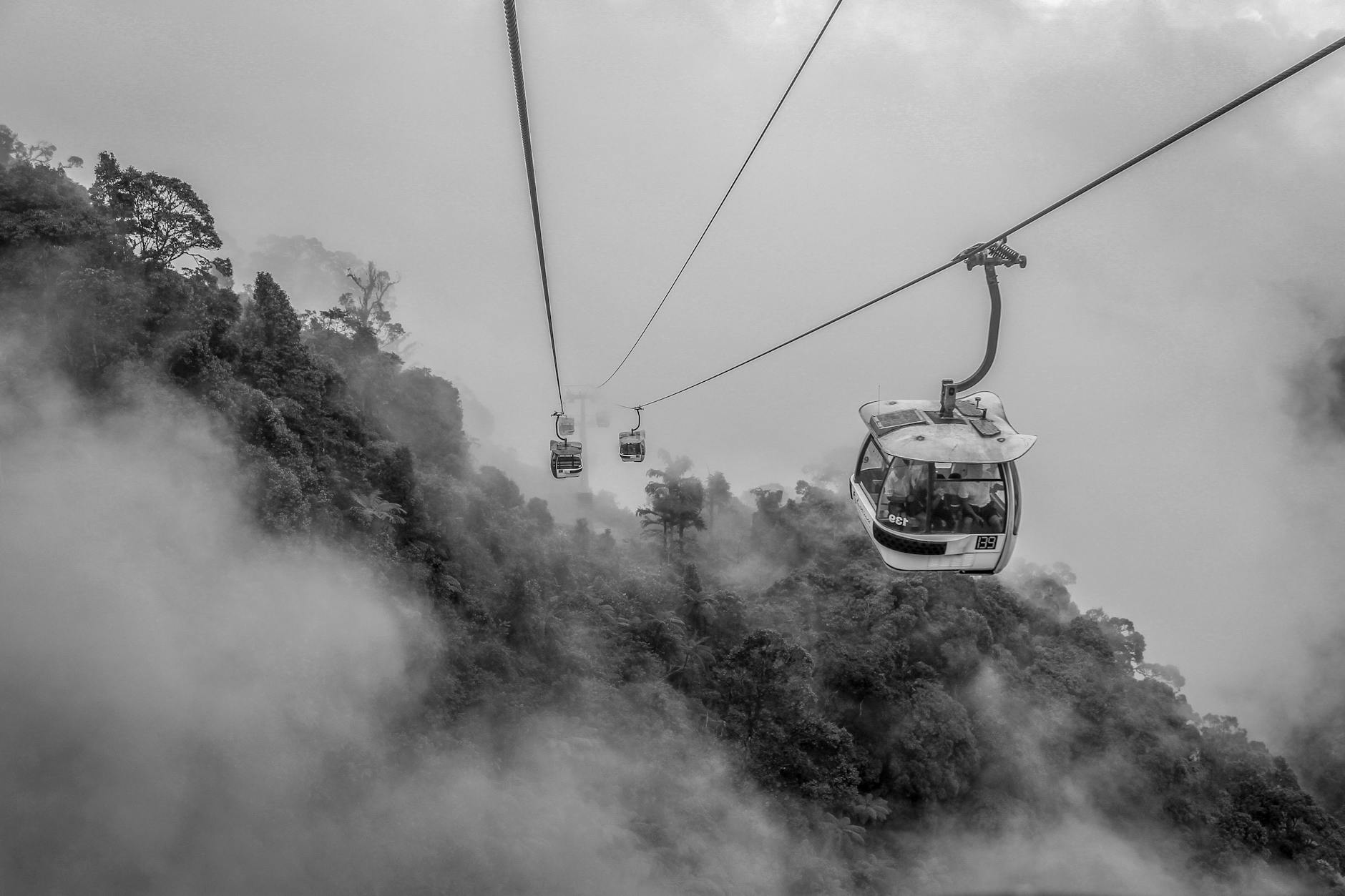
Langkawi makes it tempting to add cable car visits, island hopping, mangrove trips, beaches, spas, golf, or boat dinners around the conference. These can be worthwhile if they are placed carefully. They become a problem when they interfere with registration, presentation prep, sponsor meetings, networking, rest, or the departure plan.
The attendee should identify the event-critical blocks first and then add leisure. Weather-sensitive activities should not be placed where a cancellation would create pressure to force them into a more important conference window.
- Protect conference-critical sessions, meetings, setup, and rest before adding leisure.
- Place cable car, boat, beach, spa, golf, or mangrove plans in realistic open blocks.
- Avoid moving canceled leisure activities into time needed for the event purpose.
Handle networking, meals, and late returns deliberately
Conference value often comes from informal conversations: breakfast meetings, hallway introductions, sponsor dinners, beach receptions, late debriefs, and small-group meals. In Langkawi, those moments may happen inside a resort, at a beach restaurant, on a boat, or at another property. Transport and return planning should be part of the networking plan.
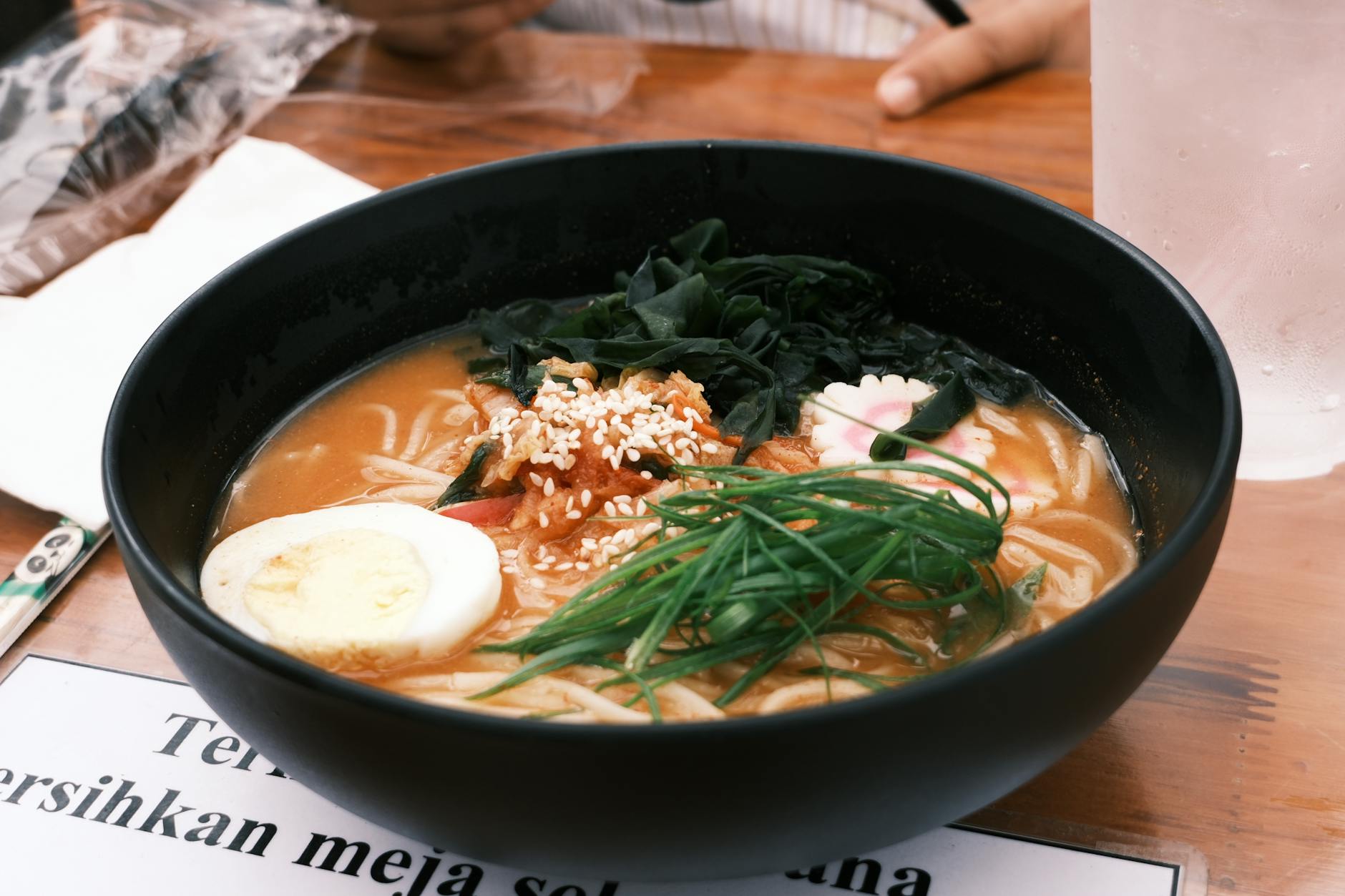
Food and hosting details also matter. Halal context, alcohol expectations, dietary restrictions, seafood comfort, payment protocol, guest lists, dress, and whether spouses or colleagues are included should be understood before the evening begins.
- Plan transport for receptions, sponsor dinners, offsite meals, and late returns.
- Clarify halal context, alcohol, dietary restrictions, seafood, payment protocol, dress, and guest lists.
- Leave time after networking for notes, follow-up, sleep, and next-day obligations.
When to order a short-term travel report
A conference attendee staying at the event resort with a flexible agenda may not need a custom Langkawi report. A report becomes useful when the traveler is speaking, exhibiting, hosting clients, staying offsite, moving between venues, adding leisure, managing dietary or medical constraints, or working with tight flight or ferry timing.
The report should test venue geography, lodging, arrival, airport or ferry timing, presentation logistics, transport, work infrastructure, dress, networking, meals, leisure add-ons, weather, budget, and what to cut. The value is a conference trip that performs as a business or professional trip rather than drifting into island improvisation.
- Order when venue geography, offsite lodging, speaking duties, exhibiting, hosting, or tight timing need testing.
- Provide dates, venue, lodging options, flight or ferry plans, obligations, meetings, constraints, and budget.
- Use the report to keep the Langkawi conference trip professional, practical, and well-buffered.