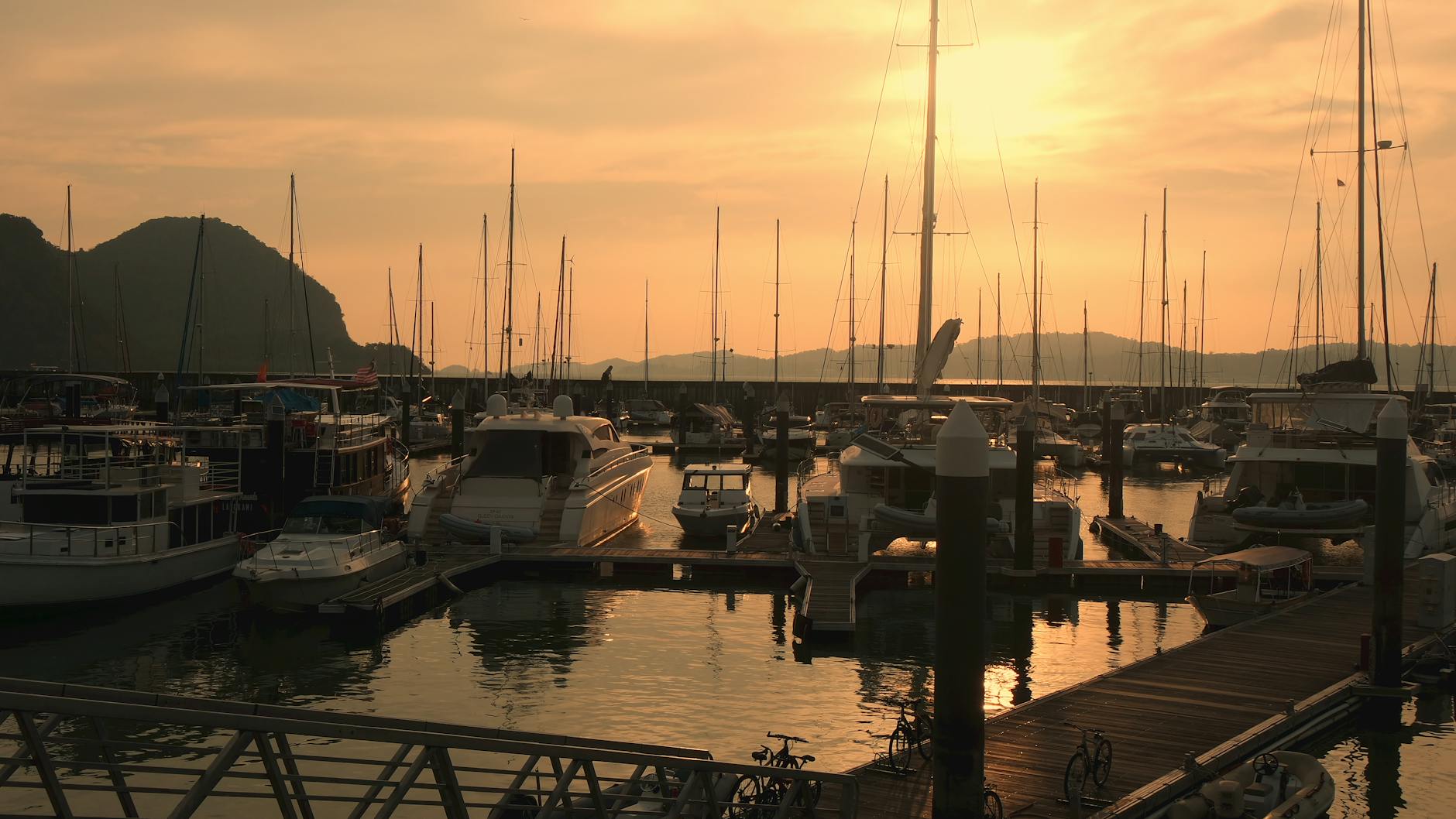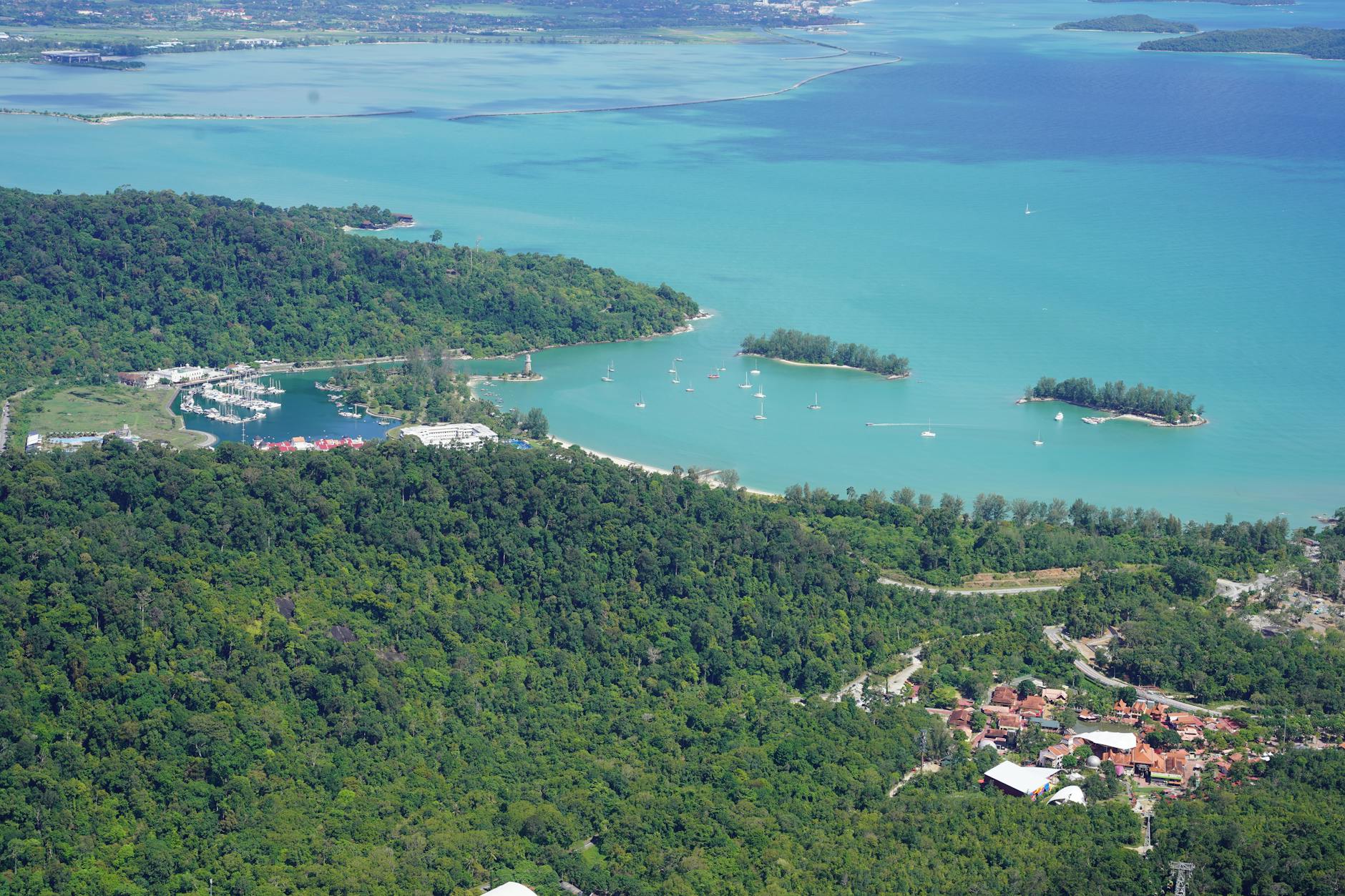
Langkawi business travel is different from business travel in a major city. Meetings may be tied to resorts, tourism, hospitality, marine services, events, real estate, government or development discussions, supplier visits, inspections, or incentive travel. The island setting can make a trip feel relaxed, but the logistics still need discipline. A short business visit should be built around where the actual work happens: airport, resort, marina, ferry point, office, construction or inspection site, client dinner, or event venue. The traveler needs to plan transport, weather, connectivity, dress, meeting formality, hosting expectations, and exit timing before assuming an island trip will be easy.
Confirm where the business actually happens
Langkawi business can be concentrated in a resort ballroom, spread across hospitality sites, tied to a marina, connected to a government meeting, or centered on property, tourism, supply, or event inspections. The island label hides meaningful distance and coordination issues. A meeting at the airport side, a beach resort, a ferry-linked site, and a remote inspection are not interchangeable.
The visitor should map every meeting, dinner, site visit, and transfer before choosing lodging. Staying at the nicest property may be inefficient if the work sits elsewhere or if multiple stakeholders expect the traveler to move across the island in one day.
- Map meetings, resorts, marinas, offices, ferry points, inspection sites, and dinners before booking.
- Choose lodging by work geography, not only by resort appeal.
- Ask whether the trip is resort-contained or requires multiple island movements.
Treat airport, ferry, and road timing as business risk
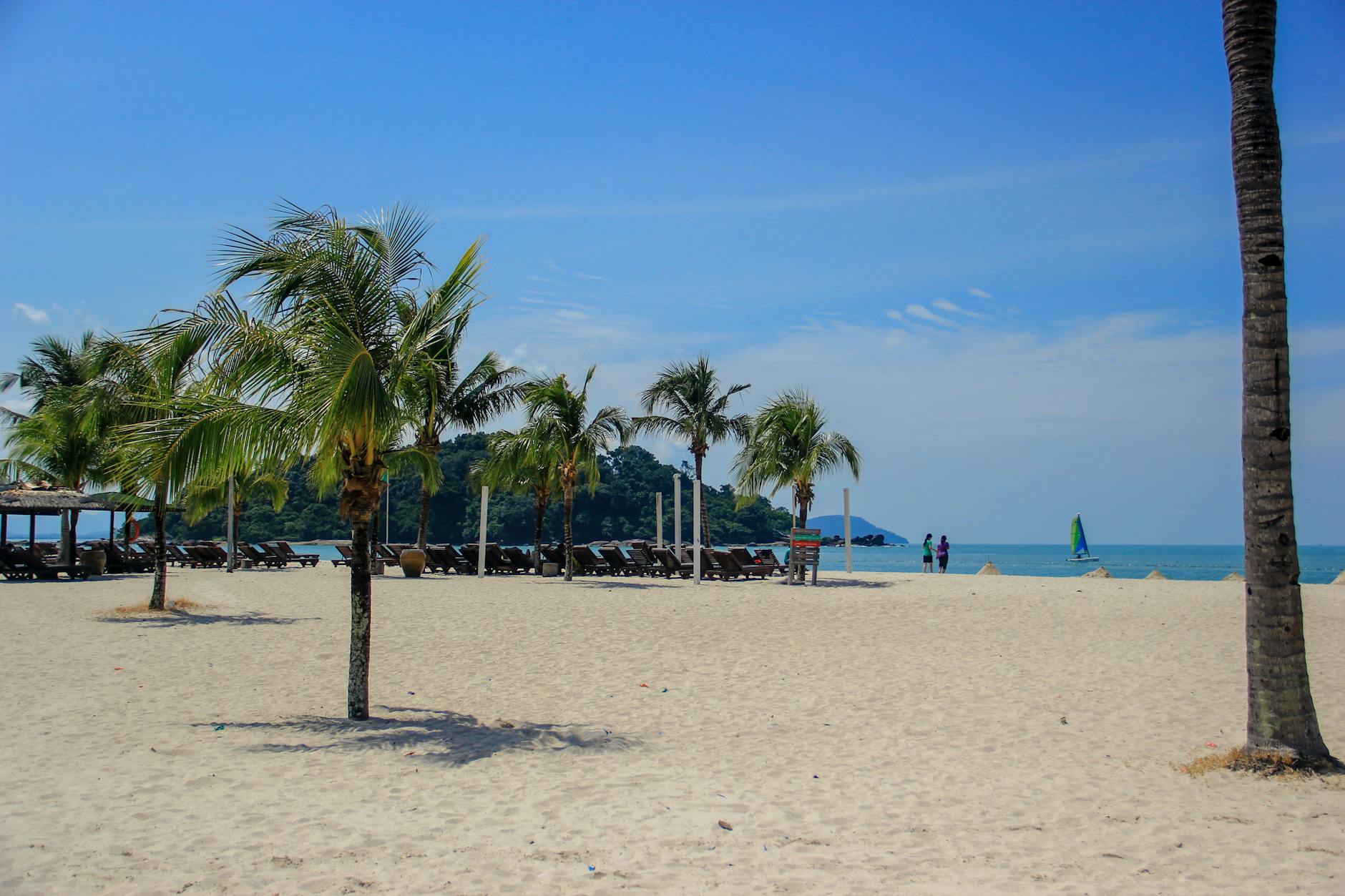
Langkawi's airport access can make short business trips practical, but the traveler should still test arrival time, luggage, car pickup, hotel transfer, meeting start, ferry dependency if relevant, and the last reliable exit. Island logistics can punish assumptions when flights shift, weather interferes, or a site visit runs long.
A business visitor should avoid scheduling a critical meeting immediately after arrival unless the host understands the risk. If the trip includes ferries, boats, or mainland connections, weather and onward buffers need to be treated as part of the business plan rather than leisure inconvenience.
- Check arrival time, luggage, airport pickup, ferry needs, hotel transfer, and first-meeting buffer.
- Avoid critical meetings immediately after fragile flight or ferry connections.
- Protect the last reliable exit from the island before adding optional meetings.
Choose transport that matches the meeting day
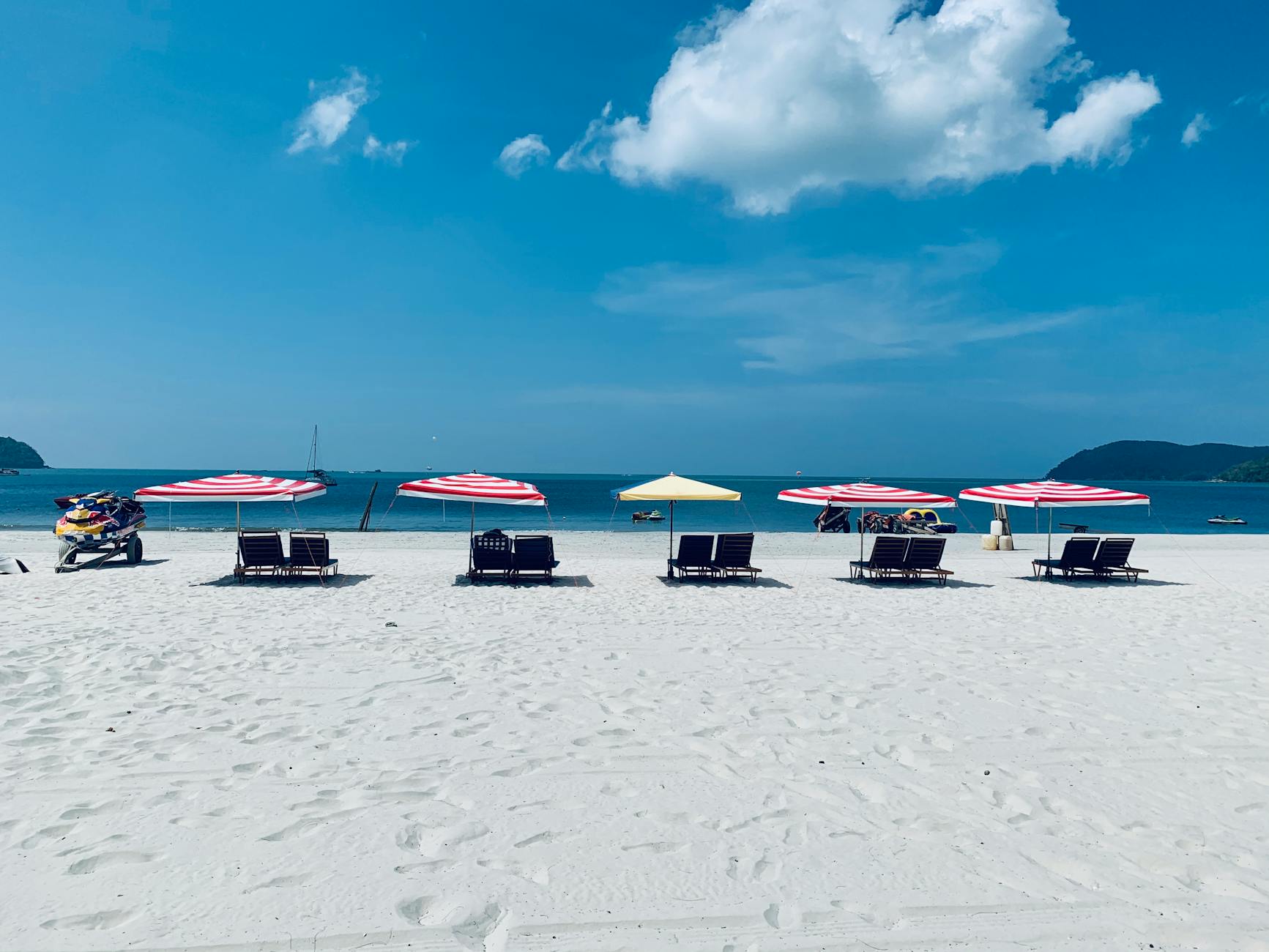
A business visitor may be tempted to rely on casual ride-hailing or hotel transport, but the right answer depends on schedule density, distance, weather, luggage, host expectations, and whether the traveler needs to arrive composed. A private driver, rental car, hotel car, host pickup, or prearranged transfer may each fit a different day.
The traveler should decide who controls the clock. If several meetings or inspections are stacked together, waiting for ad hoc rides can make the visitor look disorganized. If the day is resort-contained, a simpler plan may be enough.
- Match ride-hailing, hotel car, host pickup, rental car, or driver to the actual schedule.
- Use prearranged transport for dense meeting days, inspections, luggage, or formal arrivals.
- Confirm pickup points and waiting rules before moving between resorts or sites.
Plan dress, weather, and site conditions
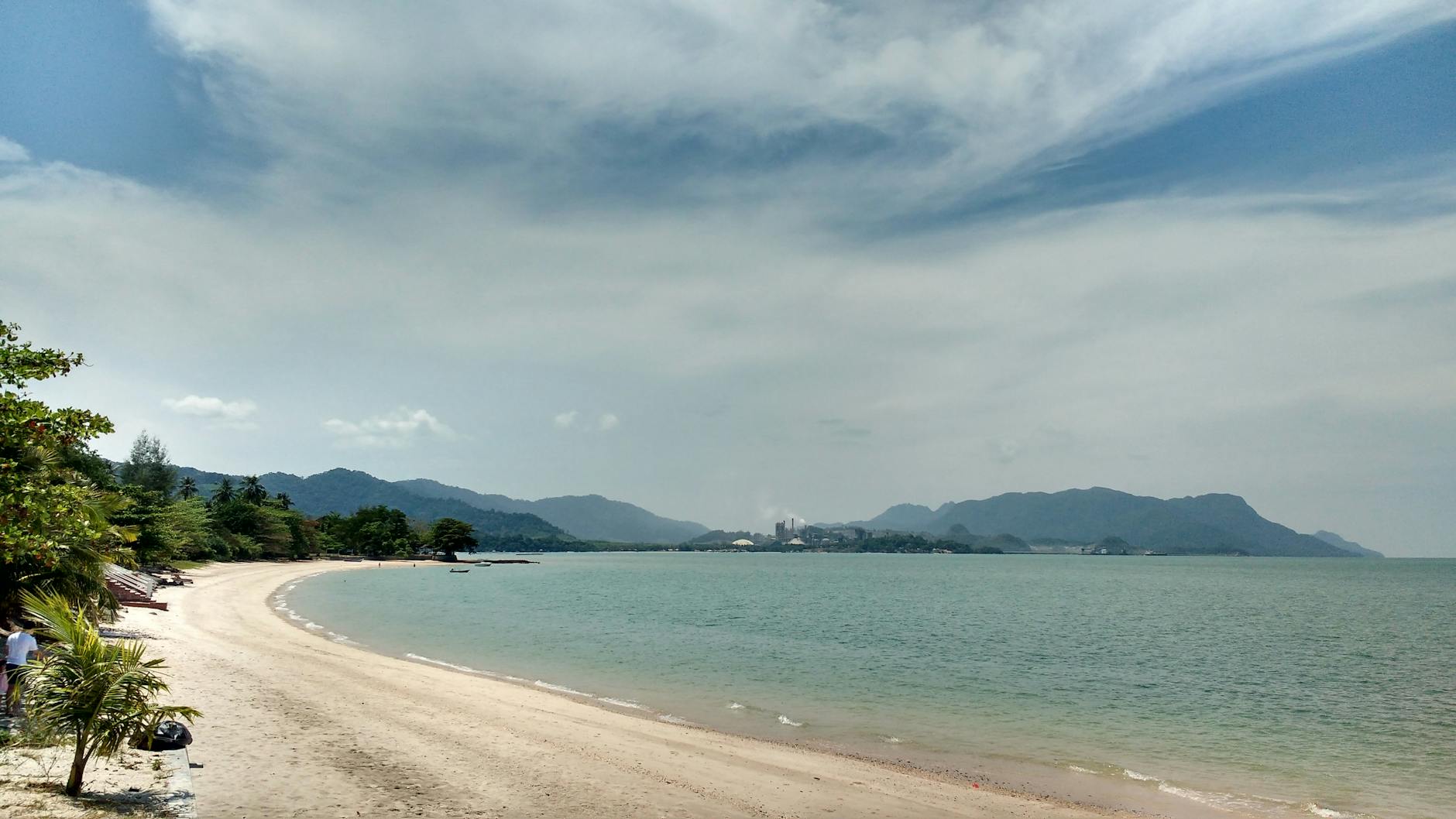
Langkawi can make business dress tricky because the setting may shift from resort meeting room to outdoor site, marina, beach-adjacent hospitality venue, humid car transfer, or casual dinner. The traveler should know whether the tone is formal, smart casual, technical, government-facing, or client-hosting oriented.
Heat, humidity, rain, sun, and wet surfaces should shape clothing, shoes, documents, and electronics. A business visitor should bring options that survive both the meeting room and the island environment without looking careless.
- Clarify whether each meeting is formal, smart casual, technical, government-facing, or client-hosting.
- Pack for humidity, rain, sun, outdoor inspections, wet surfaces, and air-conditioned rooms.
- Protect documents, laptops, samples, and presentation materials from weather and transport friction.
Check connectivity and work infrastructure
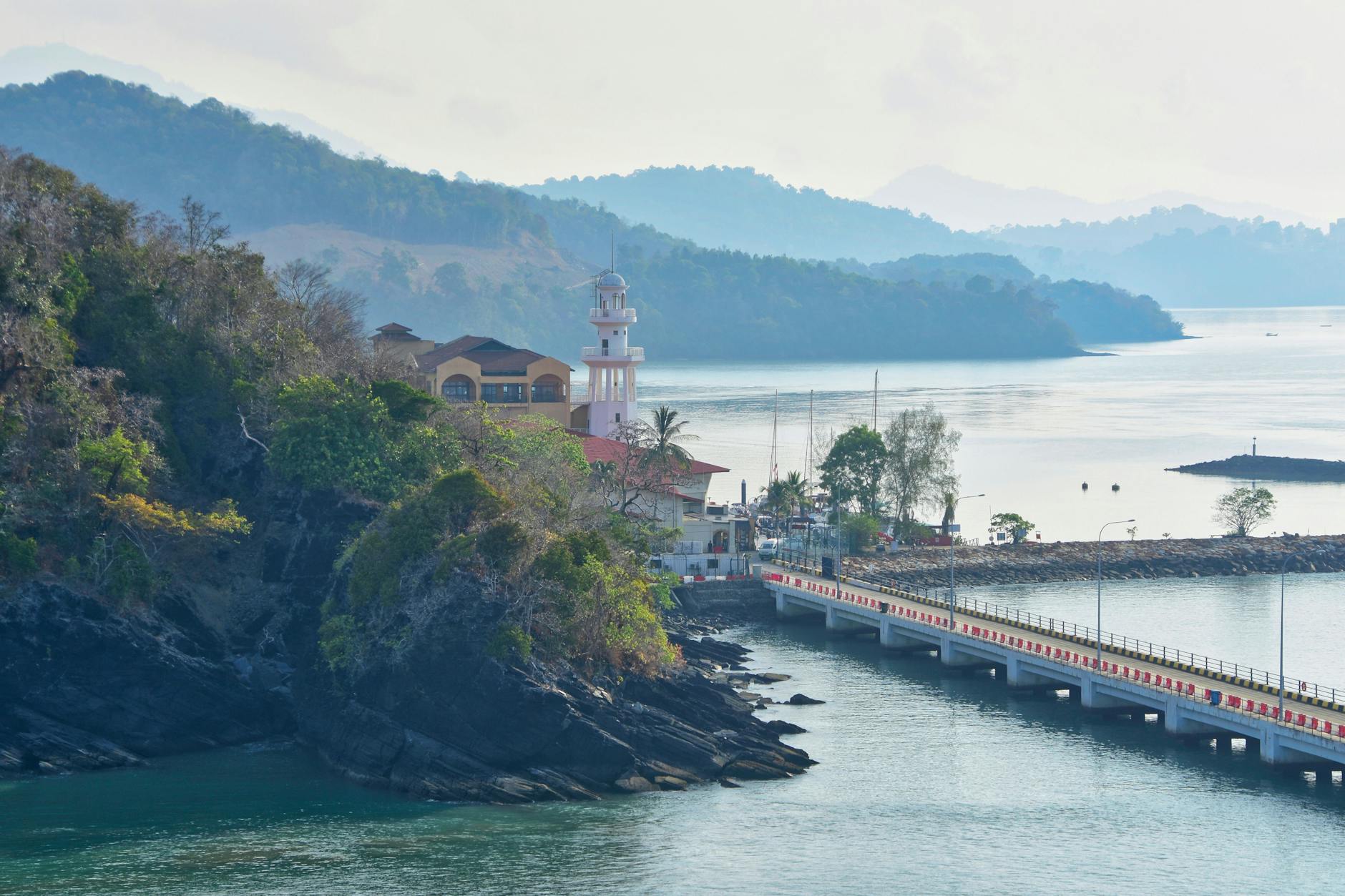
A resort setting can hide work-infrastructure weaknesses until they matter. The business visitor should check Wi-Fi reliability, mobile data, quiet workspace, power outlets, printing, meeting-room setup, screen sharing, translation needs, document signing, courier access, and where confidential calls can happen.
If the trip includes remote stakeholders, presentation files, large uploads, or evening follow-up work, the hotel room and meeting venue become part of the business infrastructure. A beautiful view is not enough if the visitor cannot file, call, revise, or send materials on time.
- Check Wi-Fi, mobile data, power, quiet workspace, printing, screen sharing, and call privacy.
- Confirm meeting-room setup, translation needs, signing logistics, courier access, and file transfer.
- Choose lodging that supports evening follow-up, not only client hosting.
Handle client hosting without losing the schedule
Langkawi can encourage business visitors to blend work with dinners, resort tours, beach-adjacent meals, golf, boating, or hospitality experiences. Those can be valuable if they support trust and decision-making. They become a problem when they consume the time needed for site notes, contract review, rest, or the next morning's departure.
The visitor should decide which social moments matter and which are optional. Alcohol preferences, halal considerations, dietary restrictions, payment protocol, dress, transport after dinner, and whether family members or colleagues are included should be clarified before the evening.
- Use hosting moments for relationship value, not as uncontrolled schedule drift.
- Clarify alcohol, halal needs, dietary restrictions, payment protocol, dress, and guest list.
- Protect time for notes, follow-up, rest, and next-day exit after client dinners.
When to order a short-term travel report
A Langkawi business visitor with one resort-contained meeting and flexible timing may not need a custom report. A report becomes useful when the trip includes multiple sites, ferry or boat dependencies, weather-sensitive inspections, senior stakeholders, formal hosting, tight flight timing, confidential work needs, or a mix of business and leisure expectations.
The report should test meeting geography, lodging, airport and ferry timing, transport, weather, dress, connectivity, hosting, food, medical access, schedule buffers, budget, and what to cut. The value is an island business trip that feels polished rather than casual in the wrong places.
- Order when multiple sites, weather, ferry links, senior stakeholders, hosting, or tight exits need testing.
- Provide dates, meeting locations, stakeholder expectations, lodging options, transport needs, budget, and constraints.
- Use the report to make the short Langkawi business visit credible, efficient, and well-buffered.