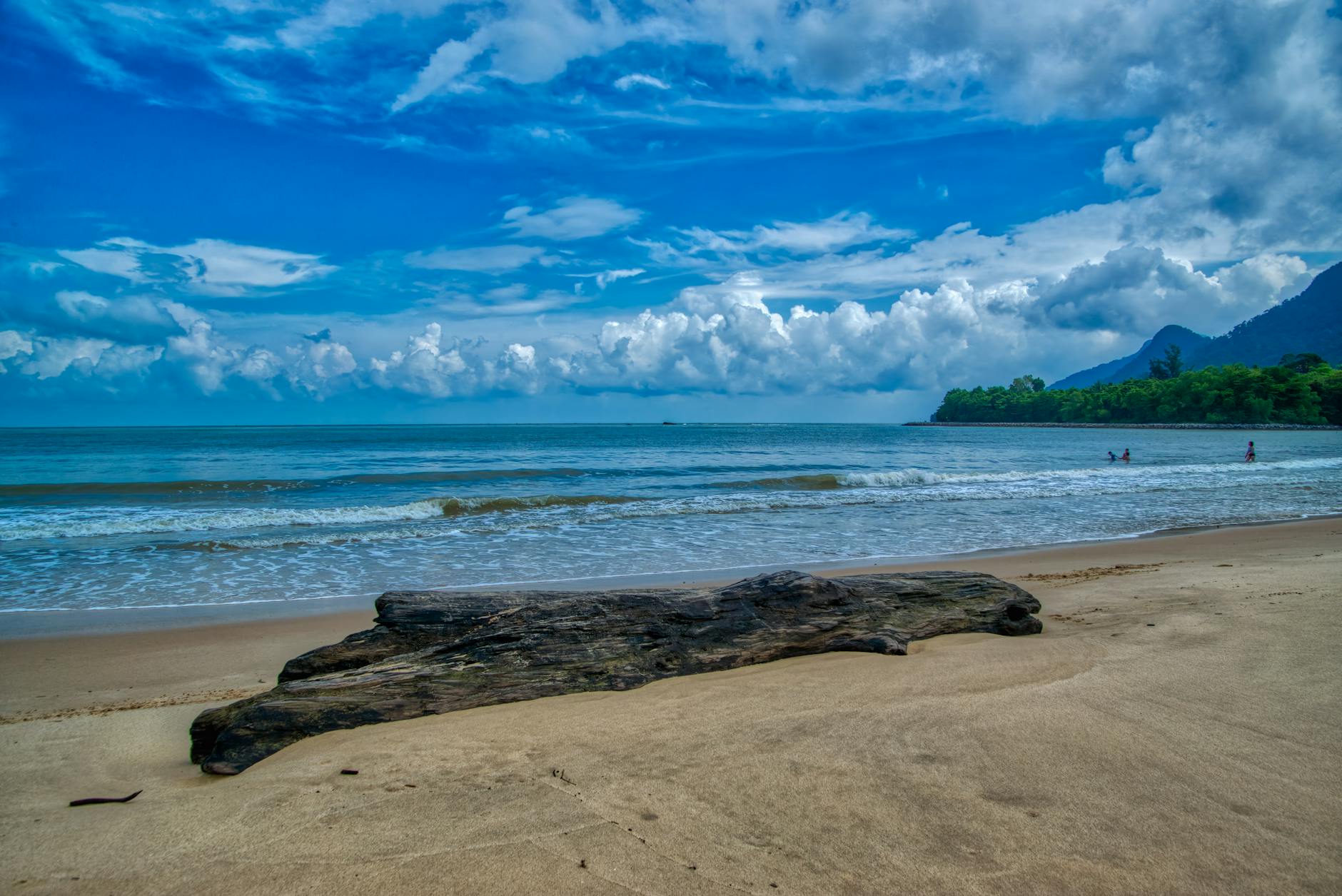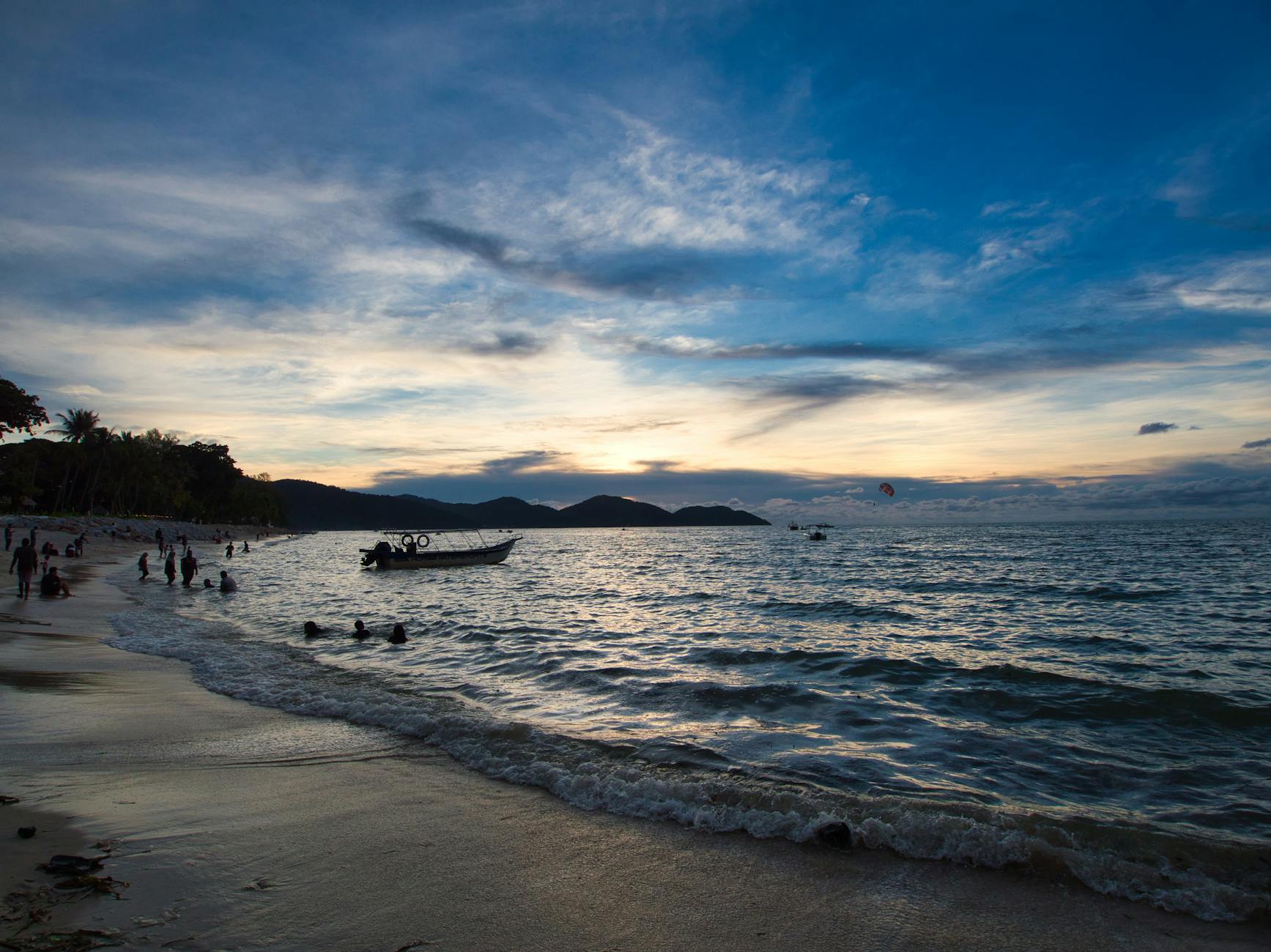
Langkawi can be friendly to budget travelers, but it is not automatically cheap once transport, poor lodging location, tours, weather, meals, and wasted time are included. The island rewards travelers who choose the right base and know which experiences are worth paying for. It punishes travelers who save on the hotel and then spend the difference moving around. A short budget trip should be designed around friction control. The goal is not to avoid spending money everywhere. The goal is to spend on the pieces that keep the trip functional: a workable area, reliable arrival, simple meals, beach access, one or two well-chosen activities, and enough buffer that a rainy day does not ruin the budget.
Choose a budget base by total cost, not room rate
A cheap room can become an expensive decision if it is far from food, beach access, tour pickup, airport transfer, shops, or evening movement. Budget travelers should compare Pantai Cenang, Pantai Tengah, Kuah, and quieter areas by full daily cost, not only nightly price. A slightly higher room rate in a convenient area may save money on rides and wasted time.
The traveler should check air-conditioning, cleanliness, noise, security, reception hours, water pressure, Wi-Fi, walking distance to meals, and pickup practicality. Budget does not mean accepting a property that makes every day harder.
- Compare lodging by room rate, meals, rides, beach access, tour pickup, and evening movement.
- Check air-conditioning, cleanliness, security, reception, Wi-Fi, water pressure, and nearby food.
- Pay slightly more for location if it reduces daily transport and friction.
Control arrival and island movement costs
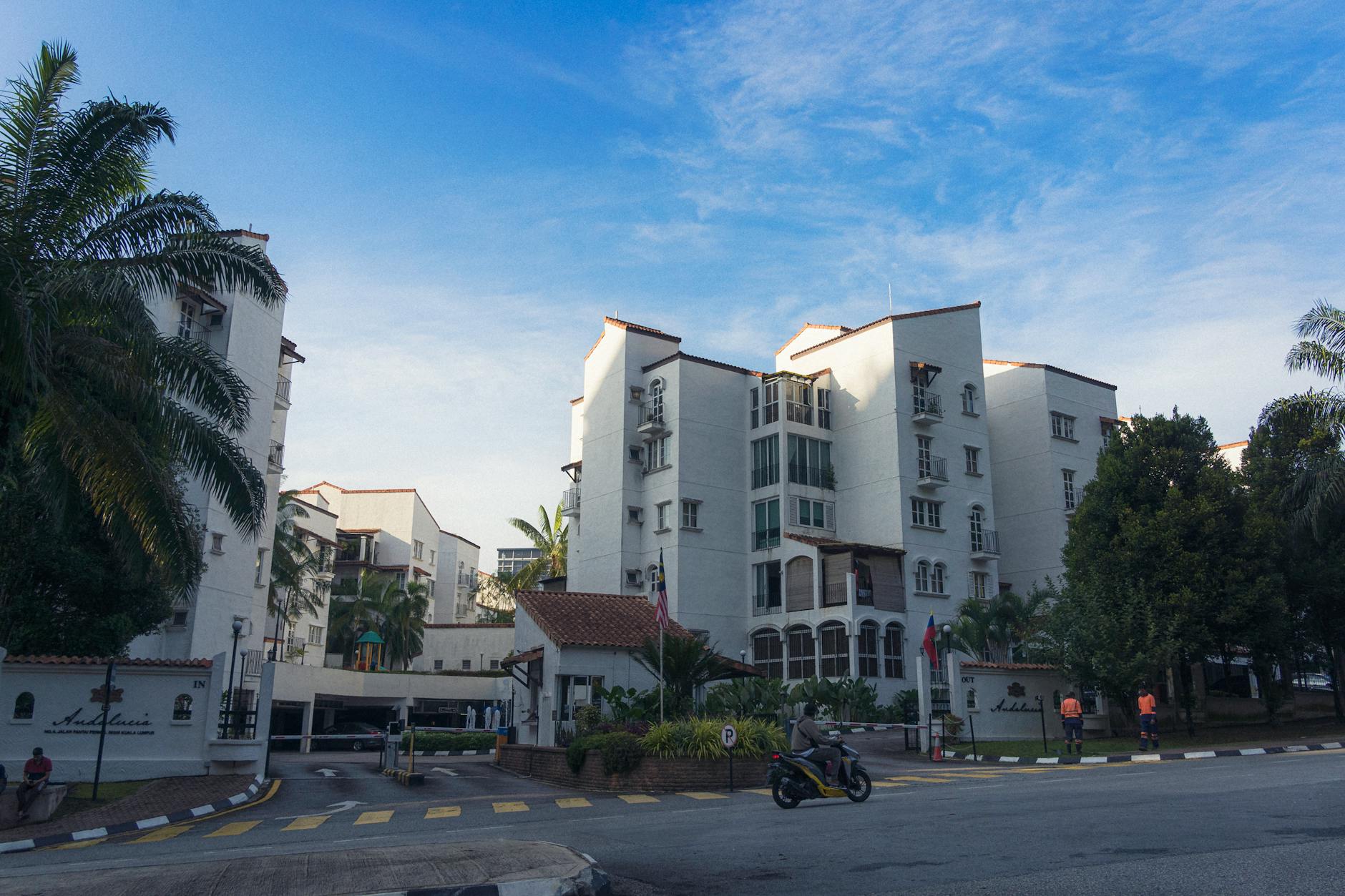
Budget travelers should price airport or ferry arrival, luggage, hotel transfer, late check-in, and first meal before committing to the cheapest booking. Langkawi transport can be manageable, but several short rides can quickly erase savings. Ride-hailing, taxis, hotel transfers, shared tours, rental cars, scooters, and walking each fit different comfort levels and risk tolerances.
Scooters can look like the cheapest option, but they are not cheap if the traveler lacks road confidence, insurance clarity, weather protection, or a safe plan after dinner. Short trips usually benefit from paying for fewer, better-controlled movements.
- Price airport or ferry arrival, luggage, transfers, late check-in, and first meal before booking.
- Compare ride-hailing, taxis, hotel transfers, shared tours, rentals, scooters, and walking realistically.
- Do not use scooters as a budget shortcut unless safety, insurance, weather, and experience fit.

Use cheap food as an advantage
Food can be one of the best budget advantages in Langkawi if the traveler plans by area and timing. Night markets, simple local meals, casual beach-area food, convenience-store basics, and affordable seafood can all help, but the traveler should still check halal context, vegetarian needs, allergies, spice tolerance, opening hours, and how to get back after dinner.
The budget mistake is relying on the nearest resort or tourist-facing restaurant for every meal because the lodging was chosen poorly. A good budget base should make at least breakfast and one simple daily meal easy.
- Use night markets, simple local meals, casual restaurants, and basic groceries strategically.
- Check halal context, vegetarian needs, allergies, spice, opening hours, and return transport.
- Choose lodging that makes budget meals easy instead of resort-dependent.

Spend carefully on beaches, tours, and paid sights
Langkawi offers public beaches, viewpoints, cable car access, island hopping, mangrove tours, water activities, and resort extras. A budget traveler should decide which paid experience will actually define the trip. Paying for one reliable tour may be better than stacking several low-quality activities that consume transport, energy, and cash.
Free or low-cost beach time still needs planning. Shade, swimming conditions, bathrooms, food nearby, belongings, sunscreen, and return transport all affect whether a cheap day feels satisfying or difficult.
- Pick one or two paid experiences that matter instead of buying every standard activity.
- Check tour quality, pickup, inclusions, equipment, weather policy, and hidden fees.
- Plan free beach time around shade, bathrooms, food, belongings, and return transport.
Build weather backups that do not blow the budget
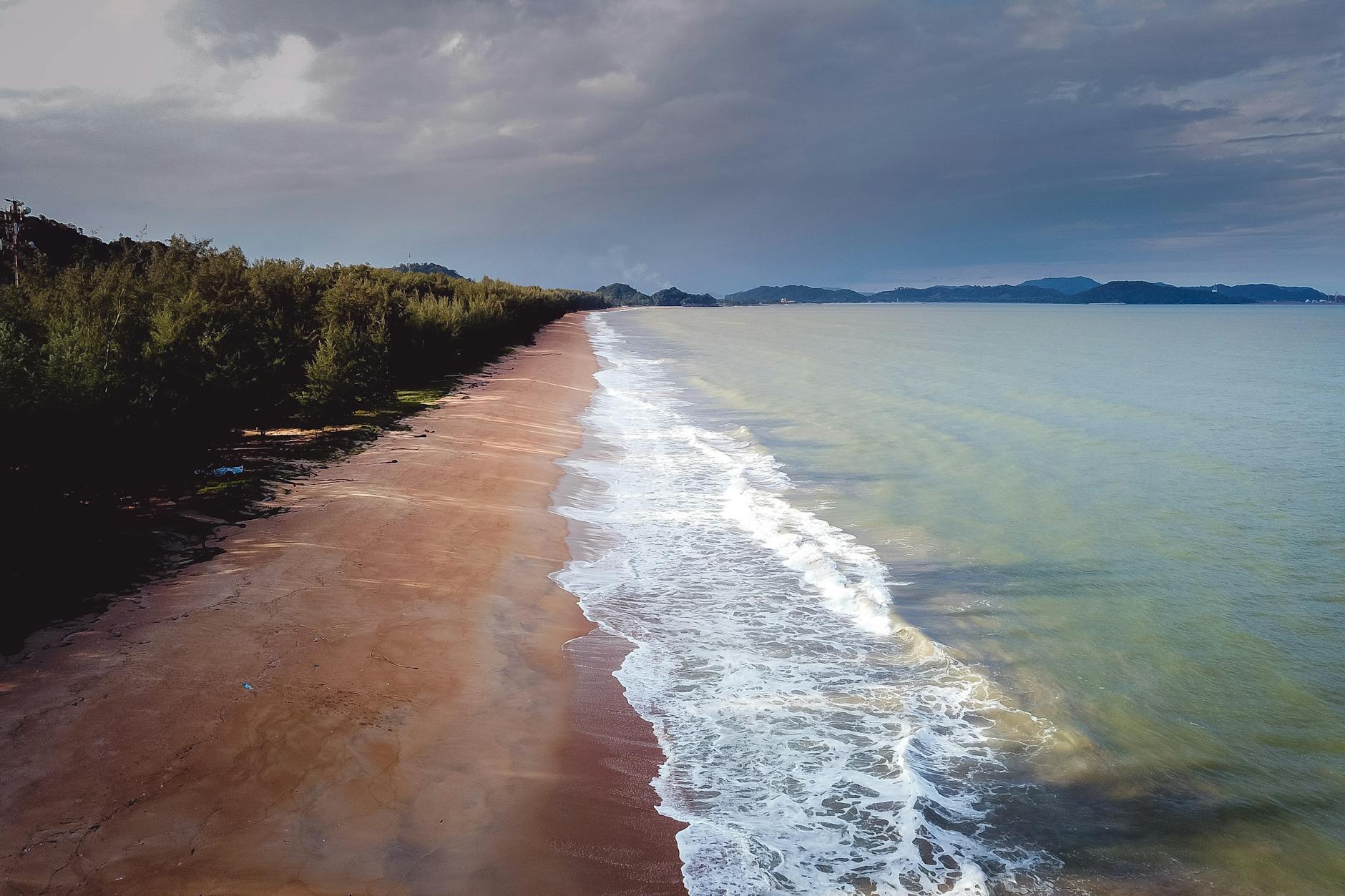
Rain, heat, poor visibility, or rougher water can make a budget itinerary more expensive if the traveler has no backup. Canceled boat plans may push the traveler toward pricier indoor options, repeated rides, or wasted prepaid bookings. The budget plan should include low-cost alternatives near the base: cafes, simple meals, covered shopping, rest, laundry, planning time, or a shorter local outing.
The traveler should also avoid prepaying too many weather-sensitive activities unless cancellation rules are clear. Flexibility can be a financial tool, not just a comfort preference.
- Keep low-cost rain and heat backups near the lodging area.
- Check cancellation rules before prepaying boats, cable car extras, or outdoor activities.
- Use flexibility to protect the budget from repeated rides and wasted bookings.
When to order a short-term travel report
A budget traveler who is comfortable with flexible beach time and simple lodging may not need a custom Langkawi report. A report becomes useful when the traveler has only a short stay, is choosing between cheap areas, wants one or two paid activities to be worth it, has dietary or medical constraints, is arriving late, or needs the budget to survive weather changes.
The report should test lodging area, arrival costs, transport, food, beaches, tour choices, weather backups, hidden costs, medical access, budget, and what to cut. The value is not making Langkawi artificially cheap. It is protecting the trip from false savings.
- Order when lodging area, transport costs, tours, food, weather, or constraints need testing.
- Provide dates, budget, lodging options, arrival details, must-do activities, constraints, and comfort level.
- Use the report to spend where it matters and avoid false economy.