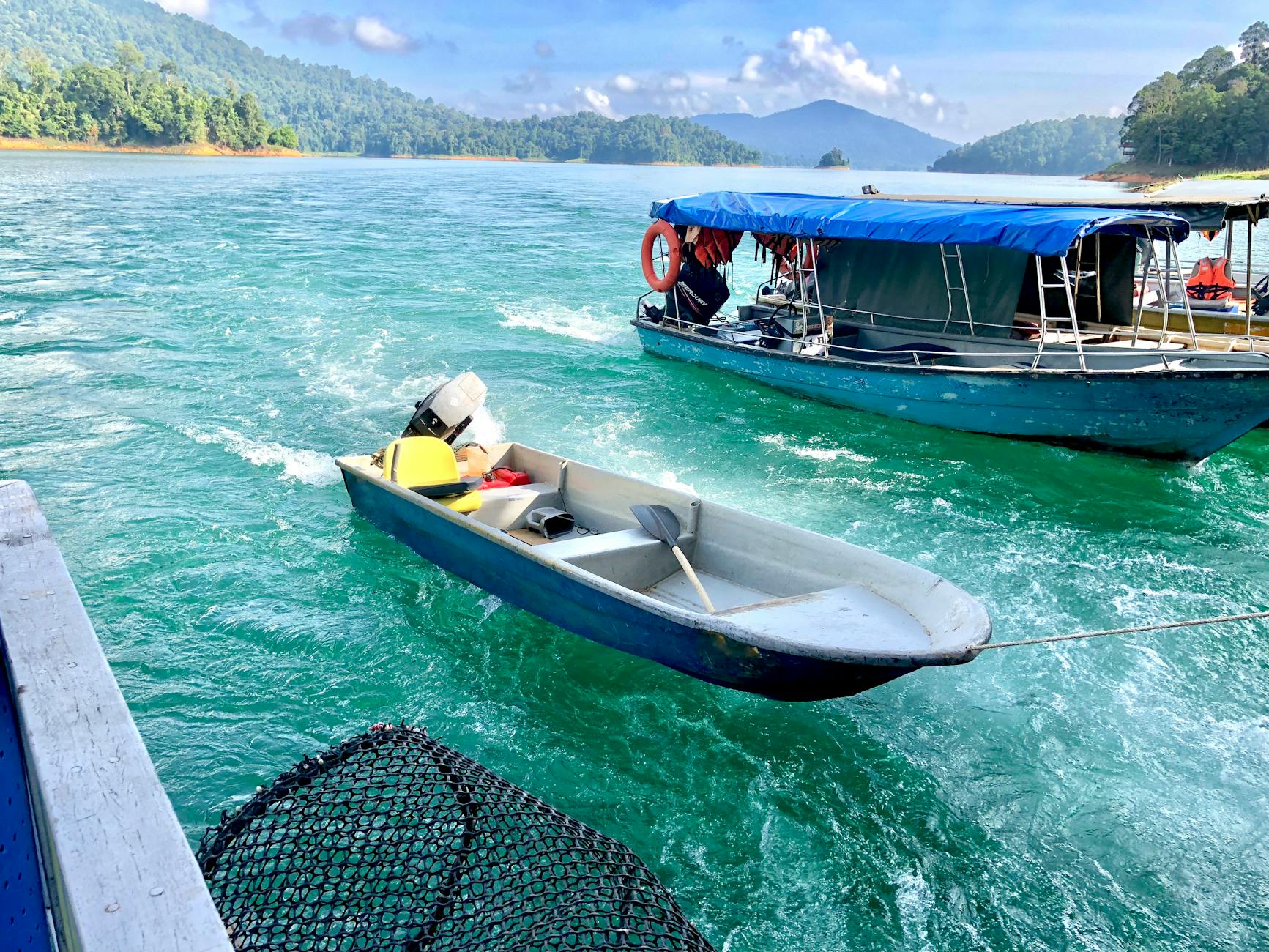
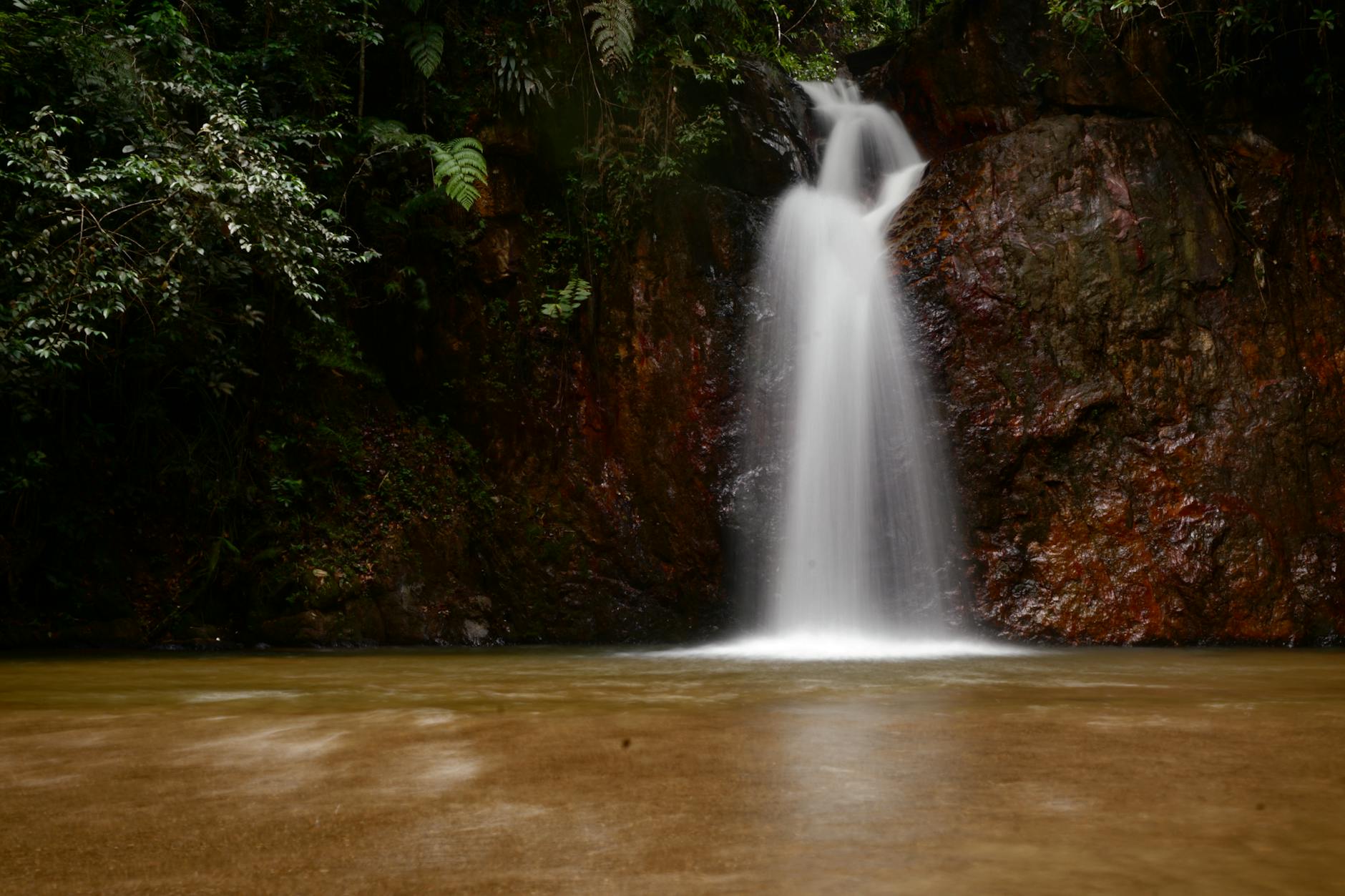
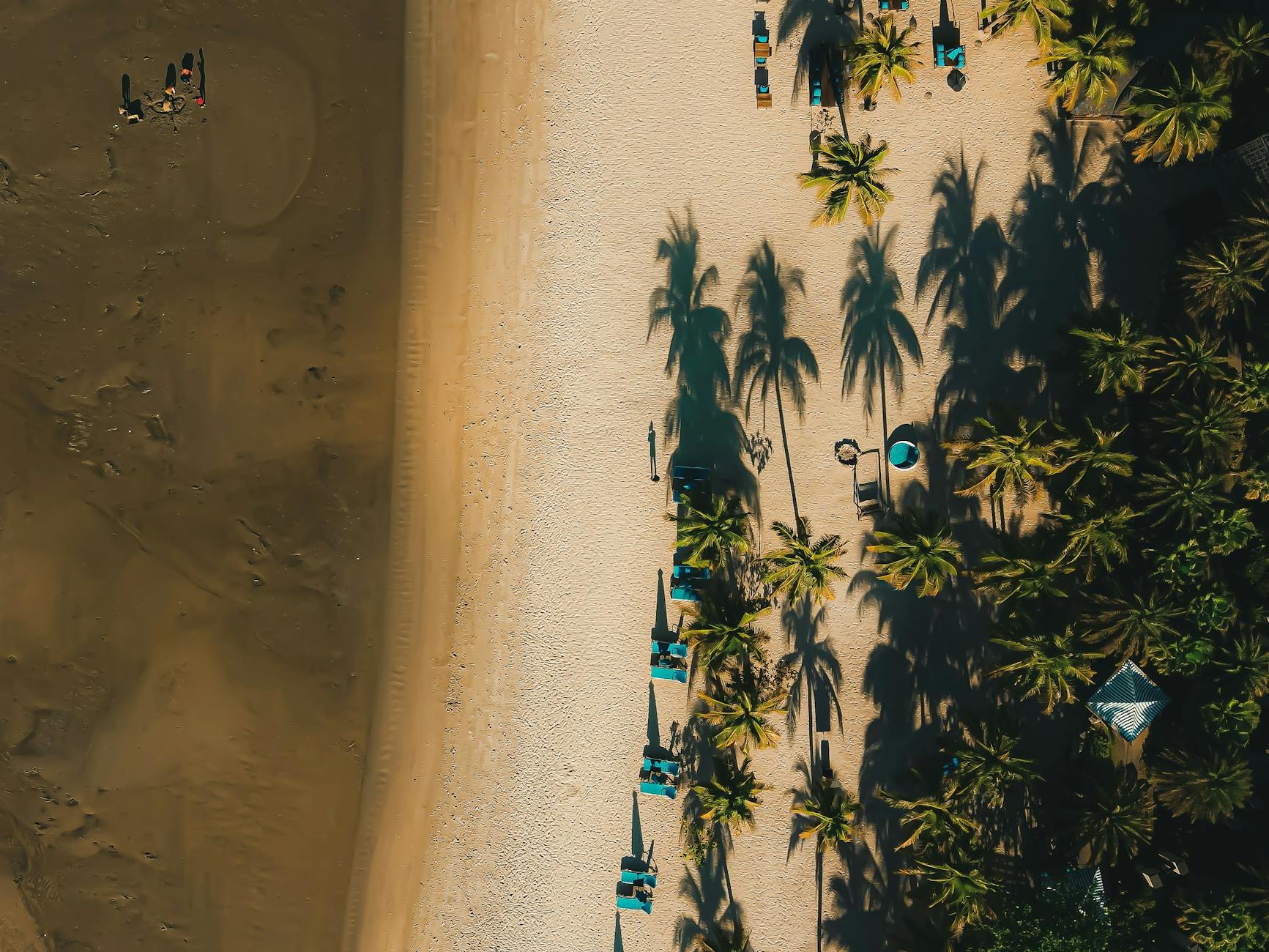
Langkawi is built for active travel: beaches, mangroves, waterfalls, cable-car views, island-hopping, boat rides, kayaking, snorkeling, jungle walks, and outdoor day trips. The range is part of the appeal, but a short adventure visit can become inefficient or risky if weather, heat, transport, operator quality, and recovery time are not planned. An outdoor traveler should decide which activities are essential and which are optional before arrival. Langkawi rewards flexibility, especially when rain, tides, wind, visibility, crowds, and fatigue change the day. The best plan leaves room for adventure without pretending every activity can fit into a tight island schedule.
Prioritize the outdoor experiences before arrival
A short Langkawi trip cannot reliably include every outdoor option. Cable car, SkyBridge, island-hopping, mangroves, beaches, snorkeling, waterfalls, kayaking, boat tours, and jungle walks all compete for weather windows, transport time, energy, and daylight. The traveler should rank the must-do activities before booking tours.
Prioritizing matters because outdoor conditions are not interchangeable. A hazy cable-car day, choppy boat day, crowded beach afternoon, or rain-soaked trail can shift the whole itinerary. The plan should make it clear what moves, what stays, and what gets cut.
- Rank cable car, SkyBridge, mangroves, beaches, boats, snorkeling, waterfalls, kayaking, and hikes by importance.
- Match each activity to likely weather, daylight, transfer time, physical effort, and recovery needs.
- Know which activities are optional if conditions or fatigue make the schedule too tight.

Treat weather and visibility as active constraints
Langkawi weather can change the quality and safety of outdoor plans. Rain, haze, wind, tide, heat, lightning, rough water, and low visibility can affect views, boats, kayaking, snorkeling, trails, and beach time. The traveler should check conditions daily and avoid making prepaid activities too rigid.
A flexible adventure plan includes weather alternatives that still feel worthwhile: food, indoor rest, cultural stops, short beach windows, spa recovery, scenic drives, sheltered viewpoints, or low-risk town time. The traveler should not force water or height activities just because they were planned first.
- Track rain, heat, haze, wind, tides, rough water, lightning, and visibility before outdoor blocks.
- Keep alternatives ready for poor cable-car views, unsafe boats, wet trails, or crowded beaches.
- Avoid rigid prepaid plans unless the operator has clear weather and cancellation rules.
Check boat, water, and guide standards
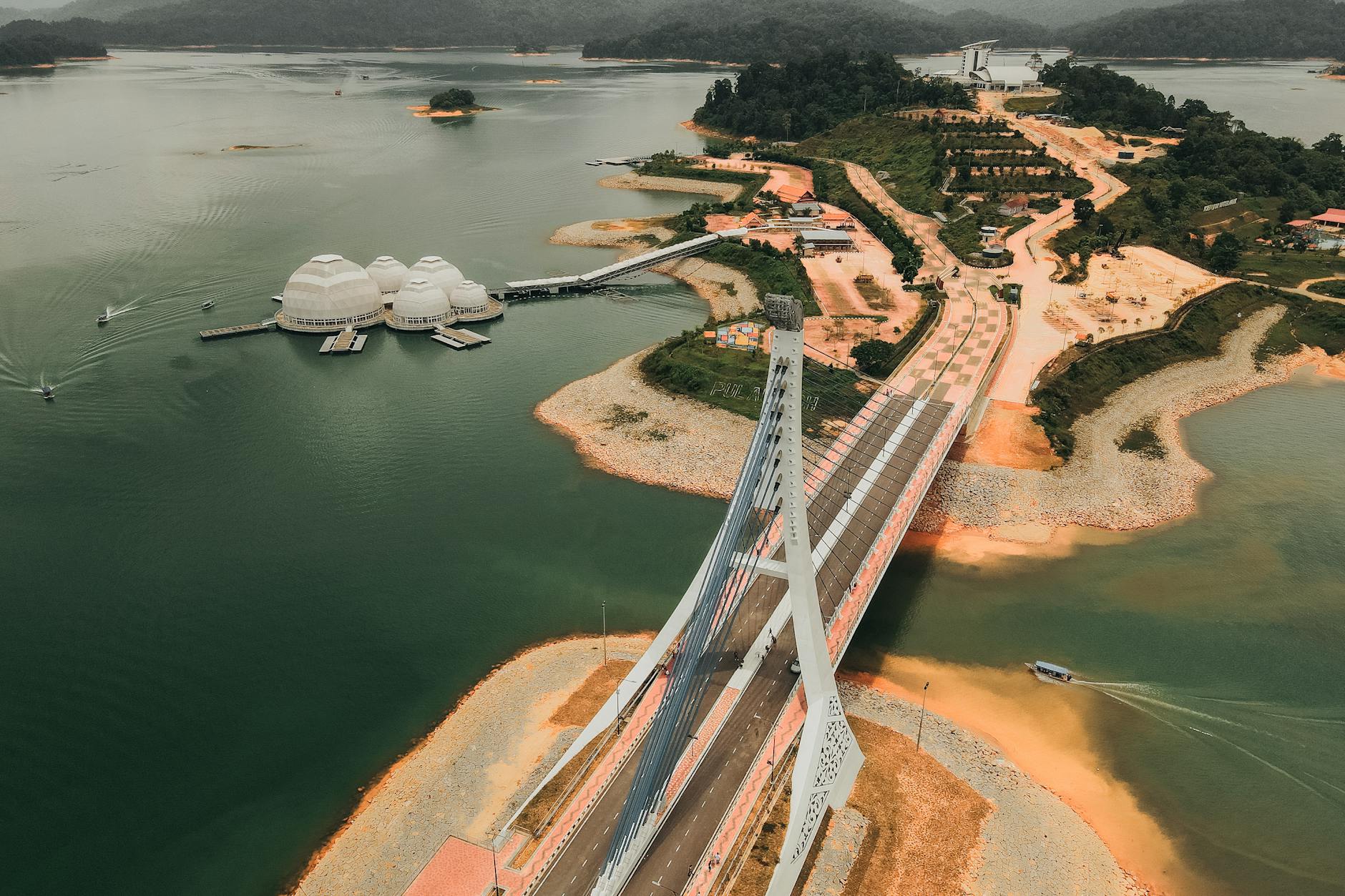
Many Langkawi adventures involve water or boats. Island-hopping, mangrove tours, snorkeling, kayaking, jet-ski outings, fishing, and beach transfers all require judgment about operators, life jackets, weather calls, group size, boat condition, pickup points, and what happens if a traveler is uncomfortable or injured.
The traveler should know swimming ability, motion sickness risk, sun exposure, hydration needs, and whether insurance covers the planned activity. A cheap tour is not a bargain if safety standards, timing, or communication are weak.
- Check life jackets, boat condition, guide language, group size, weather calls, pickup points, and return timing.
- Plan for swimming ability, motion sickness, sun, hydration, dry bags, and personal comfort with water.
- Confirm insurance coverage and operator rules for snorkeling, kayaking, jet skis, boats, and remote sites.
Plan transport so active days do not collapse
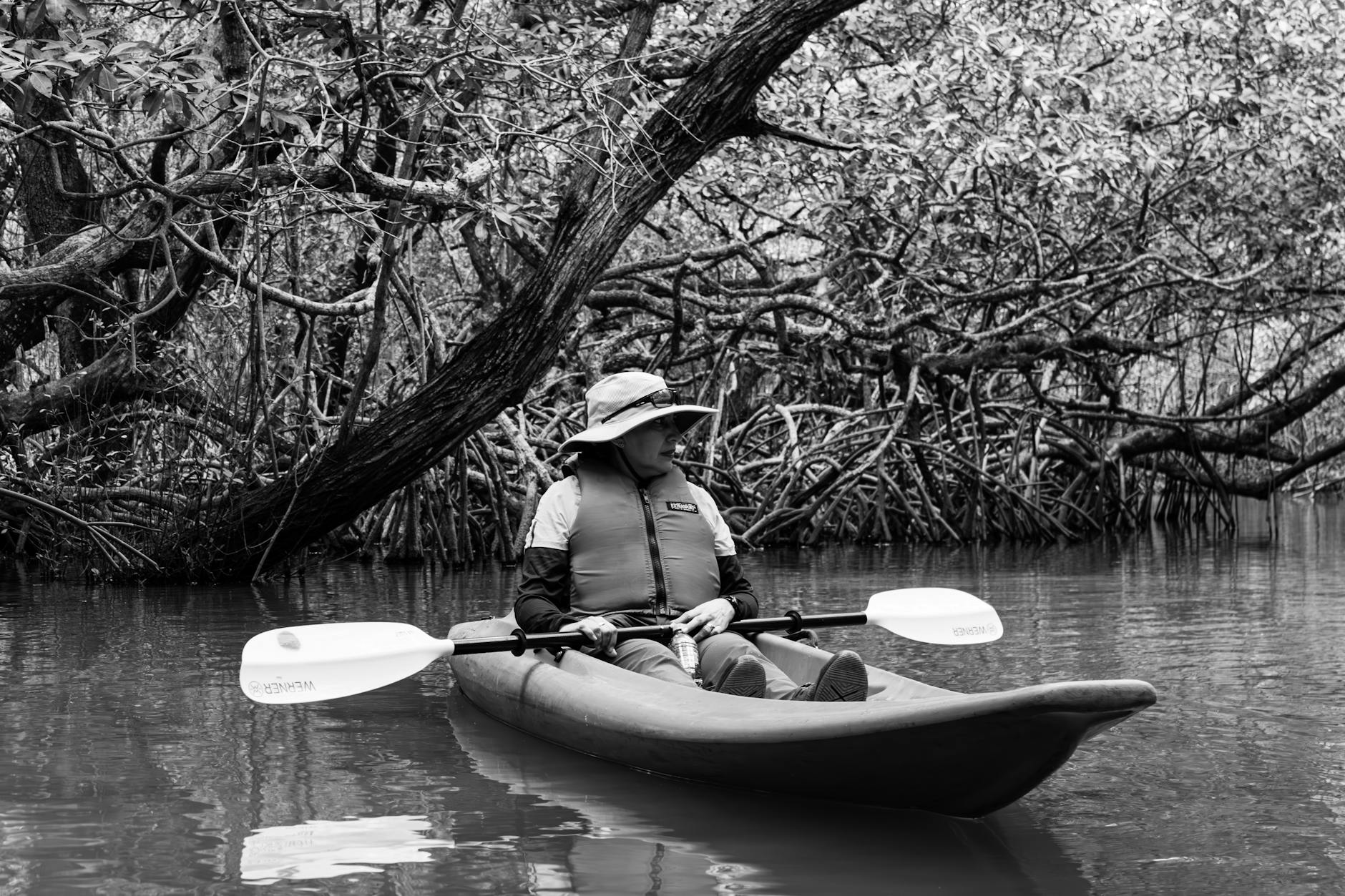
Outdoor travelers often move between hotel, beach, tour pier, cable-car base, waterfall, restaurant, and airport in the same short trip. Ride-hailing may work for some routes, but early pickups, wet gear, remote trails, boat departures, and late returns may require drivers, rental cars, hotel transfers, or tour transport.
The transport plan should include wet clothes, gear storage, post-activity meals, showers, and the energy level of the group. A traveler who cannot get back from the activity comfortably may lose the next day to fatigue.
- Plan movement between hotel, piers, beaches, cable-car base, waterfalls, restaurants, and airport.
- Use drivers, rental cars, hotel transfers, tour vehicles, or ride-hailing based on timing and gear.
- Account for wet clothes, dry bags, showers, food, fatigue, and late returns after outdoor blocks.
Pack for heat, rain, insects, and mixed terrain
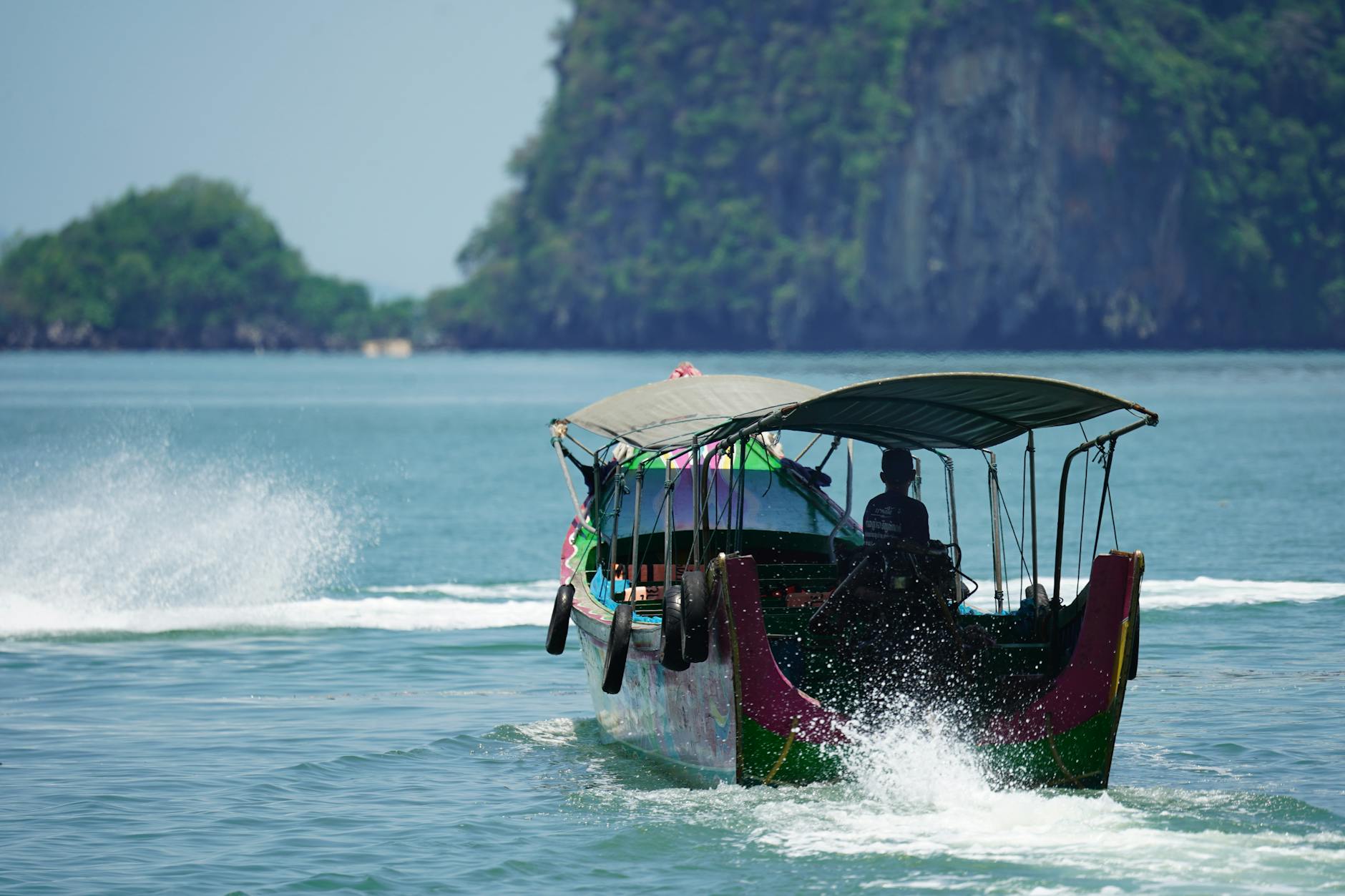
Langkawi outdoor packing should cover humid heat, sudden rain, strong sun, insects, wet decks, sand, rocks, stairs, and slippery paths. The traveler may need closed shoes, sandals, rash guard, hat, reef-safe sunscreen where appropriate, insect repellent, dry bag, battery pack, water bottle, small towel, and medication.
Gear should match the actual activities. Heavy camera setups, drones, extra shoes, and multiple outfits can slow down active days if there is no storage. The traveler should pack enough to stay safe without turning every movement into a baggage problem.
- Prepare for heat, rain, sun, insects, wet decks, sand, rocks, stairs, and slippery paths.
- Bring suitable shoes, sandals, dry bag, water, hat, repellent, sunscreen, medication, towel, and battery pack.
- Keep gear light enough for boats, trails, beaches, and transfers.
Build recovery and medical access into the itinerary
Adventure trips can fail when every day is loaded to the edge. Heat, dehydration, motion sickness, minor injuries, stomach illness, sunburn, poor sleep, and wet gear can affect the next activity. Langkawi's outdoor appeal should not remove rest from the plan.
The traveler should know where medical care is available, how to reach it from beaches or tour areas, what insurance requires, and what medications or documentation to carry. Recovery time can be the difference between a strong active trip and a trip spent recovering indoors.
- Leave recovery time after boats, hiking, kayaking, sun exposure, late nights, and long transfers.
- Know medical access, emergency contacts, insurance requirements, medication needs, and transport options.
- Plan hydration, food, sleep, and backup activities so one rough day does not ruin the trip.
When to order a short-term travel report
An adventure traveler with flexible beach plans may not need a custom Langkawi report. A report becomes useful when the trip includes multiple outdoor activities, water sports, older travelers, children, medical constraints, limited dates, tight flights, weather-sensitive priorities, or uncertainty about operator quality.
The report should test activity sequence, lodging, transport, weather windows, operator standards, water safety, gear, medical access, food, insurance, recovery time, budget, and what to cut. The value is a short active trip that still respects weather, fatigue, and safety.
- Order when water safety, operators, weather, transport, medical needs, activity sequence, or recovery require testing.
- Provide dates, lodging options, preferred activities, fitness level, health constraints, flight details, and budget.
- Use the report to keep the Langkawi adventure trip active, realistic, and safe enough to enjoy.