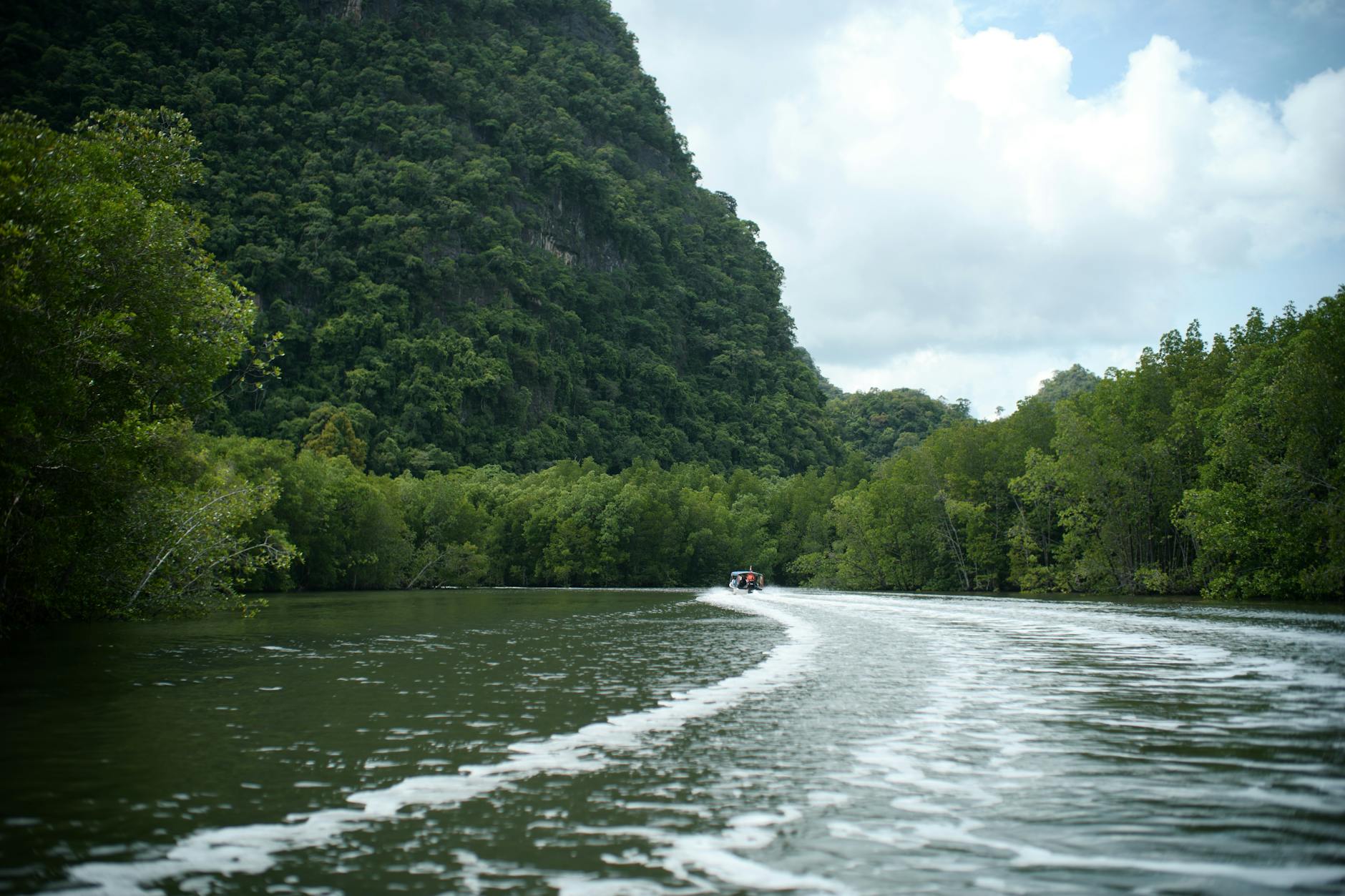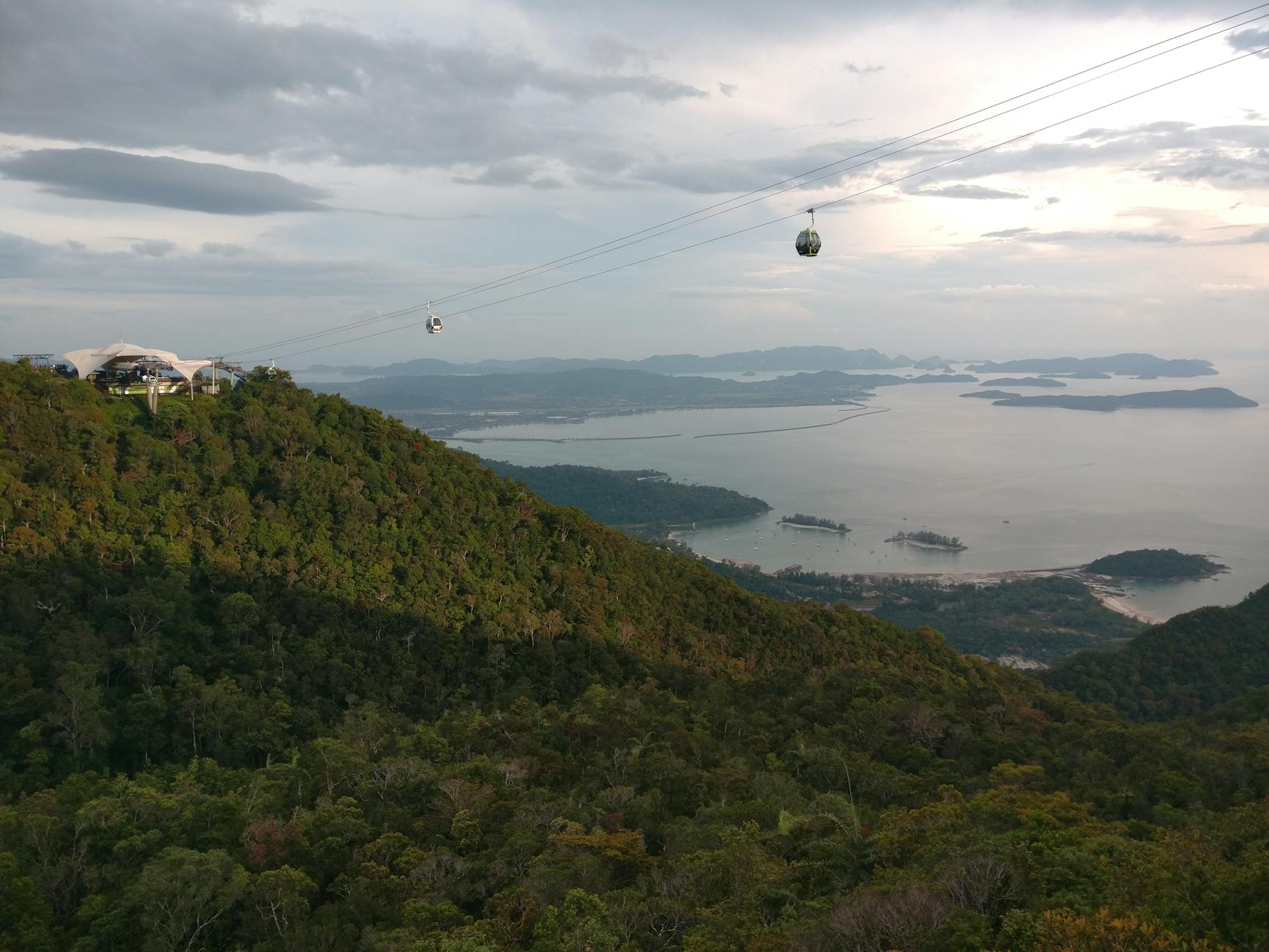
Langkawi can be an appealing academic conference setting because it combines island resorts, event spaces, beaches, field-trip potential, and Malaysia's regional connectivity. That appeal can also create friction. A conference on an island is not the same as a conference in a dense city where backup hotels, print shops, taxis, restaurants, and campus facilities are close together. An academic attendee should build the trip around the actual conference venue, presentation obligations, arrival reliability, lodging access, weather, transport, and the difference between academic work and resort distraction. The goal is to leave with the paper, poster, meetings, and networking handled, not just a nice island memory.
Confirm the venue geography before booking
A Langkawi conference may be held inside a resort, an event hotel, a waterfront venue, a university-linked program, or a meeting space that feels easy once onsite but less convenient from other parts of the island. The attendee should know whether the conference is self-contained or requires daily movement between lodging, sessions, meals, receptions, and field activities.
That geography should drive the hotel decision. Staying offsite may save money or provide a better beach setting, but it can also create transport gaps, late arrivals, missed breakfast meetings, and awkward returns after evening events.
- Map the conference venue, lodging options, reception spaces, field-trip meeting points, and meal locations.
- Decide whether staying offsite is worth the transport risk and time loss.
- Ask whether sessions, posters, receptions, and excursions are all based at one venue.
Build arrival around registration and presentation timing
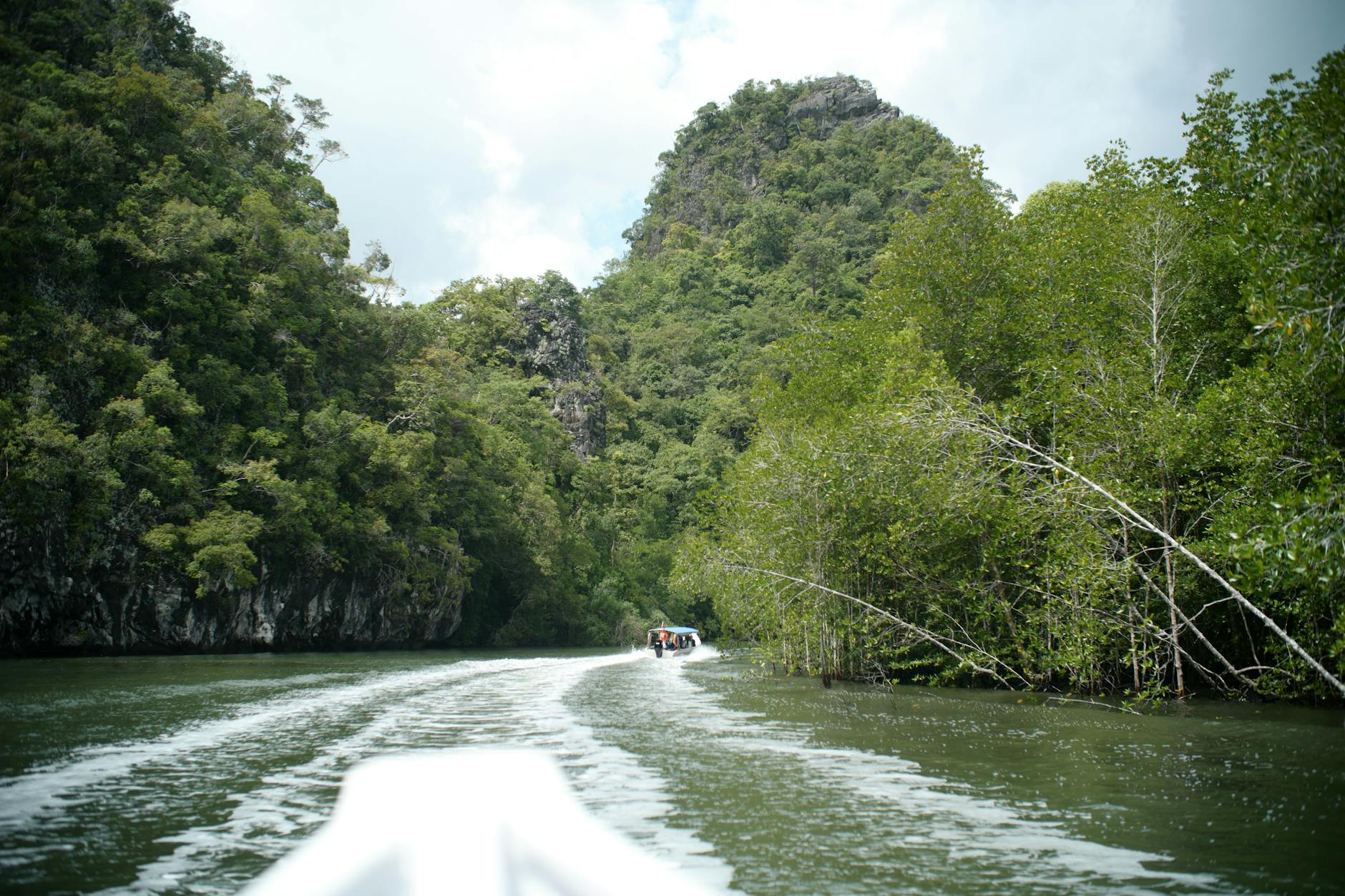
Langkawi is reachable by air and sometimes by ferry-linked plans, but a conference attendee should not schedule arrival as if every connection will behave perfectly. Flight changes, ferry weather, baggage delay, hotel transfer timing, and late check-in can all affect registration, rehearsal, poster setup, or the first plenary session.
If the attendee is presenting, chairing, moderating, or meeting collaborators, arrival should include a buffer. The most fragile plan is landing shortly before a formal academic obligation with no time to print, change clothes, check slides, or recover from travel.
- Protect registration, poster setup, first sessions, and presentation rehearsal from arrival delays.
- Avoid landing just before a talk, panel, chairing duty, or collaborator meeting.
- Confirm airport or ferry transfer, luggage timing, hotel check-in, and backup contact numbers.
Choose lodging for work, not only scenery
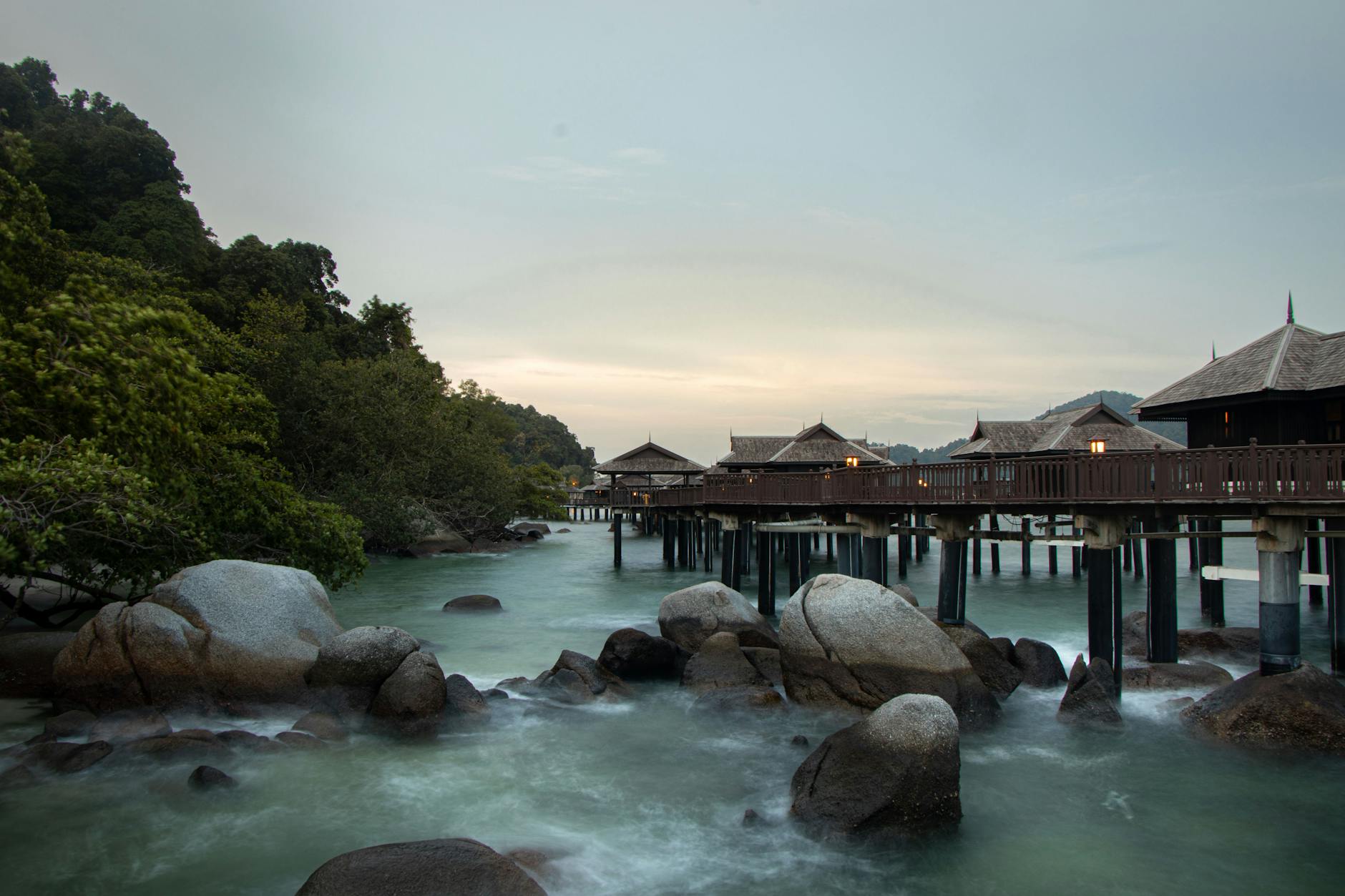
A room with a strong view can still be poor conference lodging if Wi-Fi is weak, the desk is unusable, breakfast starts too late, the venue shuttle is unreliable, or the property is far from evening events. The attendee should check workspace, power outlets, quiet, laundry, ironing, breakfast, transport, and whether the property can support early starts and late academic conversations.
If the conference rate is high, offsite lodging may still be reasonable, but the attendee should cost the full decision: rides, time, missed networking, weather delays, and the burden of carrying laptops, posters, or formal clothing around the island.
- Check Wi-Fi, desk space, power, quiet, breakfast, laundry, ironing, and session access.
- Compare offsite savings against transport time, missed networking, weather risk, and gear movement.
- Choose lodging that supports work before and after conference hours.
Protect papers, posters, slides, and equipment
Academic travel often depends on small pieces of logistics that are hard to fix on an island schedule: poster tubes, adapters, HDMI or USB-C connections, slide backups, printed handouts, laser pointers, microphones, laptops, data, chargers, and cloud access. The attendee should know what the venue supplies and what they must carry.
If a poster, demo, specimen, instrument, or specialized material is involved, the transport plan should be more conservative. Humidity, rain, baggage handling, and road transfers can damage materials that would be easy to replace in a larger city but difficult to solve during a short Langkawi conference.
- Confirm presentation format, adapters, screen setup, microphones, poster boards, and rehearsal access.
- Carry slide backups, chargers, files, adapters, and critical materials in a resilient way.
- Plan rain and humidity protection for posters, laptops, documents, samples, and field materials.
Account for weather, dress, and field activities
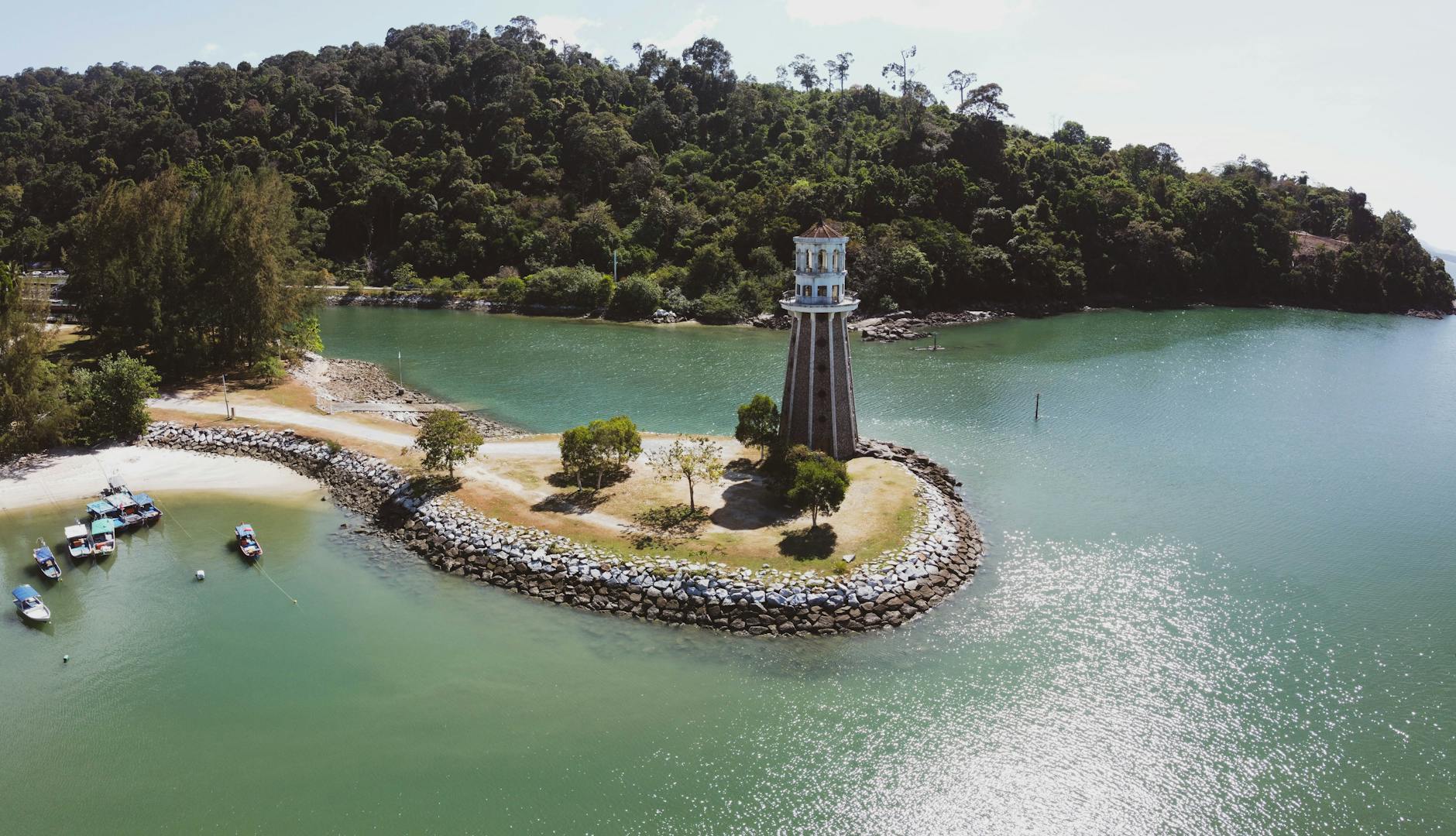
Langkawi conference dress may shift between air-conditioned meeting rooms, humid outdoor paths, resort receptions, boat-linked field trips, beach-adjacent dinners, and technical excursions. The attendee should pack clothing and shoes that respect academic formality while surviving heat, rain, slippery surfaces, and long days.
If the program includes fieldwork, site visits, mangroves, boats, beaches, conservation areas, or hospitality tours, the attendee should check safety, footwear, accessibility, sun exposure, rain plans, and whether attendance is optional. A field excursion can be academically valuable but physically demanding if planned casually.
- Pack for meeting rooms, humidity, rain, outdoor paths, receptions, and field excursions.
- Check shoes, sun protection, accessibility, boat safety, and rain plans for site visits.
- Separate optional excursions from sessions that matter for the attendee's academic goals.
Use island networking without losing the academic purpose
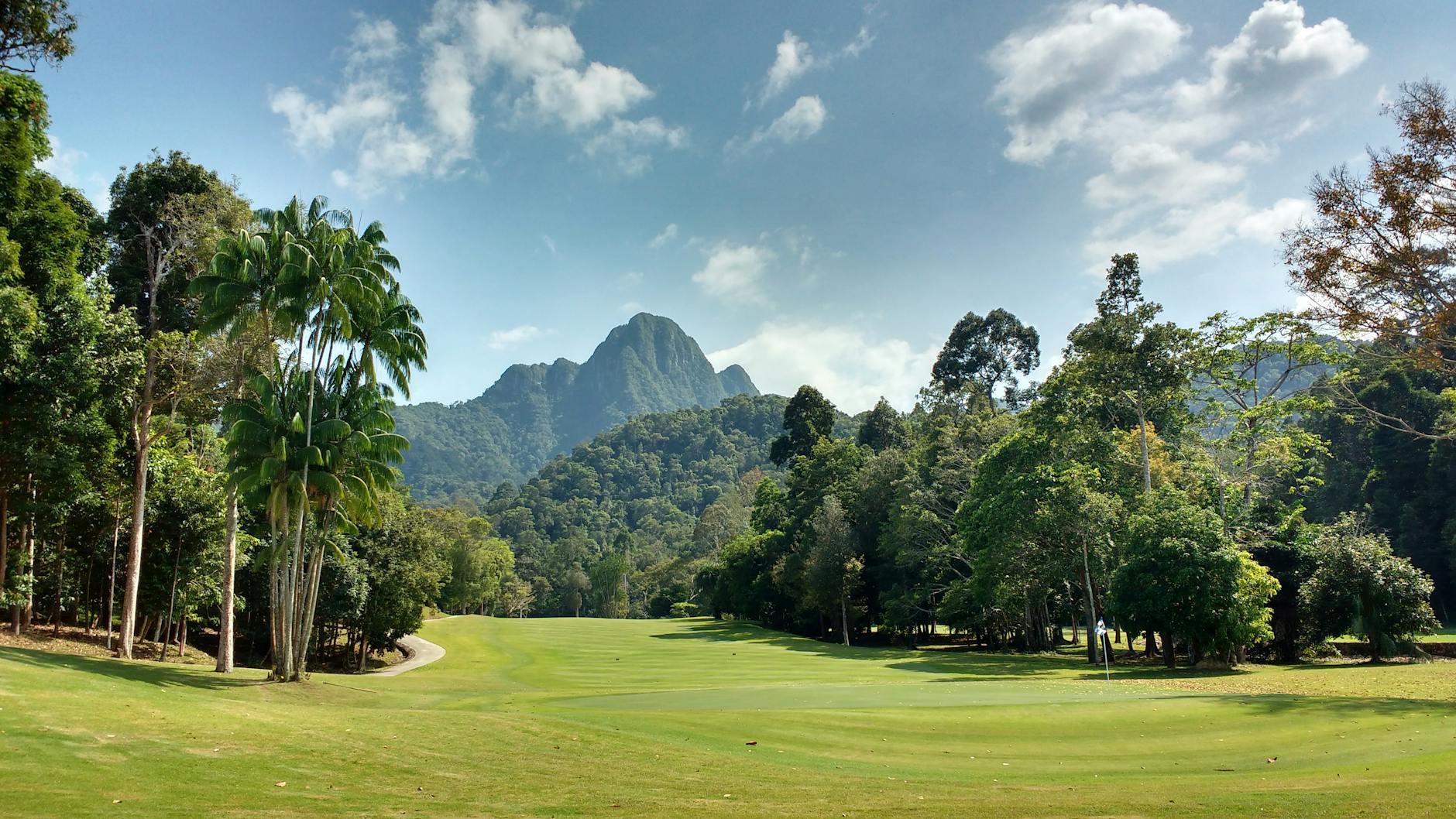
Langkawi can make conference networking feel informal because meals, receptions, excursions, and resort spaces blur work and leisure. That can help collaboration, but it can also cause the attendee to miss the sessions, meetings, or paper feedback that justified the trip.
The attendee should identify the people and sessions that matter before arrival. Dinners, beach walks, and excursions should support those goals rather than replace them. Alcohol, halal considerations, dietary needs, seniority, and payment norms should also be handled with professional care.
- Identify key sessions, collaborators, supervisors, editors, funders, or panelists before arrival.
- Use dinners and excursions to support academic goals, not drift away from them.
- Handle alcohol, halal needs, dietary limits, hierarchy, and payment norms professionally.
When to order a short-term travel report
An academic attendee with a fully venue-contained conference and no presentation may not need a custom Langkawi report. A report becomes useful when the attendee is presenting, staying offsite, managing a poster or demo, coordinating collaborators, attending field excursions, handling dietary or medical constraints, or linking the conference to a tight flight or ferry schedule.
The report should test venue geography, lodging, arrival timing, transport, presentation logistics, Wi-Fi, field trips, dress, weather, meals, medical access, networking priorities, budget, and what to cut. The value is a conference trip that protects the academic reason for being on the island.
- Order when presentations, offsite lodging, field trips, tight timing, or constraints need testing.
- Provide conference venue, dates, session obligations, lodging options, equipment needs, constraints, and budget.
- Use the report to keep academic work, island logistics, and recovery aligned.