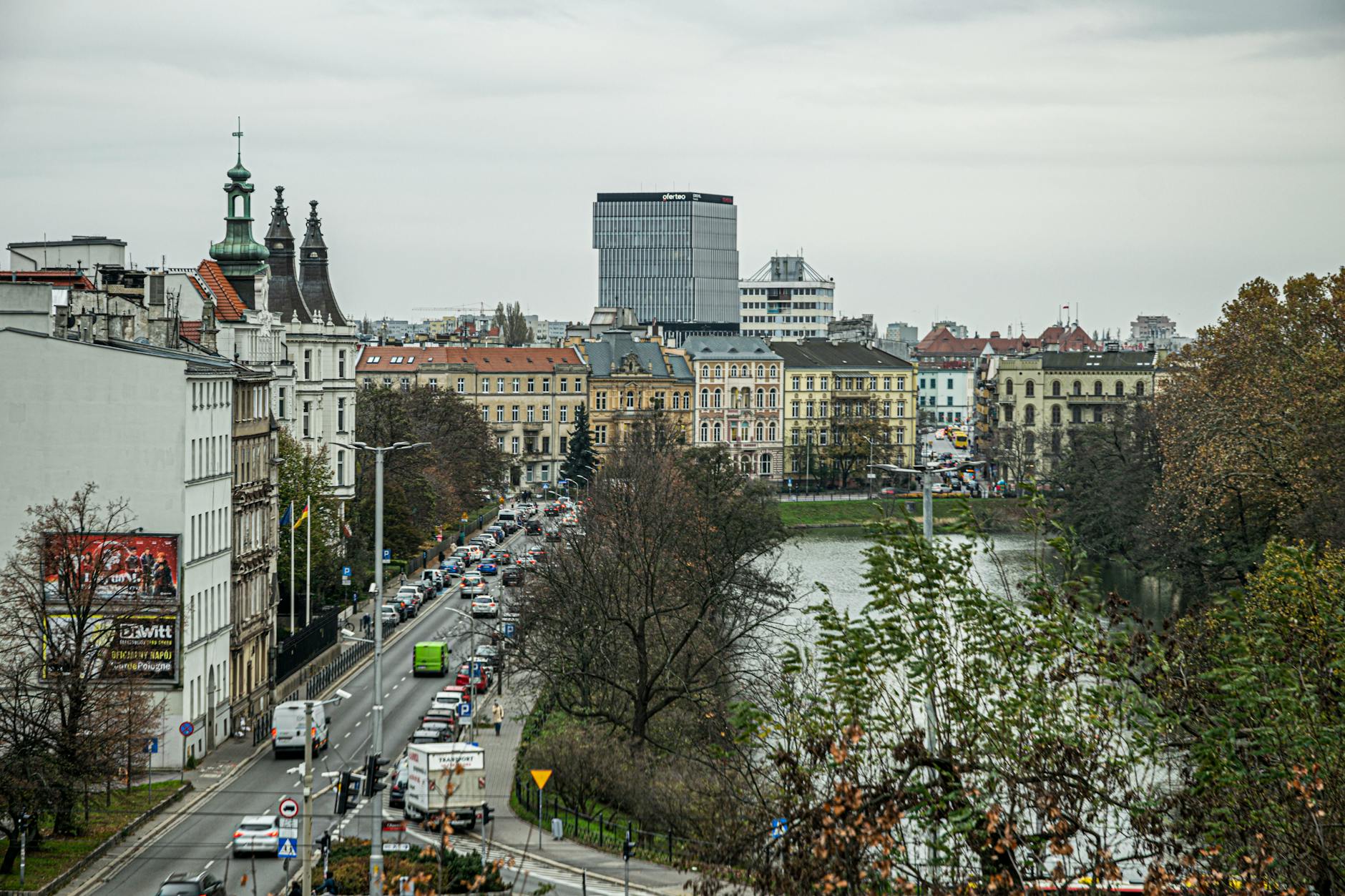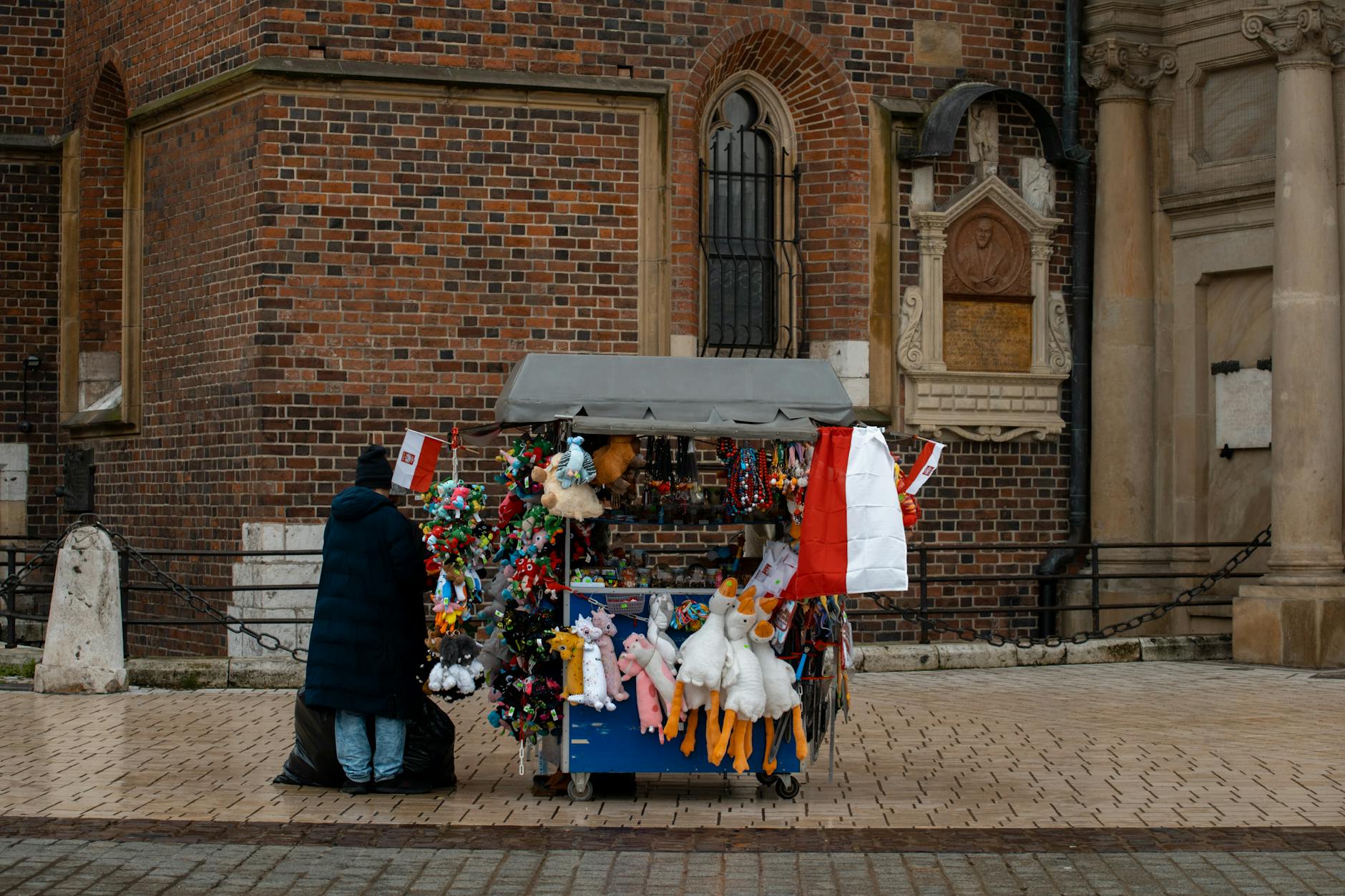
A short volunteer or NGO trip to Krakow can involve community meetings, university partners, shelters, cultural institutions, field visits, training, or support work. The traveler should treat the trip as both service and logistics: host expectations, boundaries, movement, meals, documentation, and rest all need to be clear before arrival.
Confirm the assignment before arrival
A volunteer or NGO traveler should not arrive with only a broad idea of helping. The host role, meeting times, location, supervision, required documents, dress expectations, language needs, and privacy rules should be clear before the first day.
Good intentions still need an operational plan.
- Confirm the host contact, project address, schedule, role boundaries, and emergency contacts.
- Ask what documents, background checks, insurance details, or training materials are required.
- Clarify whether photography, interviews, social posts, or public naming of the organization are allowed.
Choose lodging around project support
The best base may not be the most scenic hotel near the Main Market Square. A volunteer or NGO traveler may need early starts, late returns, simple meals, laundry, secure storage, and a direct route to the project site. Lodging should make the workday easier.
The base is part of the assignment.
- Compare lodging by project access, transit, safety, laundry, breakfast timing, quiet, and late-entry rules.
- Confirm whether the host recommends or avoids specific areas for practical reasons.
- Keep the route back simple after long days, evening meetings, or emotionally demanding work.

Plan transport to project locations
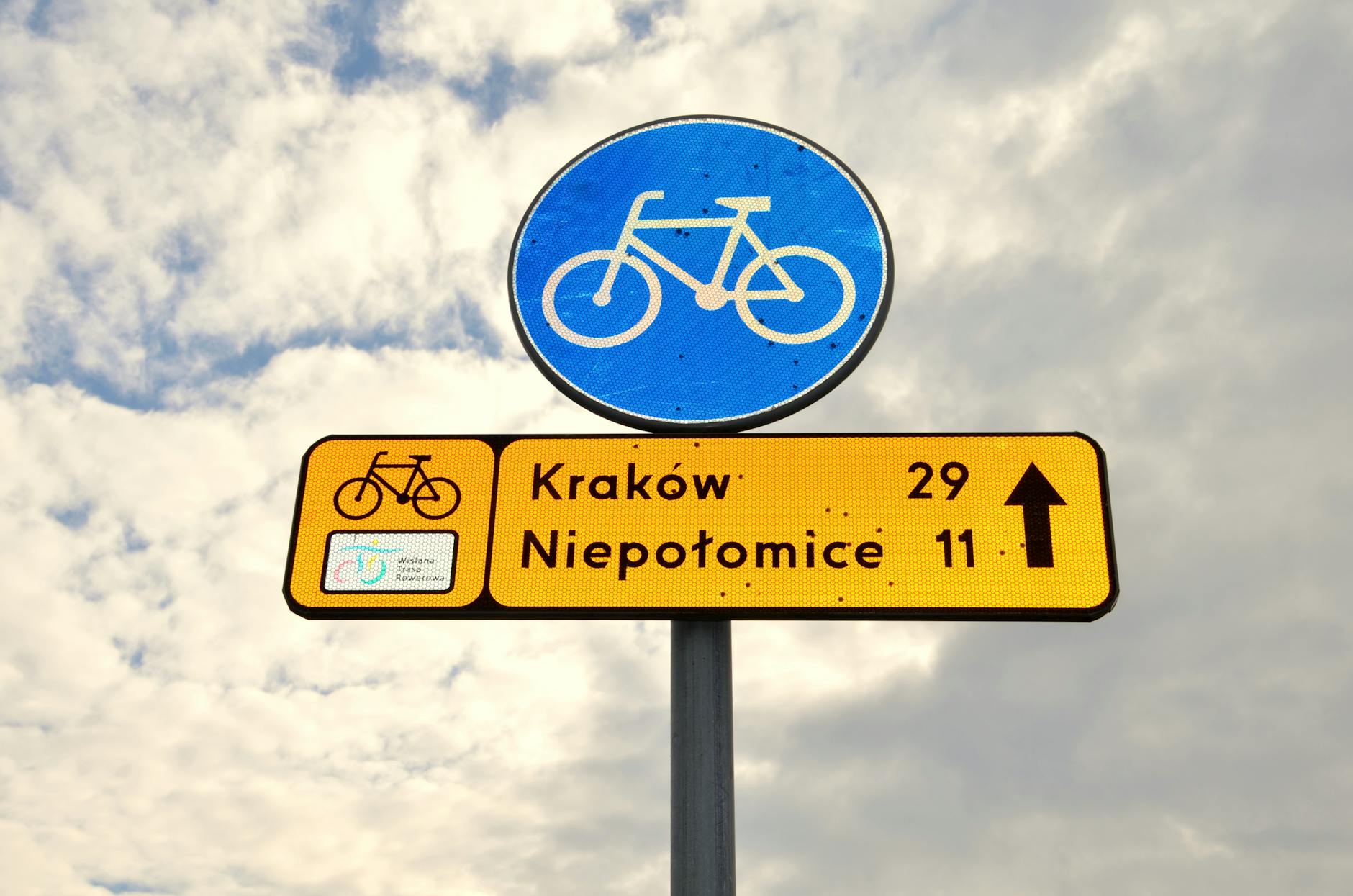
Volunteer and NGO work can involve offices, community centers, schools, shelters, event venues, warehouses, or partner sites. Some may be outside the normal tourist route. The traveler should understand trams, buses, taxis, pickup points, and walking distances before the first commitment.
Reliable movement protects the host's schedule.
- Test routes from lodging to the project, host office, meeting points, and rail or airport links.
- Build buffers for morning traffic, rain, snow, construction, and unfamiliar entrances.
- Use direct transport when carrying supplies, traveling late, or visiting a new project site.
Respect privacy and local context
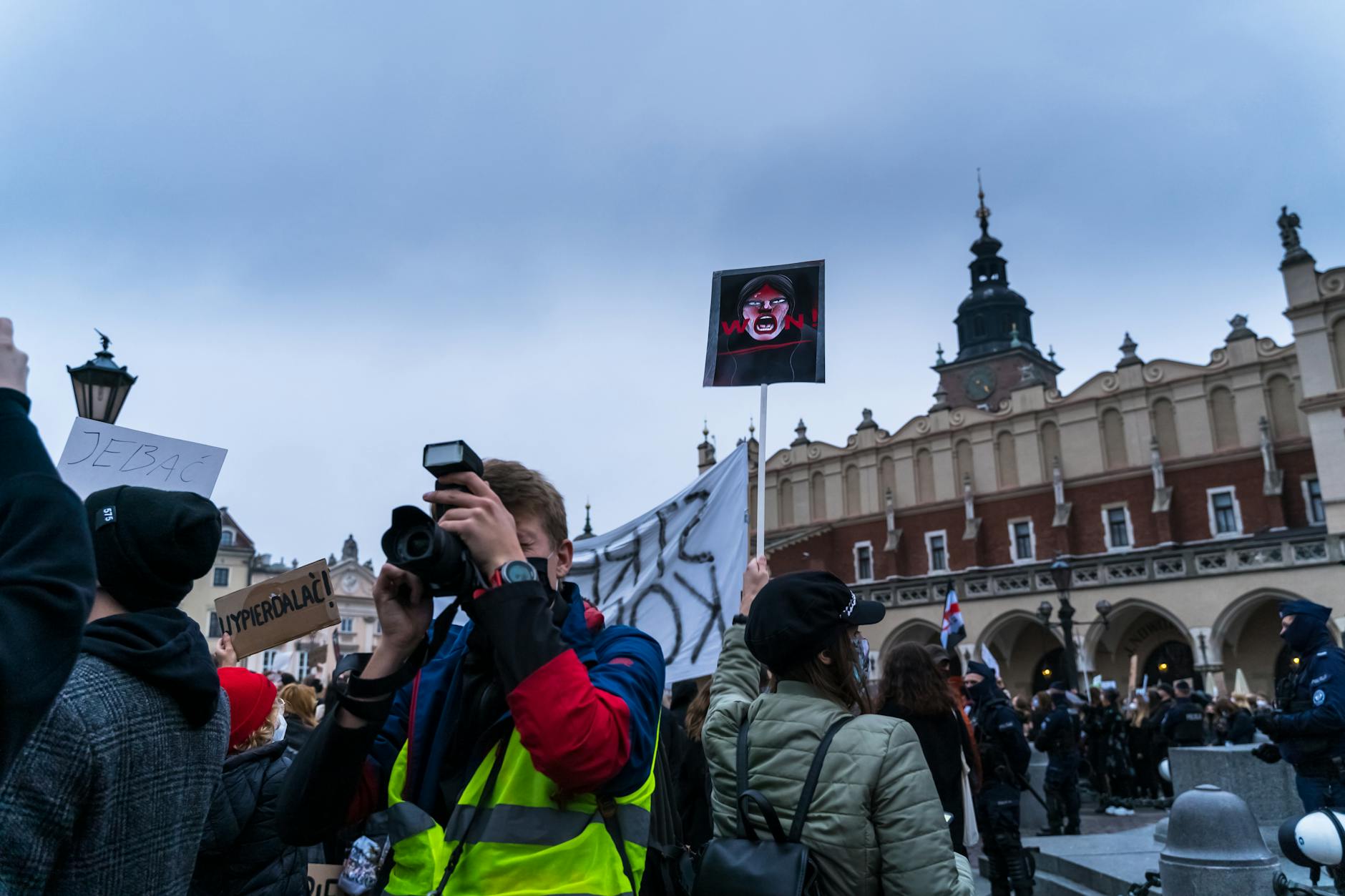
Short-term service travel can create ethical risk when visitors document people, simplify local issues, or promise more than they can deliver. Krakow has deep social, historical, and community contexts, and the traveler should follow the host's lead.
Respect is practical, not decorative.
- Ask before photographing people, workplaces, children, sensitive locations, or identifying details.
- Let the host explain local terminology, neighborhood context, and public communication rules.
- Avoid making commitments, referrals, or public claims that the organization has not approved.
Budget for meals and supplies
Volunteer travel can still carry real costs. Meals, transit, laundry, mobile data, project supplies, luggage storage, translation help, and emergency transport should be planned before arrival. The traveler should also know what the host provides and what is personal responsibility.
A clear budget avoids awkward assumptions.
- Confirm whether meals, local transport, supplies, equipment, or reimbursements are provided.
- Save affordable food options near lodging, the host office, and project locations.
- Carry a small reserve for medicine, weather gear, taxis, laundry, or changed schedules.
Protect wellbeing and boundaries
Short volunteer assignments can be physically and emotionally dense. A traveler may be exposed to serious need, long days, language friction, unfamiliar systems, or unclear boundaries. The plan should include rest, supervision, debriefing, and enough distance to stay useful.
Sustainable help needs recovery.
- Schedule rest after demanding visits, long trainings, or evening events.
- Know who to contact if the assignment changes, feels unsafe, or exceeds the agreed role.
- Keep one quiet block for notes, laundry, messages, and preparation before departure.
When to order a short-term travel report
A volunteer or NGO traveler with host-arranged lodging and transport may not need a custom report. A report becomes useful when the traveler is arranging independent lodging, visiting multiple project sites, carrying supplies, managing privacy constraints, working odd hours, or departing soon after the assignment ends.
The report should test host geography, lodging, transport, meals, supplies, safety habits, rest blocks, weather, and departure buffers. The value is a Krakow service trip that respects the host and reduces preventable friction.
- Order when lodging, project routes, transport, supplies, meals, privacy, safety, or departure timing need exact planning.
- Provide dates, host contacts, project addresses, lodging candidates, role details, budget, mobility needs, and arrival details.
- Use the report to keep the trip useful, respectful, and logistically calm.