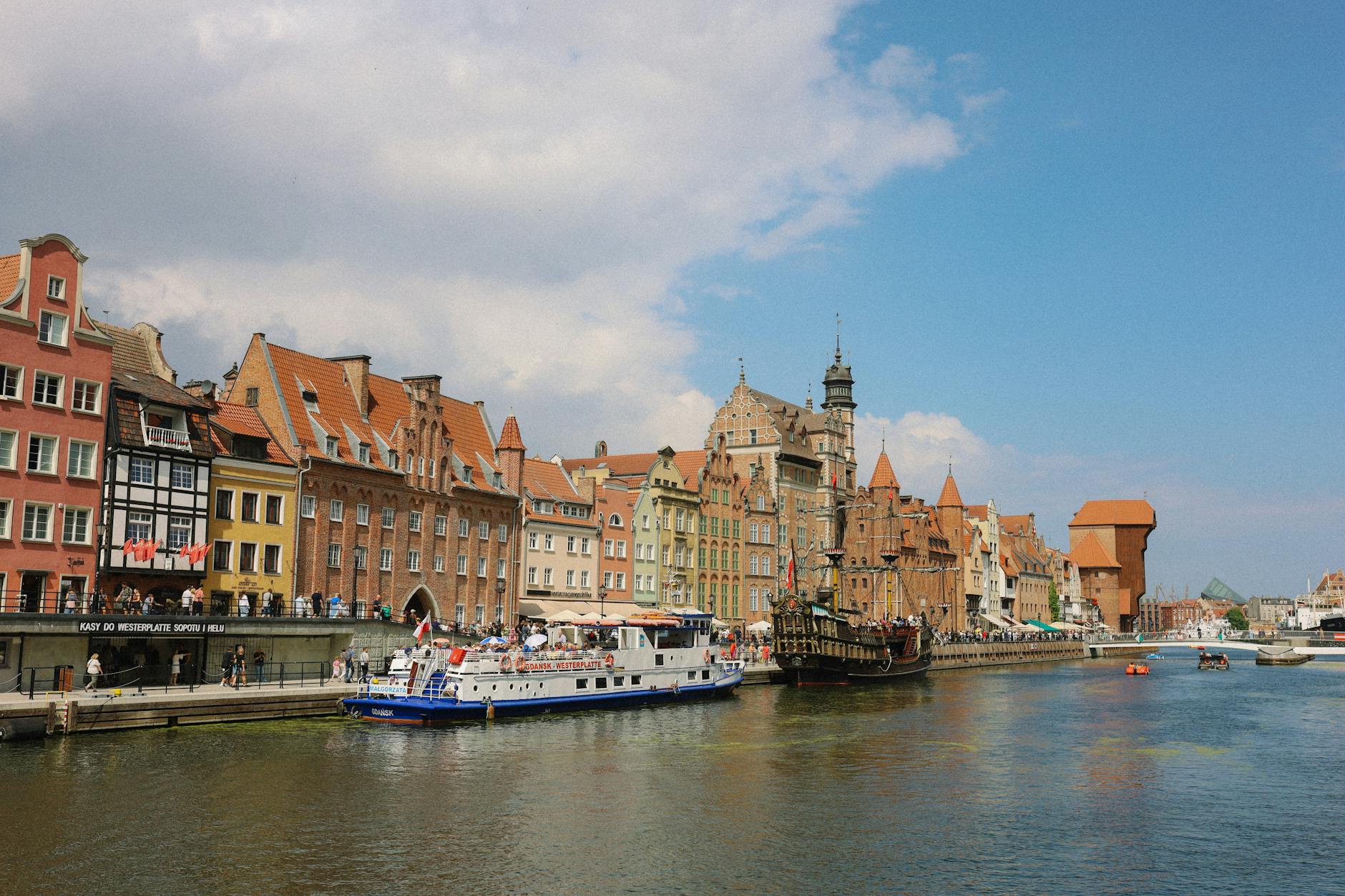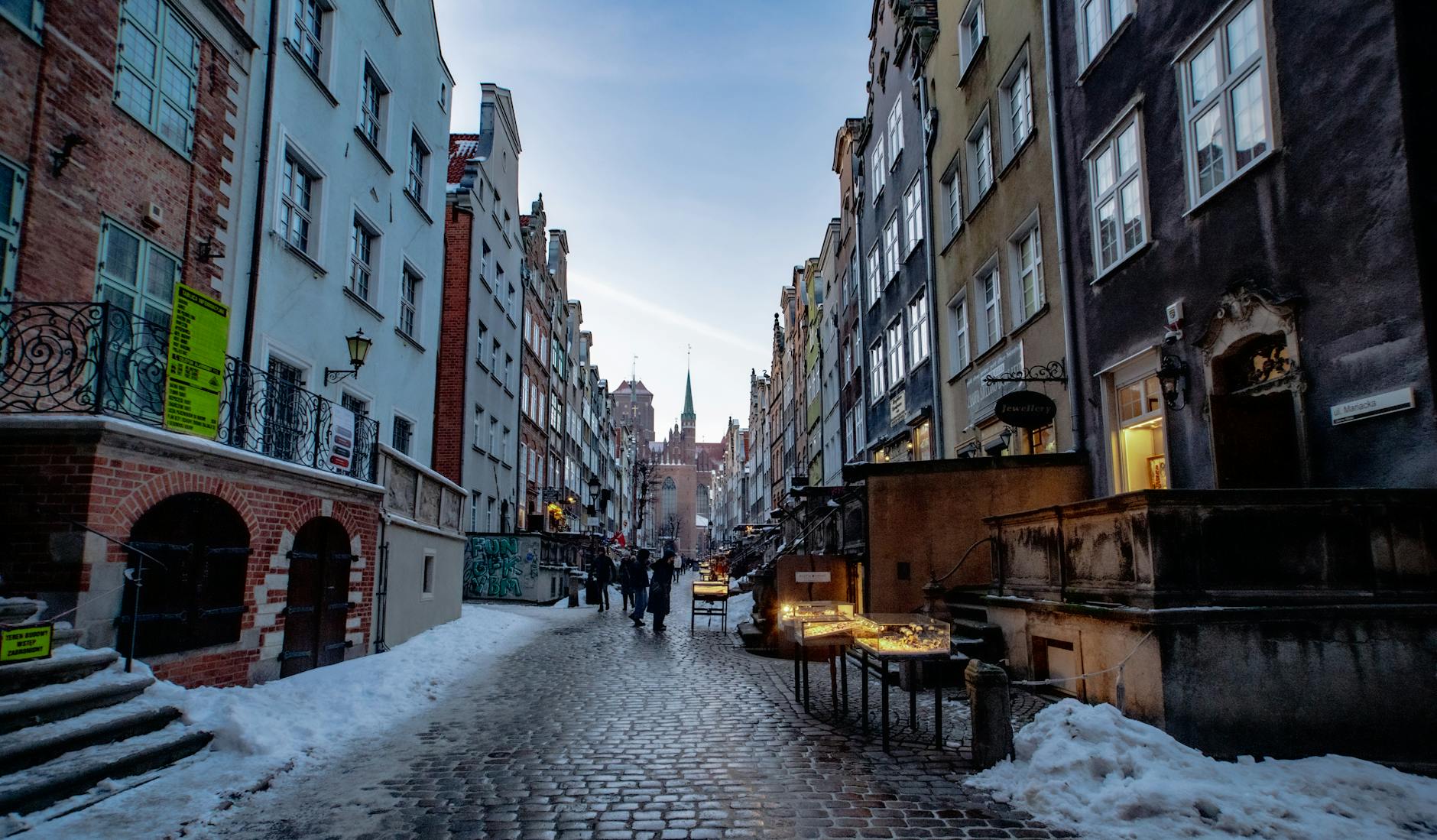
A repeat leisure visit to Gdansk should not simply replay the first trip. The traveler likely knows the old town and waterfront already, so the value comes from choosing a different base, going deeper into history, adding neighborhoods or Tricity time, revisiting favorite meals, and allowing a slower rhythm that still respects Baltic weather and departure timing.
Choose a base for this trip, not the last one
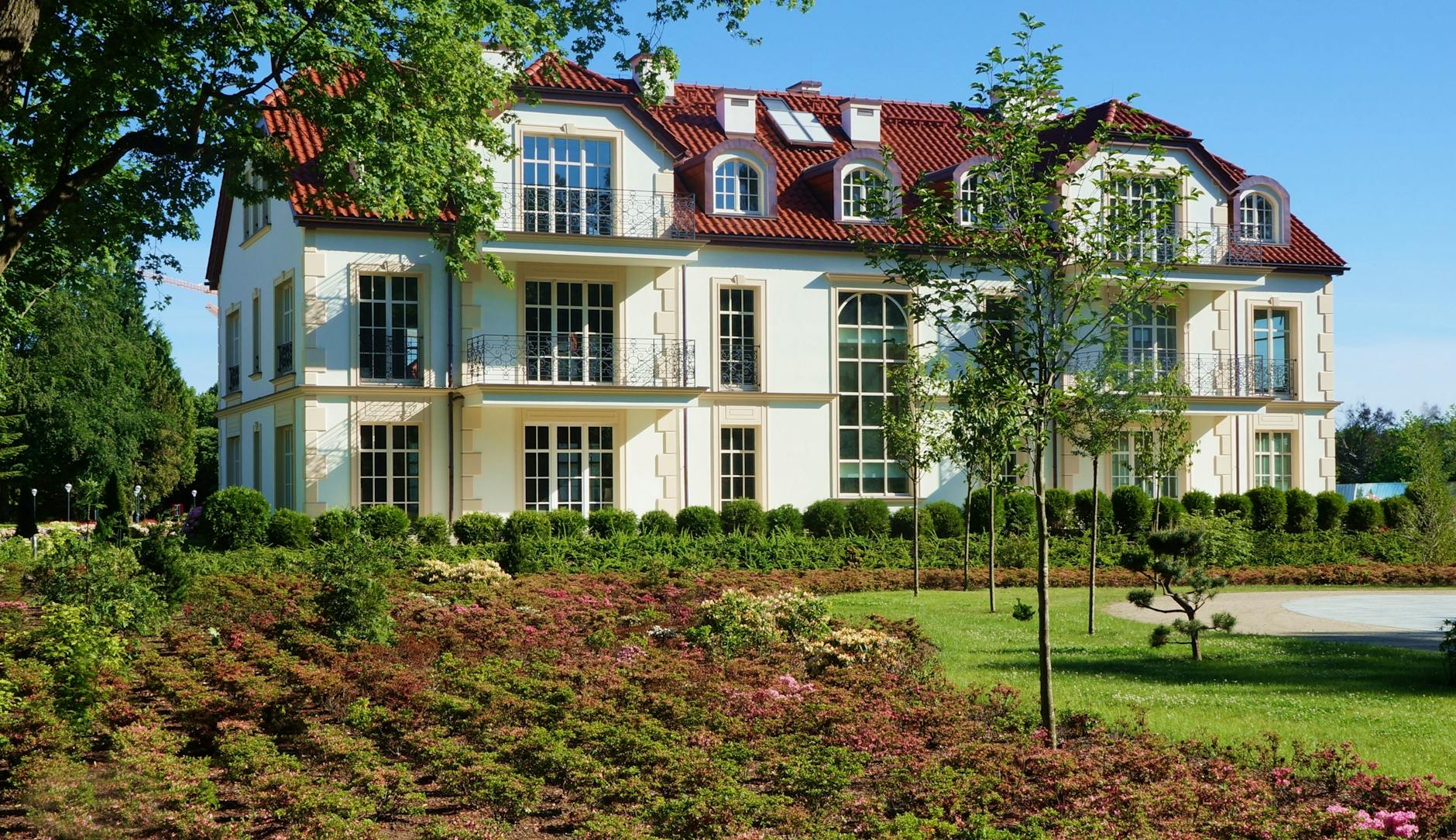
A repeat visitor should not automatically return to the same hotel or street. The best base depends on what the traveler wants this time: waterfront atmosphere, quieter evenings, rail access, shipyard history, Oliwa, Wrzeszcz, Sopot, or a more relaxed old-town stay.
The base should reflect the new purpose.
- Compare old town, waterfront, Wrzeszcz, Oliwa, and Sopot against the actual plan for this visit.
- Check transport, evening return routes, breakfast, noise, and taxi pickup before rebooking.
- Choose convenience for the current itinerary rather than nostalgia alone.
Go deeper into one historical thread
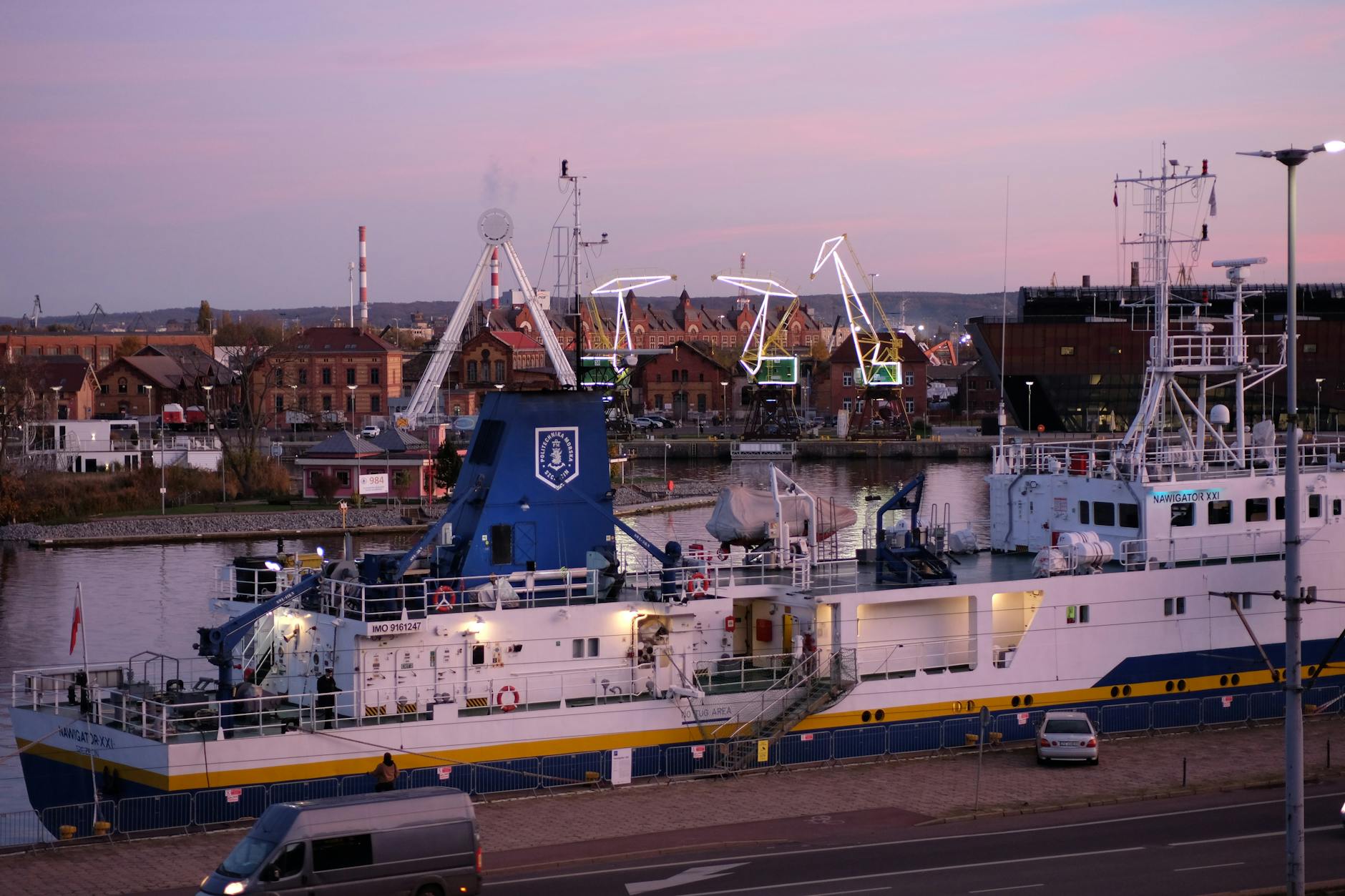
The first visit may have covered the main views. A repeat leisure visitor can make the next trip stronger by choosing one deeper thread: Solidarity history, shipyard heritage, maritime identity, World War II context, architecture, amber, or local food culture.
Depth often beats another broad loop.
- Choose one theme and build a half-day around it with a museum, guide, walk, or reading stop.
- Check opening days, timed tickets, tour availability, and emotional intensity.
- Leave time afterward for a cafe, waterfront walk, or quiet meal rather than another heavy stop.
Revisit favorite areas with a slower lens
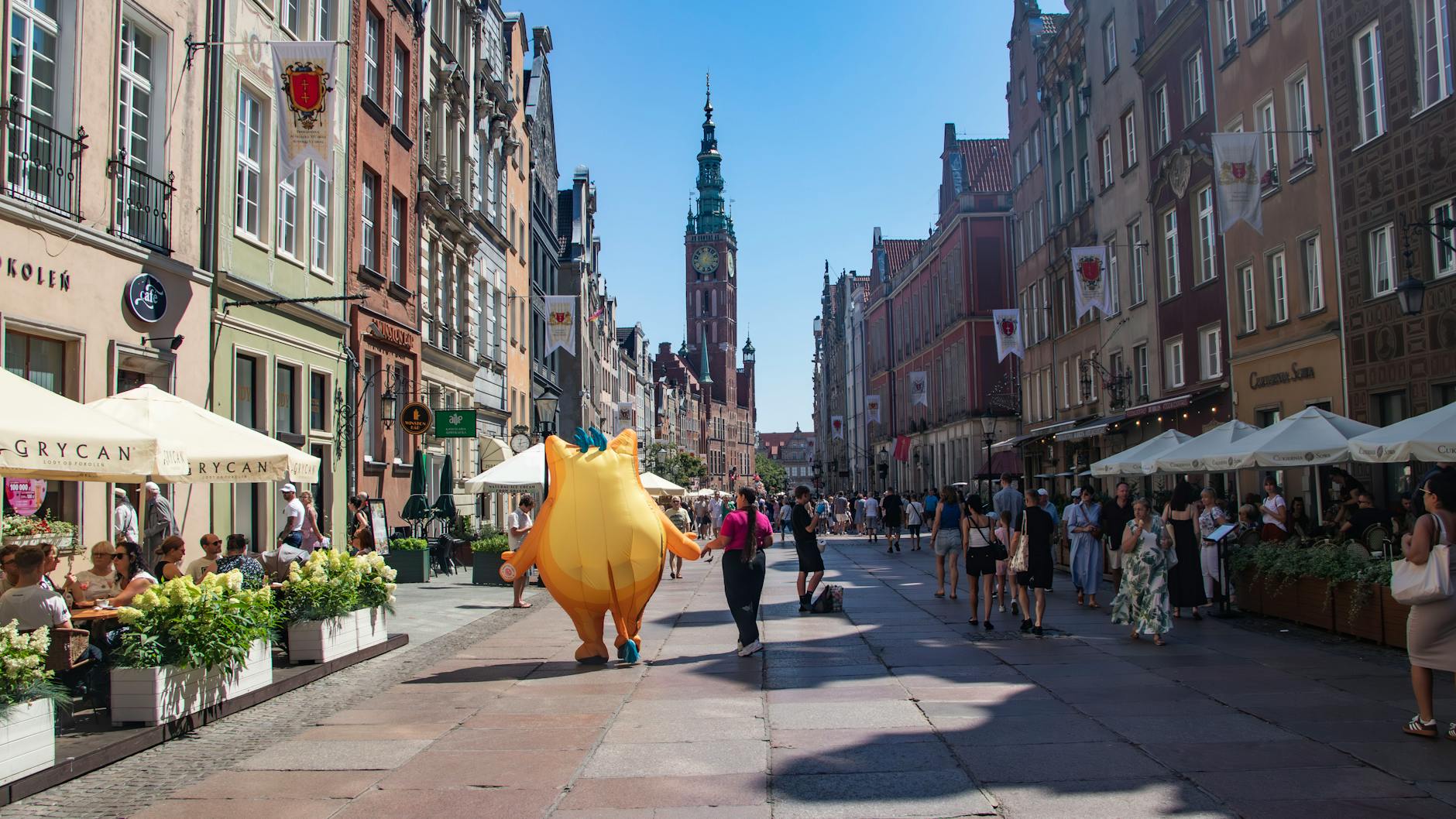
Repeat leisure travel gives permission to slow down. Long Market, Mariacka Street, the waterfront, amber shops, and cafes can feel different when the traveler is not trying to prove they saw everything. The plan should include time to linger without losing the day.
Familiar places can still reward attention.
- Return to one favorite street, shop, church, cafe, or view with enough time to notice details.
- Check reputable amber shops, opening hours, and documentation if shopping is part of the trip.
- Avoid filling every open block just because the main sights are familiar.
Refresh the food plan
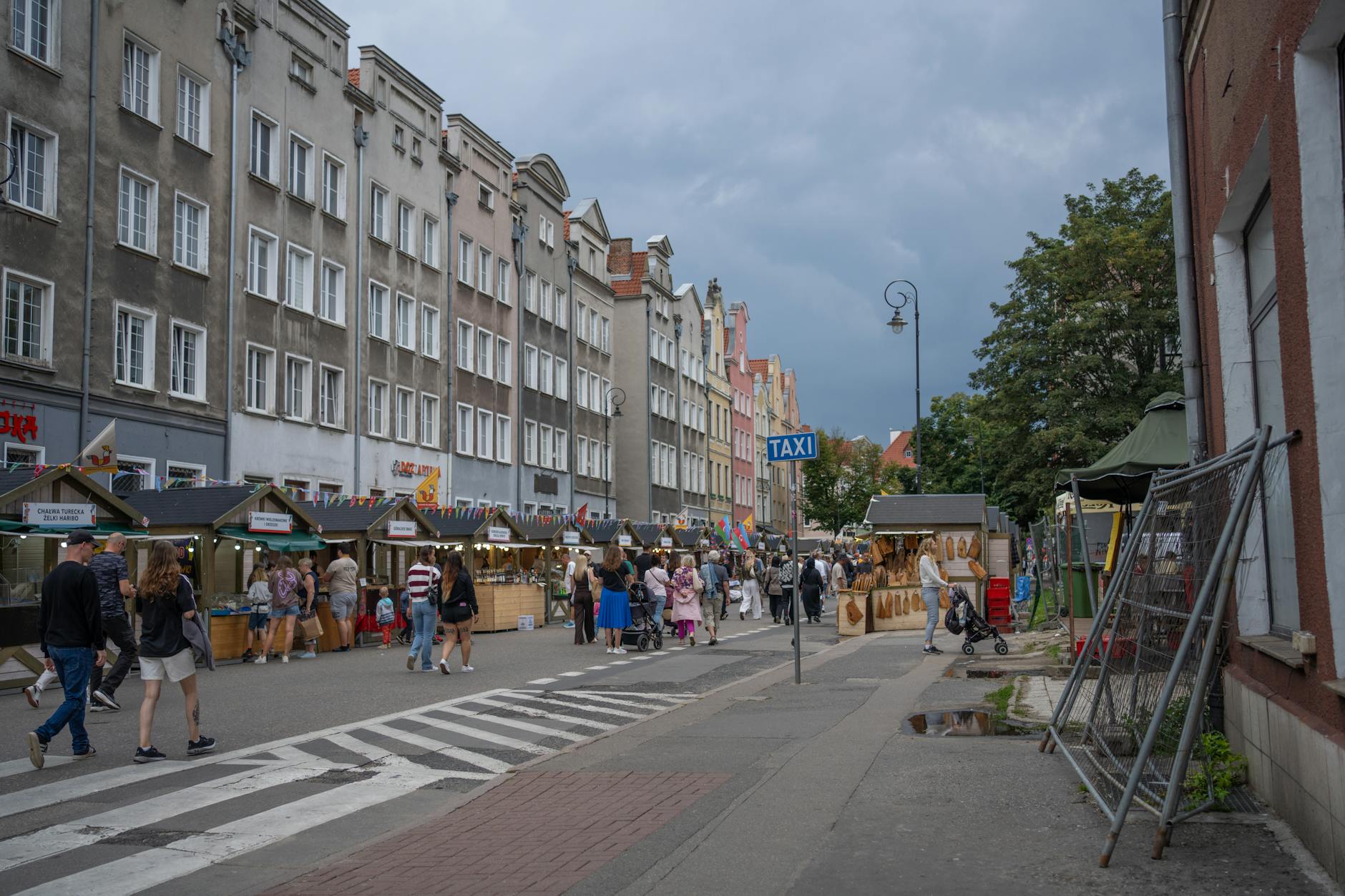
A return visit is a good moment to move beyond the most obvious meals. The traveler might revisit one favorite restaurant, try a different waterfront table, add a bakery or cafe routine, or look outside the old-town core. The meal plan should still be practical for weather and evening returns.
Food can give the repeat trip a new rhythm.
- Reserve one meaningful dinner and keep other meals flexible.
- Look for cafes, bakeries, casual Polish food, and neighborhoods that fit the day's route.
- Keep a simple fallback near the hotel for rain, fatigue, or a delayed train.
Use the Tricity more intelligently
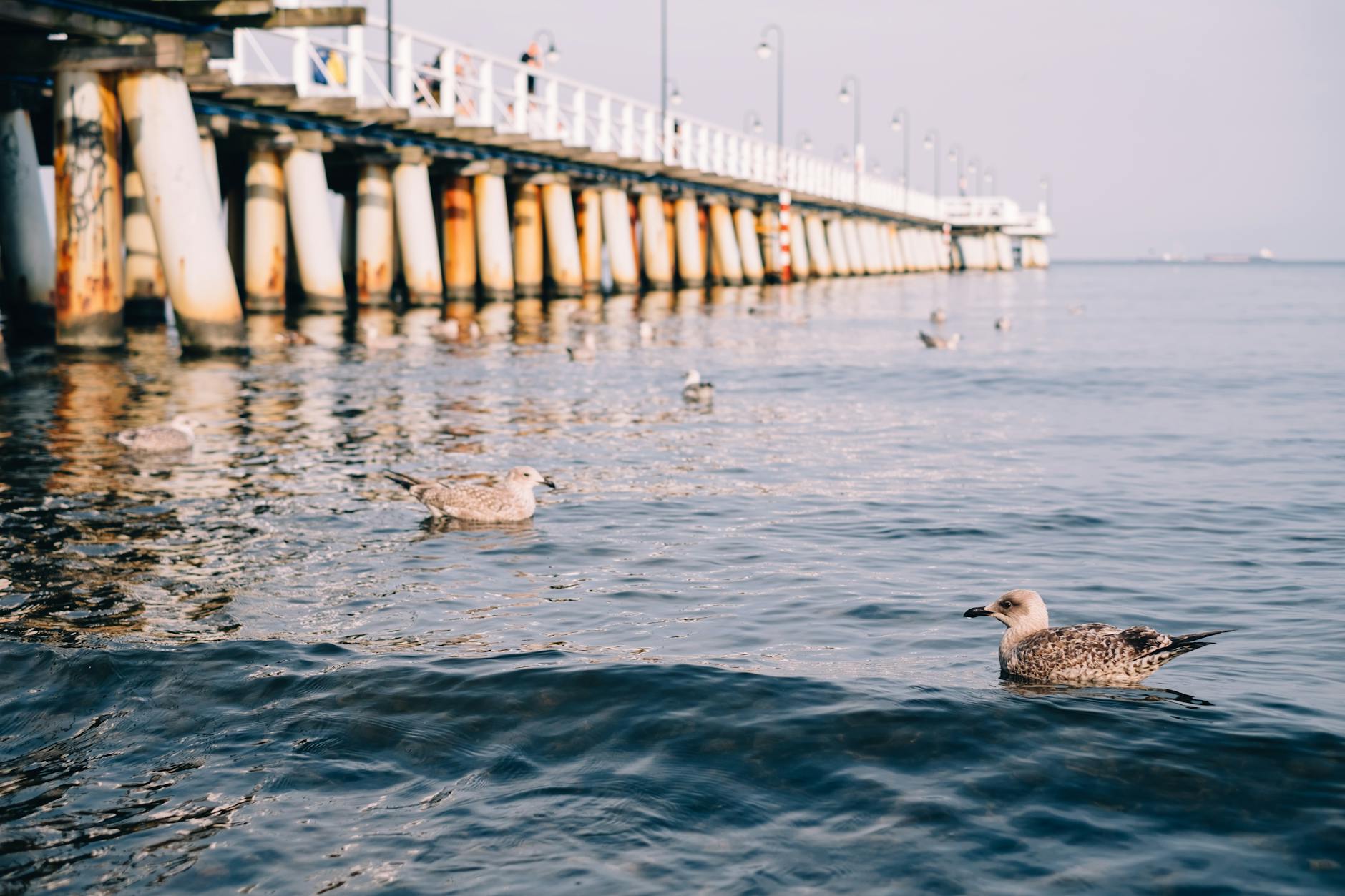
Repeat visitors are often better positioned to add Sopot, Gdynia, Oliwa, or beach time because they no longer need every central Gdansk hour for first impressions. The risk is adding too much geography. Rail timing, weather, meal plans, and return comfort still matter.
The Tricity should be selective, not automatic.
- Choose one Tricity extension with a clear reason rather than trying to sample every district.
- Check rail timing, last return options, beach weather, and meal locations.
- Keep central Gdansk time protected if the stay is short.
Let weather shape the second trip
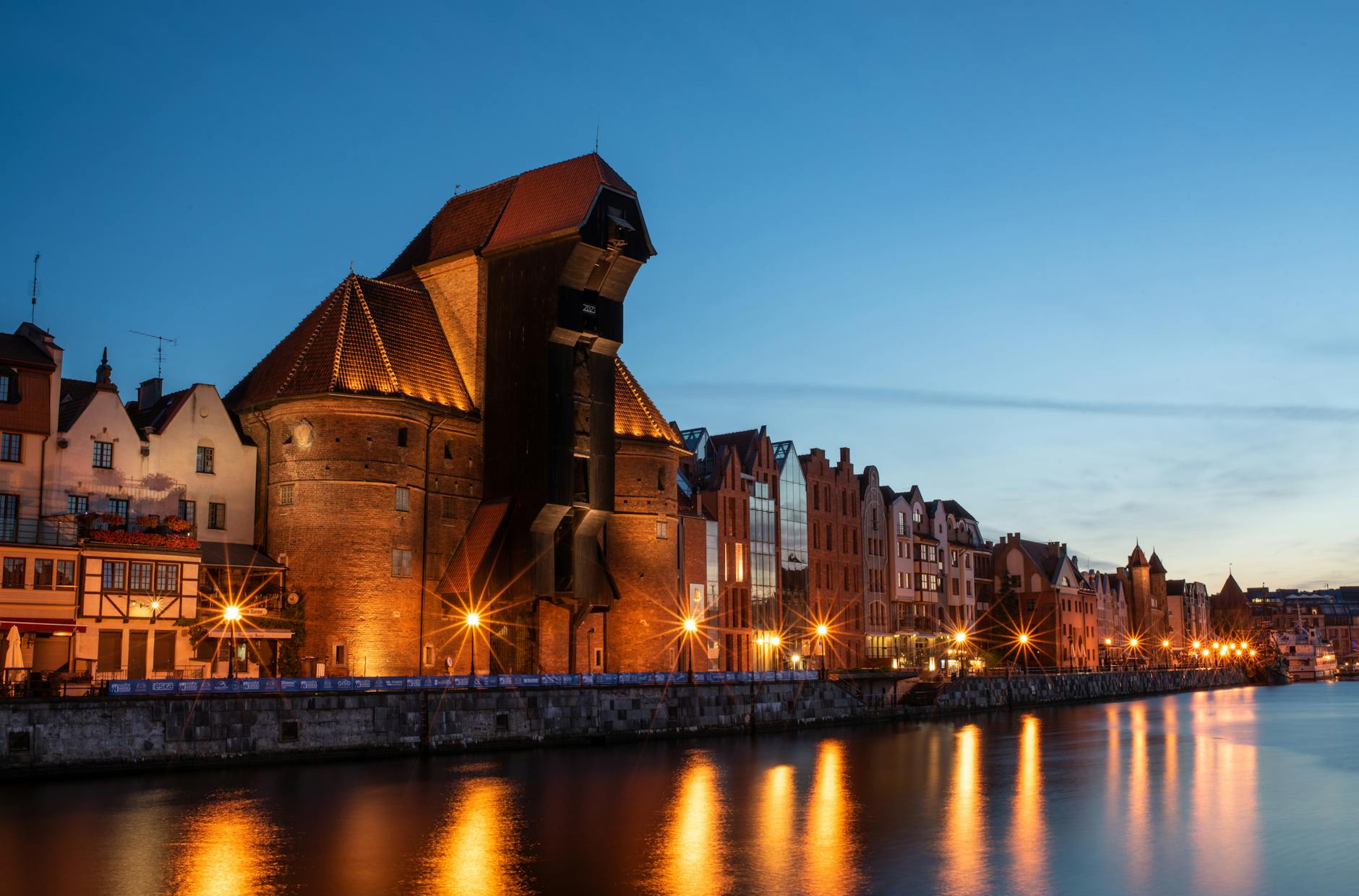
A repeat visitor may remember the city in one season, but Gdansk changes with wind, rain, daylight, cold, and summer crowds. The second trip should have better backups than the first: indoor routes, museum choices, flexible meals, and a willingness to move plans around.
Weather awareness is part of repeat-trip maturity.
- Pack layers, rain protection, and shoes that handle cobblestones and waterfront paths.
- Hold indoor options for poor weather and outdoor walks for clear windows.
- Avoid making the best experience depend on a single exposed evening.
When to order a short-term travel report
A repeat leisure visitor who simply wants to revisit favorites may not need a custom report. A report becomes useful when the goal is to make the second or third trip meaningfully different through neighborhoods, guides, deeper museums, Tricity movement, restaurants, shopping, seasonal planning, or a tight departure.
The report should test base choice, route freshness, deeper experiences, meals, shopping, transport, Tricity options, weather backups, and departure buffers. The value is a return to Gdansk that feels intentional rather than repetitive.
- Order when base choice, routes, museums, meals, shopping, Tricity movement, weather, or departure timing need exact planning.
- Provide dates, prior-visit notes, favorite places, places to avoid, hotel candidates, interests, budget, and arrival details.
- Use the report to make the repeat visit fresh, relaxed, and practical.