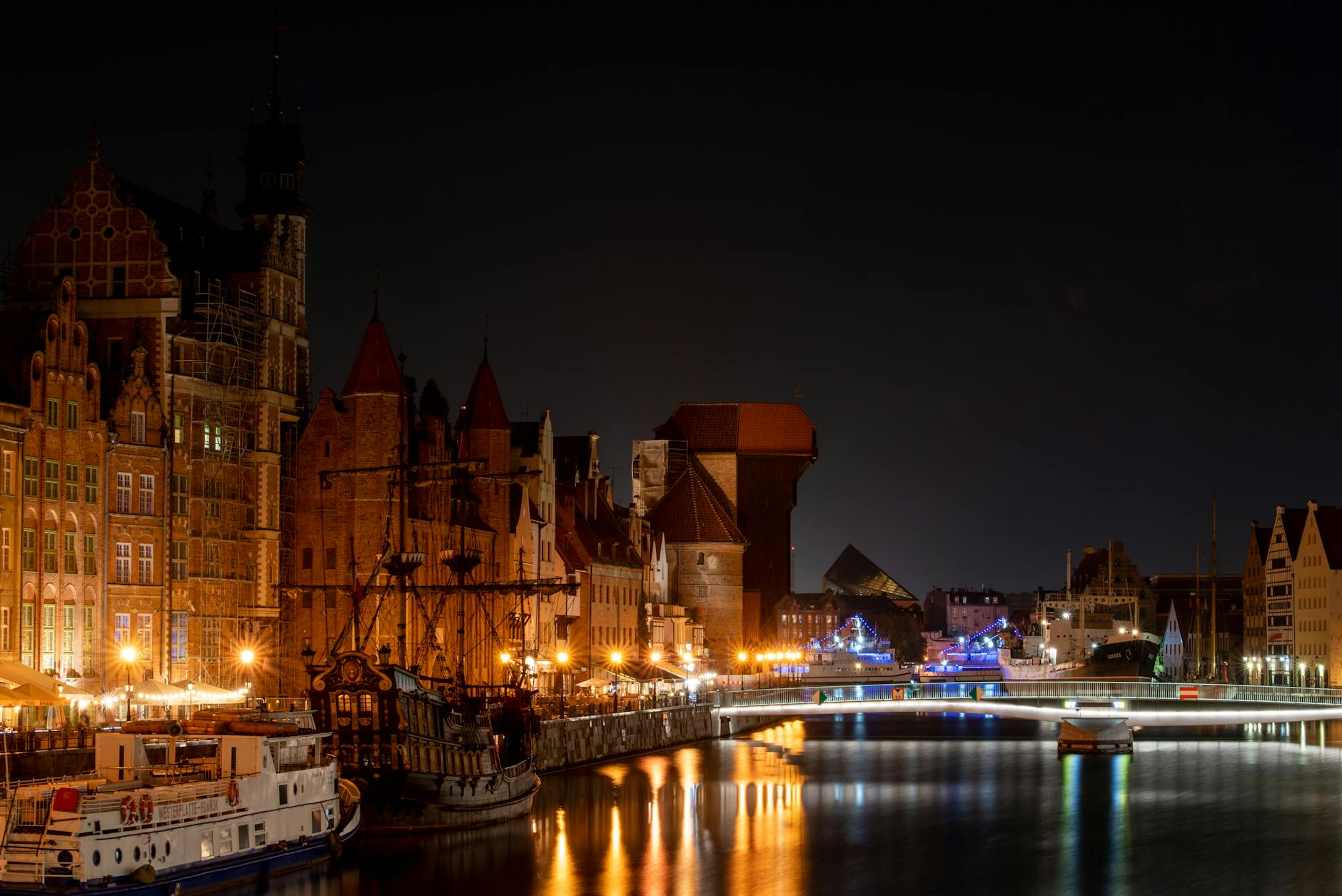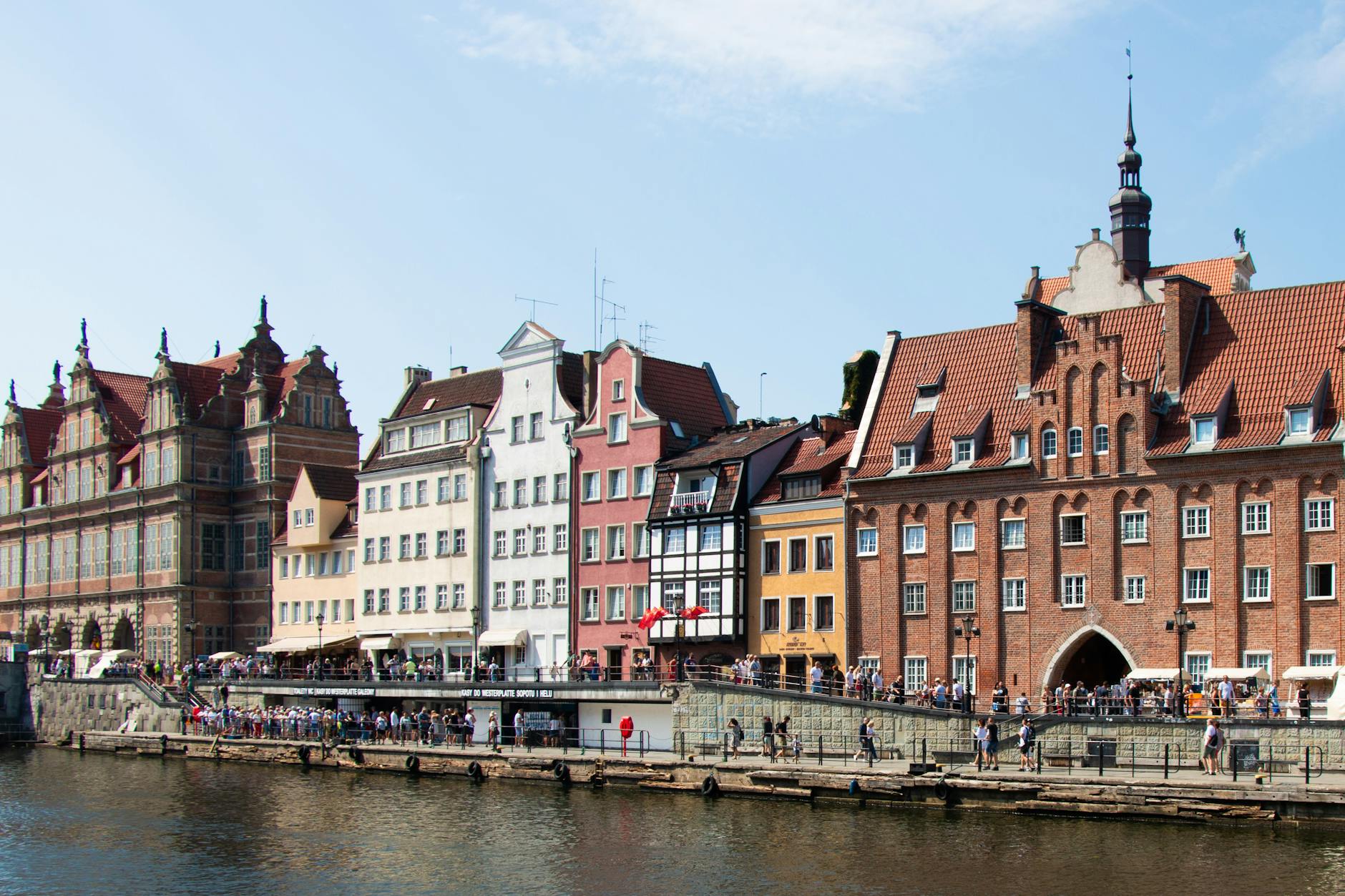
Gdansk rewards tourists who give the city a clear shape instead of treating it as a simple old-town walk. The historic center, Motlawa waterfront, gates, churches, shipyard history, amber shops, restaurants, and nearby Sopot or Gdynia can all fit into a short stay, but only if the route, weather, meals, museum load, and transport are planned realistically.
Start with the old town spine
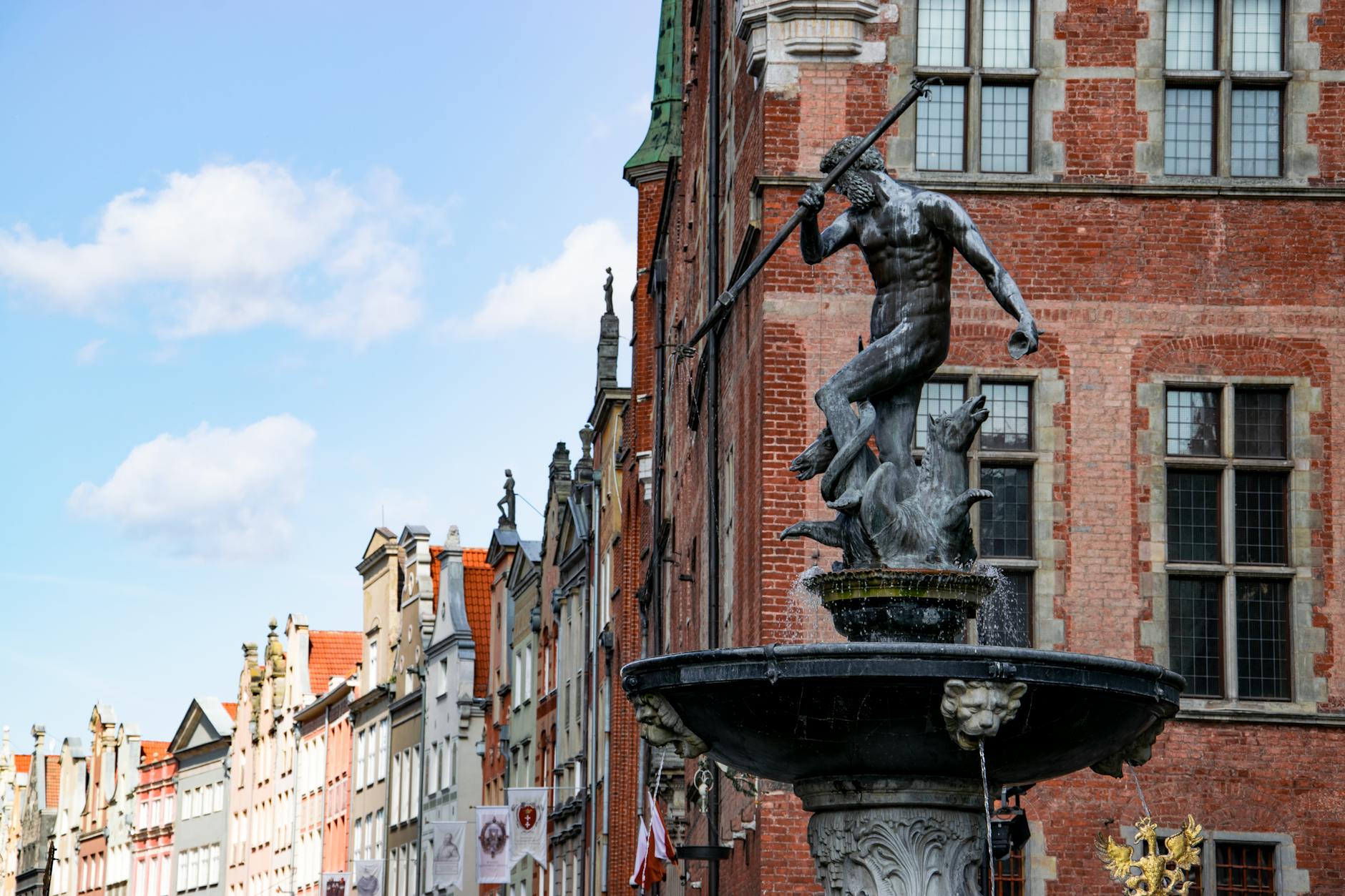
A short tourist visit should begin with the main route rather than scattered stops. Long Market, St. Mary's Basilica, the gates, side streets, amber shops, and the Motlawa waterfront can form an efficient first loop. That route gives the traveler orientation before adding museums or Tricity movement.
The first walk should explain the city.
- Build the first route around Long Market, St. Mary's Basilica, the waterfront, bridges, and a meal stop.
- Check walking surfaces, crowd pinch points, restroom options, and cafe breaks before starting.
- Avoid scheduling distant stops before the central route feels familiar.
Use the waterfront at the right times
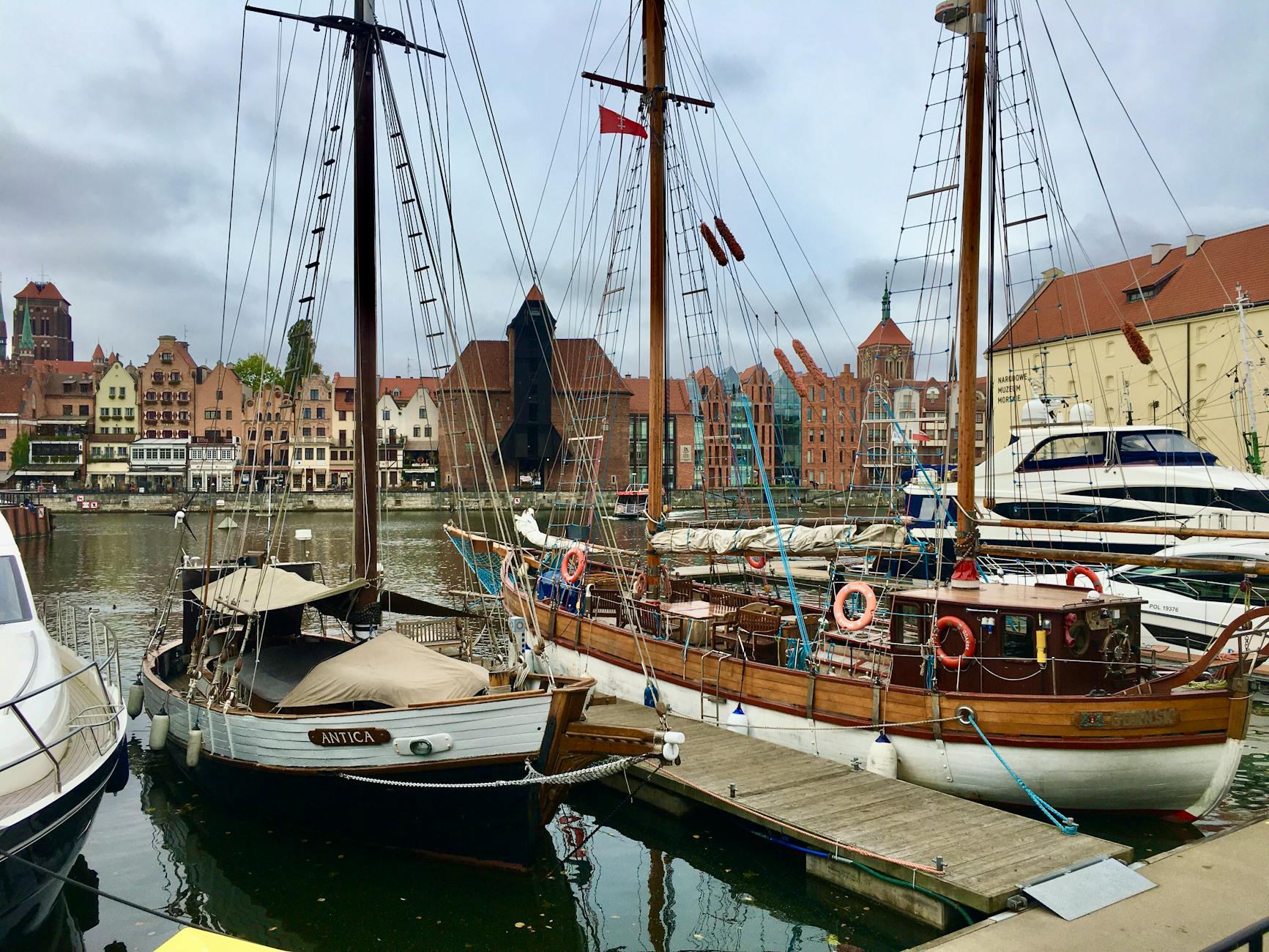
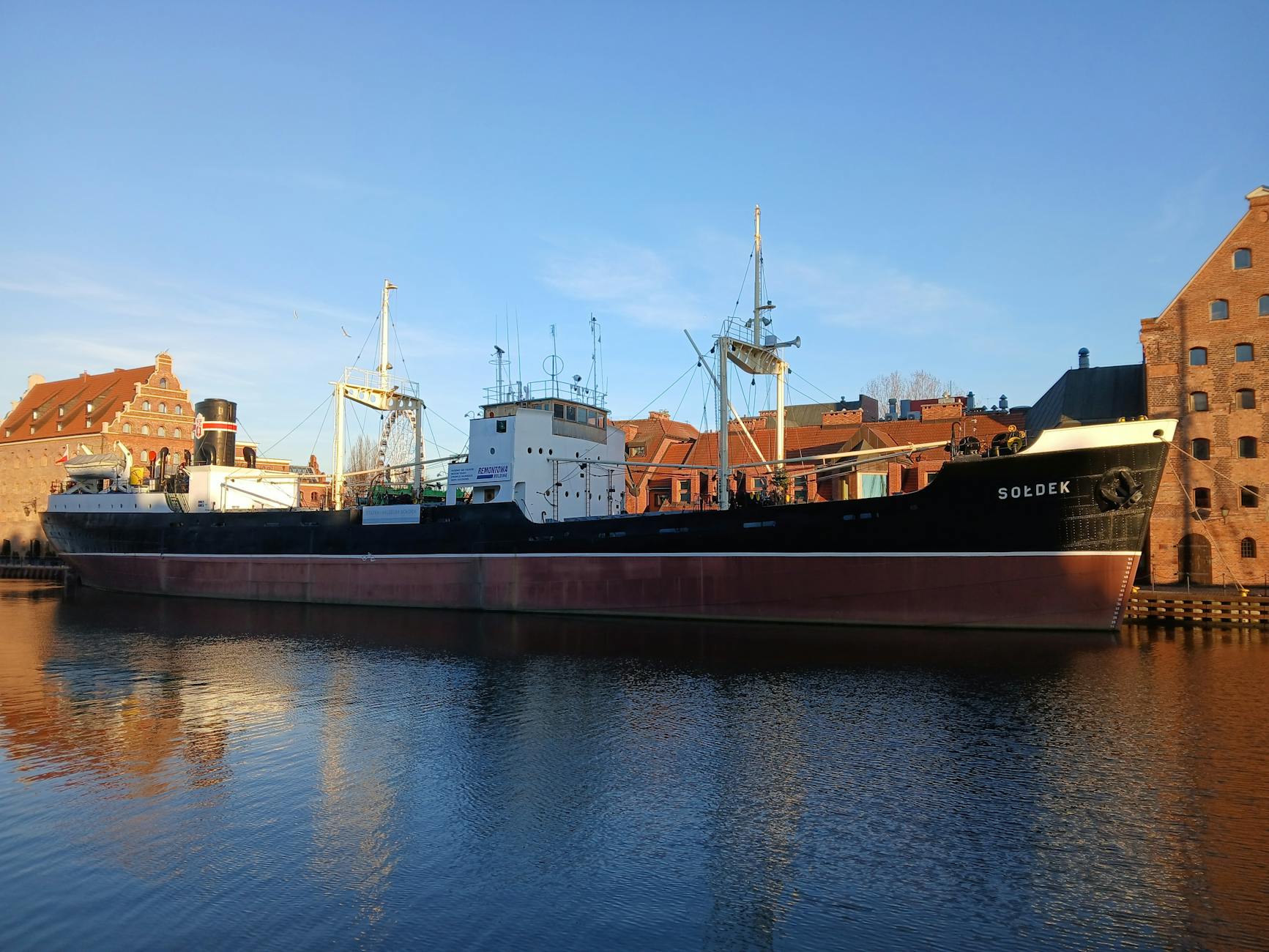
The Motlawa waterfront is one of Gdansk's strongest tourist areas, but timing changes the experience. Morning can be calmer, evening can be atmospheric, and summer afternoons can be crowded. Wind, rain, light, and restaurant demand should guide when the traveler spends time there.
The waterfront works best when it is not rushed.
- Plan a daylight waterfront walk and a shorter evening return if the weather is good.
- Reserve waterfront meals when views, timing, or group size matter.
- Keep a nearby indoor option ready if wind or rain makes the route unpleasant.
Choose museums by attention span
Gdansk has important history, but tourists should not stack major museums without considering time and emotional intensity. Shipyard history, World War II context, amber, maritime identity, and architecture can all be worthwhile, yet a short stay needs selectivity.
One strong museum can be better than three rushed ones.
- Pick the museum that best matches the trip purpose rather than trying to cover every topic.
- Check timed tickets, opening days, visit length, cloakrooms, restrooms, and language support.
- Follow a heavy museum visit with a lighter walk, cafe, or waterfront break.
Handle transport before the day gets long
Tourists often underestimate how much movement a Gdansk stay can involve. Airport transfers, rail arrival, tram rides, taxi pickup points, and Tricity excursions all need simple decisions. The traveler should understand transport before fatigue, rain, or luggage makes it harder.
Movement should stay predictable.
- Save airport, rail, tram, taxi, and hotel routes offline before arrival.
- Use direct transport for luggage-heavy arrivals, late dinners, bad weather, or early departures.
- Check whether the hotel sits on a pedestrian street before assuming door-to-door pickup.

Plan meals as route anchors
Meals can either steady a tourist day or interrupt it. Gdansk restaurants, cafes, bakeries, and waterfront dining should be placed near the route, hotel, or museum schedule. A good meal plan accounts for weather, crowds, reservations, and how much walking remains afterward.
Food should support the itinerary.
- Save casual lunch, cafe, and dinner options near the old town, waterfront, and hotel.
- Reserve ahead for popular waterfront dinners, weekends, holidays, and larger groups.
- Keep one simple fallback meal near the hotel for arrival night or a tired evening.

Add Sopot or Gdynia with a purpose
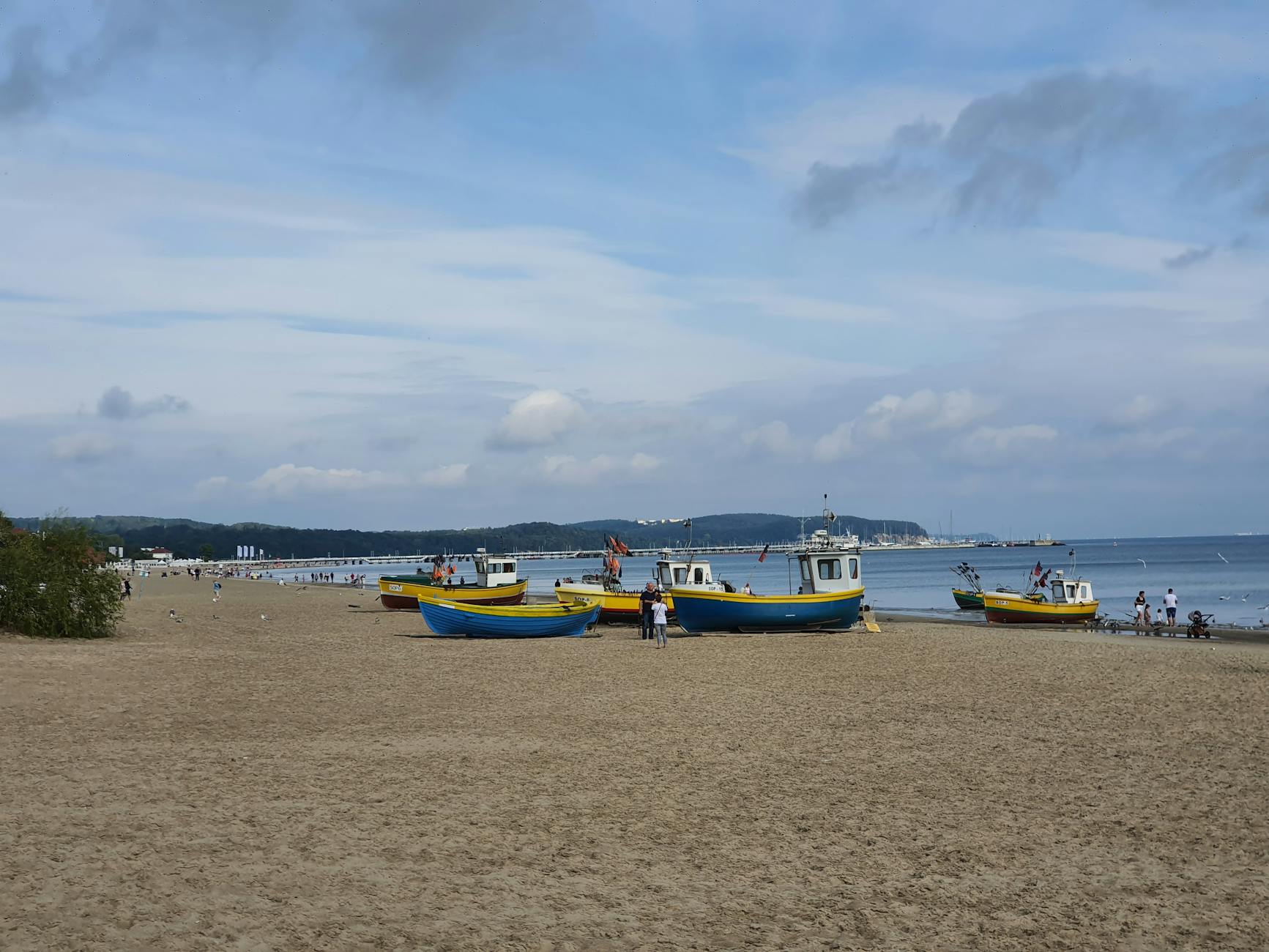
Sopot and Gdynia can make a Gdansk tourist trip richer, but they should not be automatic additions. Rail timing, beach weather, crowd levels, energy, and the return route all matter. A short trip can be weakened if the traveler spends too much of it in transit.
The Tricity extension should earn its place.
- Add Sopot, Gdynia, or beach time only when weather and transport timing are favorable.
- Keep central Gdansk as the priority if the stay is only one or two nights.
- Avoid a Tricity outing before a tight airport or rail departure.
When to order a short-term travel report
A tourist with flexible dates and a simple central stay may not need a custom report. A report becomes useful when the trip includes limited time, multiple museums, Tricity movement, restaurant priorities, weather risk, mobility concerns, family or group needs, or a tight departure.
The report should test lodging, walking routes, museum timing, waterfront plans, meals, transport, Tricity options, weather backups, and departure buffers. The value is a Gdansk visit that feels full without becoming scattered.
- Order when lodging, routes, museums, meals, transport, Tricity options, weather, or departure timing need exact planning.
- Provide dates, hotel candidates, arrival details, interests, group size, walking tolerance, budget, and must-see stops.
- Use the report to keep the tourist stay coherent, realistic, and well-paced.