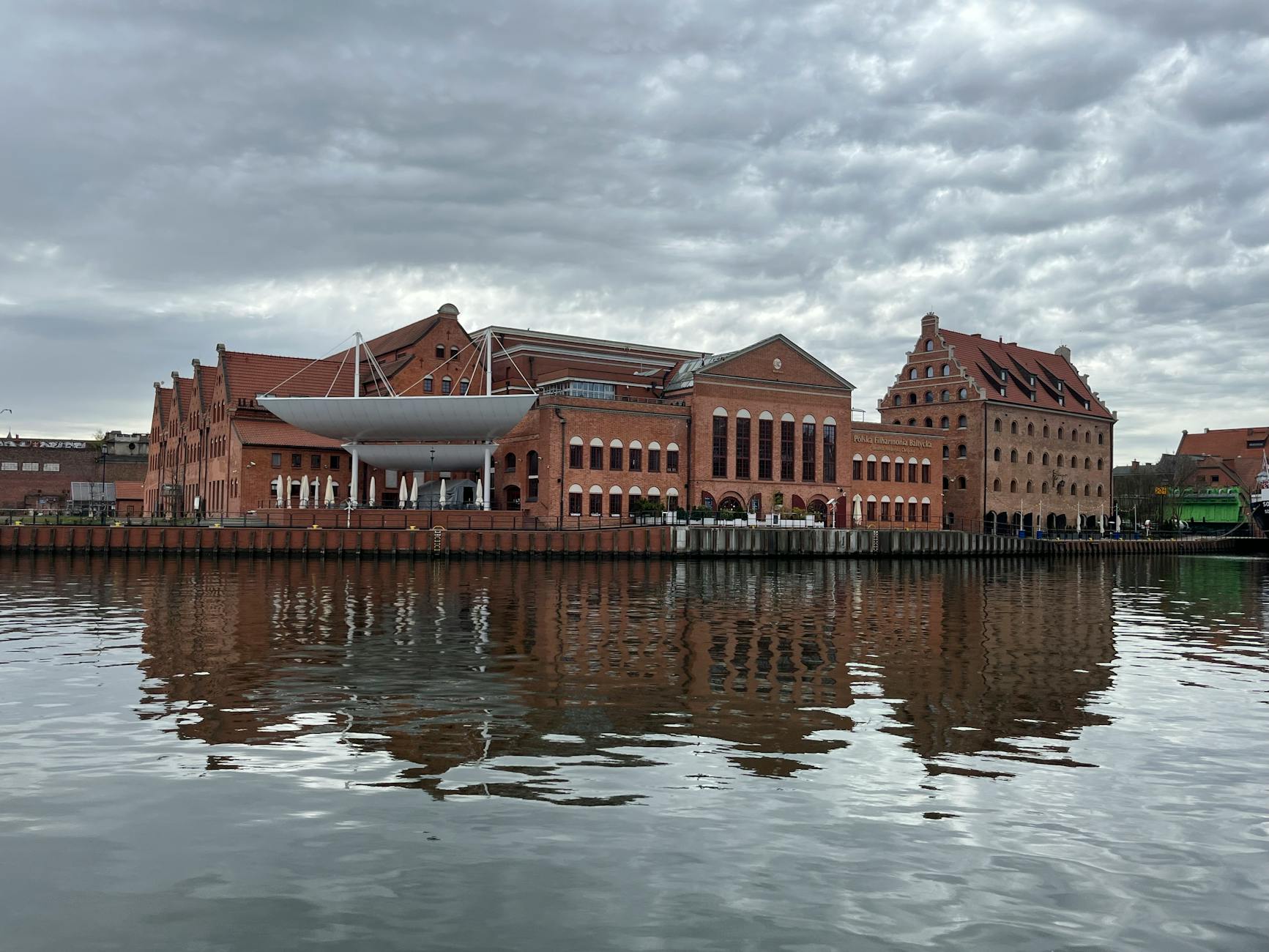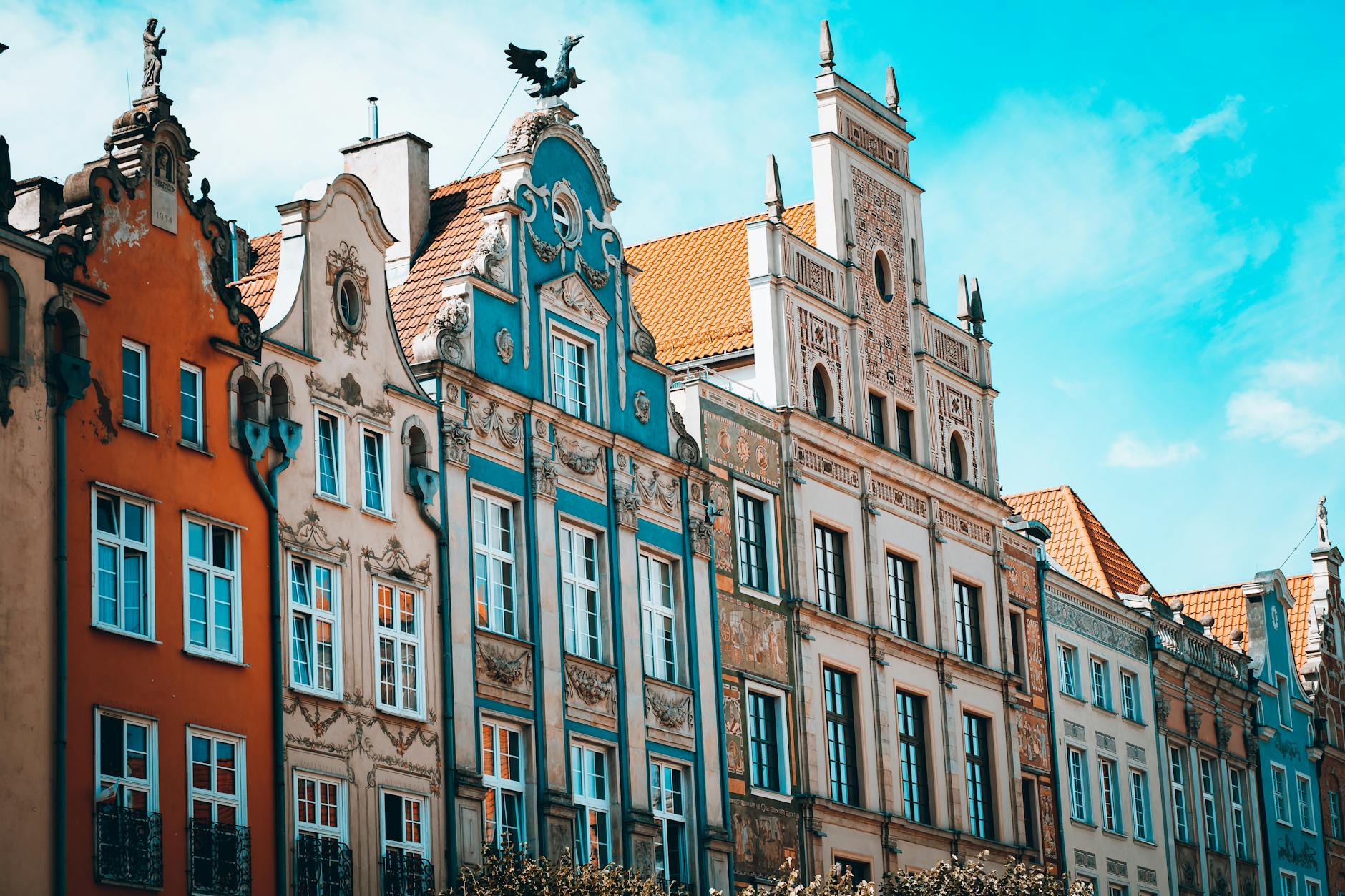
Gdansk can work well for budget travel because many of the strongest experiences are walkable: old-town streets, the Motlawa waterfront, churches, viewpoints, markets, cafes, and regional rail access. The risk is not that the city is impossible on a budget. The risk is losing money and time through weak lodging choices, unnecessary transport, poorly timed meals, and paid sights that do not fit the short stay.
Choose lodging by total trip cost
The cheapest bed is not always the cheapest Gdansk stay. A distant room can add transport costs, late-night stress, luggage friction, and lost time. A budget traveler should compare hostels, guesthouses, apartments, and simple hotels by the whole day, not just the nightly rate.
Value includes location and recovery.
- Compare lodging against walking distance, transit fares, check-in timing, kitchen access, and luggage storage.
- Check whether late arrival, early departure, or a pedestrian street will create extra taxi costs.
- Avoid saving a small amount if it creates a daily transport problem.
Build the trip around free walking value
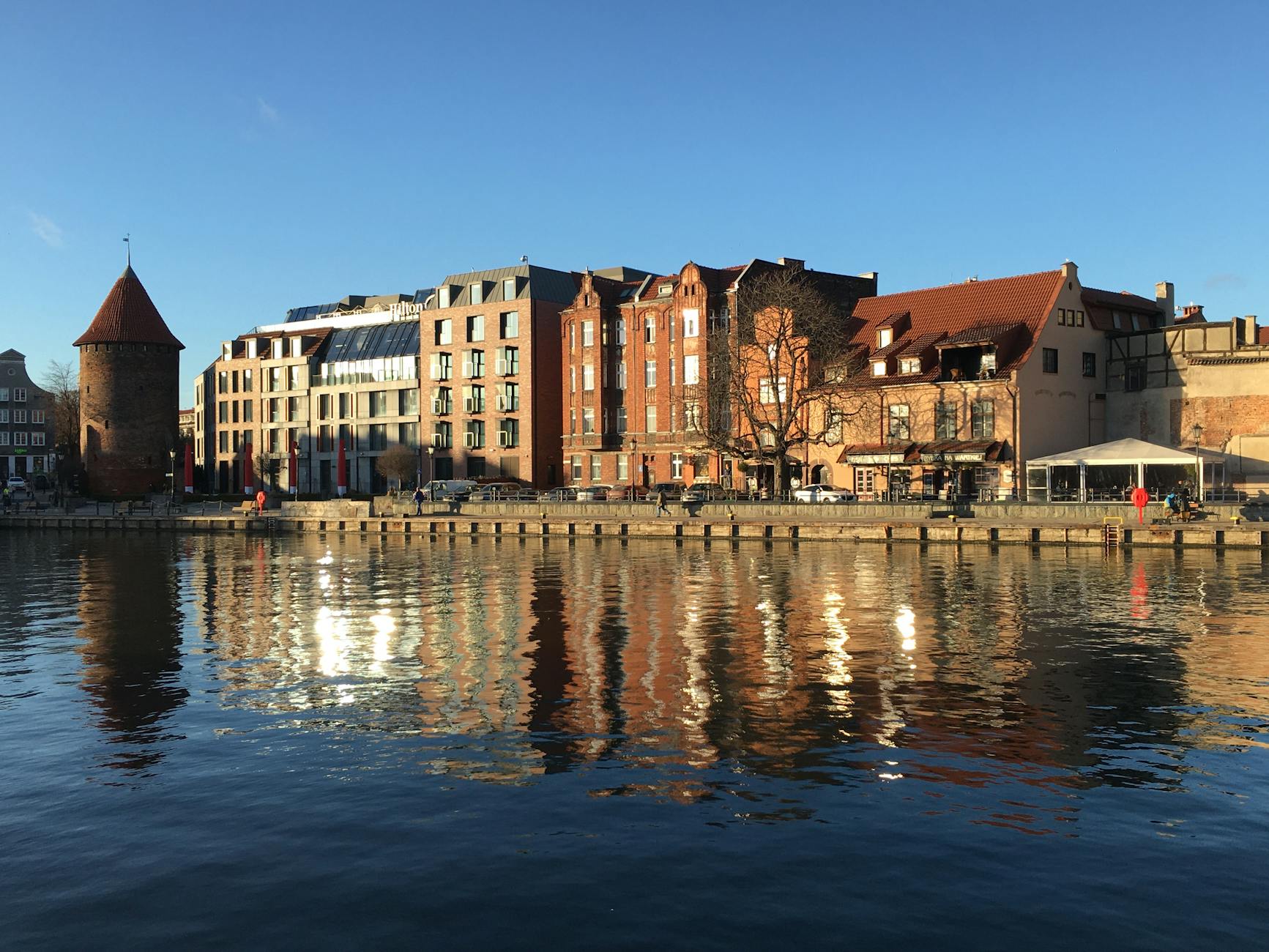
Gdansk gives budget travelers a lot without requiring paid entry at every stop. Long Market, the waterfront, churches, gates, side streets, public squares, and exterior architecture can fill a strong first day. The traveler should still pace the route so it does not become an exhausting march.
Free does not mean unplanned.
- Use the old town, waterfront, bridges, churches, and viewpoints as the first-day backbone.
- Add cafe, grocery, or bench breaks so the route stays comfortable.
- Save paid museums for the topics that matter most rather than buying entry out of habit.
Use public transport deliberately
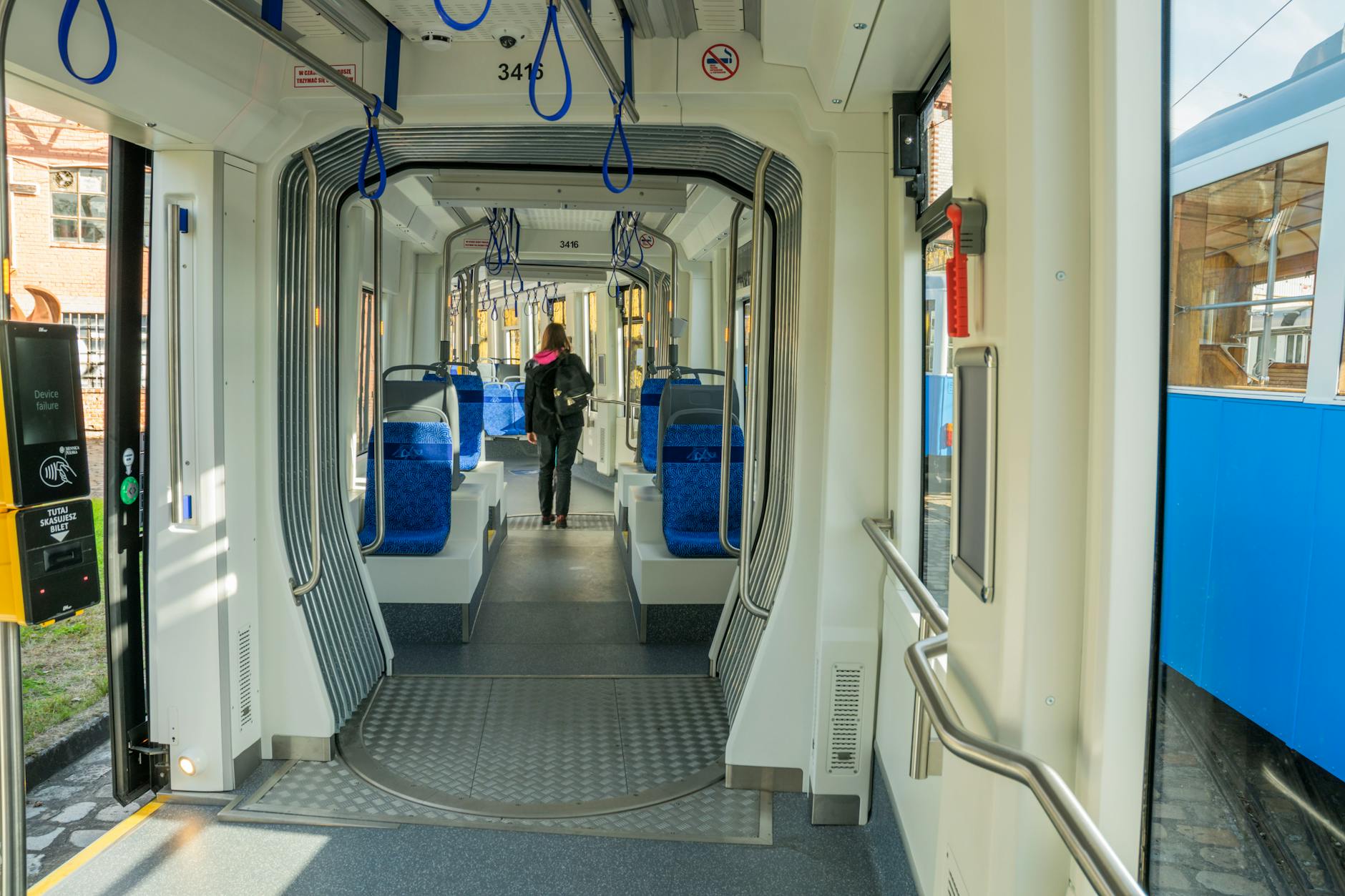
Public transport can keep a Gdansk budget trip efficient, especially for airport access, longer city moves, and Tricity plans. The traveler should understand ticketing, stops, transfer time, and last return options before depending on a cheap route late at night.
Low-cost movement still needs confidence.
- Check airport, tram, bus, and regional rail options before arrival.
- Compare transit time against walking fatigue, weather, luggage, and late-evening safety.
- Know when a taxi is worth paying for: early flights, heavy bags, bad weather, or a very late return.
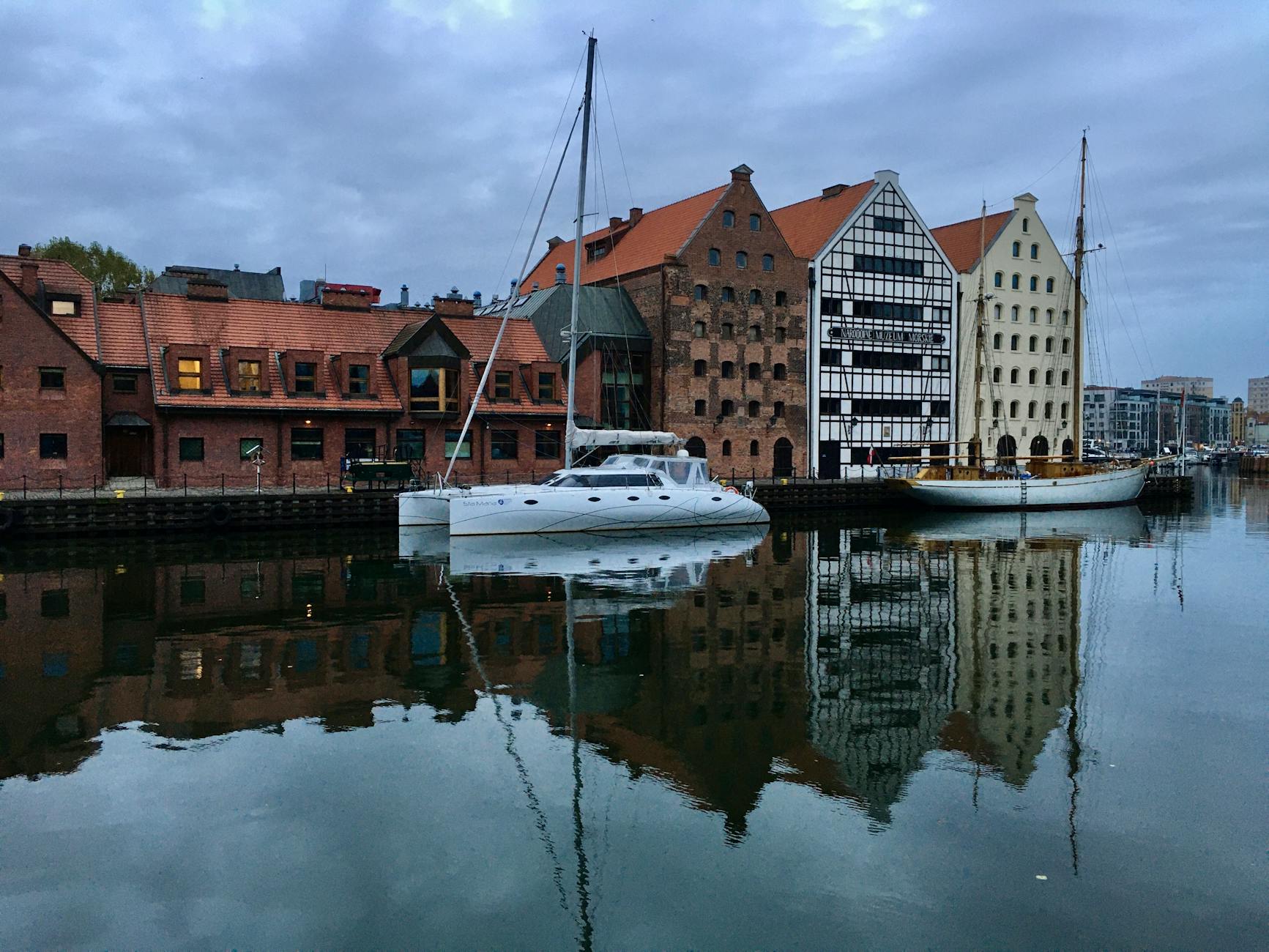
Plan food costs before hunger decides
Budget travelers can eat well in Gdansk, but food spending can drift if every break happens in the most scenic area. Groceries, bakeries, casual Polish food, lunch specials, cafes, and one planned dinner can keep costs under control without making the trip feel stripped down.
The meal plan should be flexible and grounded.
- Save grocery stores, bakeries, casual restaurants, and affordable cafes near the hotel and main route.
- Use one reservation or nicer meal as the planned splurge if the budget allows.
- Carry water and snacks for queues, rail rides, museums, and weather delays.
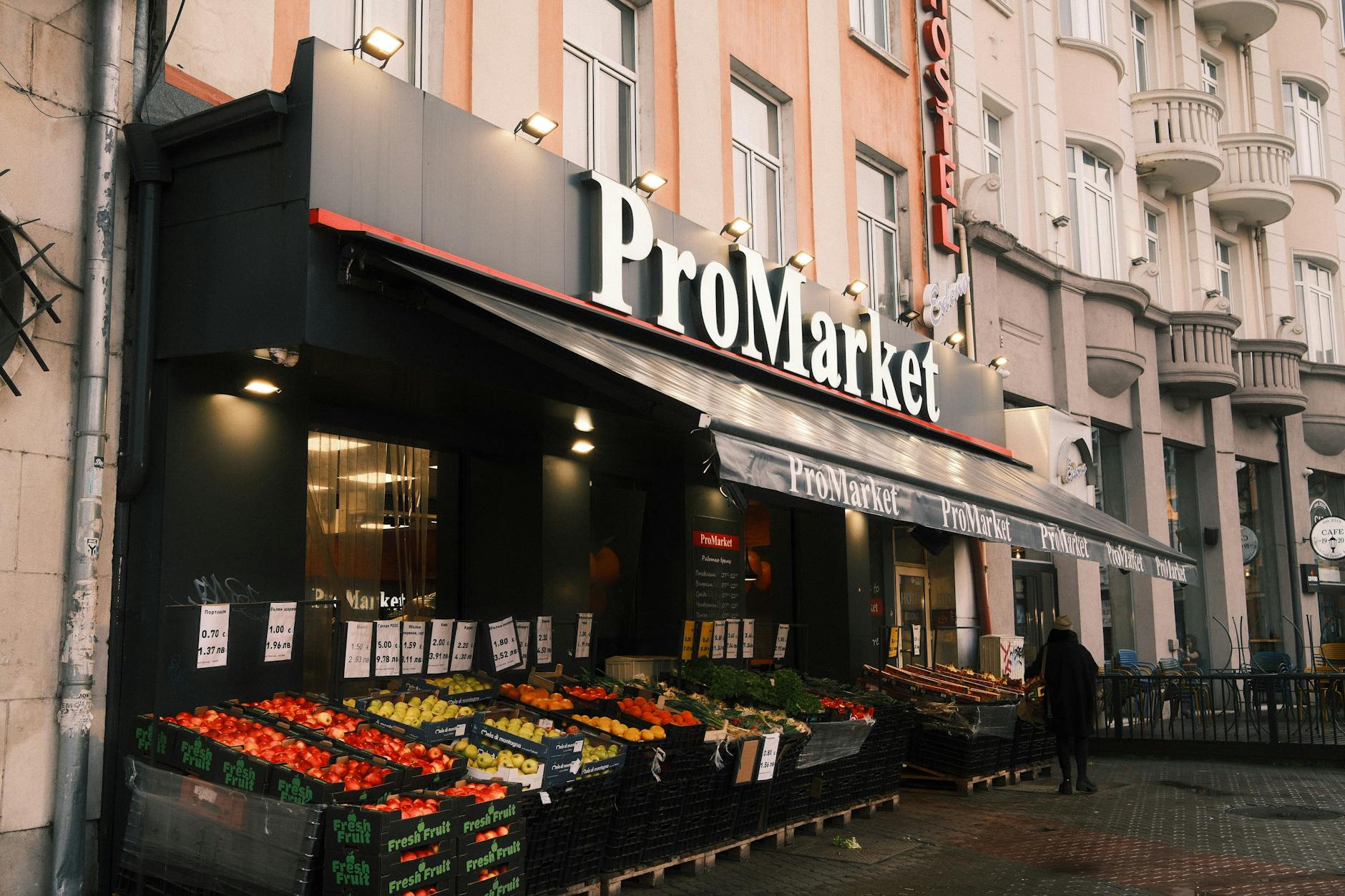
Pick paid sights carefully
A short budget trip should not become a sequence of entry fees. Gdansk's museums and paid experiences can be worth it, but the traveler should choose by interest, time, weather, and fatigue. A single meaningful paid stop can anchor the day without consuming the whole budget.
Paid choices should be intentional.
- Choose one major museum or tour if it matches the trip purpose.
- Check free days, student discounts, opening hours, and whether tickets need advance booking.
- Balance paid indoor time with free old-town and waterfront routes.
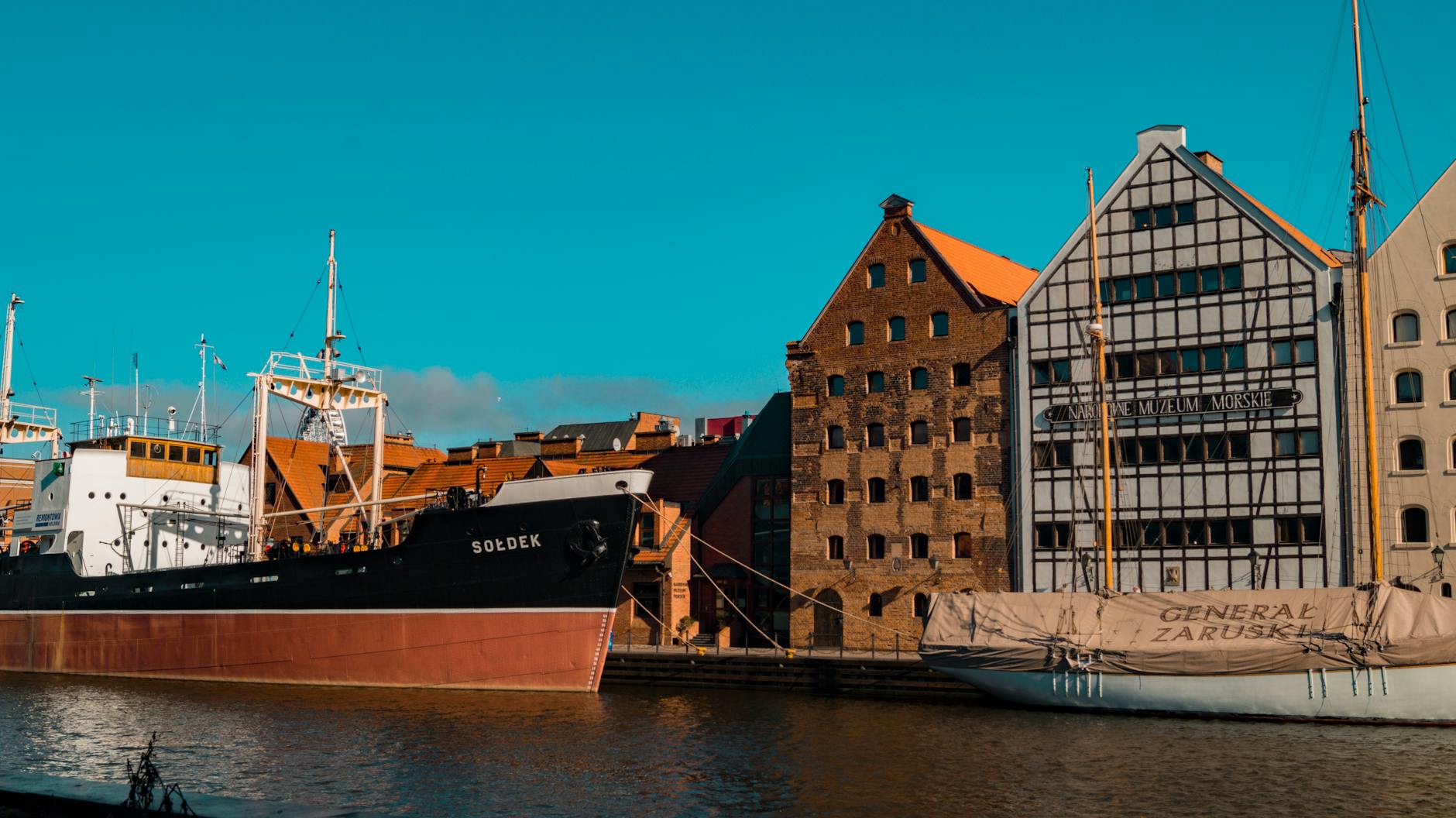
Be selective with Tricity savings
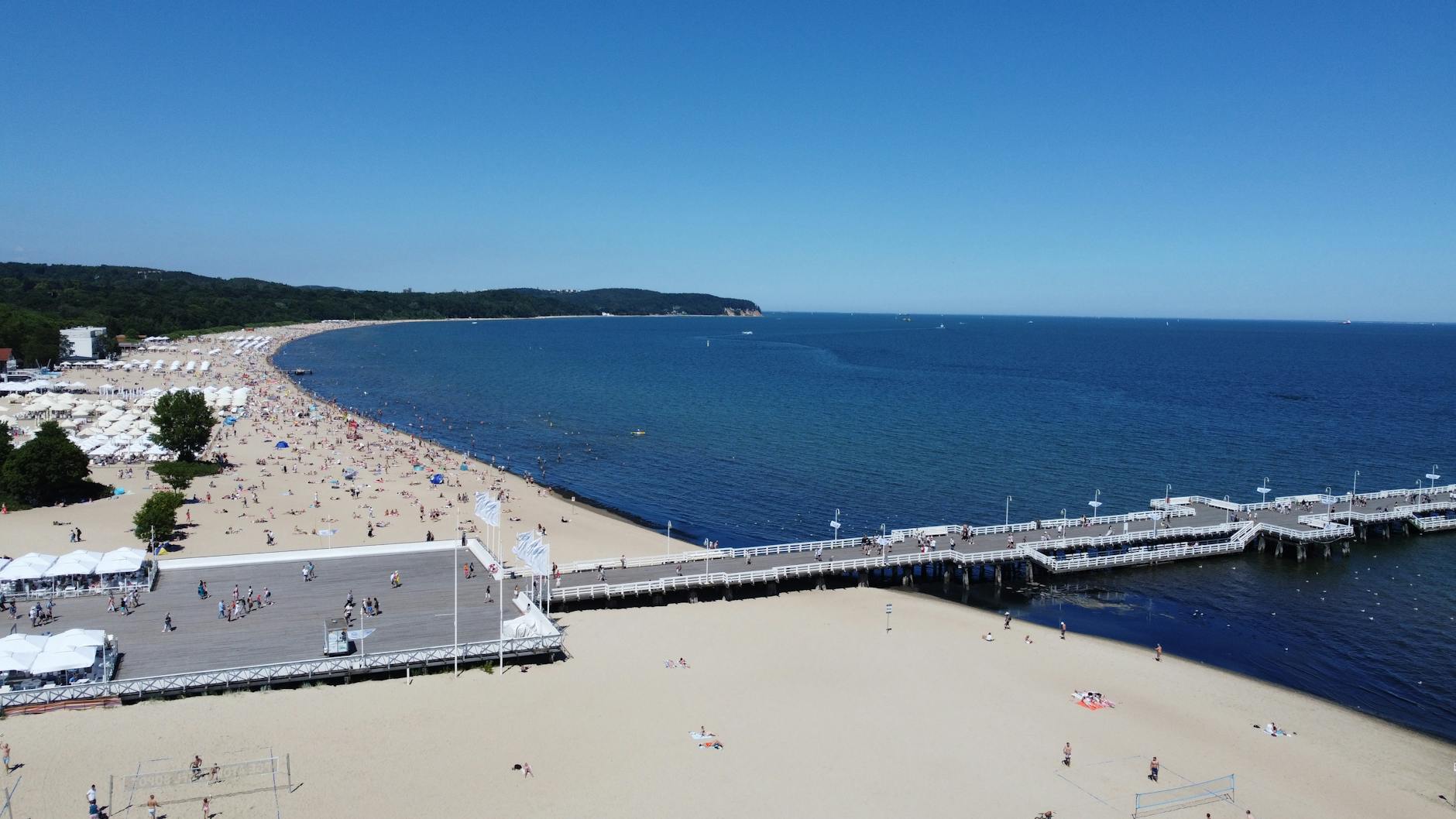
Sopot, Gdynia, beaches, and rail-linked neighborhoods can be tempting because the ticket may be inexpensive. The real cost is time, meals, weather exposure, and energy. A budget traveler should choose one extension only when it improves the trip more than another central Gdansk day would.
Cheap transport still spends the day.
- Add Sopot, Gdynia, or beach time only when weather and return timing are favorable.
- Compare the full cost of rail, food, lockers, and time before committing.
- Avoid distant plans before an early flight or tight rail departure.
When to order a short-term travel report
A budget traveler with flexible dates and a simple central plan may not need a custom report. A report becomes useful when the traveler is trying to control total cost across lodging, transport, meals, museums, Tricity movement, weather backups, and a tight departure.
The report should test lodging value, free routes, transit, paid sights, food options, Tricity choices, weather plans, and departure buffers. The value is a Gdansk trip that saves money without wasting the limited time.
- Order when lodging, transport, food, paid sights, Tricity choices, weather, or departure timing need exact planning.
- Provide dates, budget, hotel candidates, arrival details, interests, walking tolerance, meal style, and must-see stops.
- Use the report to keep the budget trip efficient, realistic, and satisfying.