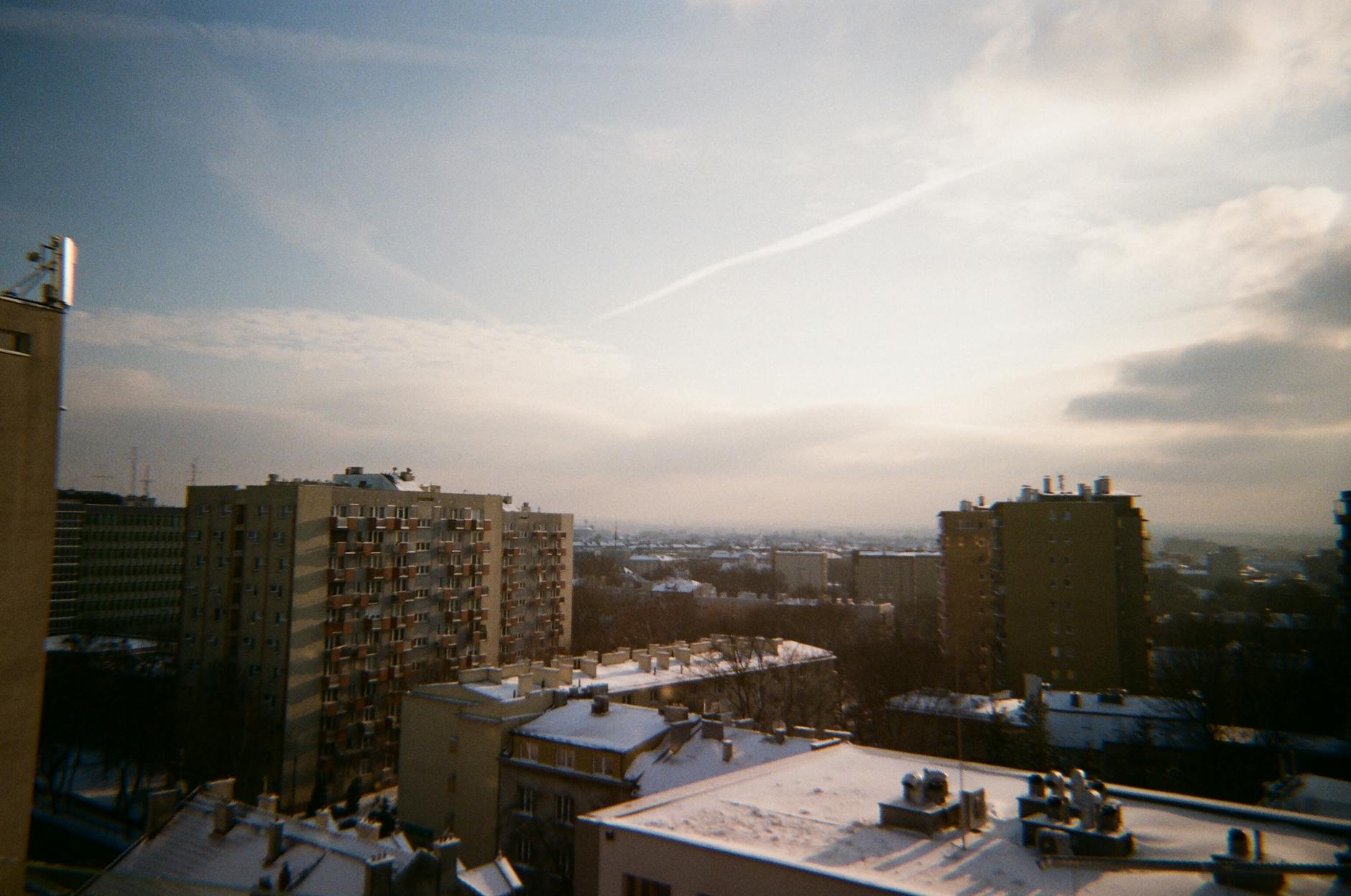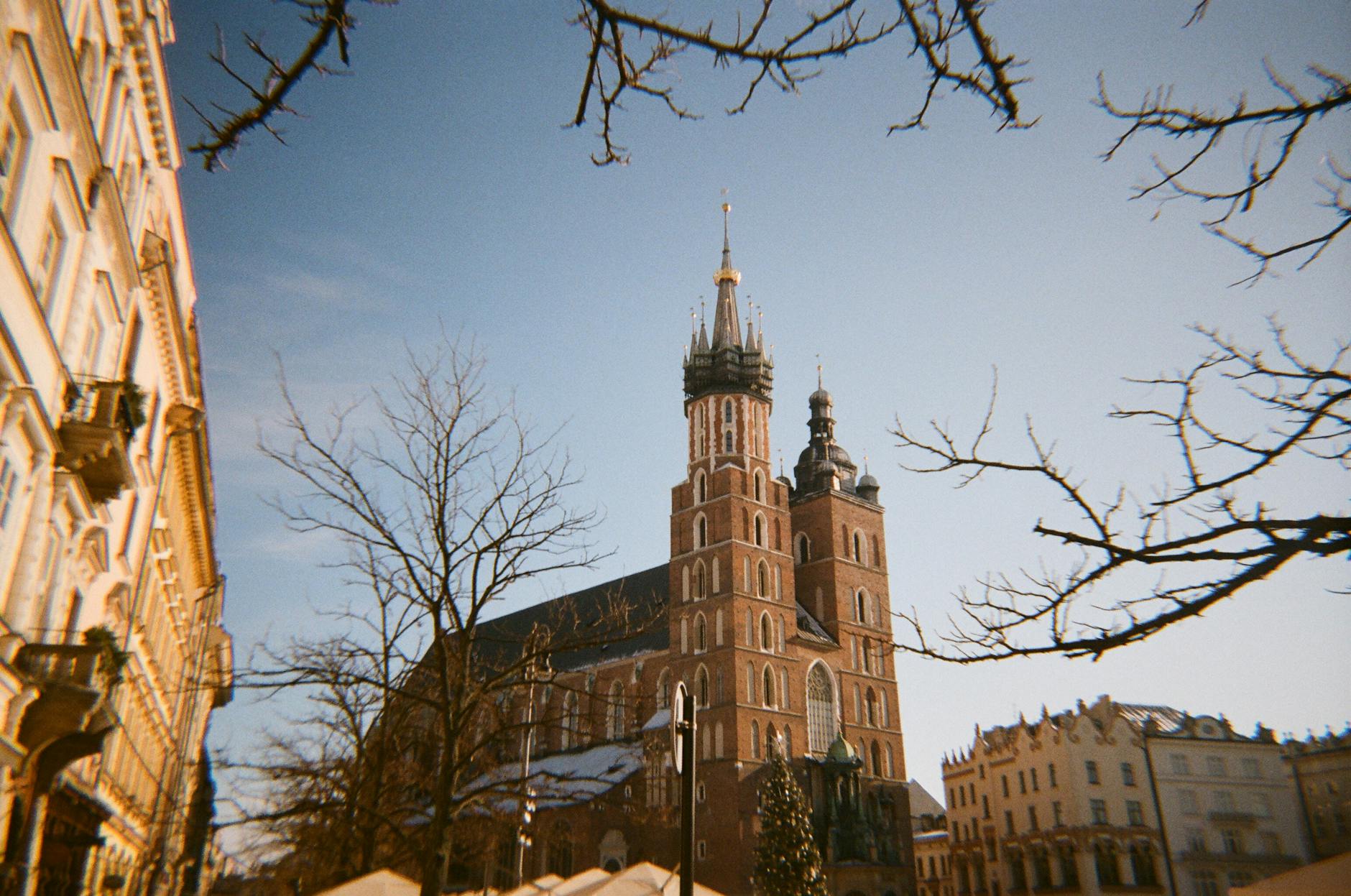
A short journalism trip to Krakow can involve interviews, cultural coverage, business reporting, heritage sites, academic sources, community visits, or nearby fieldwork. The traveler needs a plan that protects time, sources, equipment, notes, and transport while leaving room for the story to change.
Clarify the assignment and source map
A journalist should arrive with a working source map rather than a loose city plan. Interviews may be in Old Town, Kazimierz, universities, offices, cultural institutions, residential areas, or regional sites. The schedule should account for travel time and the likelihood that key conversations move.
The story map should guide the logistics.
- List confirmed and backup sources, addresses, contact methods, language needs, and preferred interview settings.
- Group interviews by geography when possible, but keep margin for late confirmations.
- Confirm whether any site has access, filming, recording, or press credential requirements.
Choose a base for work and security
A journalist's hotel may need to support calls, writing, file uploads, equipment charging, quiet rest, and secure storage. A photogenic base is less useful if Wi-Fi is weak, rooms are noisy, or access is awkward with gear.
The room should function as a small bureau.
- Check Wi-Fi, desk space, quiet-room options, elevator access, luggage storage, and late-entry rules.
- Confirm taxi pickup if carrying camera bags, audio gear, or sensitive notes.
- Choose a base close to the main interview geography or reliable transit.
Plan interviews with consent and context
Krakow reporting may touch heritage, culture, business, education, migration, politics, tourism, or community life. The journalist should be explicit about recording, attribution, translation, photography, and how material will be used. Sensitive interviews need more time than a quick quote stop.
Trust affects the quality of the story.
- Confirm consent for recording, photos, names, job titles, locations, and follow-up contact.
- Use interpreters or fixers when language or context could distort the interview.
- Leave time after sensitive conversations for notes, verification, and source protection.
Move with equipment deliberately
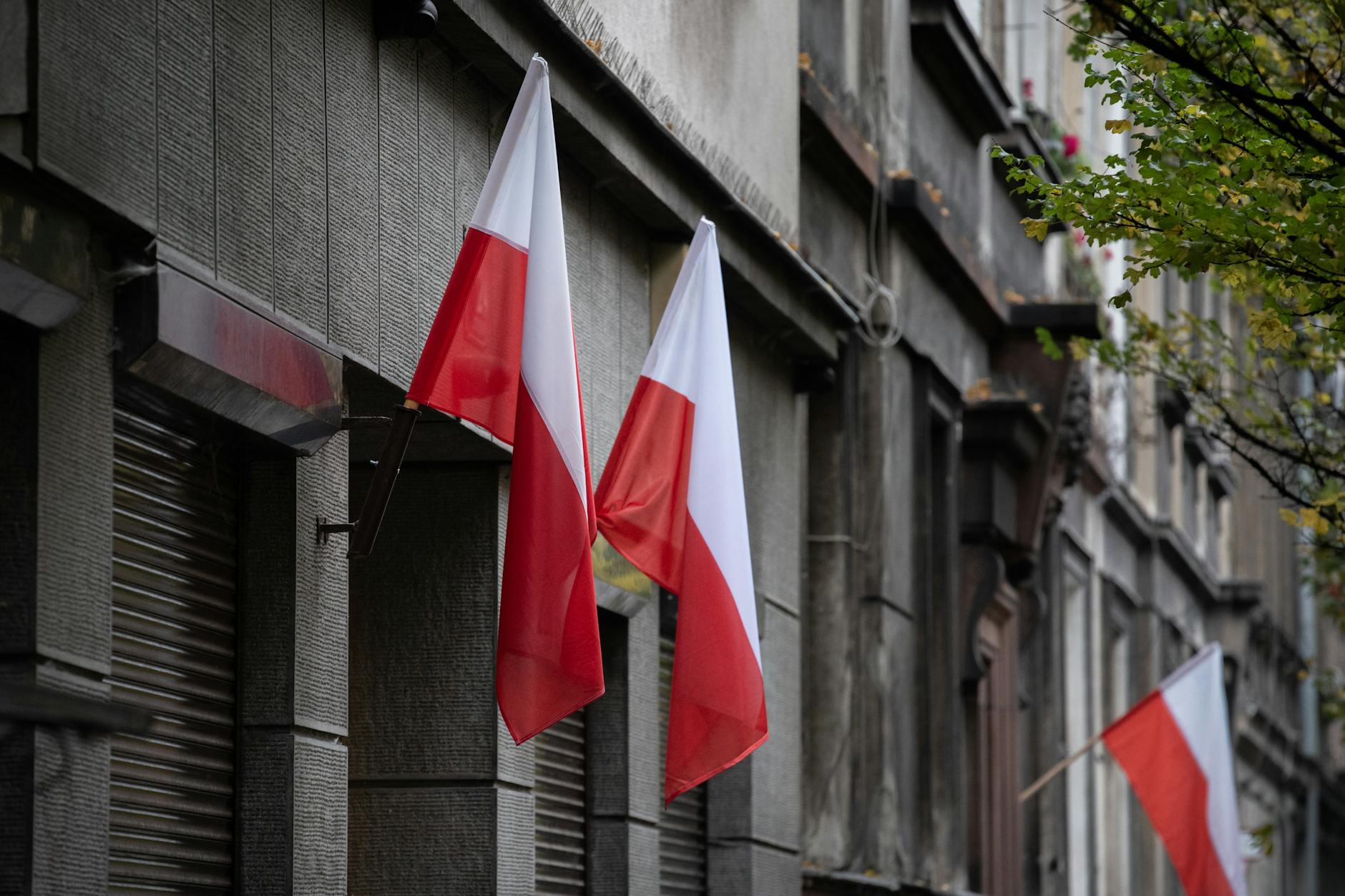
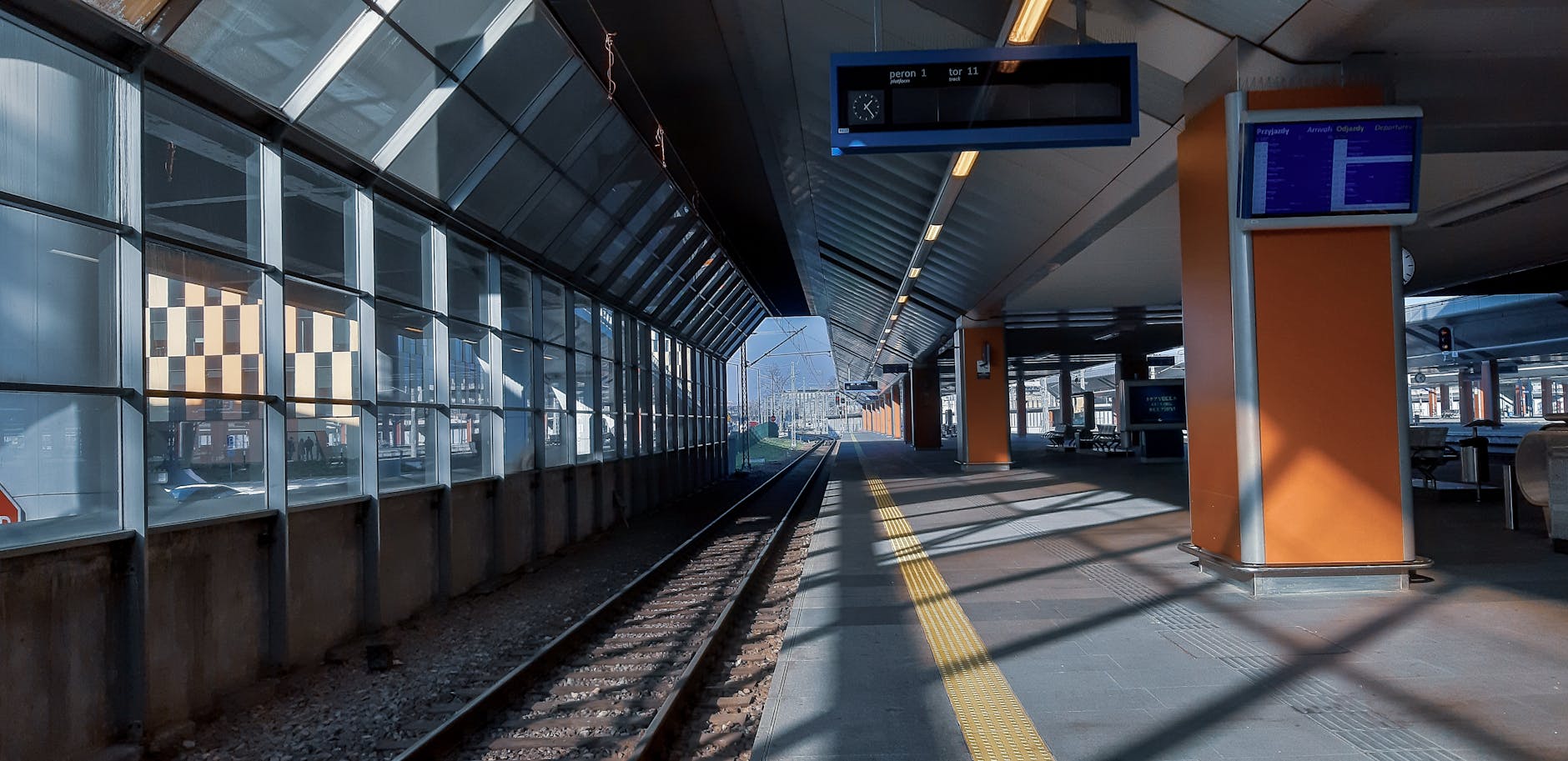
Journalists often move with laptops, cameras, microphones, notebooks, chargers, batteries, storage cards, and credentials. Krakow's trams and walkable streets can be useful, but weather, crowds, cobblestones, and late returns affect gear decisions.
Movement should protect equipment and timing.
- Carry chargers, adapters, backup batteries, storage cards, weather cover, and essential credentials.
- Use direct transport when gear is heavy, the route is unfamiliar, or the interview timing is tight.
- Plan where equipment can be safely stored between interviews, meals, and evening work.
Protect notes and digital access
Short reporting trips can create concentrated data risk. Notes, recordings, source contacts, interview files, photos, and credentials should be backed up and protected without slowing the journalist down. A lost phone or laptop should not end the assignment.
Information security is part of travel planning.
- Use secure device locks, encrypted storage where appropriate, and separate backups for essential files.
- Save offline copies of contacts, addresses, tickets, press details, and emergency numbers.
- Avoid sensitive calls or source discussions in crowded cafes, hotel lobbies, taxis, or trams.
Use Krakow context carefully
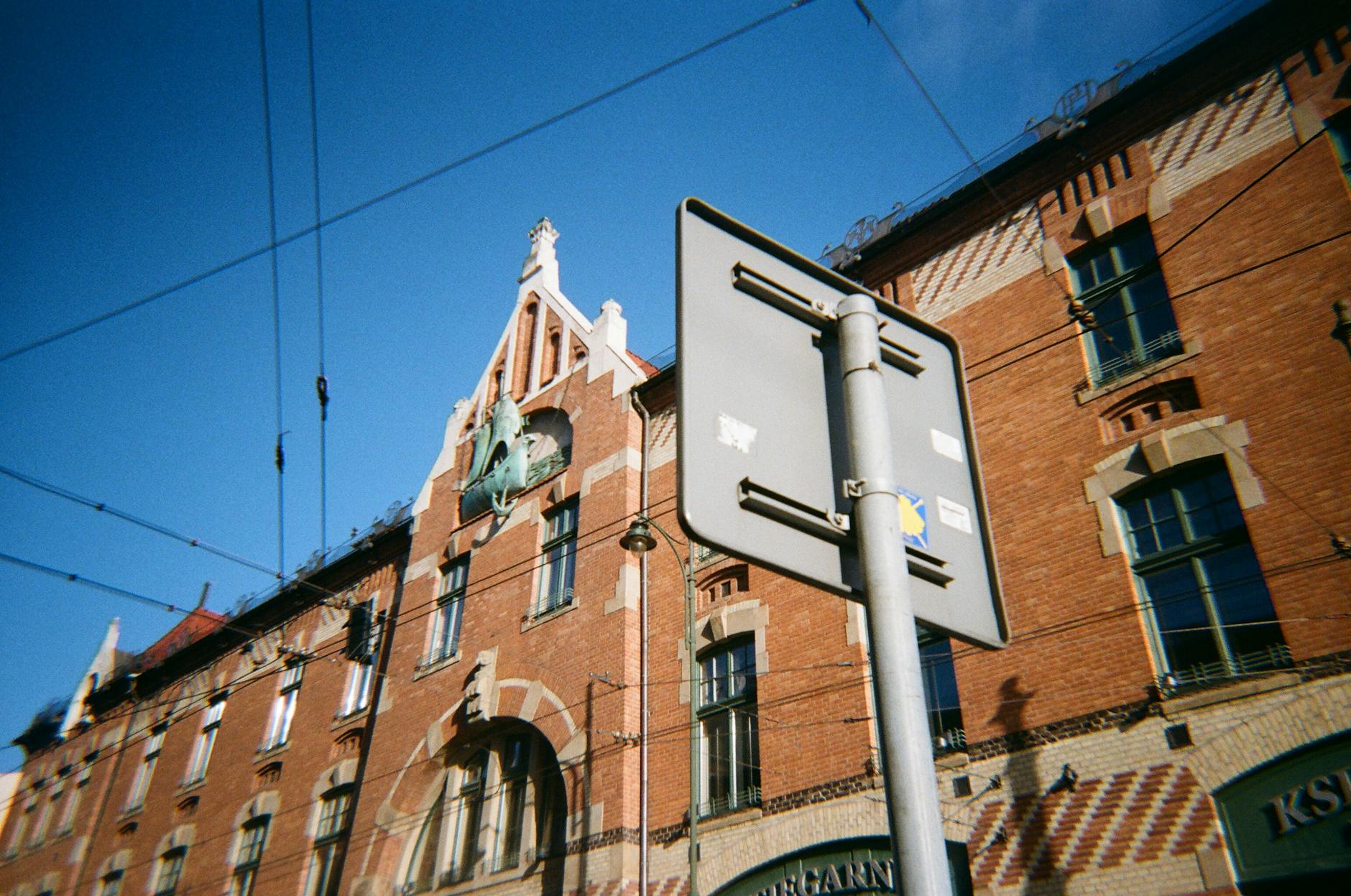
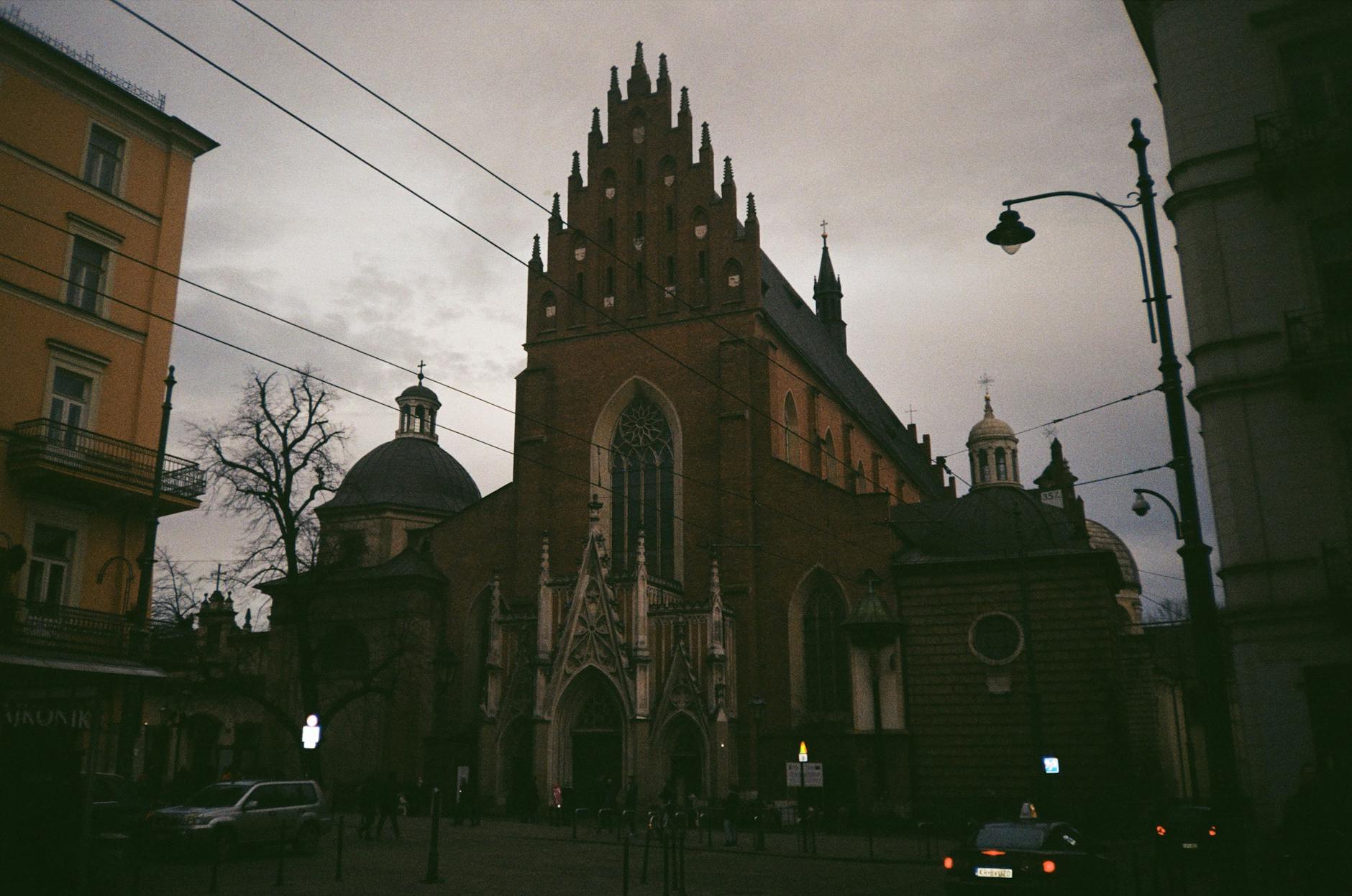
Krakow's Old Town, Kazimierz, Wawel, museums, universities, and memorial geography can give a story strong context, but famous visuals can also flatten the work. A journalist should choose locations that support the assignment rather than using the same symbolic images for every story.
Context should clarify, not decorate.
- Match locations to the story's actual subject rather than defaulting to landmarks.
- Check opening hours, filming rules, and crowd patterns before planning visual work.
- Allow time for verification after site visits, especially around heritage or memorial subjects.
When to order a short-term travel report
A journalist with a single hosted interview and a flexible schedule may not need a custom report. A report becomes useful when the assignment includes multiple sources, sensitive interviews, filming constraints, equipment, late returns, regional fieldwork, language needs, or a tight filing and departure window.
The report should test source geography, lodging, interview timing, permissions, transport, equipment movement, digital access, meals, weather, and departure buffers. The value is a Krakow reporting trip that leaves more attention for the story.
- Order when sources, lodging, permissions, equipment, transport, digital access, or departure timing need exact planning.
- Provide dates, assignment scope, source locations, credential needs, gear load, lodging candidates, budget, and arrival details.
- Use the report to keep reporting time protected and logistics predictable.