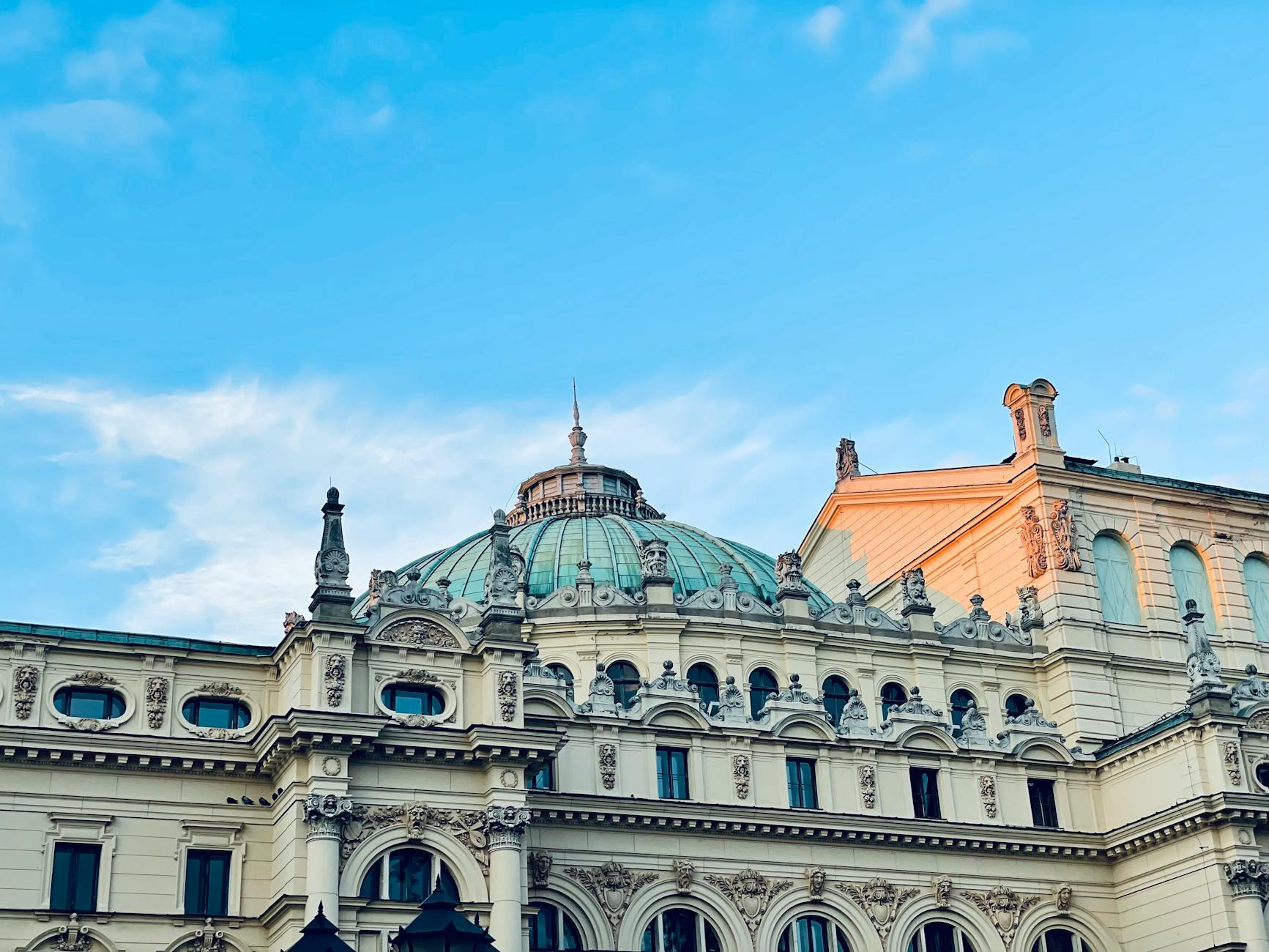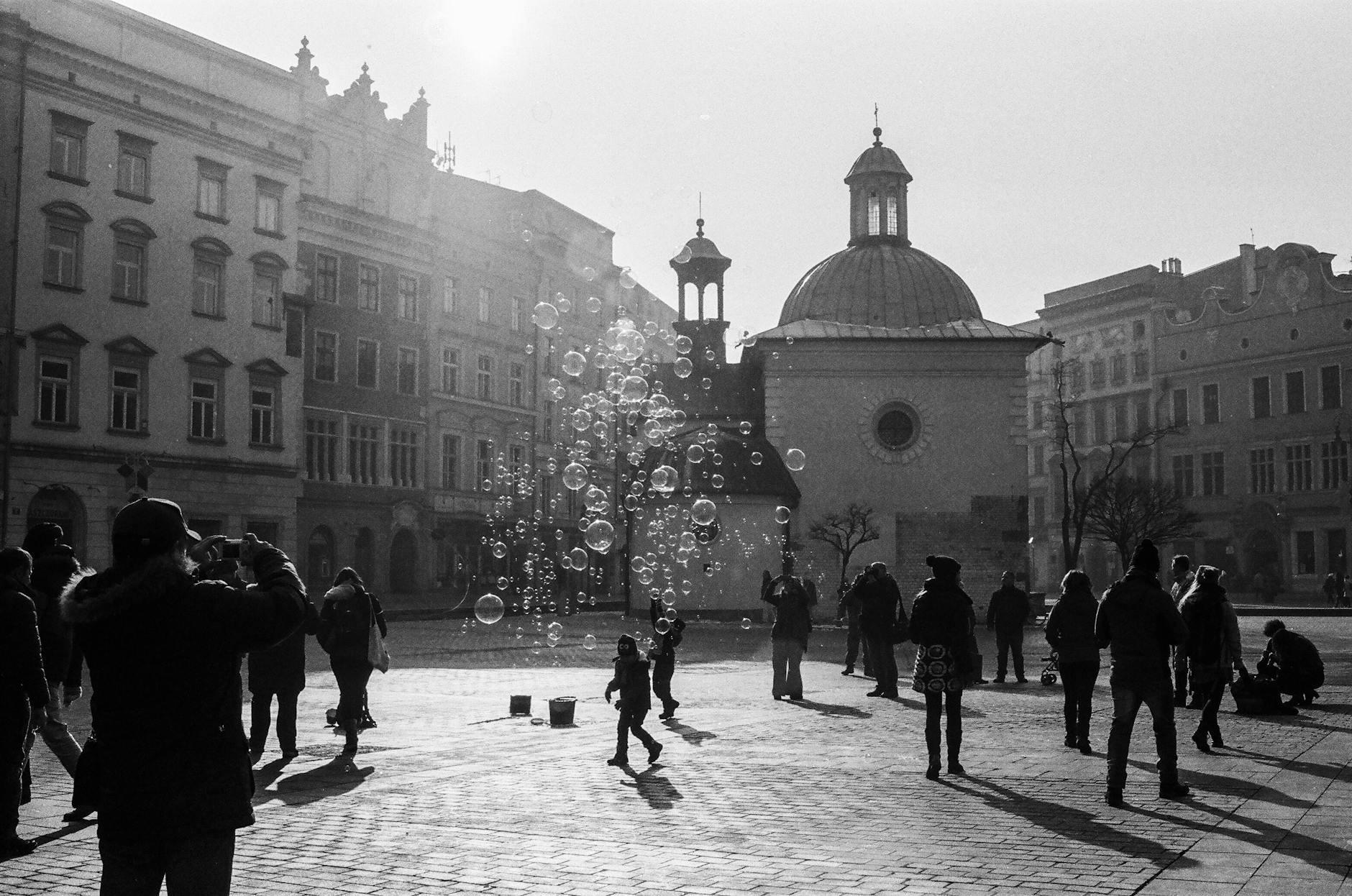
Krakow gives content creators strong material: Old Town, Wawel, Kazimierz, cafes, courtyards, trams, river views, museums, food, and seasonal light. The risk is trying to capture everything. A short creator trip needs a clear angle, realistic shot list, respect for people and places, and enough backup time for weather and crowds.
Define the story before shooting
Krakow can support many creator angles: food, heritage, architecture, student life, slow travel, nightlife, budget travel, luxury stays, or local craft. The creator should choose the story before filling the day with locations. Otherwise the trip becomes a folder of disconnected clips.
A clear angle makes the city easier to edit.
- Choose the primary theme, audience, formats, and deliverables before arrival.
- Build a short shot list around Old Town, Wawel, Kazimierz, food, interiors, or seasonal details.
- Leave room for unplanned moments without making every hour a filming block.
Plan location timing around light and crowds
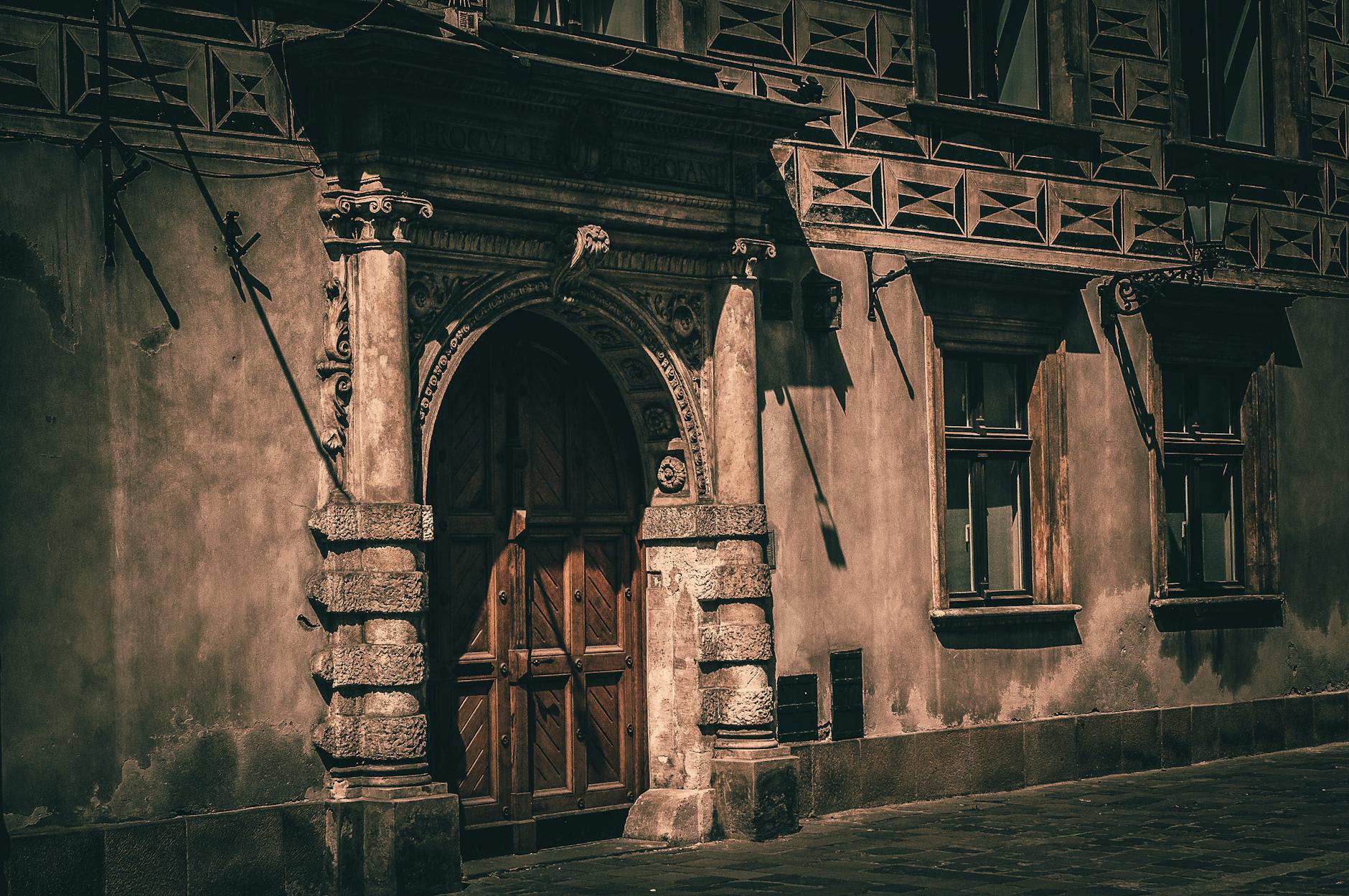
The Main Market Square, Wawel, Kazimierz, courtyards, trams, cafes, and river routes change dramatically by hour and season. A creator should schedule must-capture locations around light, crowd levels, opening hours, and weather, not just map order.
Timing is part of production quality.
- Use early morning, late afternoon, or evening for high-demand exterior shots.
- Check opening days, interior rules, market schedules, and seasonal events before building the route.
- Keep backup indoor and sheltered locations for rain, cold, heat, or poor light.
Handle permissions and respect
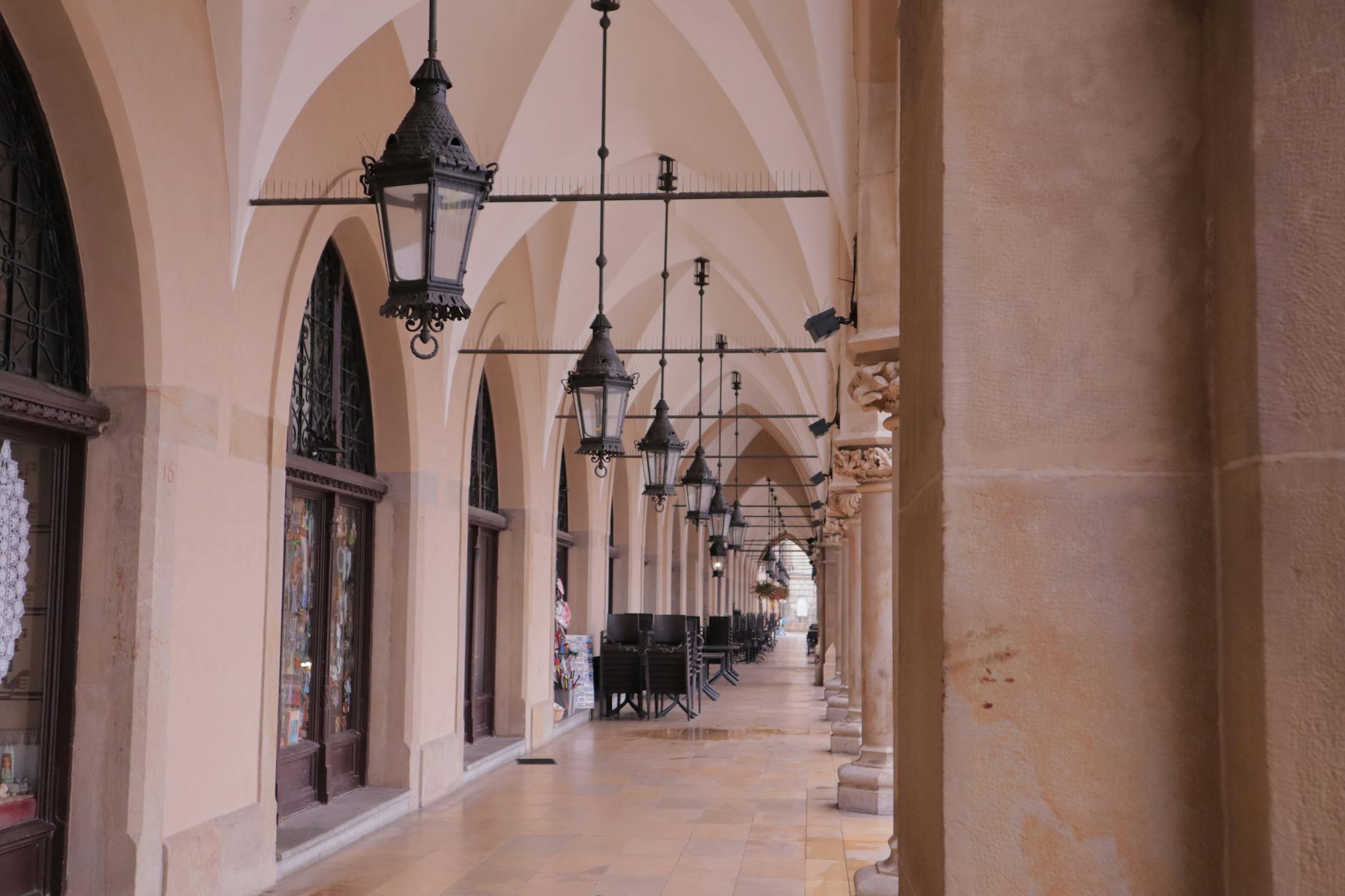
Krakow includes churches, museums, memorial spaces, private interiors, restaurants, hotels, and residential streets where filming can be restricted or sensitive. A content creator should know when to ask permission, when to avoid faces, and when to put the camera away.
Respect protects both the work and the place.
- Check photography and filming rules for museums, churches, restaurants, hotels, and guided tours.
- Avoid filming people closely without permission, especially children, staff, worshippers, or vulnerable groups.
- Treat memorial and heritage sites as places of context, not just backdrops.
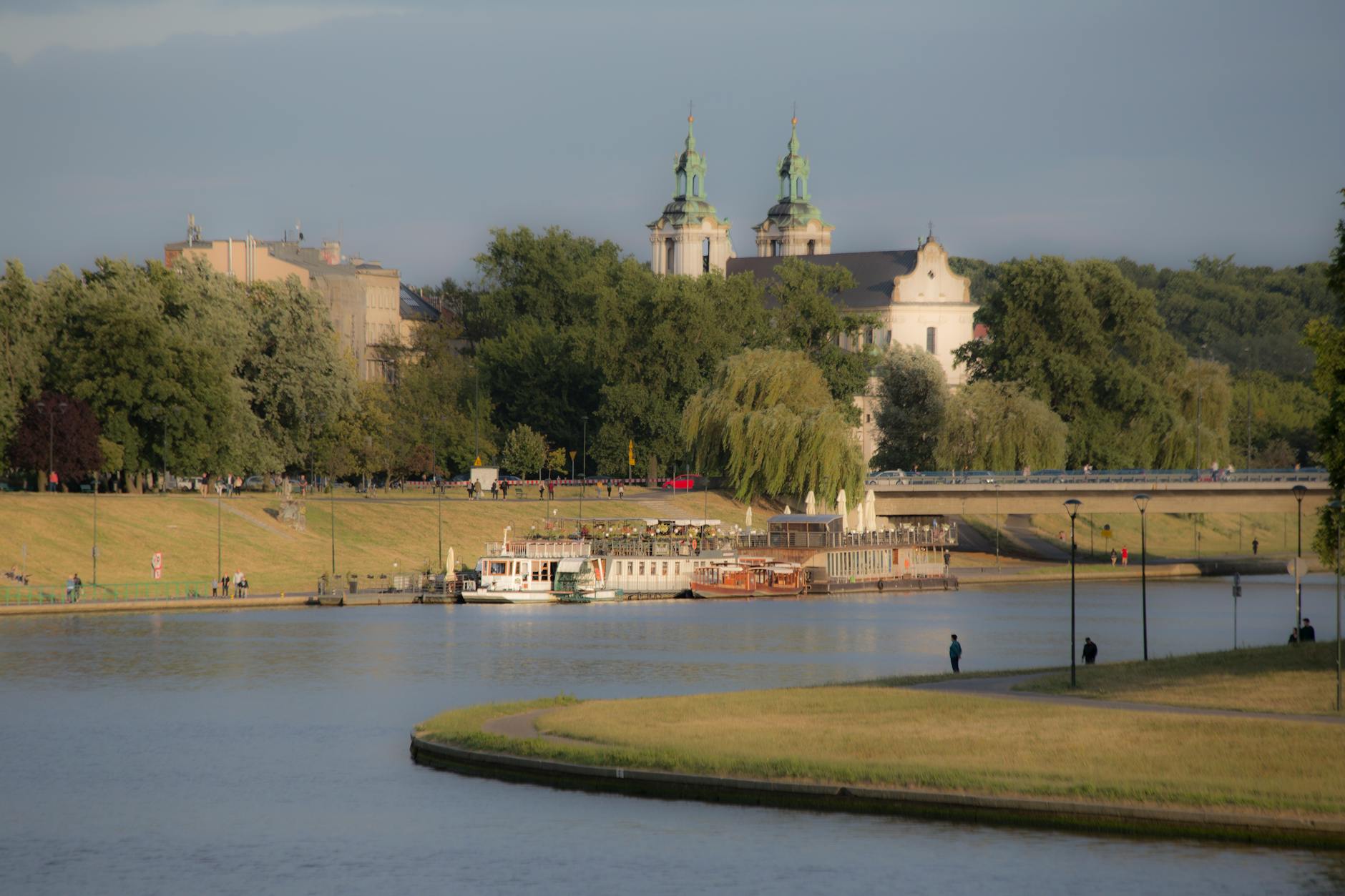
Build a practical gear and movement plan
Creators often carry cameras, microphones, tripods, stabilizers, lights, laptops, batteries, cards, chargers, and weather covers. Krakow is walkable, but cobblestones, crowds, trams, stairs, and late returns can make gear movement tiring. The kit should match the day.
The best gear plan is the one the creator can carry well.
- Pack only what the day's locations require, with batteries, cards, chargers, and rain protection.
- Use taxis or direct transport when gear is heavy, weather is poor, or timing is tight.
- Plan where equipment can be stored safely during meals, interiors, and evening work.
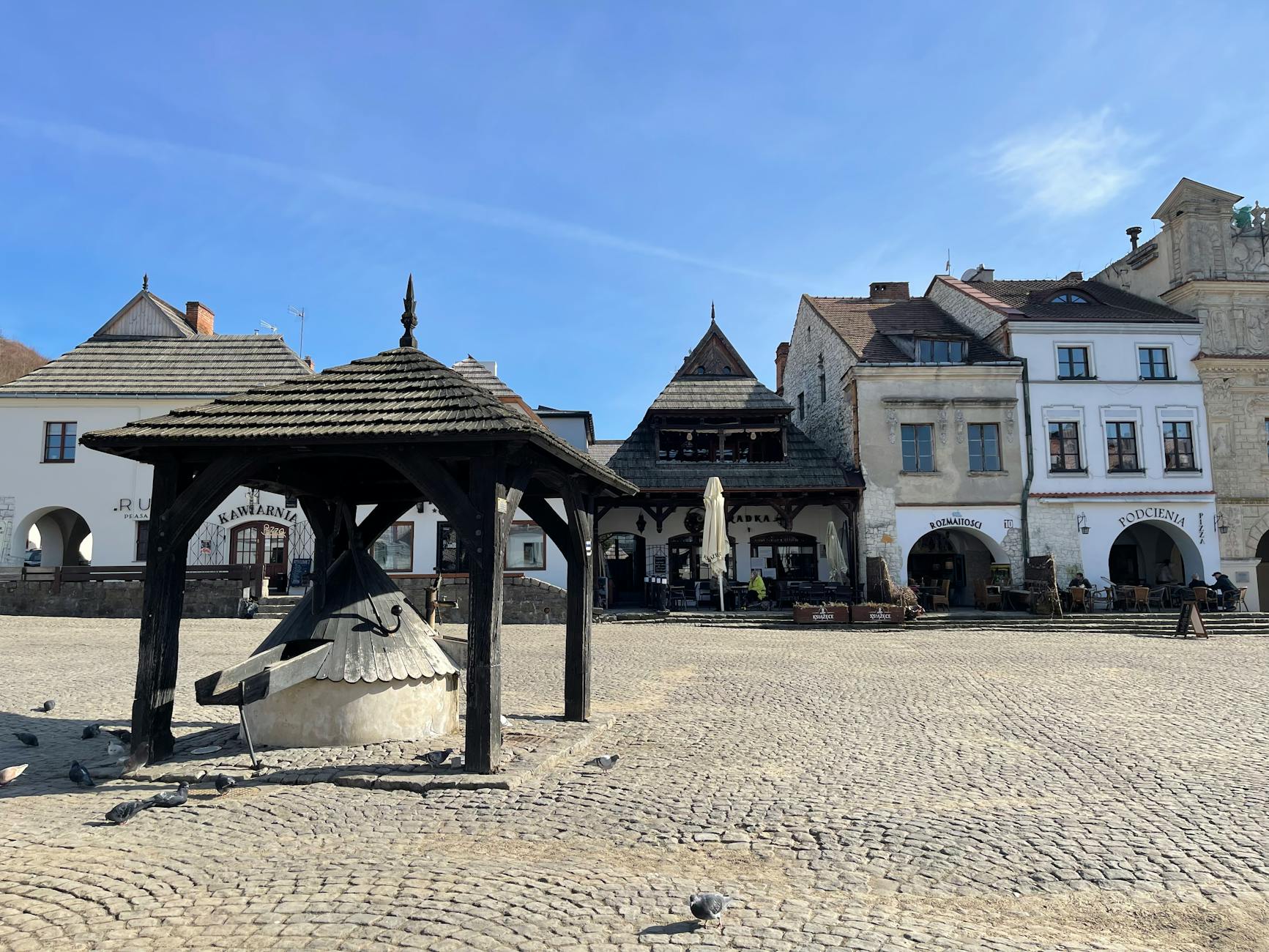
Use meals and cafes as production anchors
Krakow's cafes, bakeries, markets, restaurants, and bars can be part of the content plan, but they also need to support rest, charging, uploads, and notes. A creator who skips meals to chase shots can lose quality later in the day.
Food stops should help the workflow.
- Save cafes and restaurants near shooting routes, the hotel, Kazimierz, and Old Town edges.
- Ask before filming staff, kitchens, interiors, or other customers.
- Use meal breaks for backups, captions, shot notes, and weather decisions.
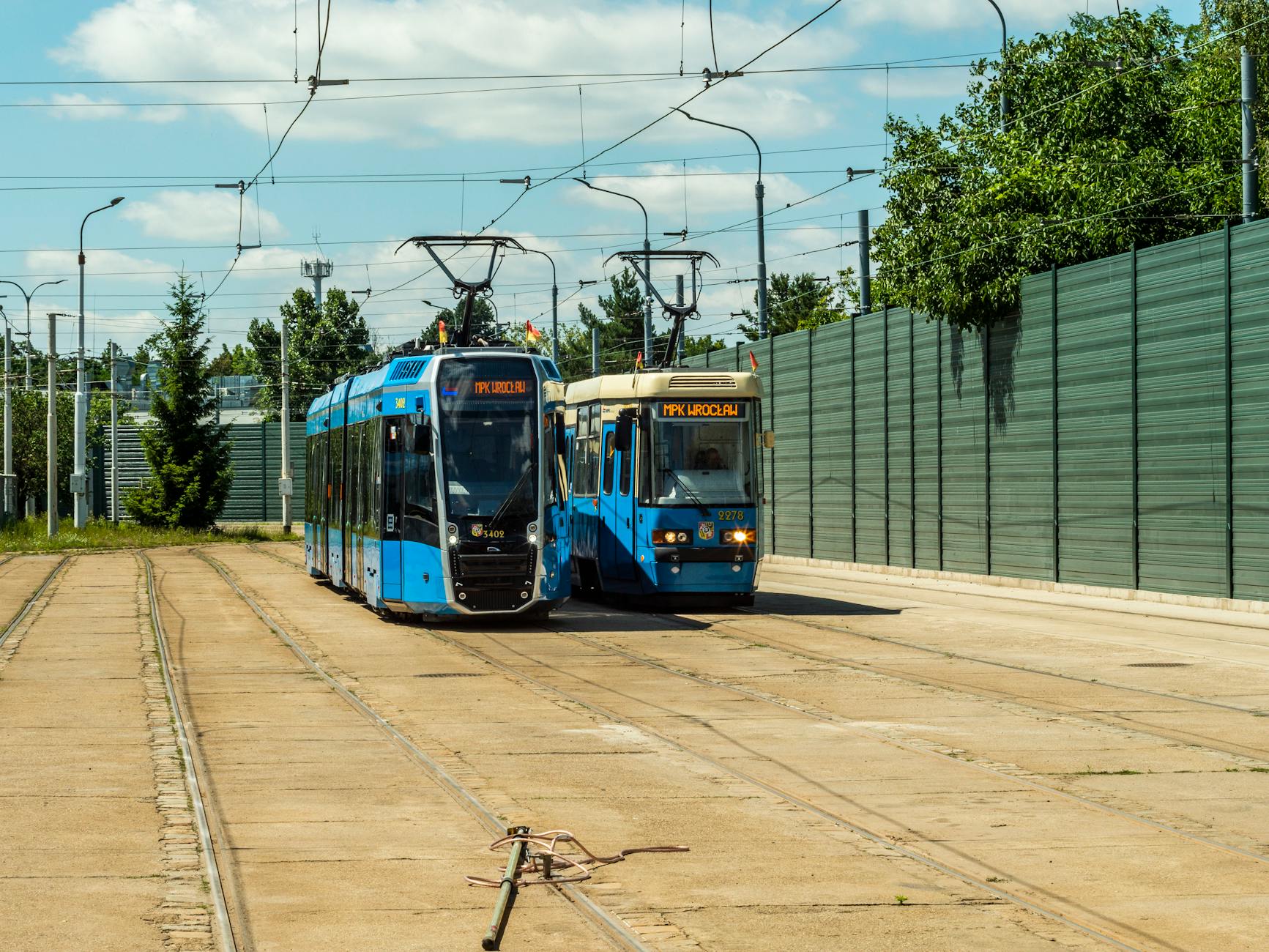
Protect files, safety, and recovery
A short creator trip can create a large amount of footage quickly. Lost cards, dead batteries, crowded streets, late returns, and exhaustion can damage the work. The creator should protect files and energy as carefully as locations.
The trip needs a backup rhythm.
- Back up footage daily and separate at least one copy from the main camera bag.
- Keep phone battery, payment, hotel address, weather layers, and transport options available.
- Schedule quiet blocks for file management, charging, laundry, captions, and rest.
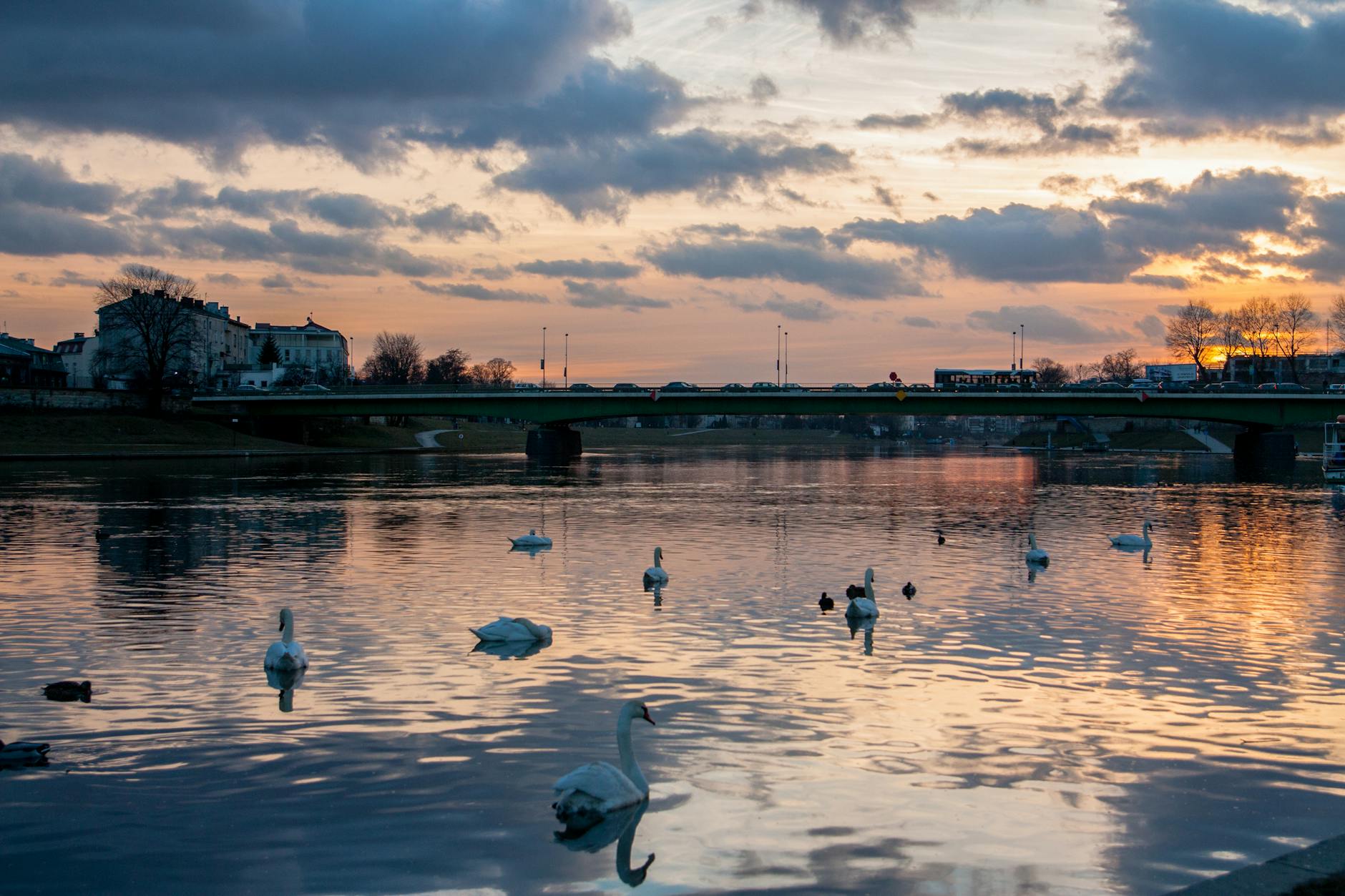
When to order a short-term travel report
A content creator with a simple leisure schedule may not need a custom report. A report becomes useful when the trip includes brand deliverables, filming permissions, multiple locations, weather-sensitive shots, gear-heavy days, hotel shoots, restaurants, nightlife, or a tight departure.
The report should test location timing, lodging, permissions, routes, meals, gear movement, weather backups, file-management blocks, and departure buffers. The value is a Krakow creator plan that keeps the work coherent and the trip manageable.
- Order when shot timing, locations, permissions, gear, meals, weather, backups, or departure timing need exact planning.
- Provide dates, audience, content themes, deliverables, hotel candidates, gear load, budget, and arrival details.
- Use the report to turn a short stay into a focused, practical production plan.