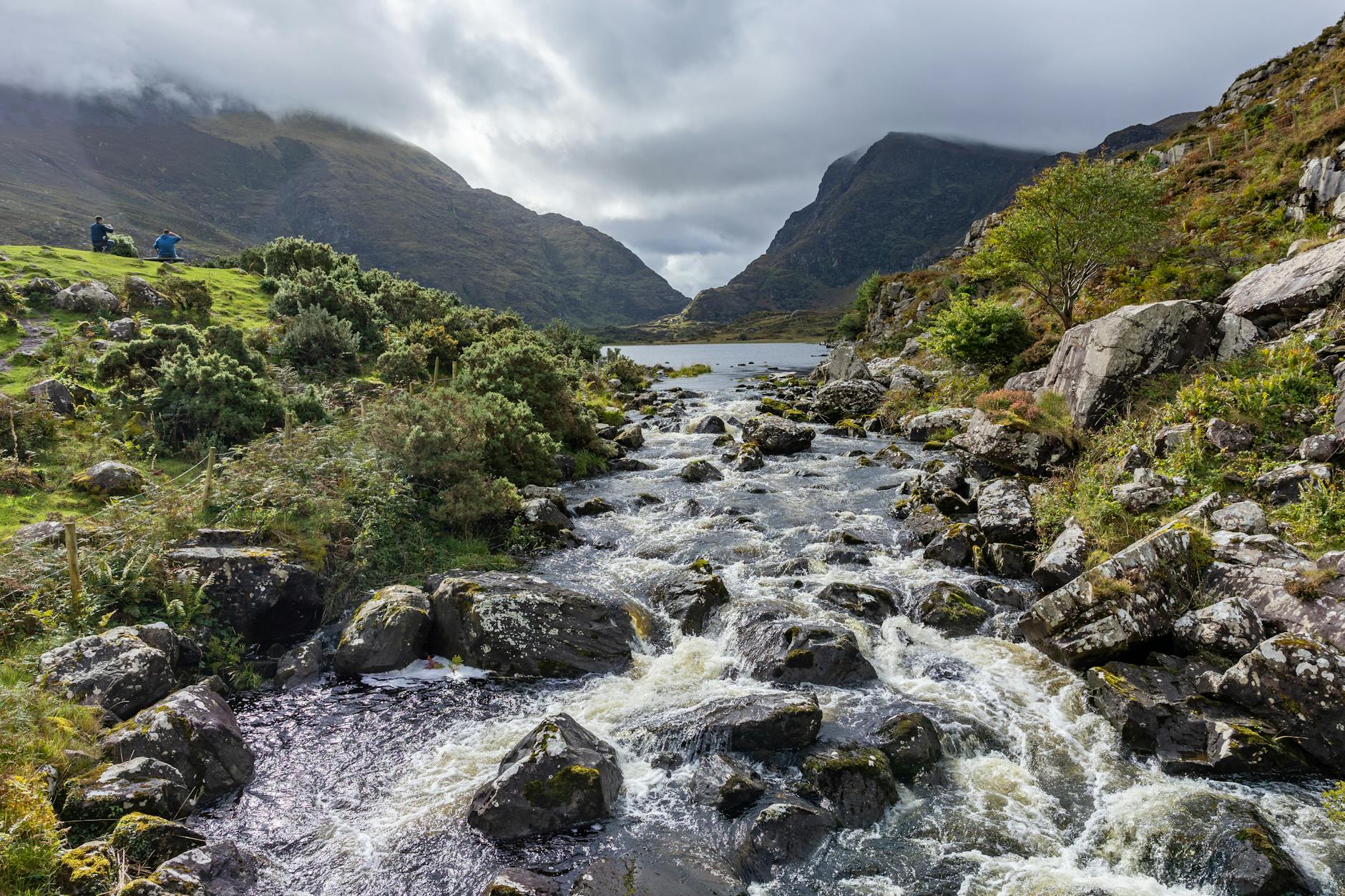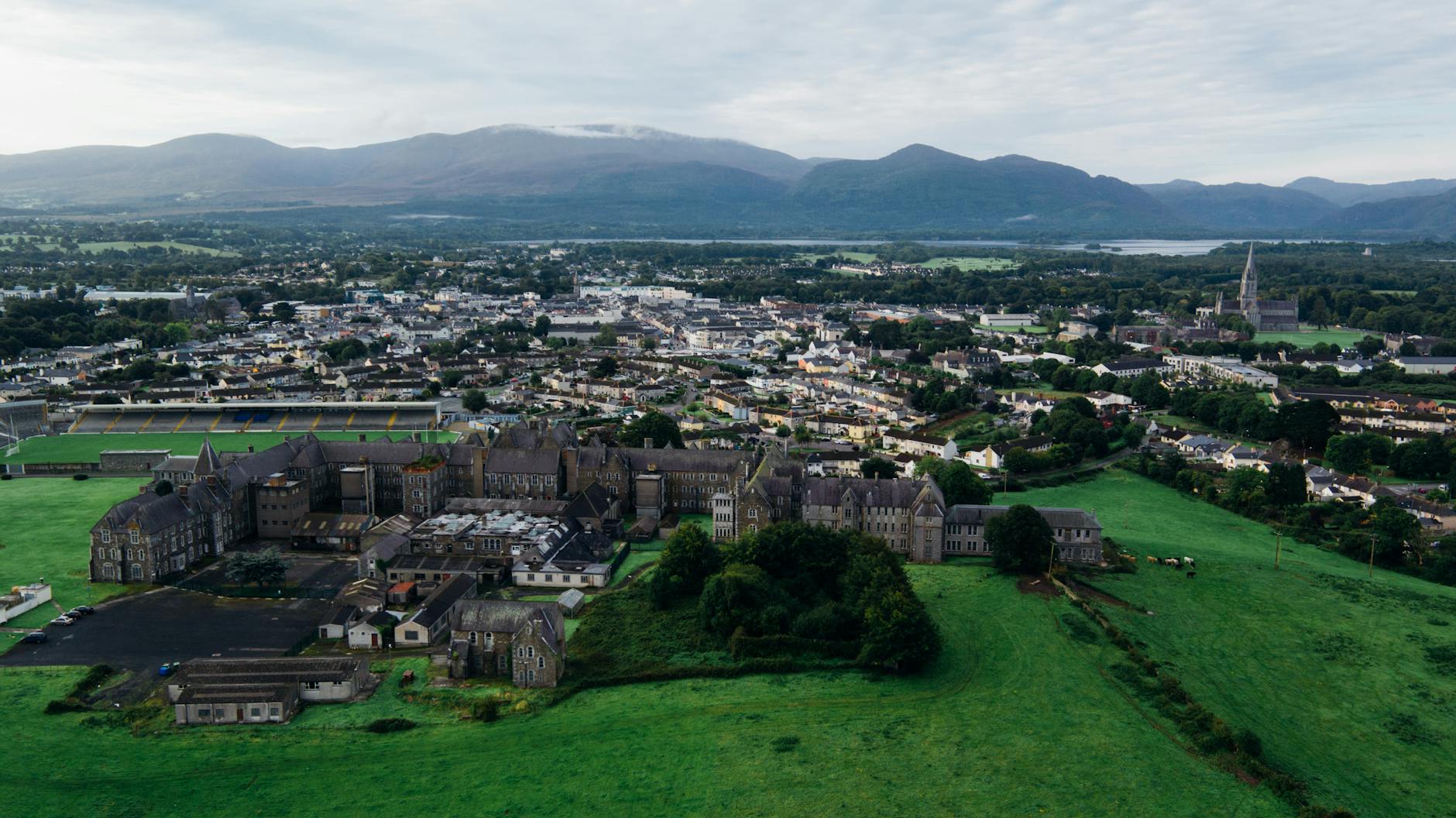
Killarney can be a practical base for volunteer or NGO travel when the work connects to conservation, community programs, youth groups, heritage, tourism impacts, rural services, environmental education, events, or regional partnerships in Kerry. It can also be easy to misread because the destination's visitor appeal may make the work feel simpler than it is. A strong short stay starts with the host and the purpose. The traveler should understand who is responsible, what work is actually needed, how movement will happen, what boundaries apply, and how to avoid turning local needs into a backdrop for a personally rewarding trip.
Test the host before the itinerary
A volunteer or NGO trip should begin with the host organization, not with the destination. The traveler should know who is responsible for supervision, what the project actually needs, whether the work is appropriate for short-term help, what skills are required, and how the visit fits into longer local work.
Killarney's polished visitor infrastructure can hide weak project design. A good host should be able to explain safeguarding, insurance, local partners, daily schedule, transport, reporting lines, and what the traveler should not do.
- Confirm host responsibility, supervision, insurance, safeguarding, and local partners.
- Ask whether short-term help is genuinely useful for the project.
- Avoid trips where the destination is clearer than the work.
Match lodging to the duty of care
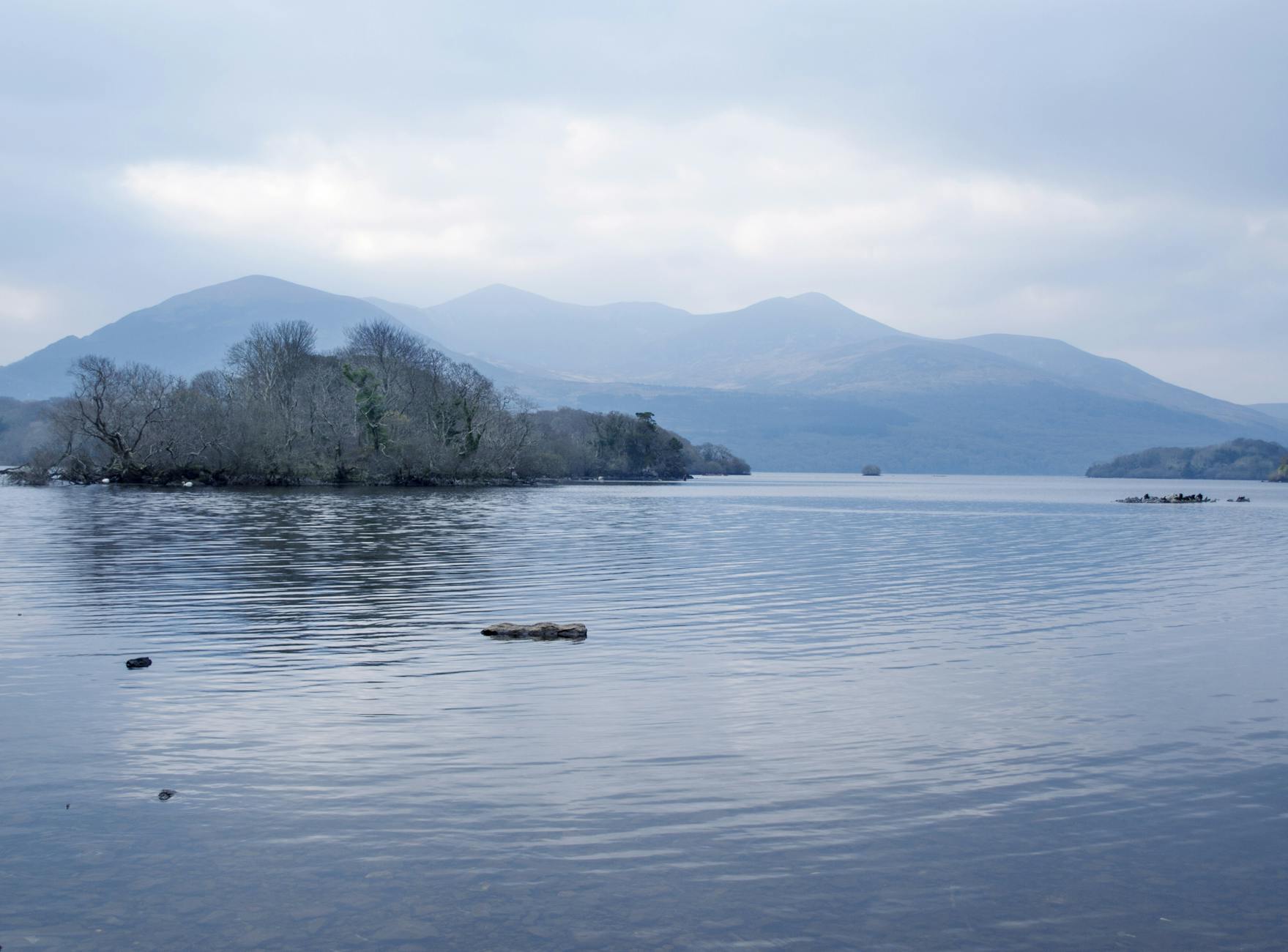
Volunteer and NGO travelers may be staying in hotels, hostels, guesthouses, group accommodation, or host-arranged housing. The right choice depends on supervision, safety, budget, transport, meal access, rest, and whether the traveler needs a quiet place to recover or work after project hours.
A central Killarney base can simplify meals and movement. A remote or project-adjacent base may work if transport and support are reliable. The traveler should not accept vague housing details on the assumption that a visitor town will make everything easy.
- Assess lodging by supervision, meals, transport, sleep, safety, and project access.
- Confirm who handles late arrivals, room issues, illness, and unexpected schedule changes.
- Choose housing that supports the work instead of only lowering cost.
Plan field movement and weather honestly
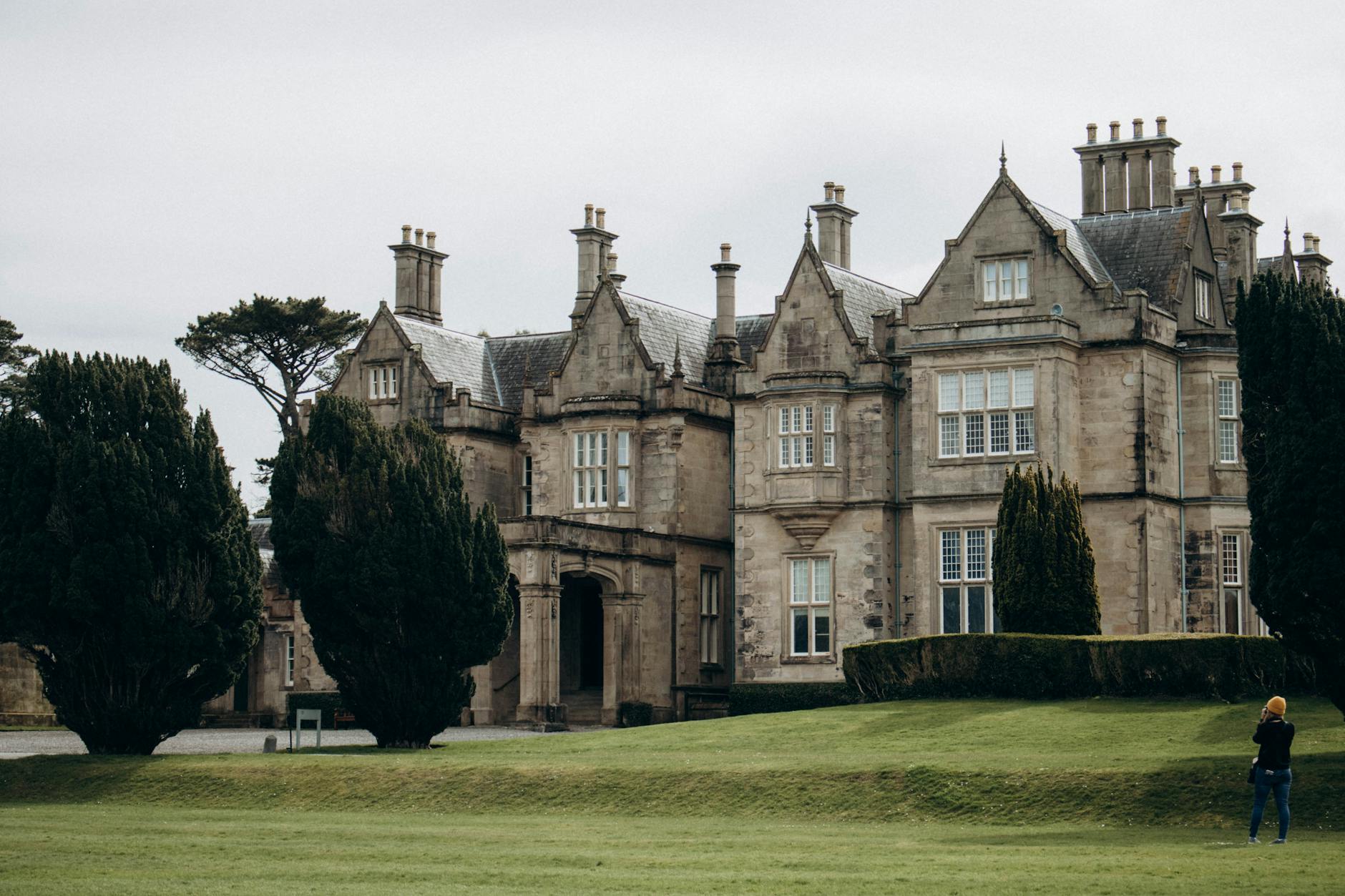
Killarney-area work may involve town sites, schools, community venues, parkland, heritage settings, rural roads, event spaces, or regional visits elsewhere in Kerry. The traveler should know whether movement is by walking, private vehicle, coach, taxi, bicycle, or host transport, and what happens when weather changes.
Rain, wind, wet paths, limited daylight, and rural timing can affect punctuality and safety. Field movement should be planned with realistic shoes, layers, contact numbers, pickup points, and a fallback if the group or traveler cannot continue as planned.
- Map project sites, transport modes, pickup points, weather exposure, and fallback routes.
- Prepare for rain, wet surfaces, wind, and rural timing before project days.
- Do not let informal volunteer energy replace movement planning.
Keep community boundaries clear
Good volunteer travel requires restraint. The traveler should know when photographs are inappropriate, when stories are not theirs to tell, how consent works, what safeguarding rules apply, and how to behave in community spaces where the purpose is service or support rather than content or emotional proof.
Killarney's tourism economy can make visitors comfortable taking visual ownership of a place. NGO travel should resist that habit. The work should center the host, the community, and the project rather than the traveler's experience of being helpful.
- Clarify consent, photography, safeguarding, communication, and story-sharing rules.
- Respect community spaces as working environments, not visitor experiences.
- Let the host define what is appropriate to share.
Protect the budget from mission drift
Volunteer and NGO travelers often work with tight budgets, donor expectations, reimbursement limits, or personal spending constraints. Killarney can become expensive through lodging, meals, taxis, laundry, gear, and optional scenic activities. The traveler should separate project costs, personal costs, and discretionary leisure clearly.
Meals, transport, and rest days should be planned before arrival. A traveler who is tired, wet, hungry, or unclear about reimbursement may make expensive decisions that could have been avoided with a better operating plan.
- Separate project, reimbursable, personal, and optional leisure costs.
- Clarify meals, laundry, local transport, gear, and emergency spending before arrival.
- Keep the budget aligned with the project purpose.
Use free time without confusing the purpose
A volunteer or NGO traveler may still have time for Killarney National Park, Muckross, Ross Castle, pubs, lake views, or a short Kerry route. That can be healthy if the work is demanding and the free time is honest. It becomes awkward when leisure starts driving the trip more than the project.
The traveler should decide what free time is appropriate, what should be booked independently, and what should not be added because it creates fatigue, cost, or confusion around the purpose of the visit.
- Allow restorative free time without letting leisure control the work schedule.
- Keep project obligations, host expectations, and personal sightseeing separate.
- Avoid scenic add-ons that make the traveler less useful the next day.
When to order a short-term travel report
A volunteer or NGO traveler with a strong host, clear housing, and a simple project may not need a custom Killarney report. A report becomes useful when the trip involves group movement, safeguarding questions, uncertain lodging, rural project sites, weather exposure, tight budgets, unclear transport, or a need to separate useful work from visitor impulse.
The report should test host structure, project purpose, lodging, transport, meals, budget, weather fallback, community boundaries, supervision, free time, and what to cut. The value is a Killarney trip that keeps service, judgment, and respect in the foreground.
- Order when host, lodging, transport, budget, field sites, or safeguarding need testing.
- Provide dates, host details, project purpose, lodging options, transport plans, budget, and constraints.
- Use the report to make the travel support the work.