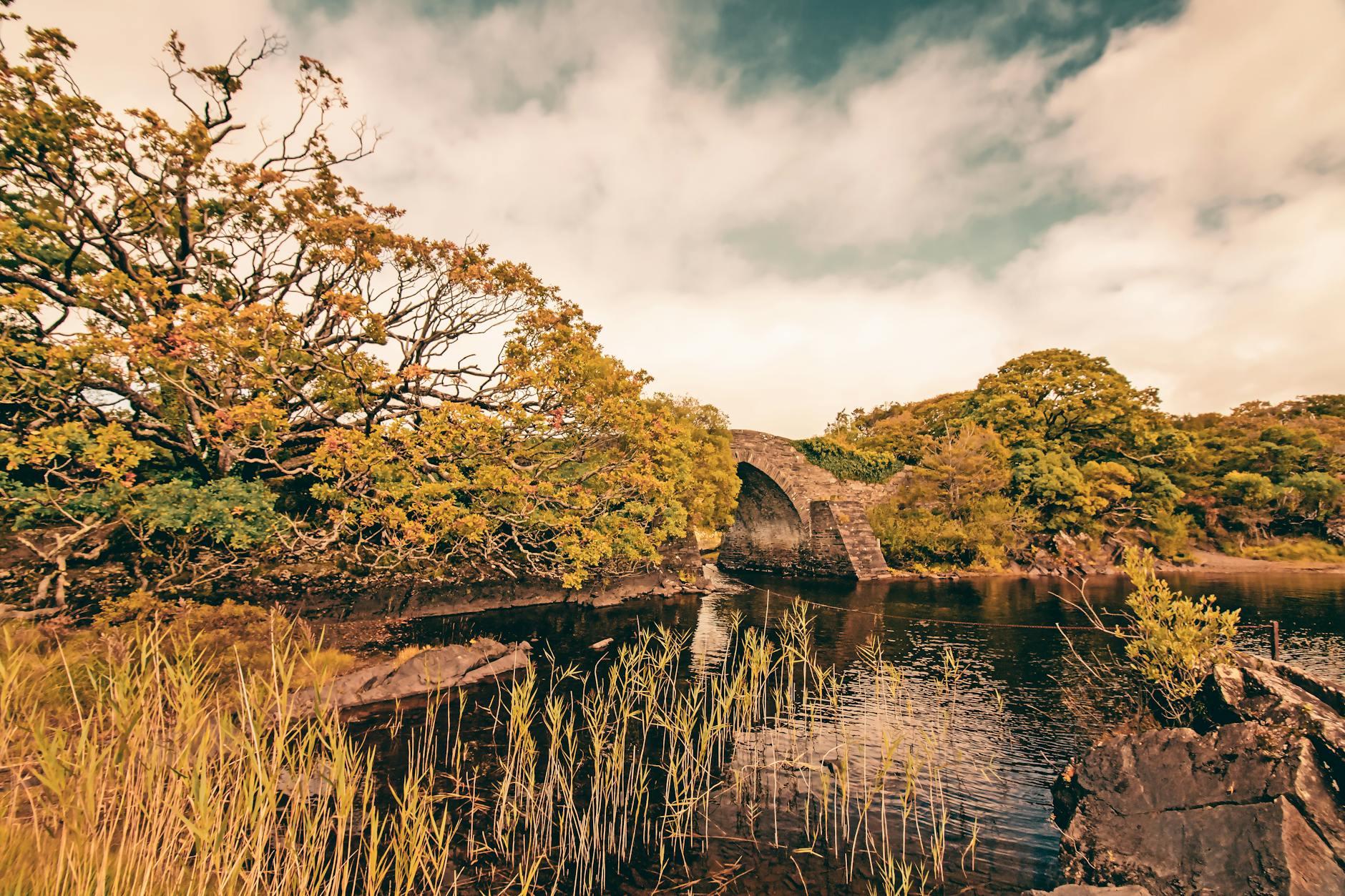
Killarney can be a good destination for travelers with mobility limitations because it combines a compact town, hotels, restaurants, taxis, tour services, lakes, parkland, historic sites, and scenic experiences that do not always require strenuous walking. It can also become frustrating if the traveler assumes every path, hotel, carriage ride, restaurant, and road stop will be easy. The strongest plan starts by matching the trip to the traveler's actual movement pattern. Step-free hotel access, walking distance, rain, slopes, uneven surfaces, vehicle transfers, toilet access, seating, and the difference between seeing a place and reaching it comfortably should shape the itinerary from the beginning.
Choose lodging by the route from room to day
For a traveler with mobility limitations, Killarney lodging should be judged by the entire route from room to breakfast, reception, parking, taxi pickup, dinner, and return. A hotel can look suitable online while still having awkward steps, distant rooms, narrow bathrooms, uneven approaches, unreliable lifts, or long corridors that matter after a full day.
The traveler should confirm lift access, room location, shower setup, door widths if relevant, parking or drop-off, dining access, and how close the hotel really is to the parts of town they expect to use. A beautiful property is not enough if it turns every movement into work.
- Confirm lift access, room location, shower setup, parking, drop-off, and dining access.
- Measure location by the actual route to meals, taxis, shops, rail, and tour pickup points.
- Avoid hotels that make every return feel like another excursion.

Separate town convenience from park terrain
Killarney town and Killarney National Park ask different things of the body. Town-center movement may be manageable if lodging, restaurants, and transport are close. Park movement can involve longer distances, wet surfaces, slopes, gravel, grass, bridges, and paths that change character with weather.
A traveler should not assume that being close to the park means the park is easy. The plan should identify which areas can be reached comfortably, where seating or pickup is available, and where the traveler will turn back before fatigue makes the decision.
- Treat town walking and park walking as separate mobility questions.
- Check surfaces, slopes, distance, seating, weather exposure, and return options.
- Choose a smaller park route well instead of forcing a famous route badly.
Use transport to protect energy
Mobility planning in Killarney is partly about choosing when not to walk. Taxis, private drivers, hotel transfers, short tours, rail, rental cars, and carefully chosen pickup points can turn the trip from effortful to workable. The traveler should compare options by transfers, steps, waiting time, luggage, weather, and ability to stop.
A rental car can help if parking and driving are manageable. A private driver may be better for scenic touring when the traveler needs flexible stops and less navigation. A coach tour may be efficient but can be difficult if boarding, seating, toilet stops, or rigid timing do not fit.
- Compare taxis, private drivers, tours, rail, rental cars, and hotel transfers by mobility cost.
- Use transport upgrades when they preserve the next day, not only when they save minutes.
- Check boarding, parking, waiting, luggage, and toilet stops before committing.

Choose scenic experiences by access, not fame
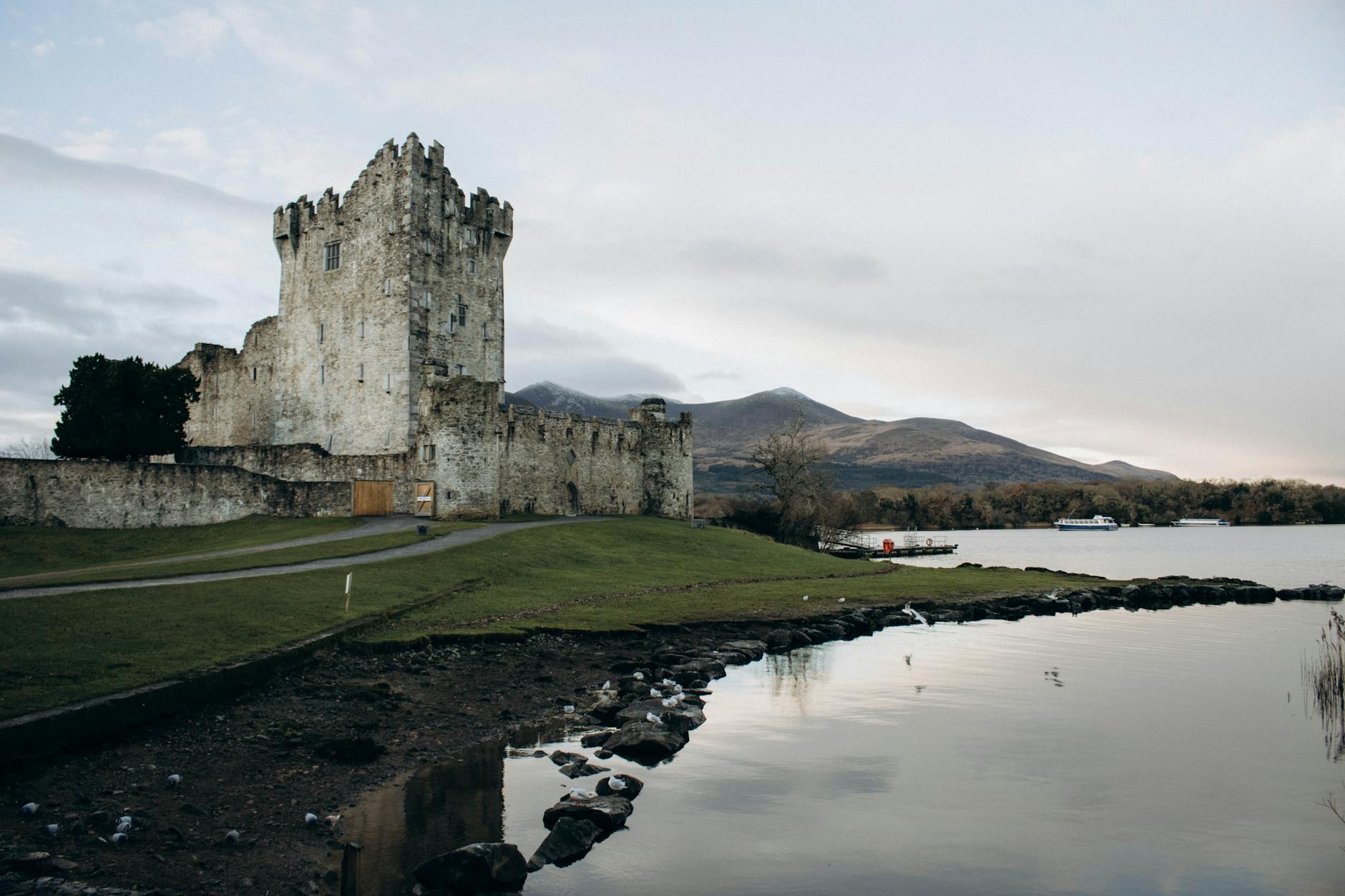
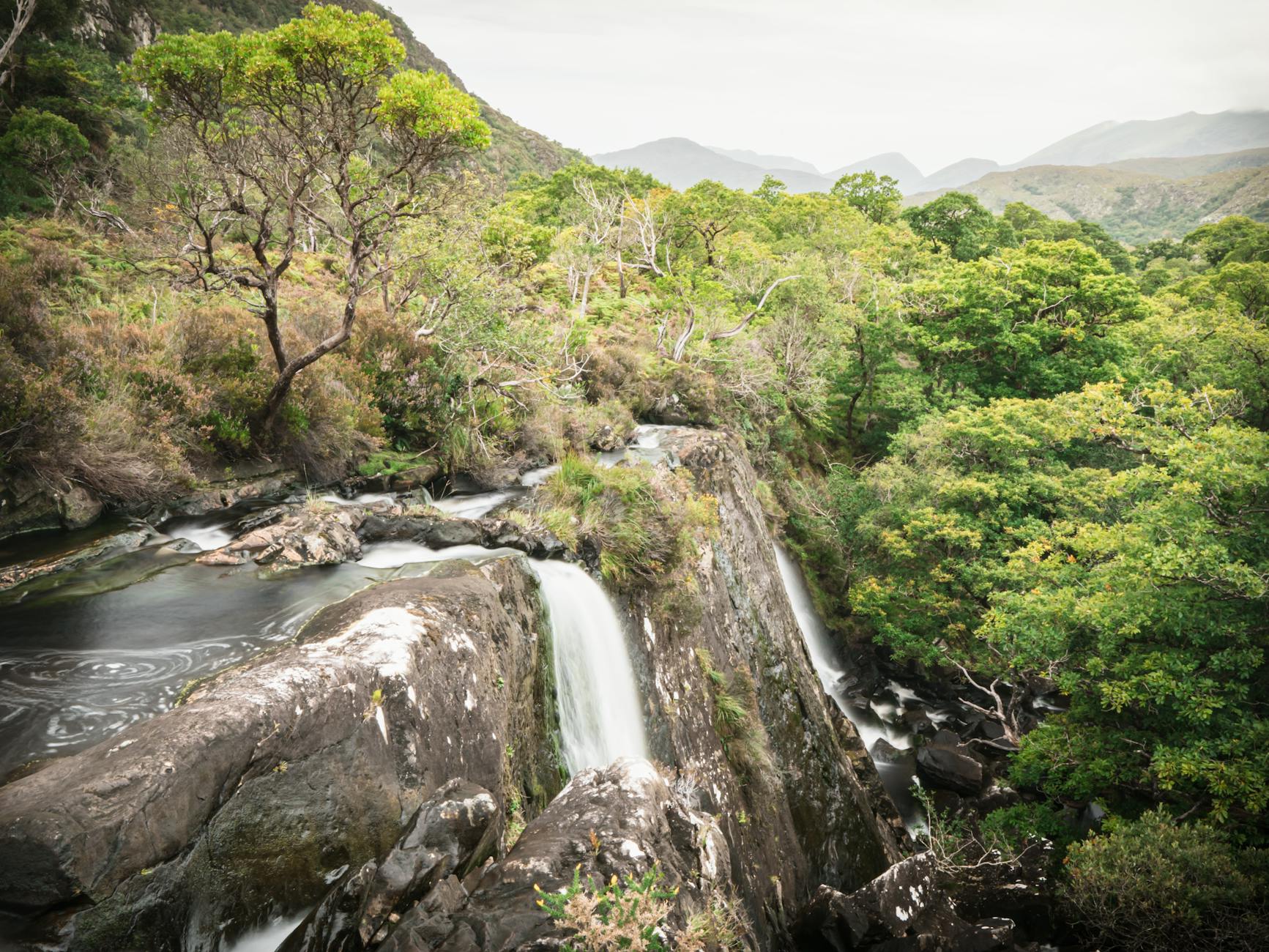
Muckross, Ross Castle, Torc Waterfall, lake viewpoints, jaunting cars, gardens, and scenic drives can all be rewarding, but they are not equally practical for every traveler. The correct choice is the one that gives the traveler the strongest experience for the least avoidable strain.
Some days should emphasize viewpoints, gardens, short level routes, accessible interiors, or door-to-door touring. Others may support a longer outing. Killarney is generous enough that the traveler does not need to prove anything through difficulty.
- Match Muckross, Ross Castle, Torc Waterfall, lakes, and drives to actual access conditions.
- Use viewpoints, short routes, gardens, and drivers when they create better value.
- Do not let famous stops override comfort, safety, or dignity.
Plan weather, toilets, and seating before the day starts
Killarney's weather can turn a manageable route into a hard one. Rain, wind, cold, wet stone, muddy paths, and slippery thresholds matter more when balance, stamina, pain, or assistive devices are involved. The plan should include shoes, layers, rain protection, and shorter alternatives that still feel worthwhile.
Toilets and seating deserve the same attention. A scenic day can fail because a traveler has no place to rest, no accessible toilet at the right time, or no way to wait comfortably while companions continue a longer stop.
- Build each day with weather fallback, rest points, toilet access, and seating in mind.
- Carry layers and rain protection that support movement rather than only comfort.
- Use shorter alternatives before fatigue or weather forces a poor decision.

Make meals part of access planning
Restaurant access can determine whether Killarney evenings feel easy or draining. The traveler should check distance from the hotel, steps, toilet access, seating comfort, noise, lighting, reservation timing, taxi availability, and whether the return will still feel manageable after dinner.
Meals should also support pacing. A long road day followed by a late walk to dinner may be too much. A hotel meal, early reservation, short taxi ride, or central restaurant can protect the whole rhythm of the trip.
- Check restaurant distance, steps, toilets, seating, noise, lighting, and return route.
- Reserve meals that fit energy, medication, weather, and transport realities.
- Use nearby or hotel dining when it keeps the trip comfortable.
When to order a short-term travel report
A traveler with mild mobility limits, a confirmed accessible hotel, and a relaxed town-centered plan may not need a custom Killarney report. A report becomes useful when hotel access is uncertain, scenic drives are important, the traveler uses an assistive device, walking tolerance is limited, weather could change the trip, companions have different stamina, or the itinerary needs to choose between many appealing options.
The report should test lodging, routes, transport, park access, restaurants, weather fallback, rest points, toilet access, scenic choices, budget, and what to cut. The value is a Killarney trip that preserves the destination without asking the traveler to overperform.
- Order when mobility, lodging access, transport, weather, meals, or scenic routes need testing.
- Provide dates, hotels, walking tolerance, device needs, transport plans, must-sees, and budget.
- Use the report to make the trip smaller only where smaller makes it better.