
Killarney can be a strong destination for travelers with medical constraints because it offers hotels, restaurants, taxis, tours, a compact town center, and scenic experiences that do not always require strenuous effort. It can also become difficult if a traveler assumes every hotel, path, tour, meal, and road day will work the same way. The right plan starts with the body that is actually traveling. Medication, fatigue, pain, respiratory sensitivity, food restrictions, immune concerns, recovery needs, mobility limits, or chronic conditions should shape lodging, transport, meals, rest, and scenic choices before the itinerary becomes too ambitious.
Start with medical continuity
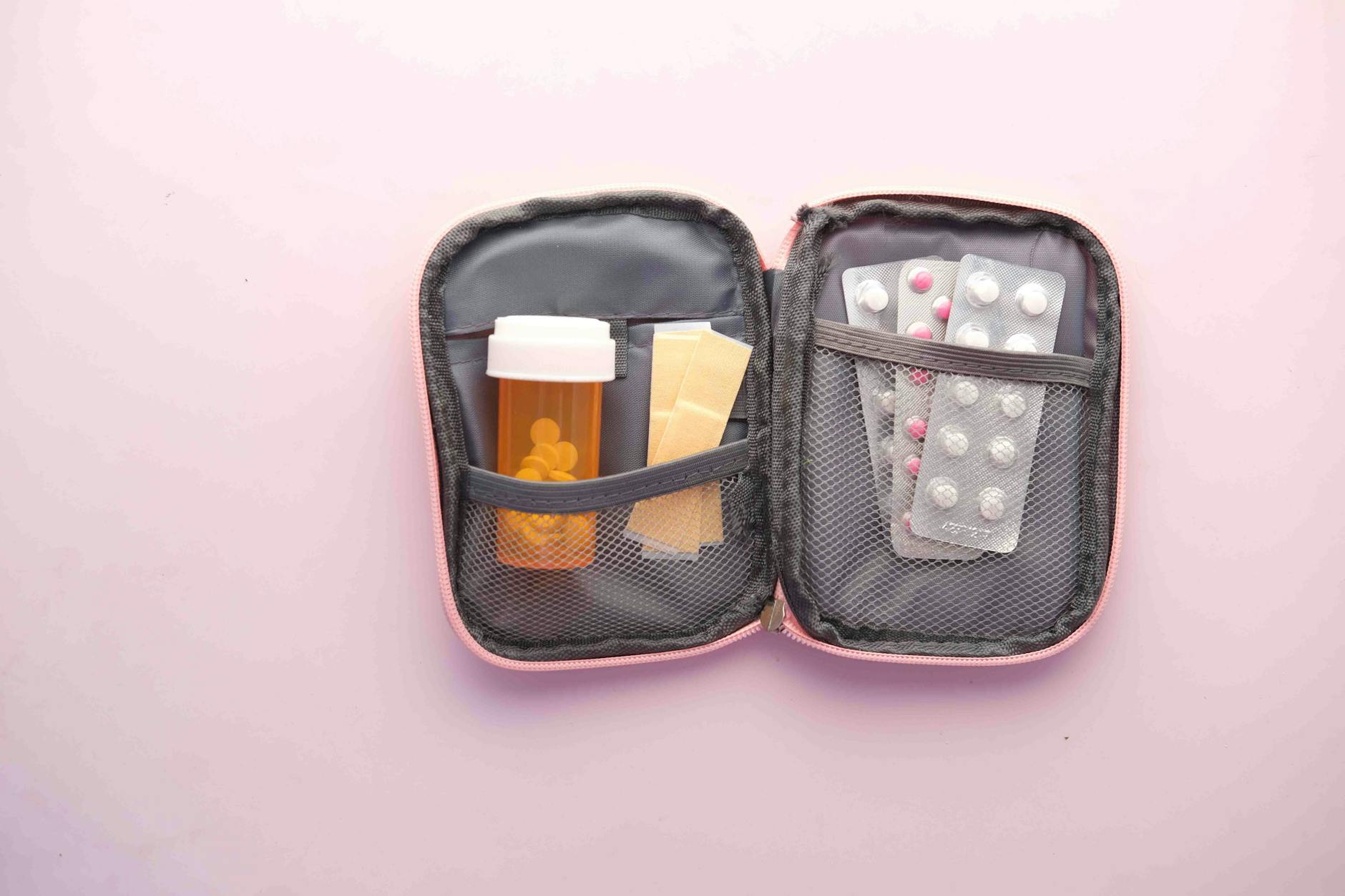
The first question is whether the traveler can maintain medication, supplies, devices, diet, sleep, hydration, and symptom control from departure through return. Essential medication should travel in hand luggage with enough supply for delay. A concise medical summary should include generic medication names, dosages, allergies, diagnoses, physician contacts, and emergency instructions.
A short Killarney stay may feel simple, but replacement medication, refrigerated supplies, controlled substances, oxygen-related needs, or device issues can become harder once the traveler is away from a major city. The plan should know what cannot be missed.
- Carry essential medication, device supplies, and documentation in hand luggage.
- Use generic medication names, dosages, allergies, diagnoses, and physician contacts.
- Add a delay buffer for medication, supplies, and consumables.

Choose the hotel around health friction
A medically suitable Killarney hotel is not just pleasant. It reduces the number of hard moments in the day. The traveler may need elevator reliability, walk-in shower, refrigerator access, quiet sleep, air conditioning, food nearby, a short route to taxis, or enough room for equipment.
Location matters too. A scenic outlying property may be wrong if every meal, pharmacy run, or return from town creates strain. A central hotel may be better if it keeps daily movement simple.
- Confirm elevator, shower, refrigerator, room location, quiet, air-conditioning, and equipment needs.
- Choose a base near food, taxis, pharmacy access, and realistic outing routes.
- Avoid lodging that makes every small task medically expensive.

Map pharmacy and care options early
Killarney has practical visitor infrastructure, but a traveler with medical constraints should not wait until something goes wrong to identify pharmacy hours, nearby clinics, insurance expectations, emergency contacts, and hotel support. Brand names, prescription rules, and replacement timelines can differ from home.
The goal is not to turn the trip into a medical project. It is to know what to do if symptoms shift, medication is lost, a device fails, or a minor issue needs professional help before it disrupts the whole stay.
- Identify pharmacy hours, care options, emergency contacts, and hotel assistance before arrival.
- Know how travel insurance expects the traveler to seek care.
- Carry written medical details so help is not dependent on memory under stress.

Choose transport by symptom risk
The best Killarney transport choice depends on the condition. A rental car may reduce walking but increase driving strain. A coach tour may reduce navigation but create long seated stretches and limited flexibility. A private driver may be worth it when the traveler needs rest stops, timing control, temperature control, or fewer transitions.
Airport and rail arrivals also matter. The traveler should choose the route from Kerry, Cork, Shannon, Dublin, or rail connections by standing tolerance, luggage, fatigue, medication timing, and the ability to recover on arrival.
- Compare rental car, taxi, private driver, coach tour, and rail by symptoms, not just cost.
- Plan arrival around standing tolerance, luggage, fatigue, and medication timing.
- Use door-to-door transport when fewer transitions protect the trip.
Build days around recovery
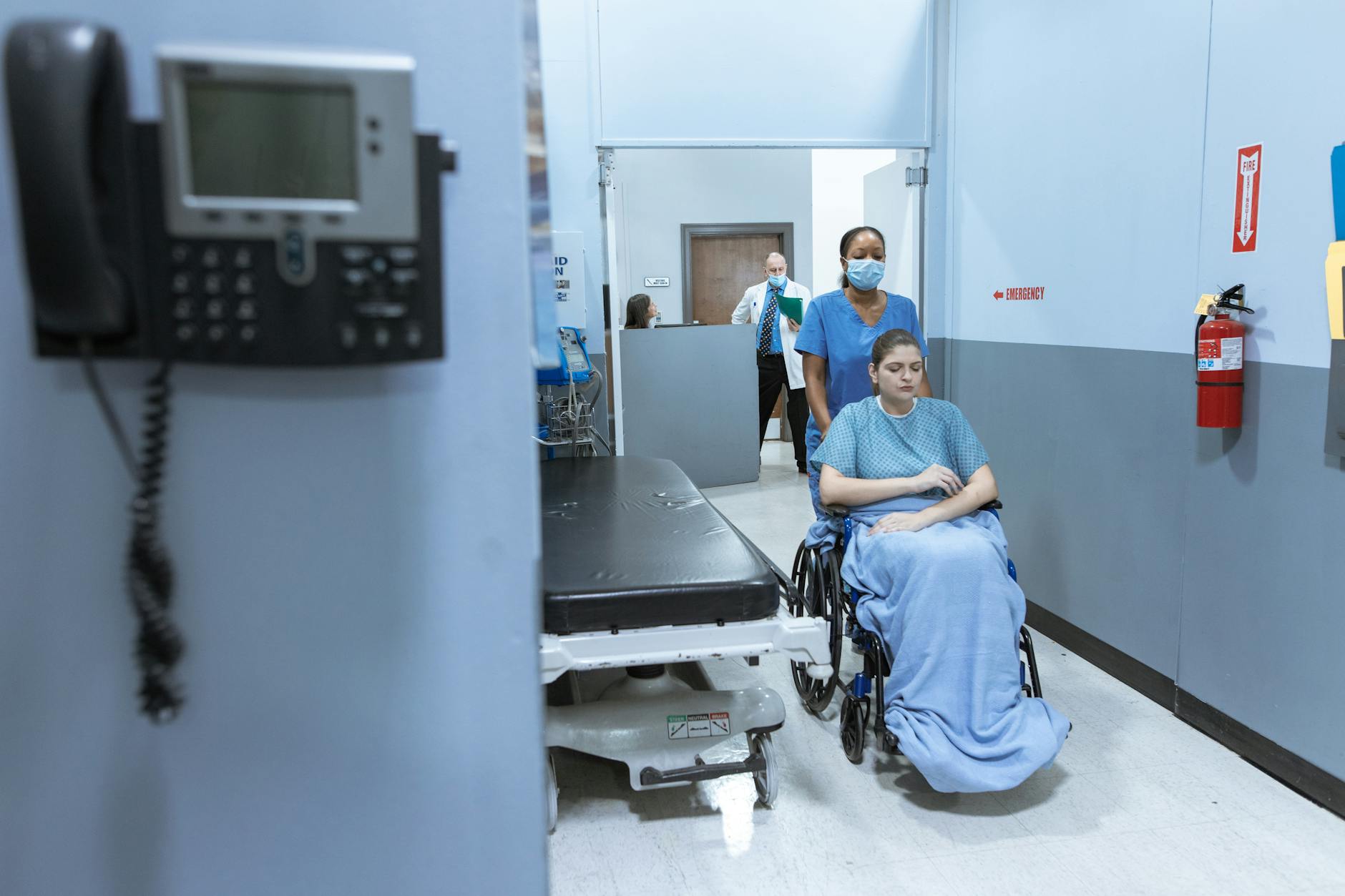
Killarney sightseeing can look gentle on paper while still becoming demanding in the body. Wet paths, wind, long restaurant waits, winding roads, changing temperatures, and delayed meals can all affect symptoms. The traveler should build each day around an anchor outing, nearby optional time, and a clear rest point.
Recovery should be scheduled before the traveler is depleted. A hotel break, short taxi ride, earlier dinner, or lower-exposure scenic stop can keep the trip active without pushing it past the point where the next day is compromised.
- Use one anchor outing, one optional nearby item, and one clear recovery point per day.
- Plan meals, hydration, medication timing, and rest before symptoms peak.
- Adjust park walks and scenic drives when weather or energy changes.
Select scenic experiences carefully
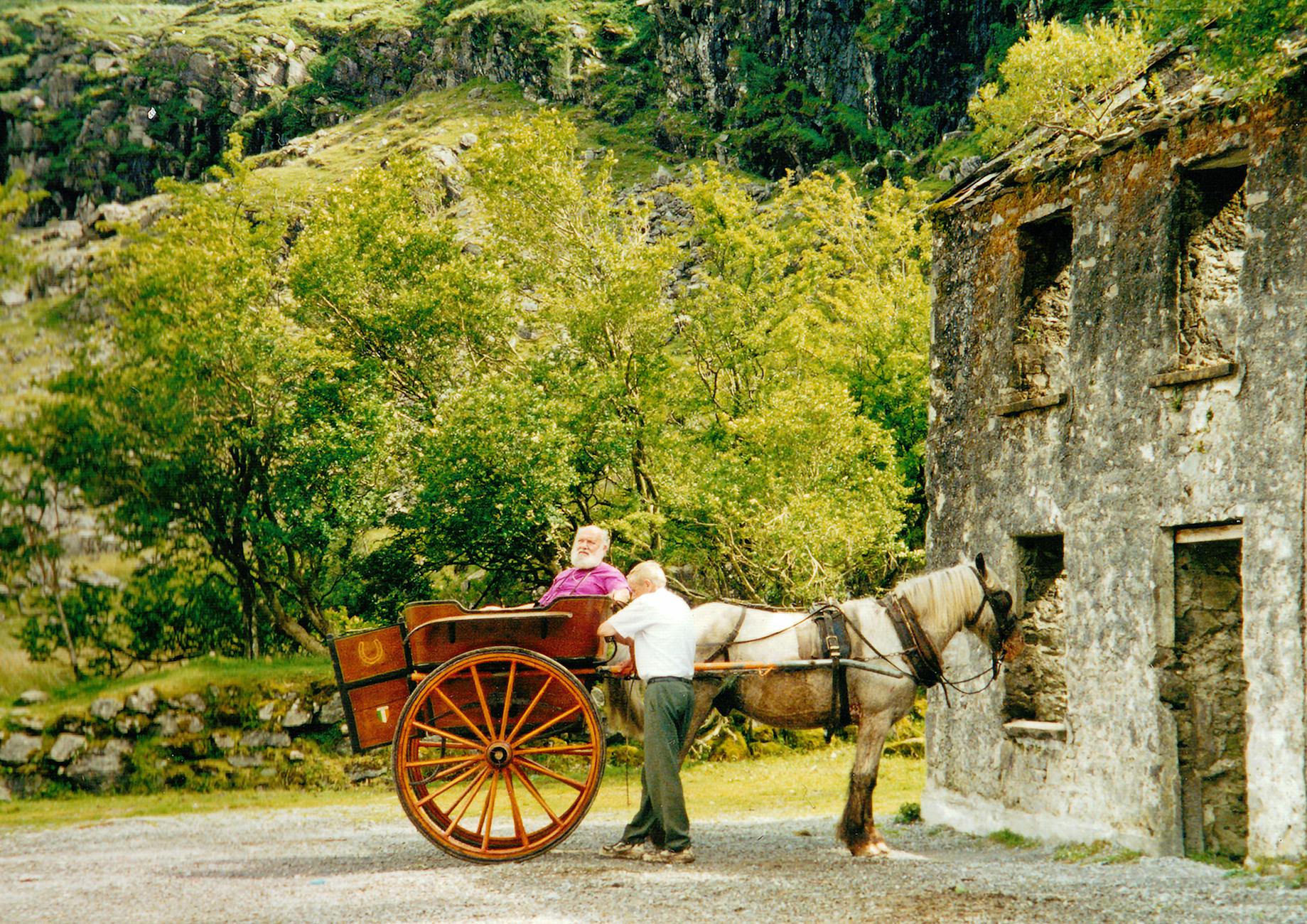
Muckross, Ross Castle, Torc Waterfall, lake views, jaunting cars, and scenic drives can all work for travelers with medical constraints if the access details are chosen well. The traveler should check walking surfaces, toilets, seating, weather exposure, vehicle comfort, and return effort.
A shorter scenic day may be the smarter day. The point is to make Killarney feel rich without asking the traveler to spend all medical margin on movement.
- Check walking surfaces, toilets, seating, weather exposure, and return effort.
- Use jaunting cars, drivers, taxis, or shorter routes when they fit the condition better.
- Choose scenic value over itinerary volume.
When to order a short-term travel report
A traveler with a stable condition, familiar supports, and a relaxed Killarney plan may need only ordinary preparation. A report becomes useful when medication, mobility, fatigue, food restrictions, immune concerns, recovery needs, oxygen or device logistics, late arrival, road touring, or urgent-care planning affects the trip.
The report should test hotel access, arrival route, medication continuity, pharmacy and care options, meals, walking surfaces, scenic choices, transport, weather fallback, rest blocks, budget, and what to remove. It is not a medical opinion. It is operational clarity around the trip.
- Order when medical needs affect medication, movement, food, sleep, arrival, touring, or care planning.
- Provide relevant constraints, medication needs, mobility limits, diet, hotel requirements, insurance concerns, and budget.
- Use the report to reduce operational risk; it does not replace medical advice from a clinician.