
Killarney can be an excellent stopover between Irish routes, Kerry plans, Cork connections, Dublin travel, guided tours, outdoor days, and longer west-coast itineraries. It can also become a rushed interruption if the traveler tries to make a short stop perform like a full destination stay. A transit or stopover traveler should decide what the Killarney pause is meant to do. It might provide sleep, a manageable taste of the national park, a meal and walk, a rail break, a base before a tour, or a calmer night between heavier travel days. The plan should protect that purpose rather than adding every famous nearby sight.
Define why Killarney is the stop
A stopover should have a job. Killarney might be the place to break a long journey, sleep before a Kerry route, recover after outdoor travel, meet a tour, see one compact part of the national park, or enjoy a town evening without committing to a longer stay. Each reason points to a different plan.
If the stop is only there because Killarney is famous, the traveler may be disappointed by how little fits. If the stop is designed around one useful purpose, even a short stay can feel deliberate.
- Name the purpose of the stop before adding sights.
- Separate rest, route connection, town evening, and park-sampling goals.
- Do not make a stopover carry the expectations of a full Killarney stay.

Map arrival, departure, and luggage first
Transit travelers should start with exact arrival and departure times, connection points, baggage, check-in rules, and how late or early they can move comfortably. Rail, coach, rental car, tour pickup, and private transfer plans all change what is realistic during a short Killarney stop.
Luggage can quietly ruin the day. The traveler should know whether bags can be stored, checked, left at lodging, or carried without making the walk miserable. A beautiful route is less useful if the traveler is dragging luggage over damp ground or through crowded streets.
- Build the stop around confirmed arrival, departure, and check-in timing.
- Solve luggage storage before designing the sightseeing route.
- Account for early starts, late arrivals, and fatigue from the previous leg.
Choose one compact route
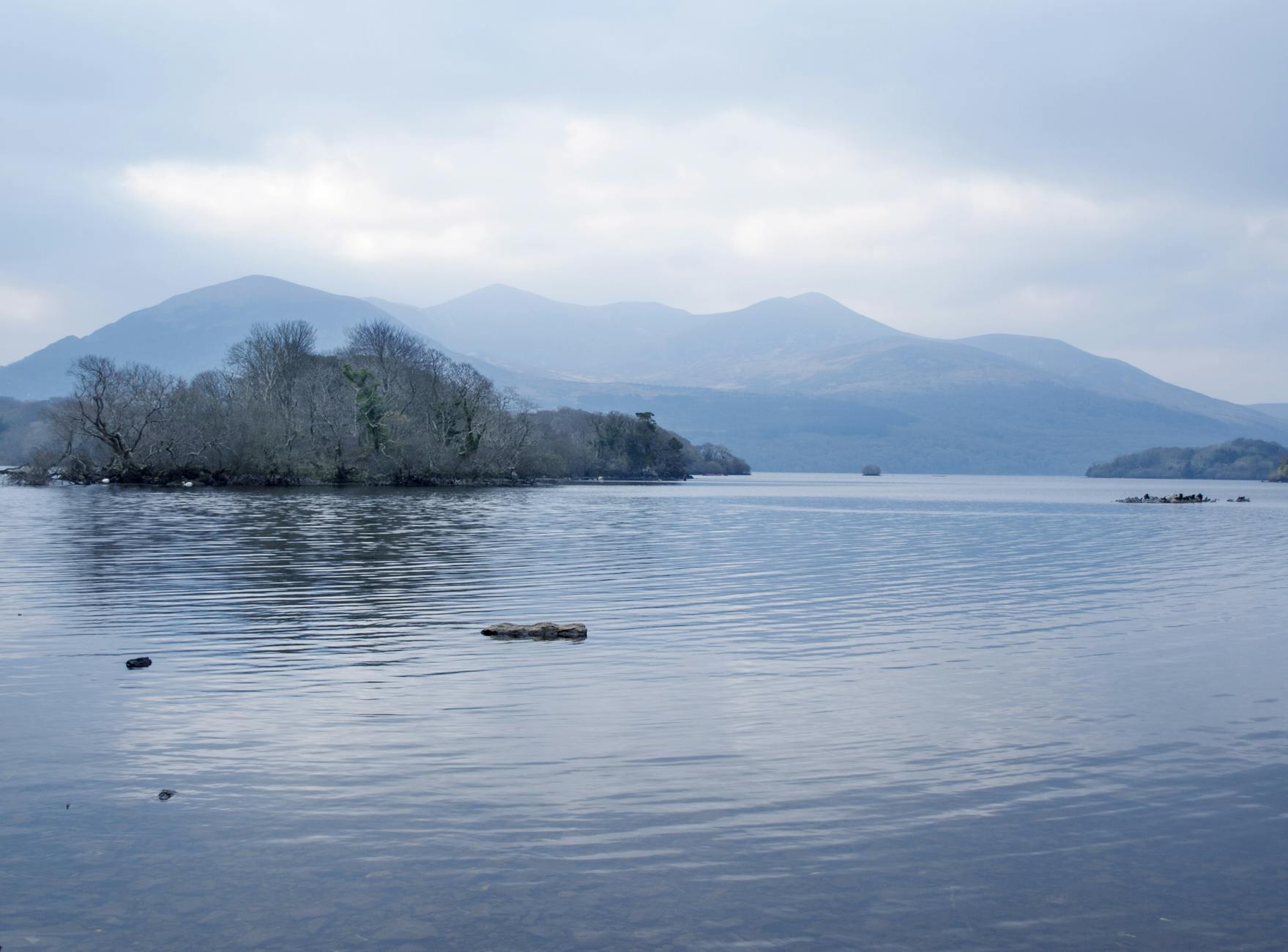
A stopover traveler should usually choose one compact Killarney route rather than a wide Kerry ambition. Town center plus a meal, Ross Castle and lake views, Muckross and a short walk, or Torc Waterfall with controlled transport may all work in the right conditions. Combining all of them may not.
The route should include a start, end, return method, food option, toilet access, rain fallback, and a cut point. A good stopover feels satisfying because it is contained.
- Pick one compact Killarney route instead of several partial experiences.
- Build in food, toilets, weather fallback, and a return method.
- Use cut points so the next travel leg is protected.
Choose lodging by connection, not romance
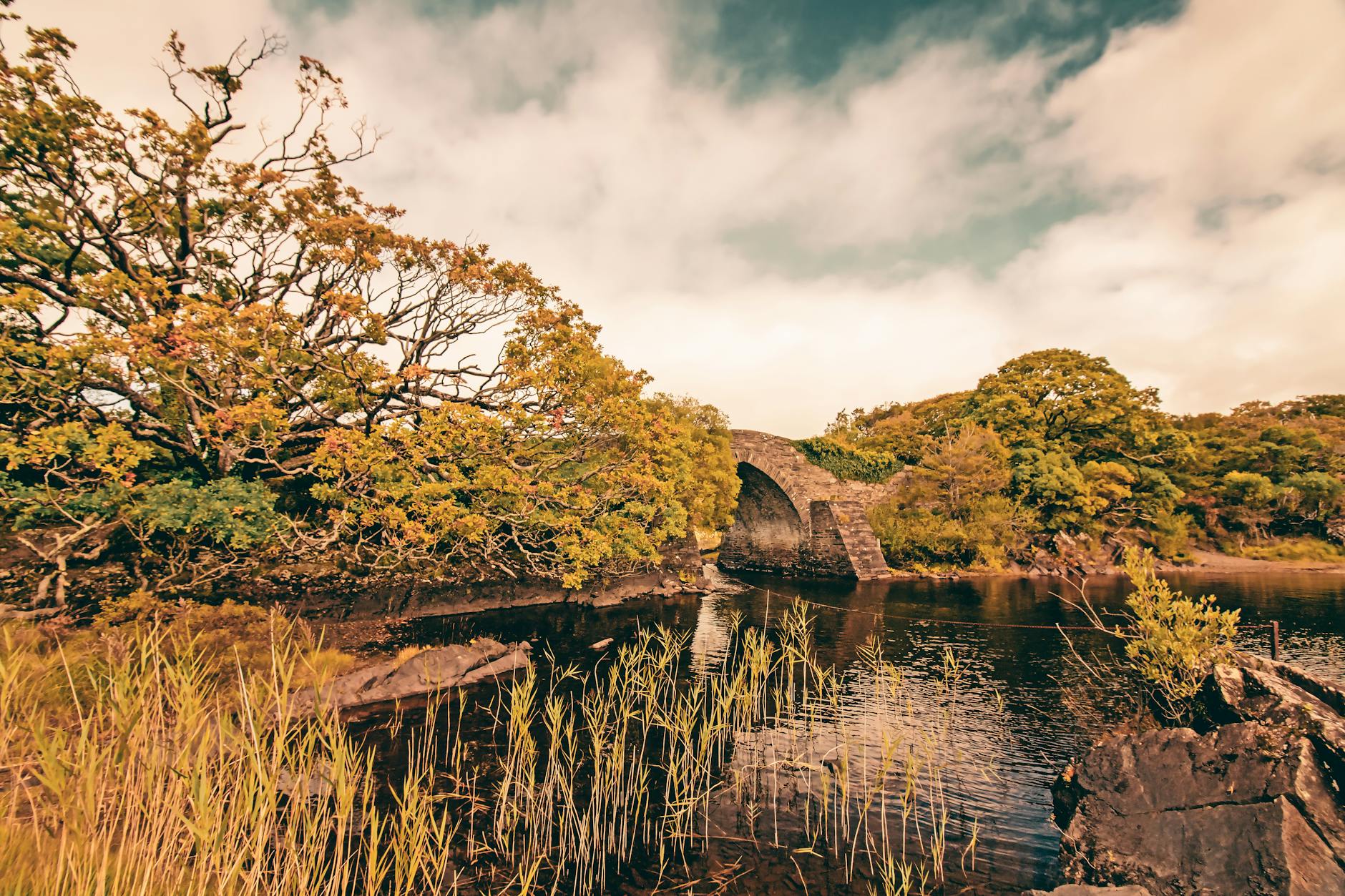
For a stopover, lodging should make arrival and departure easier. A central hotel or guesthouse can simplify rail, coach, taxis, meals, and a short evening. A more scenic or remote property may be appealing but costly if it adds transfer friction at both ends of a brief stay.
The traveler should check check-in hours, bag drop, breakfast timing, lift access, late arrival instructions, taxi pickup, and walking distance in rain. A stopover room is successful when it reduces friction before the next leg.
- Prioritize connection ease, bag drop, check-in, breakfast, and departure logistics.
- Avoid remote lodging when the stop is short and transport-dependent.
- Check rainy walking distances and late-arrival instructions before booking.
Plan food, weather, and daylight honestly
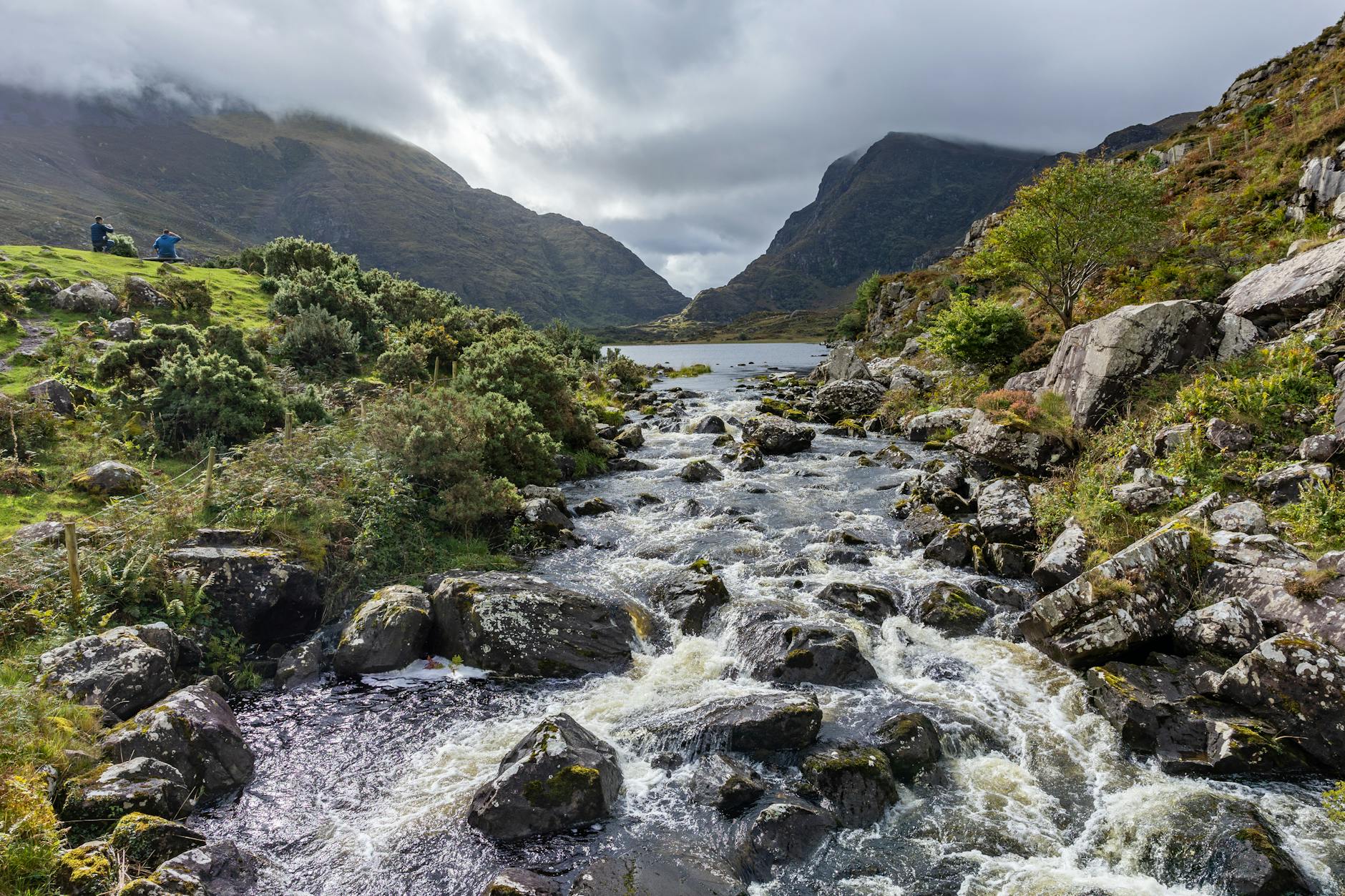
A traveler passing through Killarney may arrive hungry, damp, tired, or too late for the route imagined earlier in the trip. Restaurant timing, simple meals, snacks, rain layers, footwear, and daylight should be part of the stopover plan from the start.
Short daylight and bad weather do not necessarily make the stop a failure. They may simply shift the plan toward a good meal, a town walk, a short lake view, or an early night. The traveler should not force a park route just because it was on the list.
- Check meal timing, daylight, rain, and footwear before committing to a route.
- Have a town-centered fallback for poor weather or late arrival.
- Let the stopover support the wider trip instead of draining it.
Avoid stopover overreach
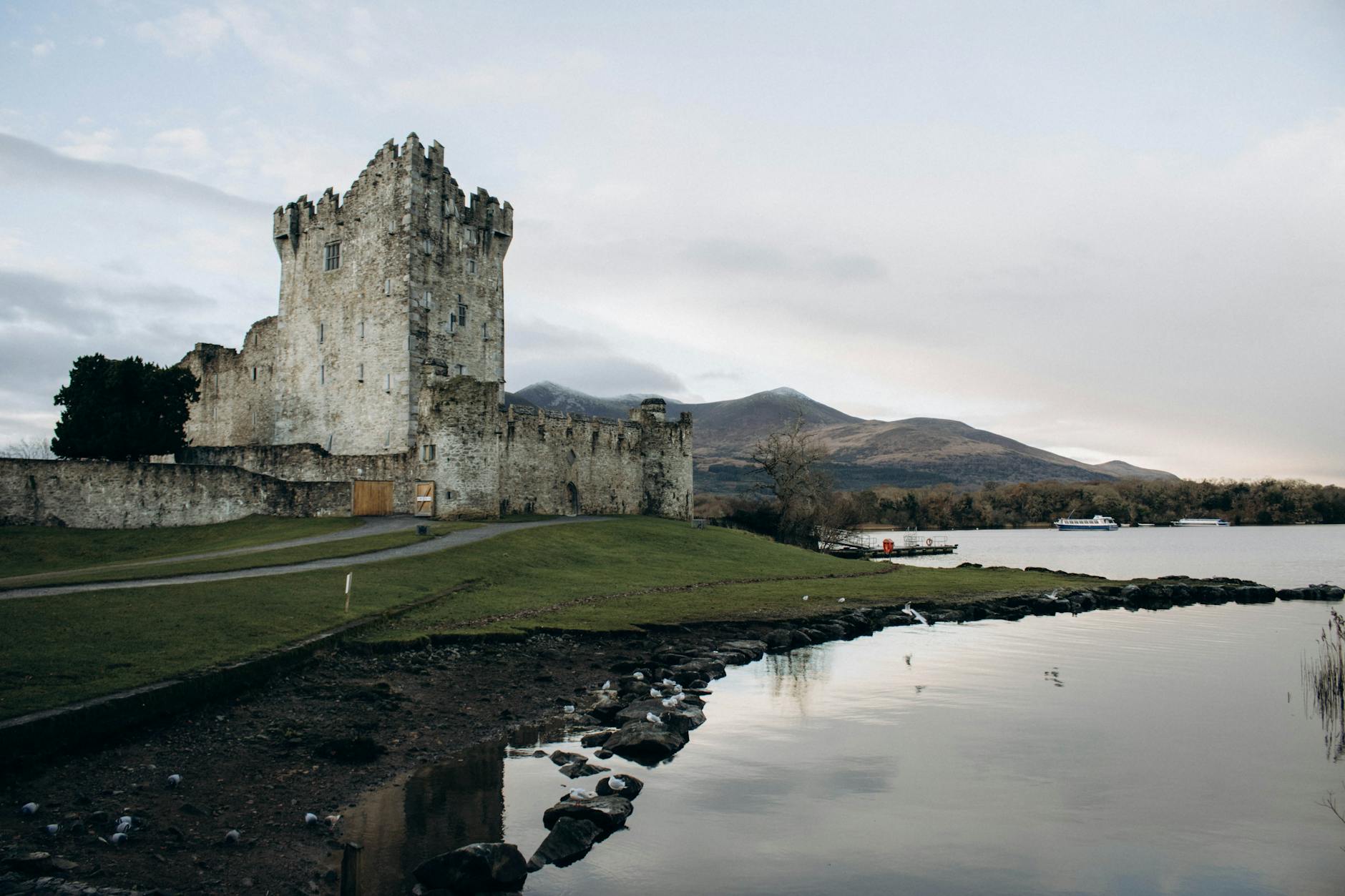
The biggest risk is using Killarney as a placeholder for all of Kerry. A short stop cannot reliably deliver the national park, the Ring of Kerry, Dingle, a long hike, town nightlife, and a restful night. The traveler should choose what the stop is for and protect the next movement.
This is especially true when the stop sits between driving days, flights, rail connections, or guided tours. The value of Killarney may be that it makes the larger itinerary calmer, not that it adds another intense sightseeing day.
- Do not use one stopover to represent all of Kerry.
- Protect the next connection, drive, tour, or flight from fatigue.
- Cut famous extras when they undermine the stop's real purpose.

When to order a short-term travel report
A transit traveler with a simple overnight, central lodging, and flexible plans may not need a custom Killarney report. A report becomes useful when the stopover sits between tight connections, includes luggage problems, depends on rental car timing, involves a late arrival or early departure, or needs a decision about whether Killarney is the right break point at all.
The report should test arrival and departure timing, luggage, lodging, compact routes, transport, meals, weather, daylight, mobility, budget, and what to cut. The value is a Killarney stop that improves the wider itinerary instead of making it harder.
- Order when timing, luggage, lodging, transport, or route choice need testing.
- Provide arrival and departure details, luggage needs, lodging options, route ideas, mobility needs, budget, and constraints.
- Use the report to make the stopover useful rather than crowded.