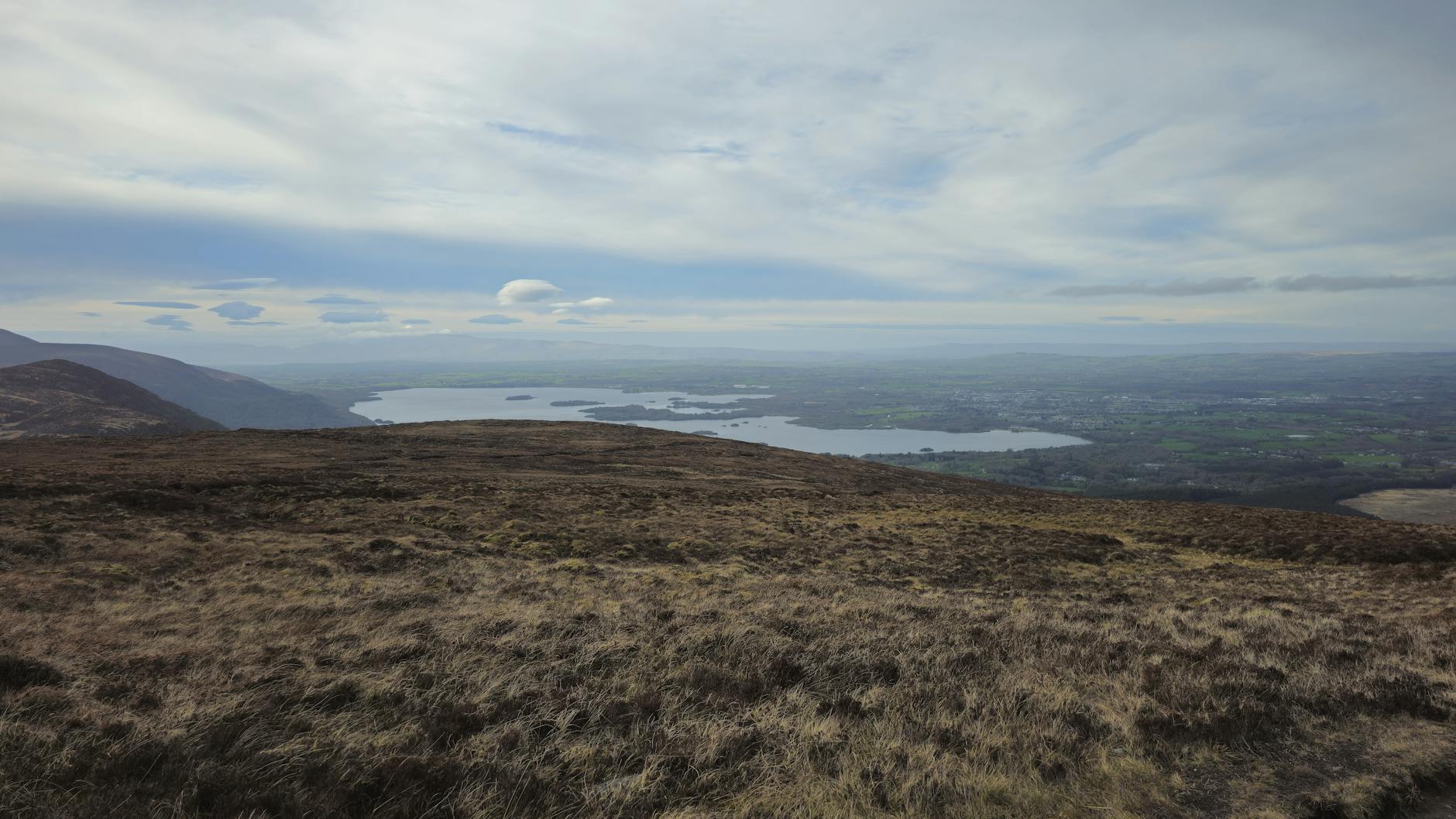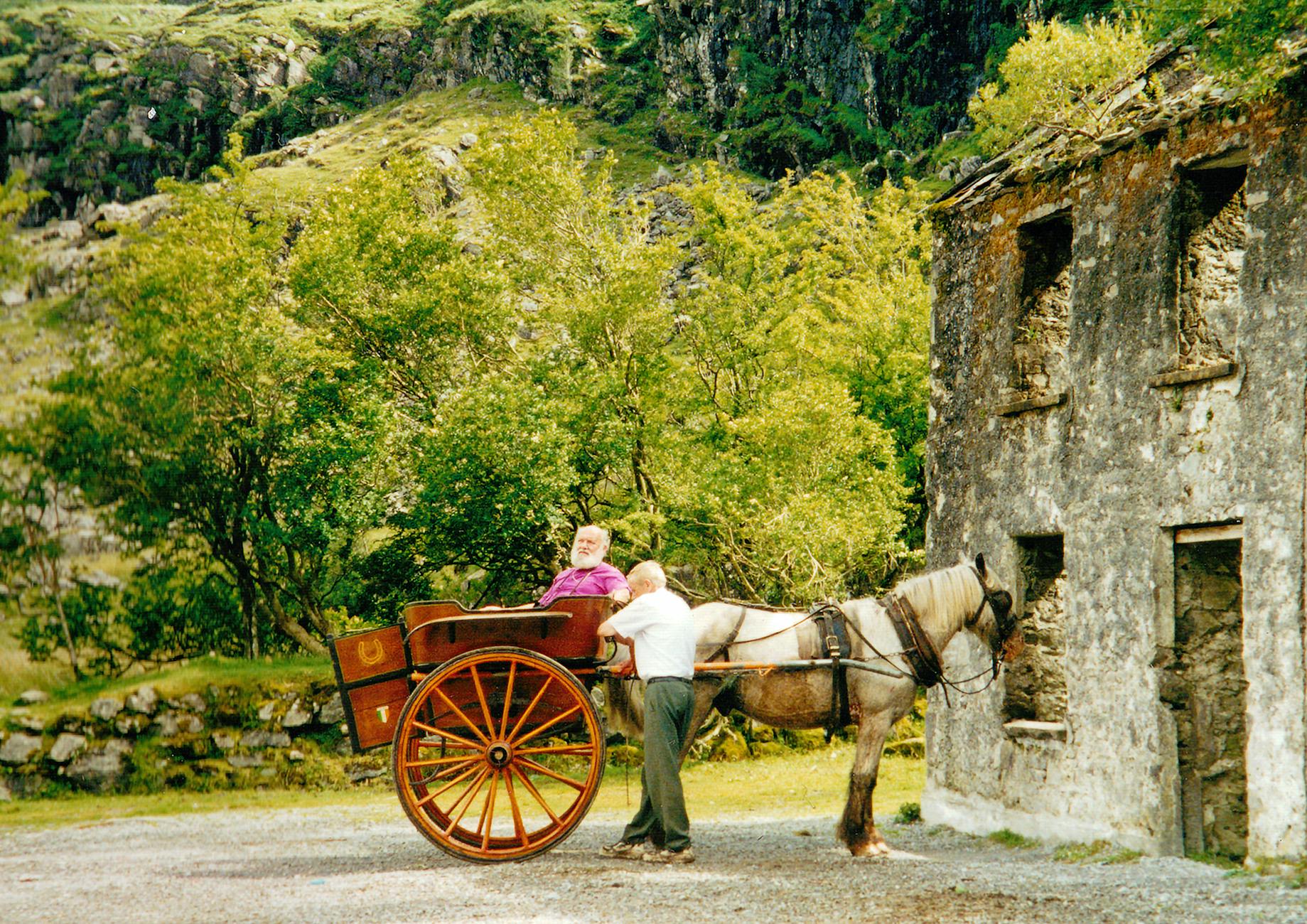
Killarney is built for tourism in the best and most dangerous senses of the phrase. It gives visitors hotels, restaurants, pubs, tours, national park access, lakes, castles, waterfalls, carriage rides, and onward routes into Kerry. It also gives tourists more appealing choices than a short stay can absorb. A strong Killarney tourist plan starts by choosing the experience rather than collecting every famous stop. The visitor should decide whether the trip is mainly about the town, the park, a scenic drive, a relaxed Irish base, or a concentrated Kerry sampler. That choice should shape lodging, transport, meals, and how much the itinerary can reasonably carry.
Choose the version of Killarney you want
A tourist can use Killarney in several ways. It can be a town stay with pubs and restaurants, a national park stay with short walks and lake views, a scenic-drive base for the Ring of Kerry, a family-friendly stop, or a soft landing in southwest Ireland. Those versions overlap, but they do not require the same schedule.
The visitor should choose the leading version before booking the hotel or tours. A trip built around the park should not sacrifice every morning to long road tours. A trip built around the Ring of Kerry should not ignore early starts and weather. A relaxed town stay should not be judged by how many sights were crossed off.
- Decide whether the trip is led by town, park, scenic drive, family ease, or Kerry sampling.
- Let that decision shape hotel location, transport, meals, and activity count.
- Avoid treating every well-known Killarney stop as mandatory.
Use the town for convenience
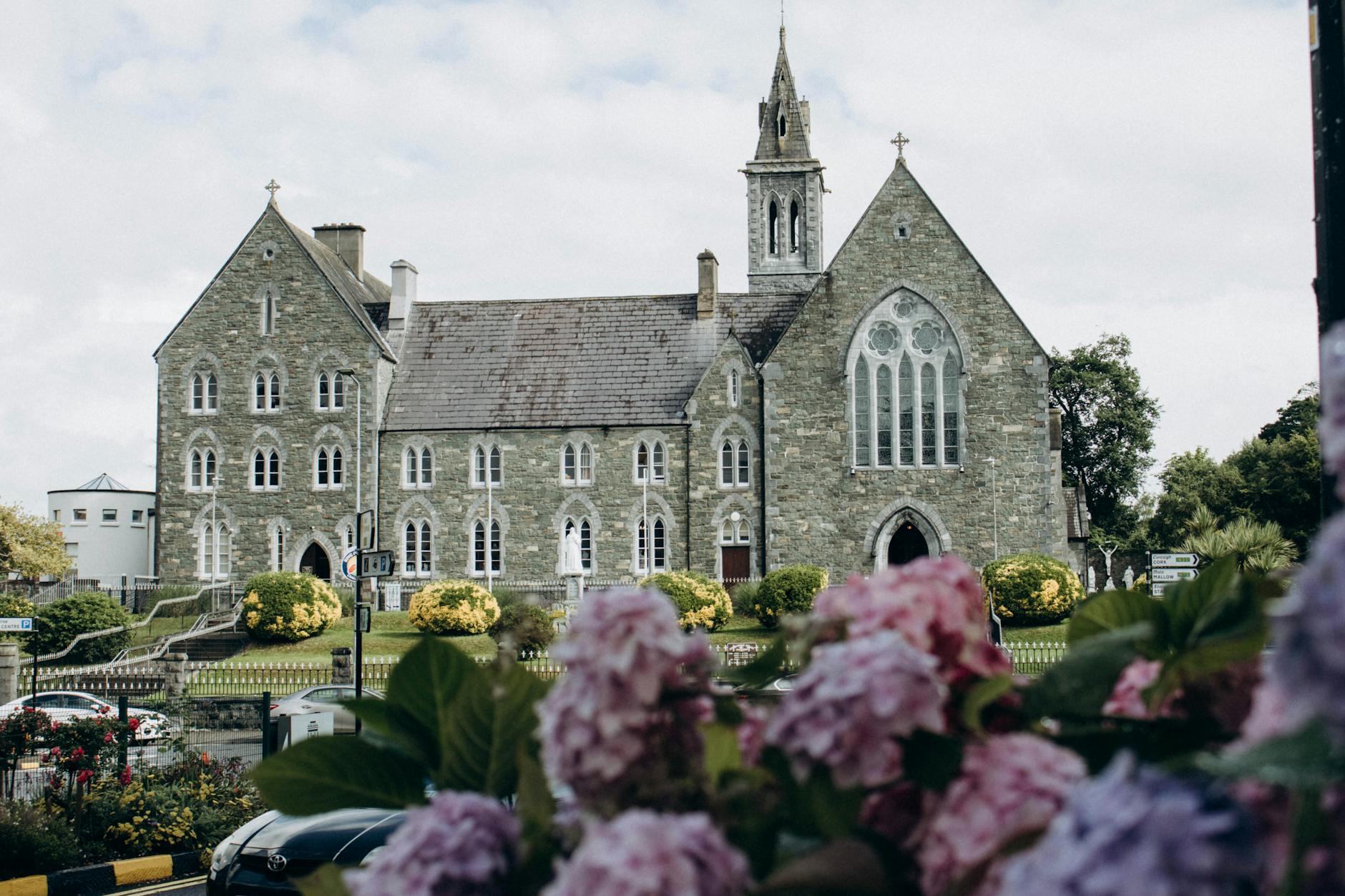
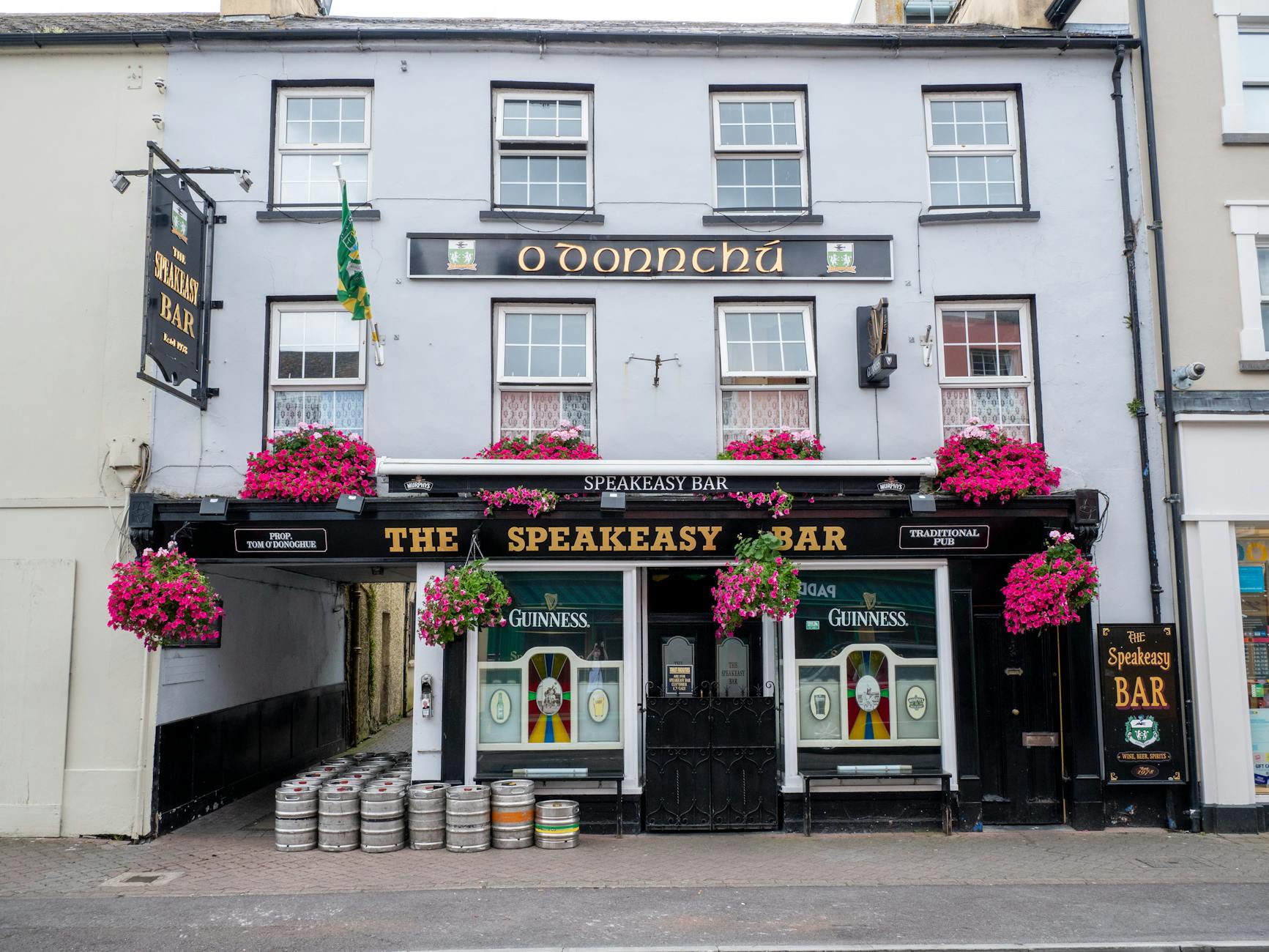
Killarney town is not only a place to sleep. It is a practical tool. Restaurants, pubs, shops, rail access, tour departures, taxis, and visitor services are close enough that a tourist can recover from weather, tiredness, or a changed plan without losing the day.
A central base can make evenings easier, especially without a car. Outlying hotels may provide views and quiet, but the visitor should understand how dinner, taxis, parking, tour pickups, and late returns will work.
- Compare central and outlying lodging by meals, taxis, rail, tour pickups, parking, and evening returns.
- Use town convenience to reduce friction after park days or scenic drives.
- Do not choose a remote base without a clear dinner and transport plan.
Plan park time as its own day
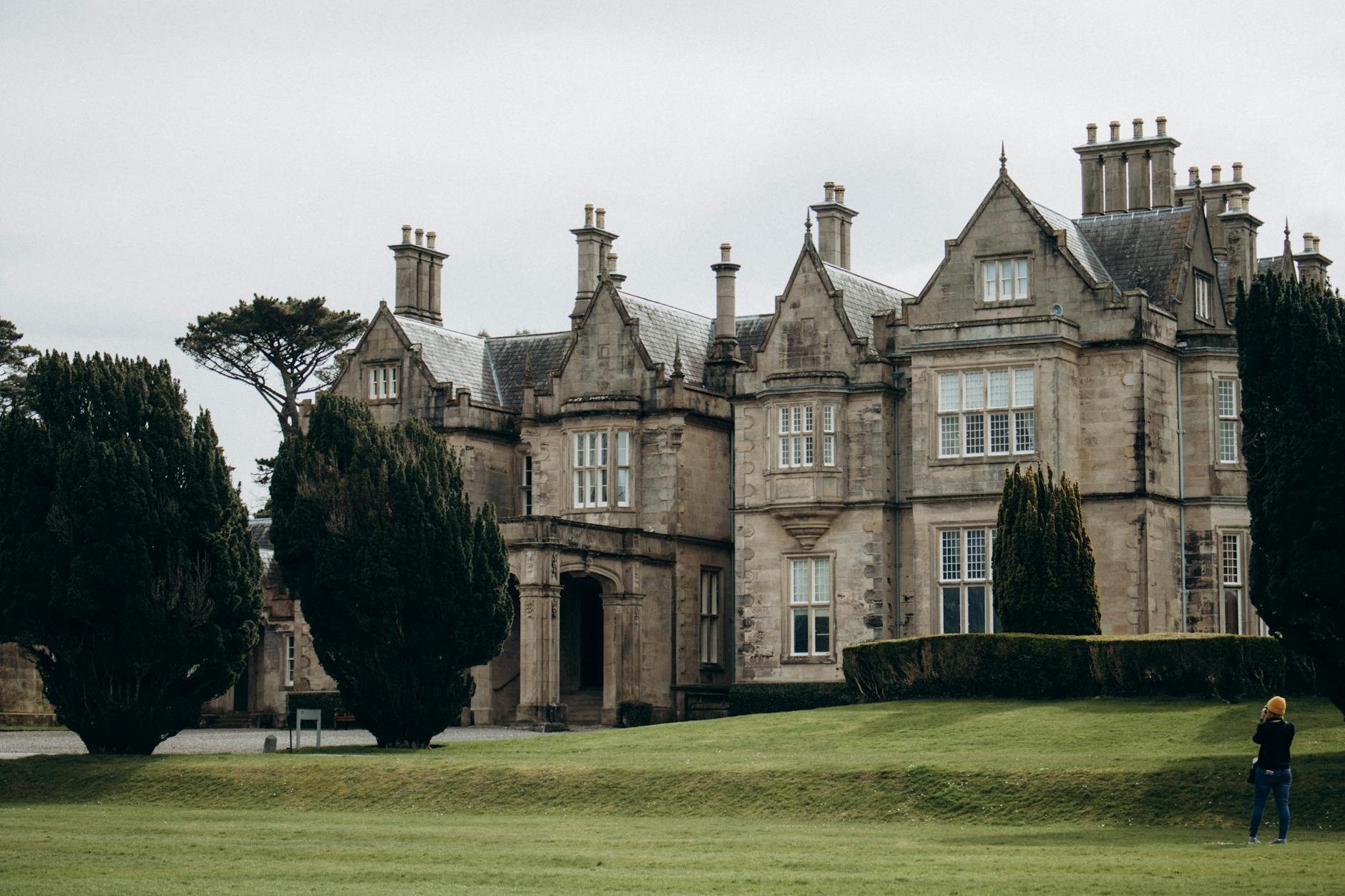
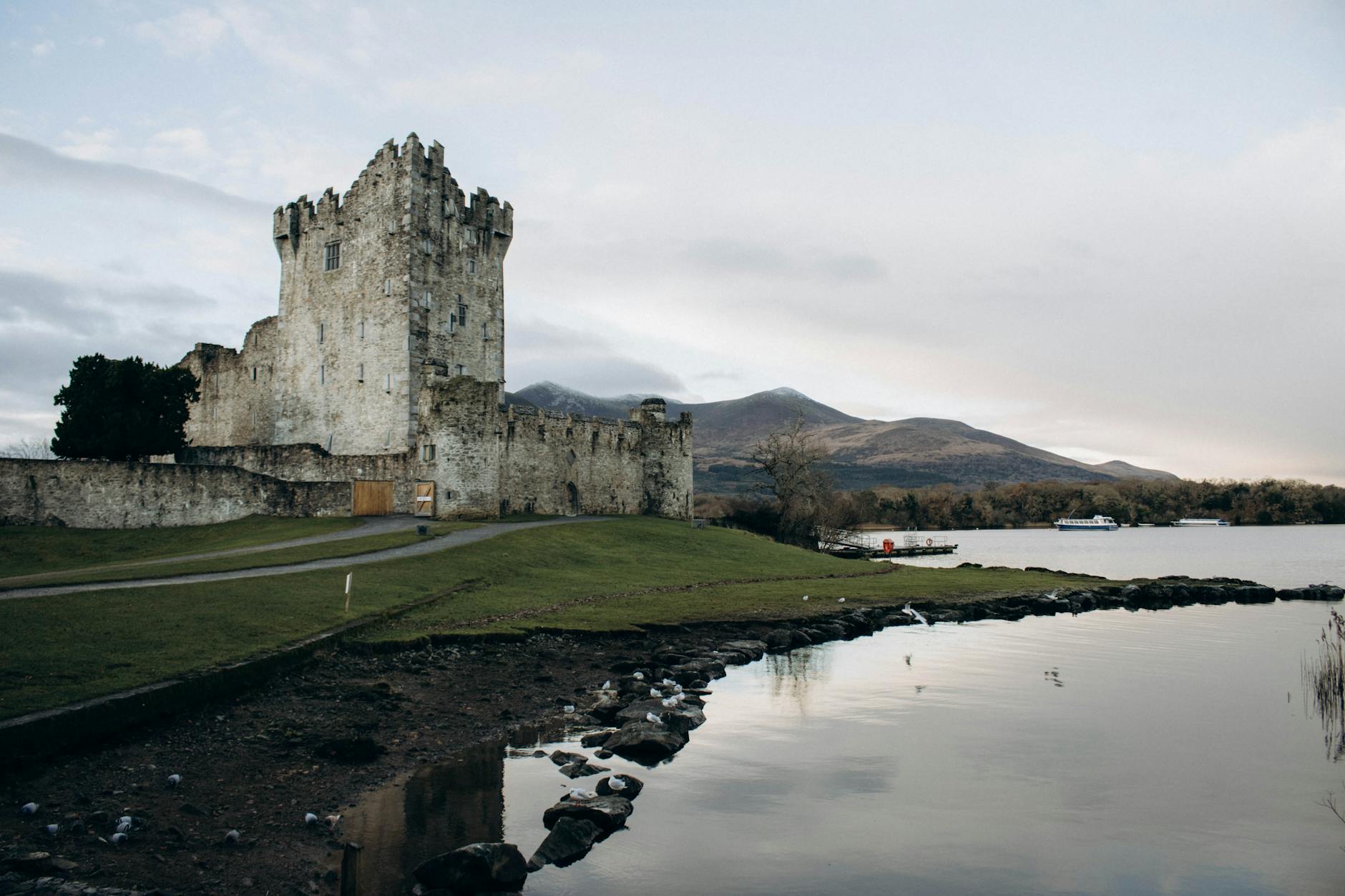
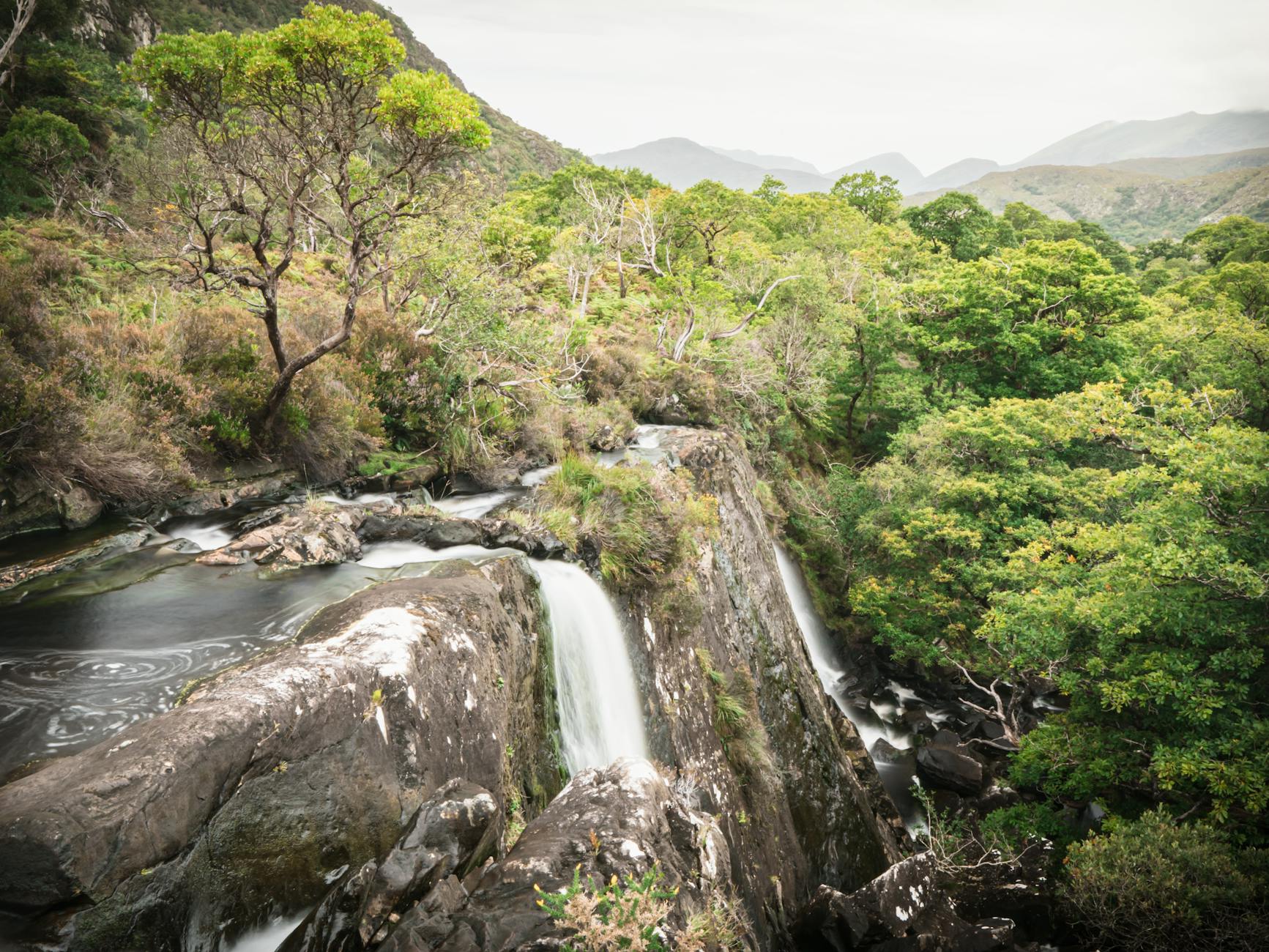
Killarney National Park is not a minor add-on. Muckross, Ross Castle, Torc Waterfall, lake viewpoints, gardens, short paths, wildlife, and jaunting cars can fill a highly satisfying day without leaving the area. Tourists often weaken the visit by trying to fit the park between bigger road ambitions.
The visitor should decide how much park time matters and protect it. A slow morning at Muckross, a waterfall visit, and a lake or castle stop may be more rewarding than a rushed chain of famous names.
- Treat Muckross, Ross Castle, Torc Waterfall, lakes, gardens, and short walks as real time commitments.
- Do not squeeze the park into leftover gaps after long road tours.
- Choose the park segments that match weather, footwear, stamina, and transport.
Be realistic about scenic drives
The Ring of Kerry, Dingle, the Gap of Dunloe, and smaller Kerry routes can all tempt the tourist from Killarney. The danger is treating a scenic drive as if it were only a line on a map. Roads, weather, lunch, viewpoints, traffic, daylight, and fatigue all determine whether the day feels beautiful or merely long.
A coach tour can reduce driving stress but fixes the pace. A rental car gives freedom but requires confidence. A private driver can solve comfort and timing problems at a higher cost. The right choice depends on the visitor, not the brochure.
- Choose scenic drives by time, weather, road comfort, lunch, stops, and return fatigue.
- Compare coach tours, rental cars, private drivers, and shorter local routes honestly.
- Do not add a major road day simply because it is famous.
Make weather part of the design
Killarney weather can change quickly, and tourists who treat every view as guaranteed may become frustrated. The better plan includes rain gear, shoes with grip, flexible timing, and backup options that still feel like Killarney rather than consolation prizes.
Some days should move the park, town, and indoor time around the weather. A wet morning may still support a good pub lunch, a shorter waterfall visit, a shop stop, or a quieter hotel break before an evening walk.
- Pack rain gear, layers, and suitable shoes for wet paths and fast-changing conditions.
- Keep flexible indoor, town, and low-exposure options available.
- Let weather reorder the day without making the trip feel failed.
Reserve what matters, leave space around it
Tourists should not over-reserve every hour, but Killarney rewards booking the pieces that carry the trip's value. Peak periods can pressure lodging, rental cars, popular restaurants, guided tours, jaunting cars, and scenic-day logistics.
The right structure is a short list of protected anchors: the preferred hotel, one or two key tours or scenic plans, important dinners, and enough unscheduled time for weather, rest, and wandering. That balance keeps the trip from feeling both chaotic and overbuilt.
- Reserve high-value hotels, tours, rental cars, special meals, and peak-period essentials.
- Leave open space for weather, rest, wandering, and changes in interest.
- Protect the trip's anchors without turning the whole stay into a timetable.
When to order a short-term travel report
A tourist with several nights, a central hotel, and a relaxed wish list may not need a custom Killarney report. A report becomes useful when the stay is short, peak-season, car-dependent, family-heavy, weather-sensitive, mobility-sensitive, or overloaded with park, town, Ring of Kerry, and Dingle ambitions.
The report should test lodging, transport, park time, scenic drives, meals, weather fallback, seasonal demand, budget, and what to cut. The value is a Killarney tourist trip that feels selected rather than stuffed.
- Order when the trip is short, seasonal, access-sensitive, car-dependent, or overloaded with choices.
- Provide dates, nights, hotel ideas, transport plans, must-sees, walking tolerance, budget, and constraints.
- Use the report to make the tourist stay coherent, not simply fuller.