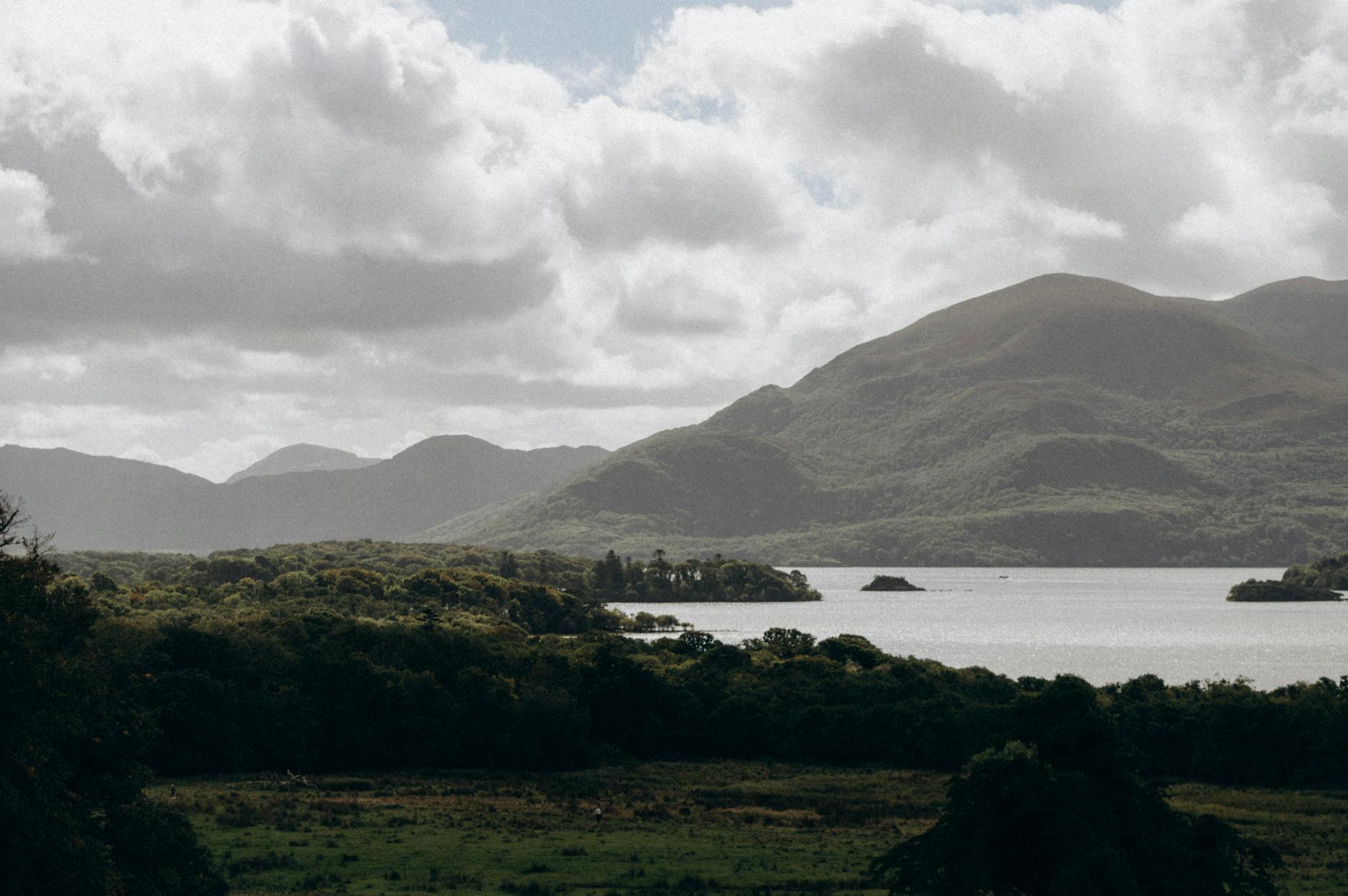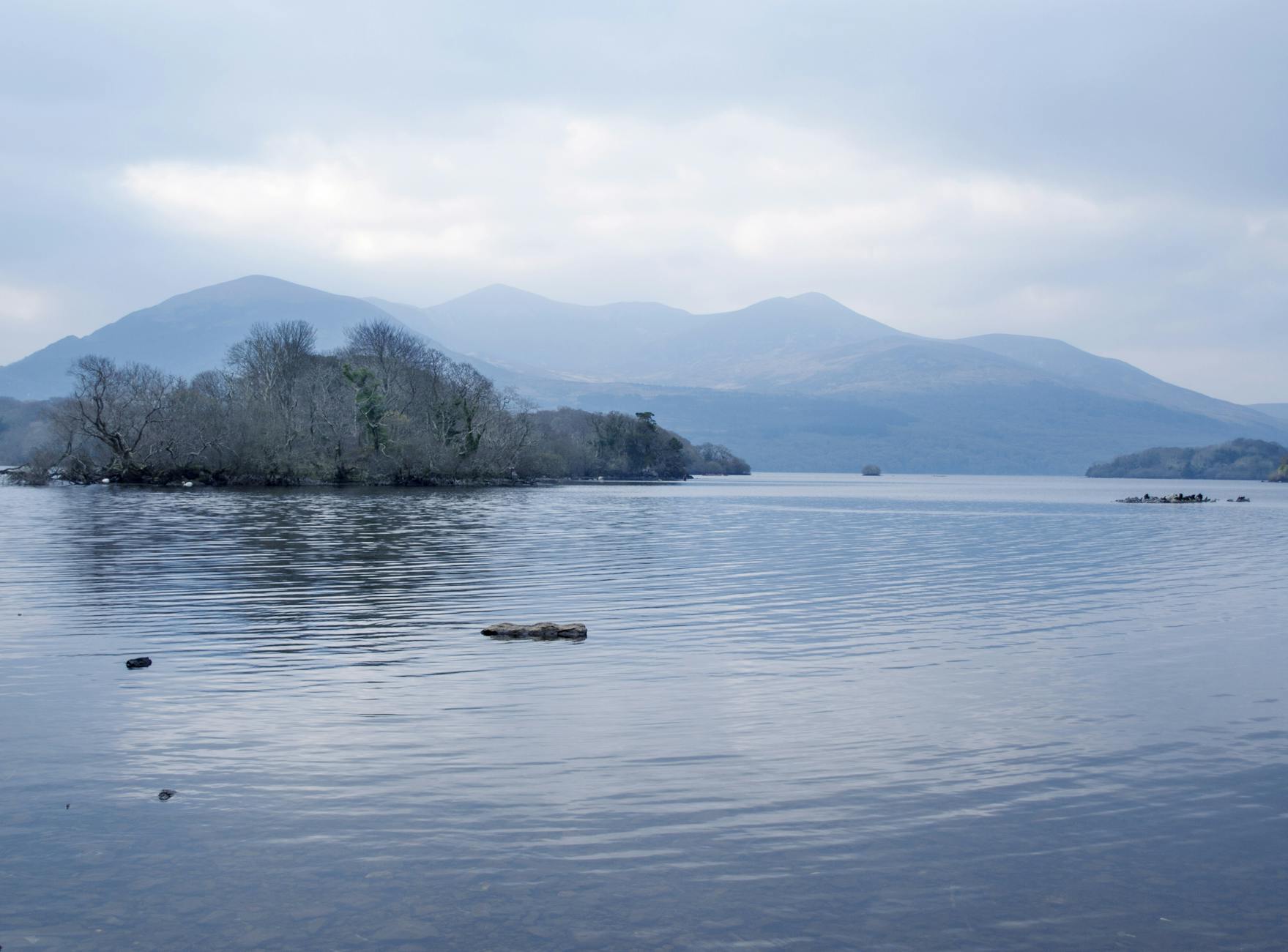
Killarney can be a strong short-program setting for students because it offers national park access, tourism and hospitality context, Irish cultural atmosphere, field learning, group-friendly logistics, and a memorable sense of place. It can also become too loose if the program treats scenery as the plan and leaves supervision, budget, meals, movement, and study time underdeveloped. The right Killarney student trip starts with the program purpose. A field course, language program, hospitality module, environmental study, service-learning trip, arts program, or short cultural visit each needs a different balance of classroom time, site visits, free time, transport, and duty of care.
Make the program purpose visible
A student short program in Killarney should not be a loose sightseeing trip with academic language attached. The program may focus on tourism, hospitality, ecology, Irish culture, outdoor learning, writing, leadership, service, or regional development. The purpose should determine which sites matter and how much free time belongs in the schedule.
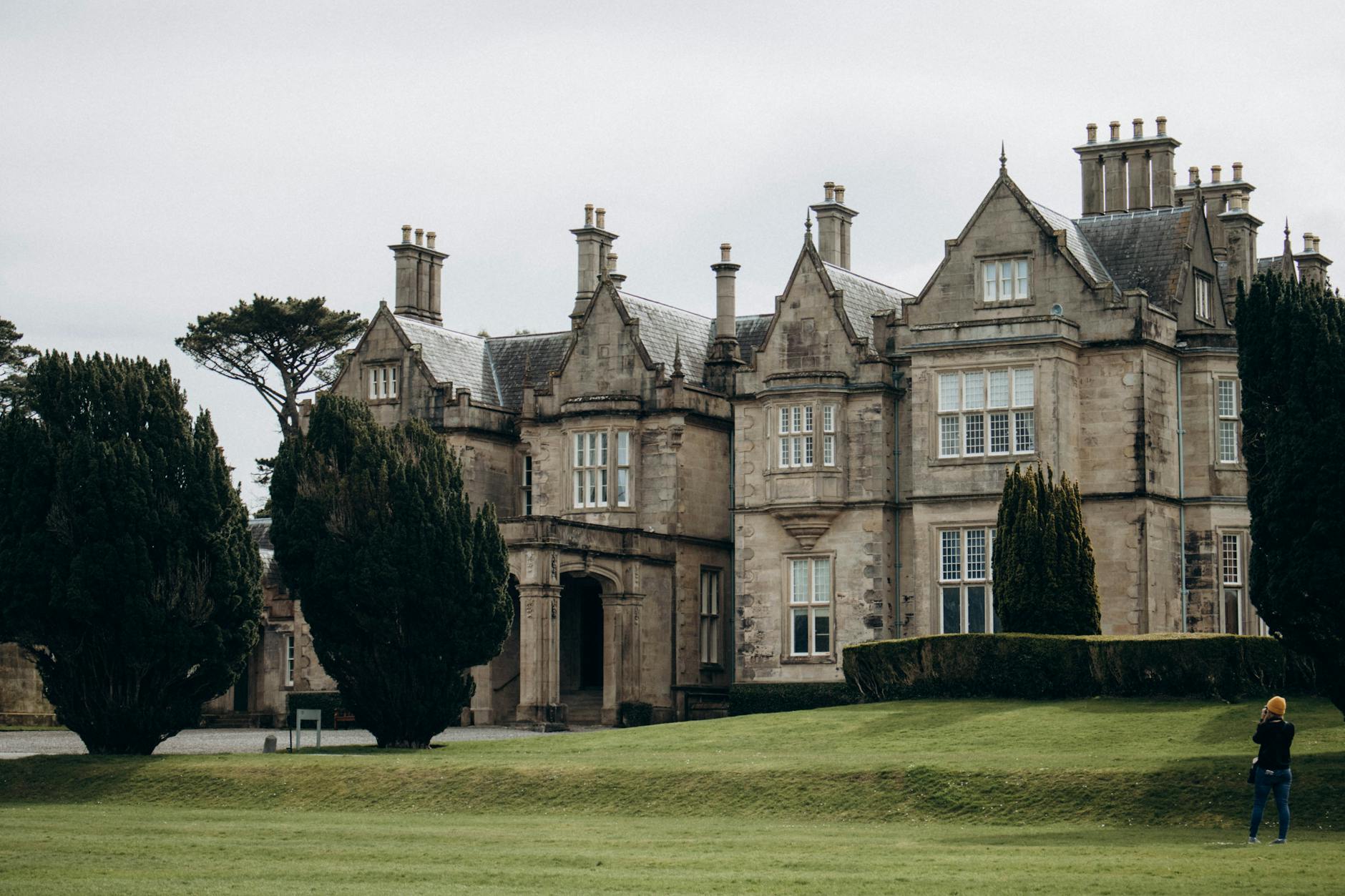
Students usually get more from Killarney when they understand why each movement exists. Muckross, the park, town hospitality, lakes, and regional routes should connect to learning outcomes rather than appearing as unrelated scenic rewards.
- Define the program purpose before choosing sites, free time, and assignments.
- Connect Killarney experiences to learning outcomes, not only to sightseeing value.
- Avoid a program that is too scenic to be coherent.
Plan supervision and group movement honestly
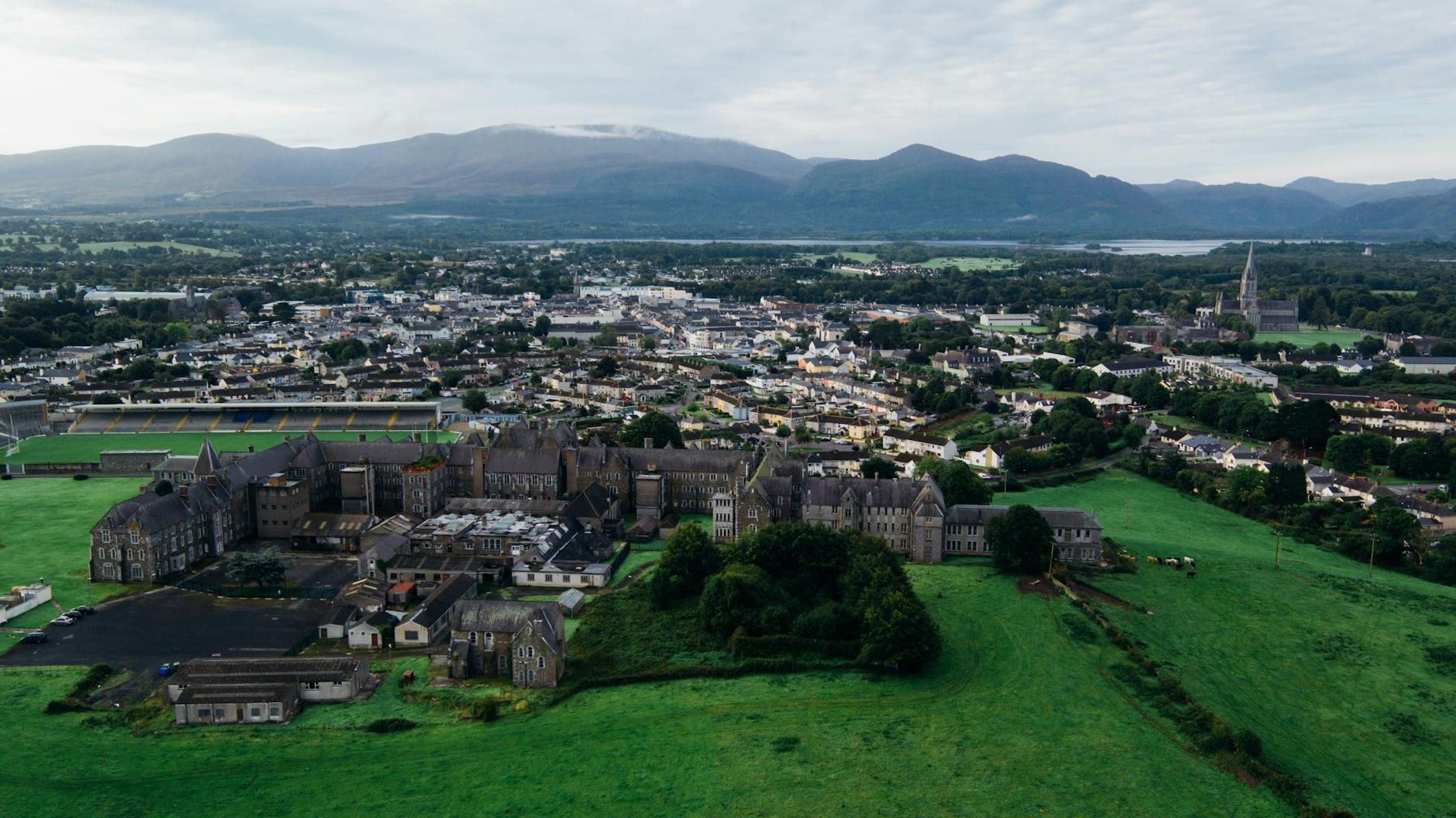
Killarney is easier than many destinations, but a student group still needs a movement plan. The program should define meeting points, curfews if relevant, leader coverage, emergency contacts, buddy expectations, communication channels, and what happens if weather or fatigue splits the group.
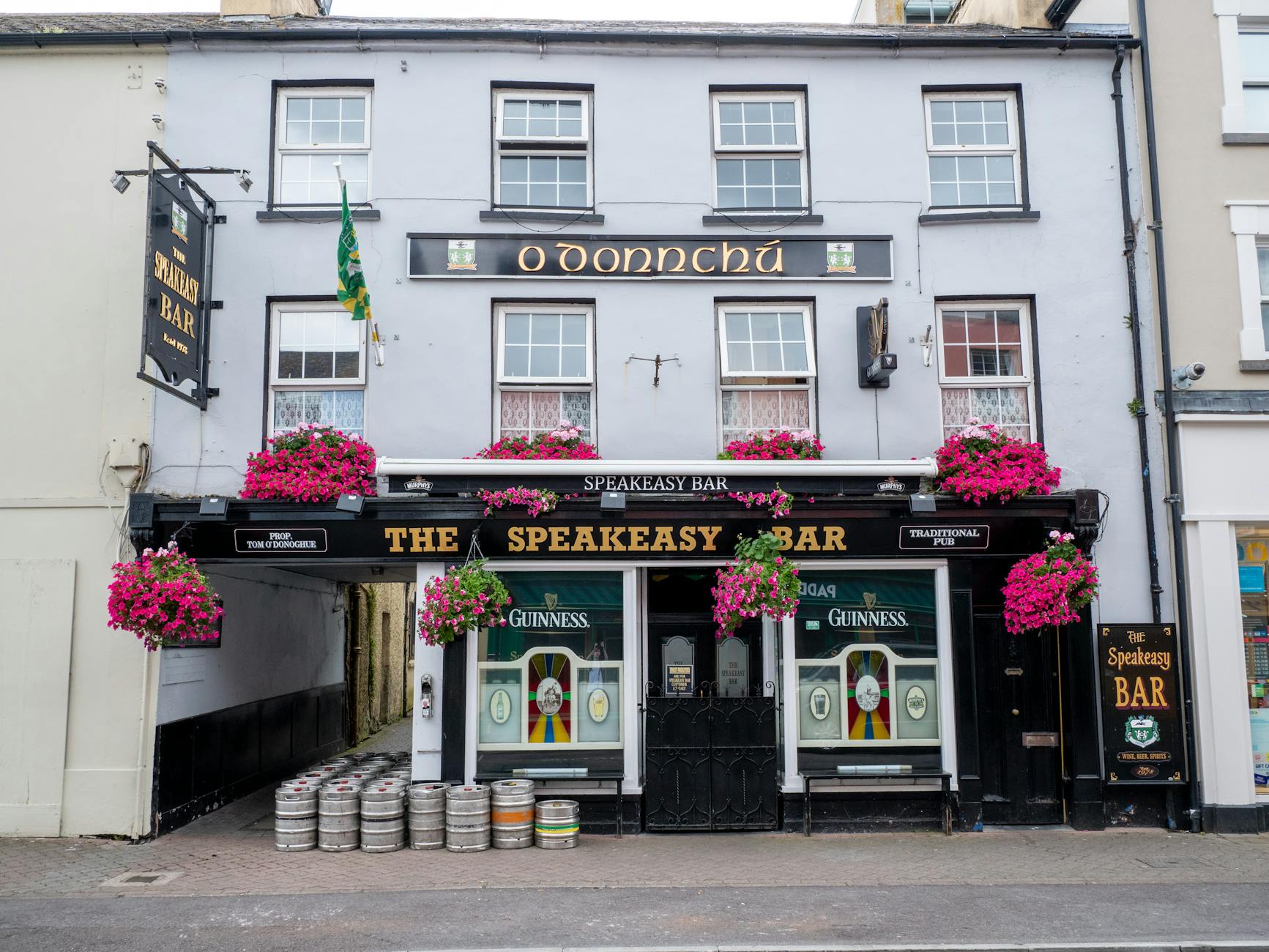
Town-center freedom may be appropriate for some students and not for others. Park walks, evening pubs, scenic drives, and independent meals should be matched to age, maturity, rules, insurance, and the institution's duty-of-care requirements.
- Set meeting points, communication channels, leader coverage, and emergency contacts.
- Match free time to age, maturity, program rules, insurance, and supervision needs.
- Plan what happens when weather, fatigue, or interests split the group.
Choose lodging for control, meals, and sleep
Student lodging in Killarney should be chosen for supervision, budget, sleep, meals, transport, and access, not only price. A central hostel, guesthouse, simple hotel, campus-style accommodation, or group-friendly property can work if it supports check-in, rooming, quiet hours, breakfast, leader access, and safe returns.
The wrong lodging can make every day harder: scattered rooms, difficult evening routes, poor breakfast, no common space, noise, unclear reception hours, or expensive transport. The base should make the program easier to run.
- Assess lodging by supervision, rooming, breakfast, quiet, access, reception, and group space.
- Choose centrality or transport support based on the daily program rhythm.
- Avoid cheap lodging that creates meal, sleep, or movement problems.
Make arrival and transport teachable, not chaotic
Students may arrive through Dublin, Cork, Shannon, Kerry Airport, rail, coach, or mixed transfers. The route should be chosen for reliability, cost, luggage, leader control, fatigue, and how quickly students need to function after arrival. A long transfer can be acceptable if the first evening is simple.
Local movement also needs planning. Walking, coaches, taxis, private buses, bike use, and park routes should be matched to weather, group size, footwear, accessibility, and the risk of people falling behind.
- Choose arrival routes by reliability, cost, luggage, fatigue, and supervision.
- Match local transport to group size, weather, footwear, accessibility, and schedule pressure.
- Use the first evening to stabilize the group before demanding too much.
Protect budget and meal expectations
Students can underestimate Killarney costs because the landscape feels free. Lodging, meals, tours, taxis, laundry, weather gear, snacks, and optional outings can still pressure a short-program budget. The program should clarify what is included, what students pay for, and where lower-cost meals fit.
Meal planning matters for attention and behavior. Breakfast, packed lunches, simple dinners, dietary needs, and one or two meaningful shared meals can support the program better than constant improvisation.
- Clarify included costs, student spending, optional outings, meals, snacks, and transport.
- Plan breakfast, lunches, dietary needs, and shared meals before arrival.
- Use budget control to keep students focused instead of constantly negotiating costs.
Balance field time, weather, and academic work
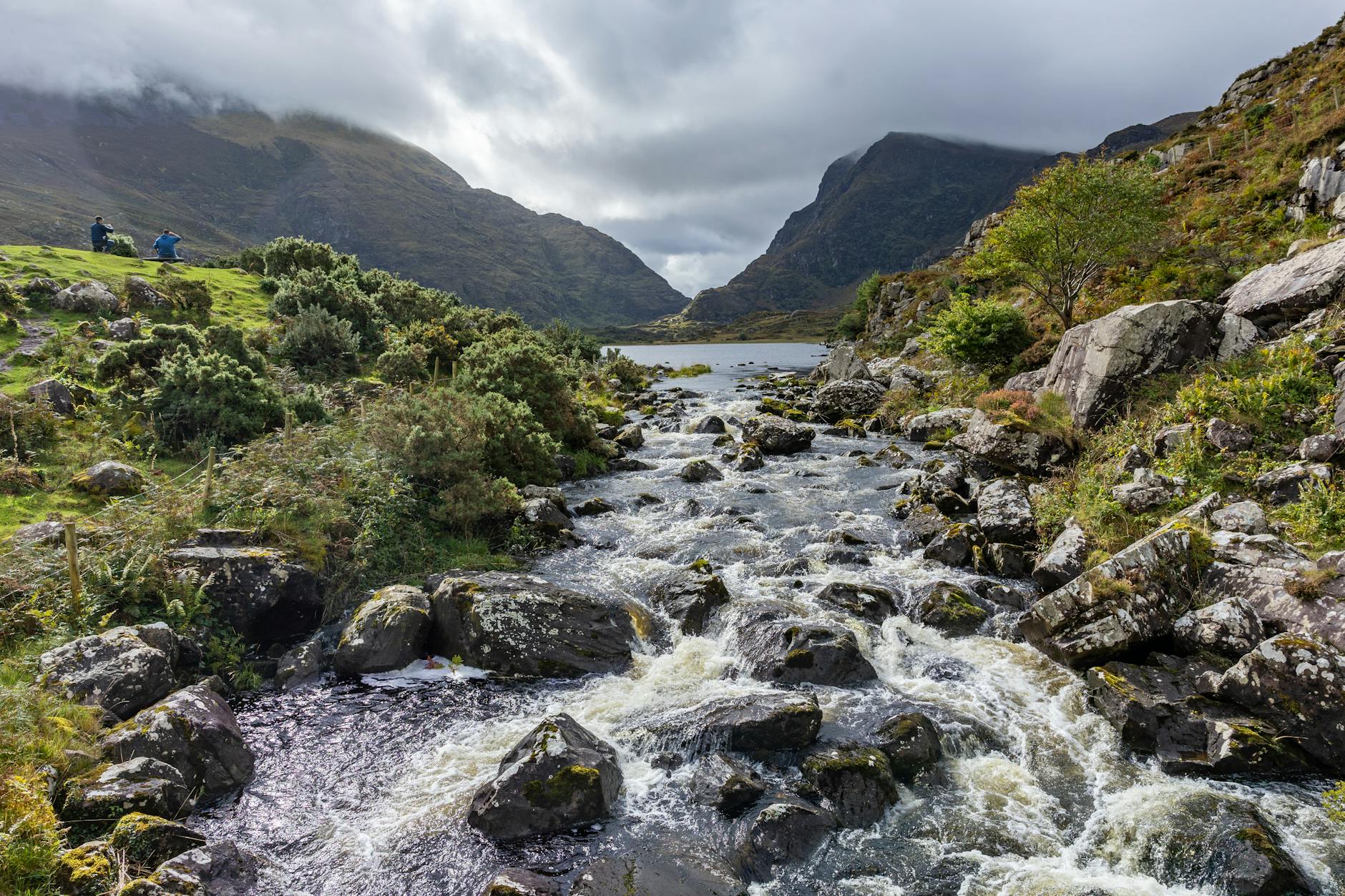
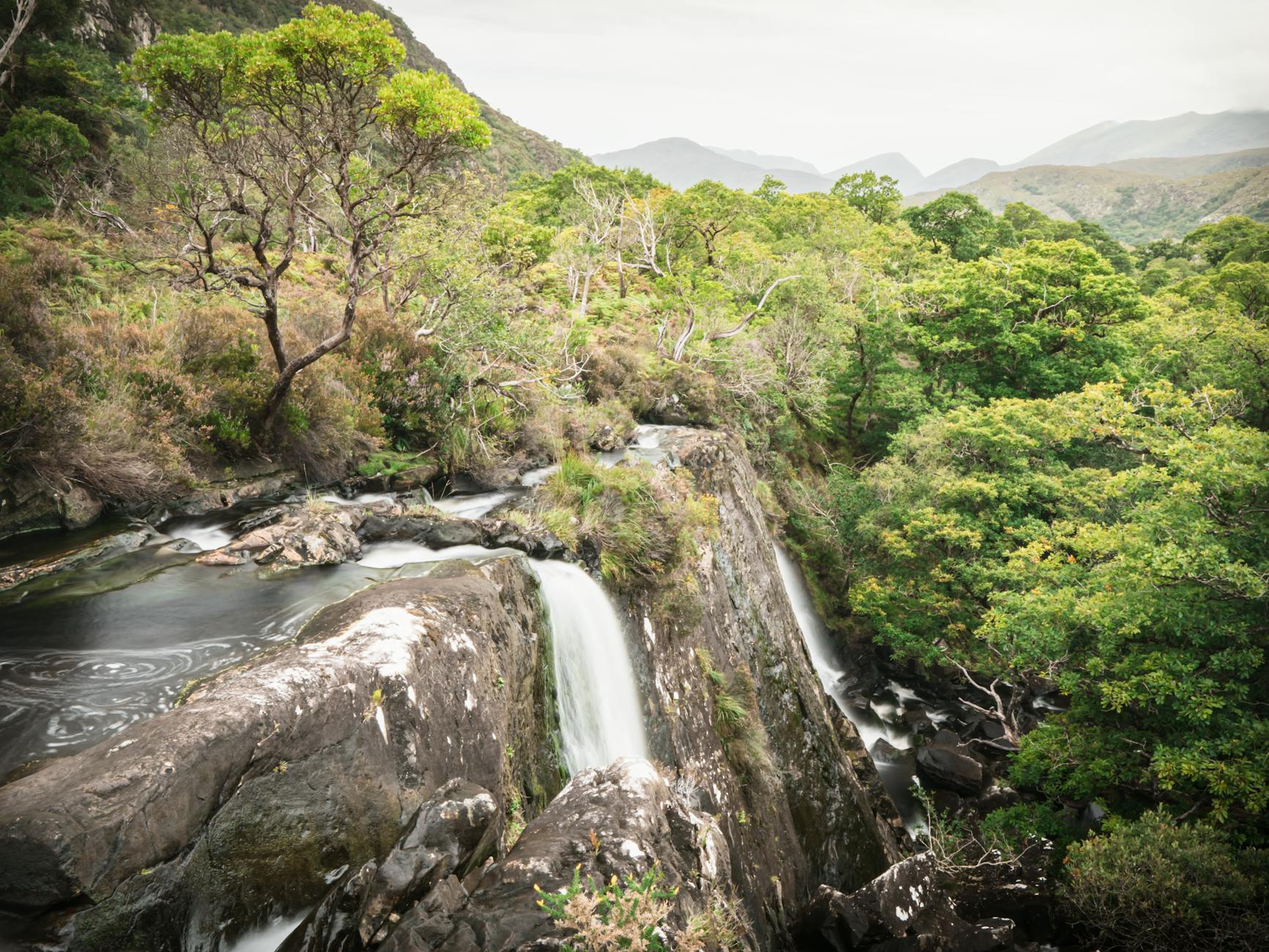
Killarney's field value depends on weather and pacing. Park walks, Muckross, Torc Waterfall, lakes, town observations, tourism operations, and scenic routes can support strong learning, but only if students have time to process what they see. A program that fills every hour may produce tired students and thin reflection.
The schedule should include weather alternatives, suitable clothing guidance, assignment time, group discussion, and rest. The point is to make Killarney intellectually useful as well as memorable.
- Pair field activities with reflection, assignment time, and group discussion.
- Prepare for rain, wet paths, cold, and changing light before outdoor learning days.
- Avoid packing the schedule so tightly that students cannot think.
When to order a short-term travel report
A student with an established program, clear housing, and strong leader support may not need a custom Killarney report. A report becomes useful when the program is new, short, budget-sensitive, group-heavy, weather-dependent, tied to field learning, mixed in age or mobility, or responsible for duty-of-care decisions.
The report should test program purpose, lodging, arrival route, supervision, meals, budget, field activities, weather fallback, group movement, free time, and what to cut. The value is a Killarney short program that feels purposeful rather than improvised.
- Order when program design, lodging, supervision, transport, budget, or field activities need testing.
- Provide dates, student profile, program purpose, lodging options, transport plans, budget, and constraints.
- Use the report to keep the learning purpose visible inside a scenic destination.