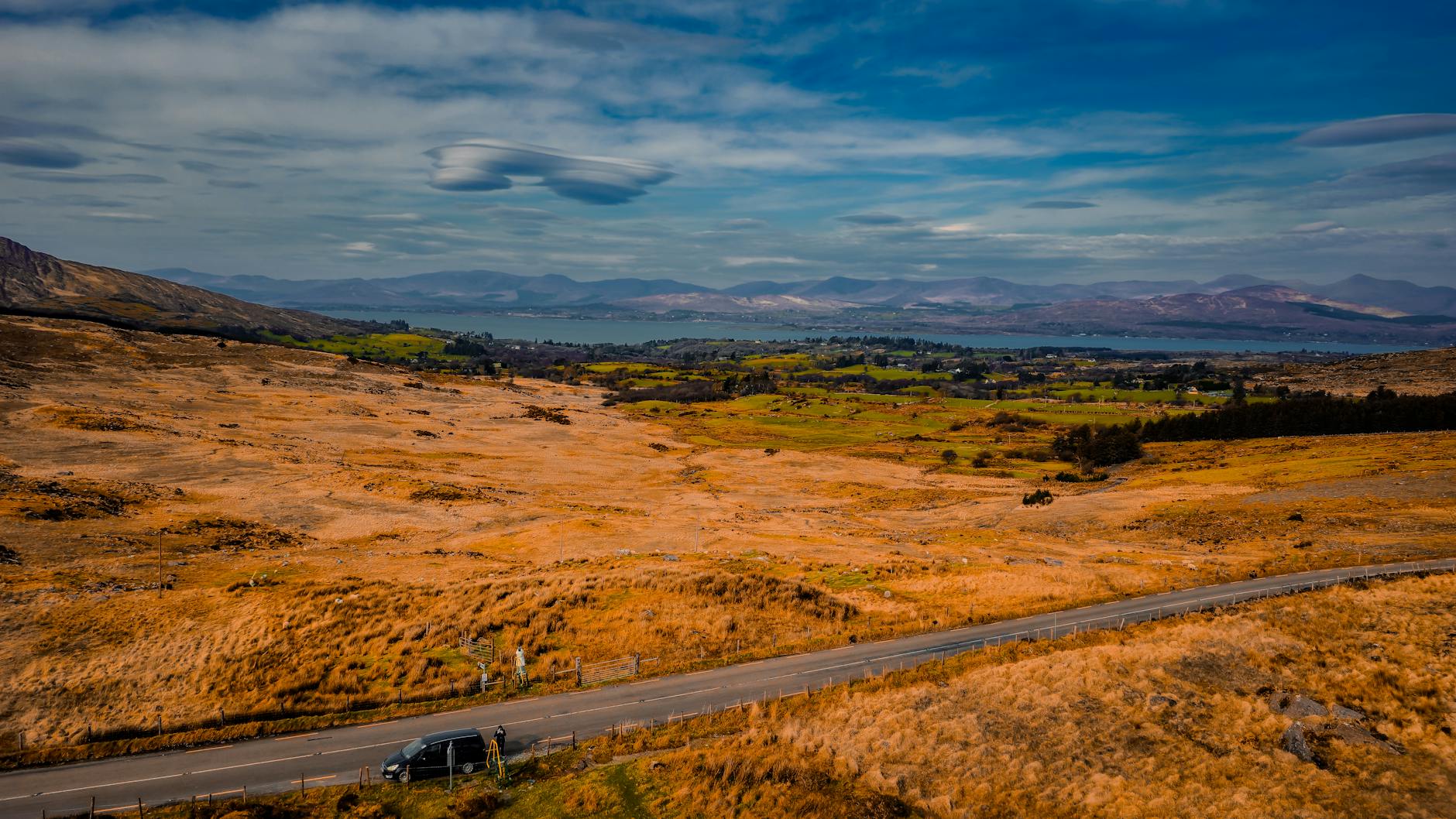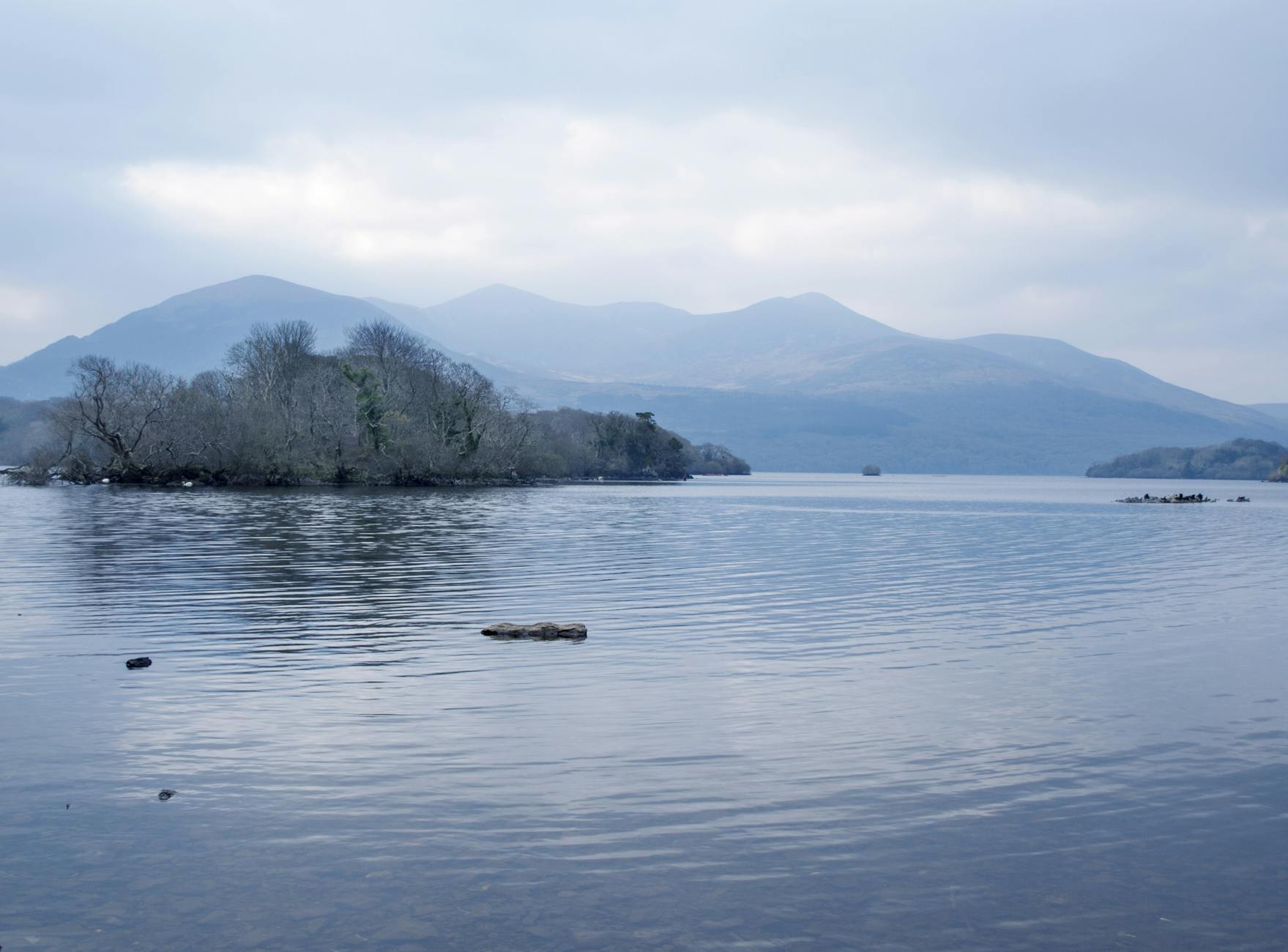
Killarney can be an excellent solo destination because it gives a traveler town convenience, national park access, rail connections, guided tours, pubs, restaurants, lake views, and enough visitor infrastructure to reduce friction. It can also feel awkward if lodging is isolated, dinner is left too late, or scenic ambition outpaces transport confidence. A strong solo Killarney plan should give the traveler independence without forcing every decision to be made alone in the moment. The visitor should choose a base, decide whether to drive or use tours, protect evening comfort, and build a scenic plan that remains satisfying even when weather or energy changes.
Choose a base that makes evenings easy
Solo travel in Killarney works best when the traveler can return from dinner, pubs, shops, or a short walk without turning every evening into a transport problem. A beautiful remote property may be excellent for some travelers, but it can become limiting if taxis are scarce or the traveler does not want to drive after dark.
The solo traveler should compare town-center lodging, park-edge stays, and outlying properties by dinner access, lighting, taxis, rail arrival, tour pickup, and how comfortable the return will feel after a wet or late evening.
- Prioritize lodging that supports dinner, tours, rail arrival, and comfortable evening returns.
- Check taxi availability before choosing a remote base without a car.
- Choose seclusion only when it matches the traveler's actual solo rhythm.
Use structure without over-scheduling
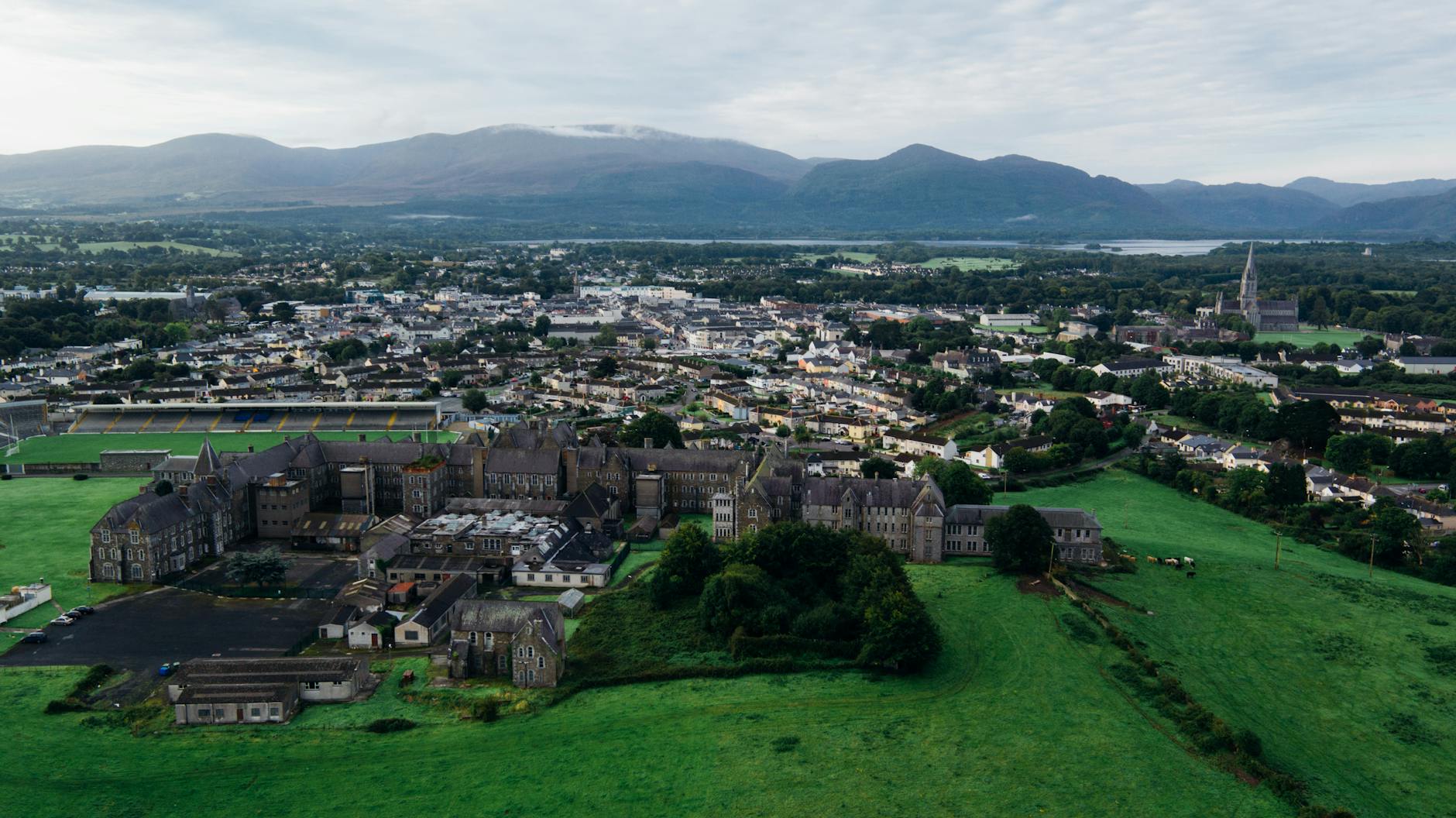
A solo traveler has the freedom to move at an individual pace, but Killarney rewards a little structure. A reserved tour, a known lunch option, a planned park route, and a realistic dinner choice can make the trip feel smooth without making it rigid.
The traveler should avoid both extremes: a fully locked itinerary that ignores weather and a vague plan that leaves every decision for the day itself. A light spine is usually enough.
- Reserve the key tour, meal, or transport piece that carries the day's value.
- Leave flexible time for weather, rest, wandering, and changes in interest.
- Use a simple daily spine rather than a minute-by-minute solo schedule.
Decide whether driving helps or hurts
A rental car can make solo Killarney travel more flexible, especially for scenic drives and smaller stops. It can also add stress if the traveler dislikes left-side driving, narrow roads, parking, rural navigation, or being fully responsible for a long day behind the wheel.
The traveler should compare self-driving with coach tours, small-group tours, private drivers, taxis, rail, walking, and bike options. The best choice is the one that makes the traveler more confident, not the one that looks most independent on paper.
- Choose transport based on driving confidence, budget, weather, and desired control.
- Use tours or drivers when they reduce stress more than they reduce freedom.
- Avoid solo road plans that rely on bravery instead of comfort.
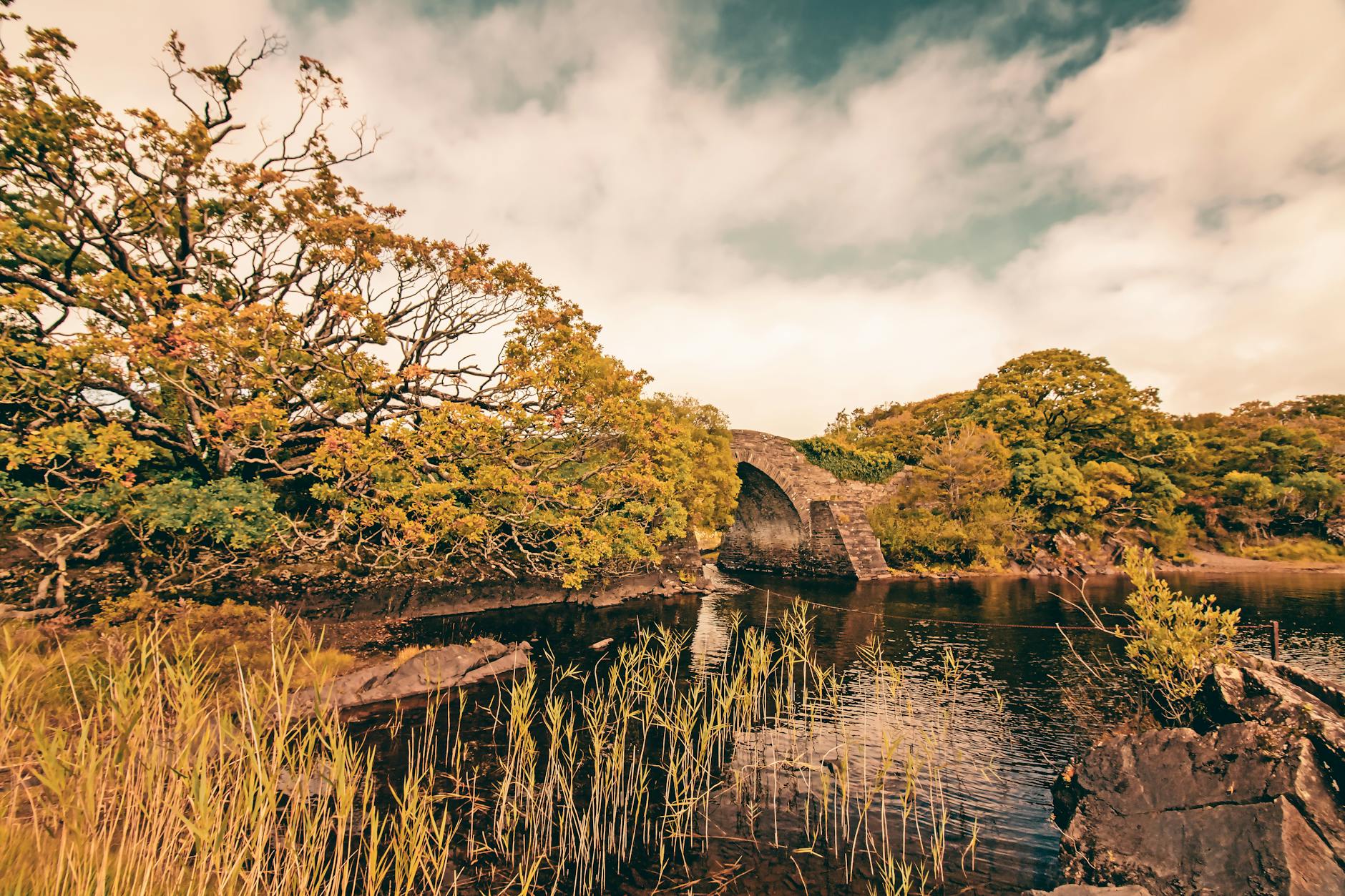
Treat the park with practical respect
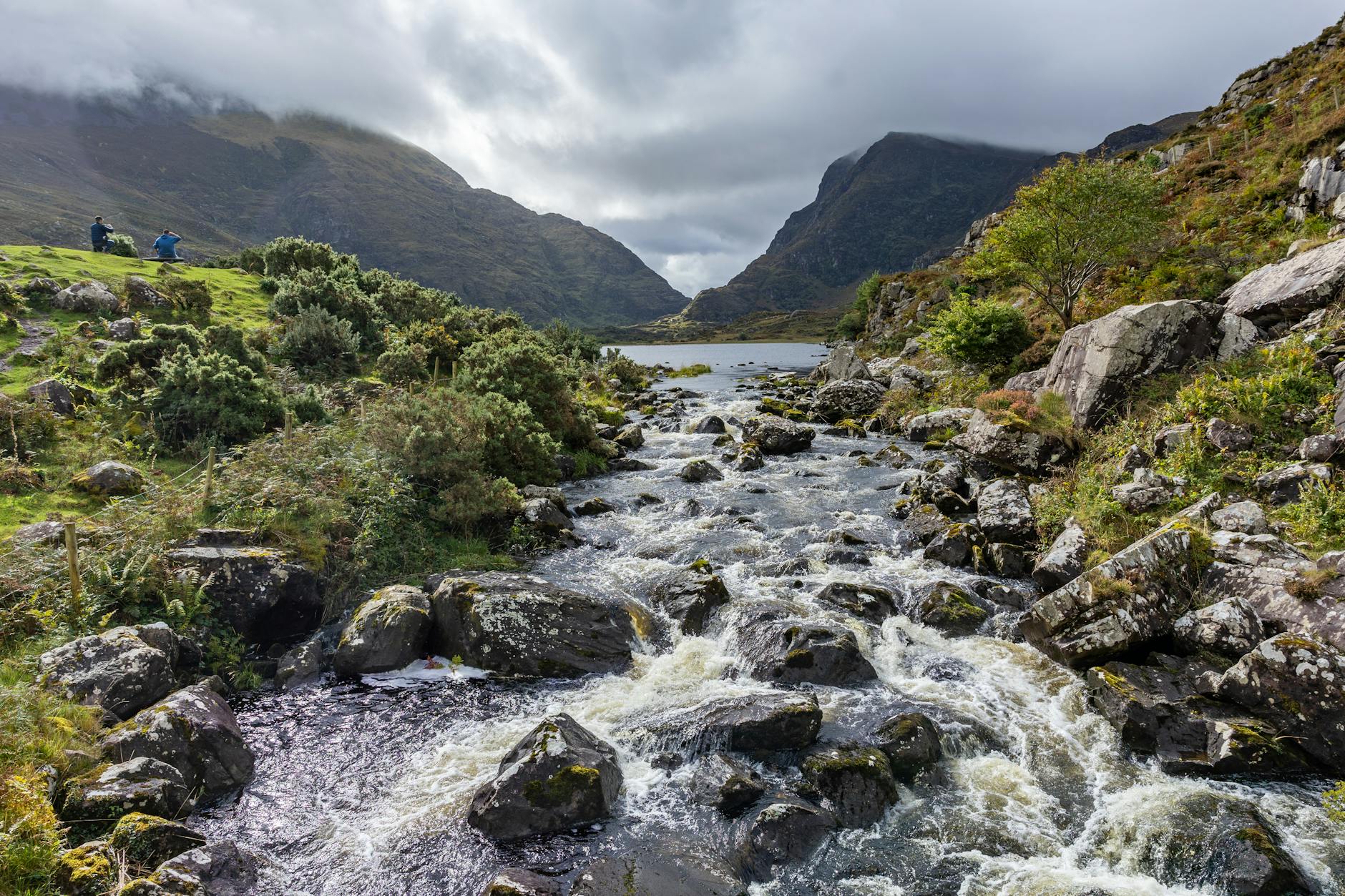
Killarney National Park is a major reason to come, but solo travelers should plan it as real terrain rather than a backdrop. Weather, footing, daylight, phone battery, route clarity, and return transport matter, especially when walking alone.
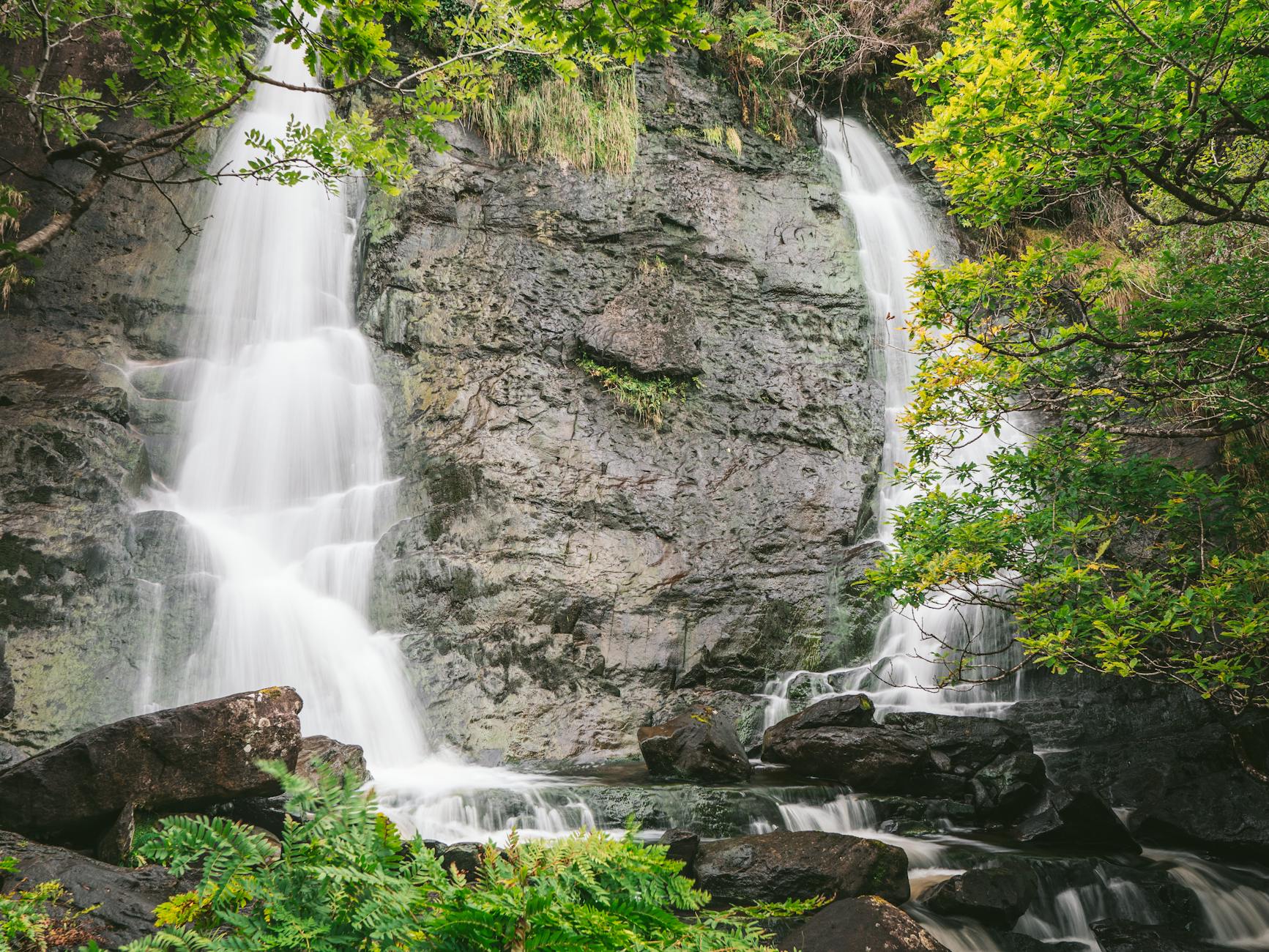
The traveler does not need to make the park intimidating. A clear route, appropriate shoes, rain gear, water, and a known return plan can make short walks, Muckross, Torc Waterfall, Ross Castle, and lake viewpoints feel safe and satisfying.
- Check route, daylight, footing, weather, battery, and return plan before heading out alone.
- Pack rain gear, water, suitable shoes, and enough charge for maps and calls.
- Choose shorter park segments when conditions are poor.
Make meals feel intentional
Solo meals in Killarney can be pleasant when they are chosen well. A bar seat, early reservation, hotel restaurant, casual lunch, or relaxed pub can all work. Problems appear when the traveler waits until peak dinner time, feels awkward choosing a place, or ends up far from the hotel after a long day.
The solo traveler should know which meals need reservations, which places feel comfortable alone, and where an easy fallback exists. Good meal planning makes the whole trip feel less exposed.
- Identify comfortable solo dinner options before the evening rush.
- Use reservations, bar seating, hotel dining, or earlier meals when they reduce friction.
- Keep one low-effort fallback near the hotel.
Stay connected without making the trip anxious
Solo travel requires simple communication discipline. Someone should know the broad plan, especially for scenic drives, longer walks, late returns, or weather-exposed outings. The traveler should also preserve phone battery and avoid relying on poor signal at the wrong moment.
This does not need to make the trip fearful. It simply gives the traveler more room to enjoy solitude because the practical baseline is covered.
- Share the day's broad plan when walking, driving, or touring alone.
- Carry enough phone battery, offline details, and emergency contacts.
- Use practical communication to make solitude easier, not smaller.
When to order a short-term travel report
A confident solo traveler with a central hotel and modest plans may not need a custom Killarney report. A report becomes useful when the trip includes solo driving uncertainty, remote lodging, late arrivals, weather-sensitive walks, a tight schedule, budget pressure, medical concerns, or a need to choose between tours, park time, and scenic drives.
The report should test lodging location, evening comfort, transport choices, walking routes, weather fallback, meal planning, communication, budget, and what to skip. The value is solo independence with fewer avoidable weak points.
- Order when solo driving, remote lodging, evening comfort, walks, weather, or meal planning needs testing.
- Provide dates, hotel ideas, transport comfort, must-sees, walking tolerance, budget, and constraints.
- Use the report to keep the trip independent without making it fragile.