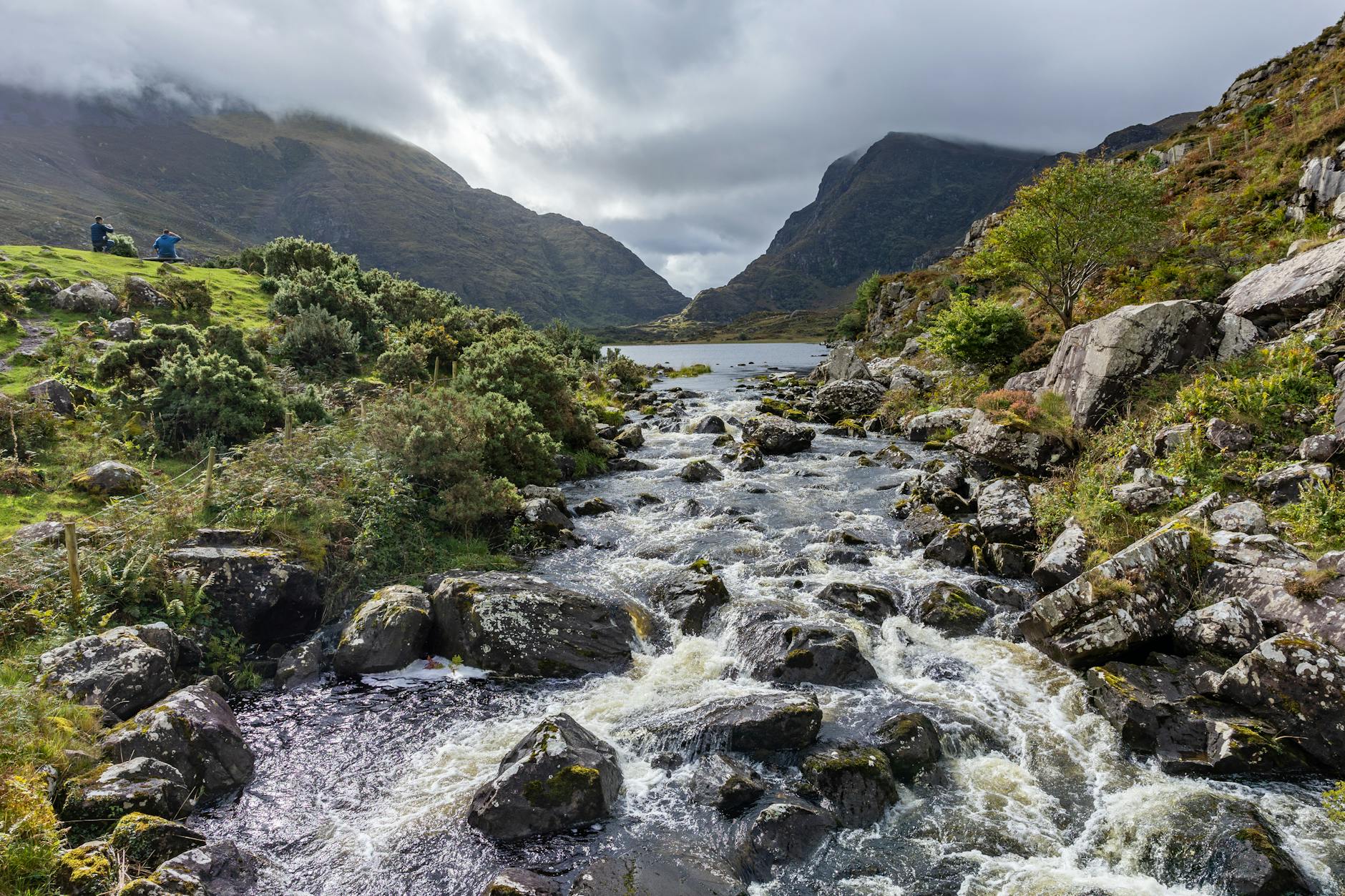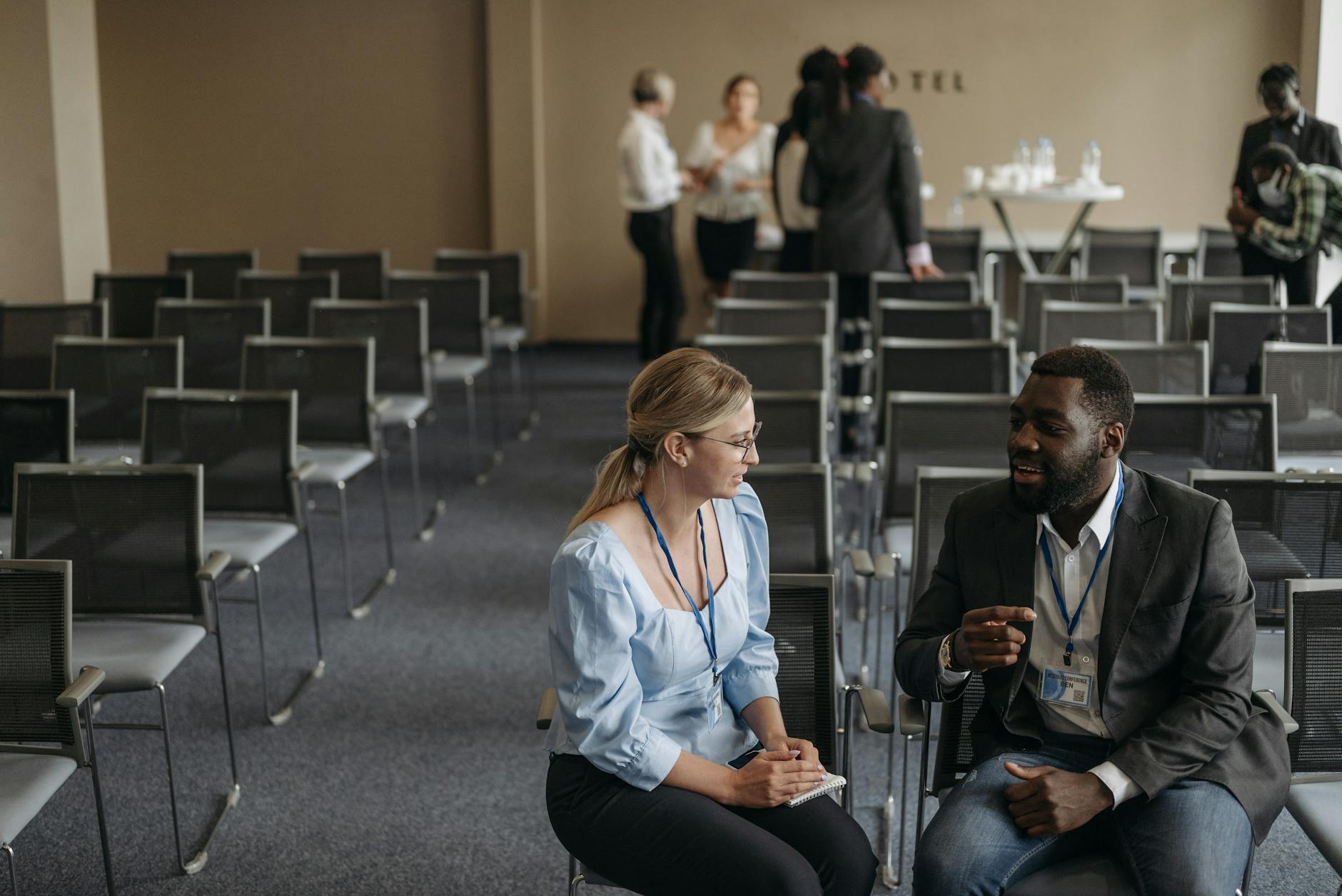
Killarney can be a useful sales destination when the work involves hospitality, tourism, regional accounts, event partners, leisure operators, food and beverage, nonprofit buyers, education, or relationship-driven meetings in Kerry. It can also be a weak sales base if the traveler treats the trip like a scenic stop and leaves the commercial mechanics vague. A strong Killarney sales trip starts by deciding what the visit is meant to accomplish: open a door, protect an account, close a renewal, inspect a partner site, host a buyer, support an event, or understand a regional market. That purpose should shape access, hotel choice, meeting timing, meals, follow-up blocks, and how much local atmosphere belongs in the schedule.
Define what the sales visit must change
A sales traveler should begin with the business change the trip is supposed to create. A Killarney visit may be about a new buyer, a partner review, a hotel or tourism account, a distributor conversation, a renewal, a regional event, or a relationship that needs face time. Each purpose requires a different level of preparation and margin.
If the sales goal is vague, Killarney's appeal can absorb the trip. The traveler may leave with pleasant meetings but weak next steps. The schedule should name the target account, decision maker, desired commitment, and follow-up action before travel is booked.
- Name the sales objective before choosing flights, hotel, meals, or scenic time.
- Identify the target account, decision maker, desired commitment, and follow-up action.
- Avoid letting a pleasant destination replace a clear commercial purpose.

Build the access plan around client time
Killarney access can involve Kerry Airport, Cork, Shannon, Dublin, rail, rental car, private driver, or a long road transfer. A sales traveler should not judge access only by fare. The real question is whether the route protects the meeting and the traveler's condition when they arrive.
A late arrival may be fine before an informal dinner but risky before a morning pitch. A rental car may help with scattered Kerry accounts but add fatigue and parking complexity. The access chain should protect client time, not merely get the traveler into Ireland.
- Compare Kerry, Cork, Shannon, Dublin, rail, car, and driver options by meeting reliability.
- Add buffer before pitches, buyer meals, account reviews, and event commitments.
- Choose transport that protects the commercial moment.
Choose a base near the sales work
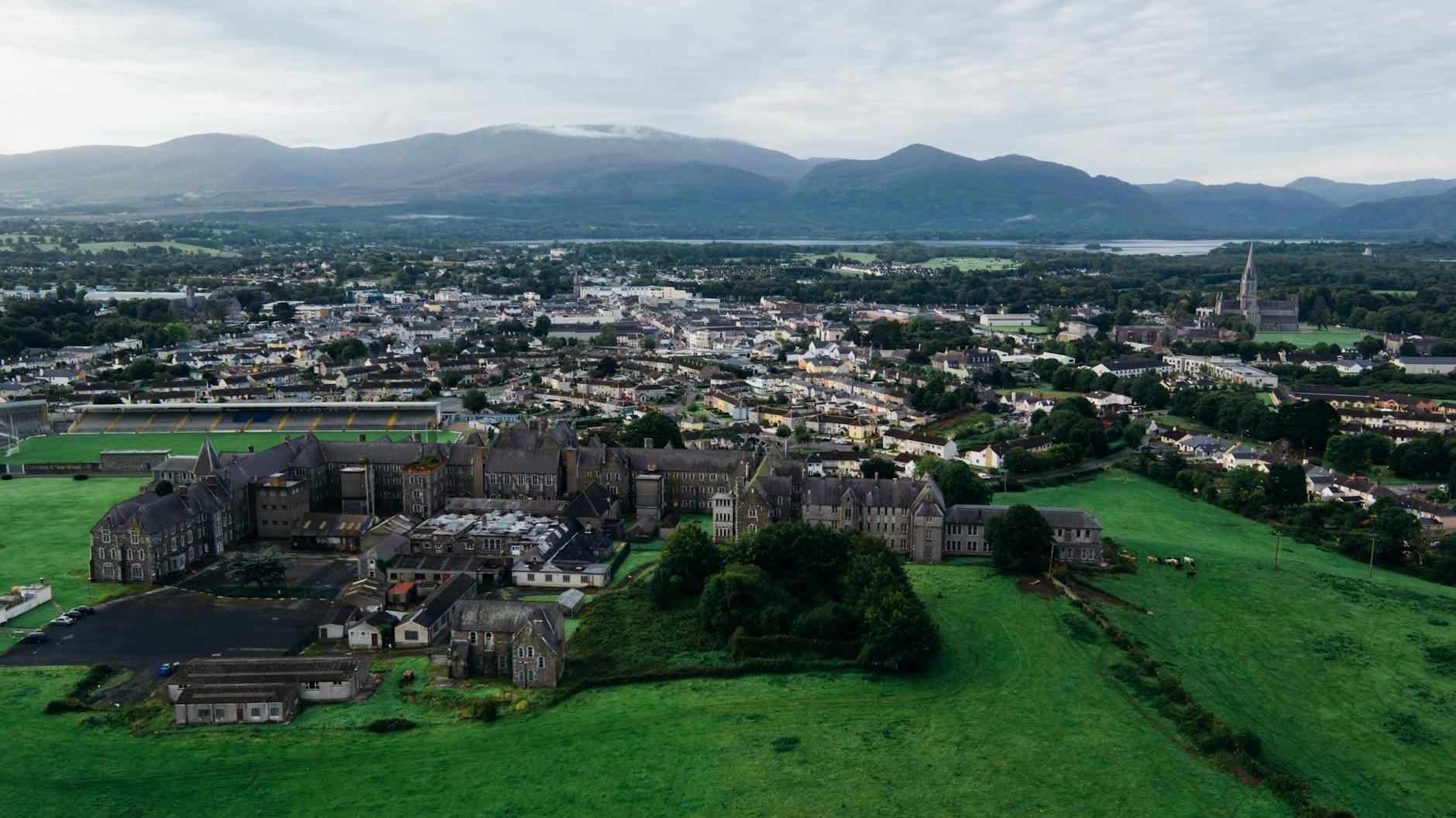
A central Killarney hotel may be ideal for meals, walking meetings, rail access, and quick returns between appointments. A conference or resort property may be better when the account, event, or hosted buyer is there. An outlying stay may look appealing but create repeated transport friction.
The traveler should map the actual sales geography: client offices, hotels, venues, restaurants, site visits, tour operators, and any regional movements beyond town. The right hotel is the one that reduces friction around the accounts that matter most.
- Map accounts, venues, meals, site visits, and regional movements before choosing lodging.
- Use central or venue-adjacent hotels when repeated movement matters.
- Avoid scenic lodging that weakens sales coverage or follow-up time.
Use meals and hospitality with discipline
Killarney can make sales hospitality easy because the town has restaurants, pubs, hotels, scenic settings, and informal charm. That does not mean every meal is suitable for every sales conversation. A first meeting, renewal discussion, problem account, buyer dinner, and partner thank-you meal each need a different tone.
The sales traveler should reserve important meals early and choose venues by privacy, noise, access, service reliability, and the impression they create. A memorable dinner is useful only if it supports the account strategy.
- Choose client meals by purpose, privacy, tone, noise, access, and timing.
- Reserve key restaurants early during visitor-heavy periods.
- Use hospitality to support the sale, not to avoid the hard conversation.
Protect follow-up time while still in market
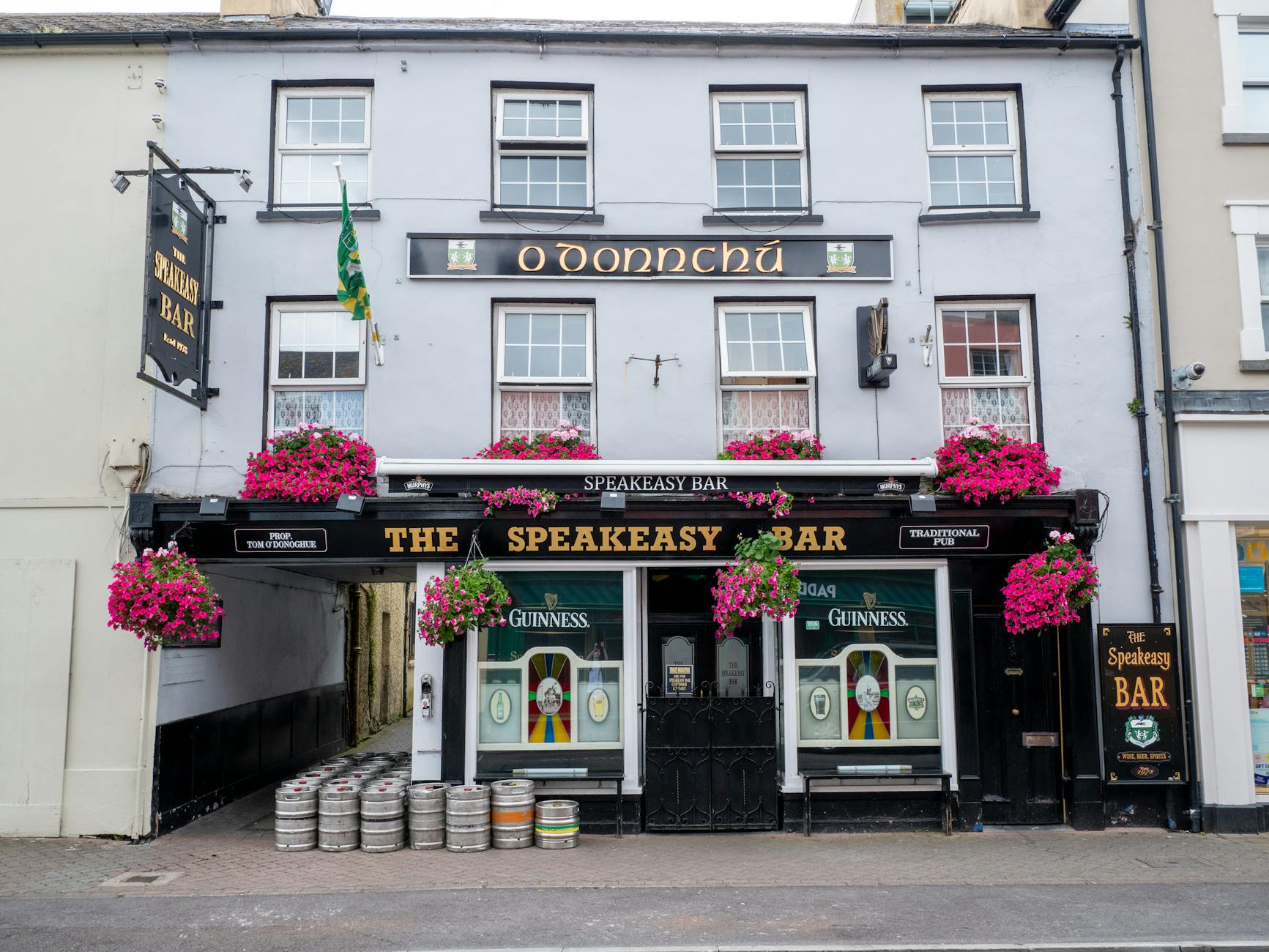
Sales trips often lose value after the meeting, when notes are incomplete, next steps are unclear, and the traveler moves too quickly into sightseeing or the next appointment. In Killarney, the temptation to use every open hour for scenery can make follow-up weaker.
The traveler should block time for notes, proposals, CRM updates, internal messages, and quick responses while the conversation is still fresh. A quiet hotel room, lounge, or scheduled work block may be as important as another stop on the road.
- Reserve time for notes, CRM updates, proposals, and internal follow-up.
- Do important follow-up before scenic add-ons or the next transfer consumes attention.
- Choose lodging and schedule structure that allow quiet work after meetings.
Control seasonal and scenic distractions
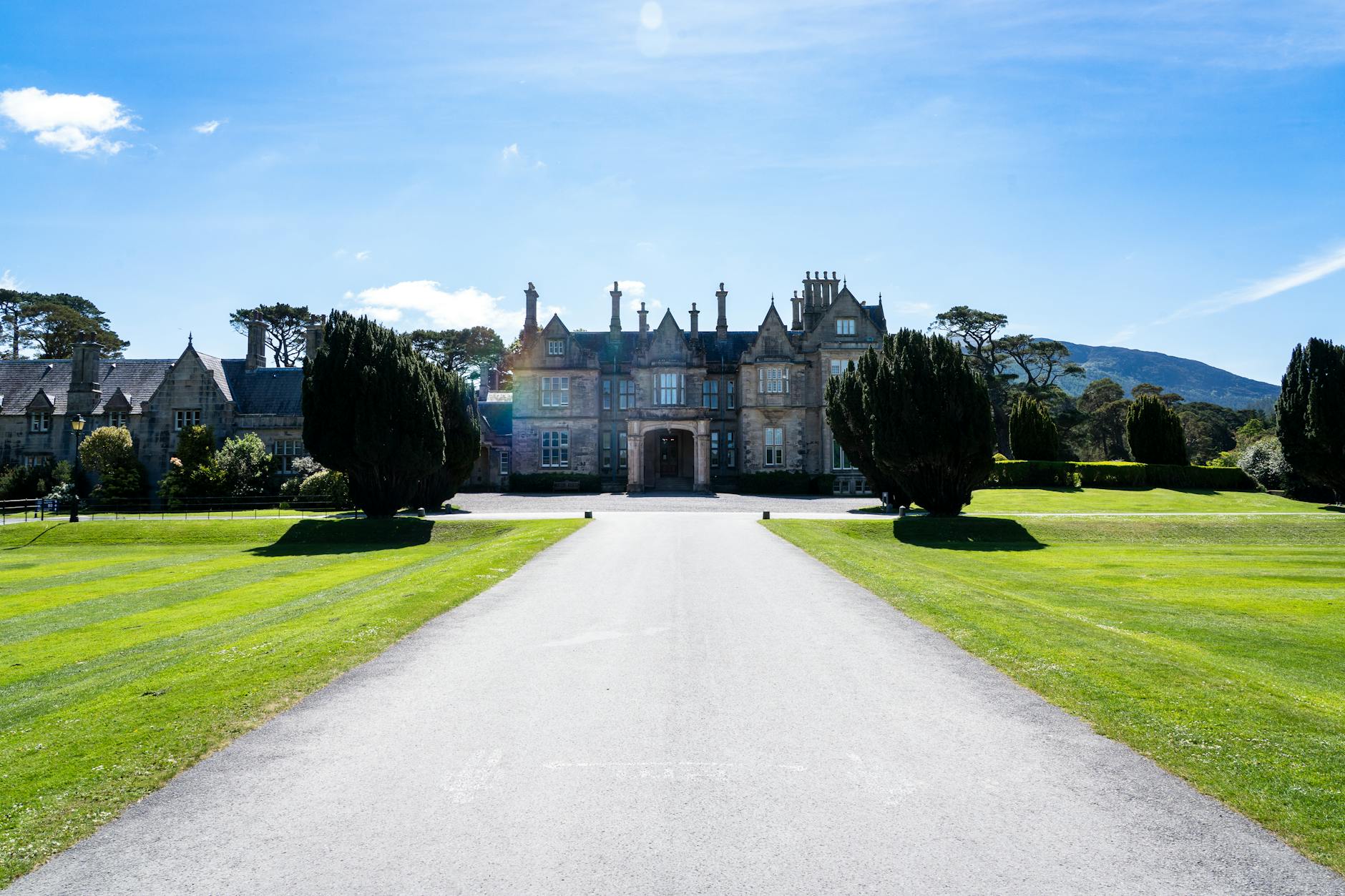
Killarney's visitor demand can affect a sales trip through hotel prices, restaurant capacity, taxis, road timing, and the mood of the town. Peak leisure periods can be good for some accounts and inconvenient for others. The traveler should know whether tourism pressure helps the sales story or only makes logistics harder.
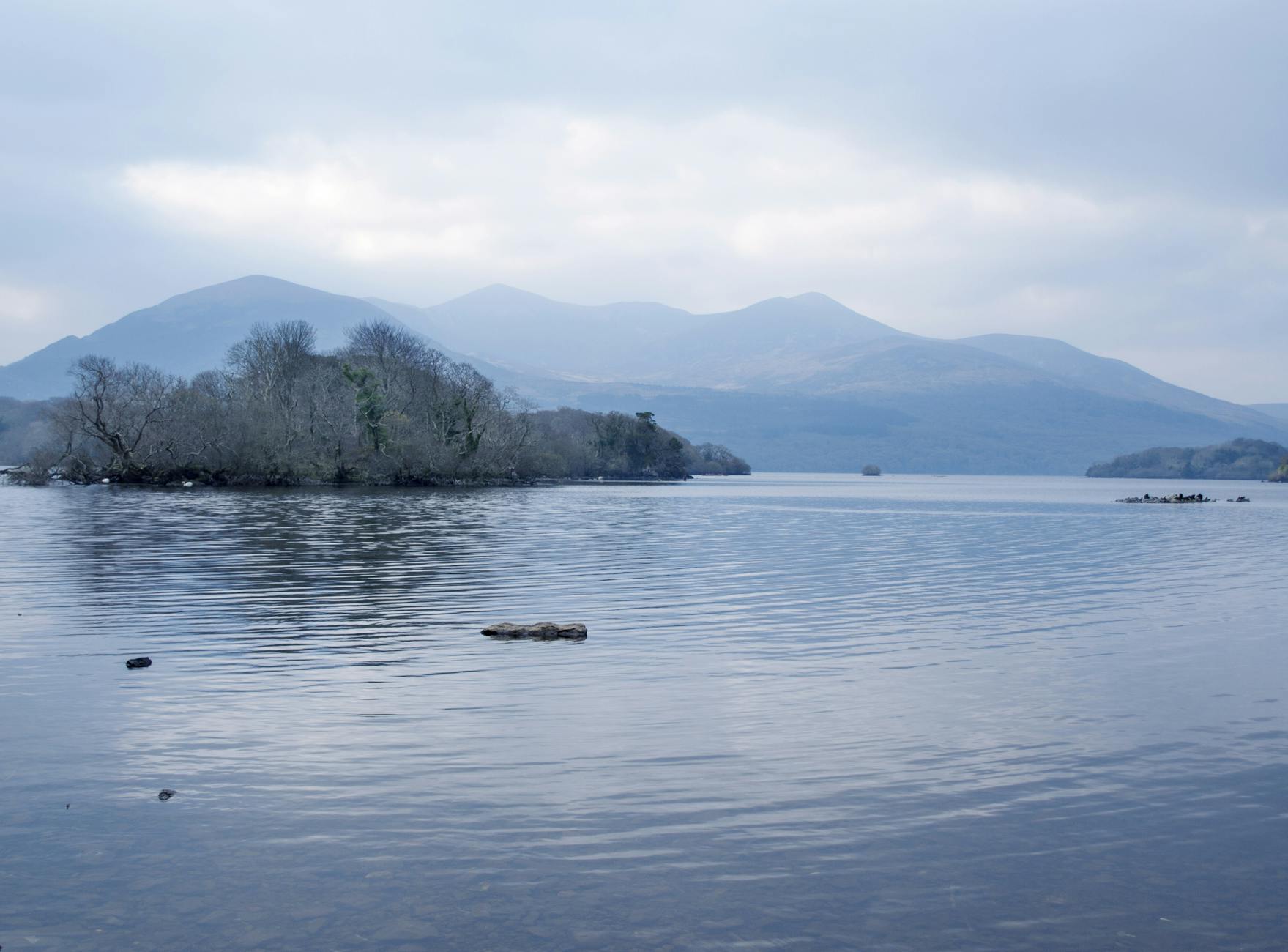
Scenic time should be deliberate. A short client walk, lake view, hosted drive, or post-meeting reset can be useful. A full scenic day may be wrong if it steals preparation, follow-up, or flexibility around the account.
- Check seasonal demand, hotel pressure, restaurants, taxis, roads, and account availability.
- Use scenic time only when it supports hosting, recovery, or market understanding.
- Protect sales preparation and follow-up from optional sightseeing.
When to order a short-term travel report
A sales traveler with one simple account call, a known hotel, and flexible timing may not need a custom Killarney report. A report becomes useful when the trip includes senior buyers, multiple accounts, client meals, high-season lodging, uncertain access, regional driving, confidential pricing, or pressure to blend sales work with Kerry hospitality.
The report should test account geography, access, hotel fit, meeting timing, meals, follow-up blocks, seasonal demand, scenic choices, transport, budget, and what to cut. The value is a Killarney sales trip that turns a beautiful setting into useful commercial progress.
- Order when accounts, access, meals, hotels, transport, or follow-up need coordination.
- Provide dates, account locations, meeting goals, hotel options, transport plans, meals, and budget.
- Use the report to keep the sales purpose stronger than the scenery.