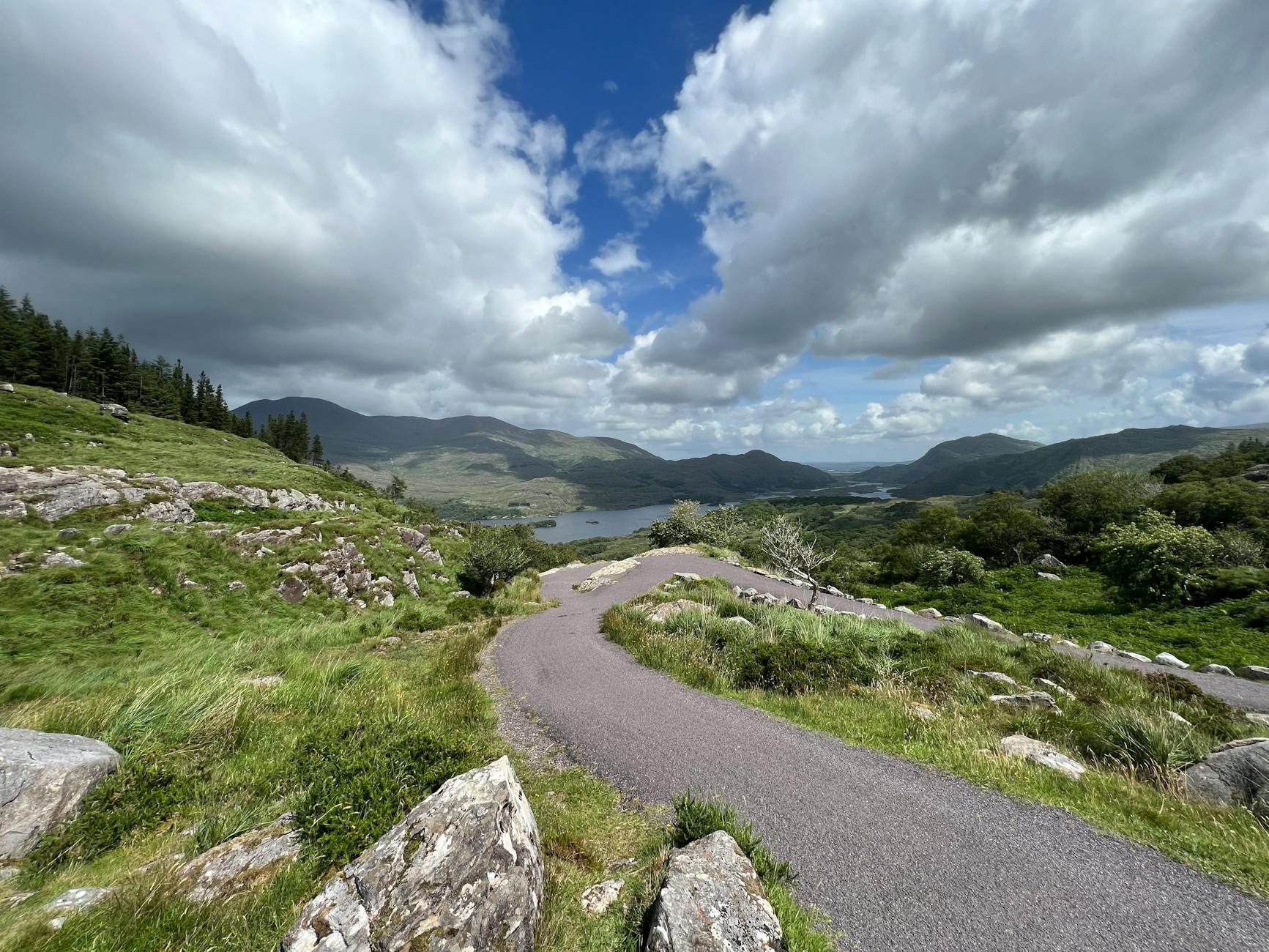
A repeat visit to Killarney should not be a faded copy of the first one. Once the main names are familiar, the value shifts toward better timing, quieter routes, a different hotel style, slower park time, deeper meals, seasonal contrast, and more deliberate use of Kerry beyond the obvious checklist. The repeat leisure visitor has an advantage: they already know that Killarney is appealing. The question now is what the return trip should do differently. That may mean fewer sights, better lodging, a private drive, a different month, more walking, less driving, or a clearer decision to use Killarney as a restorative base rather than a launchpad.
Give the return trip a reason
A repeat Killarney trip works best when it has a reason beyond nostalgia. The visitor might return for a quieter season, a better hotel, longer park time, golf, walking, a special meal, a private Kerry route, or a slower stay with fewer transitions.
Without that purpose, the trip can drift into replaying the same day with less surprise. A return visit should use familiarity to make better choices, not lazier ones.
- Choose the return purpose: slower park time, different season, better lodging, golf, food, walking, or touring.
- Use what was learned on the first trip to remove weak points.
- Avoid repeating highlights only because they are familiar.

Change the season or the rhythm
Killarney can feel different by season, weekday, weather pattern, and crowd level. A repeat visitor should consider whether the next trip should be quieter, greener, cooler, more festive, more walkable, or more hotel-centered.
Changing the rhythm can matter as much as changing the month. A later breakfast, fewer day trips, earlier park walks, or an extra night can make a familiar place feel more generous.
- Consider season, weekday pattern, daylight, weather, and crowd level before choosing dates.
- Use a different rhythm to change the experience without changing the destination.
- Protect slower mornings or quieter evenings if the first trip felt rushed.
Go deeper in the park
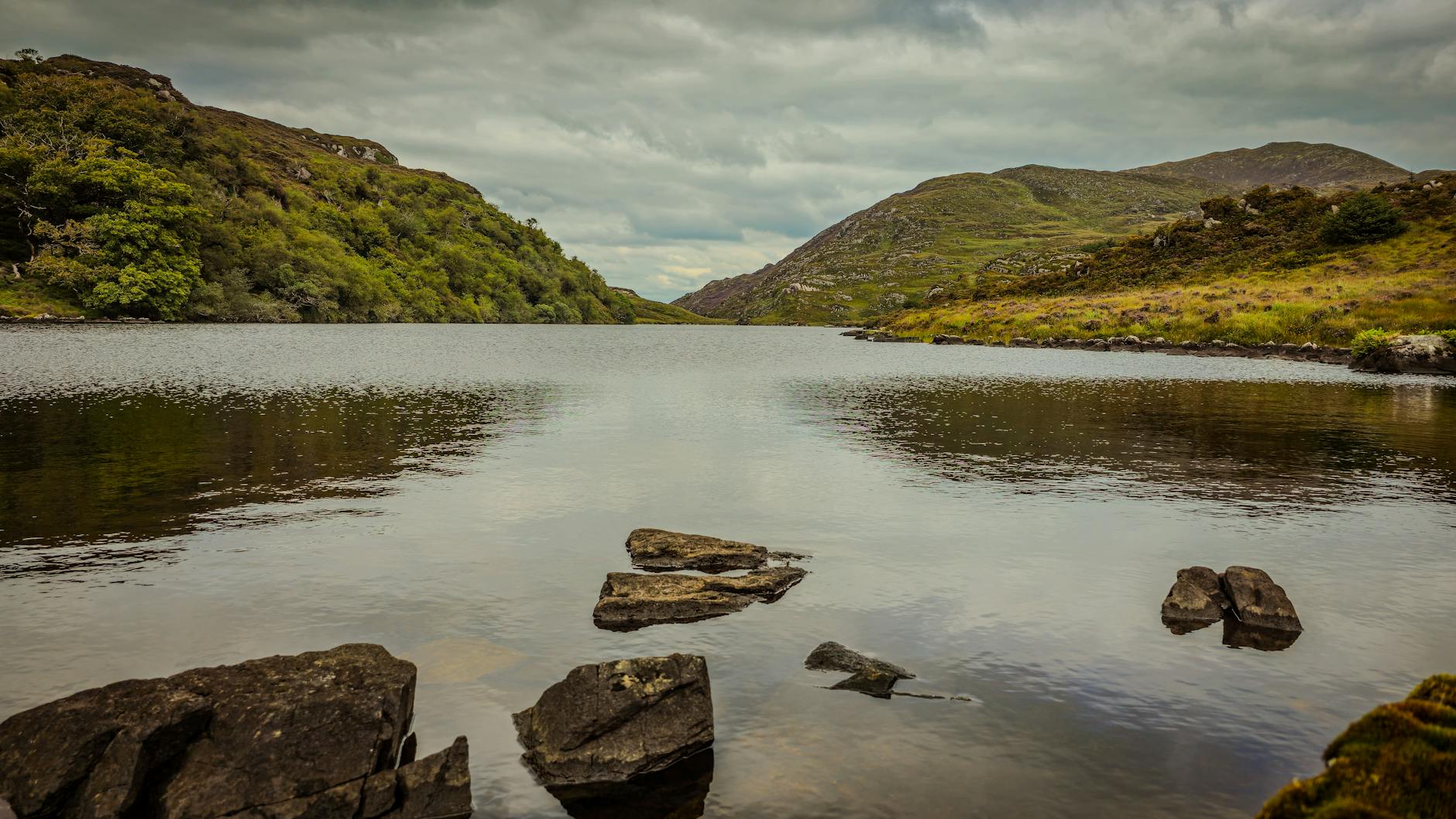
A first visit often touches Muckross, Ross Castle, Torc Waterfall, or a lake view quickly. A repeat visit can use those places with more patience or choose quieter park edges, longer walks, different viewpoints, or a more intentional day around weather and light.
The repeat visitor should not assume deeper means harder. It may simply mean choosing one area well and giving it enough time, rather than moving from landmark to landmark.
- Return to familiar park areas with more time, better footwear, and better weather expectations.
- Choose quieter routes or longer pauses instead of more stops.
- Let one excellent park day replace several thin outings.
Rethink the road day
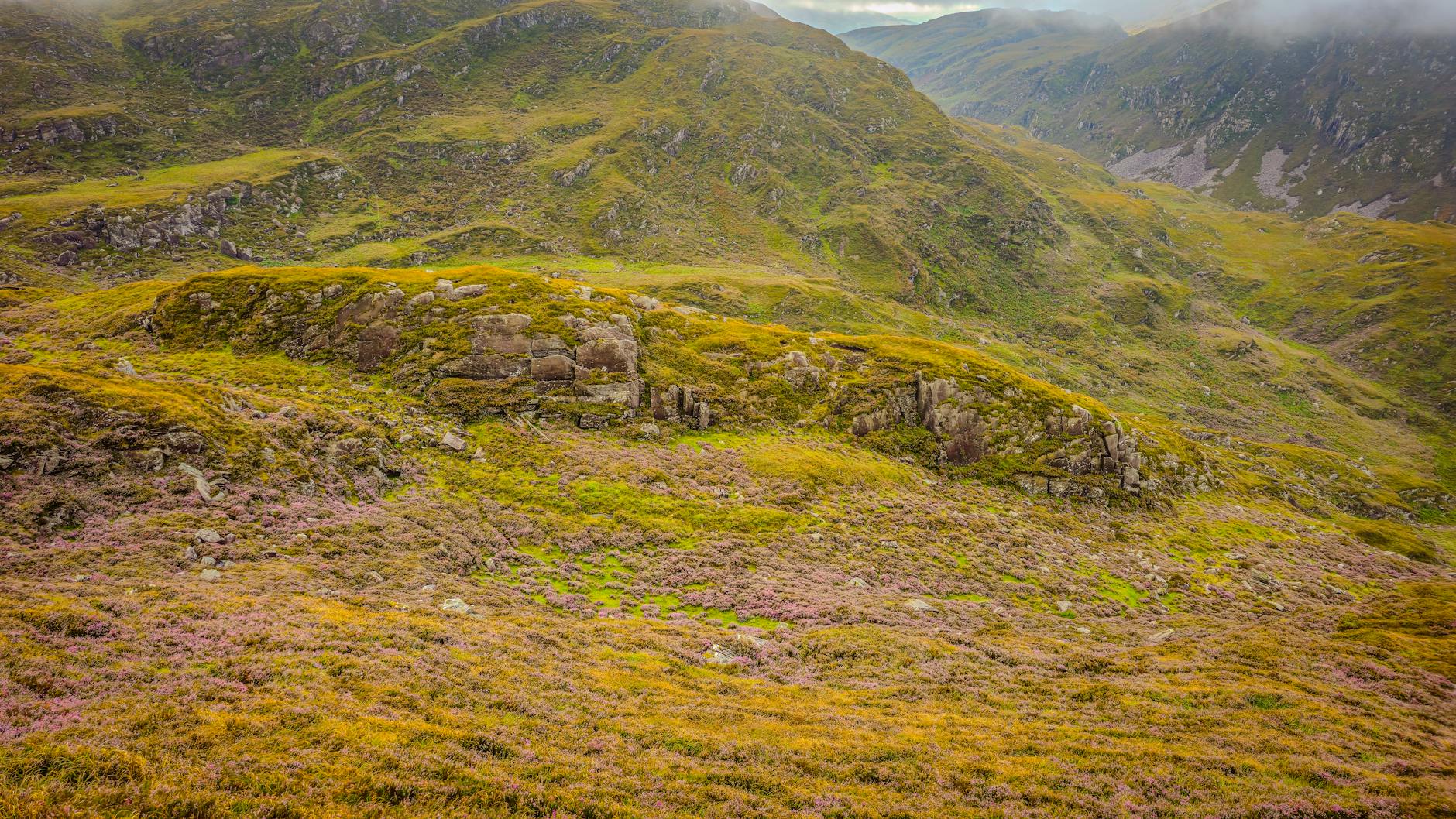
Repeat visitors often know whether the big scenic drive was worth it the first time. If it was too long, the return trip can use a shorter route, private driver, different peninsula, later start, or no major drive at all. If it was the highlight, the next version can be better paced and less crowded.
The visitor should not let the Ring of Kerry or any famous route take over by default. Kerry has enough texture to reward smaller decisions.
- Decide whether the return trip needs a full scenic drive, a shorter route, or no big drive.
- Use private drivers, earlier starts, or different roads when they improve the day.
- Avoid repeating a tiring route just because it is famous.
Upgrade or simplify lodging deliberately
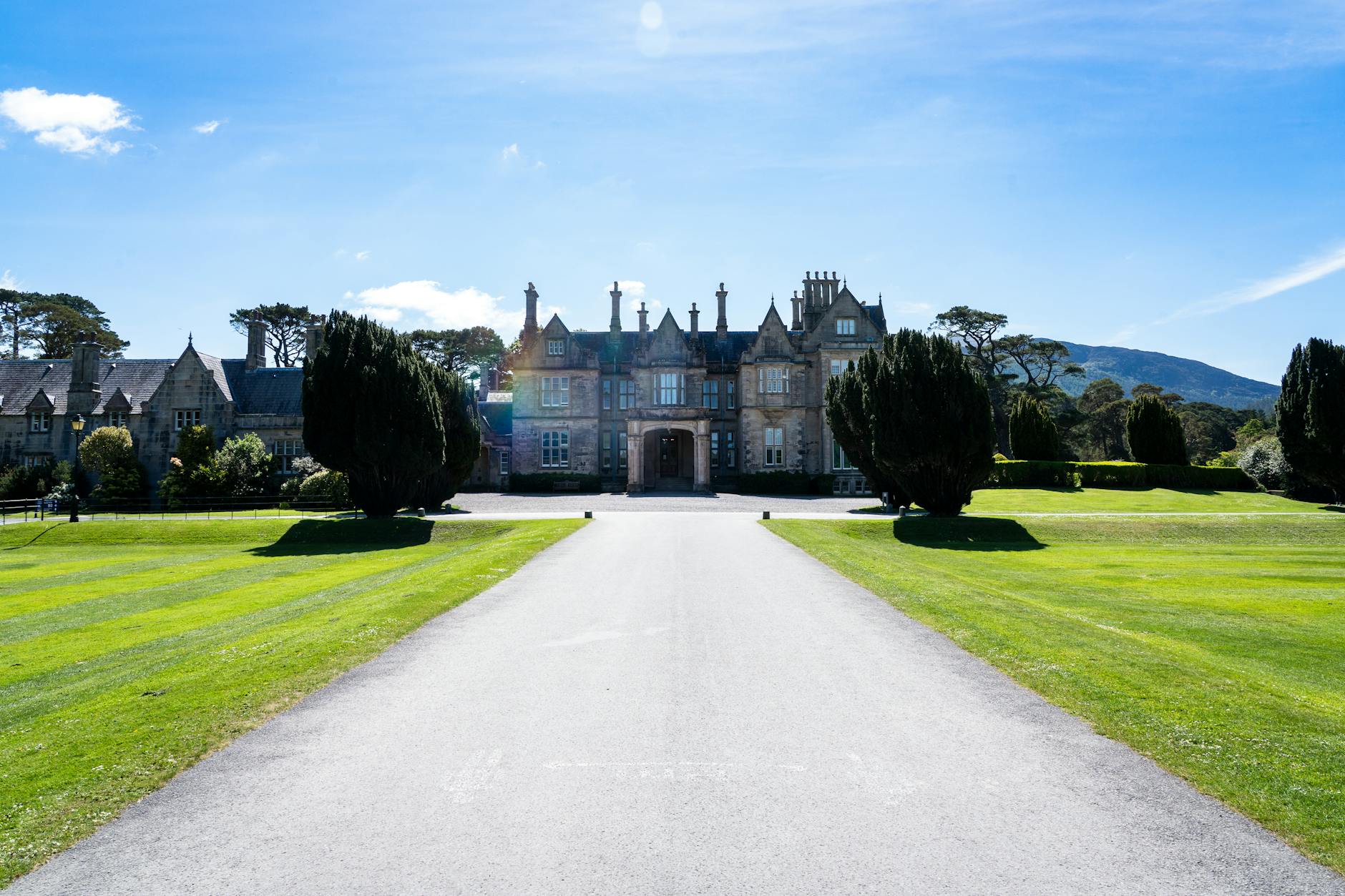
A repeat leisure visitor has enough context to choose lodging more intelligently. Maybe the first stay was too central and noisy. Maybe it was too remote. Maybe the right return is a better room, a quieter property, a self-catering base, a spa hotel, or a cheaper stay because the visitor now knows how little time will be spent indoors.
The key is to avoid drifting into the same hotel pattern without asking whether it still fits the new trip.
- Use the first trip's lodging lessons to choose town, park edge, resort, self-catering, or quiet base.
- Upgrade when the hotel is part of the point; save when location and sleep are enough.
- Check parking, meals, quiet, access, and return routes with fresh eyes.
Make meals less accidental
On a repeat trip, meals should improve. The visitor can avoid the overbusy dinner slot, choose restaurants by tone rather than convenience alone, try a better lunch plan on scenic days, or return to a favorite without letting every evening become the same.
Killarney's popularity means reservations still matter. A repeat visitor should use familiarity to plan the few meals that will shape the stay and leave the rest open.
- Reserve important meals and choose them by tone, timing, access, and memory from the first trip.
- Plan lunch on scenic or walking days before hunger drives the schedule.
- Keep some meals familiar and some meals exploratory.
When to order a short-term travel report
A repeat visitor with a clear favorite hotel and relaxed plans may not need a custom Killarney report. A report becomes useful when the traveler wants the second trip to be meaningfully better: different season, quieter routes, better lodging, mobility-sensitive walks, special meals, private touring, budget control, or a need to decide what not to repeat.
The report should test prior experience, new goals, lodging, routes, park depth, meals, weather, transport, seasonality, budget, and what to drop. The value is making the return feel intentional rather than automatic.
- Order when the return trip needs to differ from the first in a clear way.
- Provide what worked before, what failed, dates, lodging ideas, transport plans, must-dos, budget, and constraints.
- Use the report to make familiarity produce better judgment.