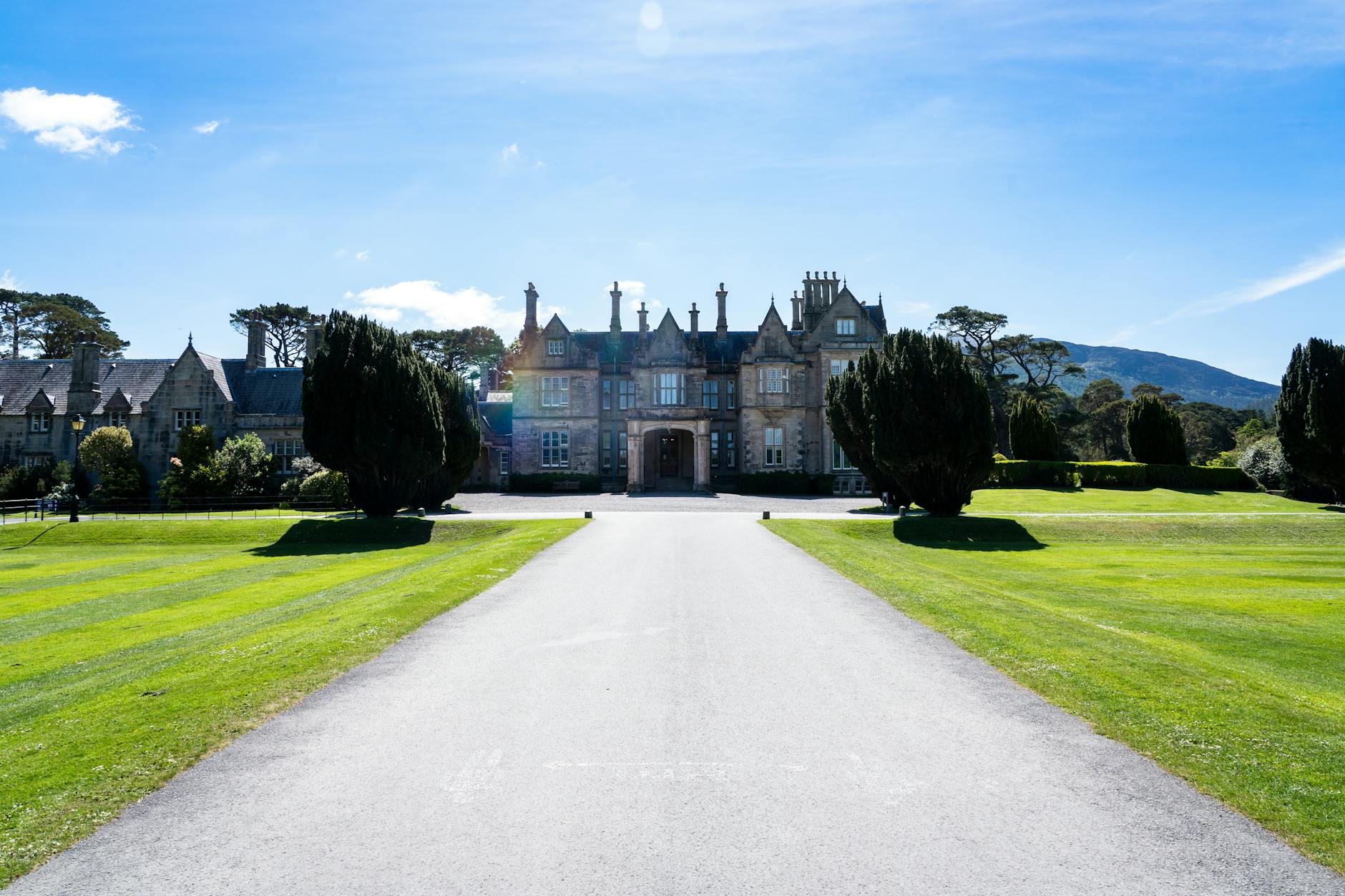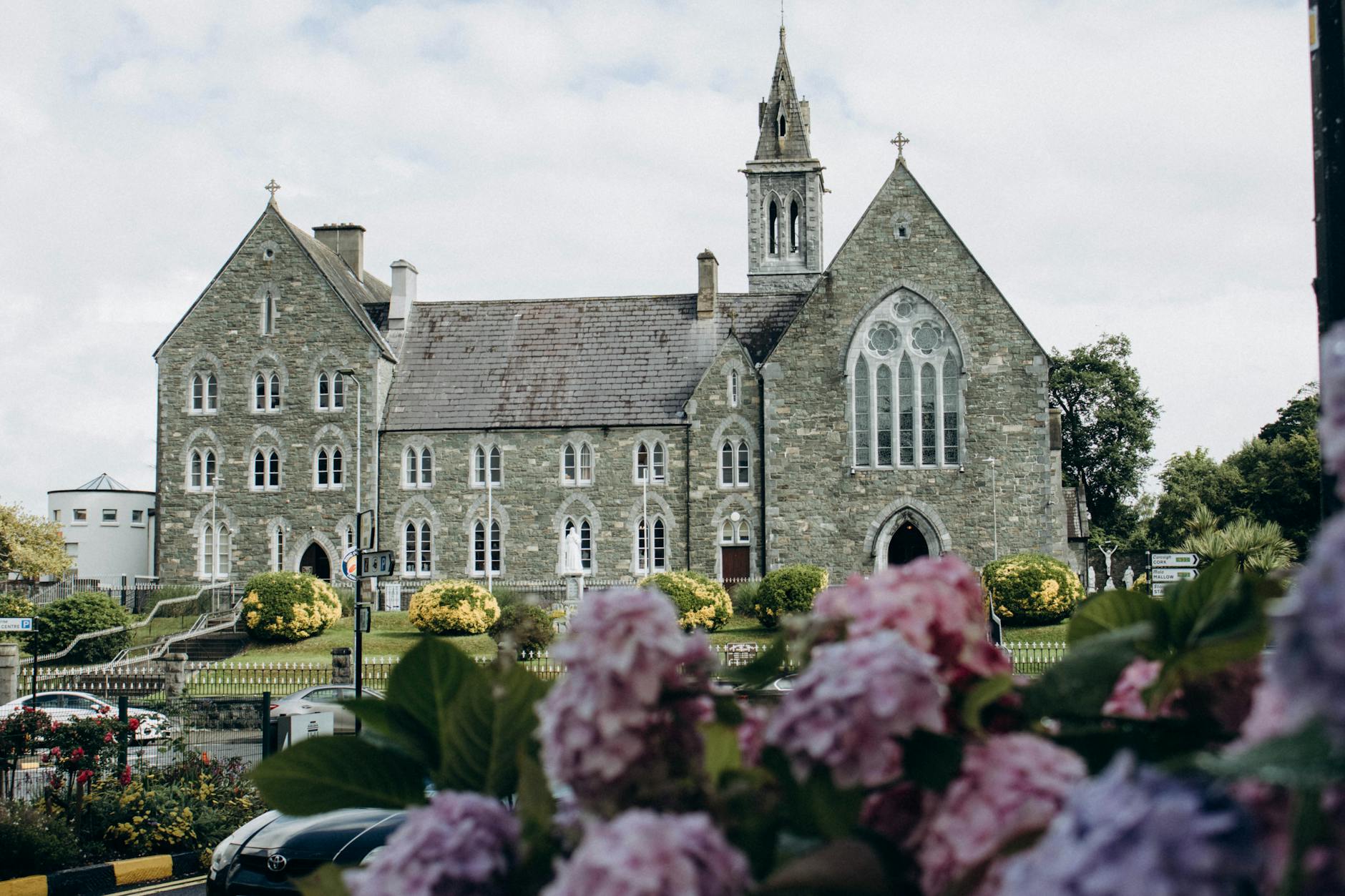
Killarney can work for a religious or pilgrimage traveler, but it needs a different plan than a standard scenic break. The draw may be church services, Muckross Abbey, quiet reflection, ancestry, retreat time, local worship, graves and memorials, or a wider Kerry journey that includes spiritual and heritage sites. The risk is trying to fit sacred time into a visitor schedule designed for lakes, pubs, drives, and photographs. A useful short trip protects the reason for the visit first, then decides how Killarney's landscape, town, and routes can support that purpose without overwhelming it.
Define the purpose of the visit
A religious or pilgrimage traveler should be precise about why Killarney belongs in the trip. The purpose might be attending Mass or another service, spending time in historic religious settings, visiting Muckross Abbey, reflecting in the national park, connecting with family history, or using Killarney as a base for a wider Kerry itinerary.
Those are different trips. A traveler seeking quiet prayer does not need the same plan as someone tracing ancestry, joining a parish group, visiting ruins, or combining spiritual travel with a scenic holiday. The purpose should shape lodging, route design, pace, and what can be left out.
- Name the primary purpose before adding scenic or leisure activities.
- Separate worship, heritage, ancestry, retreat, and general sightseeing goals.
- Let the purpose decide the pace rather than filling every available hour.
Separate sacred time from scenic time
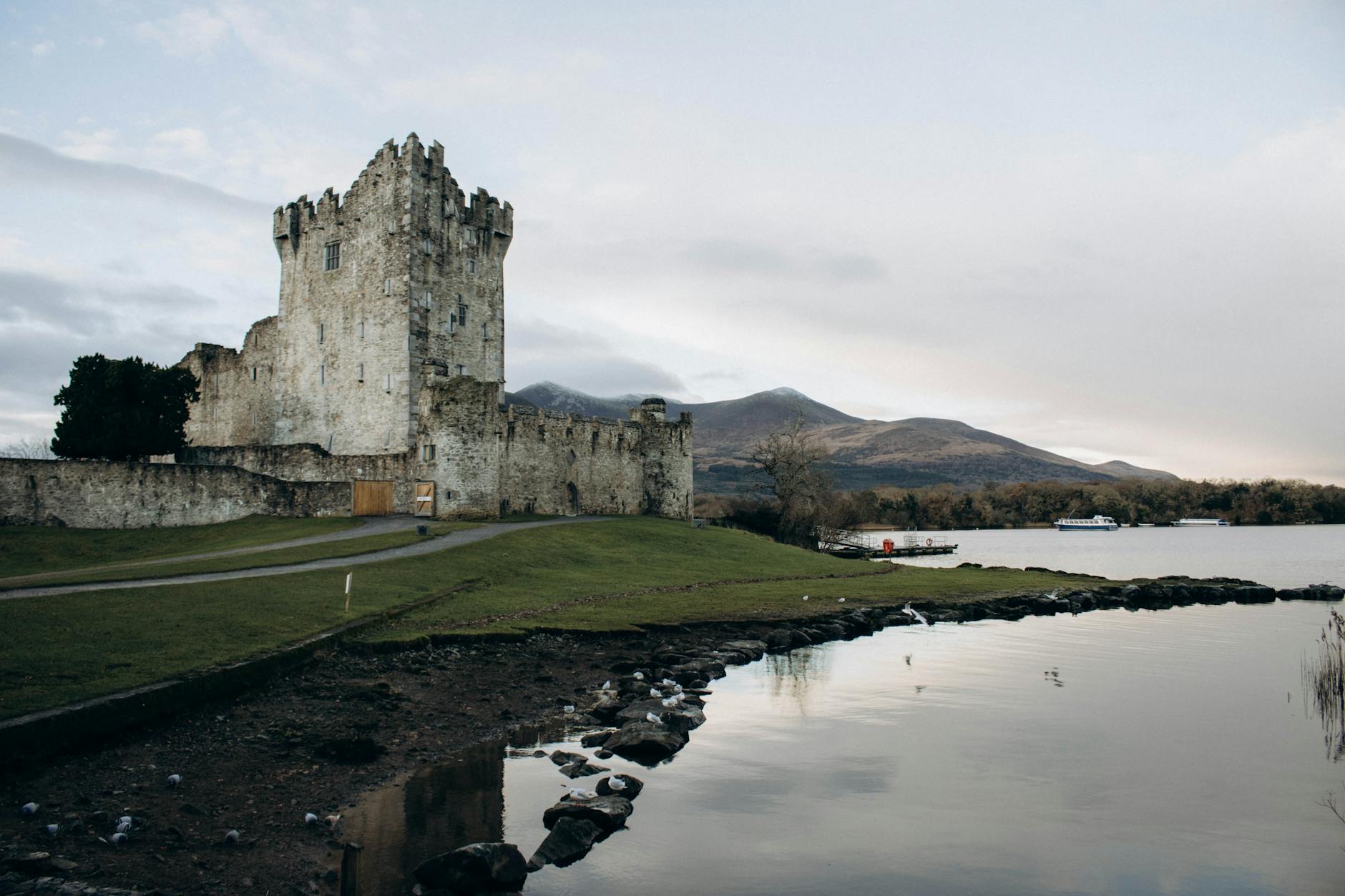
Killarney makes it tempting to fold spiritual reflection into every beautiful view. That can work, but it can also turn the trip into ordinary tourism with religious language attached. The traveler should decide which hours are protected for worship, quiet, abbey visits, reading, walking, or prayer, and which hours are for lakes, castle views, meals, or a regional drive.
Muckross Abbey, local churches, lake paths, and quiet corners of the park can all support reflection, but they should not be rushed between unrelated stops. A slower plan may be more faithful to the purpose than a longer list of places.
- Protect specific blocks for worship, reflection, or heritage visits.
- Avoid treating sacred spaces as quick scenic stops.
- Use the landscape to support the purpose, not to replace it.
Check services, access, and opening hours
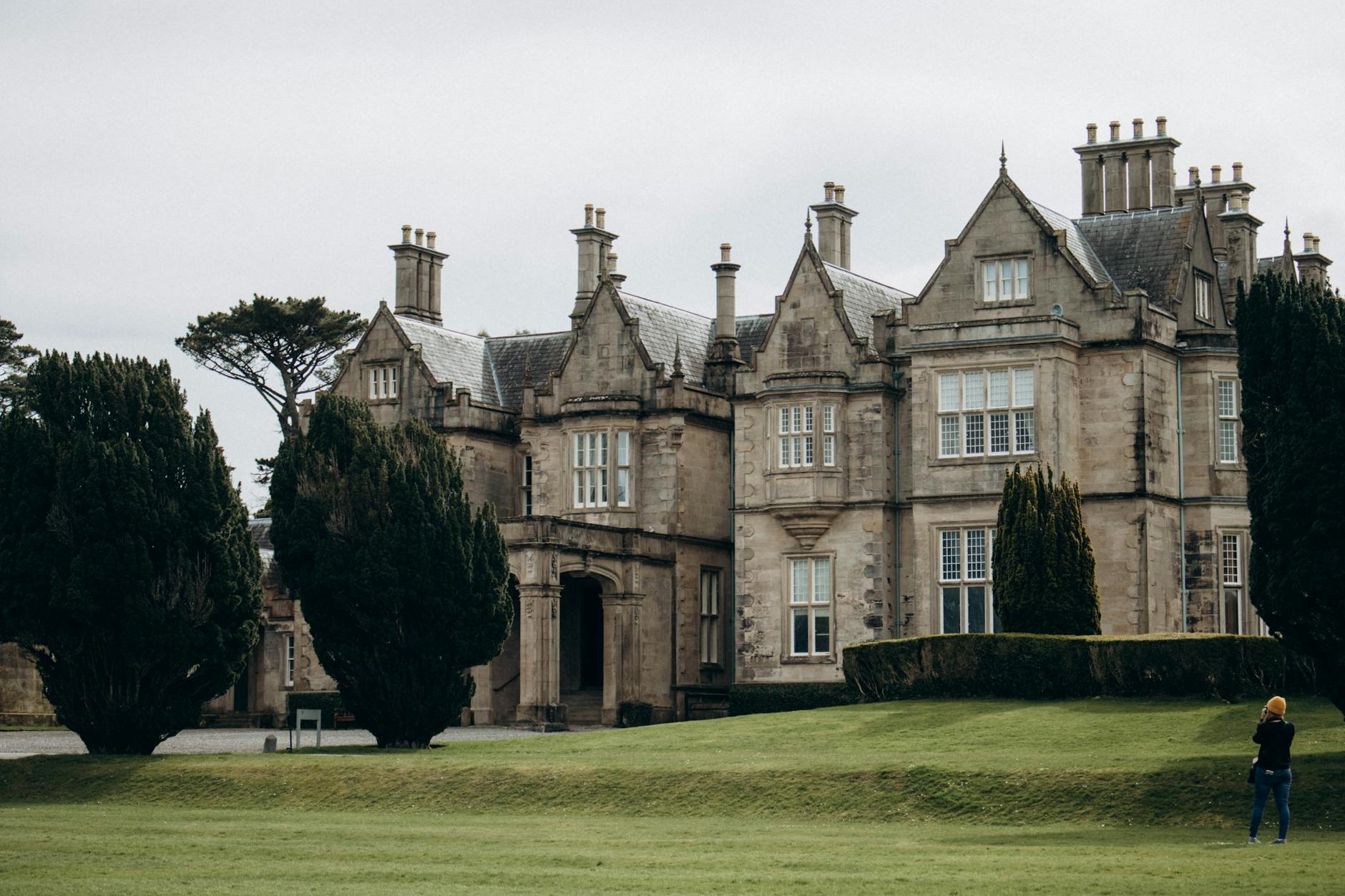
Church service times, seasonal opening patterns, heritage access, tour schedules, and transport availability should be checked before relying on them. Killarney is visitor-friendly, but a short religious trip can still fail if the traveler assumes a church, abbey, cemetery, retreat setting, or transport link will fit the day naturally.
Mobility and weather matter too. Paths around ruins, parkland, cemeteries, and lakes may be wet, uneven, exposed, or longer than expected. Travelers should know which sites require walking, which need taxis or drivers, and which should be skipped if conditions are poor.
- Confirm service times, access rules, seasonal hours, and transport before arrival.
- Check walking surfaces, distance, weather exposure, seating, and rest points.
- Build a fallback if a site is closed, crowded, wet, or hard to reach.

Respect worship, graves, and heritage spaces
Religious and pilgrimage travel requires restraint. Churches, abbeys, cemeteries, memorials, and quiet heritage settings are not only visual material. The traveler should be careful with photography, clothing, volume, group behavior, drones, graves, ruins, and any space where local people are worshipping, grieving, working, or preserving history.
Killarney receives many visitors, which can make casual behavior seem normal. A religious traveler should set a higher standard. The point is not to extract atmosphere from sacred places, but to enter them with enough preparation and humility to avoid turning them into props.
- Check photography, dress, noise, drone, and access expectations before entering.
- Treat graves, ruins, churches, and memorials as living or protected spaces.
- Let local worship and preservation needs outrank the visitor itinerary.
Choose lodging for quiet and practical movement
The best lodging for this traveler may not be the liveliest or most scenic option. A central base can make churches, meals, taxis, and rail simpler. A quieter property may better support rest, reading, prayer, or early departures. A rural stay can feel restorative but may create transport problems if the traveler needs services, meals, or evening movement.
Lodging should be judged by noise, walkability, breakfast timing, elevator access, room comfort, weather exposure, and how easy it is to return after a reflective or emotionally serious day. The room is part of the pilgrimage plan, not only a place to sleep.
- Compare central convenience against quiet, rest, and reflective purpose.
- Check noise, lift access, breakfast timing, transport, and evening return routes.
- Choose lodging that protects the purpose of the trip.
Build in weather, rest, and emotional space
Killarney weather can make even short walks feel longer. Rain, wind, damp paths, and limited daylight can affect the body and the mood of the trip. Religious and pilgrimage travelers should plan clothing, footwear, indoor pauses, simple meals, and quiet recovery rather than assuming inspiration will override fatigue.
Some trips also carry emotional weight through family history, illness, grief, gratitude, vocation, or major decisions. The itinerary should leave room for those responses. A traveler may remember an unhurried hour better than a packed day.
- Prepare for rain, wind, damp paths, and short daylight windows.
- Leave space for rest, meals, quiet recovery, and unexpected emotional weight.
- Cut scenic extras when they threaten the trip's deeper purpose.
When to order a short-term travel report
A religious or pilgrimage traveler with one confirmed service, simple lodging, and flexible sightseeing may not need a custom Killarney report. A report becomes useful when the trip involves multiple sacred or heritage sites, mobility limits, ancestry research, group travel, retreat needs, uncertain transport, bad-weather concerns, or a need to keep scenic tourism from crowding out the purpose.
The report should test worship times, site access, lodging, transport, weather fallback, mobility, meal timing, quiet blocks, respectful behavior, budget, and what to cut. The value is a Killarney trip that honors the reason for going instead of merely passing through beautiful places.
- Order when worship, heritage access, transport, mobility, weather, or quiet time need testing.
- Provide dates, faith or heritage priorities, lodging options, transport plans, mobility needs, budget, and constraints.
- Use the report to protect the purpose of the journey.