Killarney can work very well for older travelers because it offers town comforts, hotels, restaurants, national park access, lakes, historic sites, scenic drives, and gentler ways to experience the landscape. It can also become exhausting if the plan treats every famous Kerry outing as mandatory. The right short-term plan should protect comfort without shrinking the trip unnecessarily. Lodging access, walking distance, weather, driving choices, rest breaks, medical needs, and meal timing should be planned before the visitor decides how much scenery, touring, and town activity to include.
Choose lodging for access first
For an older traveler, the hotel decision can determine whether Killarney feels easy or tiring. A charming property may still be wrong if it lacks elevators, has awkward steps, sits too far from dinner, requires difficult parking, or makes every outing start with a long walk.
The traveler should confirm room access, bathroom setup, lift availability, lobby seating, breakfast hours, taxi pickup, parking, noise, and the walking route to restaurants or tour departures. Comfort at the base makes the scenic parts of the trip more enjoyable.
- Confirm elevators, step-free routes, bathroom layout, lobby seating, parking, and room location.
- Choose a base that supports dinners, tours, taxis, rest breaks, and weather changes.
- Do not rely on charm if access details will make each day harder.

Match the scenery to stamina
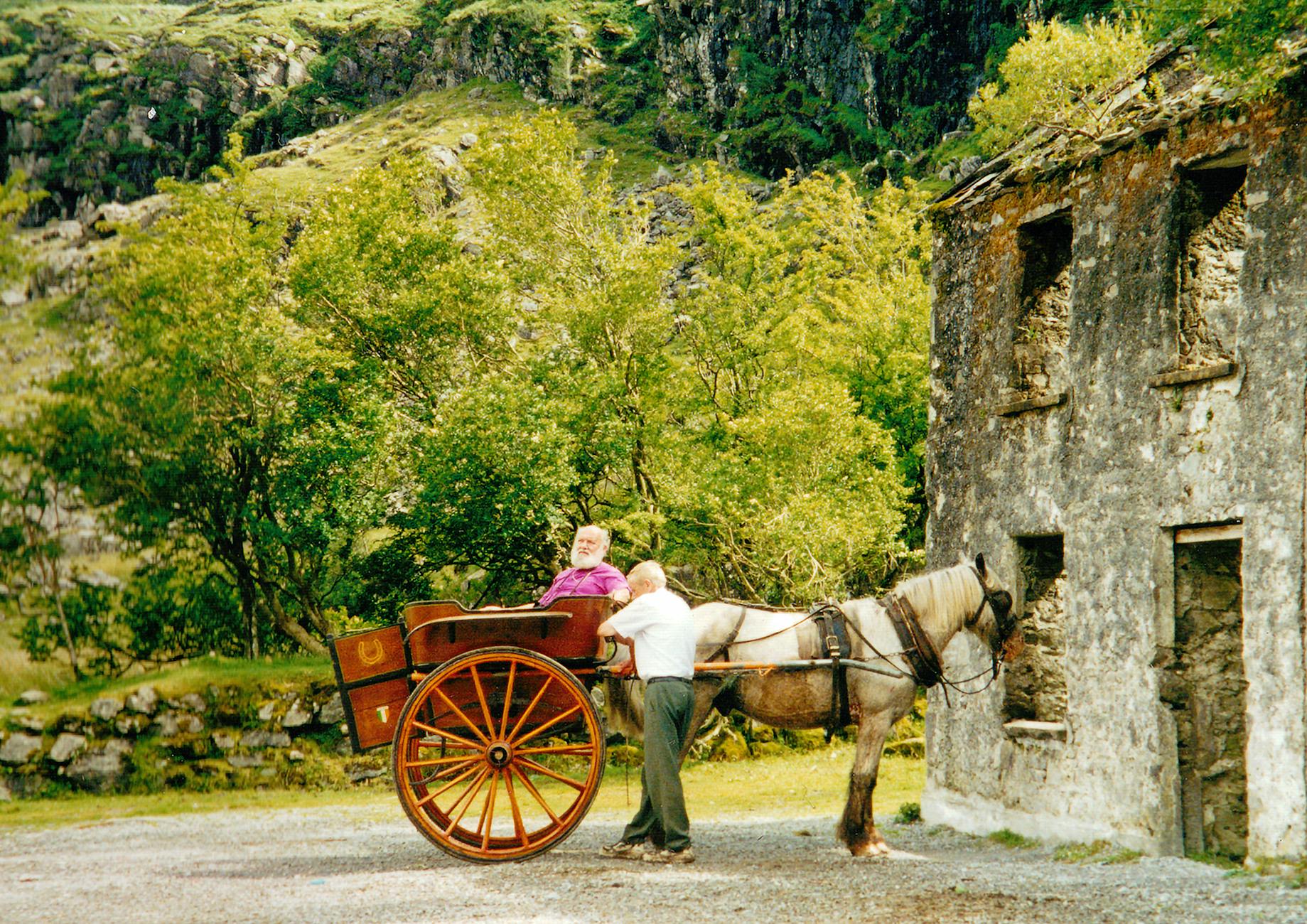
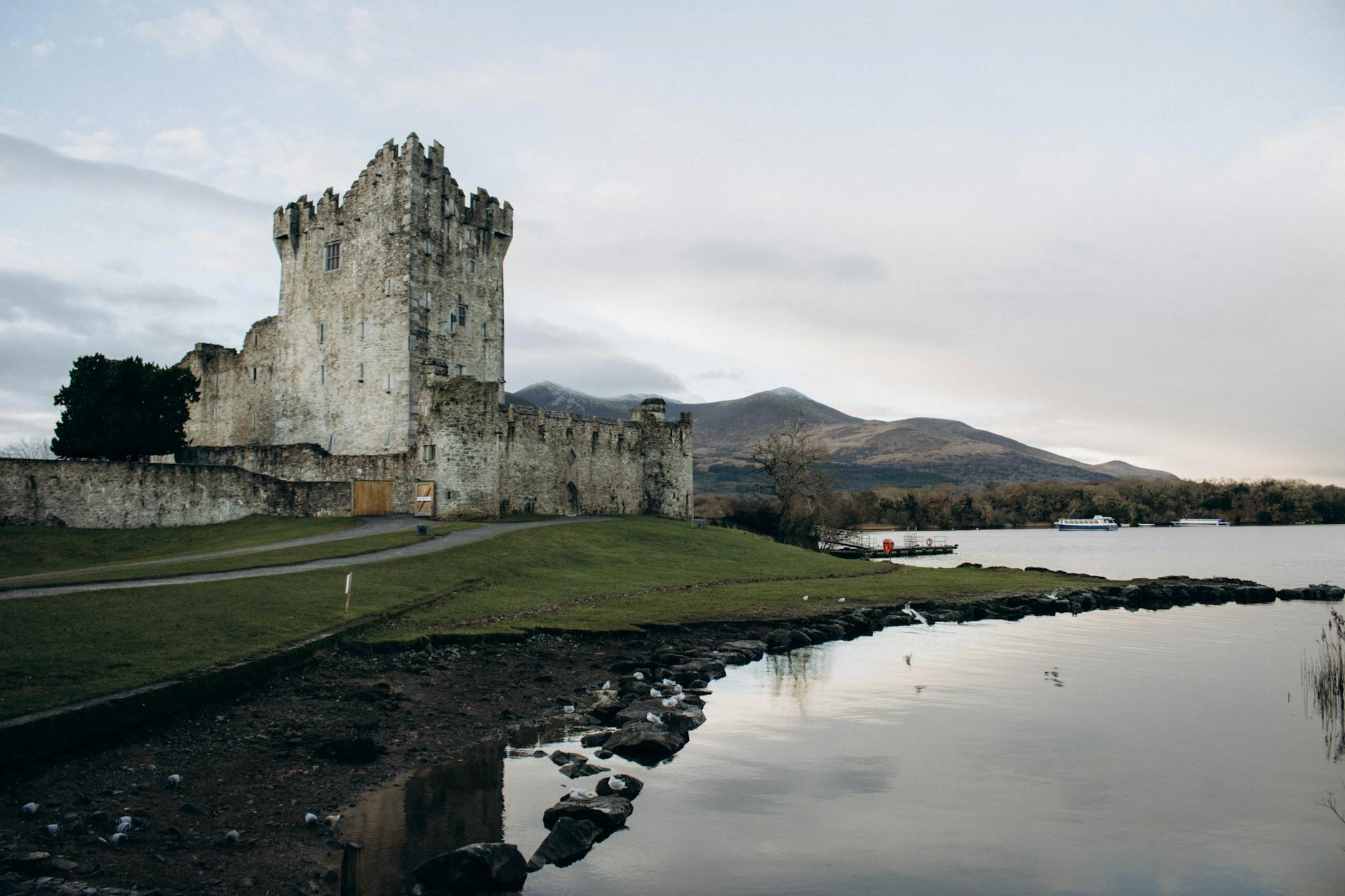
Killarney makes it possible to see a great deal without heroic effort, but only if the day is designed honestly. Muckross, Ross Castle, lake viewpoints, gardens, short park paths, jaunting cars, and scenic drives can all be rewarding. Long walks, rushed transfers, and packed road days may be less rewarding if they consume the traveler's energy.
The plan should identify the best scenic return for the least physical strain. One excellent lake view, carriage ride, garden visit, or short walk can be more valuable than a crowded itinerary that leaves the traveler recovering for the next day.
- Select scenic experiences by access, seating, toilets, weather exposure, and return effort.
- Use jaunting cars, private drivers, taxis, and short walks when they fit stamina better.
- Protect energy for the places that matter most.
Treat weather as an access issue
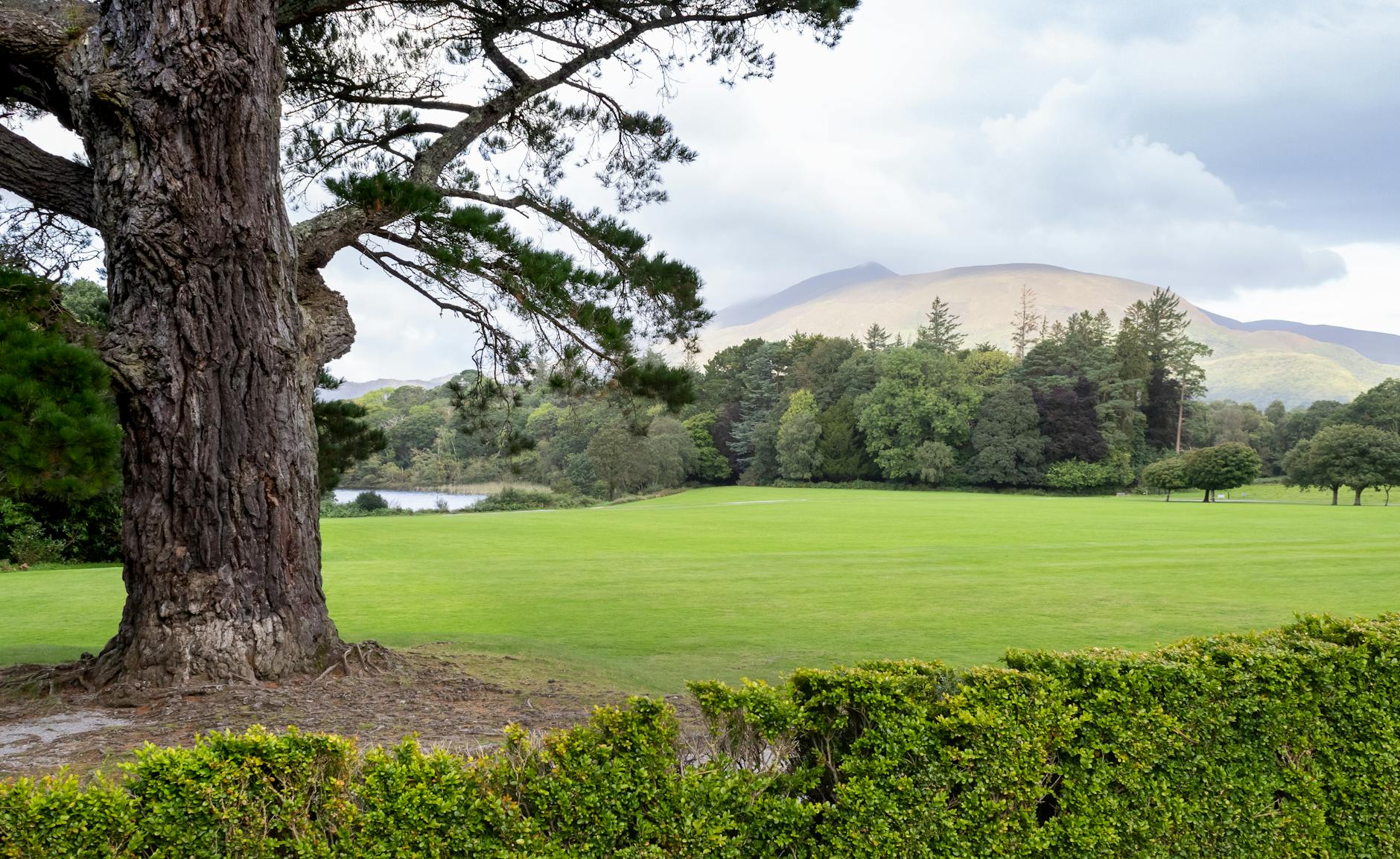
Rain, wind, wet paths, low visibility, and cool temperatures can affect older travelers more than the itinerary suggests. A route that looks easy on paper may become difficult when surfaces are slick, seating is limited, or the return route is exposed.
The traveler should plan layers, rain protection, shoes with grip, indoor breaks, taxi backup, and shorter outdoor commitments. The goal is not to avoid weather altogether. It is to avoid letting weather turn a manageable day into a tiring or risky one.
- Plan for rain gear, warm layers, shoes with grip, and dry breaks.
- Shorten outdoor routes when wind, visibility, or footing changes.
- Keep taxi or driver backup available for exposed returns.

Be careful with full-day road touring
The Ring of Kerry, Dingle, and wider Kerry drives can be memorable, but they can also become long days with early starts, winding roads, variable toilets, short photo stops, and late returns. Older travelers should not assume that a famous drive is automatically the best use of a short visit.
A coach tour may reduce driving stress but limit flexibility. A private driver may allow better pacing, comfort stops, and shorter routes. A local Killarney day may be the better choice if the traveler values comfort, meals, and less time seated in a vehicle.
- Compare coach tours, private drivers, self-driving, and local days by comfort rather than fame.
- Check duration, road conditions, toilet stops, meal timing, seating, and return fatigue.
- Choose a shorter route when it produces a better day.

Plan meals and rest before the day gets away
Older travelers often benefit from predictable meals, pauses, and early evening structure. Killarney restaurants can be busy, especially in season, and a long scenic day can make a late dinner harder than expected. The plan should avoid leaving food, medication timing, and rest to chance.
A useful itinerary should include breakfast realism, lunch options, reservation strategy, afternoon rest, and low-effort dinner choices near the hotel. This is especially important when the traveler is managing blood sugar, medication schedules, limited walking, or fatigue.
- Reserve important dinners and identify easy meals near the hotel.
- Protect lunch, hydration, medication timing, and afternoon rest.
- Avoid ending long scenic days with a difficult restaurant search.

Keep health logistics visible
A Killarney trip should include practical health planning, especially for travelers with prescriptions, chronic conditions, recent procedures, balance concerns, hearing or vision limits, or dietary restrictions. The plan should not hide these details behind a generic sightseeing schedule.
The traveler should carry medication essentials, know pharmacy and clinic options, confirm travel insurance, identify transport backup, and avoid routes that create avoidable strain. Companions should understand the plan well enough to adjust it without argument if the day changes.
- Carry medication, prescriptions, insurance details, and essential health information.
- Know pharmacy, clinic, taxi, and hotel support options before they are needed.
- Build the plan so companions can adjust quickly if stamina or weather changes.
When to order a short-term travel report
An older traveler with a central accessible hotel, relaxed pace, and modest sightseeing may not need a custom Killarney report. A report becomes useful when the trip includes mobility questions, medical constraints, multiple generations, a scenic drive decision, high-season lodging, uncertain hotel access, medication timing, or a need to decide what to remove.
The report should test hotel access, transport, walking surfaces, scenic choices, weather fallback, meal timing, medical logistics, companions' expectations, rest blocks, budget, and the most realistic version of the stay. The value is a Killarney trip that remains rich without asking the traveler to overperform.
- Order when mobility, health, lodging access, road touring, weather, meals, or companion expectations need testing.
- Provide dates, hotel options, walking tolerance, medical constraints, transport plans, must-sees, and budget.
- Use the report to protect comfort and still keep the trip meaningful.