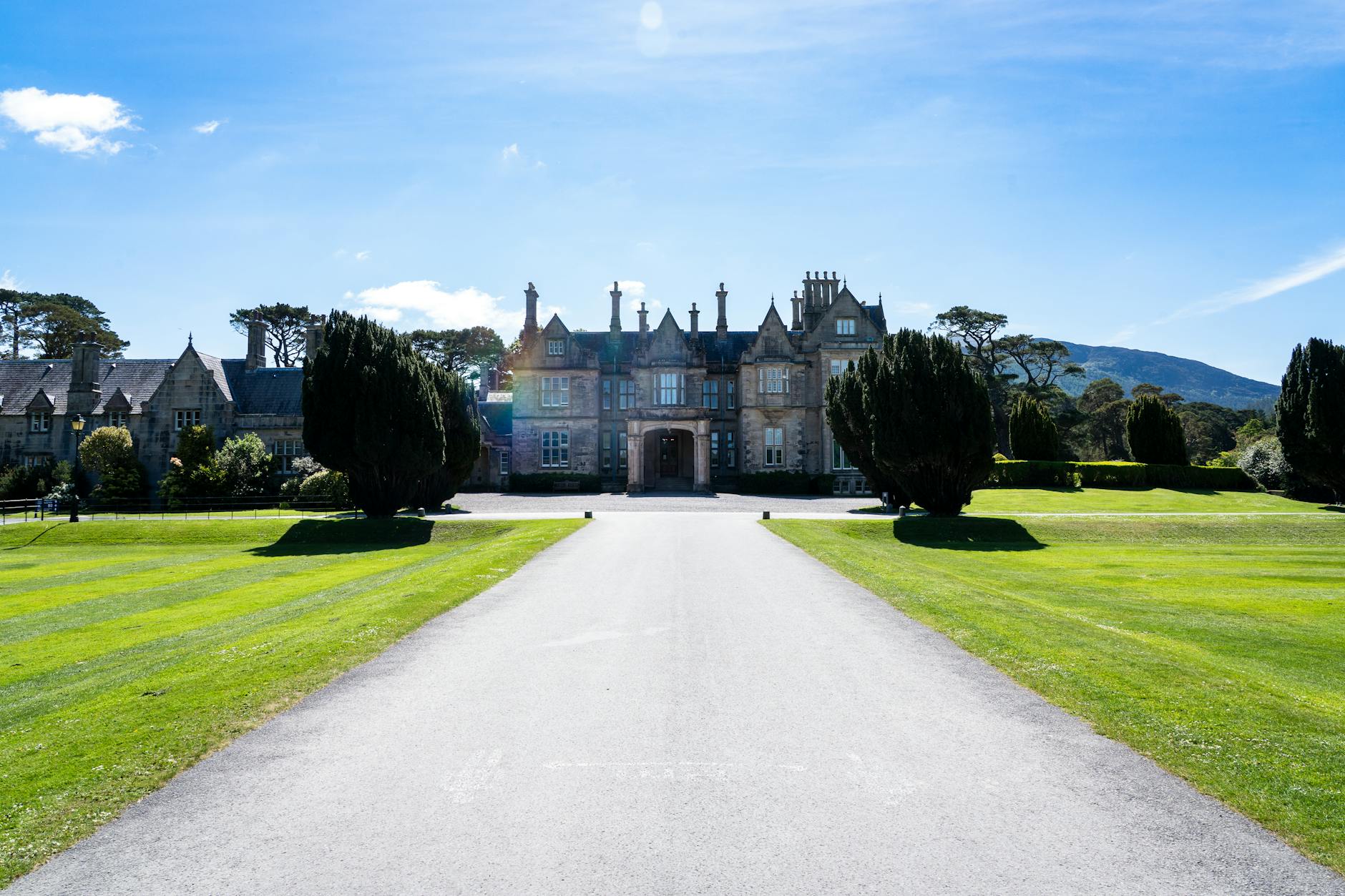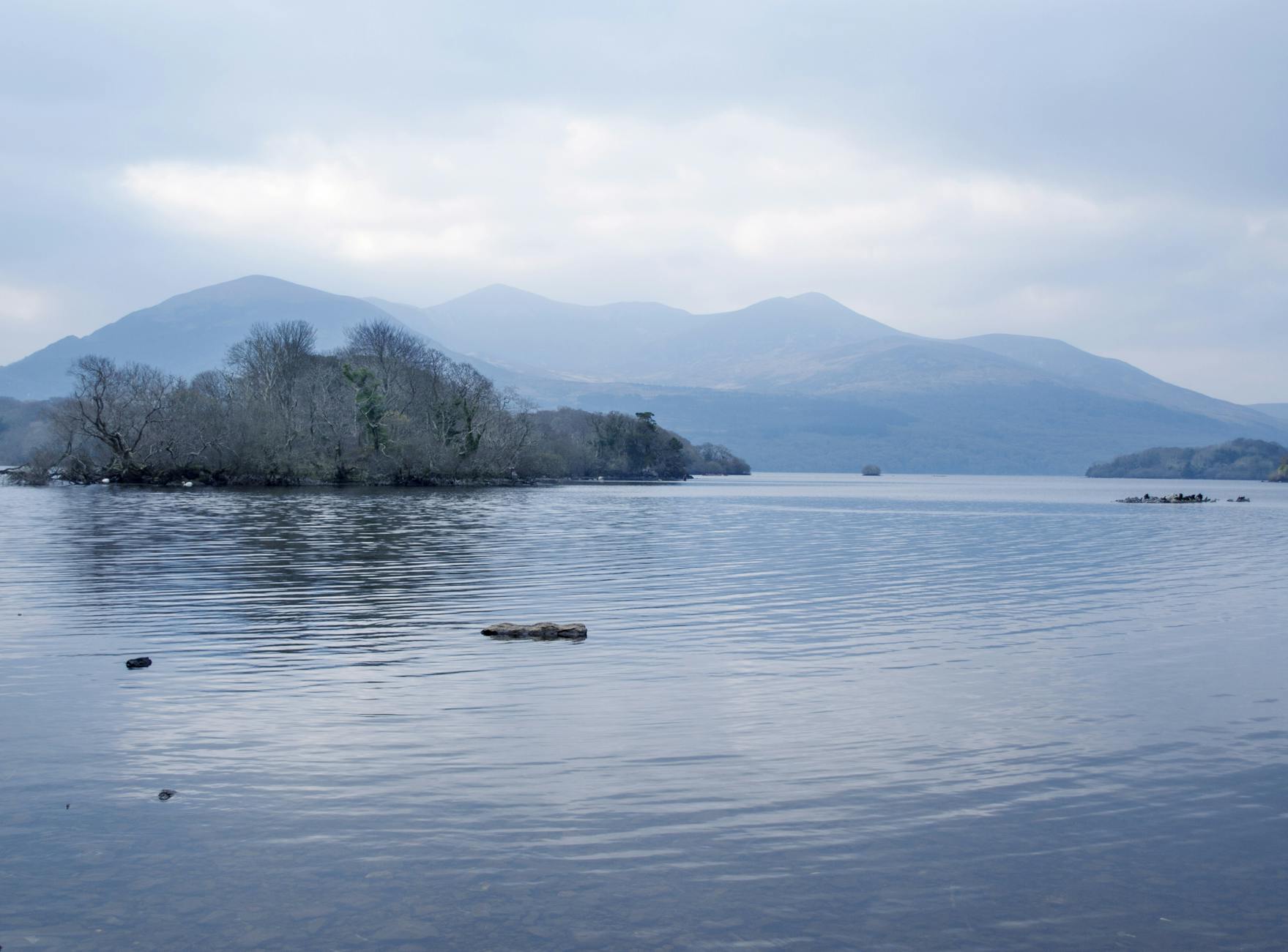
Killarney can support strong reporting on tourism, hospitality, conservation, rural economies, housing, climate, heritage, events, transport, outdoor recreation, or the wider Kerry visitor economy. It can also push a journalist toward easy scenic description if the assignment frame is not sharp enough before arrival. A useful reporting trip starts with the question the journalist is trying to answer. The town, national park, hotels, roads, visitor flows, local workers, operators, residents, and environmental pressures may all matter, but they do not all belong in the same piece. The plan should protect access, time, context, and deadline discipline.
Sharpen the assignment before arrival
A journalist should arrive in Killarney with a reporting question, not only a destination brief. The story might be about tourism pressure, conservation, hospitality labor, rural transport, events, visitor behavior, heritage, climate, accommodation costs, or a personal travel angle. Each frame needs different sources and locations.
Without a clear frame, the town's scenery can pull the work toward familiar travel writing. The journalist should decide what evidence would change the piece and what scenic detail is only color.
- Define the reporting question and the evidence needed before booking the trip.
- Separate story-critical sources from atmospheric detail.
- Avoid letting Killarney's beauty supply the argument.
Map sources by geography and availability
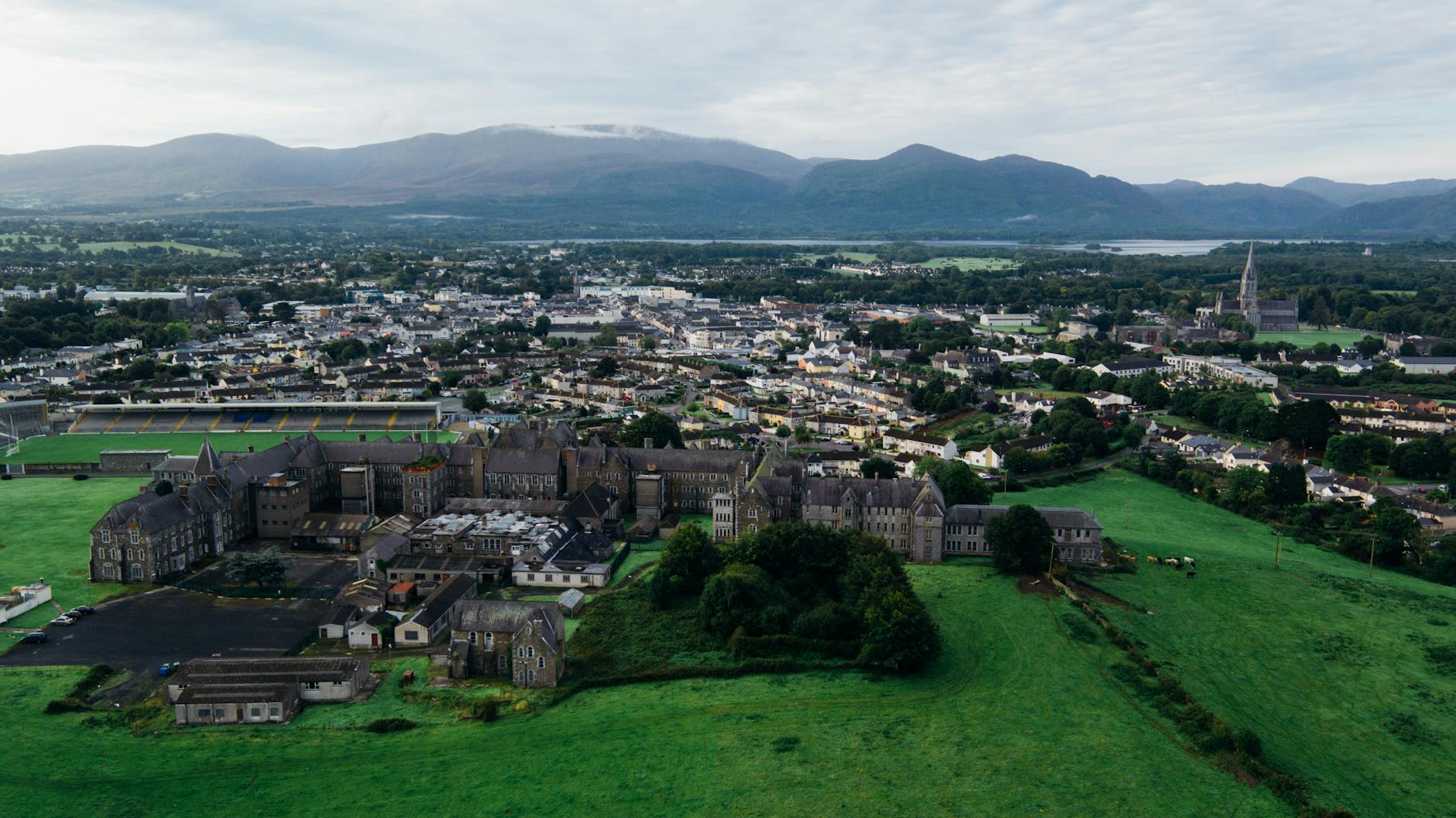
Killarney reporting can require conversations with hotel operators, guides, park stakeholders, restaurant owners, workers, residents, event organizers, transport providers, conservation voices, local officials, or visitors. These sources may not sit neatly in one walkable circuit.
The journalist should group interviews by location, availability, and sensitivity. Some conversations belong in a quiet indoor setting. Others require being on site. The schedule should leave enough room for sources who only become useful after the first reporting pass.
- Group interviews by location, availability, sensitivity, and recording conditions.
- Leave room for follow-up sources that emerge during reporting.
- Do not assume every useful voice will be available on a short visitor schedule.
Plan site access and transport like reporting tools
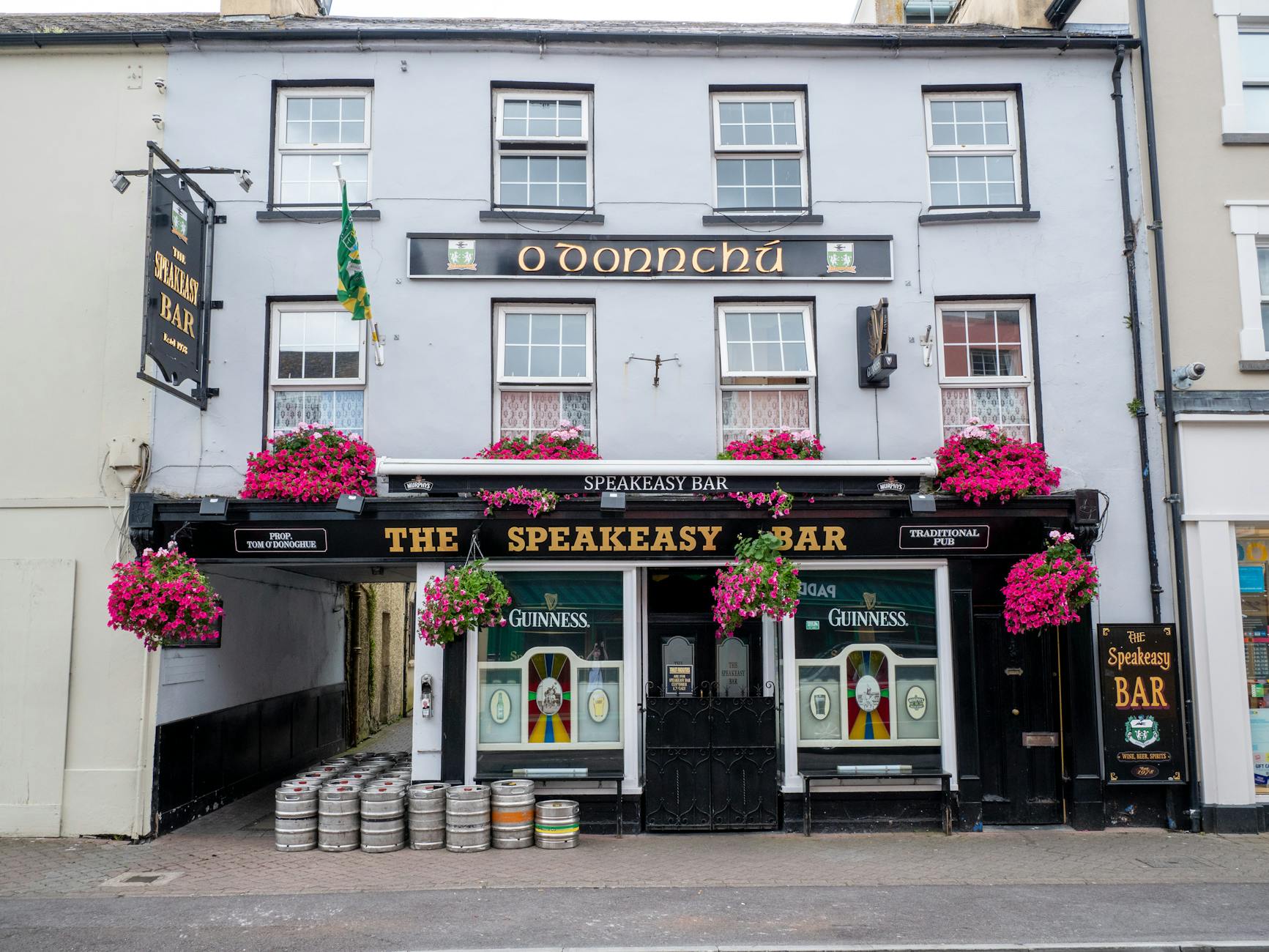
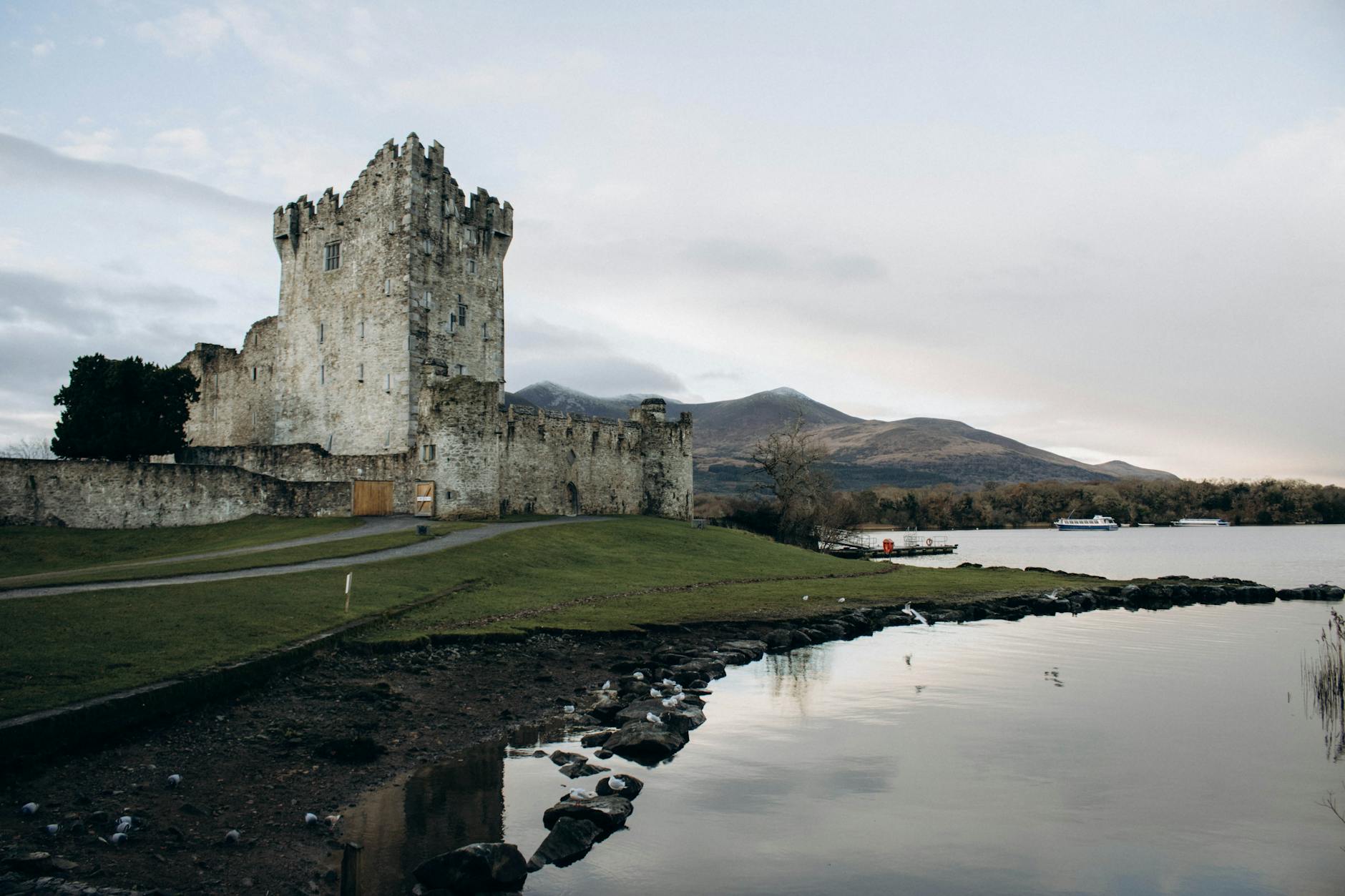
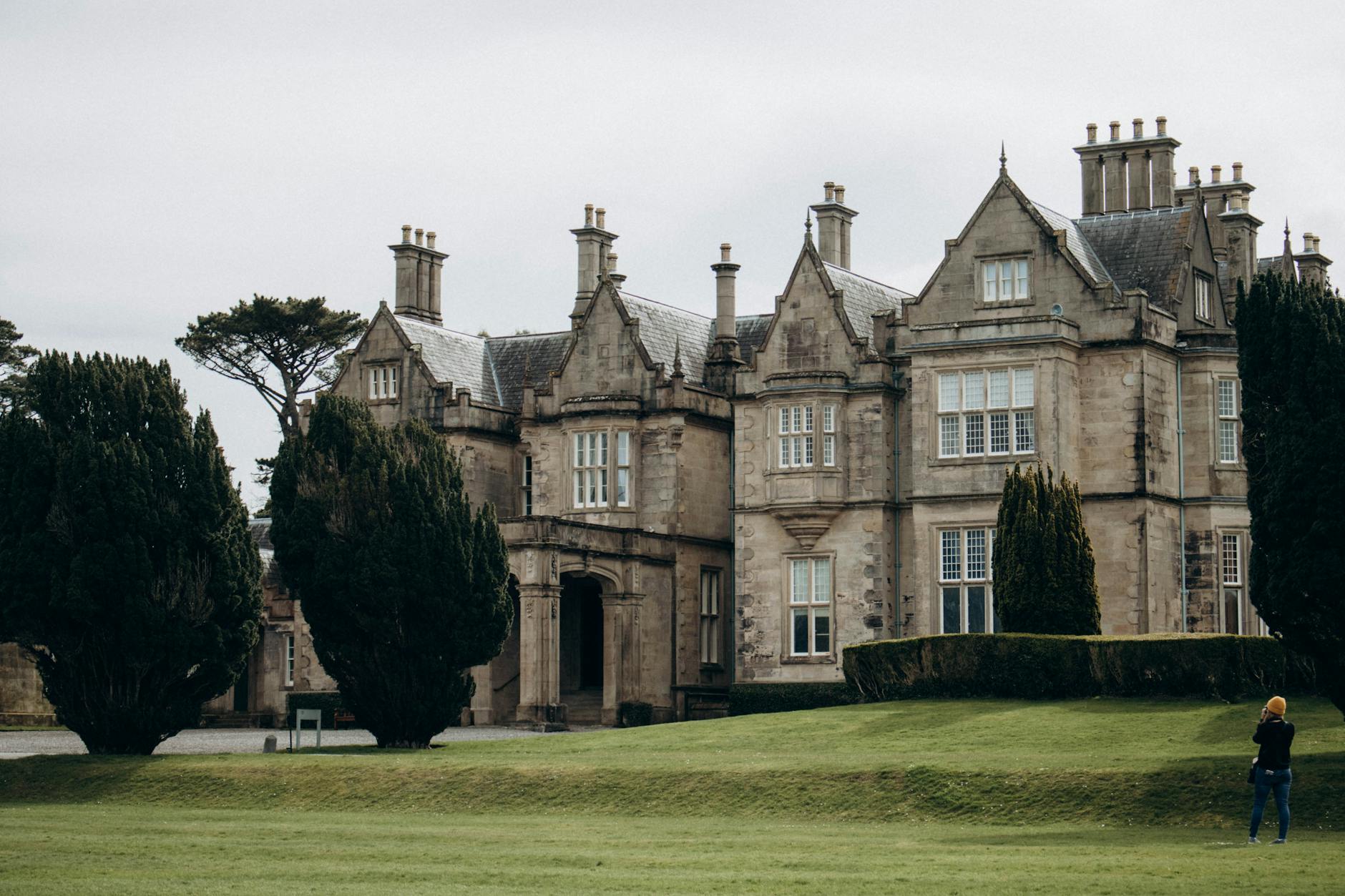
Killarney reporting may involve town streets, hotels, Muckross, Ross Castle, the lakes, park routes, roads into Kerry, or venues outside the center. The journalist should compare walking, taxis, rental cars, private drivers, rail, and tours by what they allow the story to observe.
A guided tour may provide context but limit independent timing. A rental car may support rural access but add fatigue and parking. A private driver can help when interviews and site visits need flexibility. Transport is part of the reporting method.
- Choose transport by what it allows the journalist to observe and verify.
- Match town, park, and regional reporting to realistic movement options.
- Add buffer for weather, roads, parking, and interviews that run long.
Protect recording quality and permissions
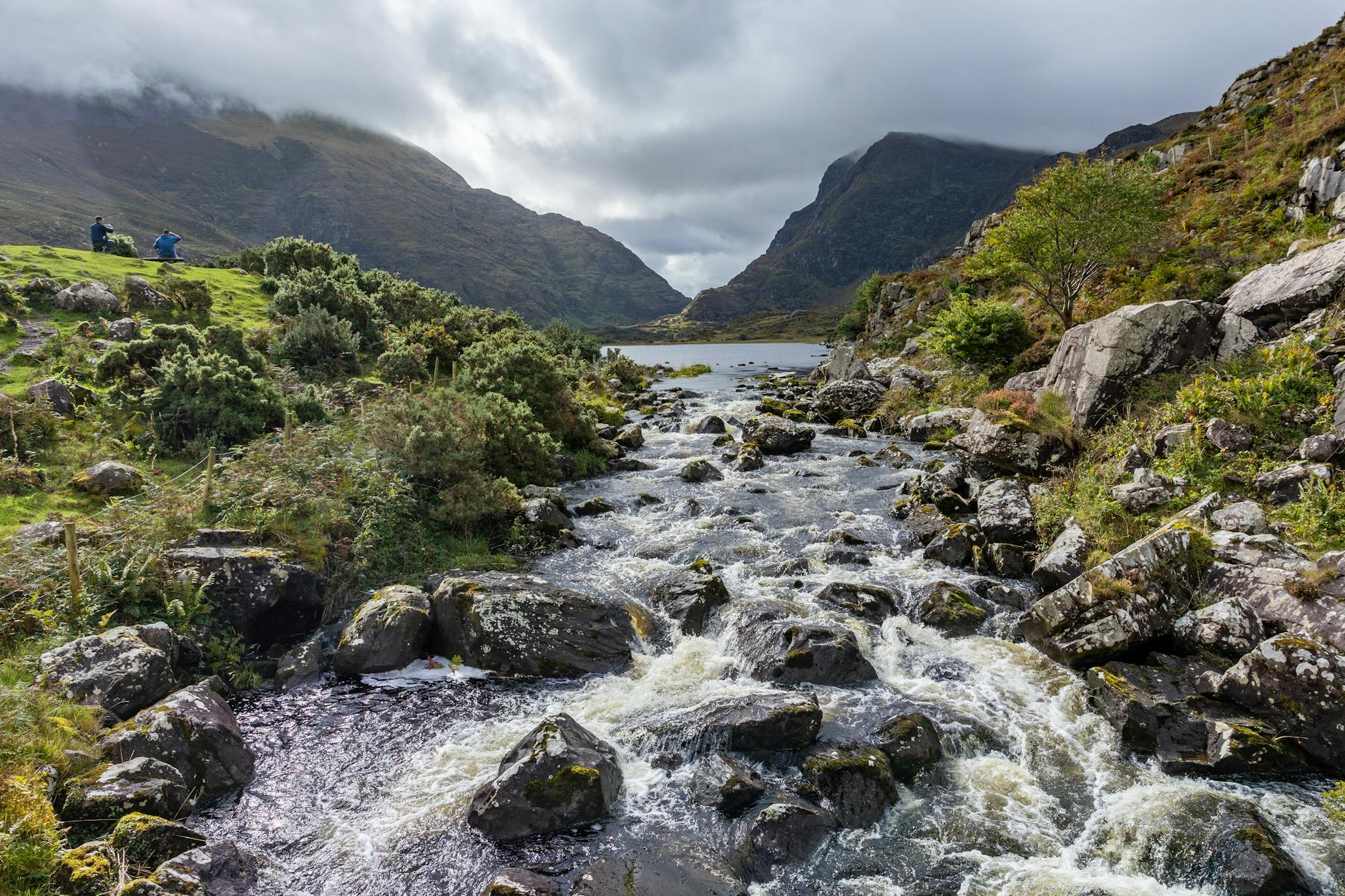
Killarney's best-looking locations are not always good recording locations. Wind, rain, traffic, music, tour groups, water noise, and crowded interiors can ruin audio or make a source uncomfortable. The journalist should identify backup indoor and outdoor spots for interviews.
Permissions matter too. Filming or photographing inside hotels, businesses, heritage spaces, events, or sensitive community settings may require advance approval. A quick visitor assumption can create problems for both the journalist and the source.
- Check audio conditions, crowd levels, weather, and backup interview locations.
- Confirm photo, video, drone, interior, and event permissions before relying on them.
- Carry gear protection for rain, wind, battery drain, and wet surfaces.
Handle source protection and local sensitivity
In a smaller destination economy, people may know one another across tourism, local government, hospitality, conservation, and community work. A journalist should think carefully about attribution, identifying details, meeting places, notes, and follow-up contact, especially when sources discuss employers, local politics, money, or conflict.
The traveler should not let the town's friendly atmosphere lower professional caution. Source safety, fair representation, and context matter as much in Killarney as in a larger city.
- Consider attribution, identifying details, meeting places, and follow-up contact carefully.
- Protect sensitive sources in a connected local economy.
- Keep friendly access separate from professional judgment.
Leave time to write, verify, and recover
A journalist can easily fill every hour in Killarney with interviews and scenery, then discover that notes are thin, quotes need checking, files are disorganized, and the deadline is closer than it felt. The schedule should include quiet work blocks for transcription, source follow-up, image review, and fact checks.
The hotel choice matters for this. Strong Wi-Fi, a desk, quiet, breakfast timing, and a reliable place to work can determine whether the trip produces a finished piece or only raw material.
- Schedule time for notes, transcription, fact checks, image review, and source follow-up.
- Choose lodging with Wi-Fi, quiet, desk space, and a workable routine.
- Protect deadline work from scenic overextension.
When to order a short-term travel report
A journalist with a simple assignment, confirmed sources, and flexible timing may not need a custom Killarney report. A report becomes useful when the story involves multiple sources, sensitive subjects, park or rural access, weather-dependent visuals, tight deadlines, limited budget, or a need to decide which Killarney context actually belongs in the piece.
The report should test assignment frame, sources, lodging, transport, site access, permissions, weather fallback, recording conditions, deadline blocks, budget, and what to cut. The value is a reporting trip that gets beyond the postcard without losing the place.
- Order when sources, access, permissions, visuals, deadlines, or transport need testing.
- Provide assignment frame, dates, source list, lodging options, transport needs, gear, budget, and constraints.
- Use the report to make the reporting plan sharper than the scenery.