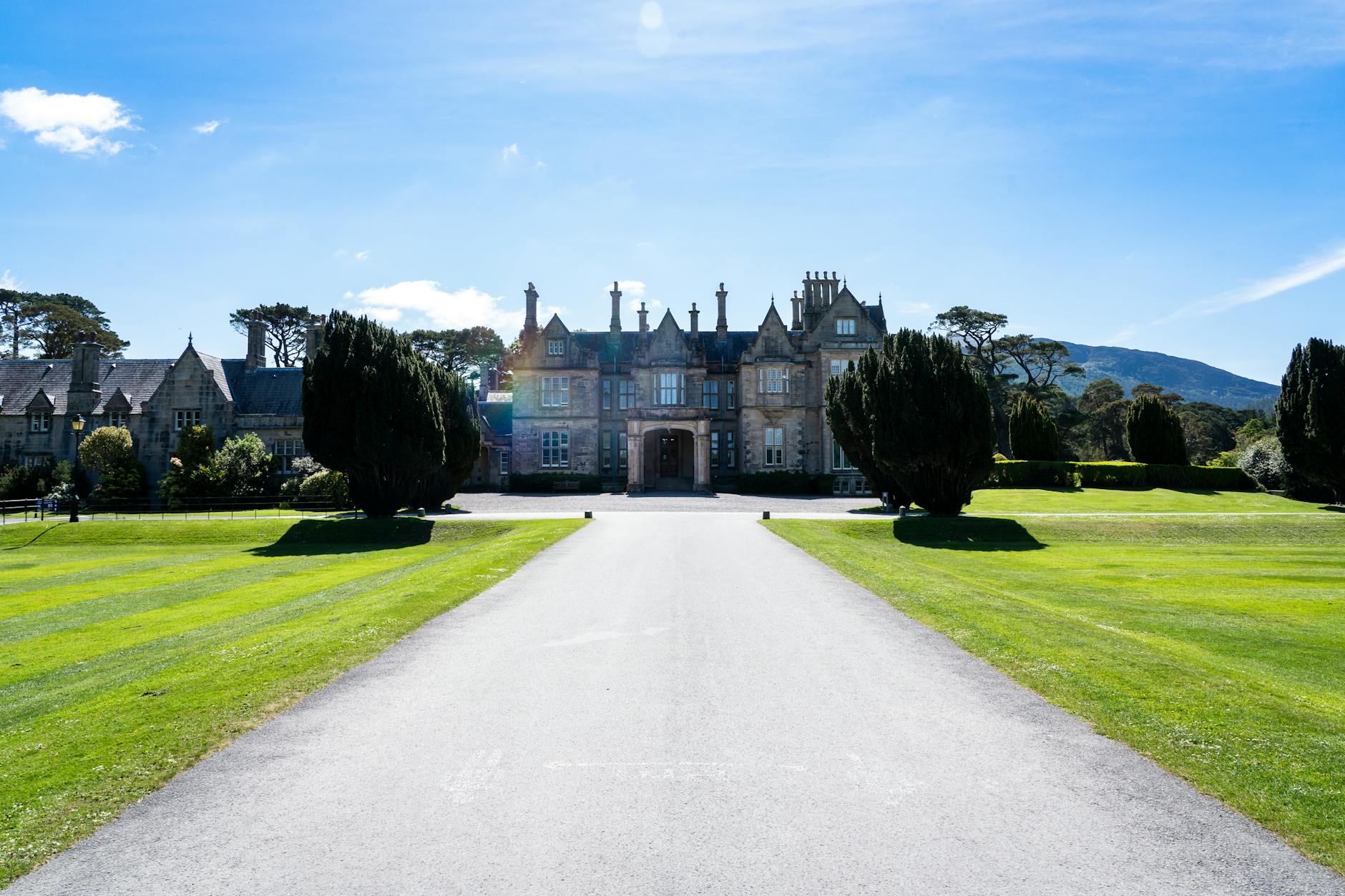
Killarney can matter to investors and deal teams when the opportunity involves hospitality, tourism assets, land, regional development, infrastructure, food and beverage, events, education, nonprofit partnerships, or family-owned businesses in Kerry. It is also a place where the setting can make a serious diligence trip feel deceptively relaxed. The better trip starts with the deal question. A first-look meeting, asset tour, management session, lender visit, partner dinner, site inspection, or board discussion each needs different access, privacy, transport, documentation, and recovery time. Killarney should be planned as a working environment, not just a pleasant backdrop.
Clarify the deal question before the itinerary
An investor or deal team member should know what the Killarney trip is meant to resolve before choosing the travel plan. The visit may need to test asset quality, management credibility, footfall, tourism seasonality, access, operating risk, local relationships, or expansion potential. Those questions require more than a generic meeting schedule.
The itinerary should separate must-answer diligence items from nice-to-see context. Killarney's appeal can make every view feel relevant, but the deal team needs to know which observations actually change the investment decision.
- Define the transaction question before booking flights, hotels, or site visits.
- Separate must-answer diligence items from pleasant but nonessential context.
- Use the trip to improve the investment decision, not only to inspect the destination.

Map site visits and management meetings realistically
Deal work around Killarney may involve hotels, visitor attractions, restaurants, land parcels, transport routes, event venues, suppliers, local advisers, or sites elsewhere in Kerry. These cannot be planned as if they sit in one business district. Roads, weather, parking, appointment discipline, and daylight can all affect what the team can inspect.
The team should map each site by purpose, duration, access, who needs to attend, and what evidence must be collected. A beautiful drive is not the same as a productive diligence route.
- Map sites, advisers, management meetings, suppliers, and venues by actual travel time.
- Assign a purpose and evidence target to each site visit.
- Build daylight, weather, parking, and road time into the diligence plan.
Protect confidentiality and document control
Killarney's visitor atmosphere can make sensitive work feel more casual than it is. Investors still need discipline around deal names, valuation, financing, personnel, documents, photographs, notes, calls, and who can overhear a conversation. Hotel lobbies, bars, taxis, and restaurant tables are not private diligence rooms.
The team should decide where confidential calls happen, how documents are shared, what can be photographed, how devices are handled, and which conversations should wait until a closed room is available.
- Plan private locations for calls, notes, document review, and internal debate.
- Control photographs, device visibility, document sharing, and deal names in public spaces.
- Treat taxis, bars, lobbies, and restaurants as public unless proven otherwise.
Choose access and transport by control
Killarney access may run through Kerry, Cork, Shannon, Dublin, rail, rental cars, or private drivers. For deal teams, the best option is often the one that gives control over arrival condition, confidential conversations, site timing, and the ability to adjust quickly when a meeting moves.
A rental car may work for a small team comfortable with rural roads. A private driver may be worth the cost when the team needs calls between stops, flexible routing, local knowledge, and less fatigue. The route should protect judgment.
- Compare airports, rail, rental cars, and drivers by control, privacy, and timing.
- Use private transport when site sequence, calls, or flexibility matter.
- Protect the team's decision quality, not only the transfer budget.
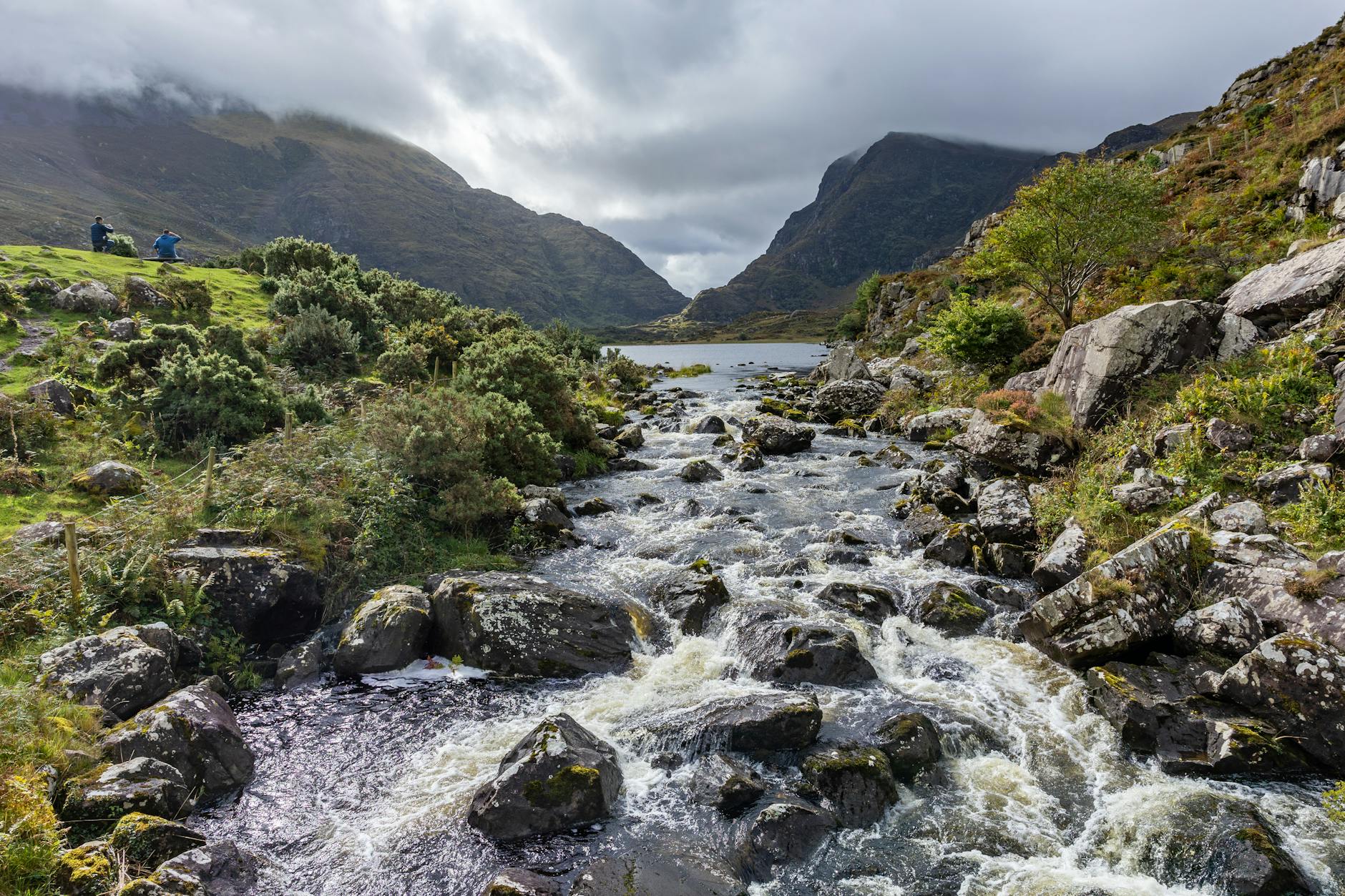
Make the hotel a working base
A deal trip needs lodging that supports work. The team may need strong Wi-Fi, quiet rooms, meeting space, breakfast timing, printing, parking, late check-in, secure luggage handling, and enough separation from counterparties or social noise. A scenic hotel can be wrong if it makes work awkward.
If the team is meeting management in the same hotel, boundaries matter. If the hotel is far from sites, transport matters. If the team needs internal debate, a private space may matter more than a view.
- Confirm Wi-Fi, meeting space, quiet, printing, parking, breakfast, and secure luggage handling.
- Think through separation from counterparties and the need for private team discussion.
- Choose lodging that supports the deal day before it supports leisure.
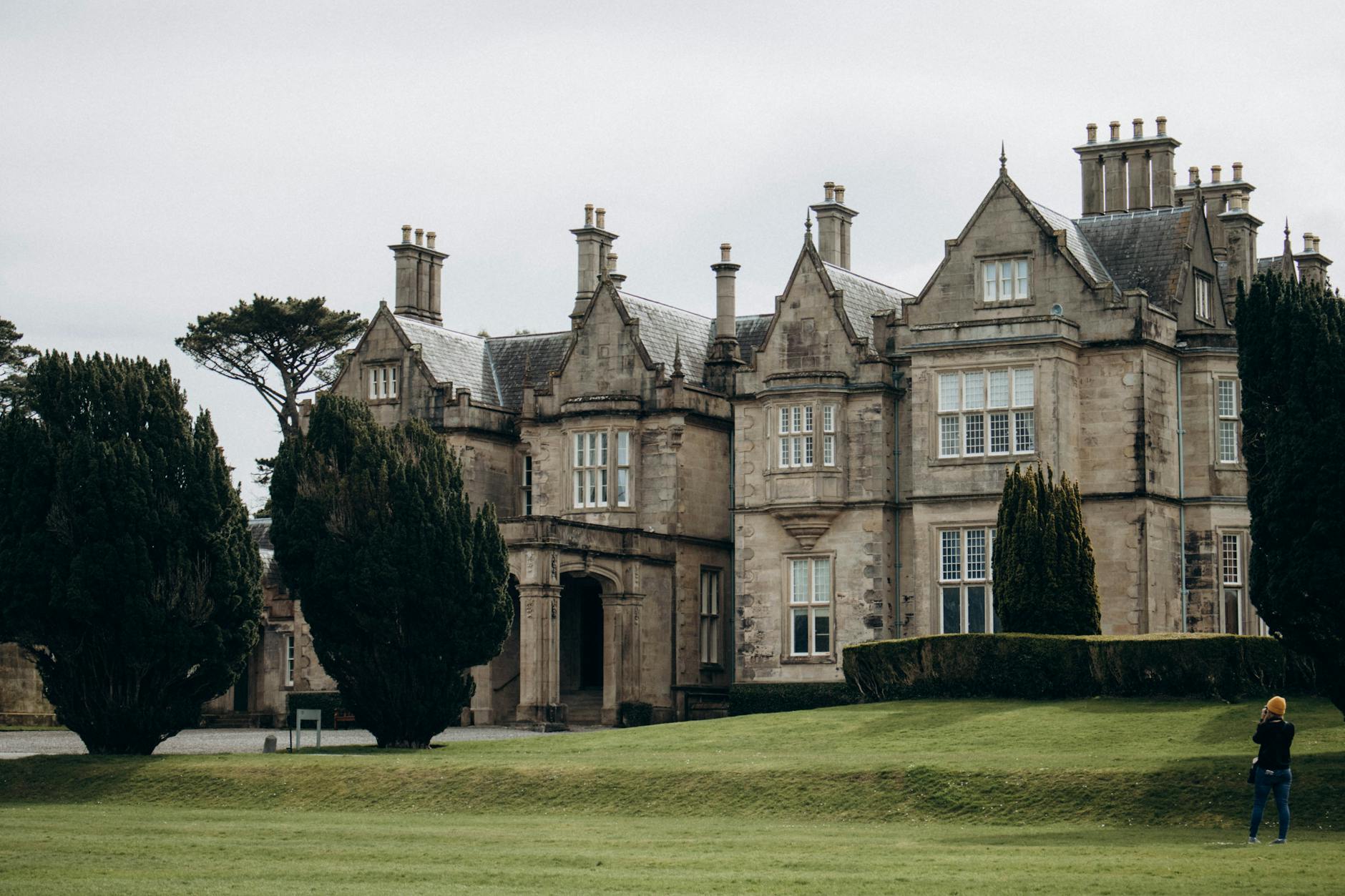
Use hospitality without softening diligence
Killarney hospitality can help a deal team understand operators, owners, managers, local relationships, and the feel of the market. A dinner, walk, site-hosted drink, or scenic drive can reveal useful context. It can also make the team too polite, too tired, or too loosely scheduled to ask hard questions.
The team should decide which meals are relationship-building, which are diligence, and which are internal work. The setting should improve perspective without replacing evidence.
- Classify meals as management, adviser, relationship, or internal team time.
- Use hospitality for context without letting it weaken questions or follow-up.
- Protect time for internal debate after hosted moments.
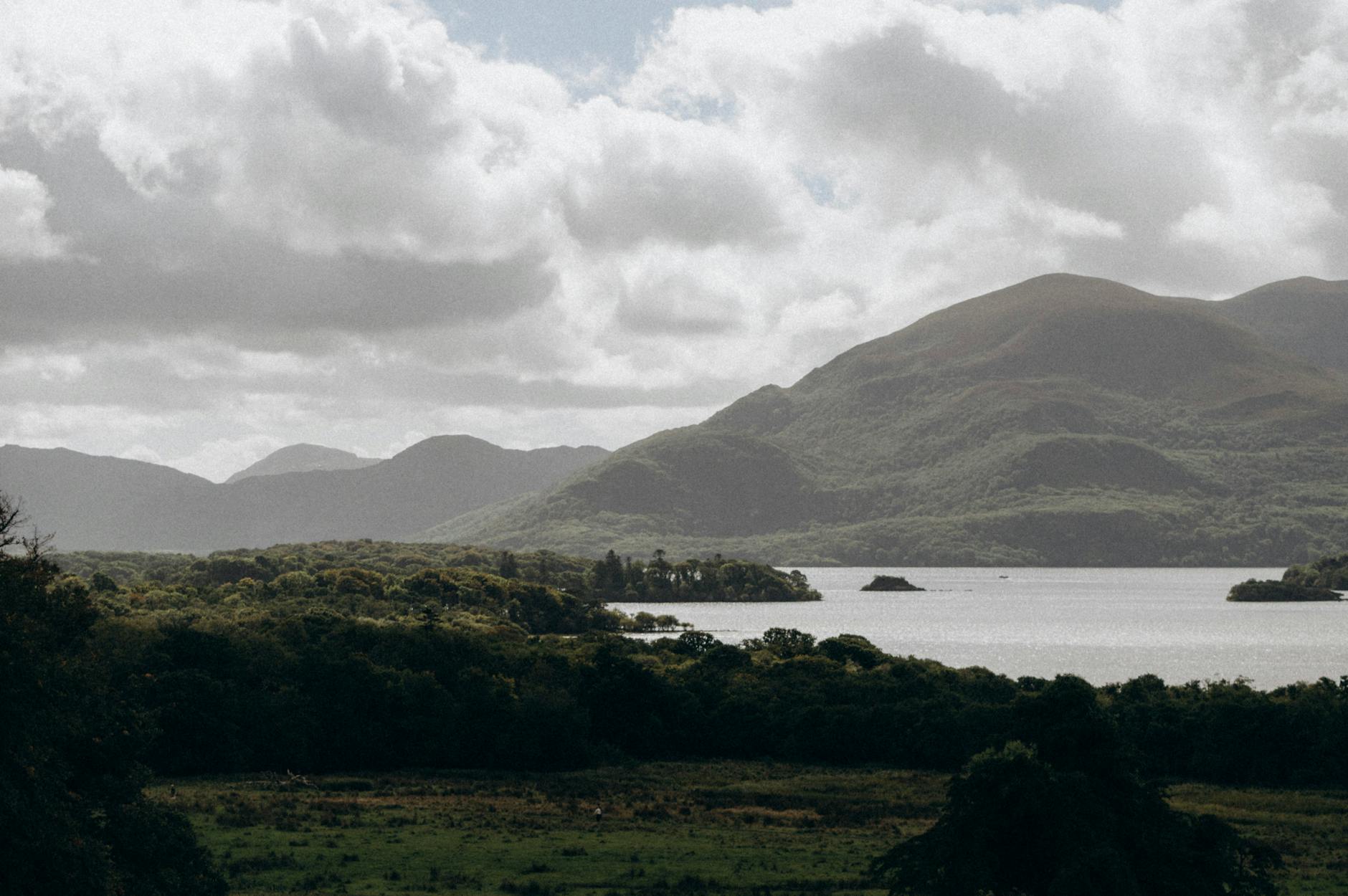
When to order a short-term travel report
An investor or deal team member with one straightforward meeting and local support may not need a custom Killarney report. A report becomes useful when the trip includes multiple sites, confidential work, senior principals, uncertain access, private transport choices, seasonal operating questions, hotel asset review, hospitality diligence, or a need to decide what can be skipped.
The report should test deal purpose, access, site sequence, hotel work fit, confidentiality, transport, meals, seasonal pressure, scenic context, budget, and what to cut. The value is a Killarney deal trip that uses the destination's context without confusing atmosphere for evidence.
- Order when diligence, access, sites, confidentiality, transport, hotels, or meals need testing.
- Provide deal purpose, dates, sites, meeting priorities, hotel options, transport needs, and budget.
- Use the report to make the trip serve the investment question.