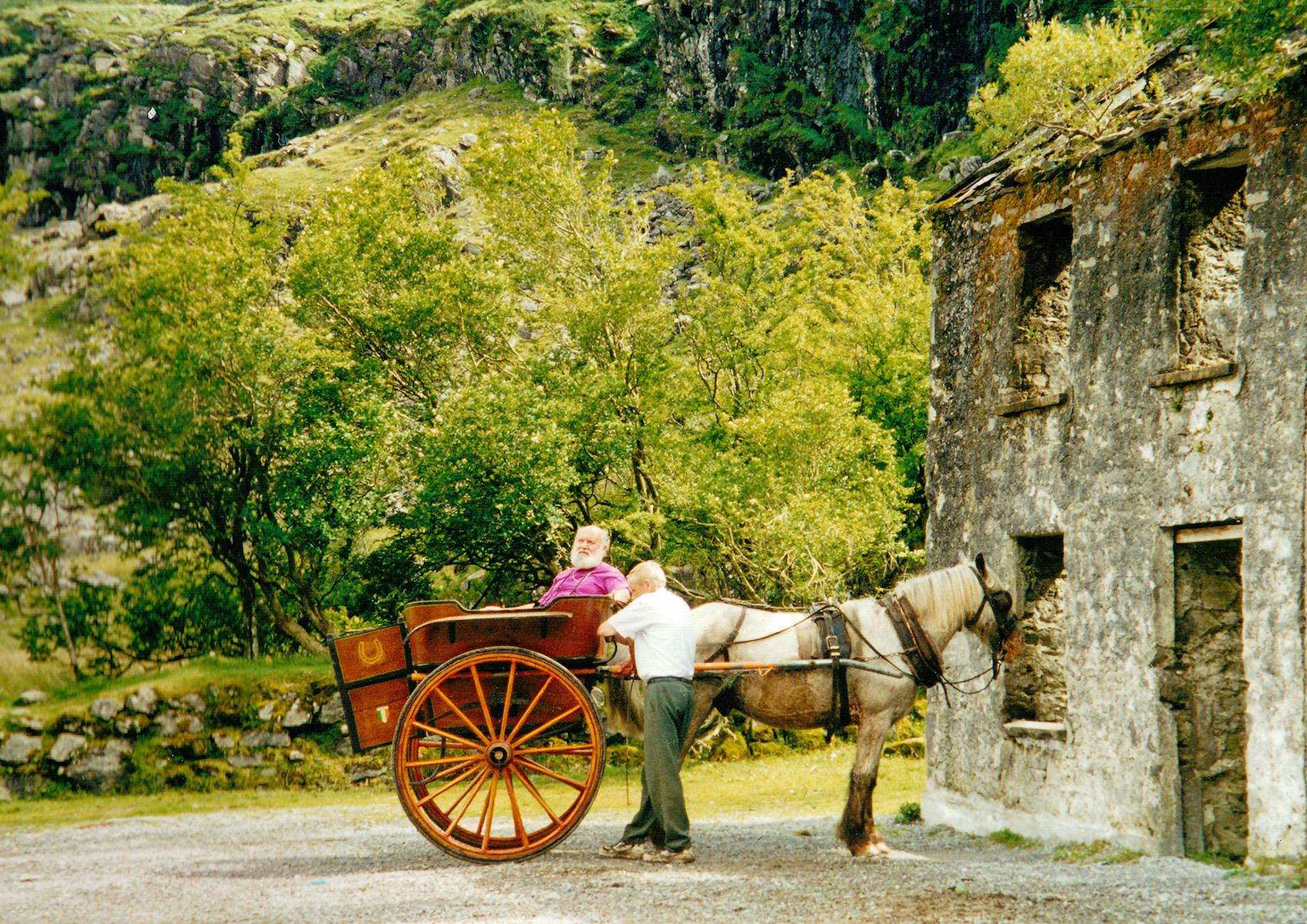
Killarney can work beautifully for families because it combines town services, hotels, restaurants, national park access, lakes, castles, waterfalls, carriage rides, wildlife, and scenic drives. It can also become too much if adults treat the trip like a full Kerry survey and children are expected to keep up with long roads, late dinners, wet paths, and constant transitions. A strong family Killarney stay should choose a base carefully, protect simple meals and sleep, use the park intelligently, and decide which scenic experiences are worth the family effort. The goal is not to shrink the trip. It is to make the most memorable parts easier to absorb.
Choose lodging around family friction
For families, Killarney lodging should be judged by how mornings and evenings work. Room layout, connecting rooms, parking, breakfast, elevators, laundry, crib or cot availability, pool access, noise, and distance to food can matter more than a slightly better view.
A central hotel can make meals and short walks easier. A resort-style property can give space and downtime. An outlying stay can work well with a car but may become awkward if every dinner requires coordination.
- Compare hotels by room layout, breakfast, parking, laundry, elevators, pool, noise, and meal access.
- Choose town convenience, resort space, or outlying quiet based on how the family actually moves.
- Do not let adult scenery preferences override basic family logistics.
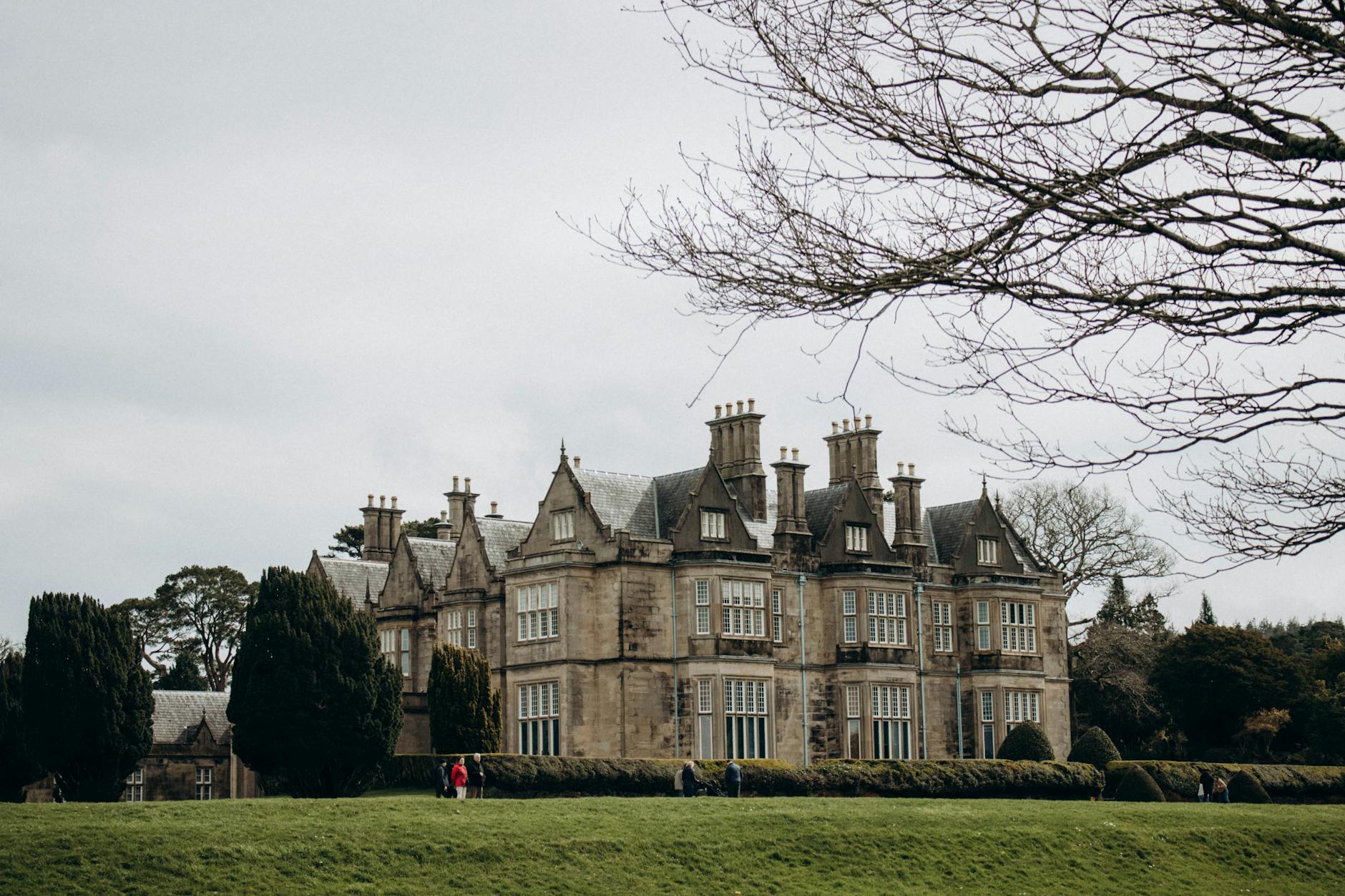
Use the park as the main family asset
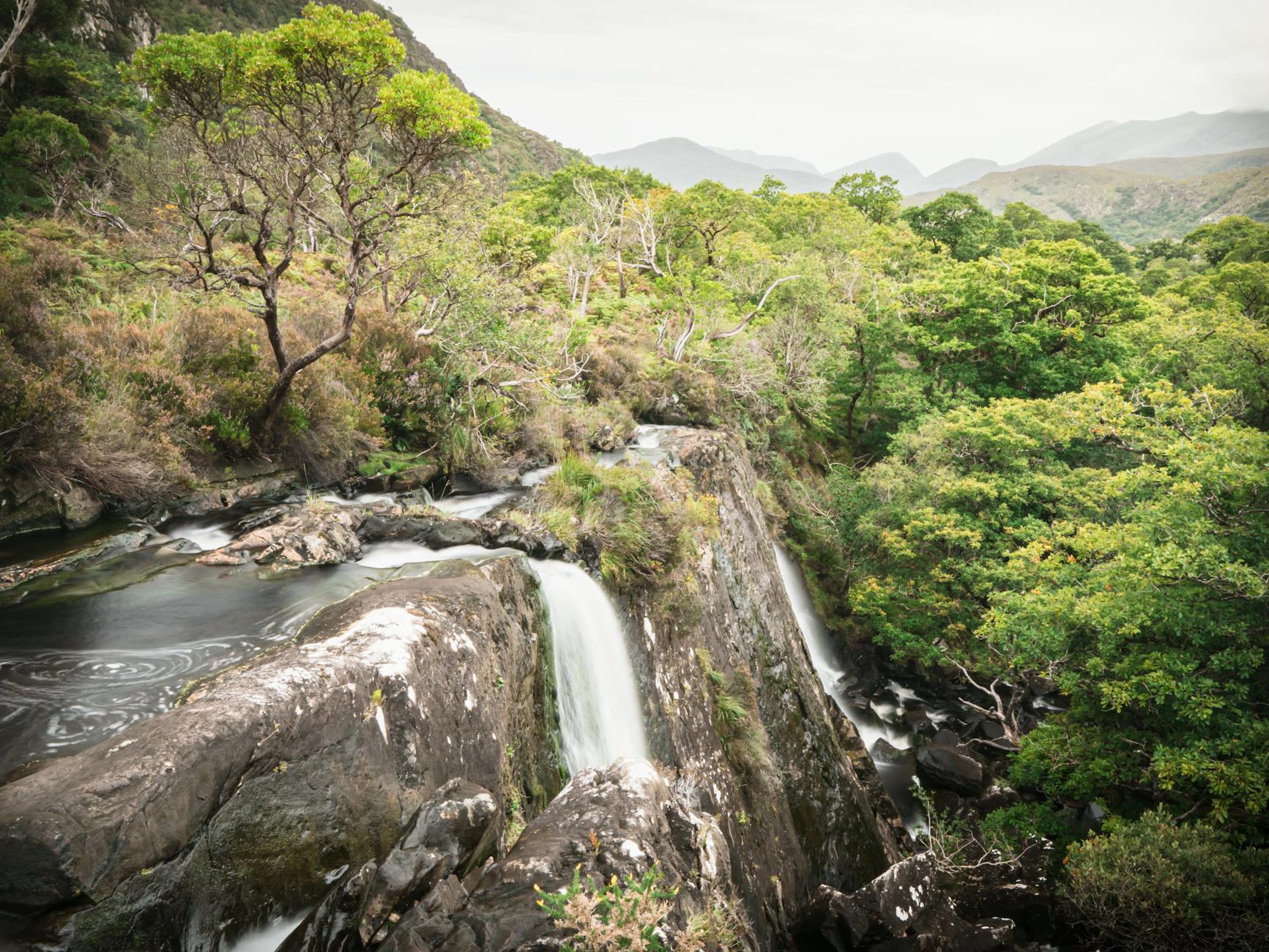
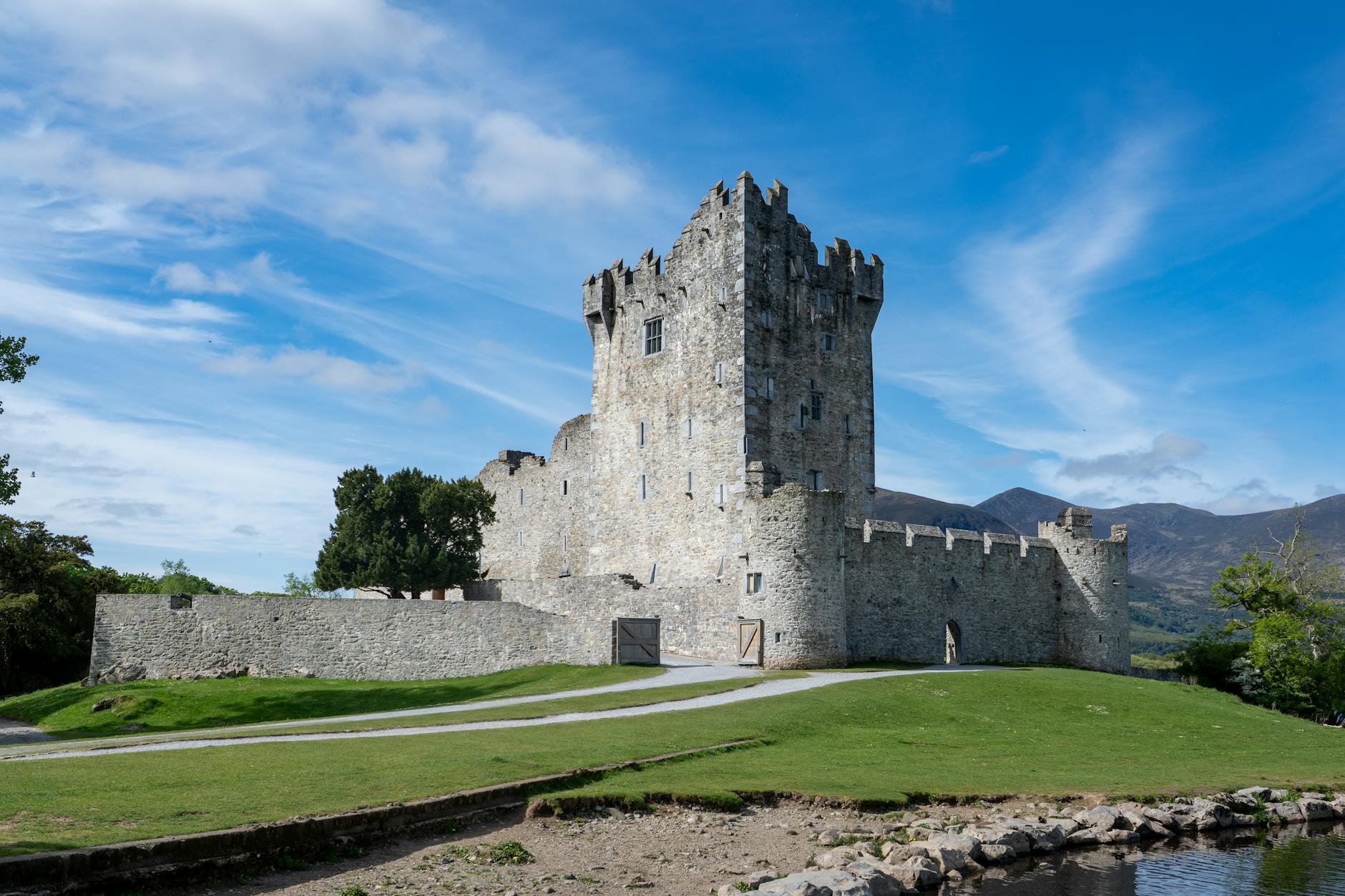
Killarney National Park can carry much of a family trip if the plan is realistic. Muckross, Torc Waterfall, Ross Castle, lake views, short walks, gardens, wildlife, and open space give families variety without needing constant long-distance movement.
The family should choose park segments by age, stroller needs, footwear, toilets, weather, snacks, and return effort. A short successful outing is usually better than a heroic route that drains the rest of the day.
- Build around short park segments, toilets, snacks, weather, and return logistics.
- Choose Muckross, Torc Waterfall, Ross Castle, lake views, or gardens by age and stamina.
- Use the park to reduce movement pressure rather than adding it to a packed day.
Be careful with long scenic drives
The Ring of Kerry and other big scenic routes can be wonderful, but families should not assume that famous means family-friendly. Long vehicle time, winding roads, short stops, weather, limited meal control, and tired children can turn a beautiful route into a survival exercise.
A shorter private route, a partial drive, a coach tour, or a local Killarney day may be better depending on ages and temperament. The scenic plan should fit the family, not the other way around.
- Test scenic drives against car tolerance, motion sickness, meals, toilets, naps, and return fatigue.
- Consider partial routes, private drivers, or local days instead of automatic full-day touring.
- Choose the day children can enjoy, not only the route adults want to complete.
Plan weather like a parent
Killarney weather can change quickly, and family trips feel the change faster. Wet shoes, cold children, tired grandparents, damp strollers, and no indoor fallback can unravel an otherwise good day. The plan should treat rain readiness as part of the trip design.
Families should pack layers, rain gear, extra socks, snacks, and simple indoor options. They should also keep the schedule flexible enough to reverse the order of park time, town time, and hotel rest.
- Pack layers, rain gear, spare socks, snacks, and practical shoes.
- Keep indoor or low-exposure options available for rough weather.
- Let weather change the order of the day without making the day feel lost.
Make meals predictable
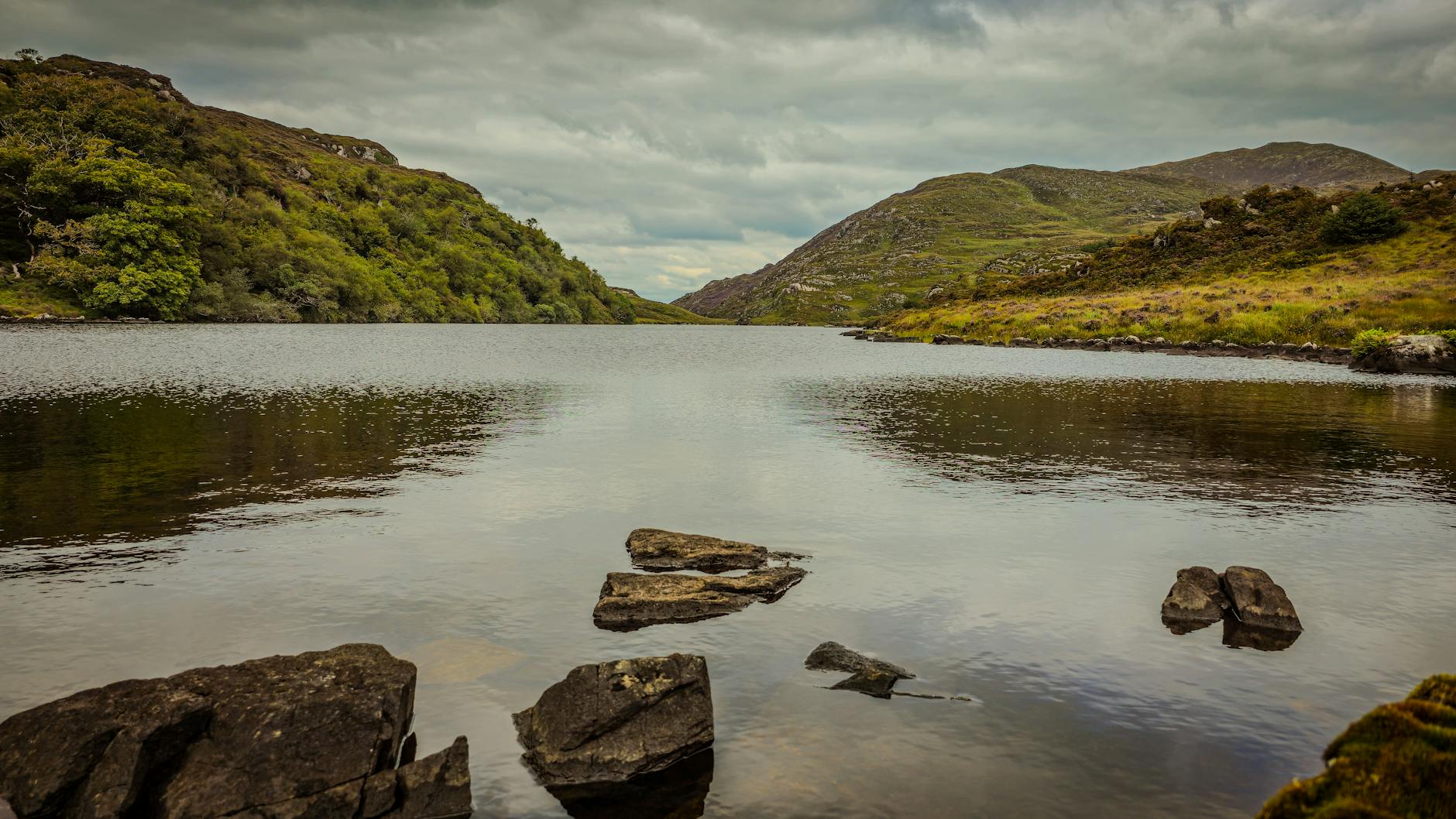
Family meals in Killarney need more planning than adults often expect. Popular restaurants can fill, dinner times may drift too late, and scenic days can leave everyone hungry at the wrong moment. A good family plan includes simple lunches, early dinners, backup options, and snacks in transit.
The family should reserve important meals, know which restaurants fit children or multigenerational groups, and avoid ending a long park or road day with a search for an acceptable table.
- Reserve key dinners and identify easy family-friendly options near the hotel.
- Plan snacks, lunch, hydration, and earlier meals around touring days.
- Avoid letting hunger become the day's main decision-maker.
Account for mixed ages
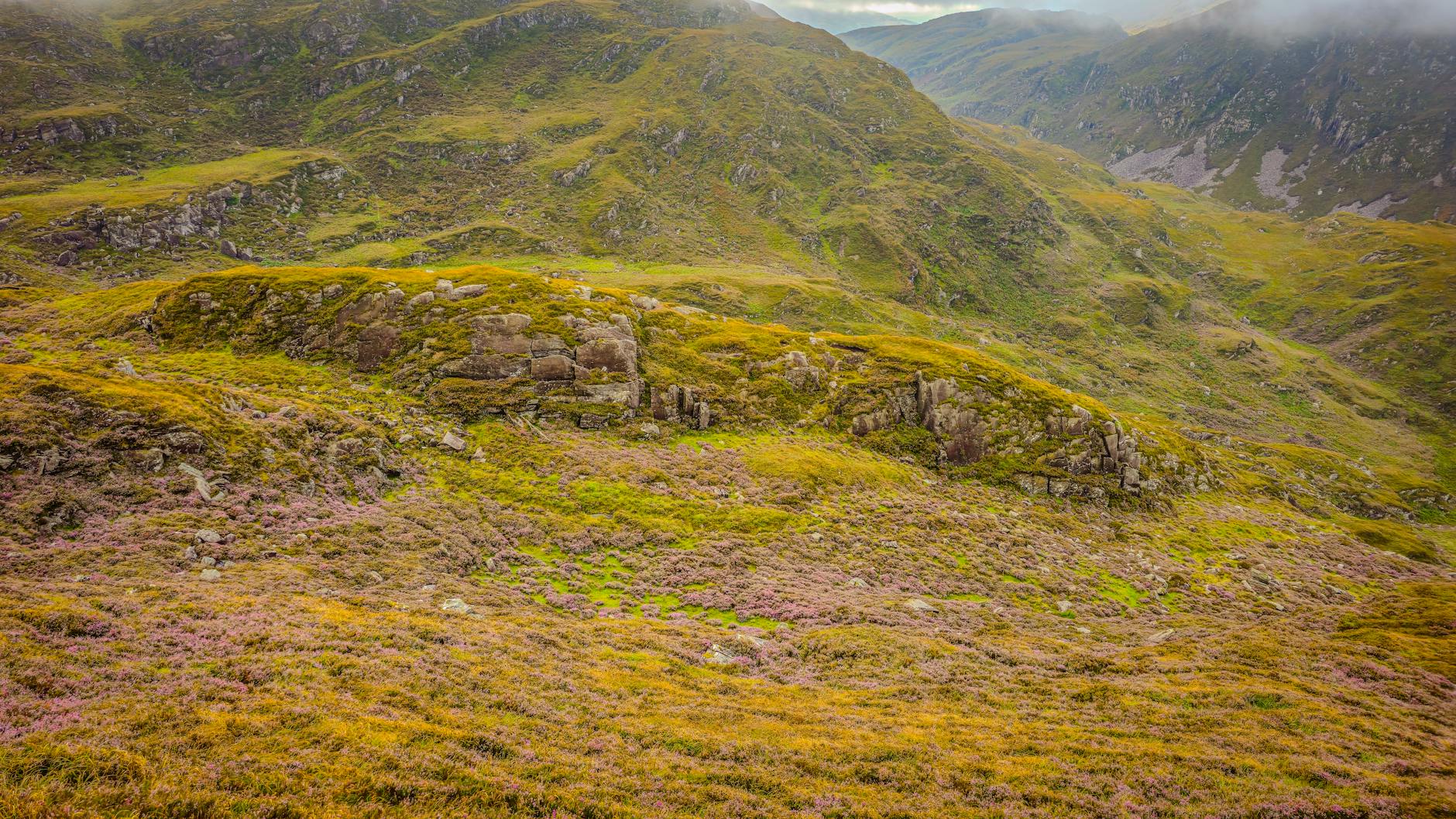
Many Killarney family trips are multigenerational. Children, parents, and older relatives may all want different versions of the same place. One person may want long walks, another may want scenic drives, another may need rest, and another may care most about animals, castles, or hotel pool time.
The plan should include optional splits, low-effort meeting points, and enough shared experiences that the family still feels like it traveled together. Not every hour needs to include every person.
- Plan for different walking speeds, nap needs, interests, and rest thresholds.
- Use optional splits and easy meeting points when the family wants different things.
- Protect a few shared moments instead of forcing constant togetherness.
When to order a short-term travel report
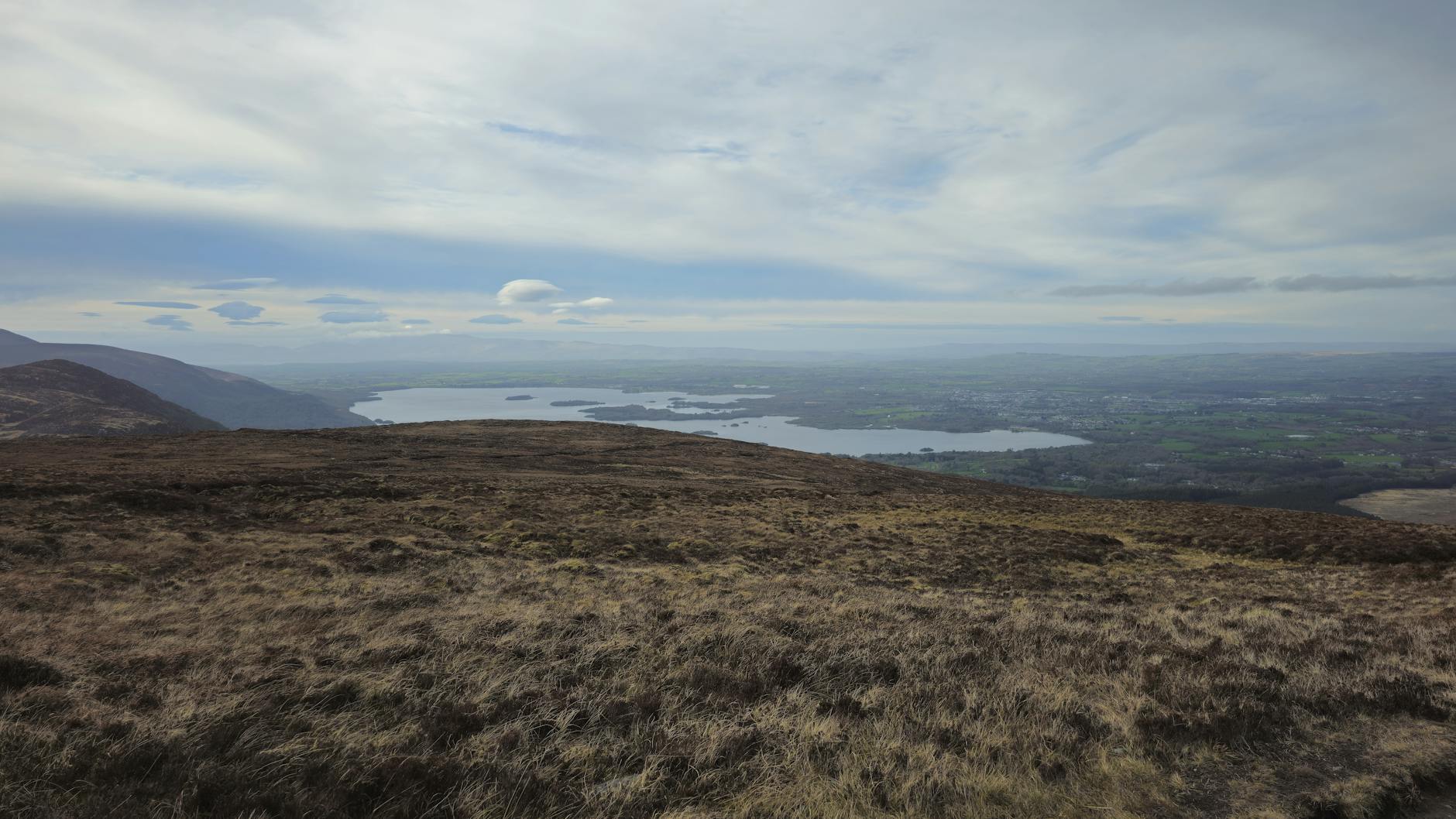
A family with a central hotel, relaxed schedule, and low-risk goals may not need a custom Killarney report. A report becomes useful when the trip includes young children, older relatives, car seats, motion sickness, uncertain lodging layout, a tight Ireland itinerary, expensive peak-season dates, or disagreement over scenic drives versus park time.
The report should test hotel fit, room setup, meals, transport, park routes, scenic-drive options, weather fallback, naps, multigenerational needs, budget, and what to skip. The value is a Killarney trip that feels memorable because it is manageable.
- Order when ages, room setup, meals, transport, weather, or scenic-drive decisions need testing.
- Provide dates, ages, hotel options, car plans, must-sees, meal needs, mobility limits, and budget.
- Use the report to make the family trip easier without making it smaller.