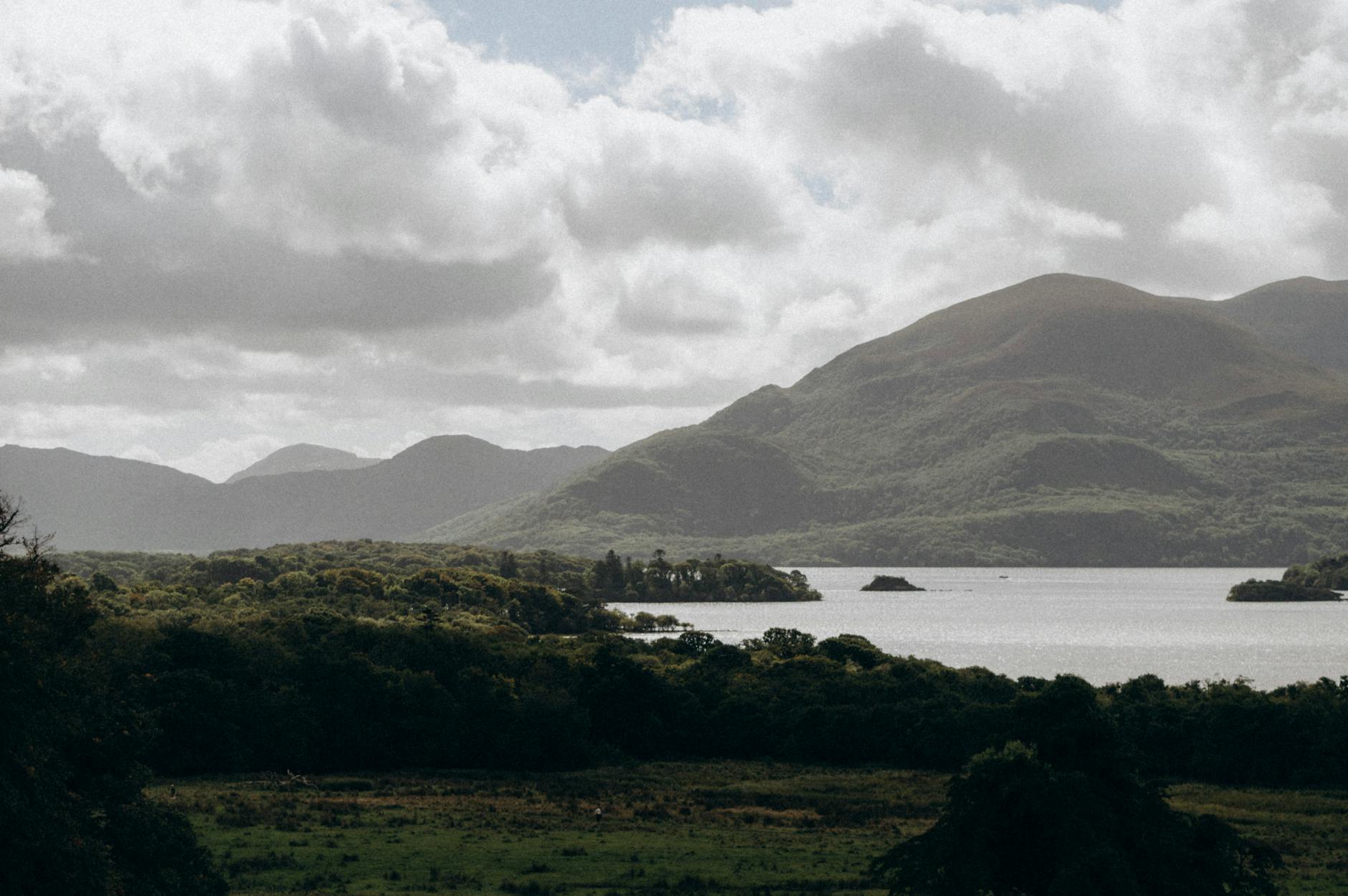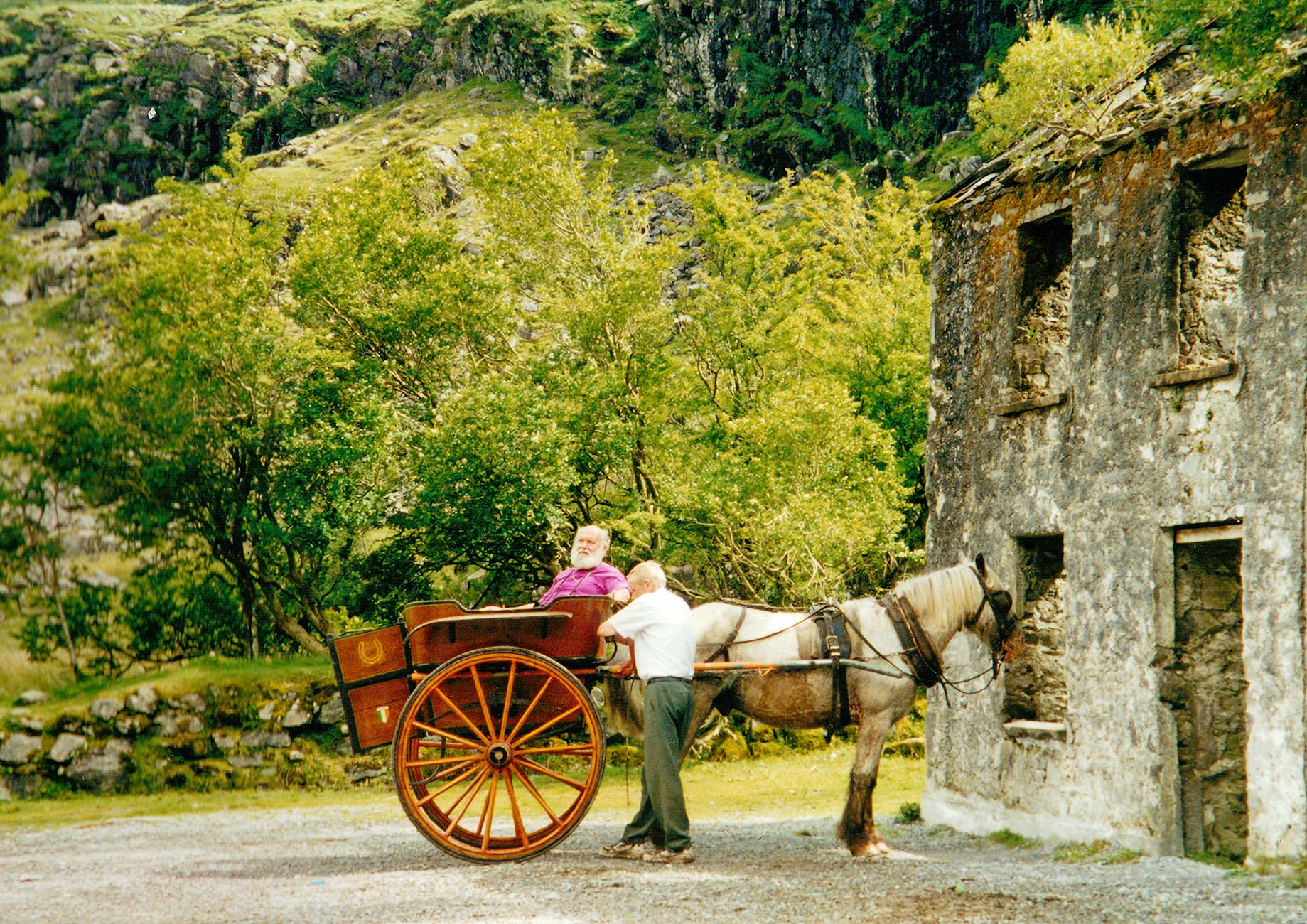
Killarney is visually generous: lakes, mountains, horses, parkland, Muckross, Ross Castle, waterfalls, pubs, winding roads, and a town that already knows it is being looked at. That makes it attractive for content creators. It also makes it easy to produce a shallow version of the place if the trip is built only around pretty backdrops. A strong creator trip starts with the content purpose. A destination guide, hotel review, outdoor itinerary, family travel piece, luxury stay, budget route, accessibility review, food story, or short-form scenic campaign each needs different timing, permissions, gear, captions, and movement.
Decide what the content is meant to do
A content creator should define the format and promise before arriving in Killarney. A practical guide needs different shots than a hotel collaboration. A hiking reel, food story, budget itinerary, mobility review, romantic weekend, or brand campaign each asks the destination different questions.
Without that decision, the trip can become a pile of beautiful clips that do not help the audience. The creator should know what the viewer is supposed to understand, choose, or feel after the piece is published.
- Define the format, audience, and useful promise before choosing locations.
- Separate practical coverage from purely atmospheric footage.
- Avoid collecting beautiful clips without a clear editorial purpose.
Build routes around light, weather, and crowd pressure
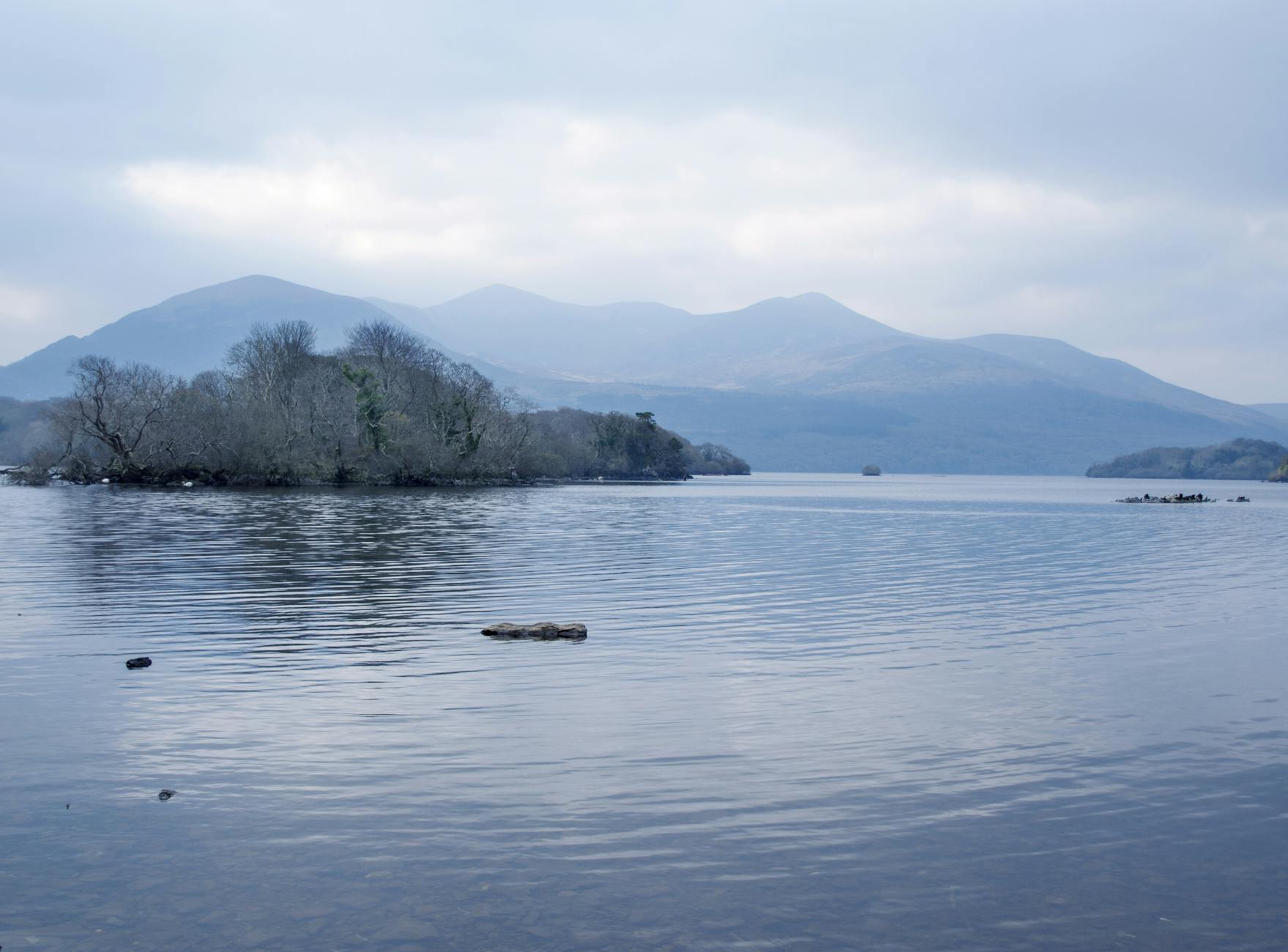
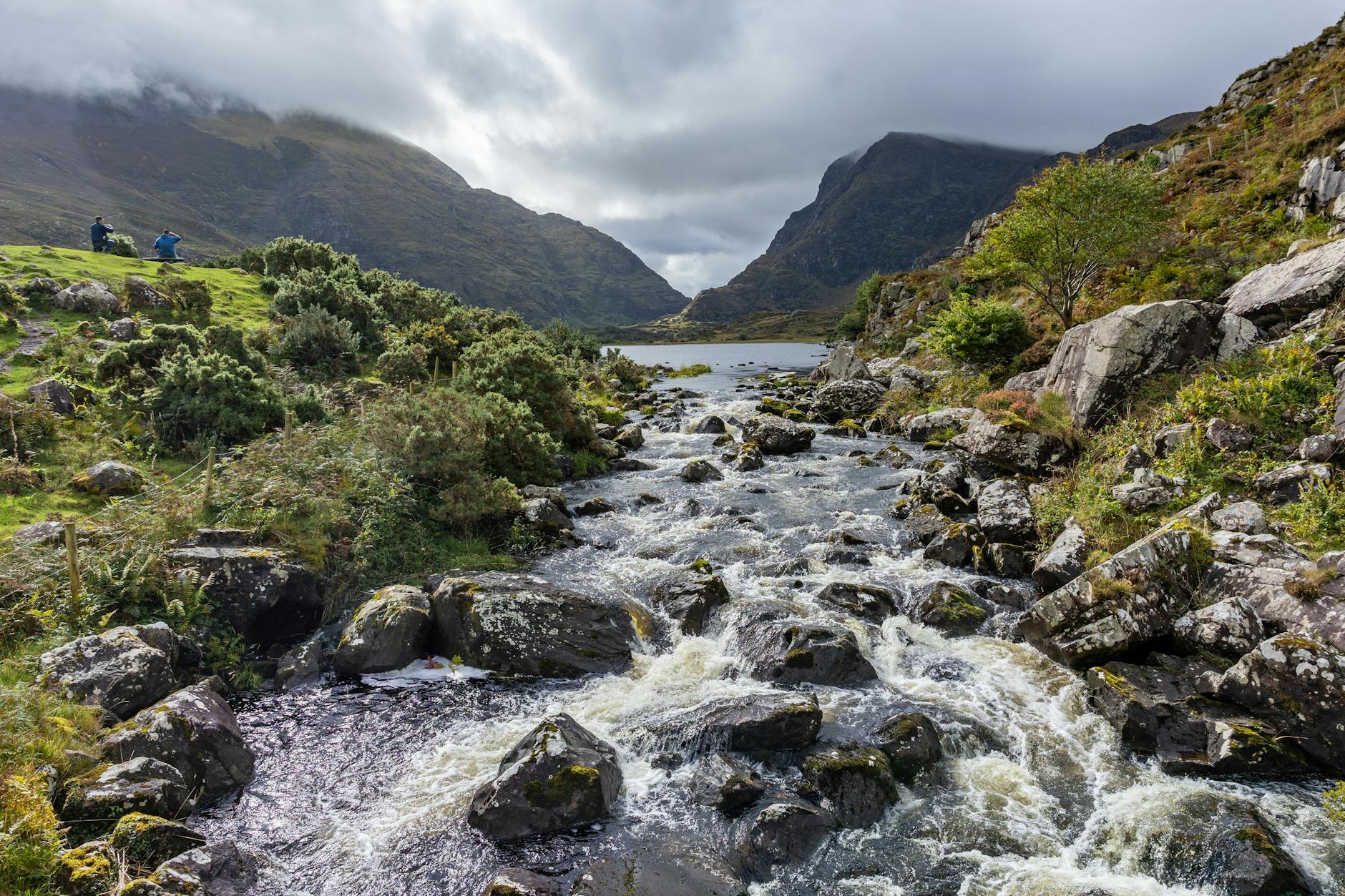
Killarney content depends heavily on light and weather. Rain, mist, wind, cloud, glare, and wet paths can change what works. Crowds, coach groups, horses, road traffic, and restaurant rushes can affect both the shot and the traveler's ability to move respectfully.
The creator should plan priority locations by time of day and have a rain version that still feels like Killarney. A flexible route is more useful than a rigid checklist when the landscape keeps changing.
- Plan priority shoots by light, weather, crowd patterns, and access.
- Prepare a rain version that still supports the content purpose.
- Use flexibility to improve the work instead of chasing every famous stop.
Respect permissions and shared spaces
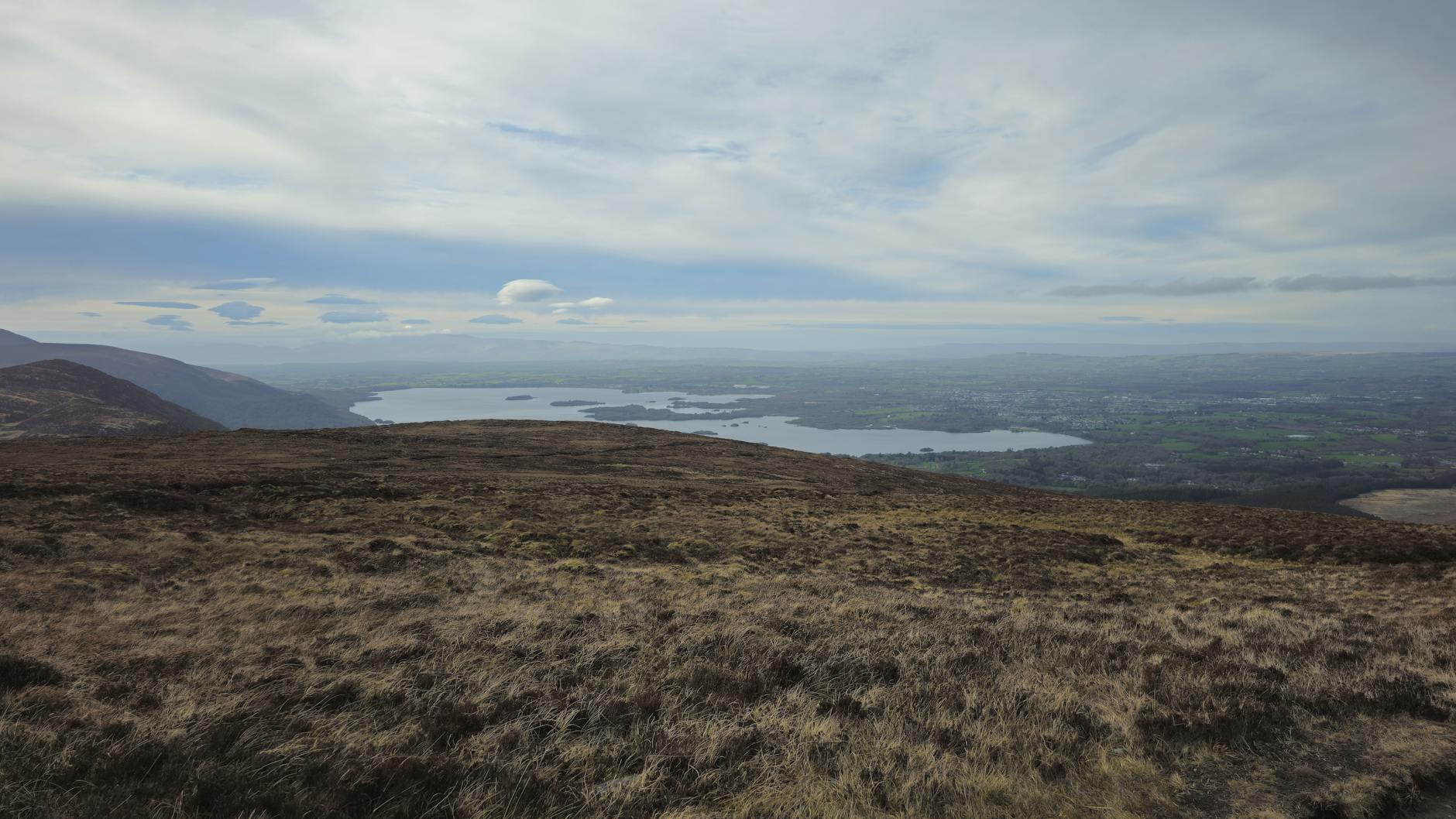
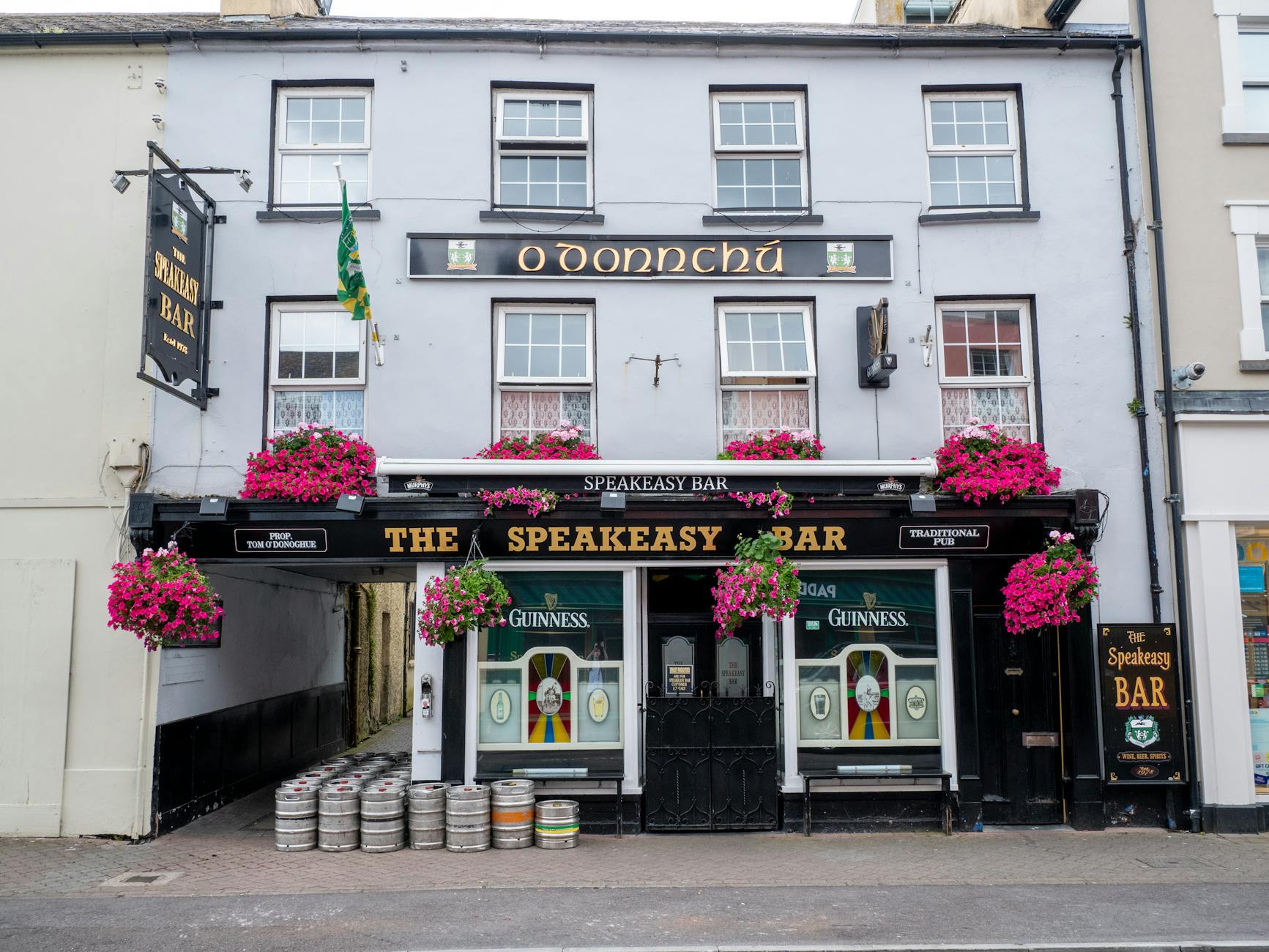
Killarney is a real town, working tourism economy, national park environment, and community space. Content creators should check rules for commercial filming, drones, interiors, private hotels, restaurants, events, guides, guests, and people who may appear in the background.
A shot that is technically possible may still be inconsiderate. Narrow paths, busy pubs, carriage routes, hotel entrances, sacred or heritage spaces, and private-looking corners require judgment. The creator's workflow should not make other people manage around them.
- Check rules for drones, commercial filming, interiors, hotels, restaurants, and events.
- Be careful with identifiable people, staff, guests, guides, and community spaces.
- Do not let production needs override shared use of the destination.
Choose transport by production value
A creator may need a rental car, private driver, tour, bike, taxi, or walking route depending on the content. The cheapest movement is not always best if it costs daylight, misses a weather gap, prevents gear management, or forces rushed shooting in places that need patience.
For wider Kerry coverage, transport should be chosen by the stops, timing, gear, parking, safety, and ability to adapt. A private driver may be worth it for a creator who needs to shoot and take notes between locations rather than navigate every road.
- Compare transport by daylight, gear, parking, flexibility, safety, and route control.
- Use drivers or tours when they improve timing and reduce missed shots.
- Do not overextend the route just because Killarney sits near famous roads.
Plan gear, batteries, backup, and upload
Killarney can be hard on gear through rain, wind, wet ground, long outdoor days, and limited pauses for charging. The creator should carry rain protection, lens cloths, power banks, storage, backup cards, practical shoes, and a plan for protecting equipment during meals or crowded stops.
Upload and editing needs should be checked before relying on them. Hotel Wi-Fi, desk space, quiet, check-in timing, and cloud backup can matter as much as the next view when the trip is tied to a deadline or campaign obligation.
- Carry rain protection, power, storage, lens cloths, backups, and practical footwear.
- Confirm hotel Wi-Fi, desk space, quiet, and cloud backup needs.
- Build editing and file-management time into the trip.
Keep the story bigger than the shot
Killarney content improves when it explains how the destination actually works: town versus park, car versus no car, weather tradeoffs, meal timing, lodging location, crowd management, scenic-drive fatigue, and what visitors should skip. A pretty clip may attract attention, but useful context builds trust.
The creator should collect practical details while shooting: walking times, costs, reservation needs, accessibility notes, weather conditions, crowd timing, and what did not work. The strongest content often comes from judgment, not just access.
- Capture practical notes on timing, costs, access, weather, crowds, and reservations.
- Explain tradeoffs instead of presenting every stop as equally essential.
- Use the destination's beauty to support useful judgment.
When to order a short-term travel report
A content creator with a familiar format, loose deadlines, and a simple Killarney plan may not need a custom report. A report becomes useful when the trip involves a paid campaign, tight weather window, specific deliverables, hotel or brand obligations, drone or filming questions, mobility or budget constraints, or a need to choose between too many scenic possibilities.
The report should test content purpose, routes, weather, permissions, lodging, transport, upload needs, crowd timing, budget, ethical constraints, and what to cut. The value is a Killarney content trip that produces useful work instead of only attractive fragments.
- Order when deliverables, routes, permissions, weather, transport, or upload needs require testing.
- Provide dates, content goals, platforms, lodging options, gear, transport plans, budget, and constraints.
- Use the report to make the content more useful than the backdrop.