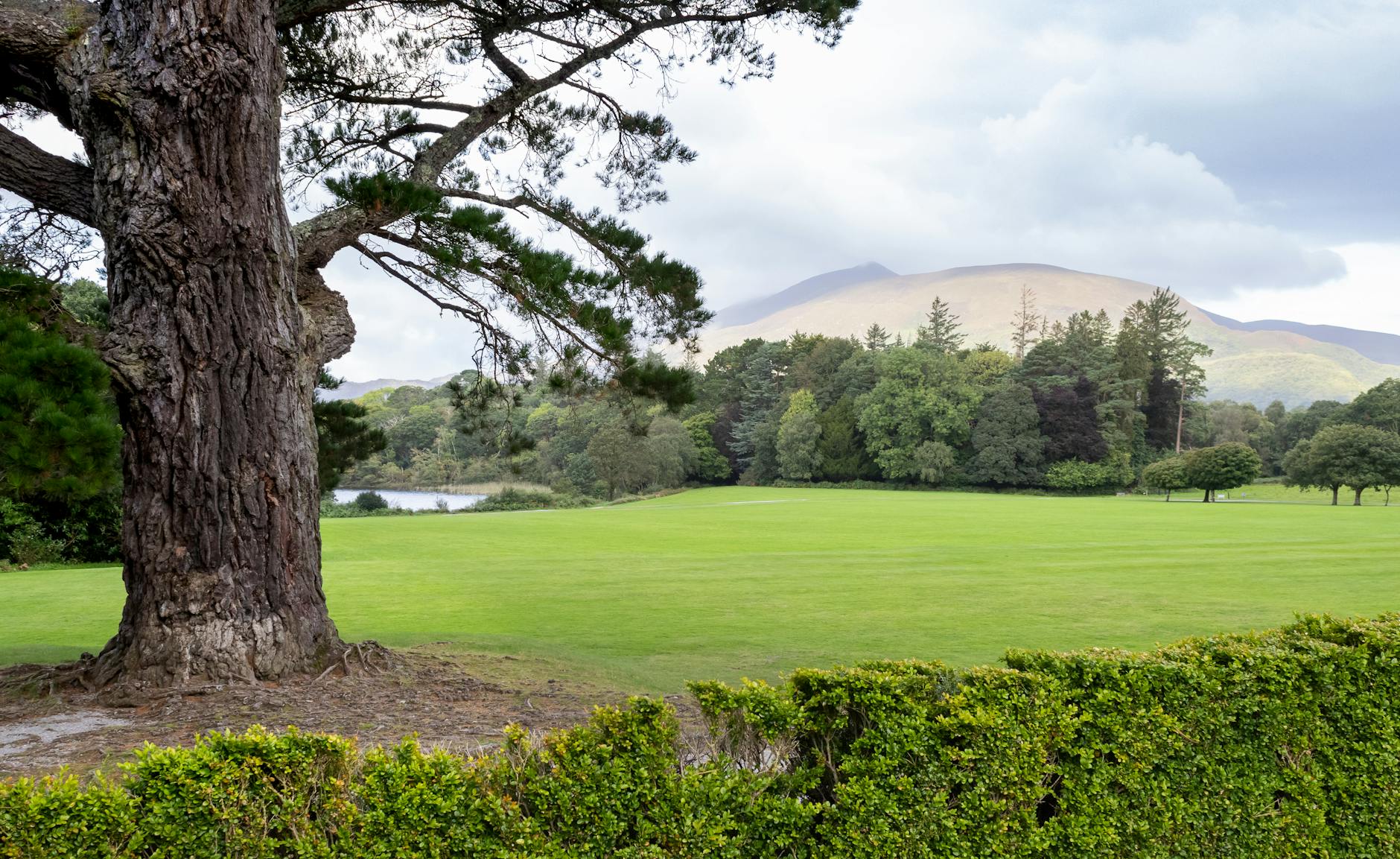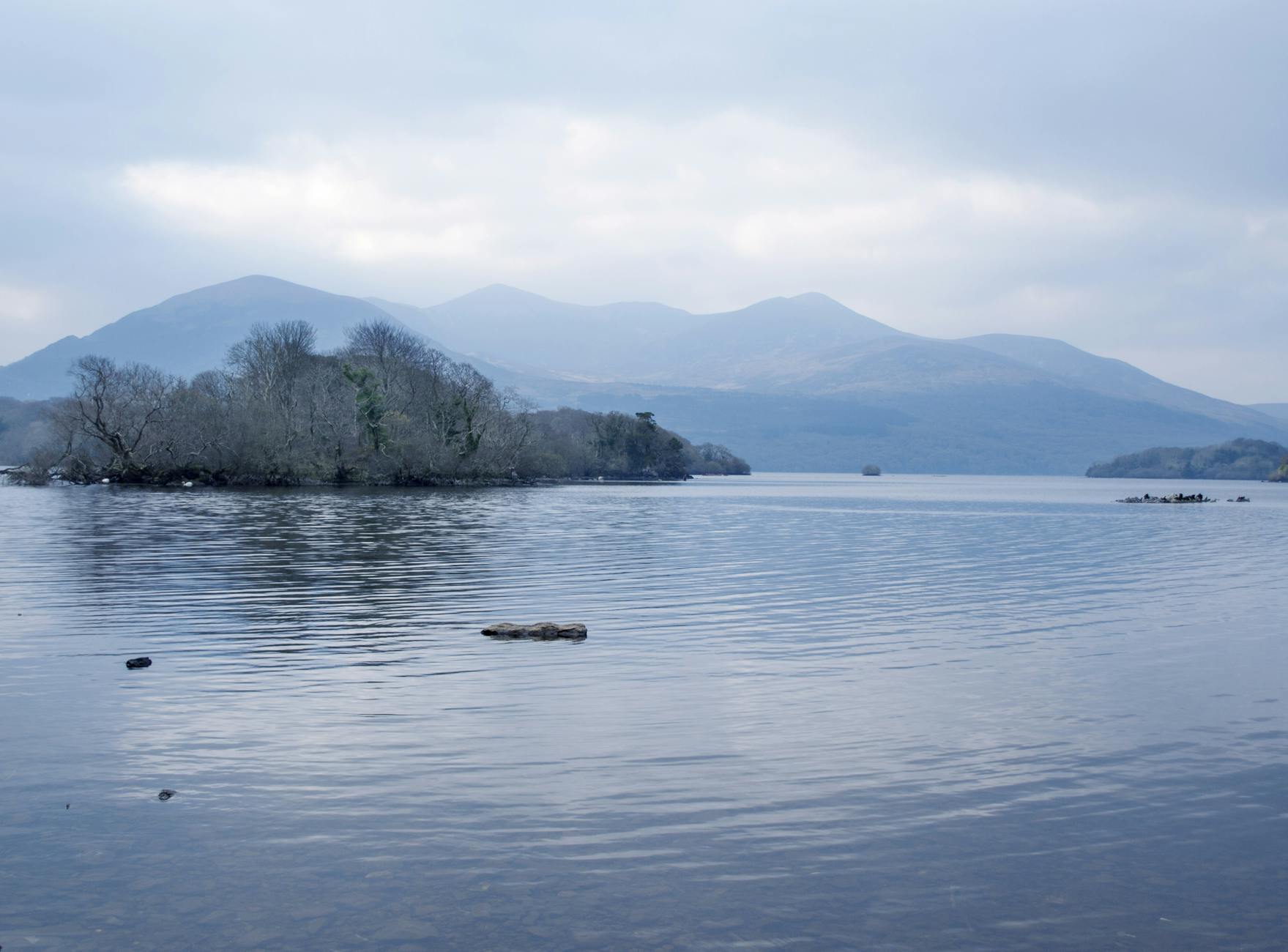
Killarney can be a useful consultant destination when the client is tied to tourism, hospitality, regional development, nonprofit work, education, events, investment, or a retreat-style decision process. It can also be an awkward base if the consultant underestimates travel time, seasonal demand, work-space limits, or the difference between a scenic town and a frictionless business city. The consultant's trip should start with the assignment. A diagnostic visit, workshop, executive session, site inspection, stakeholder meeting, sales support trip, or confidential advisory engagement each requires different lodging, transport, preparation time, meal choices, and margin.
Define the consulting job before choosing the base
A consultant should not treat Killarney as interchangeable with the nearest attractive hotel. The trip may be about a workshop, site visit, advisory meeting, hospitality review, board retreat, tourism project, investor diligence, training session, or stakeholder conversation. Each version changes what the consultant needs from the town.
If the real work is in Killarney, a central or venue-adjacent base may be ideal. If the work is spread across Kerry, Cork, Limerick, or rural sites, Killarney may be a good overnight base or a scenic distraction. The base should serve the assignment.
- Name the assignment type before choosing hotel, transport, and meeting rhythm.
- Check whether Killarney is the work base, the client venue, or only a convenient overnight stop.
- Let the consulting objective decide how much town or scenic time belongs in the trip.
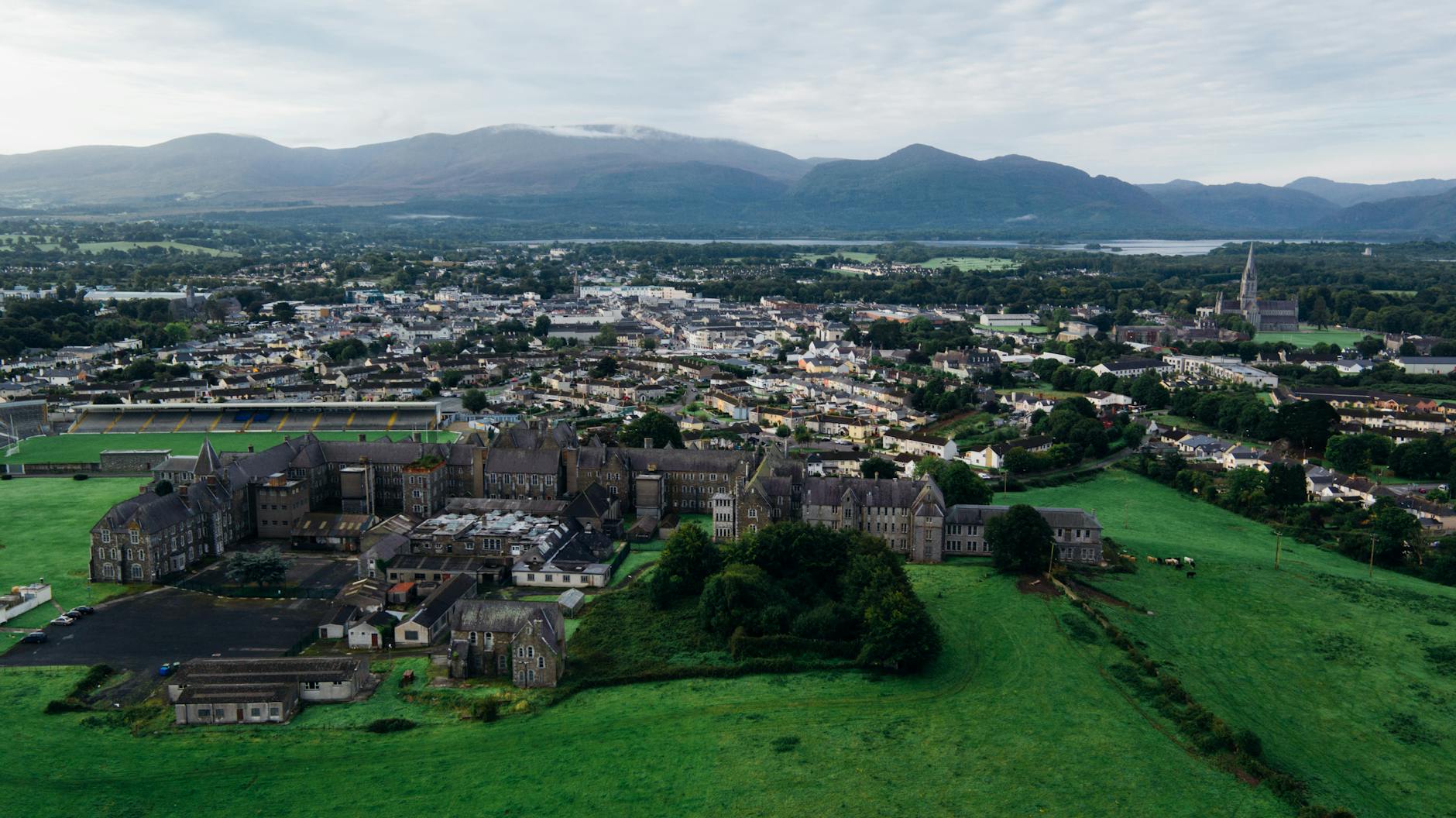
Build a reliable access chain
Consulting trips are often less forgiving than leisure trips because arrival time affects client confidence. Killarney access may use Kerry Airport, Cork, Shannon, Dublin, rail, rental cars, private drivers, or mixed connections. The consultant should compare routes by reliability, arrival condition, luggage, work materials, and the need to arrive mentally sharp.
A long transfer after a flight may be acceptable before a quiet prep evening. It may be a bad idea before a morning workshop or executive meeting. The route should include enough buffer for weather, road timing, and late arrivals.
- Compare Kerry, Cork, Shannon, Dublin, rail, car, and driver options by reliability.
- Add buffer before workshops, executive meetings, and client-facing sessions.
- Protect arrival condition, not just arrival time.
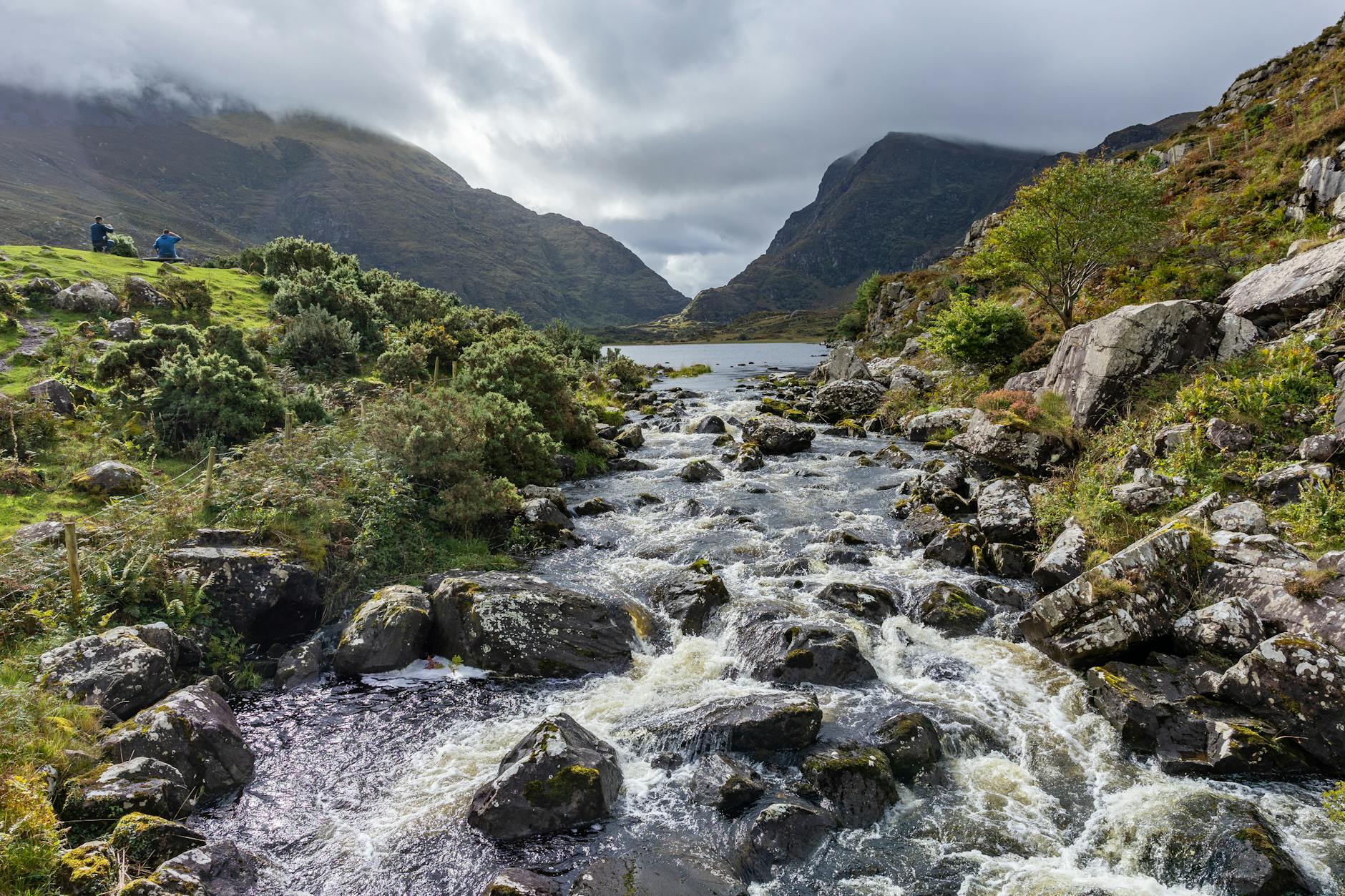
Choose a hotel that supports real work
A consultant's hotel needs to do more than look pleasant. It may need quiet work space, strong Wi-Fi, a desk, breakfast timing, printing help, call privacy, reliable reception, parking, easy taxi access, and a room where the consultant can prepare after a long day.
Killarney's leisure appeal can make work needs feel secondary, especially in peak season. The consultant should confirm whether the hotel can support calls, document review, slide edits, confidential notes, and early departures without forcing improvised solutions.
- Confirm Wi-Fi, desk, quiet, breakfast timing, printing, reception, parking, and taxi access.
- Check whether calls and document work can happen privately.
- Avoid hotels that are charming but operationally weak for client work.
Protect confidentiality in a social town
Killarney can feel informal, but consultants still need discipline around confidential material. Hotel lobbies, breakfast rooms, pubs, taxis, shared meeting spaces, and post-session conversations may not be suitable for sensitive client information.
The consultant should decide where calls can happen, how notes are handled, when devices are visible, and which conversations belong behind a closed door. A relaxed destination does not reduce professional obligations.
- Plan private locations for calls, notes, document review, and client debriefs.
- Avoid sensitive conversations in taxis, bars, lobbies, and open dining rooms.
- Keep destination informality separate from professional confidentiality.
Use meals as part of the work plan
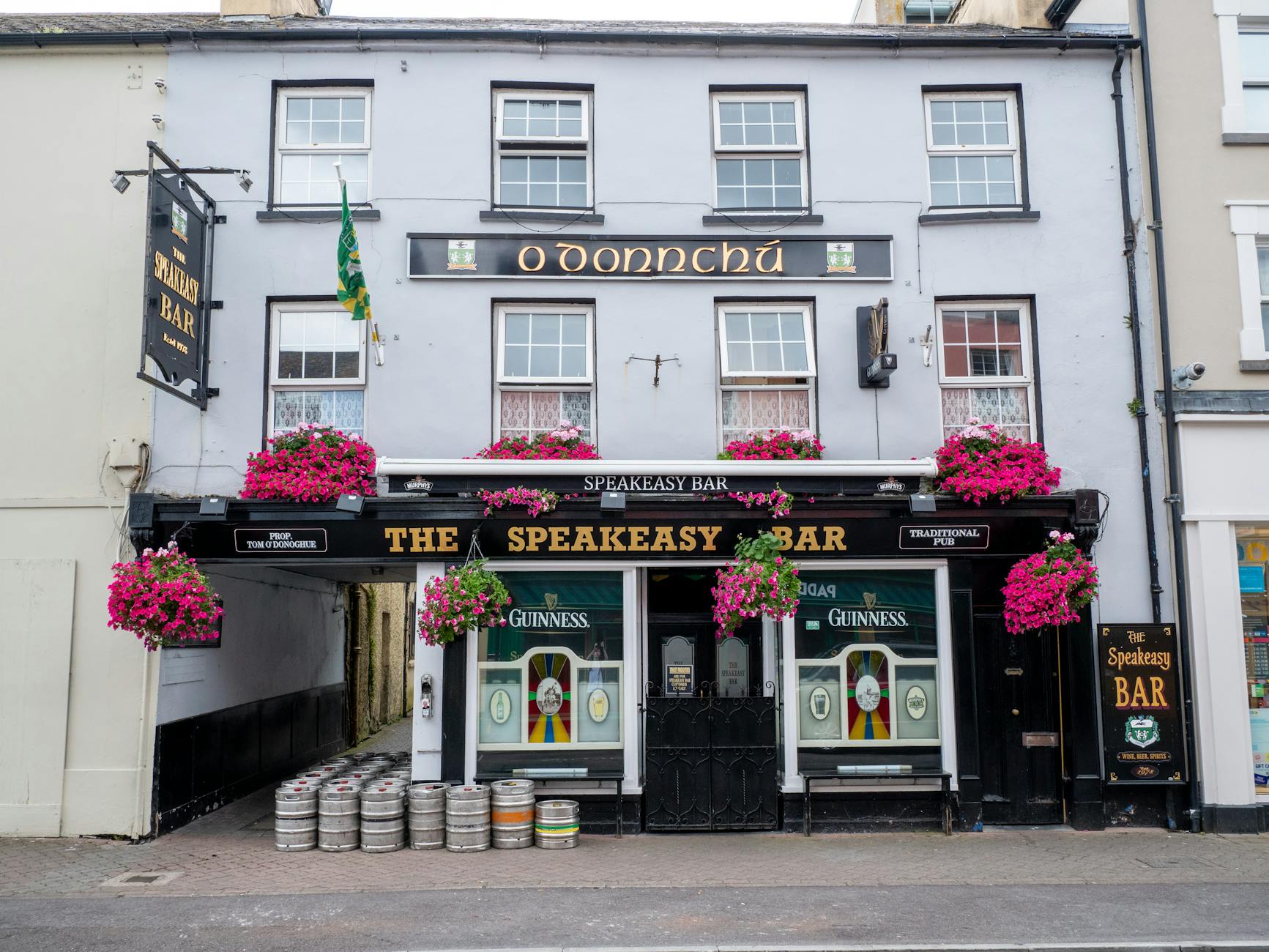
Consultant meals in Killarney can be functional, relational, or restorative. A client dinner, stakeholder lunch, solo prep meal, team debrief, or quiet hotel breakfast each needs a different setting. A loud pub can be perfect for one purpose and wrong for another.
The consultant should reserve key meals early during busy periods and choose venues by privacy, timing, noise, access, and tone. Meals should help the assignment move forward or help the consultant recover enough to perform well.
- Choose meals by purpose: client relationship, stakeholder discussion, solo prep, or recovery.
- Reserve important tables and check privacy, noise, timing, access, and return route.
- Do not let every meal become accidental because the town is hospitable.
Control scenic margin
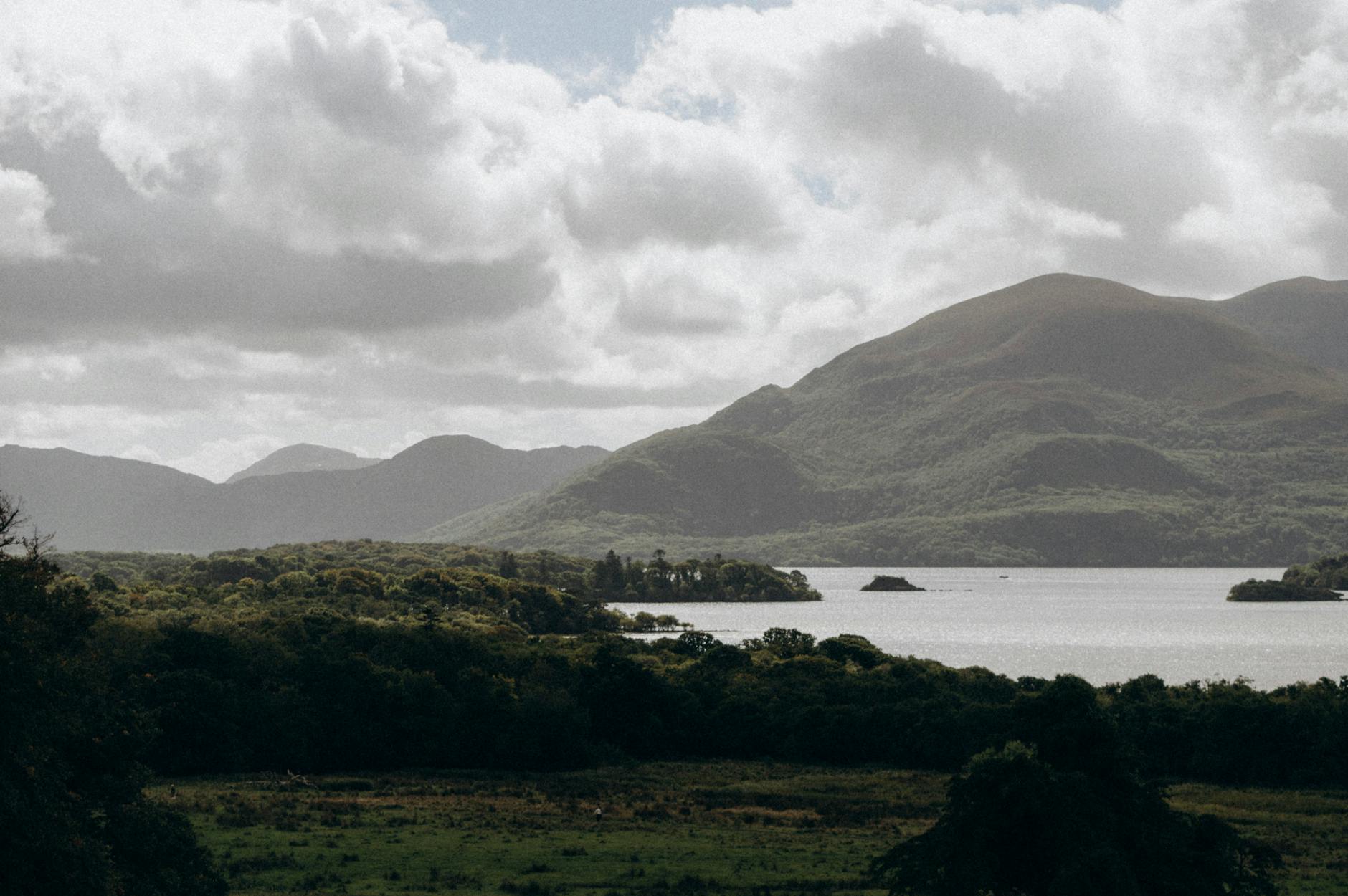
Killarney makes scenic add-ons tempting. A consultant may be invited to Muckross, the lakes, a drive, a pub evening, or a client-hosted outing. These can be valuable for relationship-building, local understanding, or recovery, but they can also consume preparation time and blur the trip's purpose.
The consultant should decide in advance which scenic or social time supports the assignment and which time must stay protected for preparation, follow-up, sleep, or travel recovery.
- Accept scenic or social time when it supports the client objective or recovery.
- Protect preparation, follow-up, sleep, and next-day readiness from optional add-ons.
- Use Killarney's setting deliberately, not reflexively.
When to order a short-term travel report
A consultant with one simple meeting, a venue hotel, and a flexible schedule may not need a custom Killarney report. A report becomes useful when the trip involves senior clients, workshops, confidential work, multiple sites, high-season lodging, uncertain access, transport decisions, client meals, or pressure to combine business with Kerry touring.
The report should test assignment purpose, access, hotel work fit, meeting geography, confidentiality, meals, transport, weather, scenic margin, budget, and what to cut. The value is a Killarney consulting trip that feels prepared, professional, and still aware of place.
- Order when access, client schedule, lodging, confidentiality, meals, or scenic pressure needs testing.
- Provide assignment purpose, dates, client locations, hotel options, transport plans, work needs, and budget.
- Use the report to keep the destination useful to the work.