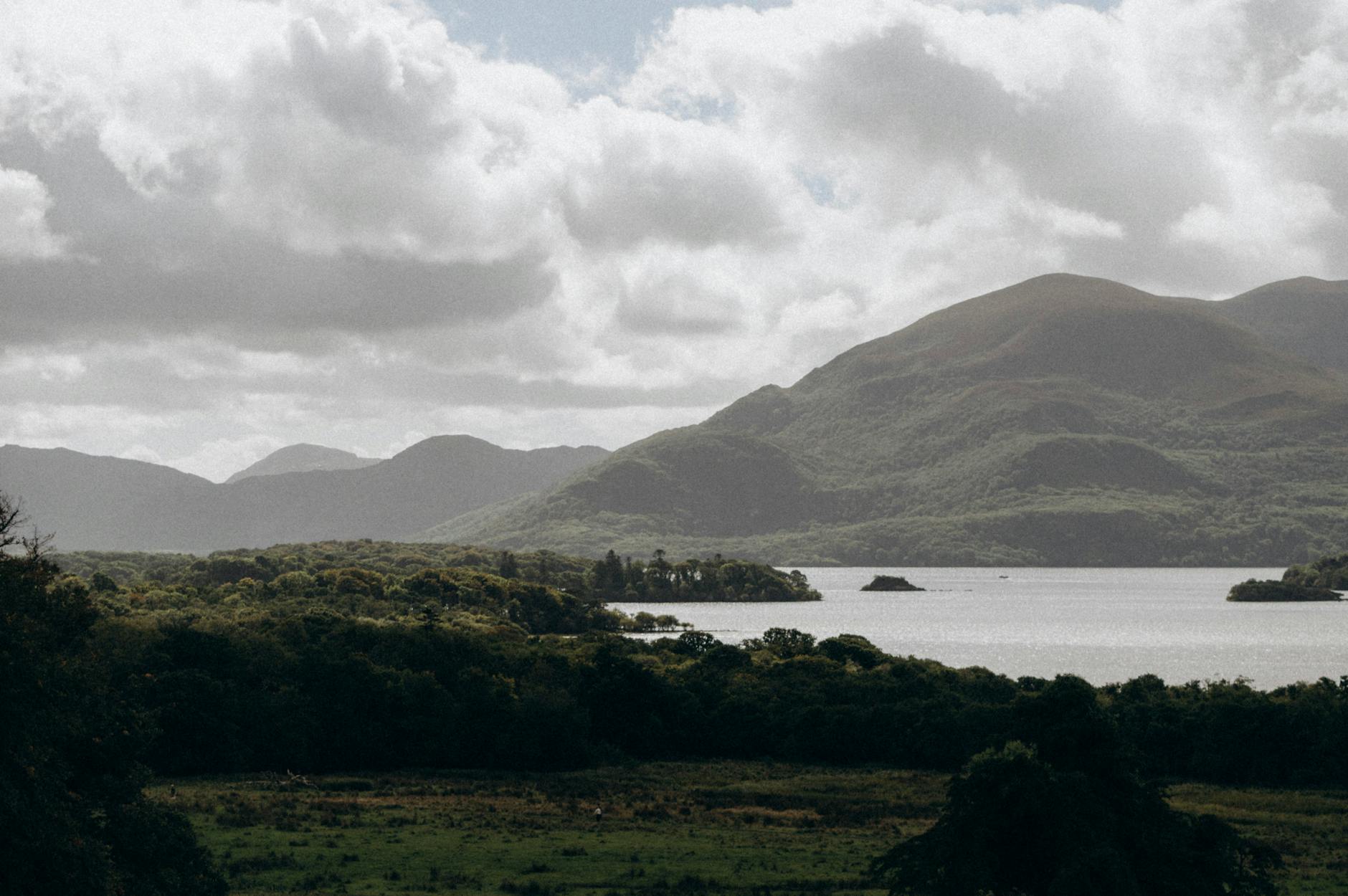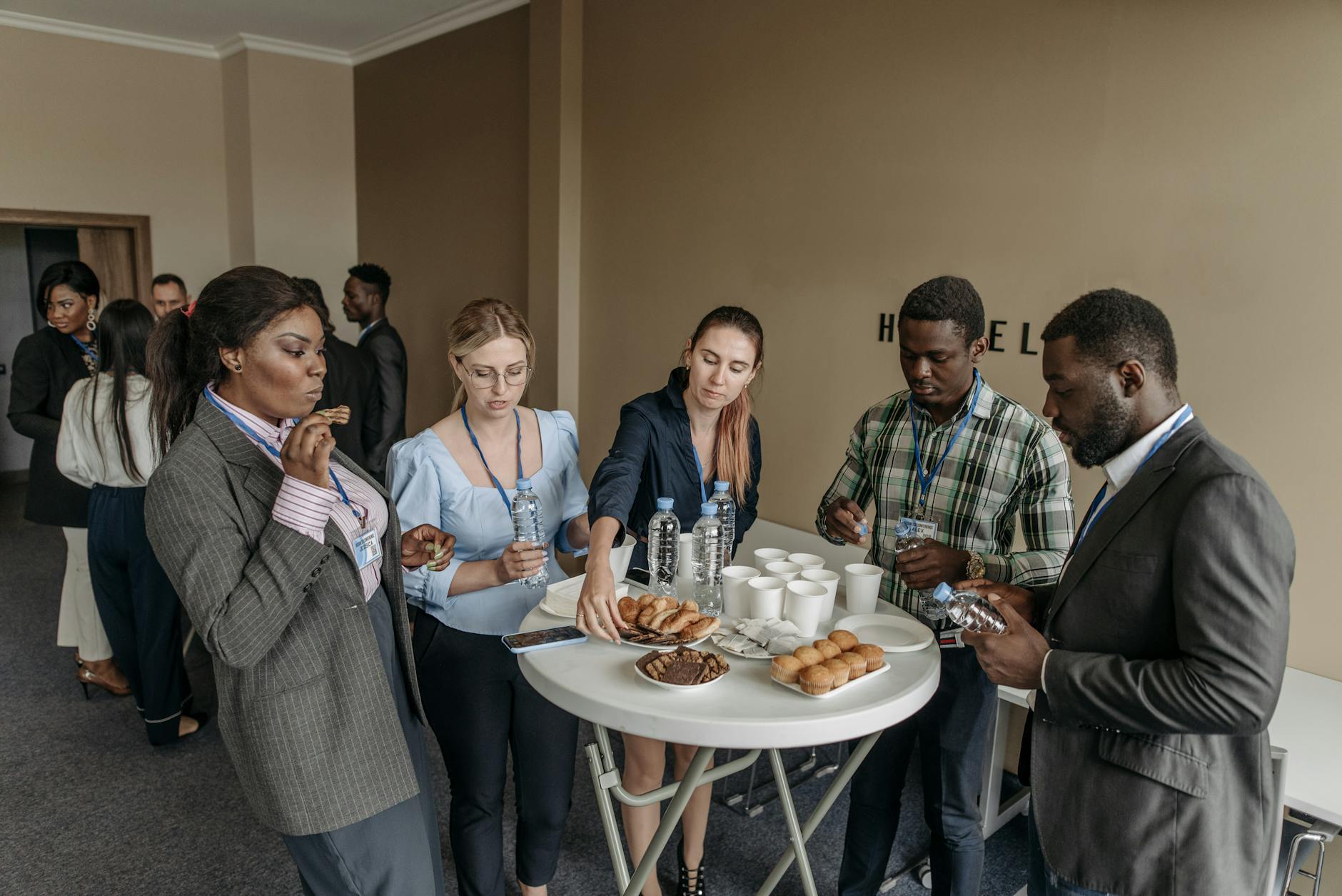
Killarney can be an attractive conference setting because it combines hotels, event spaces, town services, national park access, and a strong destination identity. That same appeal can create planning problems when attendees treat the trip as a scenic break and underestimate arrivals, venue geography, evening demand, and work obligations. A strong Killarney conference plan starts with the event's purpose. A buyer meeting, association conference, training session, incentive gathering, professional retreat, or industry forum each needs a different balance of proximity, privacy, networking, presentation readiness, and downtime.
Start with the event's real purpose
A Killarney conference trip should not be planned only from the public agenda. The attendee should know why the trip matters: sales pipeline, association presence, professional development, buyer meetings, team retreat, certification, vendor comparison, board visibility, or client hosting.
That purpose determines which sessions cannot be missed, which people need time, how close the hotel should be, and whether scenic activity belongs before, during, or after the event.
- Define whether the trip is for learning, selling, networking, hosting, training, or visibility.
- Protect the sessions and meetings that create the trip's value.
- Treat leisure time as supporting context, not the center of the conference trip.
Choose lodging around the venue
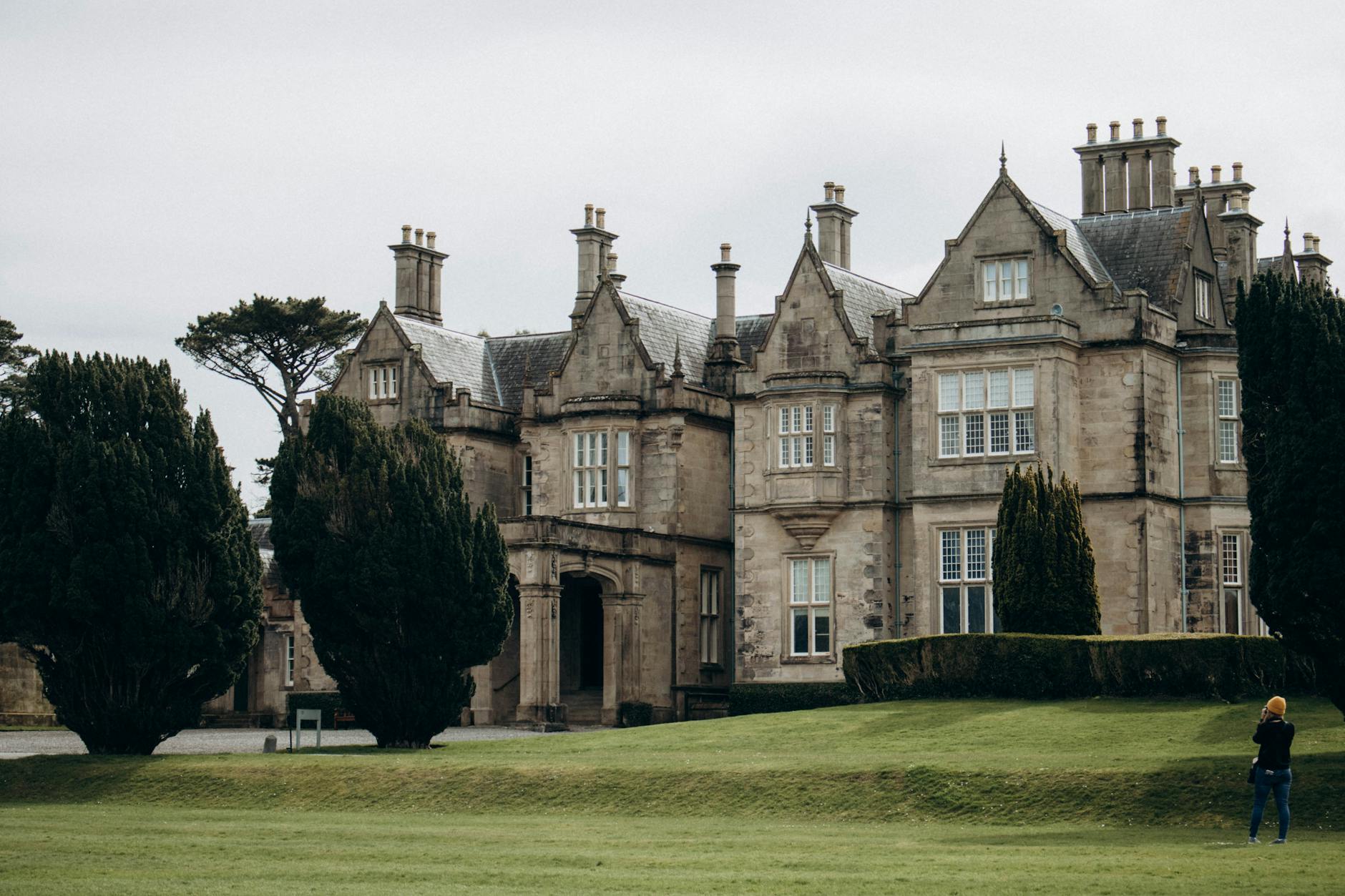
In Killarney, a conference hotel or nearby overflow property can be worth more than a cheaper room with a difficult route. Weather, evening receptions, early sessions, materials, formal clothing, and informal networking all make proximity valuable.
The attendee should check walking routes, taxi availability, shuttle plans, parking, breakfast timing, late return logistics, and whether the hotel supports quiet work between sessions.
- Compare the conference hotel, overflow hotels, town options, taxis, shuttles, and parking.
- Account for rain, early sessions, late receptions, laptops, badges, and formal clothing.
- Pay for proximity when it protects attendance and networking.
Plan arrival before accepting early obligations
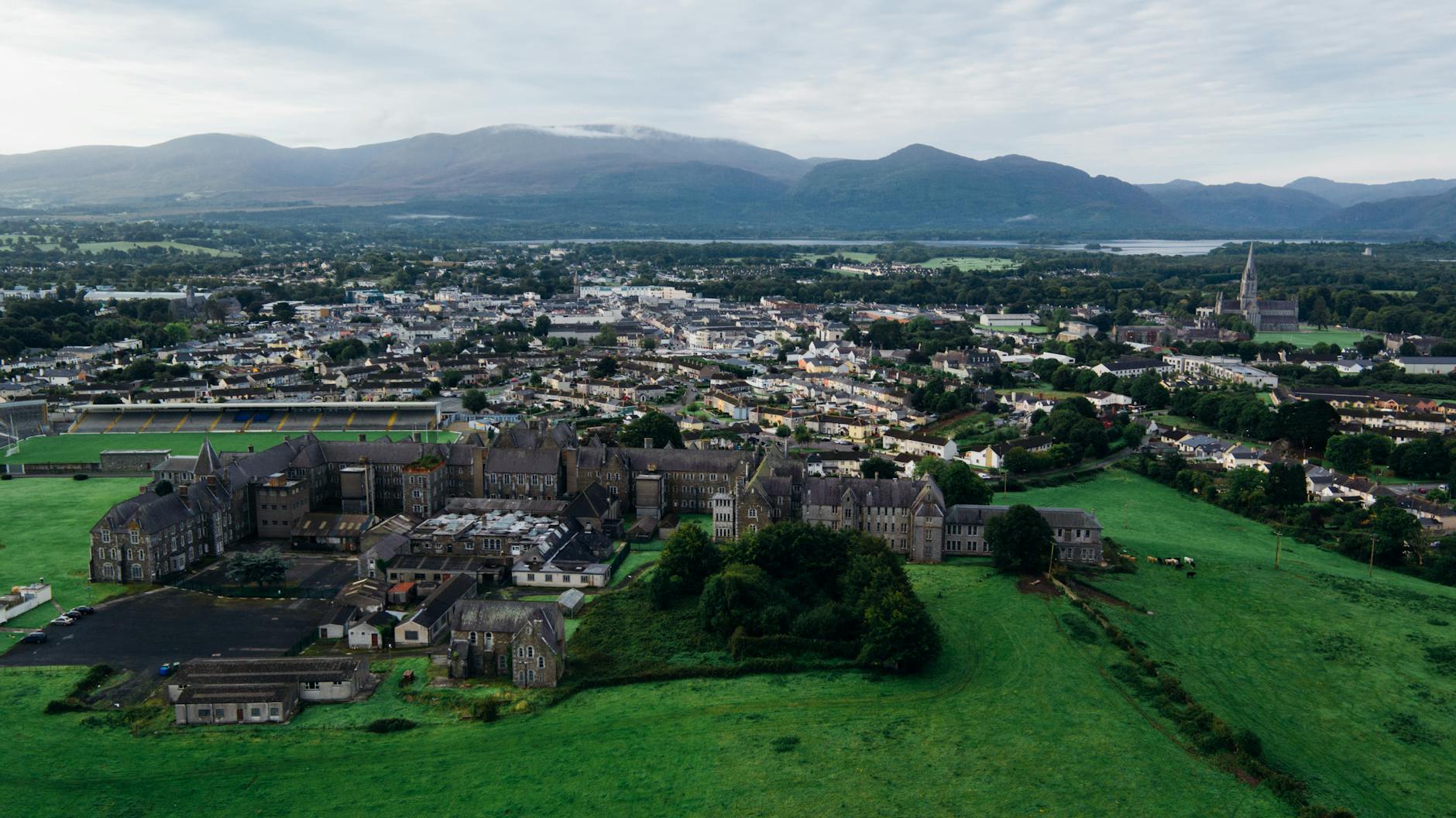
Killarney access can involve Kerry Airport, Cork, Shannon, Dublin, rail, rental cars, or private drivers. A conference attendee should be careful about committing to early sessions, prep meetings, booth setup, or client dinners when arrival depends on a long or fragile chain.
The plan should include luggage, transfer timing, check-in, dinner, badge pickup, setup needs, and sleep before the first serious obligation. The professional value of arriving rested may exceed the value of saving one hotel night.
- Test Kerry, Cork, Shannon, Dublin, rail, rental car, and private-driver options by reliability.
- Avoid placing high-value sessions immediately after fragile arrival logistics.
- Carry presentation materials, medication, chargers, and essentials in hand luggage.
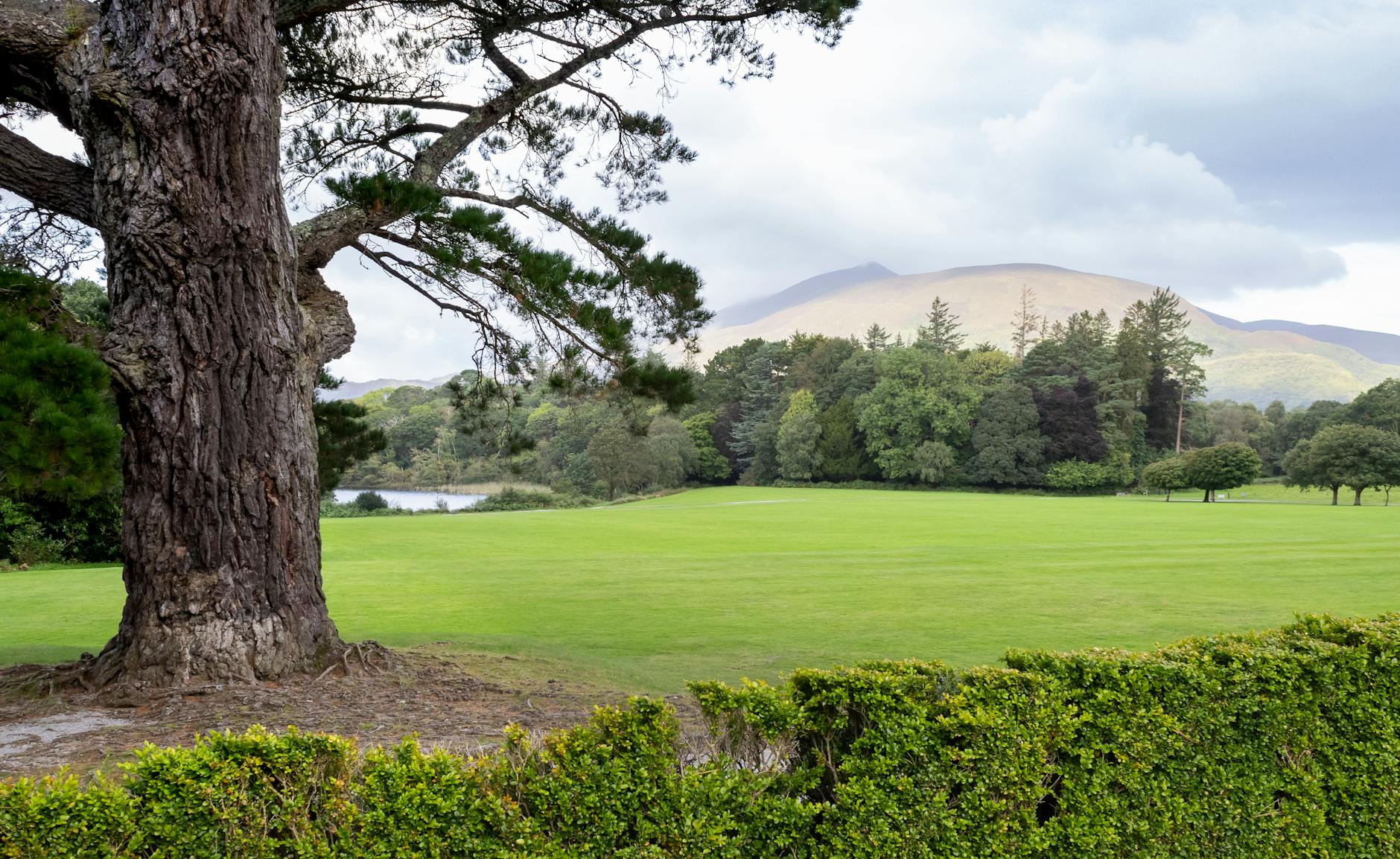
Protect meeting and work readiness
Conference trips often fail through practical details: weak work space, poor Wi-Fi, missing chargers, no quiet call location, unplanned printing, late meals, or no buffer before a session. Killarney's scenery can make it tempting to spend every open hour outside the work frame.
The attendee should schedule preparation, note review, follow-up, booth or session logistics, and recovery time. A beautiful setting does not remove the need for operational discipline.
- Confirm Wi-Fi, quiet calls, printing, charging, cloud access, and work blocks.
- Protect preparation time before presentations, meetings, booths, or sales conversations.
- Do not let every schedule gap become sightseeing.
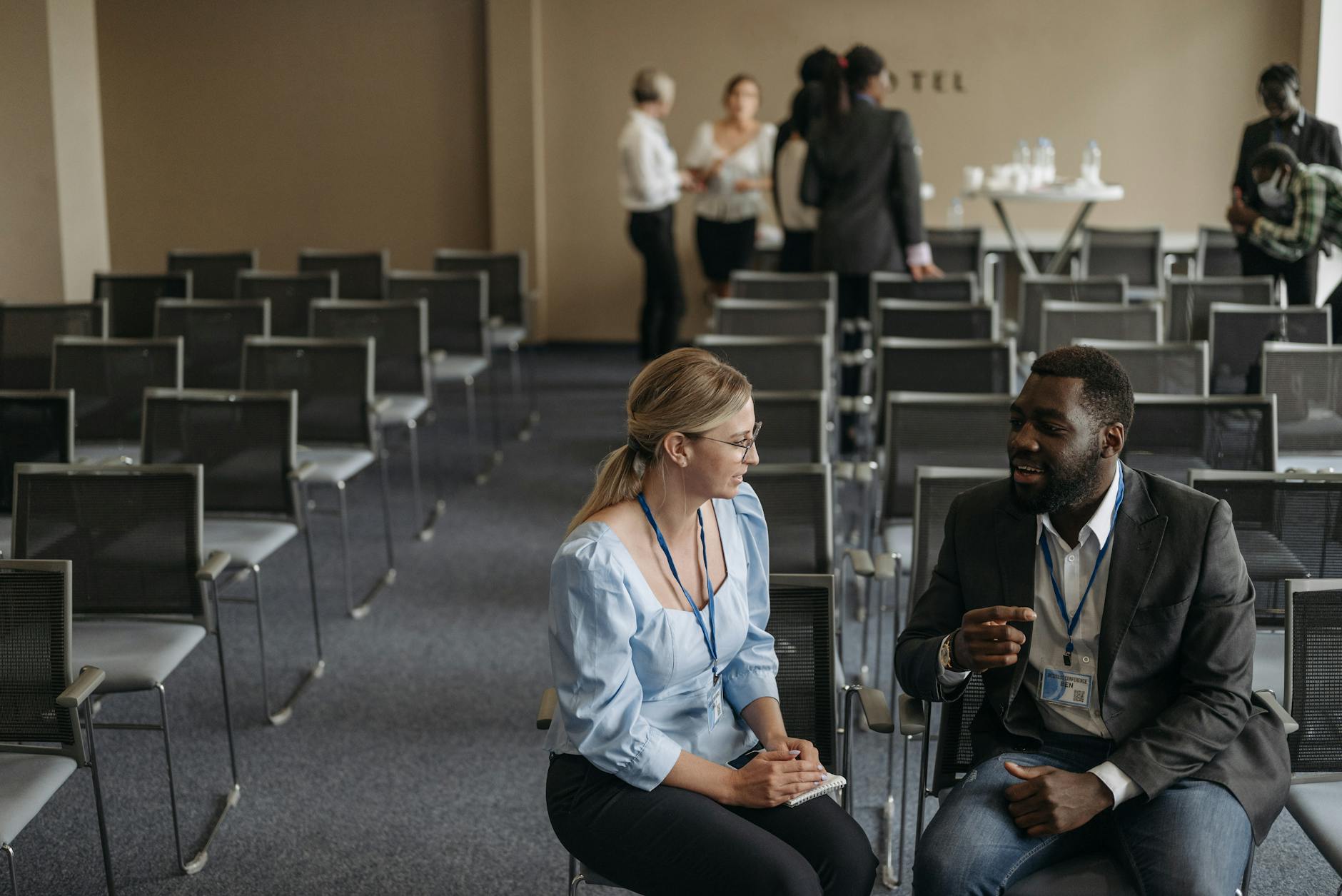
Use networking meals with intent
Killarney can support useful dinners, drinks, and informal conversations, but important networking should not be left to chance. Restaurant demand can rise during events and tourism periods, and the wrong venue can be too loud, too casual, too far away, or too public for the conversation.
The attendee should match meals to the relationship: client hosting, vendor discussion, peer networking, team dinner, senior conversation, or relaxed group social time. Each needs a different level of privacy and polish.
- Match meals to privacy, noise, hierarchy, budget, dietary needs, and return route.
- Reserve important dinners early during peak periods or conference weeks.
- Use scenic atmosphere only when it helps the relationship.
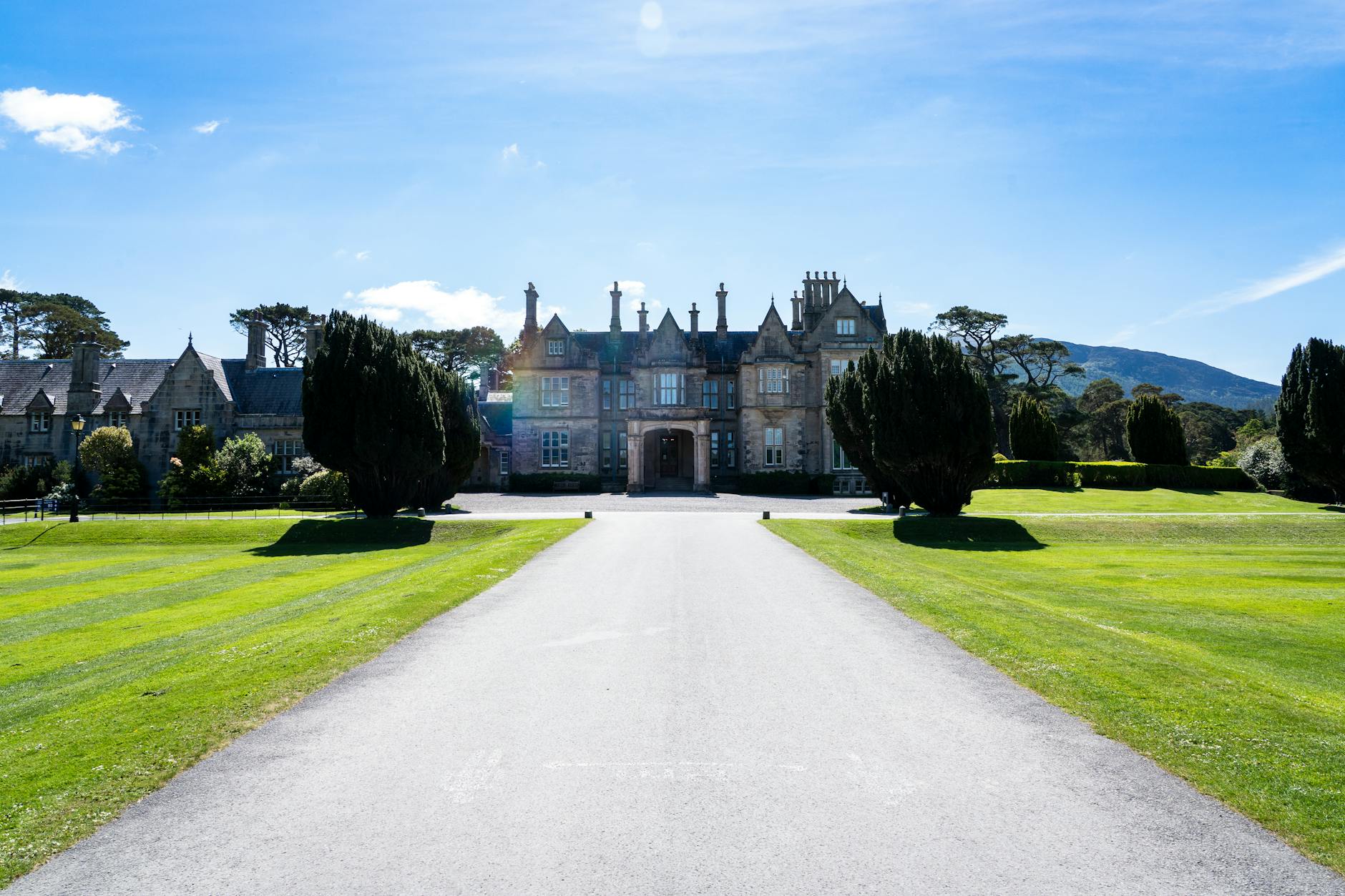
Keep Kerry scenery in its lane
Muckross, Ross Castle, Torc Waterfall, the lakes, jaunting cars, and scenic drives can make a Killarney conference memorable. They can also consume time needed for meetings, follow-up, rest, and travel recovery. The attendee should decide how much scenic time the conference can afford.
One well-timed park walk or post-event outing may be better than trying to layer a full tourism itinerary onto a business schedule. Weather, daylight, footwear, and dress should decide what is realistic.
- Choose one or two scenic windows rather than scattering attention across every break.
- Check weather, daylight, footwear, and return timing before leaving the conference area.
- Avoid scenic overreach before high-value meetings or early sessions.
When to order a short-term travel report
A conference attendee with a venue hotel, simple arrival, and low-stakes attendance may not need a custom Killarney report. A report becomes useful when the trip includes senior participants, client hosting, booth or presentation logistics, high-season lodging, uncertain access, multiple venues, tight budgets, medical or mobility constraints, or pressure to add Kerry sightseeing.
The report should test access, venue geography, hotel fit, meeting logistics, networking meals, work readiness, seasonal demand, weather, scenic options, budget, and what to cut. The value is a Killarney conference trip that does the business job first.
- Order when arrival, lodging, venue geography, networking, access, or scenic add-ons need testing.
- Provide dates, venue, agenda, role, hotel options, transport plans, meeting goals, constraints, and budget.
- Use the report to make the conference trip functional before making it scenic.