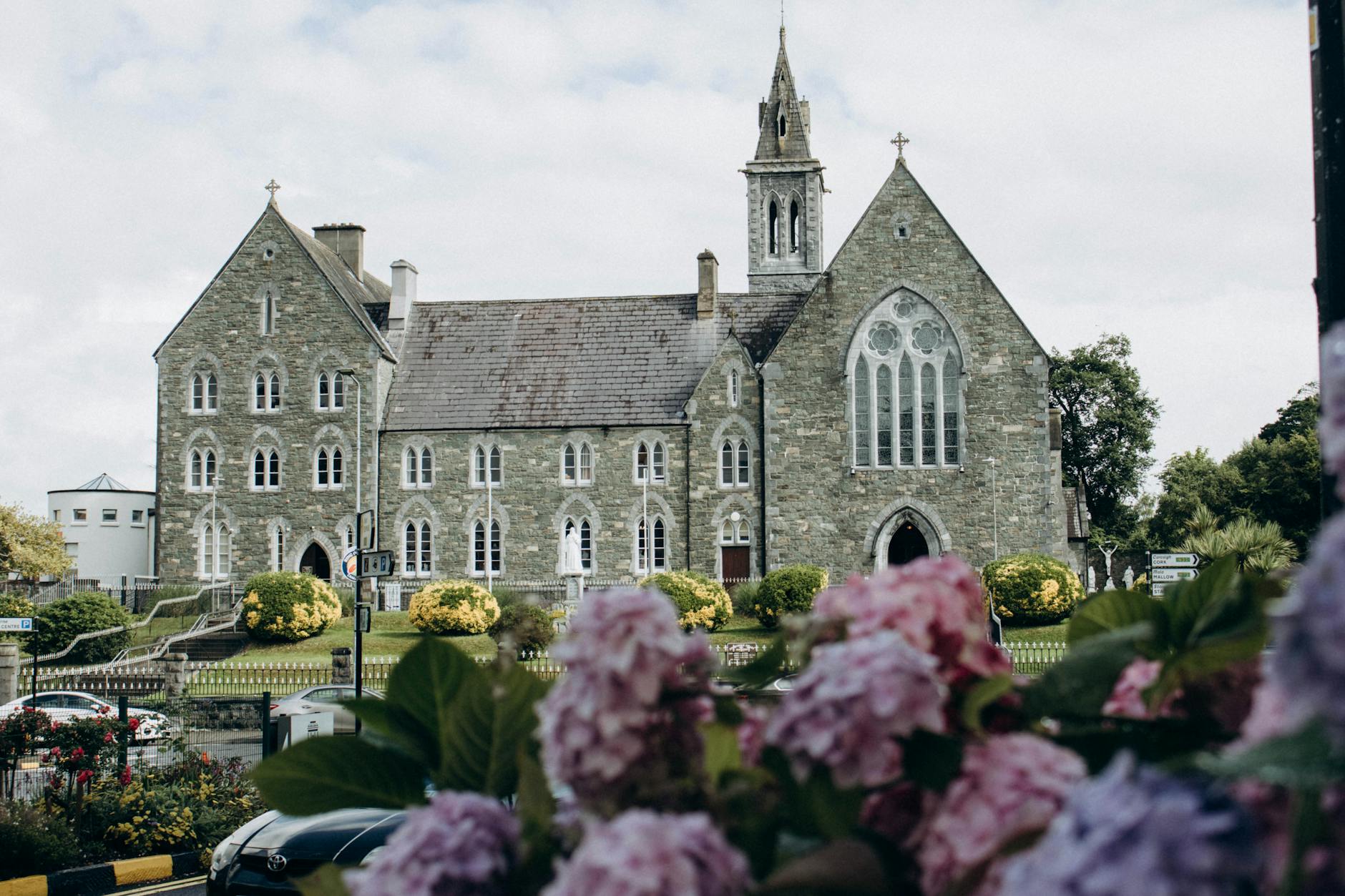
Killarney can be rewarding on a budget because some of its best value is not behind an expensive door: town walks, national park scenery, lake views, waterfalls, gardens, paths, and the general pleasure of being in Kerry. The difficulty is that Killarney is popular, seasonal, and not always cheap when lodging, tours, meals, and transport are booked late. A strong budget plan should protect the low-cost parts of the destination while avoiding false economies. A cheaper bed far from transport, a badly timed scenic tour, poor rain gear, or too many paid add-ons can cost more in frustration than it saves in euros.
Book lodging before price pressure takes over
Killarney budget travel is often won or lost with lodging timing. A central budget room, hostel bed, guesthouse, or simple hotel can be good value if booked early. Waiting too long can push the traveler into expensive leftovers or cheaper options that require awkward transport.
The traveler should compare nightly price with location, breakfast, kitchen access, cancellation terms, luggage storage, parking, noise, and distance from rail, bus, food, and park access. Cheap is not cheap if it adds daily taxi costs.
- Book early for peak periods, weekends, and event-heavy dates.
- Compare price with breakfast, kitchen access, luggage storage, parking, and transport distance.
- Avoid distant lodging that creates daily taxi or timing costs.
Use Killarney's free value
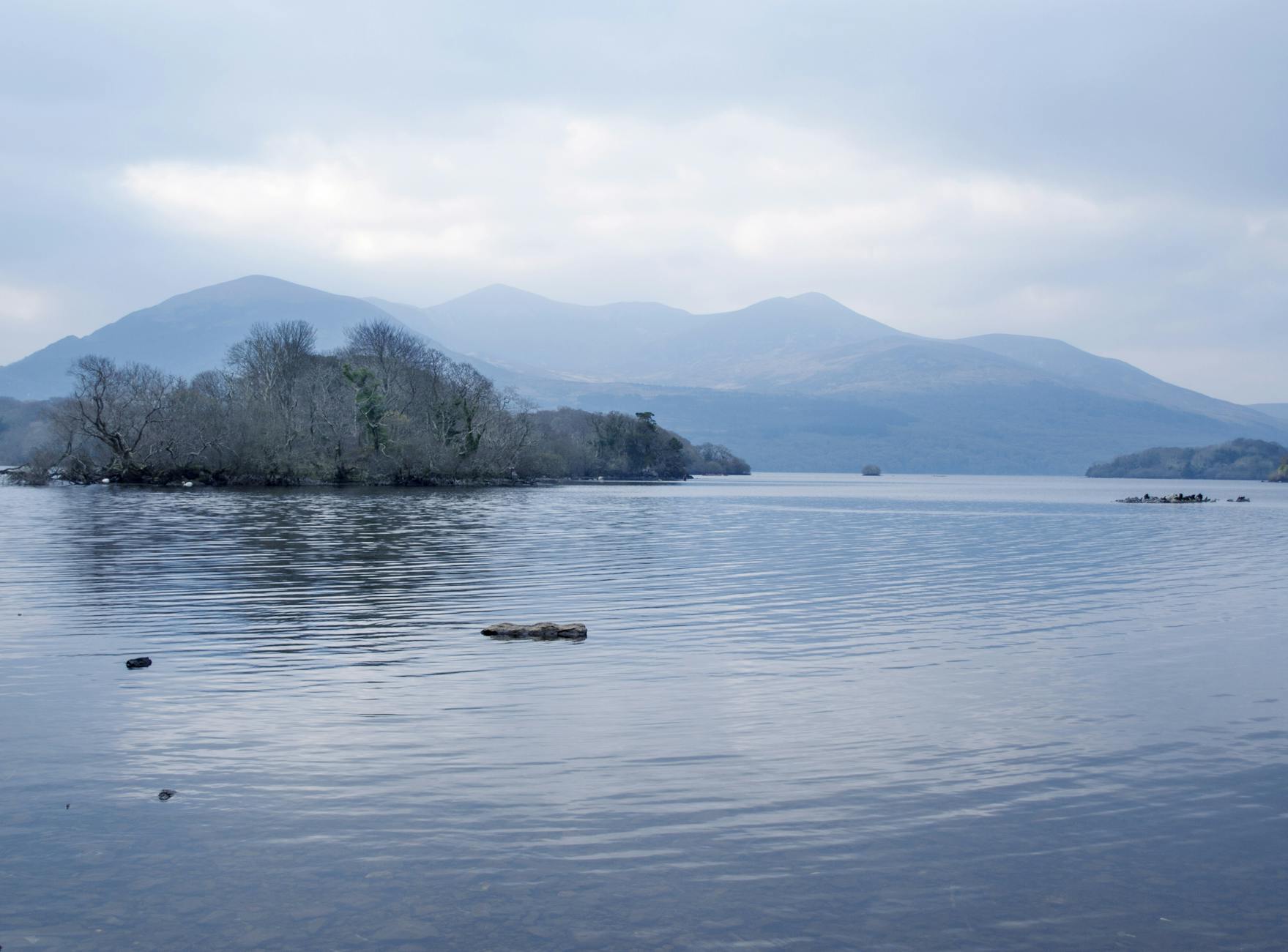
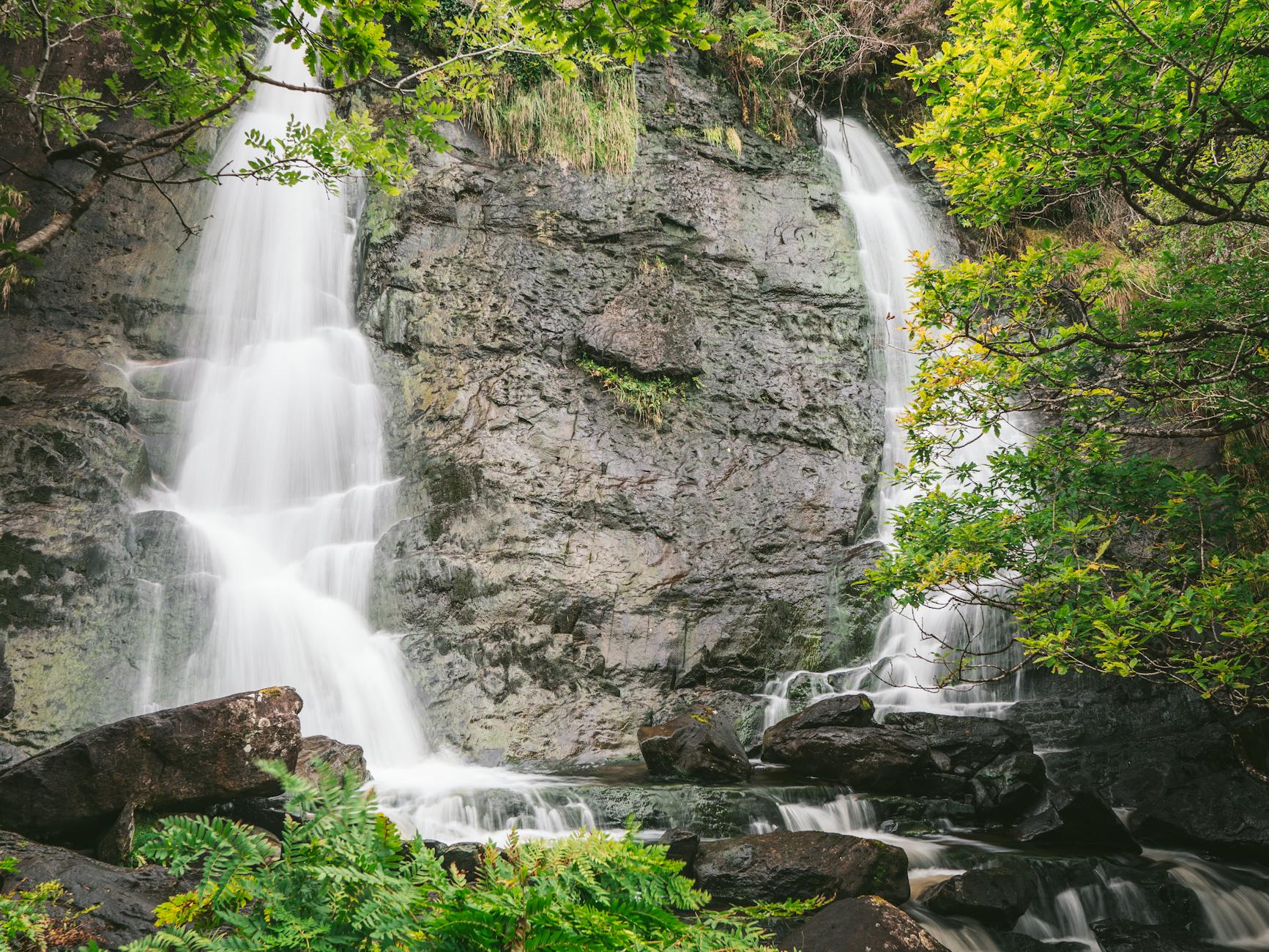
The strongest budget advantage in Killarney is that the landscape carries so much of the experience. A traveler can get real value from town walks, park paths, lake views, Torc Waterfall, Ross Castle exteriors, Muckross grounds, and time spent moving slowly through the area.
The budget traveler should resist the urge to buy a paid product for every day. Some of the best Killarney days are structured around walking, weather breaks, a simple lunch, and one carefully chosen paid activity.
- Build around town walks, park paths, lake views, waterfalls, gardens, and castle exteriors.
- Use paid tours selectively rather than filling every day with ticketed activity.
- Let the landscape provide value instead of chasing constant add-ons.
Choose transport by total cost
A budget traveler should compare transport by the full day, not only the headline fare. Rail or bus access can work well for Killarney if lodging is central. A rental car may open Kerry routes but adds insurance, parking, fuel, stress, and sometimes a higher room cost. Tours can be efficient but may stack up quickly.
The visitor should decide which days truly need a car, driver, or tour. If most value comes from town and the national park, paying for a vehicle every day may be unnecessary.
- Compare rail, bus, walking, taxis, tours, rental cars, and private drivers by full-trip cost.
- Use central lodging when avoiding a car is part of the budget strategy.
- Rent or tour only for days that genuinely need wider Kerry access.
Spend wisely on weather readiness
Bad rain gear can make a cheap trip more expensive by shortening walks, forcing cafe stops, or making the traveler abandon free outdoor value. Killarney budget travel depends on being able to enjoy the park and town in imperfect weather.
The traveler should bring layers, waterproof outerwear, shoes with grip, a small day bag, water, and snacks. Spending modestly before arrival can protect days that would otherwise drift into avoidable paid shelter.
- Bring rain gear, layers, practical shoes, snacks, water, and a small day bag.
- Protect free outdoor experiences by preparing for ordinary Irish weather.
- Do not let poor gear turn every wet hour into paid indoor time.
Plan meals before hunger gets expensive
Killarney can get costly when every meal is improvised at peak time. A budget traveler should know where breakfast comes from, whether lodging includes it, which lunches can be simple, where groceries or casual food fit, and which dinner is worth spending on.
The goal is not to make every meal cheap. It is to stop weak planning from making every meal expensive. One good pub dinner or special meal can fit the budget if the rest of the day is controlled.
- Check breakfast, groceries, casual lunches, snacks, and dinner prices before arrival.
- Reserve spending for the meals that matter most.
- Avoid peak-hour hunger decisions that push the budget off course.
Be selective with scenic drives and tours
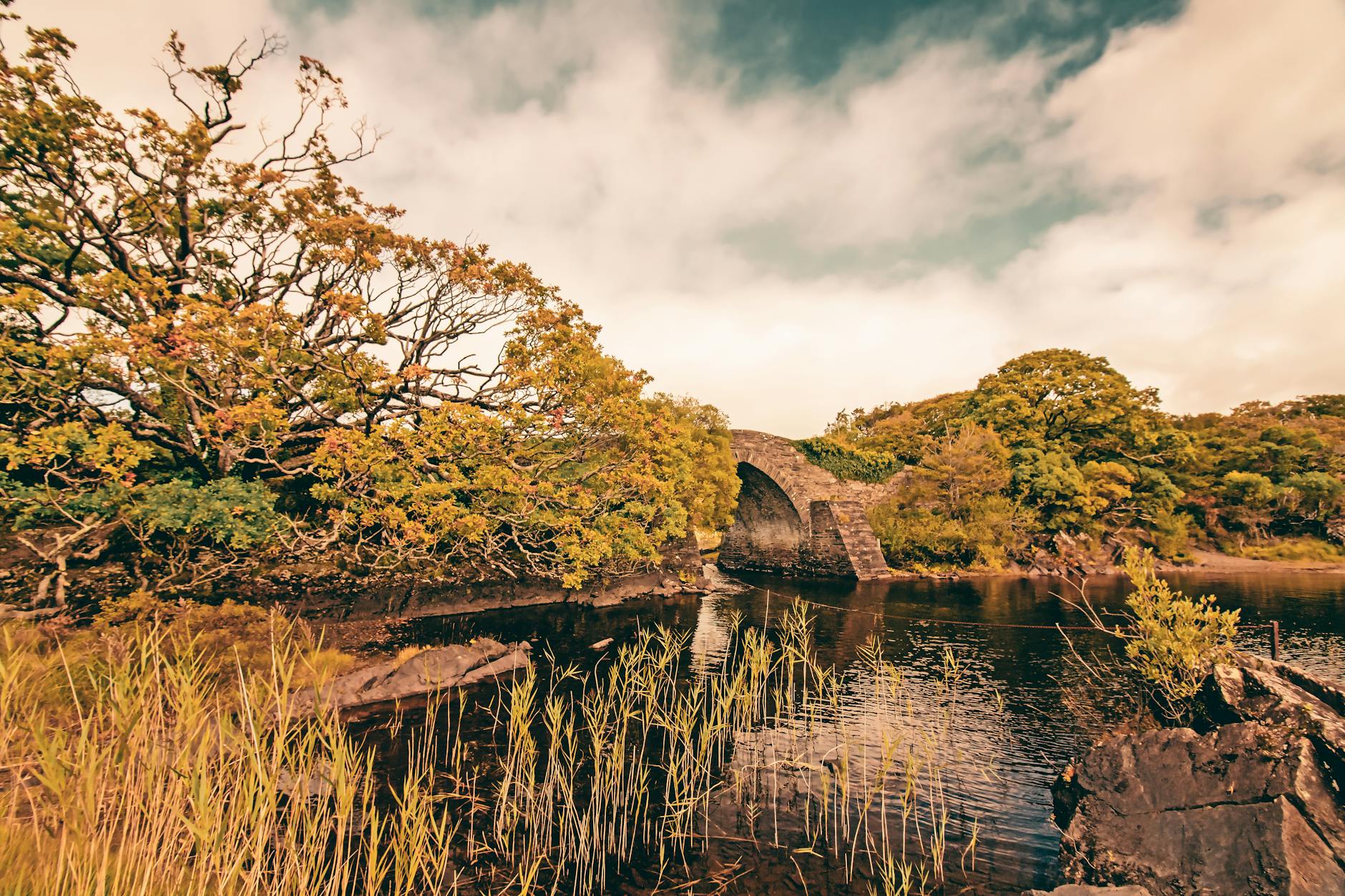
The Ring of Kerry and other scenic routes can be worth paying for, but budget travelers should avoid buying tours simply because the names are famous. A long coach day may be good value for one traveler and a poor fit for another who would rather spend time walking the park.
The traveler should compare the cost of a tour with the actual return: how much time at stops, meal cost, weather risk, fatigue, and whether the route adds something the traveler cannot get closer to Killarney.
- Buy tours only when they add access, context, or convenience worth the price.
- Compare full-day scenic drives with lower-cost park and town alternatives.
- Avoid paying for a famous route if the day will feel too long or too thin.
When to order a short-term travel report
A budget traveler with early lodging, central access, and simple park plans may not need a custom Killarney report. A report becomes useful when dates are expensive, the traveler is choosing between car and no car, lodging options are scattered, weather risk is high, the itinerary includes paid tours, or a tight budget needs tradeoffs rather than guesses.
The report should test lodging value, transport, free and paid experiences, meal strategy, weather readiness, scenic-drive choices, seasonality, daily pacing, and where spending a little more prevents waste. The value is a Killarney trip that protects money and still feels generous.
- Order when lodging, transport, tours, meals, seasonality, or budget tradeoffs need testing.
- Provide dates, budget, hotel options, transport plans, must-sees, walking tolerance, and constraints.
- Use the report to spend less through better choices, not through a weaker trip.