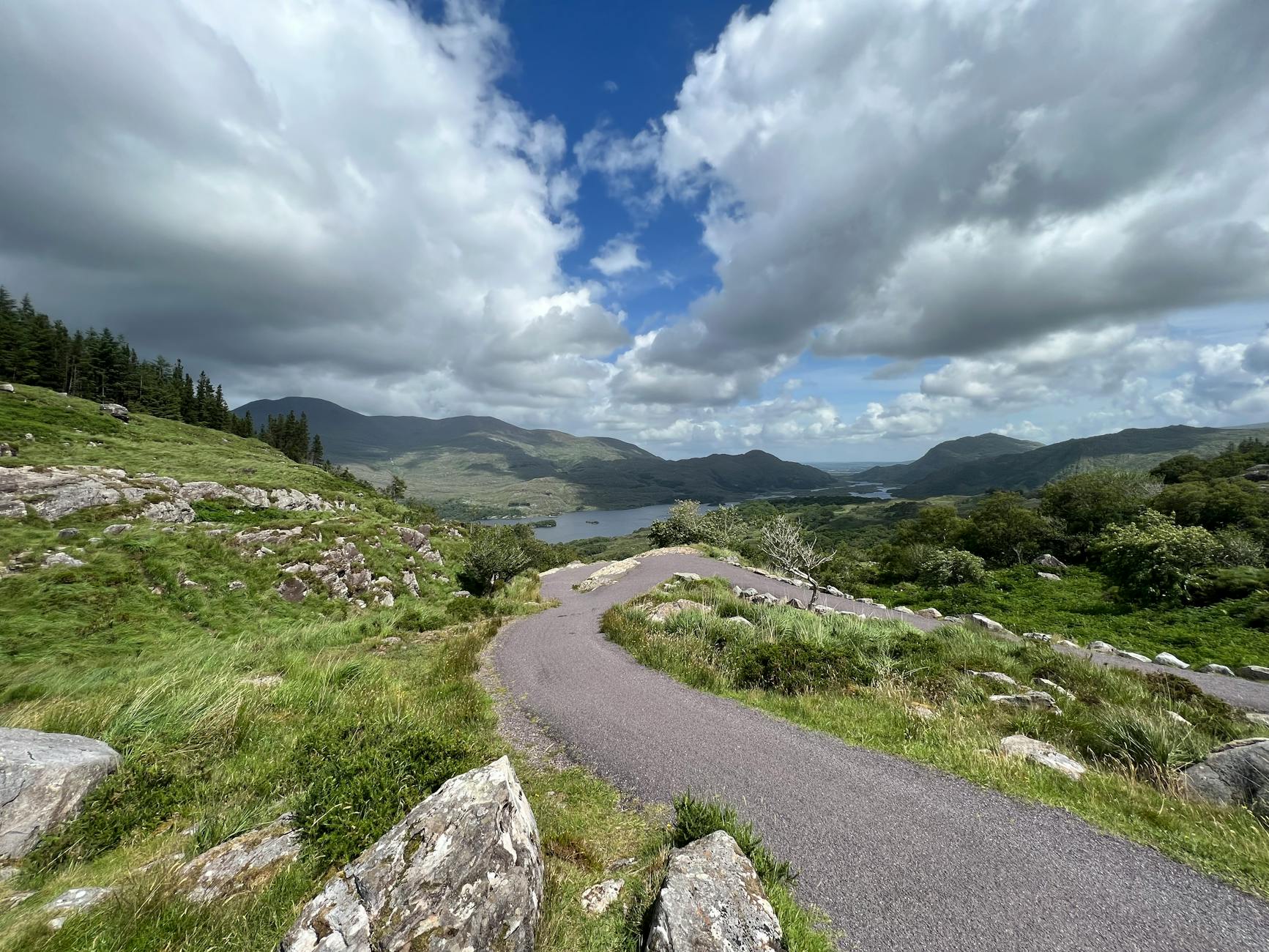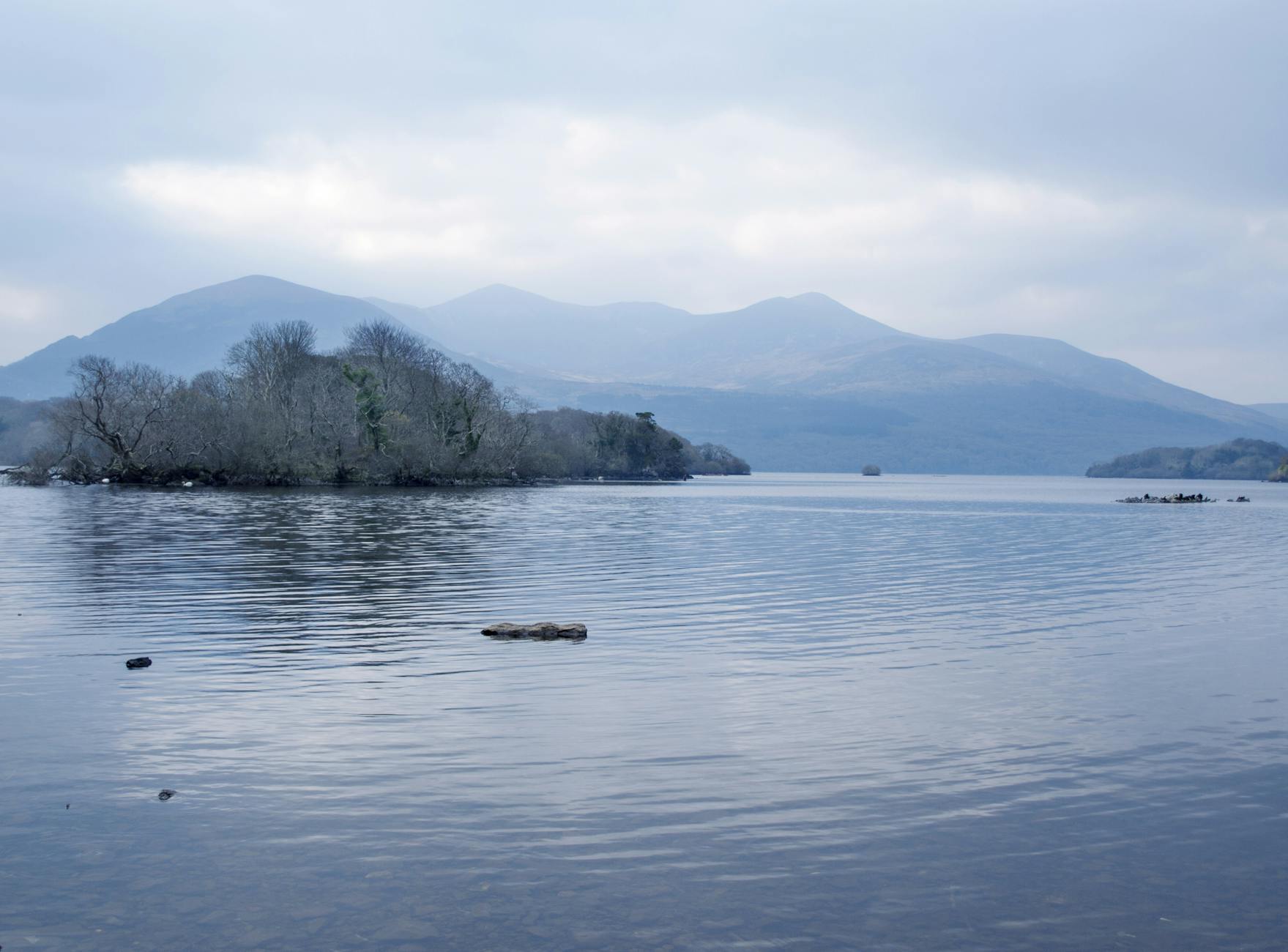
Killarney is one of Ireland's easiest places to overplan for outdoor travel. The national park, lakes, Torc Waterfall, Muckross, Ross Castle, Gap of Dunloe routes, Kerry roads, cycling, walking, boat trips, and mountain views all sit close enough to seem simple from a map. A short trip still has limits. An adventure or outdoor traveler should decide what kind of trip this actually is: gentle park walking, serious hiking, cycling, scenic driving, photography, paddling, group activity, or a base for wider Kerry. The answer changes gear, lodging, transport, safety, weather fallback, and how much recovery the traveler needs.
Choose the outdoor trip you are actually taking
Outdoor travelers should define the primary activity before booking around Killarney. A walker who wants lake paths and waterfalls needs a different plan from a cyclist, hiker, kayaker, photographer, family outdoors group, or traveler trying to include the Ring of Kerry and the Gap of Dunloe in a short window.
The destination can support many levels of effort, but not all at once. The traveler should decide whether the trip is about one strong outdoor day, several moderate outings, guided experiences, or scenic movement with low physical risk.
- Define the activity level before adding routes and excursions.
- Separate gentle walking, hiking, cycling, water activity, and scenic driving plans.
- Cut outdoor ambitions that do not fit the trip length or fitness level.
Treat the national park as a full plan
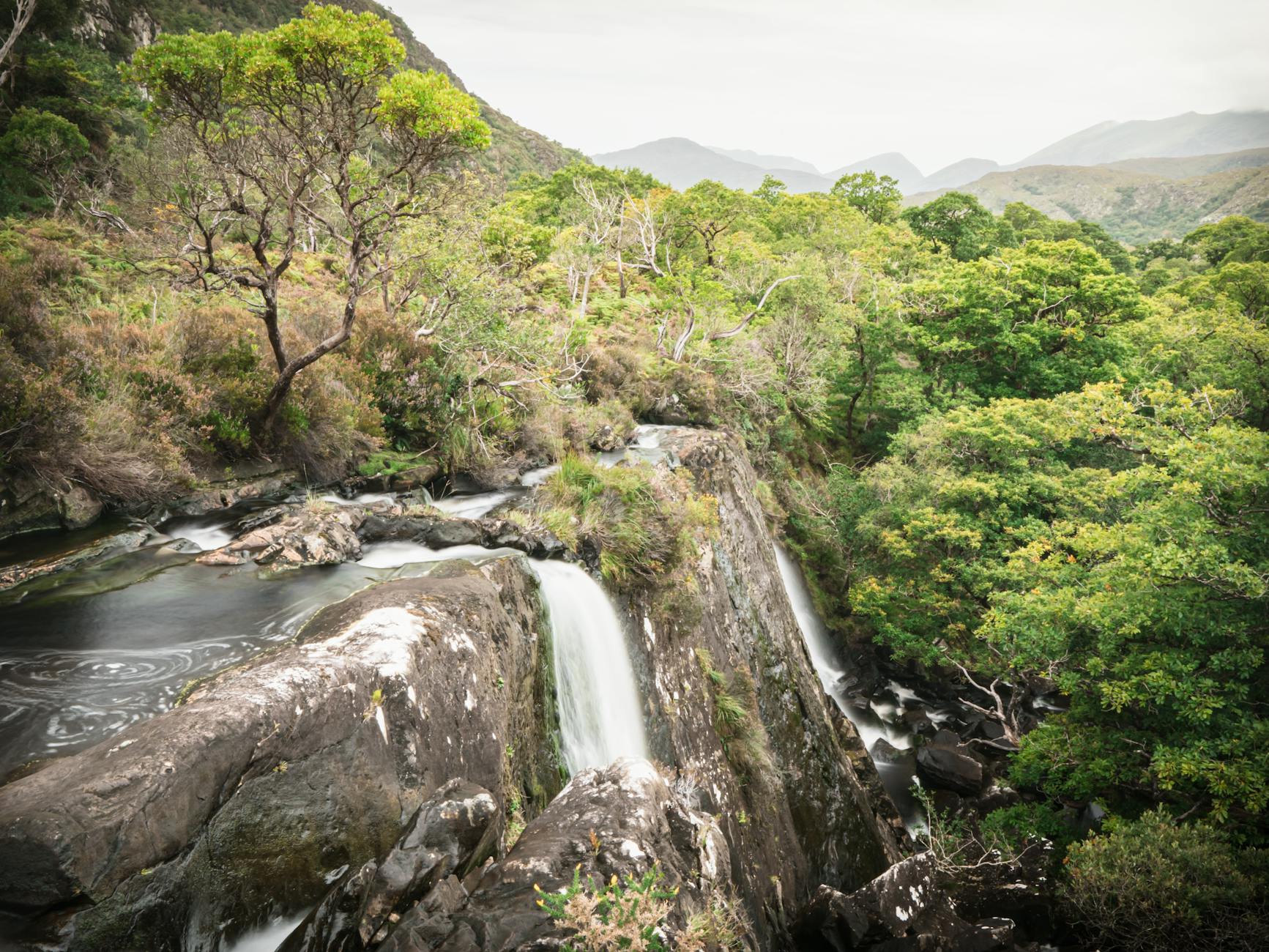
Killarney National Park should not be treated as a single stop. Muckross, Torc Waterfall, Ross Castle, lakeshore routes, viewpoints, wooded paths, carriage routes, and trail connections can fill more time than expected. Distances, surfaces, weather, crowds, and transport back to lodging all matter.
A strong plan groups park activities logically instead of hopping between scenic names. The traveler should know where the day starts, how far the route goes, where toilets and food fit, how to return, and what to skip if rain or fatigue changes the plan.
- Group park routes by distance, surface, transport, toilets, food, and return plan.
- Avoid treating every named Killarney stop as a quick add-on.
- Protect time for weather changes, crowds, photos, and recovery.
Plan weather, gear, and daylight conservatively
Killarney outdoor plans should assume rain, wind, changing visibility, damp ground, and faster fatigue than a sunny itinerary suggests. Proper shoes, waterproof layers, warm layers, charged phones, offline maps, water, snacks, and a realistic turnaround time are basic planning tools, not overcautious extras.
Daylight matters for short trips, especially when travelers arrive late, combine outdoor activity with driving, or visit outside summer. A route that looks modest on a map can become a poor decision when weather, light, and transport stack against it.
- Pack for rain, wind, wet surfaces, cold pauses, and changing visibility.
- Use daylight and turnaround times to limit the route.
- Carry offline maps, power, water, snacks, and a bad-weather fallback.
Use transport to reach the right route
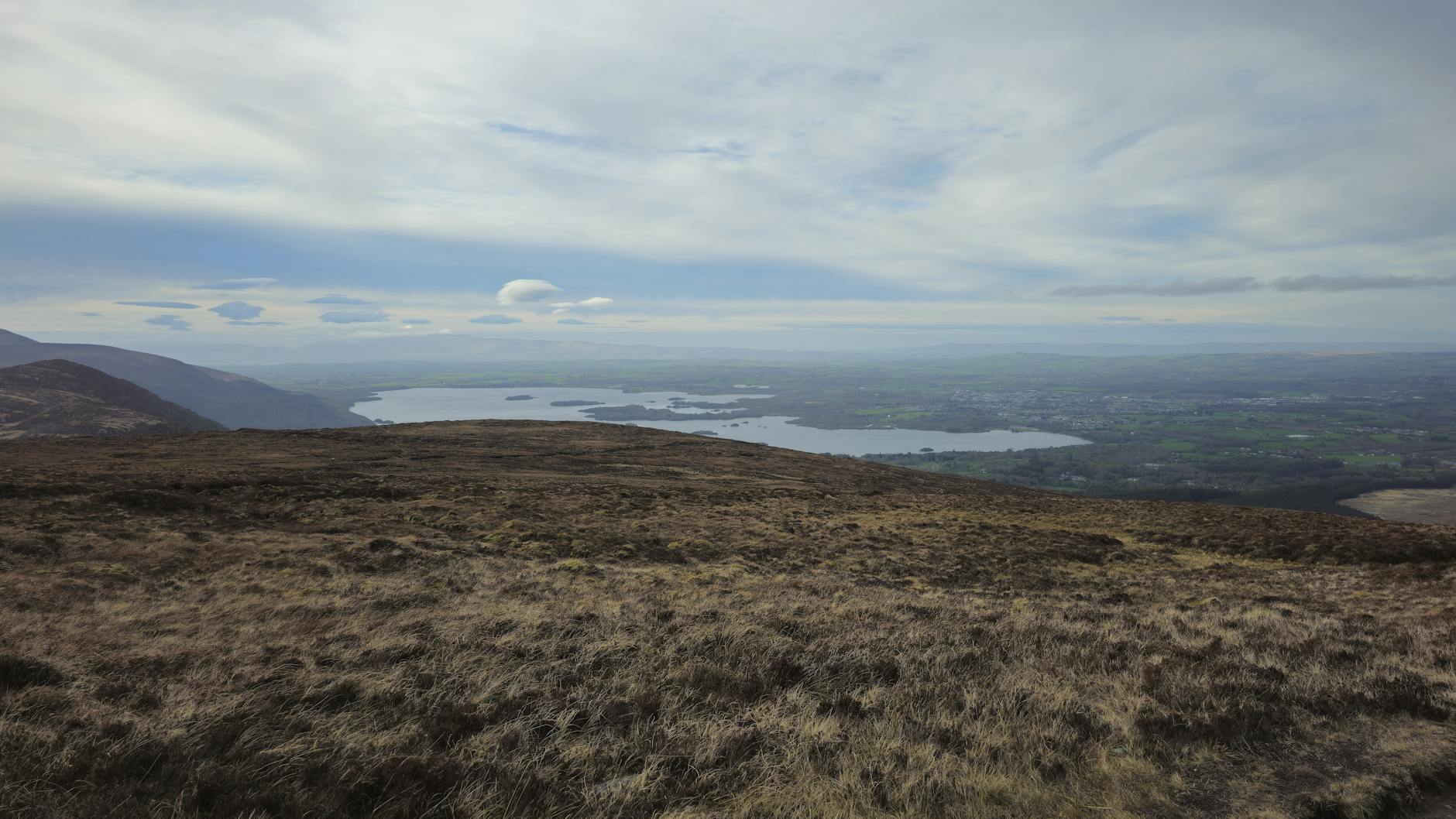
Transport should be chosen by the outdoor day, not by habit. Some travelers can rely on walking, taxis, shuttles, bikes, tours, boat links, or private drivers. Others need a rental car for flexible trailheads and regional routes. Each choice changes parking, timing, fatigue, safety, and how easy it is to quit early.
A driver can be useful for the Gap of Dunloe or a wider Kerry day when the traveler wants scenery without managing every road. A bike can be excellent for some routes and wrong for others. The right transport is the one that keeps the outdoor plan realistic.
- Match transport to the route, weather, gear, parking, and bailout options.
- Consider taxis, tours, drivers, bikes, boats, or rental cars by day plan.
- Do not let transport complexity consume the outdoor value of the trip.
Separate adventure from exhaustion
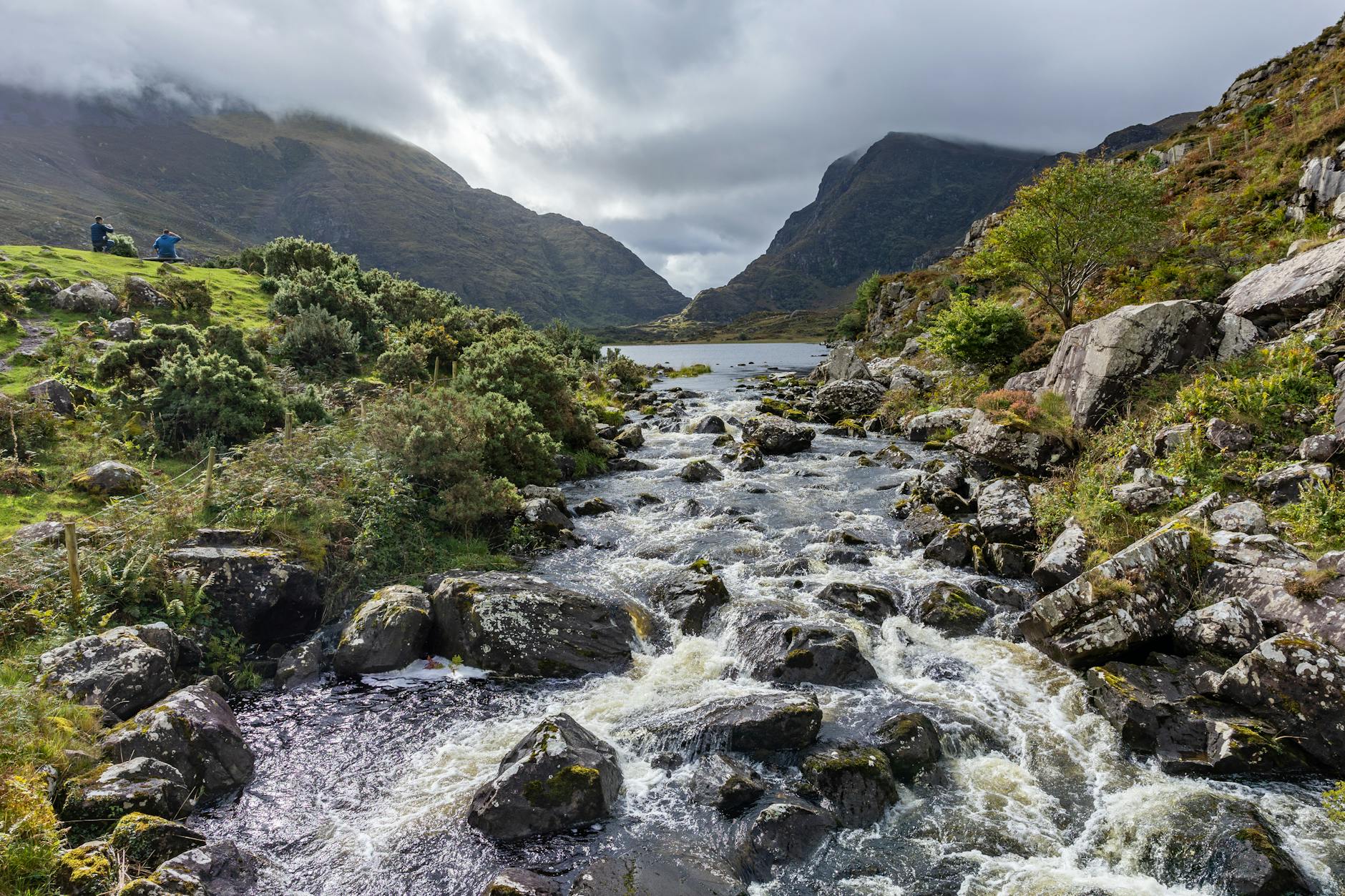
Short outdoor trips often fail by combining too many high-effort pieces: an early train or drive, a long park day, a scenic road loop, an evening pub plan, and another ambitious route the next morning. Killarney rewards energy, but it also punishes vague fatigue management.
The traveler should decide which day carries the main effort and which parts are recovery, food, sleep, light walking, or weather flexibility. If the trip includes children, older companions, medical issues, or work obligations, this becomes even more important.
- Identify the main effort day and protect recovery around it.
- Avoid stacking long routes, scenic drives, late nights, and early starts.
- Plan around the least resilient traveler in the group.
Respect land, water, wildlife, and shared paths
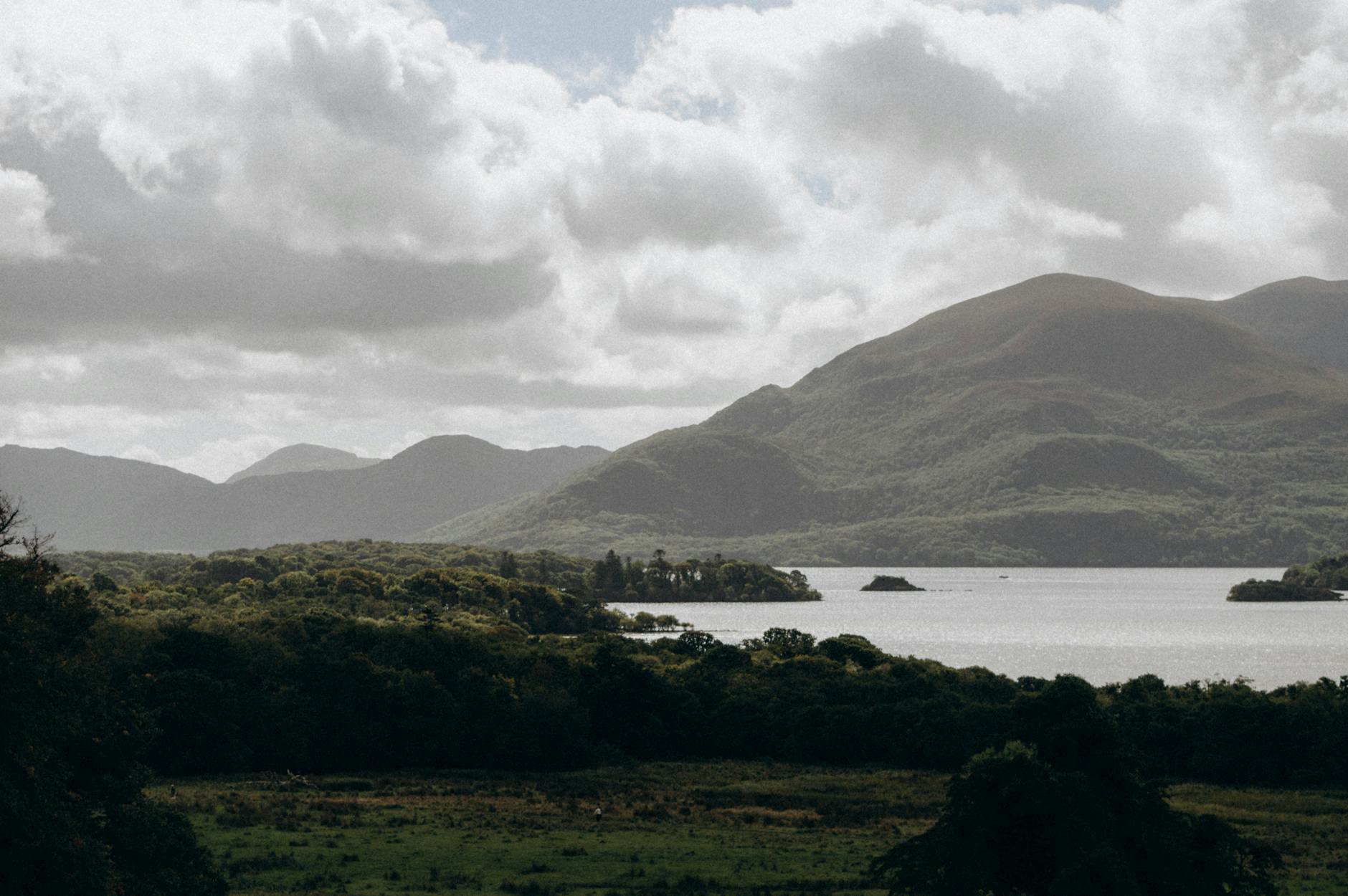
Killarney's outdoor appeal depends on protected landscapes, working visitor routes, wildlife, water, and shared paths. Travelers should follow local rules, stay on appropriate routes, manage litter, avoid disturbing animals, give space to walkers, cyclists, drivers, horses, and guides, and treat ruins and natural areas as more than backdrops.
Adventure travel is not an exemption from restraint. The best outdoor plan leaves less trace, creates fewer conflicts, and recognizes that the destination is both beautiful and managed.
- Follow route rules, conservation guidance, access limits, and local signage.
- Share paths carefully with walkers, cyclists, horses, vehicles, and guides.
- Treat the park and wider Kerry landscape as protected places, not just playgrounds.
When to order a short-term travel report
An outdoor traveler with one easy park walk and flexible expectations may not need a custom Killarney report. A report becomes useful when the trip involves multiple routes, tight weather windows, rental cars, guides, cycling, children, mobility or medical constraints, scenic drives, ambitious hiking, or a need to decide what not to attempt.
The report should test route design, weather fallback, lodging, transport, gear, daylight, fitness, recovery, food, safety, budget, and cancellation points. The value is an outdoor Killarney trip that feels adventurous because it is well judged, not because it ignored the obvious constraints.
- Order when routes, transport, weather, gear, fitness, or safety need testing.
- Provide dates, activity goals, route ideas, lodging options, transport plans, fitness level, budget, and constraints.
- Use the report to choose the right outdoor ambition for the trip.