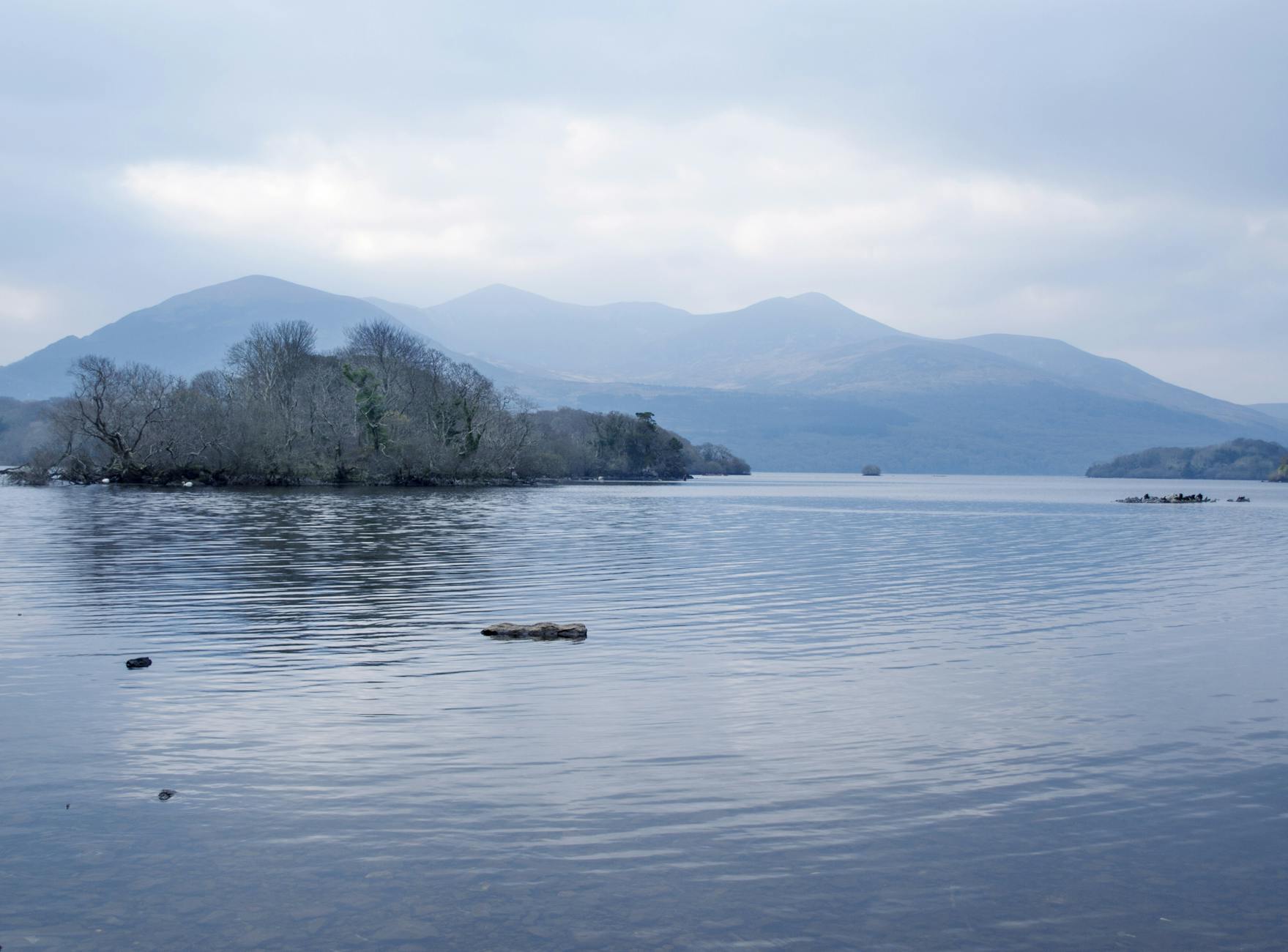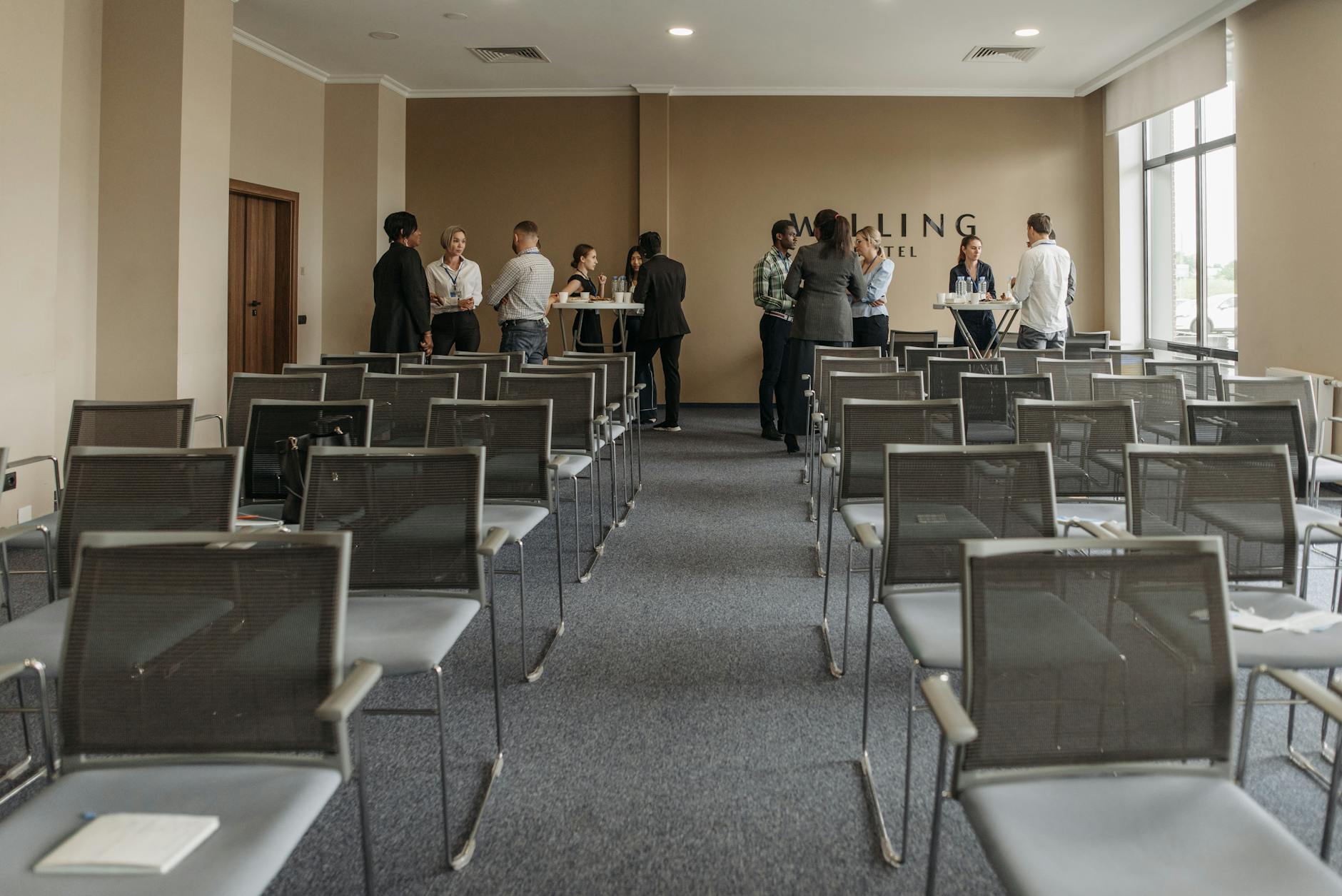
Killarney can be an appealing academic conference setting because it combines hotels, event infrastructure, town walkability, Muckross and national park access, and a strong sense of place. It can also dilute the academic purpose if the attendee treats the trip as a scenic break first and a conference second. A strong Killarney conference plan starts with the role at the event: presenting, chairing, interviewing, recruiting collaborators, accompanying students, attending an association meeting, or using the conference for field-relevant networking. That role should determine the hotel, arrival timing, work blocks, meals, and how much Kerry scenery belongs in the schedule.
Start with your conference role
A Killarney academic conference trip should begin with the attendee's role. A presenter needs rehearsal and technical checks. A panel chair needs session discipline. A graduate student may need networking strategy and affordable meals. A senior scholar may need private meeting time. A faculty member bringing students needs a different duty-of-care plan.
Once the role is clear, the trip can be organized around the conference spine. Killarney's scenery should support the work, not compete with it for attention.
- Define whether the trip is for presenting, chairing, networking, interviewing, student support, or association work.
- Protect the few sessions, meetings, and preparation blocks that matter most.
- Treat scenic time as secondary to the academic purpose.
Choose lodging around the venue
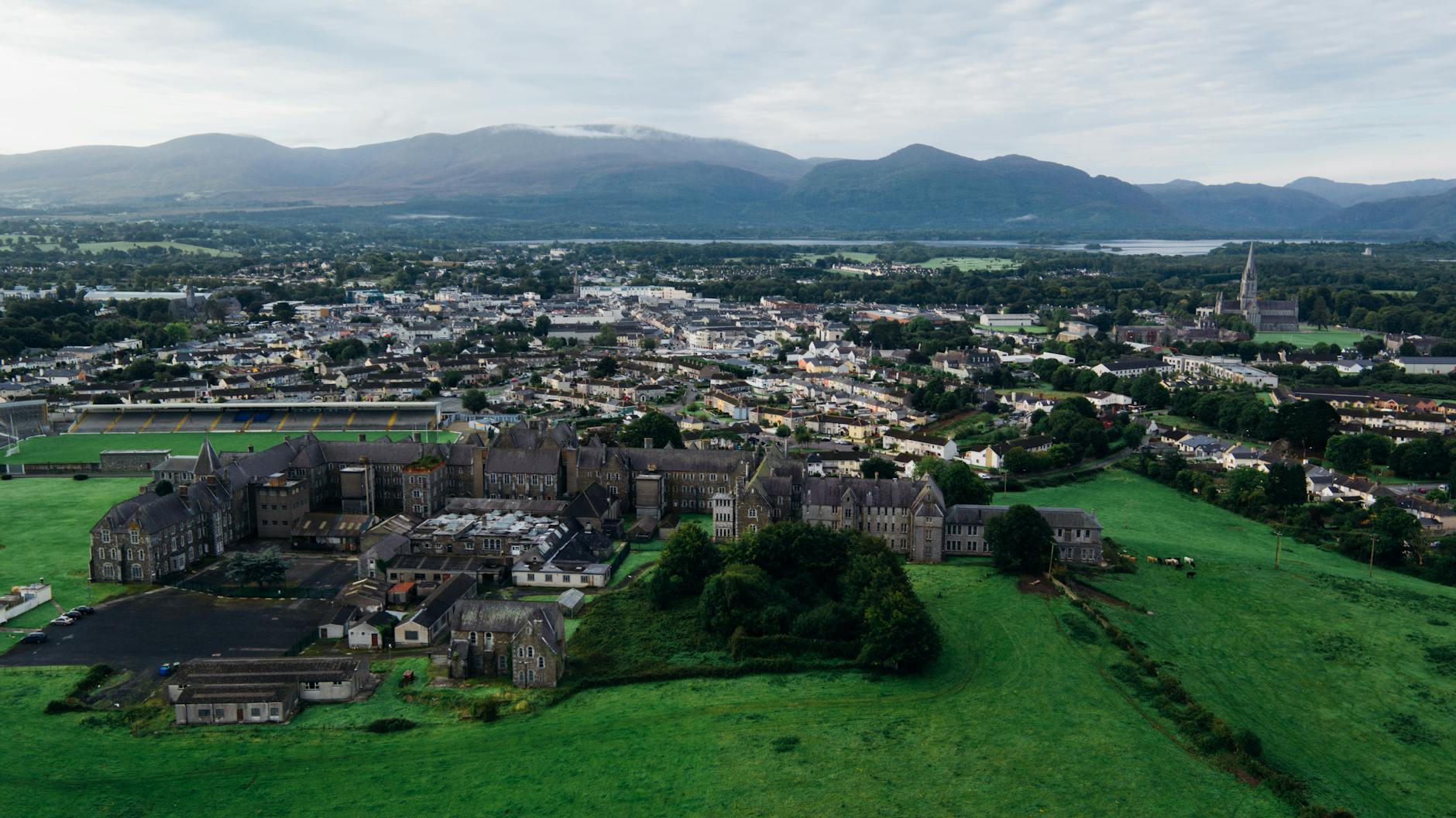
Conference hotels in Killarney can be valuable because the town is busy, weather is changeable, and event schedules often run from breakfast through evening receptions. A cheaper room outside the main venue may cost the attendee energy, taxi time, and missed informal conversations.
The attendee should compare the conference hotel, overflow properties, town-center options, and any venue shuttle or taxi needs. Convenience matters when carrying a laptop, poster tube, books, formal clothes, or field materials.
- Compare conference hotel, overflow hotels, town-center lodging, taxis, shuttles, and walking routes.
- Account for rain, late receptions, poster materials, laptop bags, and formal clothing.
- Pay for proximity when it protects attendance, preparation, and networking.
Plan access before committing to arrival day sessions
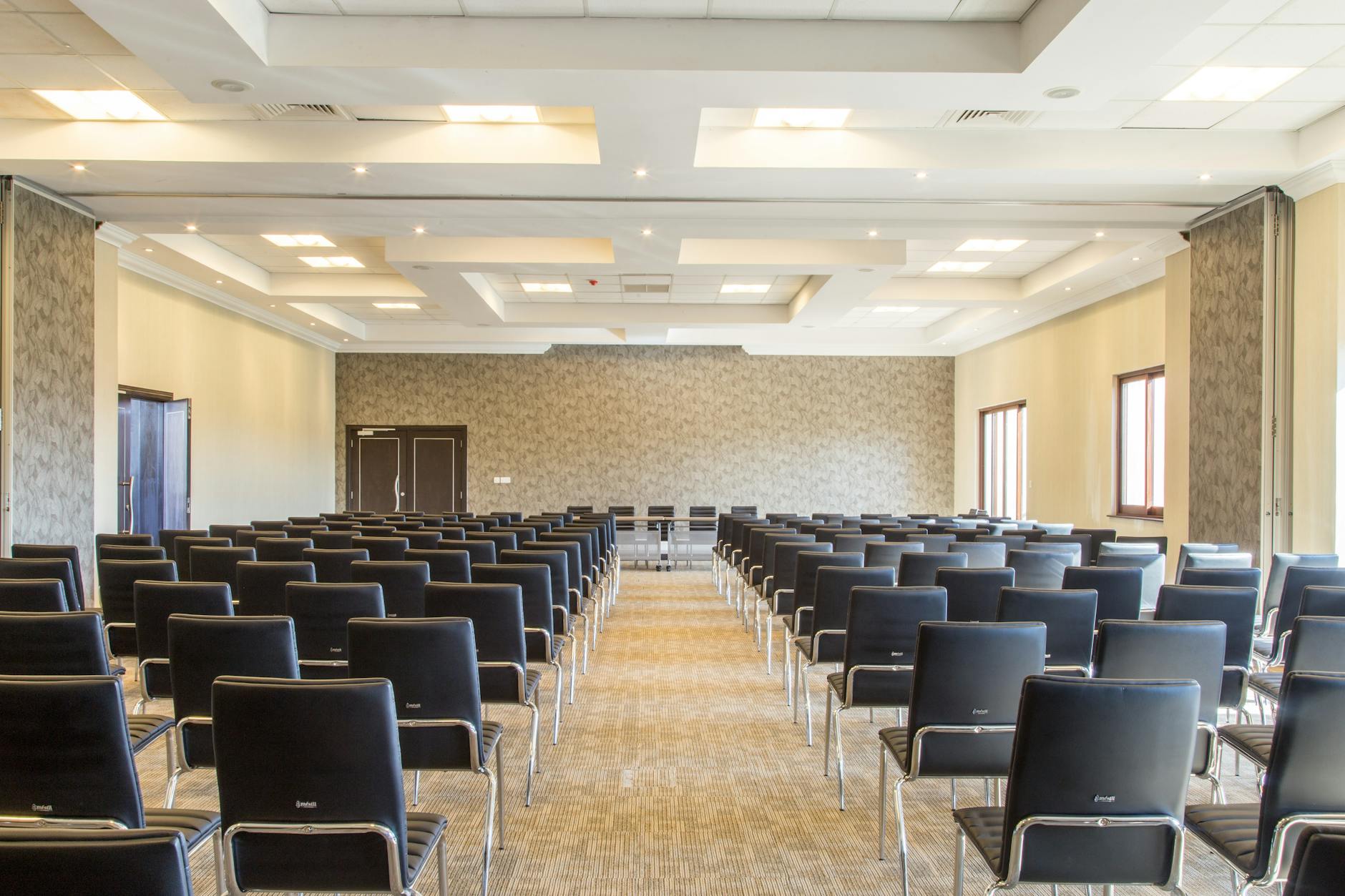
Killarney access may involve Kerry Airport, Cork, Shannon, Dublin, rail, rental cars, or private drivers. A conference attendee should not assume that a late arrival can still support a morning presentation or an evening networking obligation. Ground time can be the hidden risk in the trip.
If the attendee is presenting, interviewing, or chairing early, arriving the night before may be the professional choice. The plan should include luggage, transport, dinner, slide review, and sleep before the first obligation.
- Compare Kerry, Cork, Shannon, Dublin, rail, rental cars, and private drivers by reliability.
- Avoid placing high-stakes sessions immediately after fragile arrival logistics.
- Carry slides, notes, adapters, medication, and essentials in hand luggage.
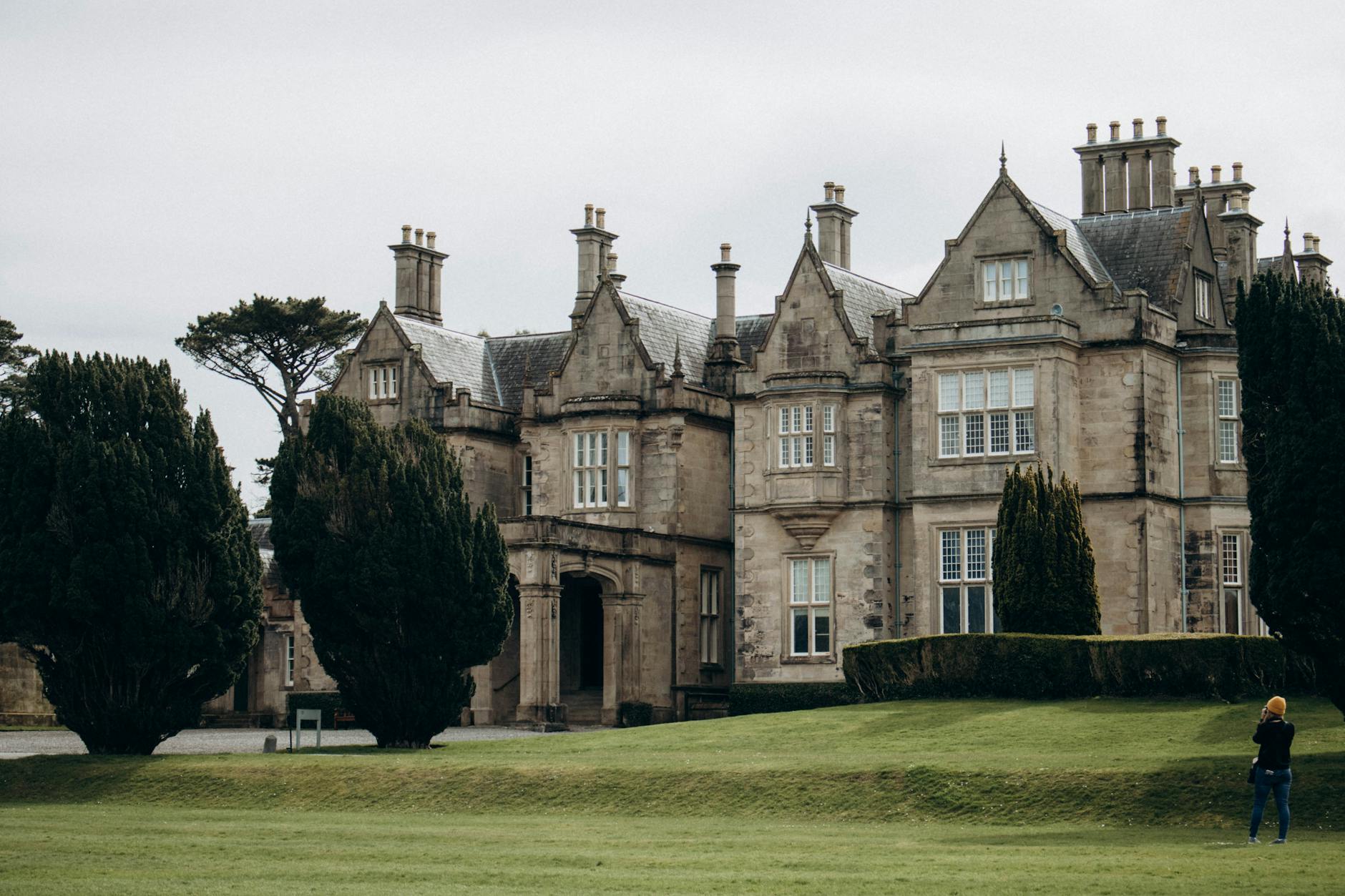
Protect presentation and work readiness
Academic trips often fail in small operational ways: weak Wi-Fi, no quiet place to rehearse, poor printing options, dead devices, missing adapters, or no time to review notes after travel. Killarney's visitor appeal can make those problems more likely if every gap is used for scenery.
The attendee should schedule work blocks for slides, handouts, poster setup, grant conversations, email, and follow-up. A beautiful conference setting is still a work setting.
- Protect time for slides, rehearsal, poster setup, printing, charging, and session review.
- Confirm Wi-Fi, desk space, quiet calls, adapters, cloud access, and backup files.
- Do not spend every break on sightseeing before high-stakes academic obligations.

Use networking meals deliberately
Killarney can support useful conference meals, but the venue should match the academic purpose. A supervisor dinner, collaborator meeting, graduate-student meal, editor conversation, or association reception each needs a different balance of privacy, cost, noise, access, and tone.
Restaurant demand can rise sharply during events and leisure periods. The attendee should not leave important networking to whatever table is free after the last panel.
- Match meals to hierarchy, discipline culture, privacy, budget, dietary needs, and return route.
- Reserve important dinners early during peak tourism or conference periods.
- Use scenic atmosphere only when it helps the conversation.
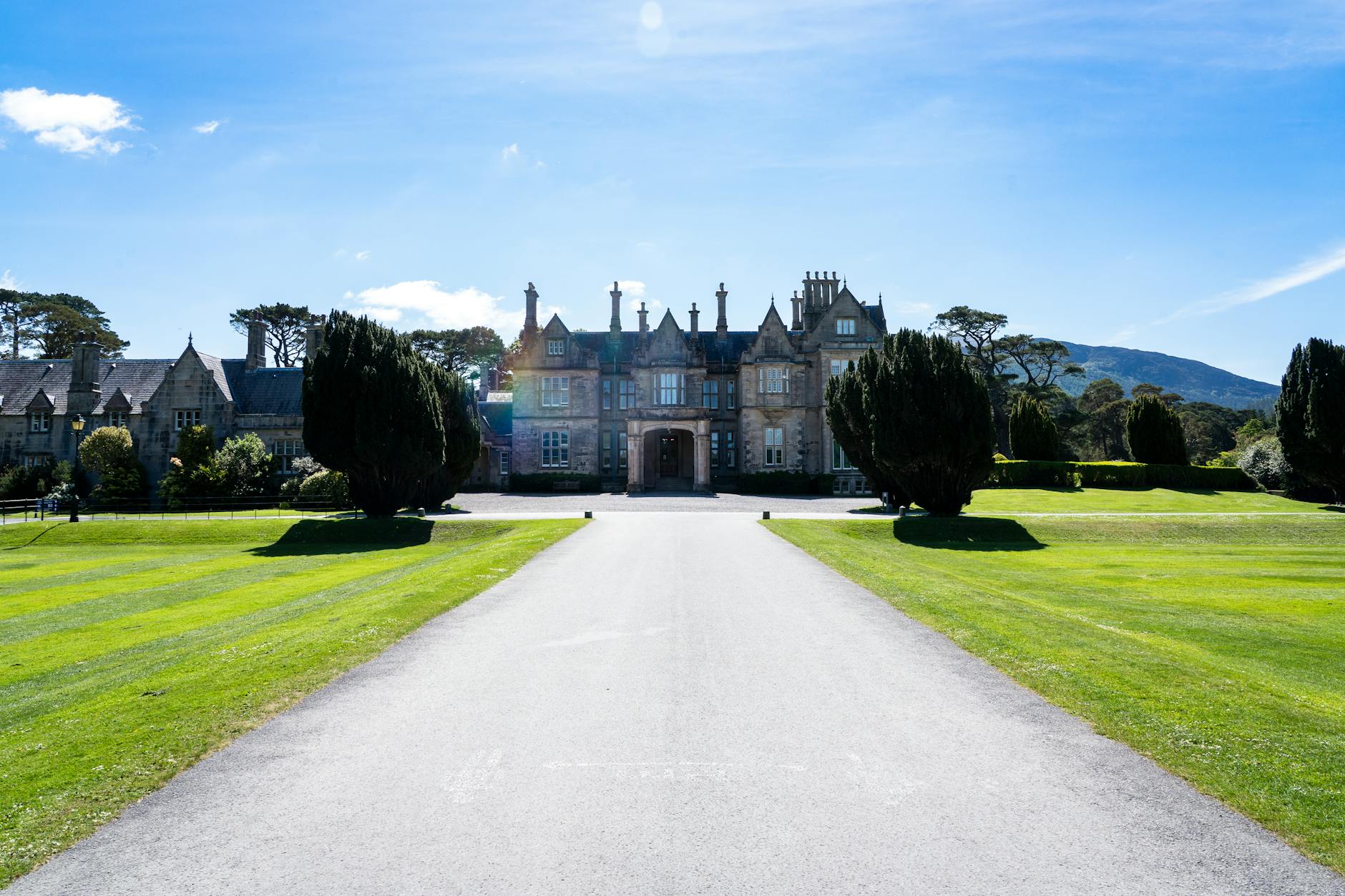
Keep scenic time bounded
Muckross, the lakes, Ross Castle, town walks, and national park edges can make the conference memorable. They can also swallow the margin needed for rest, preparation, and networking. The attendee should choose scenic time with the same discipline used for sessions.
One well-timed walk or post-session outing may be better than trying to convert every free hour into tourism. Weather, daylight, footwear, and conference dress should shape what is realistic.
- Choose one or two scenic windows rather than scattering attention across every break.
- Check weather, daylight, footwear, and return time before leaving the conference area.
- Avoid scenic overreach before presentations, interviews, or early sessions.
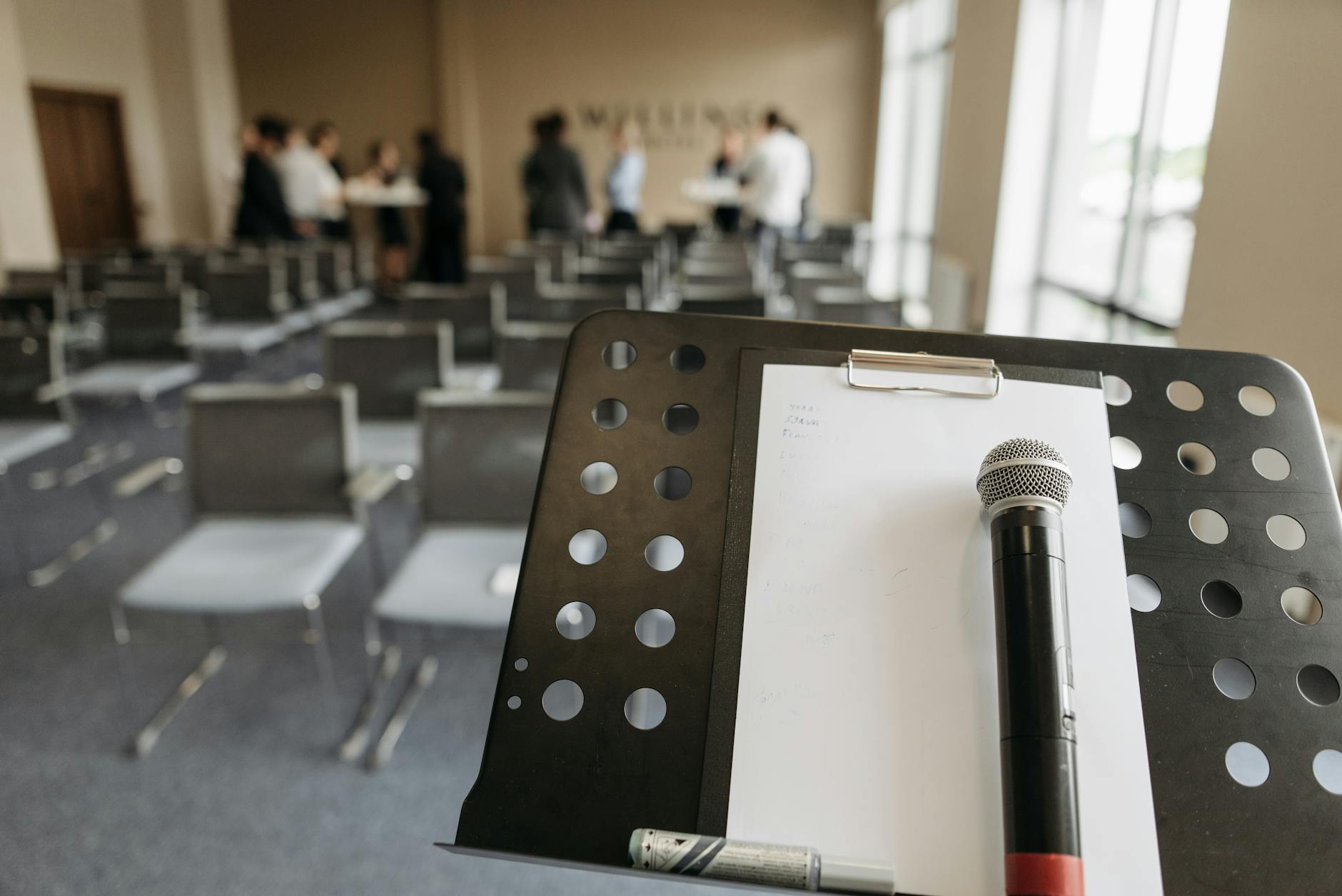
When to order a short-term travel report
An academic attendee with a conference hotel, easy arrival, and low-stakes attendance may not need a custom Killarney report. A report becomes useful when the trip includes a presentation, student group, senior scholar meetings, high-season lodging, uncertain access, multiple venues, budget pressure, or a need to decide how much scenic time belongs in the schedule.
The report should test access, hotel fit, venue geography, presentation logistics, networking meals, seasonal demand, weather, work blocks, scenic options, budget, and what to cut. The value is a Killarney academic trip that supports scholarship first.
- Order when presentation stakes, hotel location, access, networking, student travel, or seasonality needs testing.
- Provide conference venue, dates, role, sessions, hotel options, access plans, budget, and constraints.
- Use the report to keep academic value stronger than scenic distraction.