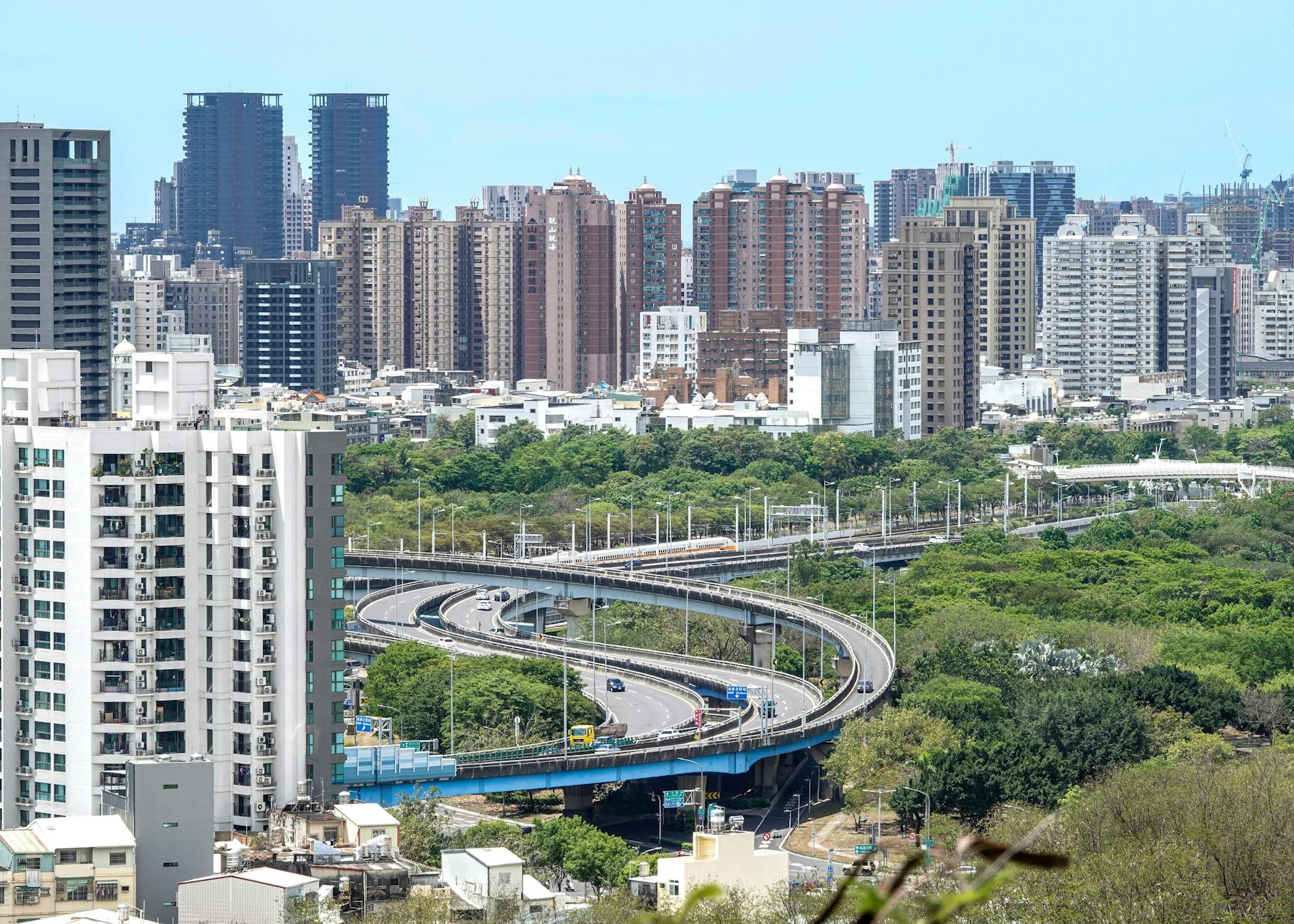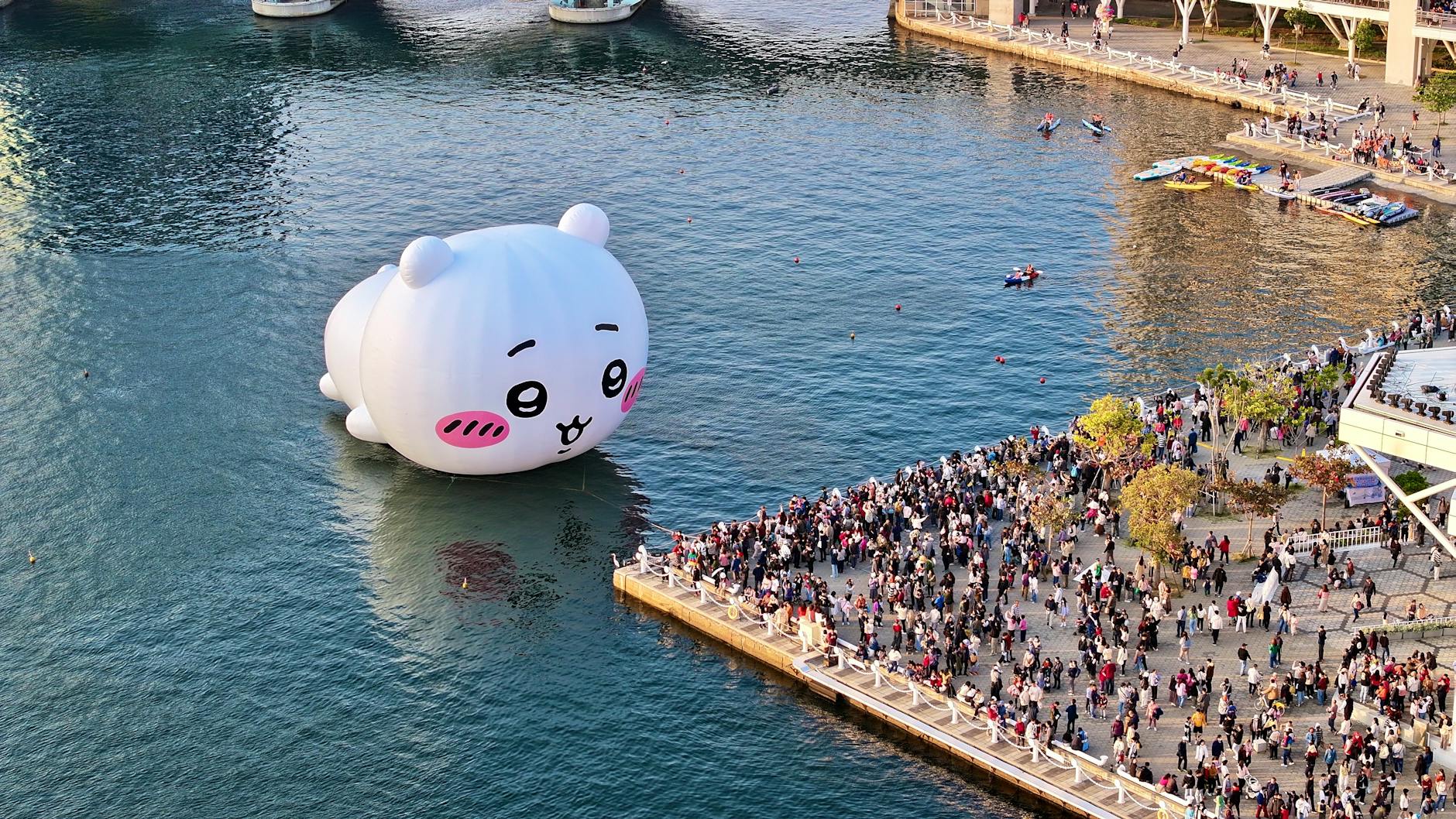
Kaohsiung gives tourists a strong mix of harbor views, design districts, ferries, temples, night markets, MRT and light rail routes, and southern Taiwan food culture. It is accessible enough for an easy short visit, but the city still asks for choices. A tourist who tries to include every waterfront, island, temple, market, and side trip may spend more time crossing the city than experiencing it. A good Kaohsiung tourist plan chooses a base, a waterfront rhythm, one or two signature sights, and a realistic heat strategy. The trip should feel like Kaohsiung, not like a rushed inventory of attractions.
Choose the base before the attraction list
Kaohsiung tourists should choose lodging by the routes they actually expect to use. A hotel near an MRT or light rail corridor can make Pier-2, Love River, Cijin, night markets, and HSR Zuoying easier. A scenic waterfront hotel may be less useful if every day begins with a long transfer.
The right base reduces decision fatigue. It also makes it easier to return for a shower, rest, or change of clothes during hot or rainy weather.
- Compare hotels by MRT, light rail, taxi pickup, HSR Zuoying, airport access, and evening return routes.
- Choose a base that supports the sights, meals, and ferry movements in the actual itinerary.
- Protect easy returns for rest, laundry, heat breaks, and late arrivals.
Use the waterfront as a planning spine
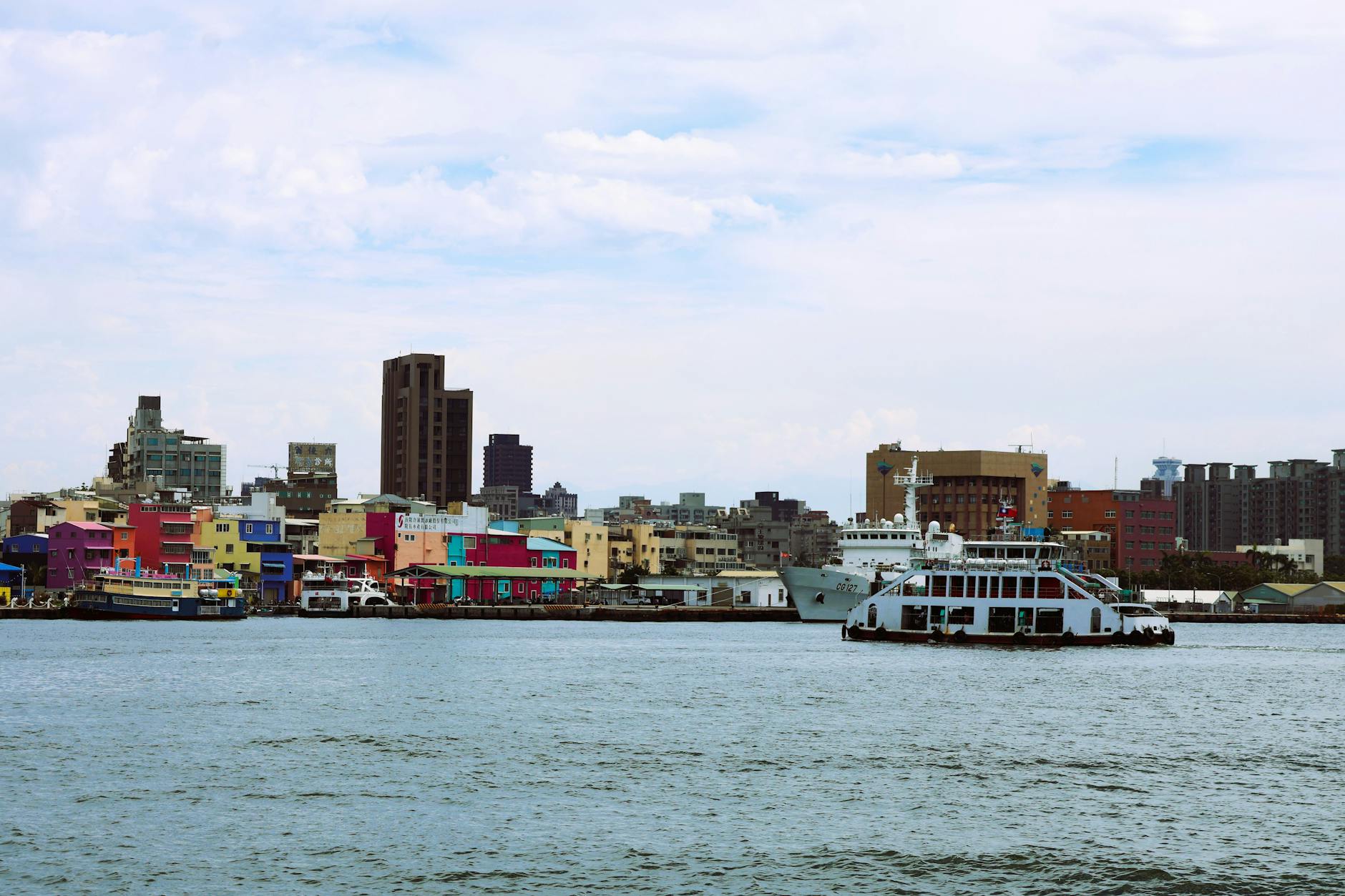
Kaohsiung's waterfront is one of its clearest tourist strengths. Pier-2, harbor views, Love River, light rail corridors, ferry access, and sunset routes can connect well if the day is sequenced with care. They become less enjoyable when treated as disconnected stops in humid weather.
A strong short itinerary may pair one design district, one harbor view, one meal, and one evening walk. That is often more satisfying than chasing every named viewpoint.
- Build one route around Pier-2, Love River, harbor views, light rail, ferry access, and a meal.
- Check sunset timing, walking exposure, crowd levels, and how to return to the hotel.
- Avoid turning the waterfront into a series of scattered transfers.

Compare Lotus Pond and Fo Guang Shan honestly
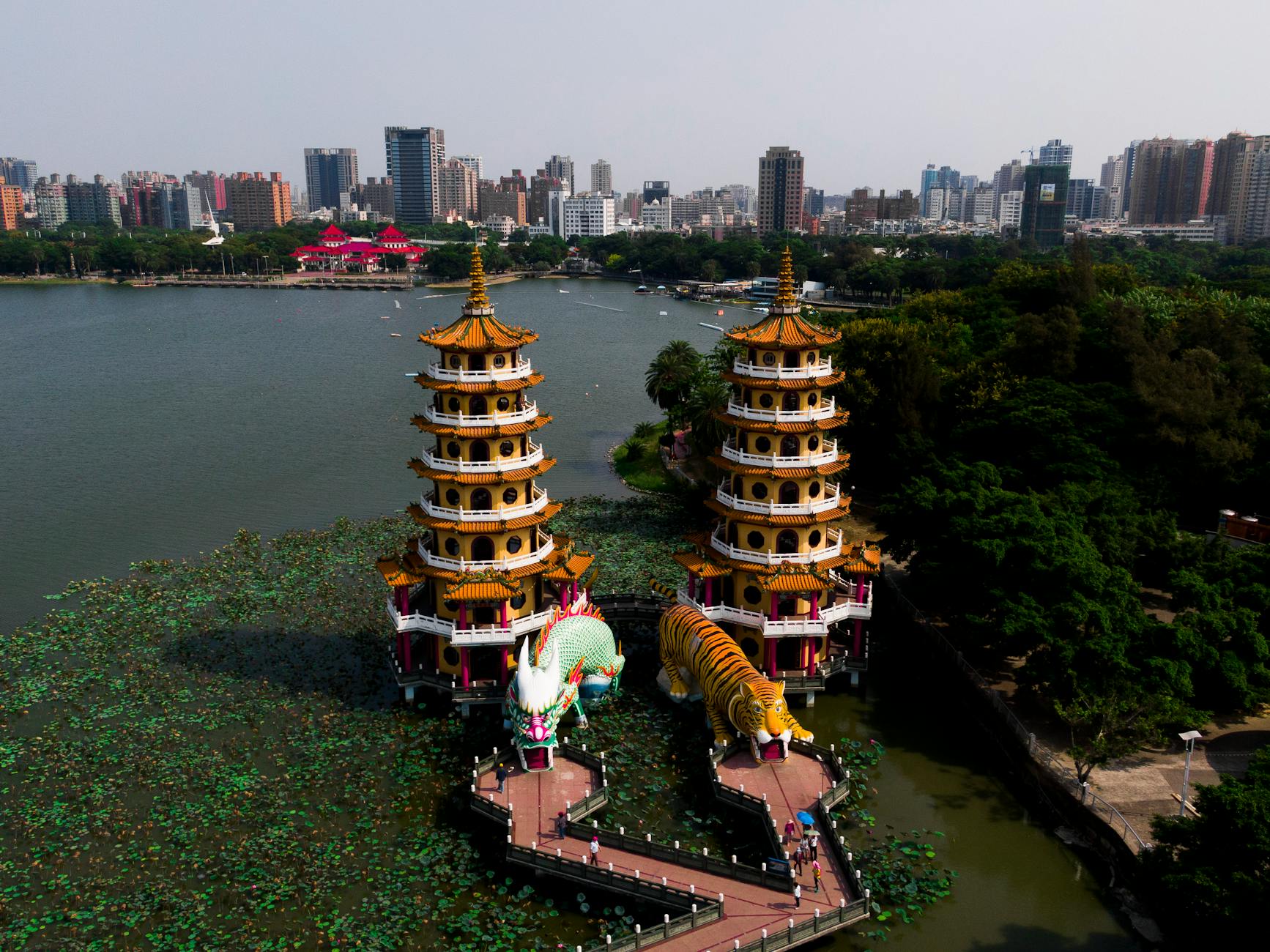
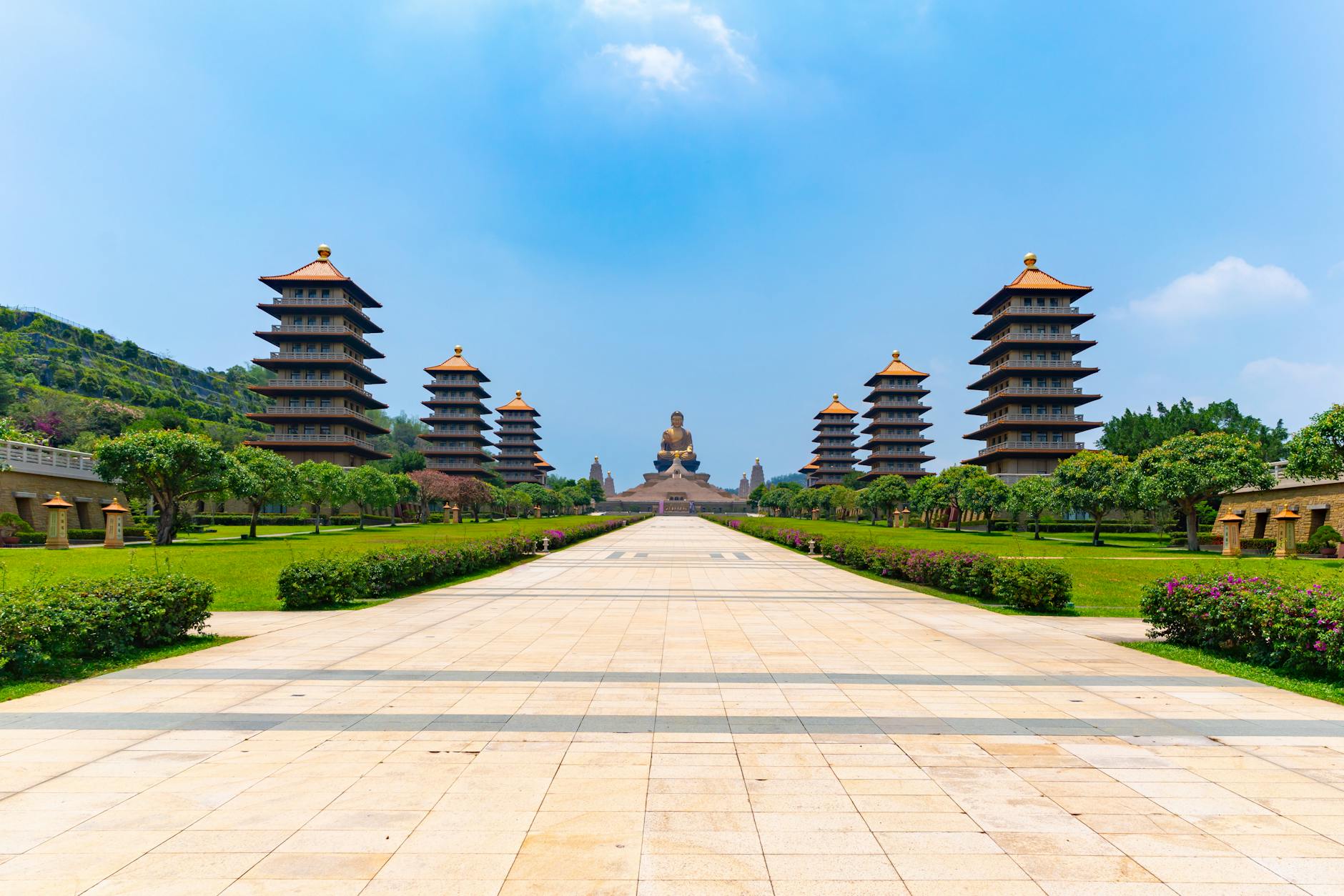
Lotus Pond can be a strong Kaohsiung tourist stop, especially when the traveler wants temples, water, photos, and a distinctive city landmark. Fo Guang Shan can be powerful, but it usually requires more time and a more deliberate transfer plan. Both can be worthwhile. Neither should be added only because it appears on a list.
The traveler should choose by available time, heat, transport, walking tolerance, religious-site etiquette, and what the stop replaces.
- Compare Lotus Pond, Fo Guang Shan, and other temple routes by transfer time and heat exposure.
- Plan respectful clothing, walking distance, shade, bathrooms, and return transport.
- Choose one larger cultural anchor when the trip is short.
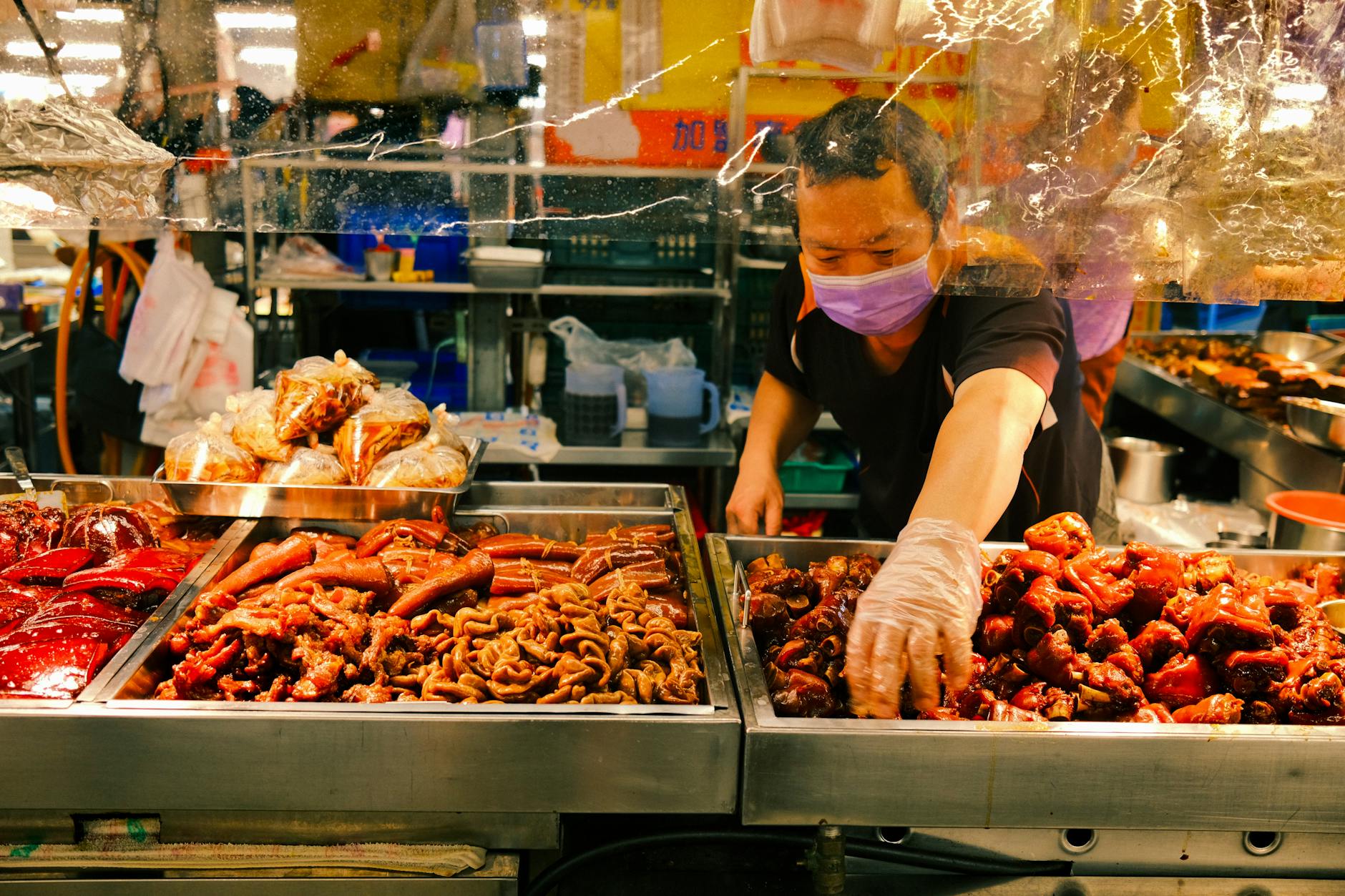
Plan night markets as meals, not errands
Night markets can be a highlight of a Kaohsiung tourist visit, but they work best when treated as a meal plan rather than a vague evening add-on. The traveler should check opening days, cash, crowds, bathrooms, seating, dietary limits, spice, return transport, and how tired the group will be after daytime sightseeing.
A good night-market plan has priorities and an exit. The tourist does not need to sample everything to have a strong evening.
- Check market opening days, cash needs, food priorities, bathrooms, seating, and return route.
- Plan dietary limits, spice tolerance, allergies, alcohol, and group energy before arriving.
- Choose a manageable market evening instead of adding a crowded food route after an overloaded day.
Treat Cijin as a timed excursion
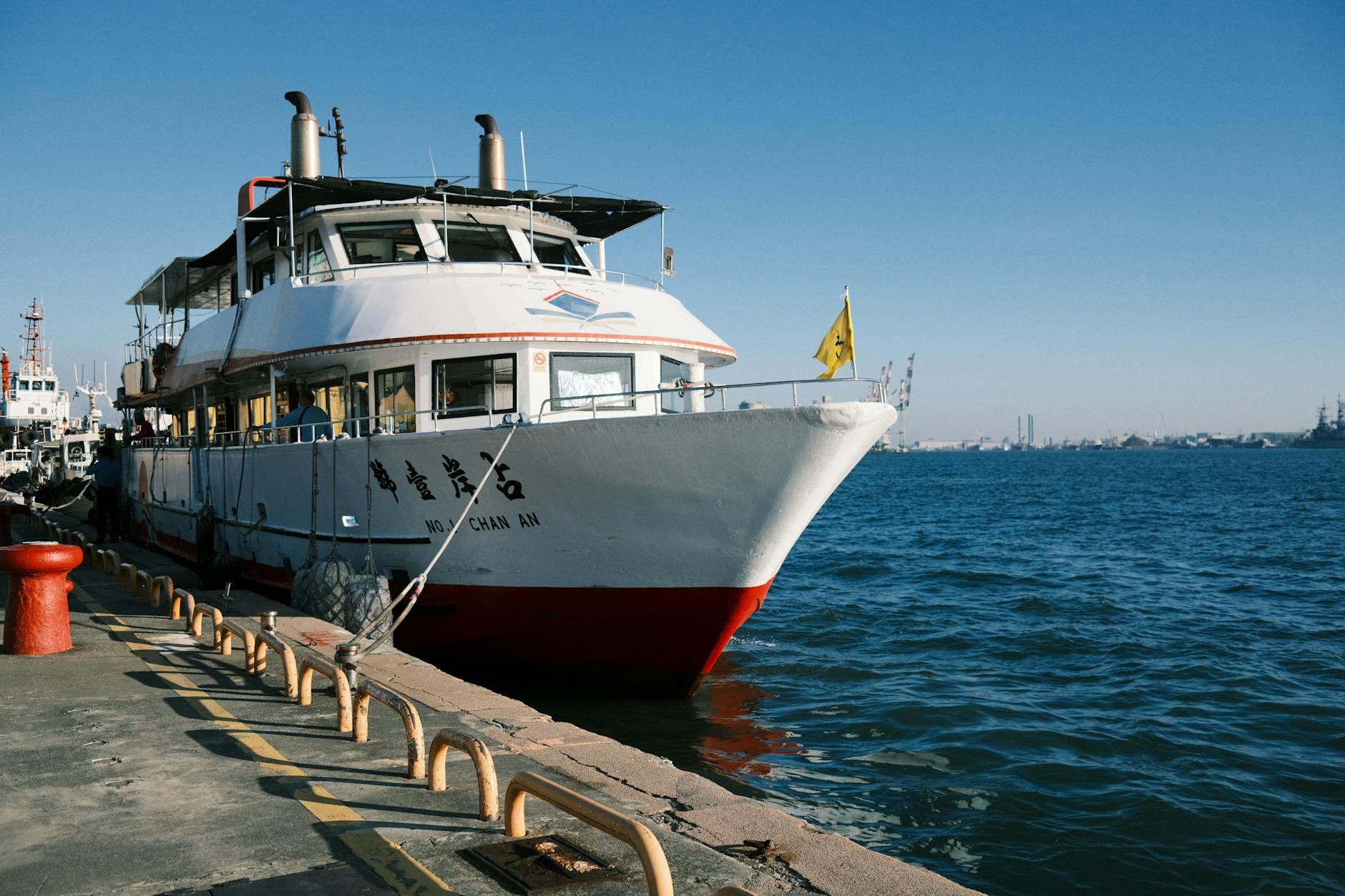
Cijin can be one of the most memorable parts of a Kaohsiung trip because it adds ferry movement, seafood, beach air, harbor views, temples, and a different pace. It also depends on weather, ferry timing, heat, and return energy. A tourist should not start too late without knowing the return plan.
The best Cijin visit has a clear ferry window, a small number of goals, and a backup if rain, crowds, or fatigue change the day.
- Check ferry timing, weather, crowds, food plans, beach exposure, and the return route before going.
- Limit the Cijin plan to a few goals instead of trying to cover the whole island.
- Keep a backup waterfront or indoor option if conditions change.
Build heat breaks into the route
Kaohsiung heat, humidity, rain, and bright sun can reshape a tourist day. The traveler should plan water, sunscreen, shade, umbrellas, taxis, indoor stops, laundry, and the possibility of returning to the hotel before evening. A route that looks short on a map can feel much longer when exposed.
The trip becomes easier when the itinerary expects cooling breaks instead of treating them as failure.
- Plan water, sunscreen, umbrellas, shaded walks, taxis, indoor stops, and hotel returns.
- Put outdoor waterfront, ferry, and temple time in the cooler parts of the day when possible.
- Leave room to shorten the plan without losing the core Kaohsiung experience.
When to order a short-term travel report
A tourist with several relaxed days and simple interests may not need a custom Kaohsiung report. A report becomes useful when the stay is short, the traveler is choosing between Cijin, Lotus Pond, Fo Guang Shan, night markets, and waterfront districts, or when heat, hotel location, budget, food, accessibility, or arrival timing could affect the whole trip.
The report should test hotel base, HSR and airport arrival, MRT and light rail routes, ferry timing, food plans, heat, weather backups, attraction sequence, budget, and what to cut. The value is a Kaohsiung tourist trip that feels complete without being crowded.
- Order when hotel base, ferry timing, temple choices, night markets, heat, or budget need testing.
- Provide dates, arrival mode, hotel options, interests, constraints, and must-see priorities.
- Use the report to make a short Kaohsiung visit focused, local, and easier to enjoy.