Kaohsiung can be a strong solo travel city because the MRT, harbor districts, waterfront walks, food areas, ferries, temples, and casual streets give an independent traveler a lot of flexibility. The main risk is overconfidence. Heat, long distances, late returns, ferry timing, and quiet stretches can make an easy-looking day feel less simple in practice. A good solo Kaohsiung plan keeps independence without leaving too many decisions to the tired end of the day. It chooses a base, solves transport, and builds in clear fallback points.
Make arrival and hotel return obvious
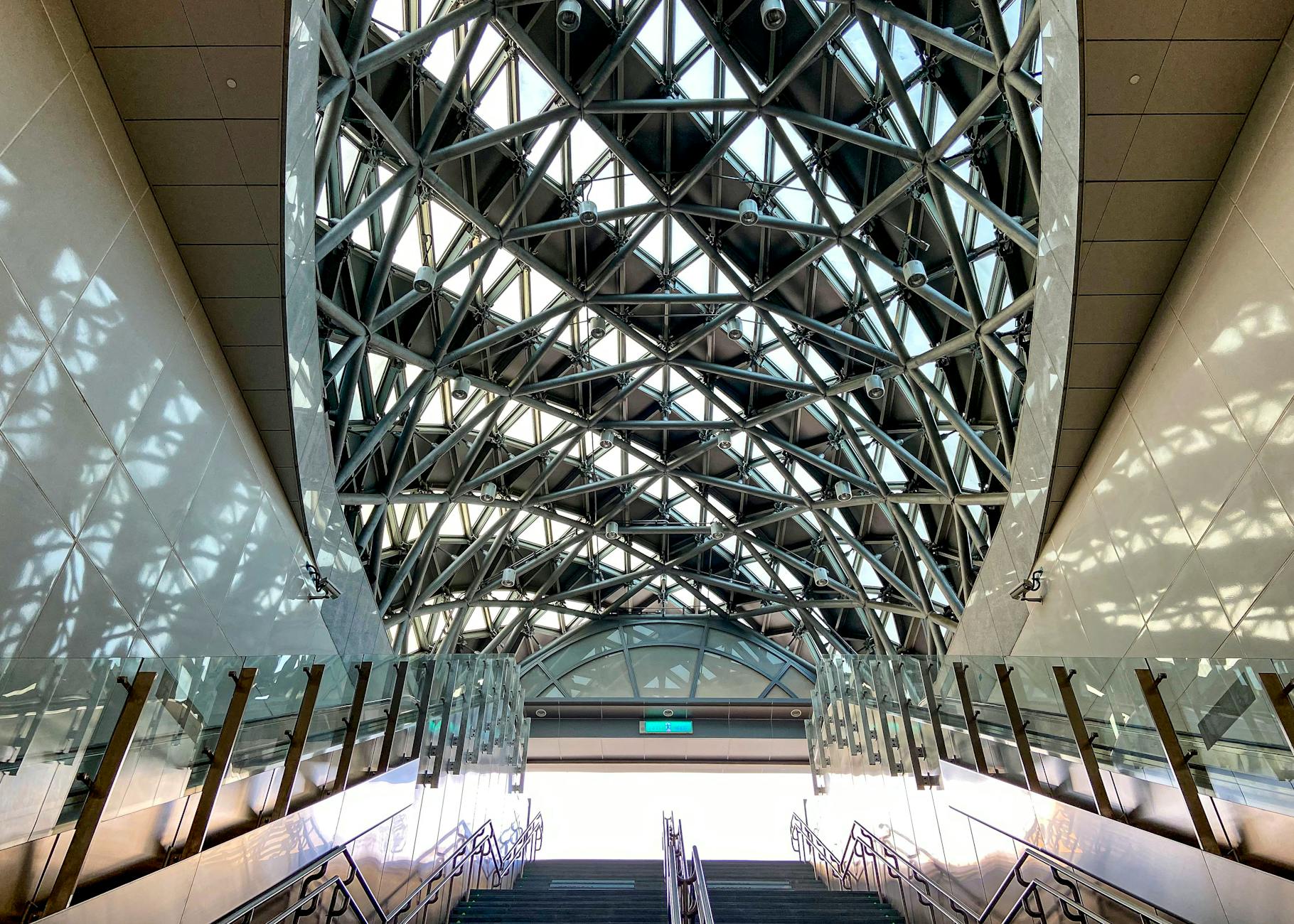
A solo traveler should arrive with the hotel address, nearest MRT station, taxi fallback, check-in timing, and data access ready. HSR Zuoying, the airport, MRT, light rail, and taxis are manageable, but the first transfer still deserves planning when the traveler is carrying luggage or arriving late.
The same applies at night. A strong solo plan always knows how to get back to the hotel without relying on guesswork.
- Save hotel address, MRT station, taxi fallback, check-in timing, and data access before arrival.
- Plan HSR, airport, MRT, light rail, and taxi links as separate steps.
- Keep the hotel return simple enough for a tired late evening.
Choose lodging by solo comfort
Solo lodging should be judged by front-desk staffing, elevator access, late entry, room quiet, nearby food, station walk, street lighting, taxi pickup, laundry, and how it feels returning alone. A cheaper room can be poor value if it creates awkward late-night movement or forces long hot walks with luggage.
The best base lets the traveler say yes to spontaneous meals and waterfront walks while still having an easy reset.
- Check front-desk staffing, late entry, elevators, quiet rooms, nearby food, and street lighting.
- Favor a base with easy station access and taxi pickup.
- Do not save money in a way that makes every solo return more stressful.
Build days around one clear route
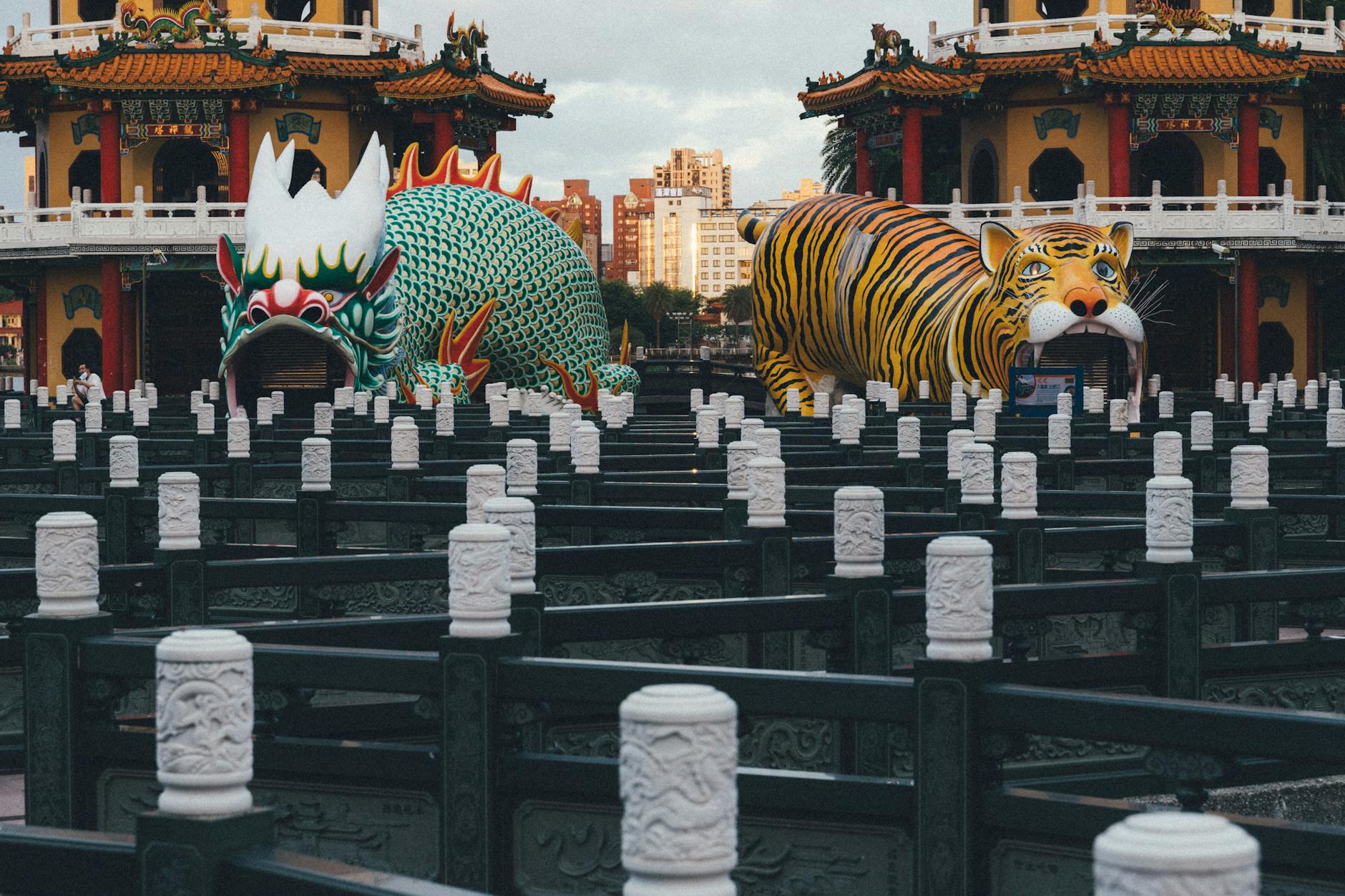
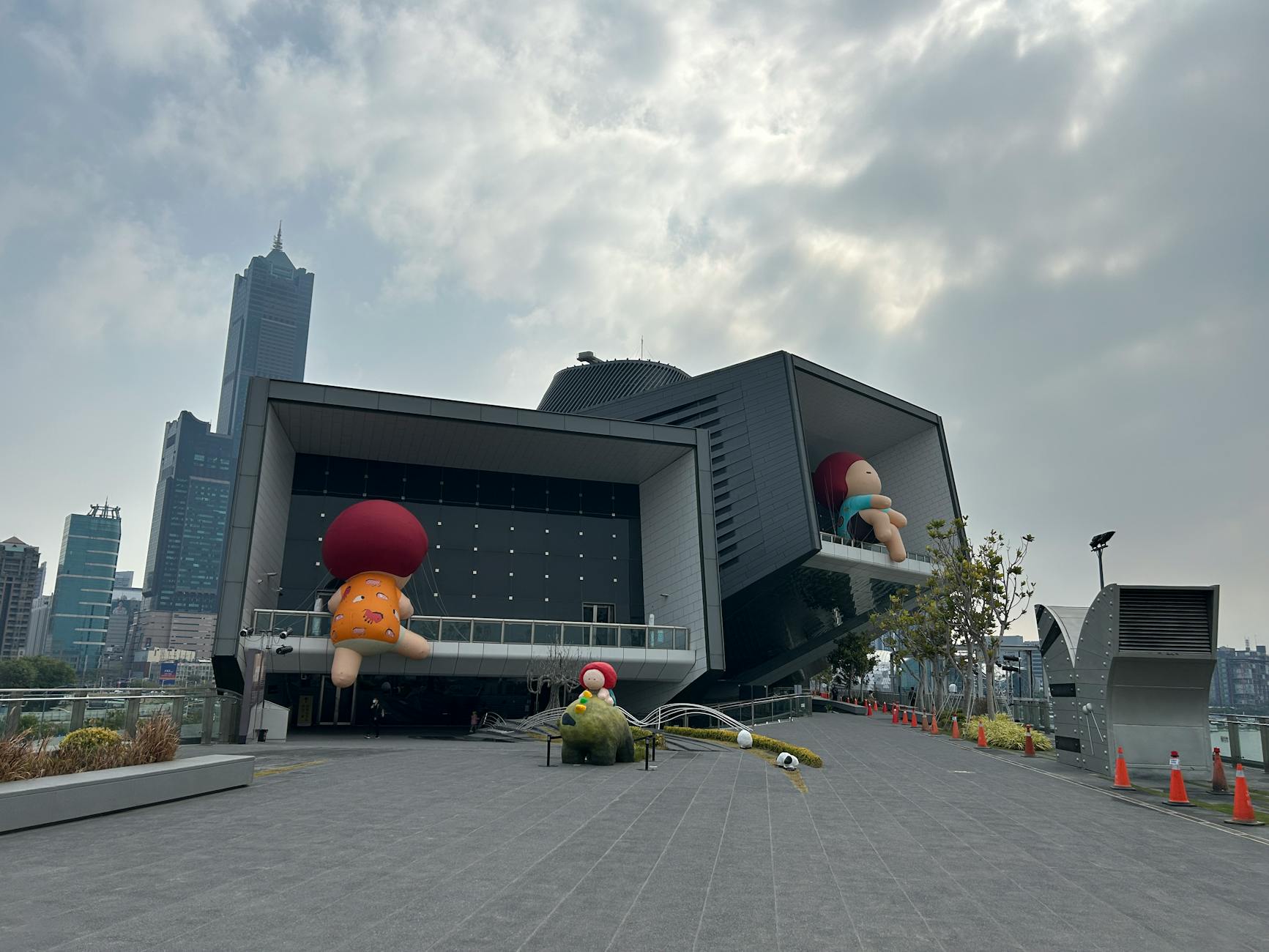
Kaohsiung rewards solo wandering, but the city is large enough that a route still helps. A day might center on Pier-2 and the waterfront, Lotus Pond and nearby temples, Cijin and a ferry crossing, or a food-and-MRT route. Trying to join all of those into one short day can produce more transit than pleasure.
A solo traveler should choose a main thread and mark two places to cut if heat, rain, or fatigue rises.
- Use one main route: waterfront, Lotus Pond, Cijin, or a food-and-MRT day.
- Avoid crossing the city repeatedly without a reason.
- Mark cut points before the day starts.
Use food without overcommitting
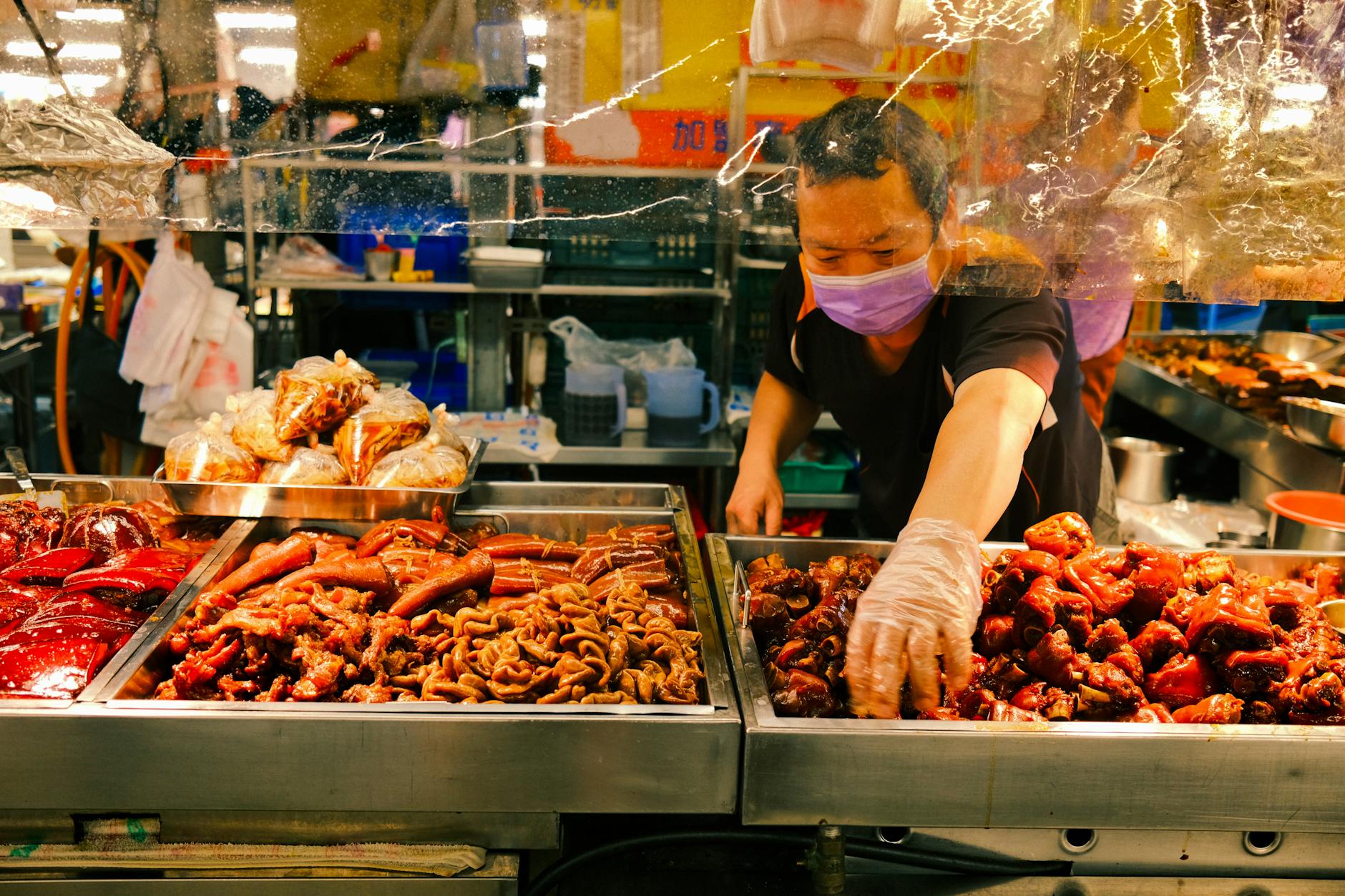
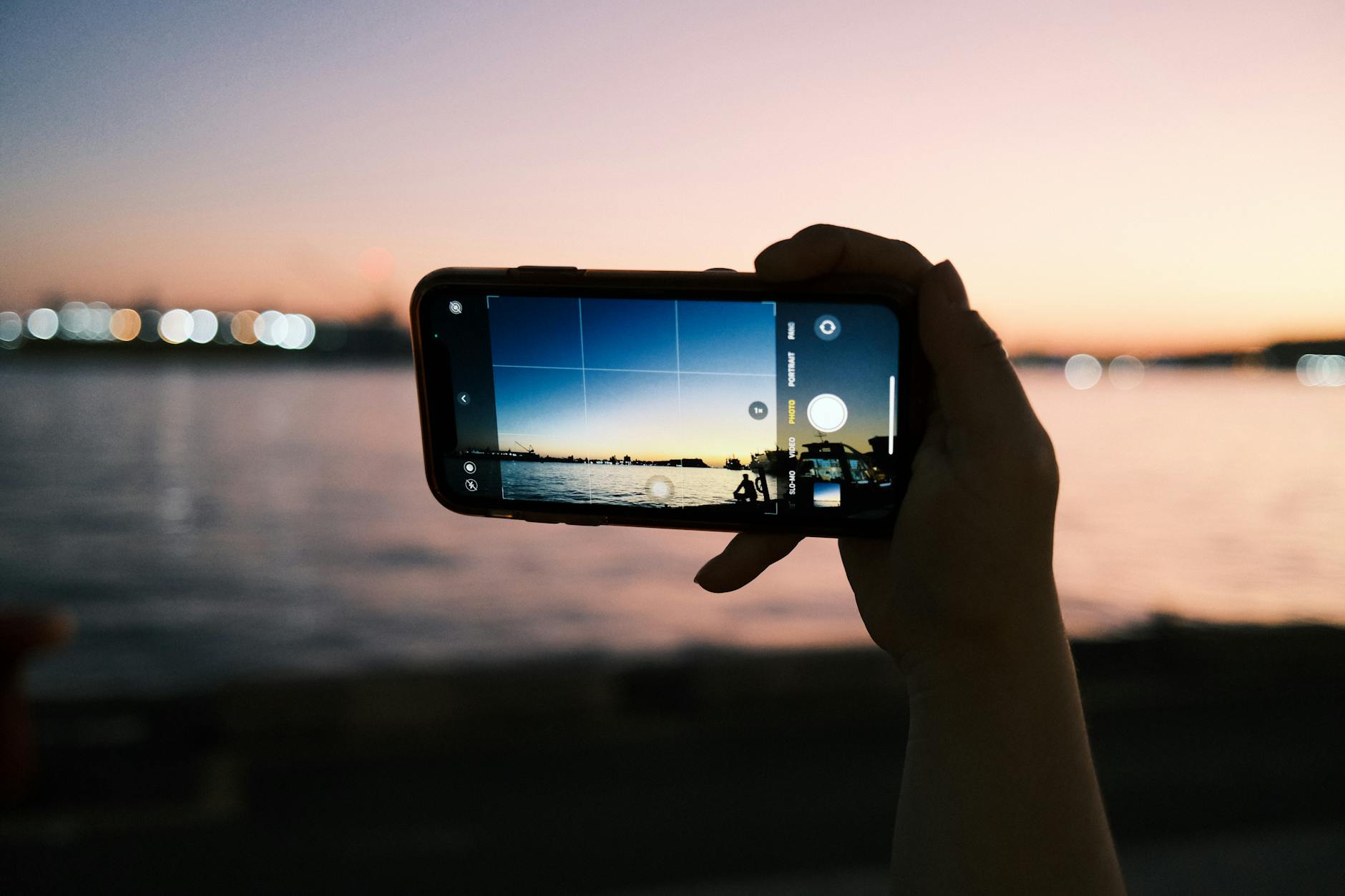
Solo travelers can eat well in Kaohsiung because night markets, street stalls, cafes, seafood areas, and casual restaurants work for one person. The traveler should still plan opening hours, cash, dietary limits, seating, queues, bathroom access, and return transport. A solo meal is easier when there is a backup nearby.
Food can also be a rest strategy. A cafe or simple restaurant may be the right break between outdoor sections.
- Check opening hours, cash, dietary limits, queues, seating, bathrooms, and return transport.
- Keep a backup food option near each main route.
- Use cafes and simple restaurants as rest points in hot weather.
Respect heat and late-night judgment
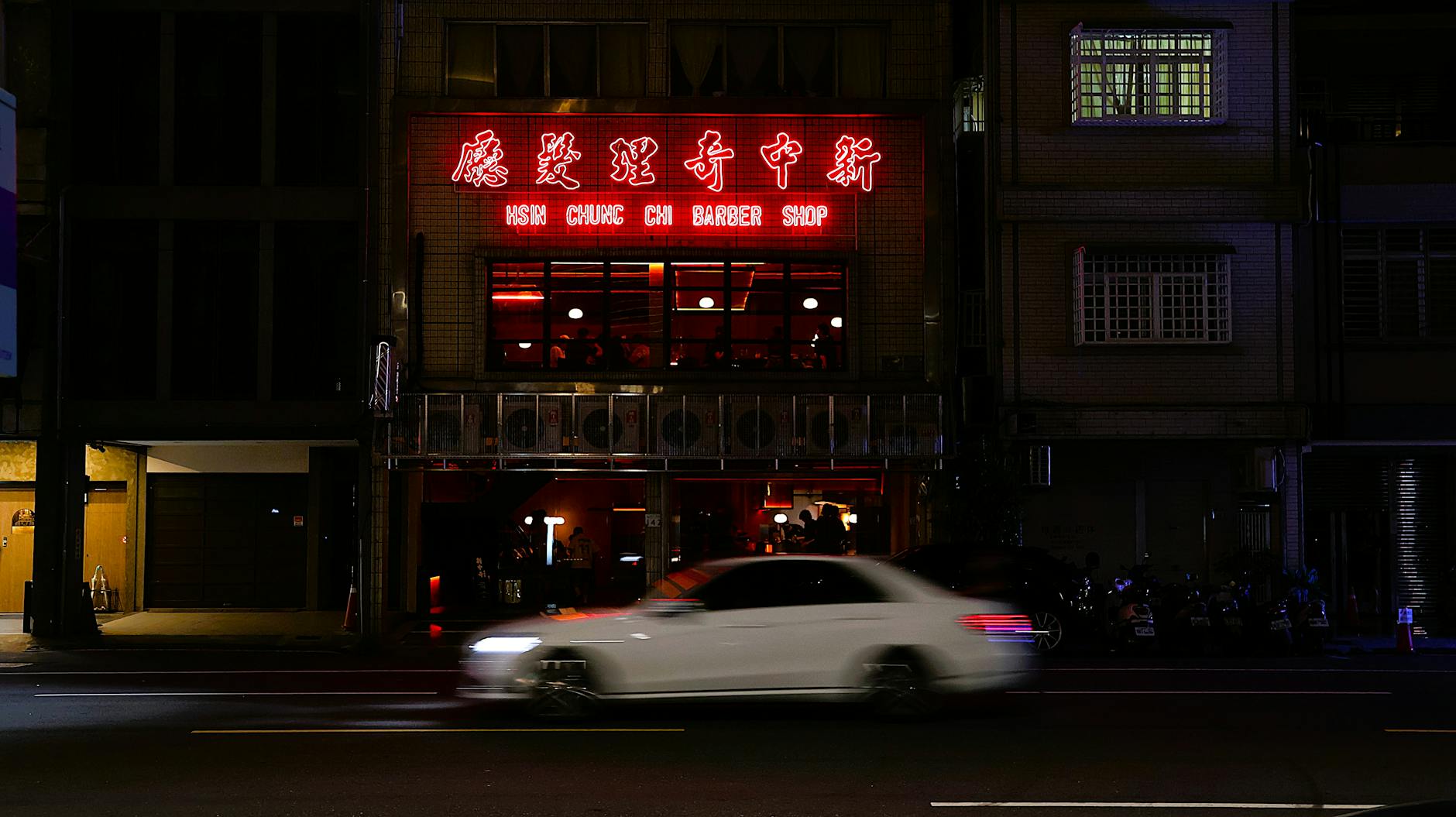
Solo travelers should be especially conservative with heat, dehydration, alcohol, phone battery, and late-night routing. Kaohsiung is generally approachable, but a tired traveler alone should avoid uncertain walks, vague pickup points, and remote returns after the last planned stop. The hotel address should be saved in a form a driver can use.
Good solo safety is mostly boring: water, charge, data, clear exits, and not stretching the night past good judgment.
- Watch heat, hydration, alcohol, phone charge, data, and fatigue.
- Avoid uncertain late walks, vague pickup points, and remote returns.
- Save the hotel address and keep a taxi or ride option available.
Decide how far to go alone
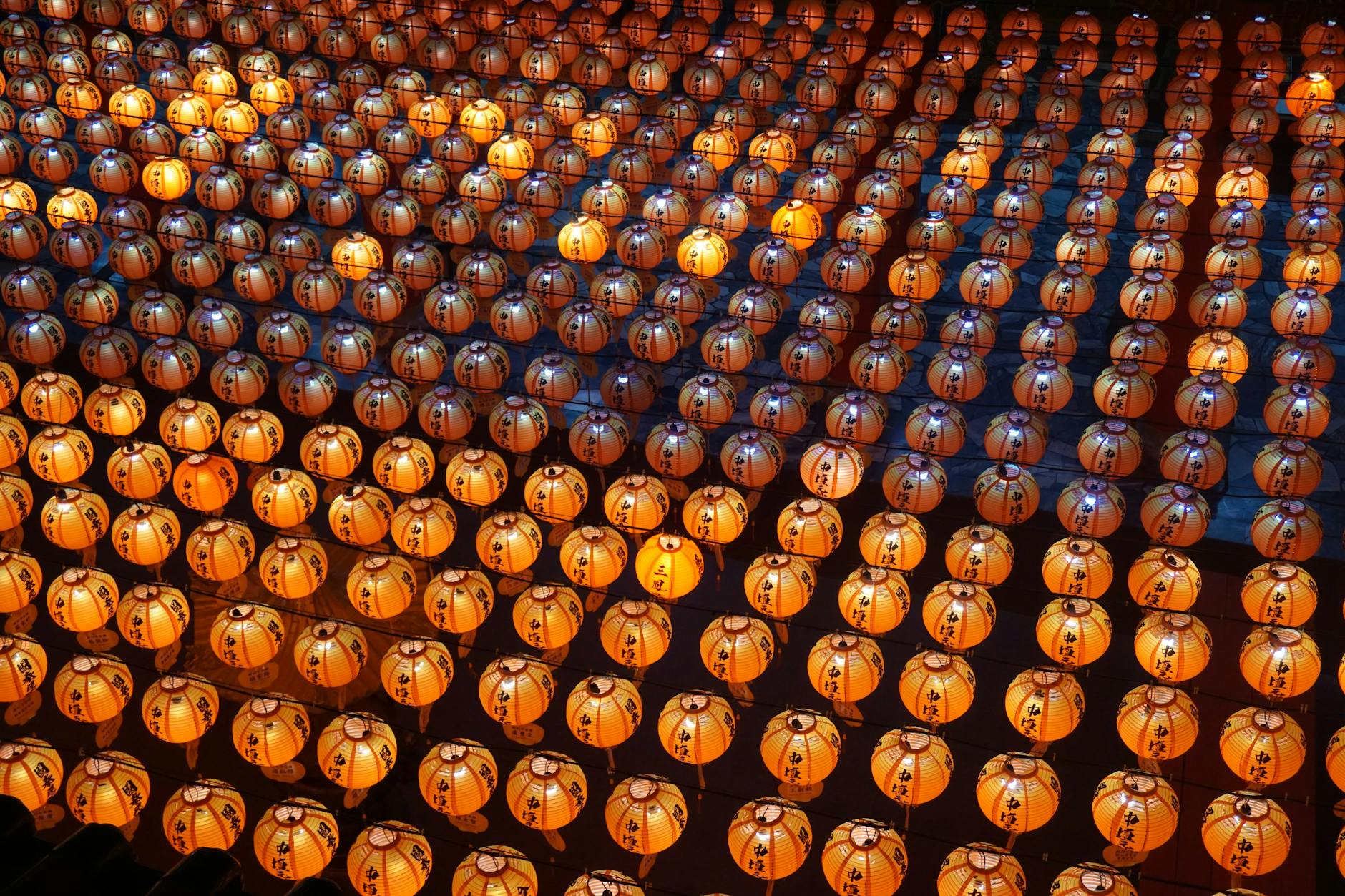
Cijin, Lotus Pond, Fo Guang Shan, and outlying viewpoints can all interest solo travelers, but they vary in transfer complexity and return risk. A confident solo traveler may enjoy the independence. A tired traveler on a short stay may be better with central waterfront districts, guided context, or a simpler temple and food route.
The goal is not to avoid distance. It is to avoid having distance become the whole day.
- Compare Cijin, Lotus Pond, Fo Guang Shan, and waterfront districts by transfer complexity.
- Use guided context or a simpler route when time, heat, or confidence is limited.
- Keep the return plan clear before heading farther out.
When to order a short-term travel report
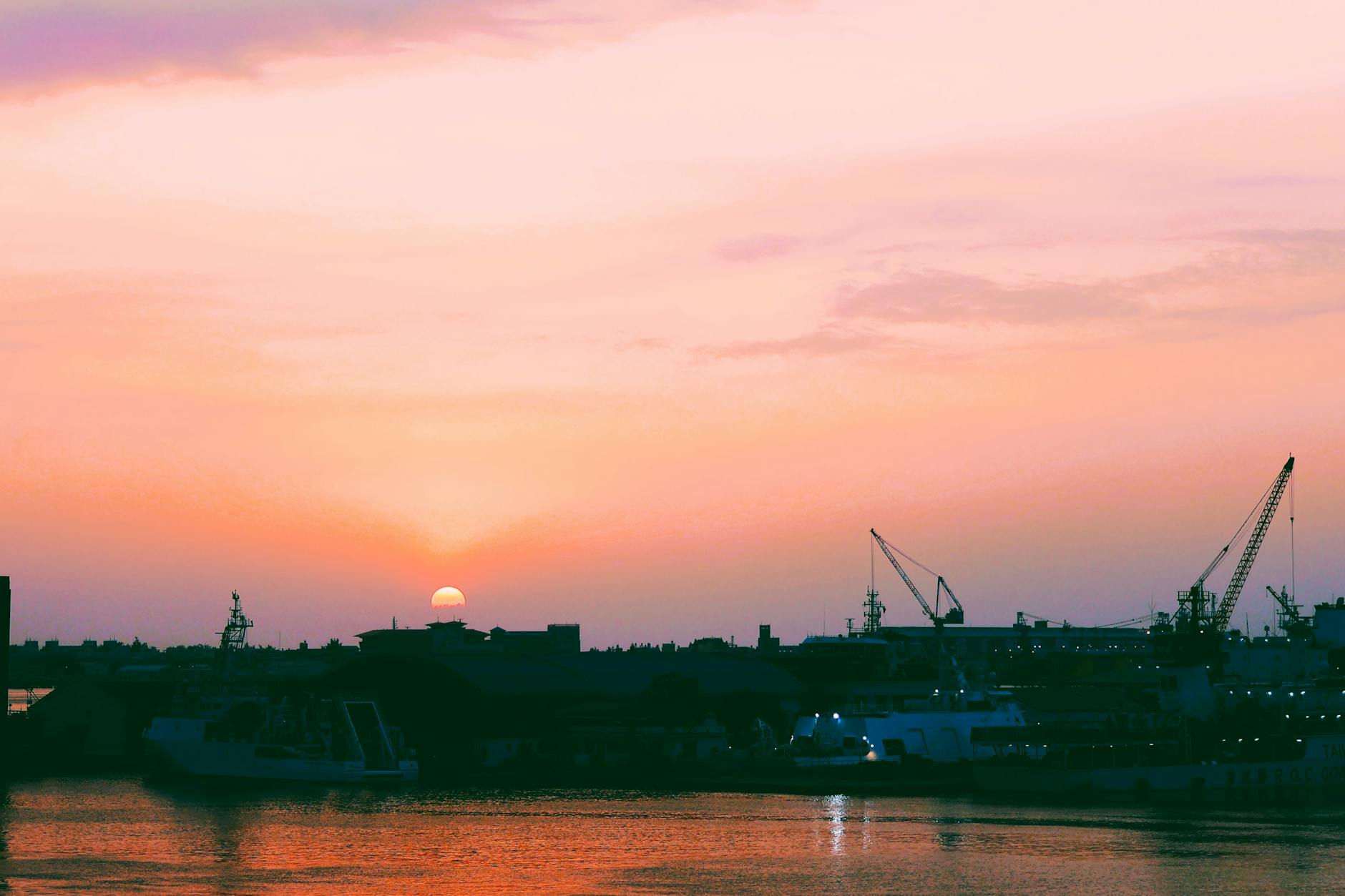
A solo traveler who enjoys improvising over several days may not need a custom Kaohsiung report. A report becomes useful when the stay is short, hotel choice feels uncertain, late returns matter, the traveler wants to compare Cijin, Lotus Pond, Fo Guang Shan, and waterfront routes, or dietary, safety, mobility, or budget constraints need tighter handling.
The report should test hotel base, arrival route, solo-safe evening returns, MRT and taxi use, food options, weather, attraction sequencing, phone and payment needs, budget, and what to cut. The value is independence with fewer exposed decisions.
- Order when hotel location, solo returns, food, route choice, weather, safety, or budget need testing.
- Provide dates, arrival mode, hotel options, interests, comfort level, constraints, and budget.
- Use the report to keep the solo trip flexible without making it careless.