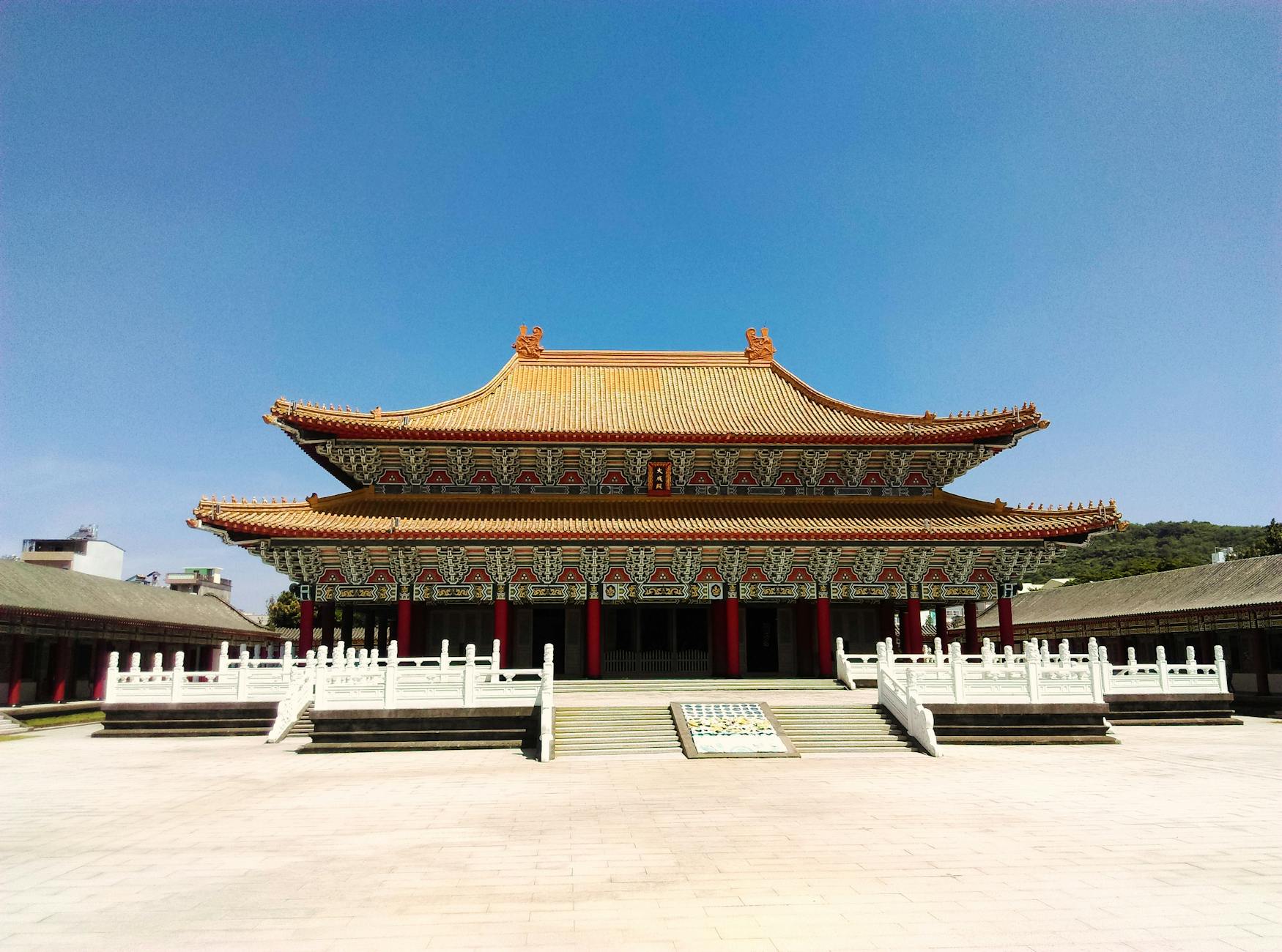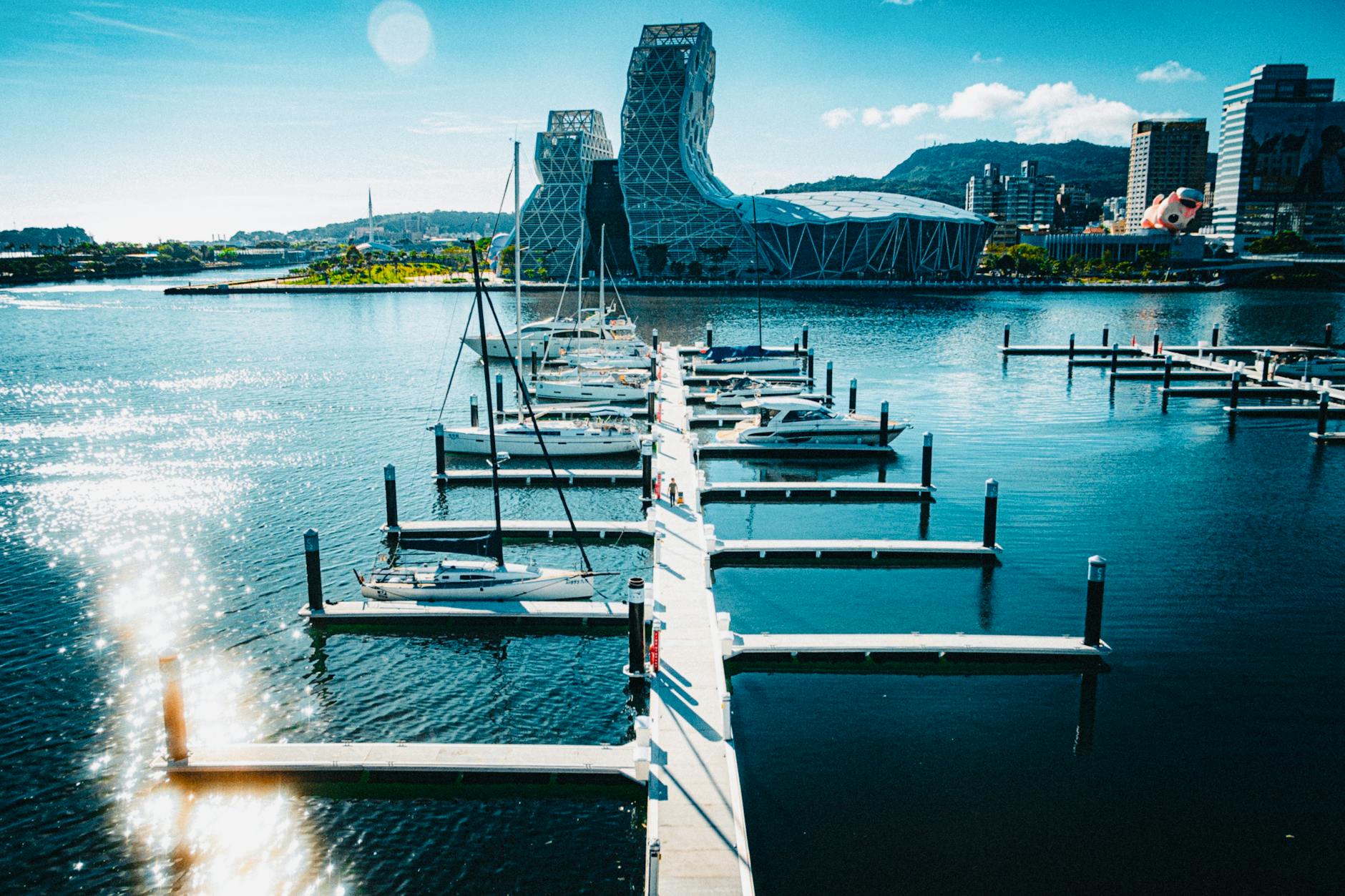
A repeat Kaohsiung leisure visit should not feel like a weaker version of the first trip. The traveler may already know Pier-2, Love River, Lotus Pond, Cijin, a favorite market, or an easy MRT corridor. The useful question is what deserves another look and what should be changed because the traveler now understands the city better. A good repeat visit uses familiarity as an advantage. It can move more slowly, choose better meals, revisit one favorite at a better hour, add one new district or farther sight, and avoid the pressure to prove the whole city again.
Decide what is worth repeating
A repeat visitor should name the places that genuinely deserve another visit instead of copying the old itinerary by default. Pier-2 may feel different at night. A waterfront walk may work better before dinner. A market may be worth returning to with a shorter food list. A favorite hotel may still be right, or it may be holding the traveler in the wrong part of the city.
The repeat trip should start with preference, not habit.
- List the Kaohsiung places, meals, and routes that are genuinely worth repeating.
- Change timing, direction, or hotel base when the old version had friction.
- Avoid filling the itinerary with familiar stops that no longer serve the trip.
Refresh the waterfront route
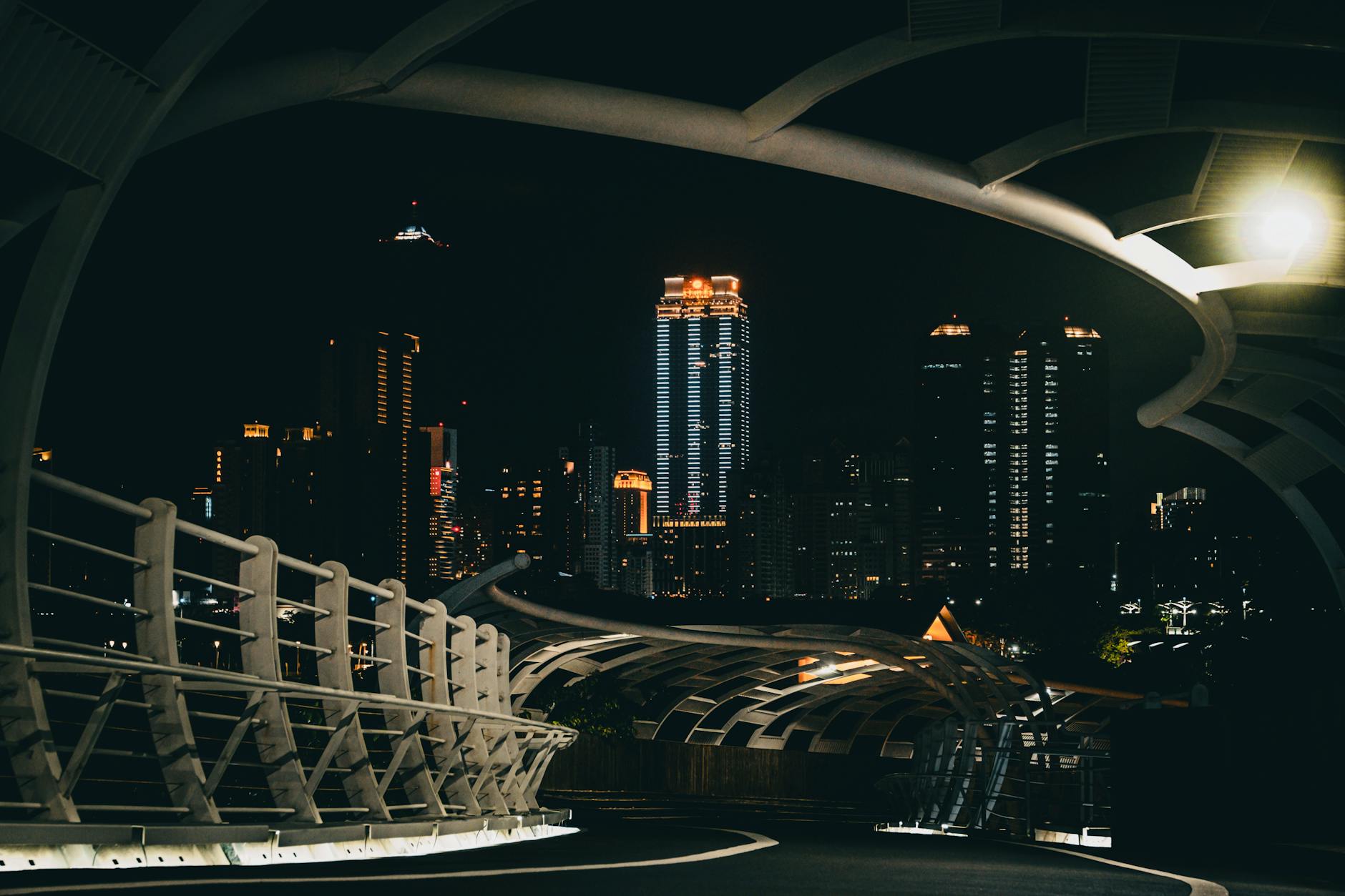
The waterfront is still a strong repeat-visit anchor, but it can be used differently. The traveler might focus on a quieter harbor view, a better sunset sequence, a light rail segment, a gallery or design stop, or a slow meal instead of retracing the first visit. Familiar geography should make the route calmer and more specific.
A repeat waterfront plan should have a reason beyond nostalgia. It should improve on the earlier version.
- Use Pier-2, Love River, harbor views, light rail, and dinner routes with more specific timing.
- Choose quieter viewpoints, better sunset windows, or a slower meal instead of repeating every stop.
- Keep the return route simple so the evening feels relaxed.
Add farther sights only when they fit
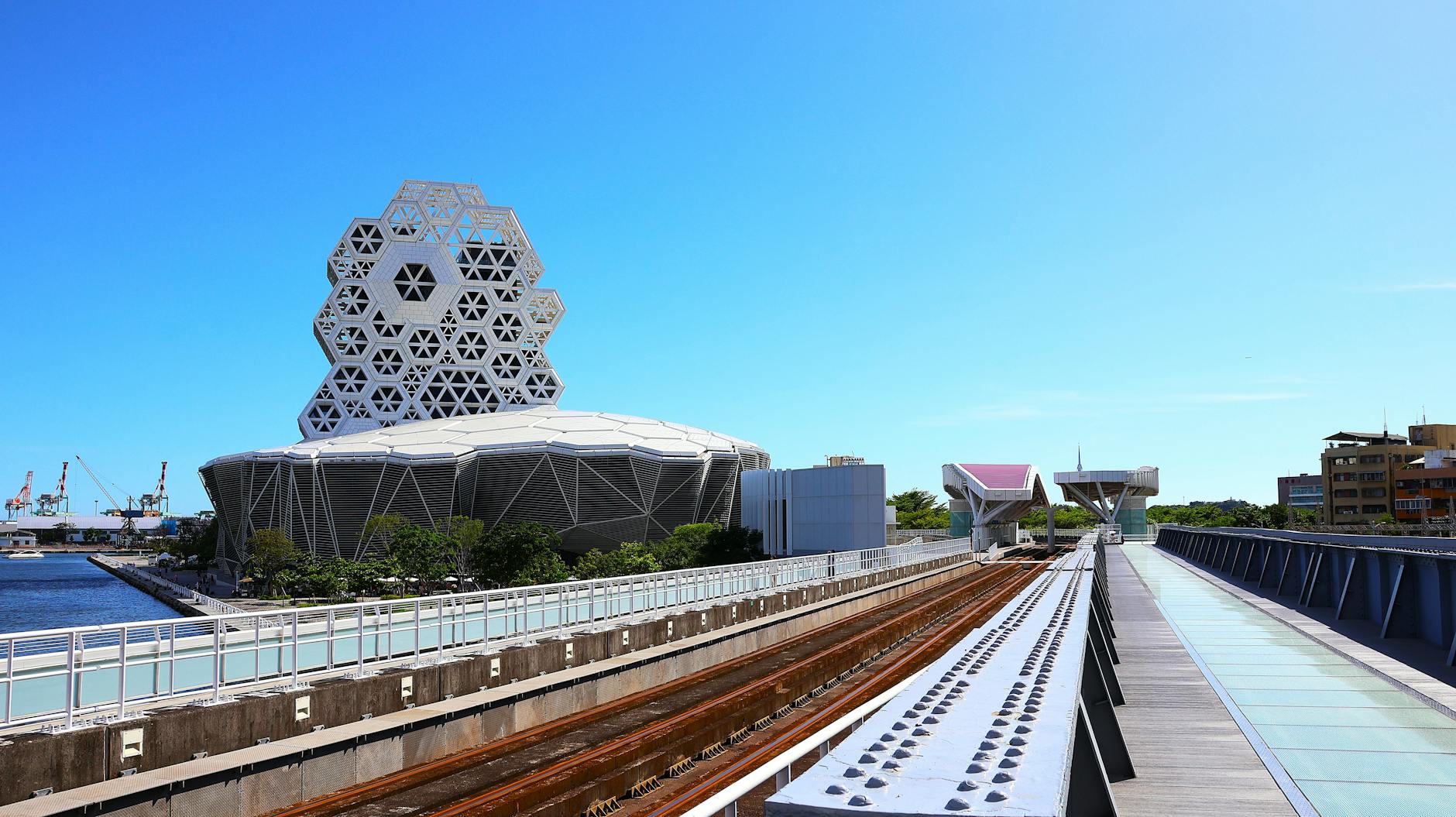
Repeat visitors often consider sights they skipped the first time, such as Fo Guang Shan, a deeper Cijin route, additional temples, coastal areas, or a longer food outing. These can be excellent, but they should not crowd a short return visit simply because they are new. A farther sight needs a clear transfer plan and enough time to feel worthwhile.
The traveler should choose one larger addition and give it room. Novelty alone is not a good itinerary principle.
- Compare Fo Guang Shan, Cijin, temple routes, coastal areas, and other additions by total time.
- Check transfers, heat, walking distance, opening hours, meals, and the return route.
- Choose one larger new addition instead of scattering the repeat visit.
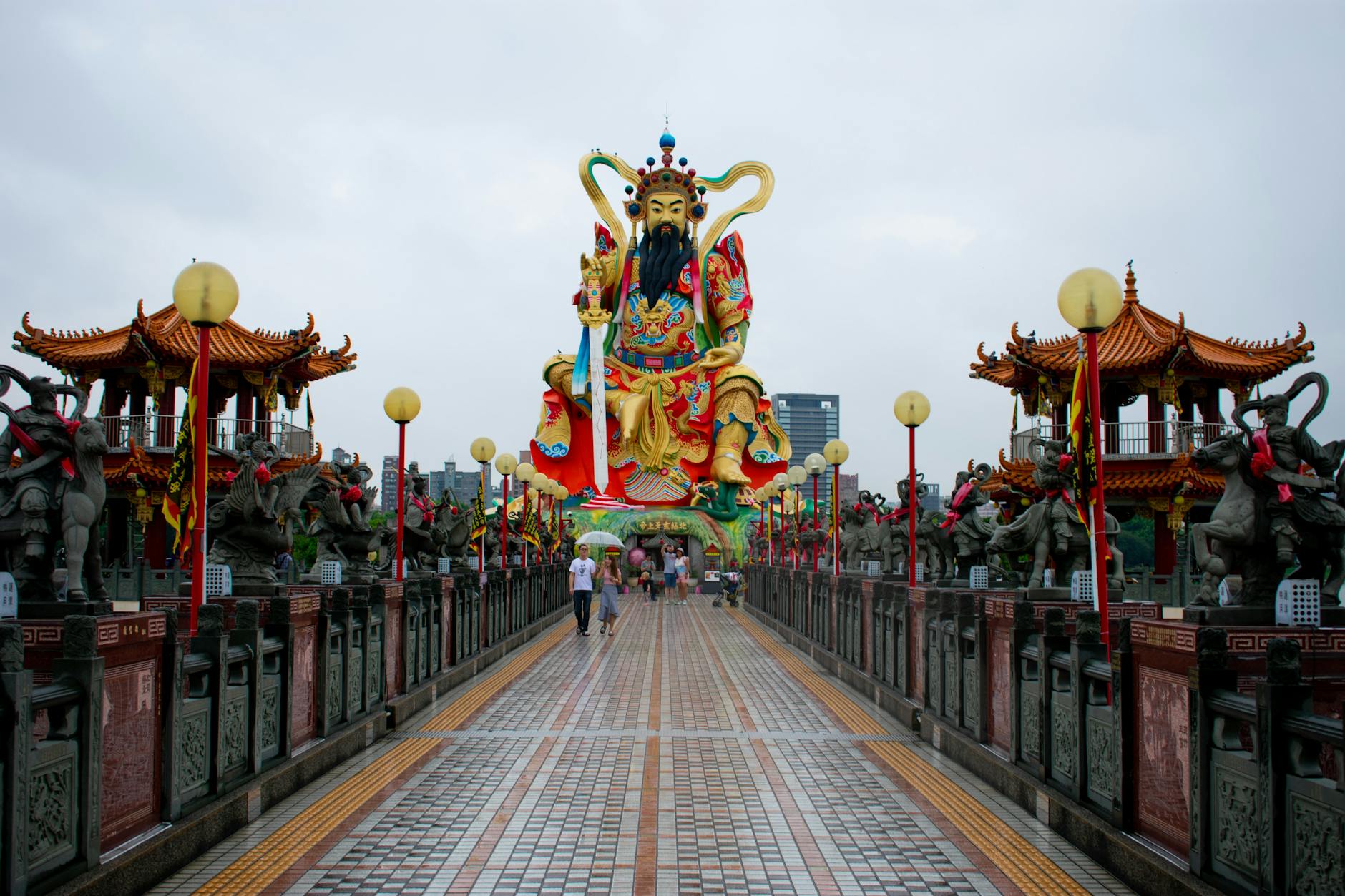
Use favorite food areas more deliberately
A repeat leisure visitor has the advantage of knowing what was actually enjoyable the first time. That can lead to better food planning: a favorite stall revisited at the right hour, a market approached with cash and priorities, a seafood meal timed around Cijin, or a quieter cafe placed between hot outdoor stops.
The food plan should support the day, not interrupt it. Repeat visitors can be more selective because they are no longer guessing from scratch.
- Revisit favorite meals only when timing, crowds, cash, and return transport make sense.
- Add one new food area, cafe, seafood meal, or market route instead of chasing every recommendation.
- Plan hydration, bathrooms, spice, dietary needs, and heat around meals.
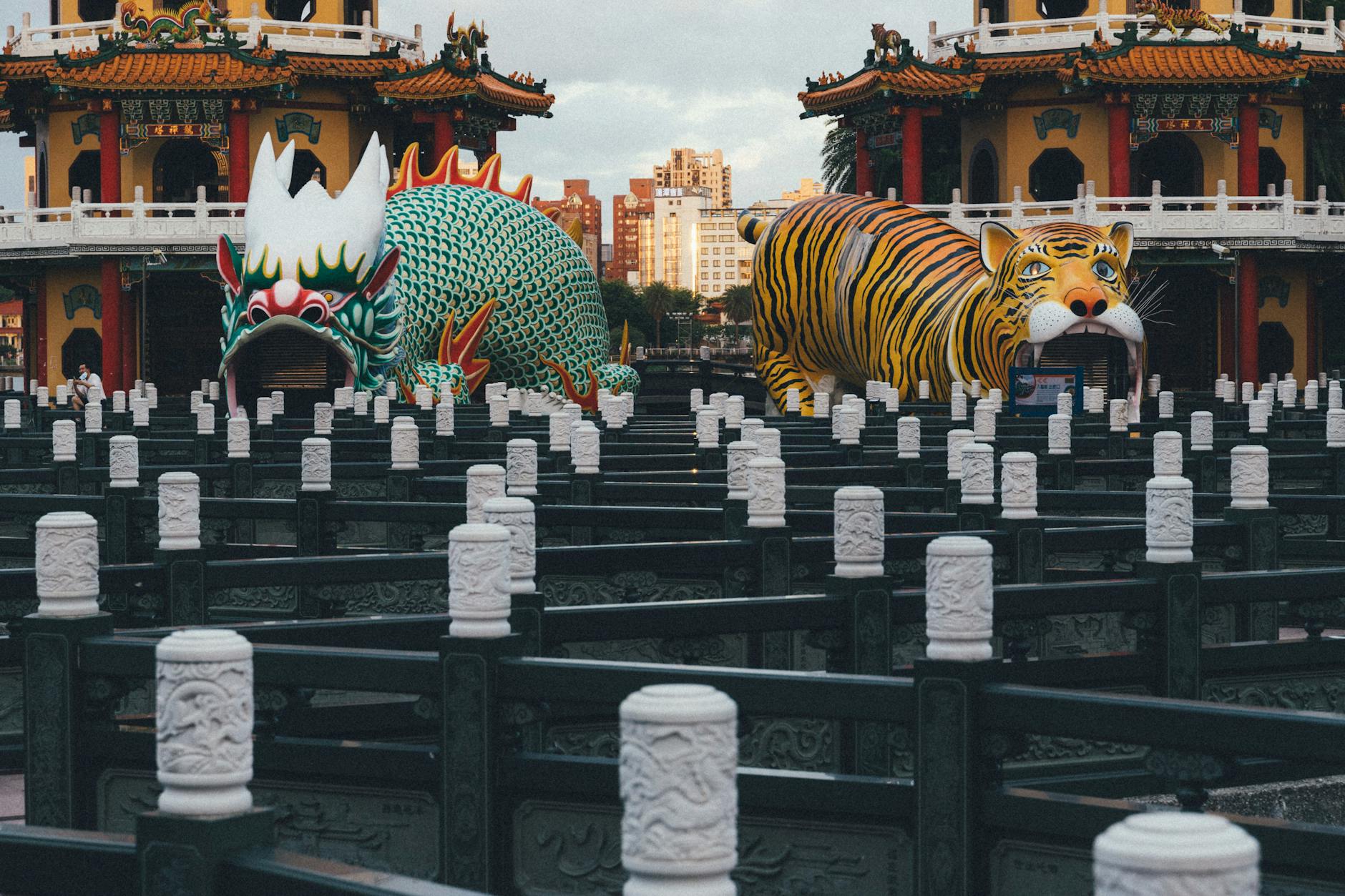
Recheck transport instead of relying on memory
Familiarity can make repeat travelers careless about transport. HSR Zuoying, the airport, MRT, light rail, ferries, taxi pickup, construction, hotel changes, and weather can still affect the trip. A route that worked before may not fit a different hotel, season, flight time, or dinner location.
The traveler should use memory as context, then verify the details again. The second visit should be smoother, not more casual in the wrong places.
- Recheck HSR, airport, MRT, light rail, ferry, taxi, hotel, and walking details before arrival.
- Do not assume the previous route fits a new season, base, or schedule.
- Use taxis or simpler transfers when they protect the leisure purpose.
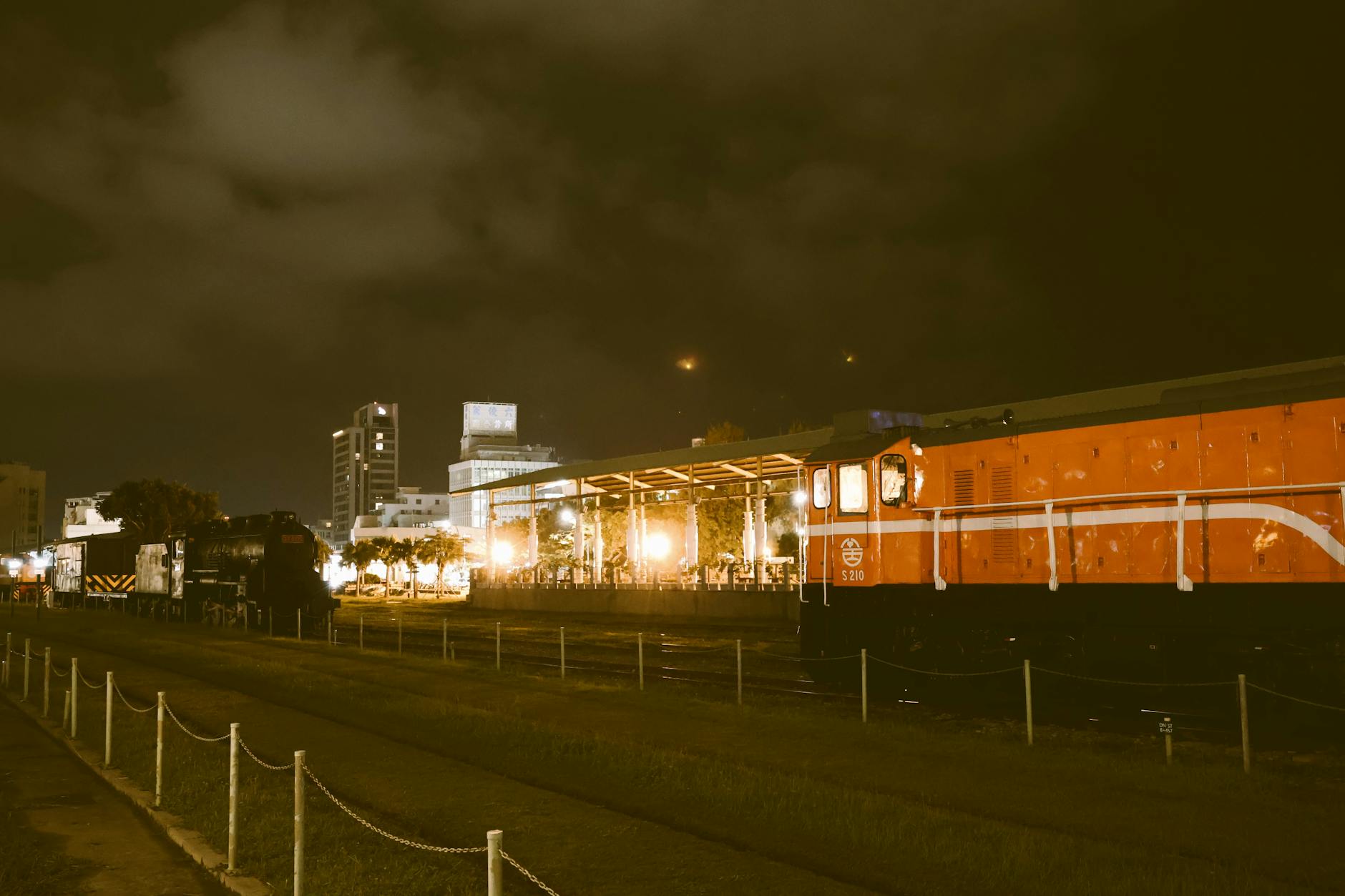
Leave room for weather and mood
Repeat trips can be more relaxed because the traveler does not need to collect the obvious first-visit proof points. Kaohsiung weather, heat, rain, tiredness, or a good meal invitation can change the day. A strong repeat itinerary has optional pieces that can drop away without damaging the trip.
This flexibility is not laziness. It is one of the benefits of returning to a place with more confidence.
- Build optional stops that can be removed for heat, rain, fatigue, or a better local invitation.
- Use indoor breaks, hotel returns, and slower meals without treating them as wasted time.
- Let the repeat visit feel less pressured than the first one.
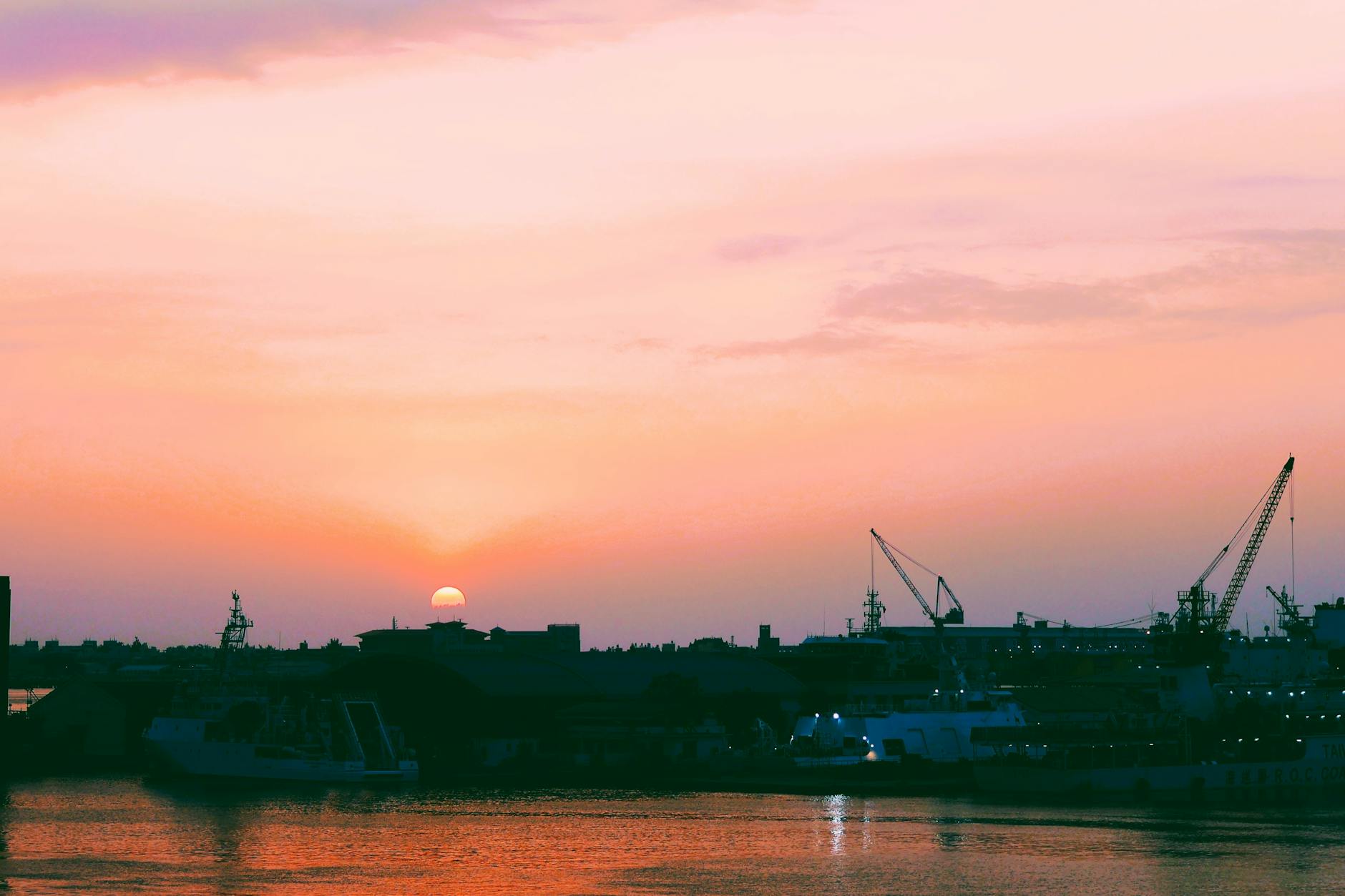
When to order a short-term travel report
A repeat visitor who already knows exactly what they want may not need a custom Kaohsiung report. A report becomes useful when the traveler wants to refresh the city, compare missed sights, change hotel base, avoid repeating old friction, manage heat, or fit one new route into a short return visit.
The report should test what to repeat, what to change, hotel base, HSR and airport movement, Cijin and waterfront timing, larger temple or side-trip options, food routes, weather, budget, and what to cut. The value is a second Kaohsiung trip that feels sharper than the first.
- Order when the return trip needs new ideas, better sequencing, or fewer repeated mistakes.
- Provide past itinerary notes, favorite places, disappointments, dates, hotel options, constraints, and budget.
- Use the report to make a familiar city feel fresh without overloading the visit.